
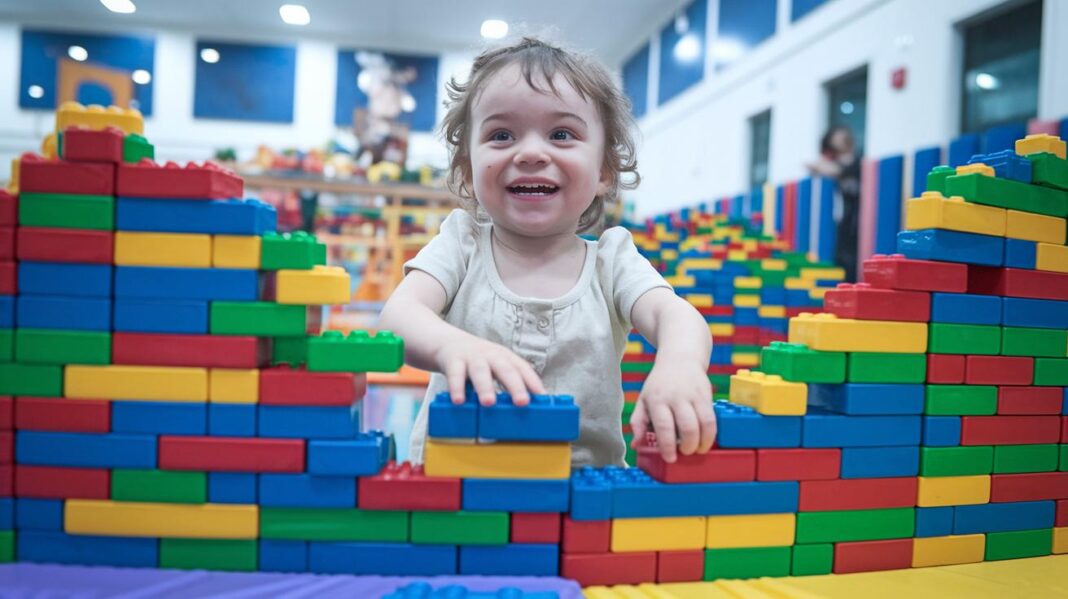
Have you ever noticed how tiny, uncertain steps and early words can hint at a bright future? Growing up isn’t just about big milestones, it’s about who we become along the way. Every smile and new discovery shows the simple joy of childhood.
In this piece, we take a gentle look at how each stage from infancy to early childhood lays the groundwork for learning, bonding, and growing. Let’s explore the little magic hidden in every moment of growing up.
Key Milestones in Child Growth and Development
Kids grow in many ways, physically, mentally, in how they interact, and in their feelings. From when they’re born until they become teenagers, every stage brings its own little surprises and achievements. For example, did you know that by just two months, many babies start to smile back at your kind face? It’s one of the early hints that their social world is beginning to blossom.
In those early days, small steps like saying their first word around the first birthday or taking their first wobbly steps (usually between 8 to 18 months) are truly exciting. As they move into the preschool years, children start making friends and can follow simple, multi-step directions, which shows how much they're growing both physically and mentally.
For more detailed information on these steps of growth, you can check out this helpful guide on stages of childhood development. Many pediatric experts suggest using tools like the CDC milestone checklists to keep an eye on these wonderful progress points. Routine checkups at around 9, 18, and 30 months (with some extra autism screenings at 18 and 24 months) can help parents notice any areas that might need a little extra care. Remember, every child is unique and will reach each milestone at their own pace.
| Age Range | Physical Milestones | Cognitive Milestones | Social/Emotional Milestones |
|---|---|---|---|
| Birth–12 months | Smiling by 2 months, rolling, crawling, and beginning to stand | Cooing, babbling, and saying first words around 12 months | Bonding with caregivers and starting to show feelings |
| 1–3 years | Walking, running, and better control over big movements | Growing vocabulary and solving simple problems | Playing alongside others, exploring independence, and making early pals |
| 3–5 years | Improved coordination, practicing fine skills like drawing and self-feeding | Enjoying imaginative play and following more detailed directions | Playing cooperatively, sharing, and understanding how to express feelings |
| 6–12 years | Fine-tuning motor skills, gaining strength, and endurance | Sharpening critical thinking and picking up school skills | Building complex friendships, better self-control, and working in teams |
Watching these milestones unfold is a wonderful way for families to celebrate everyday wins. With some thoughtful checkups and a bit of extra help when needed, parents can support their little ones as they build the strong, bright future that every child deserves.
Physical Development Phases in Early Life
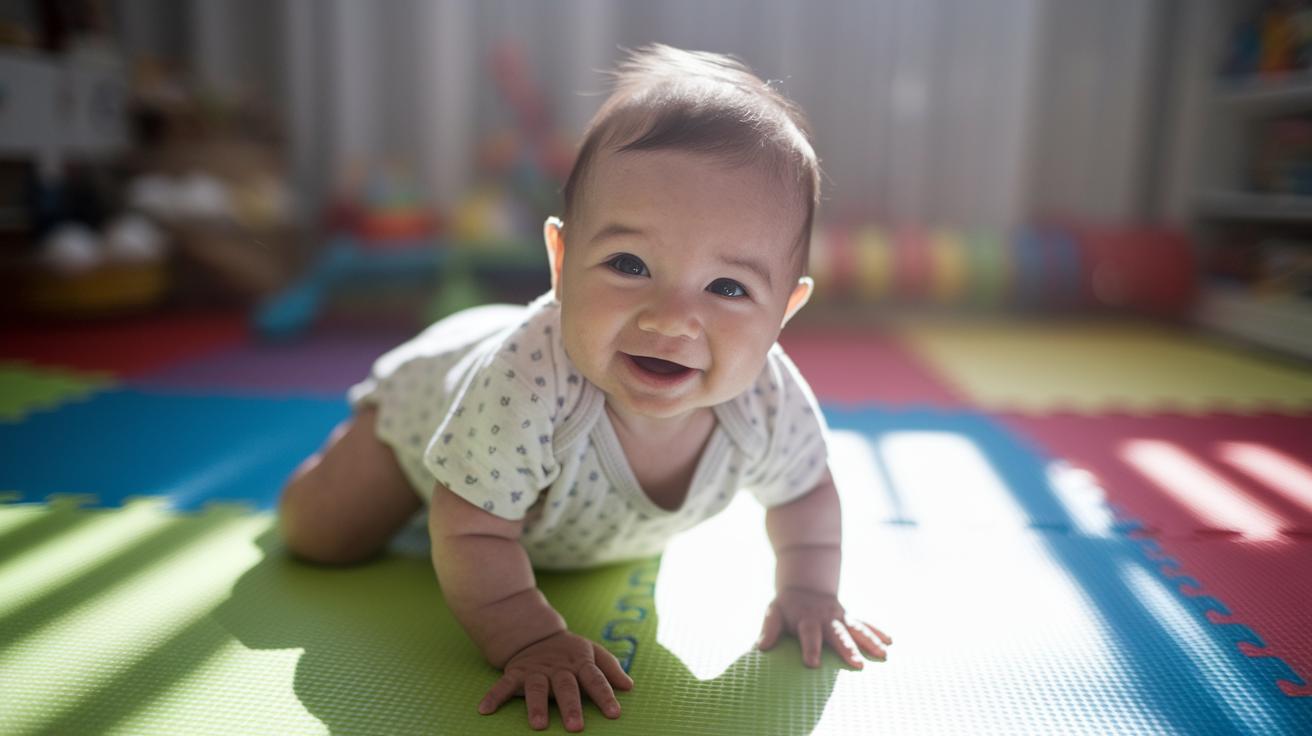
From the very start, you notice little changes in how your baby moves. In just a few months, your little one begins showing signs of strength and control. By four months, many babies start to roll over, and by six to eight months, they can sit all by themselves. These early steps prepare them for more active play and new discoveries. Even a gentle grasp, which begins as a simple reflex, slowly turns into a purposeful action. It’s like watching a tiny explorer take in the world for the very first time.
- roll over
- sit
- crawl
- walk
- run
These five moments mark the big steps in a child’s growing motor skills. Each new ability builds on the one before, creating a clear timeline of growth. For example, when a baby begins using a pincer grasp (using their fingers to pick up something) around nine to twelve months, it shows a move from basic reflexes to more careful, guided actions. This progress not only helps with playing and eating, but it also builds confidence and independence.
Regular doctor visits keep track of your baby’s journey by checking their height, weight, and head size against standard growth charts. Celebrating these milestones, even the small ones, is a delightful reminder that every child grows in their own special way. Watching these changes unfold is both heartwarming and a helpful guide as you nurture your little one’s bright future.
Cognitive Benchmark Achievements in Childhood Growth
When little ones first start making sounds, like soft coos and gentle babbling, they're doing more than just communicating. These early noises are like little sparks that help their brains form new connections. When a parent or caregiver chats about daily routines, it’s not just words; it’s a way for the child to link familiar experiences with language, nurturing their growing mind.
As children get older, their thinking skills stretch out even more. They begin solving problems, remembering things better, and even planning what comes next. Imagine a toddler firmly matching shapes in a puzzle, with eyes lighting up in that special moment of discovery. Seeing them work through challenges, trying out different ways until they succeed, reminds us how important warm and caring interactions are. Each gentle moment of guidance plays a part in their amazing journey of growth.
Childhood Growth and Development: A Bright Future
From the very first smile, a baby begins building important social skills. Even a little grin starts a journey toward talking and sharing ideas later on. As they grow, these early moments turn into playful interactions during preschool and beyond. By about six months, many babies can soothe themselves when upset. And come age four or five, they start naming their feelings and trying out simple ways to calm down. When a toddler shyly offers a toy to a friend, it’s a gentle sign that they are learning to share and wait their turn. These small steps in managing emotions help them feel safe and understood.
Everyday moments can be great chances to help children learn how to handle their feelings. Imagine your little one using words instead of tears to show they’re frustrated. That’s a sign of progress! By guiding them gently and talking about their feelings, you help turn simple moments into lessons about understanding emotions. A quick chat about how they feel or a cozy moment of reassurance can make a big difference. These caring interactions build a strong base for understanding emotions, setting the stage for a happy and balanced future.
Nutritional Impact on Childhood Growth and Development
Good nutrition is key to healthy childhood growth. A mix of protein, iron, calcium, and vitamins A, C, and D builds strong bones, helps the brain grow, and keeps the immune system strong. In the earliest months, breastmilk or formula gives babies the essential ingredients they need to start growing. By six months, when you add solid foods, offering a variety of nutrient-rich options helps set the stage for healthy growth and learning. A balanced diet also supports motor skills and language development, while not eating well can slow these important milestones. You can even use simple charts like weight-for-age and height-for-age to keep track of your child’s progress and make any necessary changes.
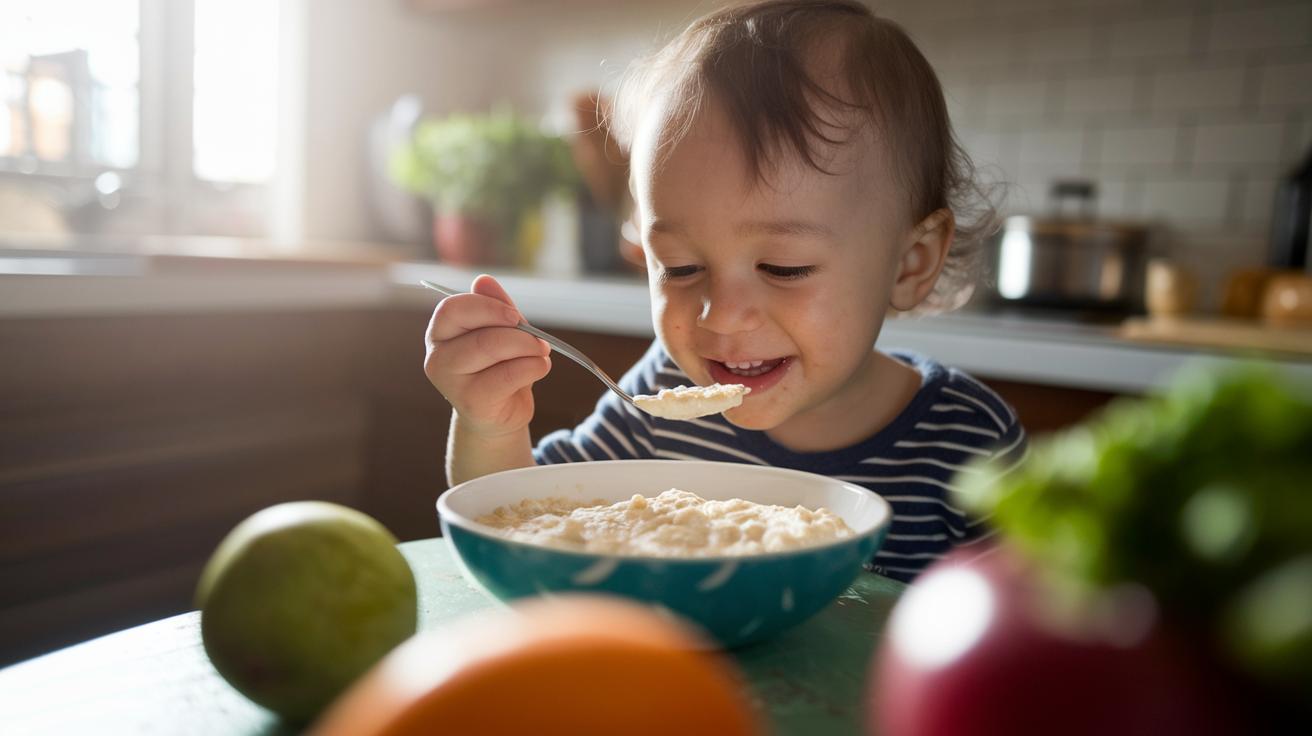
Parents can easily start healthy eating habits with small, simple steps. Try mixing in mashed fruits or colorful vegetables to make mealtime fun and tasty. Imagine your little one carefully holding a spoon while enjoying a warm bowl of porridge, every bite builds not just nutrition, but also skill and happy memories. By choosing a range of foods and keeping meals interactive, you help nurture both physical growth and a lifelong love of healthy eating.
Monitoring Growth: Assessment Methods and Tools
Doctors keep an eye on your child's growth with special tools like CDC and WHO growth charts. They check things like height, weight, and head size during your well-child visits at 9, 18, and 30 months. Sometimes, if there are concerns, they may also do an autism screening at 18 and 24 months. This helps them see if your child is growing as expected and notice any changes early on.
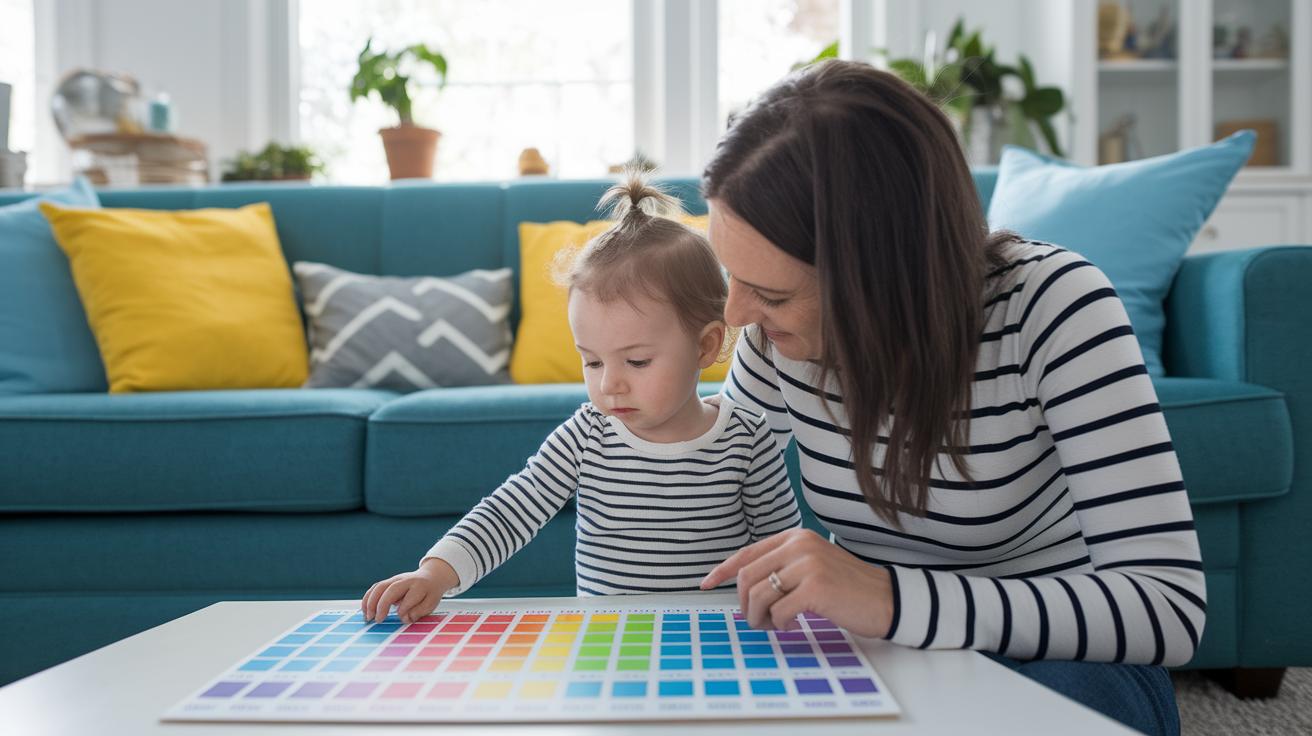
At home, you can watch your little one hit key milestones every day. We’ve talked before about using milestone checklists and visual tools, like the childhood development stages chart (https://womensconference.org?p=11071). These observations work best when paired with professional checkups. If anything seems off, it might be a good idea to have a chat with your pediatrician.
Early Intervention Strategies for Childhood Growth and Development
Sometimes, when a child isn’t meeting the typical milestones, it might be a signal to get a little extra help. If you notice that your toddler is taking longer than usual to say their first words or move around confidently, it could be time to talk with a pediatric specialist or a developmental expert.
For example, speech therapy can help boost language skills, while occupational therapy supports movement and coordination. Even simple behavioral support can guide your little one through big feelings and build social skills. Research tells us that when you step in early, it sets the stage for smoother progress later on.
At home, you can play a big part too. Simple routines like set playtimes, easy-to-follow visual schedules, or even interactive reading sessions can turn everyday moments into fun learning opportunities. Imagine your toddler excitedly pointing out pictures in their favorite book – every page they turn builds a little more confidence and skill.
Combining these at-home strategies with expert guidance creates a balanced and caring approach that can help your child catch up and thrive in the long run.
Final Words
In the action moments explored above, our guide walked through key milestones in child growth and development, from physical coordination and fine motor skills to early language, social, and emotional growth. We shared insights on proper nutrition, reliable assessment tools, and early intervention strategies to help support and nurture every growing child.
This practical overview gives you a clear snapshot of what to expect and how to support healthy childhood growth and development. Enjoy celebrating every step forward!
FAQ
Q: What are the 5 stages of child growth and development?
A: The five stages represent shifts in physical, cognitive, social, emotional, and language skills from infancy through adolescence, marking the milestones that guide each phase of growth.
Q: What are the four main types of growth and development?
A: The four main types include physical, cognitive, social, and emotional development, with each area showing age-specific progress and skills that build on one another.
Q: What are examples of child development progress?
A: Child development progress is seen when a baby starts to smile, sits unsupported, speaks first words, and engages in cooperative play, reflecting gains across physical, language, and social-emotional areas.
Q: What are the 5 characteristics of growth and development?
A: The five characteristics often highlighted include a sequential process, continuous change, hierarchical building of skills, individual variability, and the integration of multiple developmental areas.
Q: What is a developmental milestones chart?
A: A developmental milestones chart is a visual guide that outlines expected physical, cognitive, and emotional skills at different ages, helping parents track progress and identify any concerns early.
Q: What are the 7 stages of child development?
A: The seven stages typically cover infancy, toddlerhood, preschool, early school-age, middle childhood, preadolescence, and adolescence, with each stage marking important changes in a child’s overall growth.


