Have you ever thought about how your baby's first tastes might help shape their growth? As your little one moves from only drinking milk to trying soft foods, every meal becomes a special step in their development.
In the first months, milk feeds them and gives them the right start. Then, a nibble of a smooth veggie puree sparks curiosity and a little bit of independence. It’s like a small journey from familiar to new.
This article will share some important steps in your baby’s eating adventure. We will talk about how feeding routines start and how babies learn to feed themselves, all while growing happy and strong.
Let's look together at how each meal brings new flavors, textures, and little wins along the way.
Foundational Nutritional Milestones in Infant Development
In those early 0–3 months, your baby gets all the nourishment they need from breast-milk or formula, right when they ask for it. It’s a time of fast growth that lays down the basics for a healthy future.
By about 6 months, you might start to see signs your little one is ready to try something new. They may sit up nicely, keep their head steady, and even seem less likely to push food away with their tongue. If you notice your baby eagerly watching you enjoy a meal, it could be a perfect moment to introduce a tiny taste of pureed veggies or iron-fortified cereal.
Between 6 and 9 months, many parents find that offering a sippy cup works well. This fun little change helps your baby begin drinking on their own, making the transition from the bottle a smooth, playful adventure.
From 8 to 12 months, your baby’s growing skills allow them to pick up soft finger foods using a pincer grasp. Then, around 10 to 12 months, joining in on small family meals becomes a delightful way to experience different textures and flavors together.
| Age Range | Key Nutritional Milestone |
|---|---|
| 0–3 months | Exclusive breast-milk or formula feeding |
| ~6 months | Introduction of first solids |
| 6–9 months | Sippy-cup practice |
| 8–12 months | Pincer grasp for self-feeding soft finger foods |
| 10–12 months | Transition toward family meals |
Breast Milk and Formula Feeding Milestones for Infants

When your baby is born, they depend entirely on breast milk or formula for nourishment until around 6 months old. In those first few months, you may find yourself feeding your little one 8–12 times a day. As they grow, the routine naturally shifts to about 4–5 feeds a day by the time they reach 6 months.
Breast milk brings a comforting mix of natural antibodies and special nutrients that help strengthen your baby's developing immune system. It’s like a gentle shield that supports them against common illnesses. If you’re using formula, it’s been carefully designed to offer a similar blend of benefits, so your baby gets what they need.
Regular visits with your child’s healthcare provider are also a gentle reminder that you're not alone on this journey. These check-ins allow you to track your baby’s growth, like weight and head size, and ensure that feeding routines grow along with your little one.
Did you know? Many babies experience a steady decrease in feeding frequency as they start enjoying other foods, a sign of their rapid growth and changing needs.
Introducing First Solid Foods: A Key Nutritional Milestone
When your baby is around 6 months old, you may begin to see little signs that they are ready for solids. They might sit up with a bit more help and watch family meals with curious eyes. It’s a gentle reminder that it might be time to start introducing solid foods along with their milk feeds. A good first step is to try iron-fortified cereal or pureed vegetables. Picture this: your baby takes their first spoonful of smooth, pureed carrot and discovers a new flavor.
Introduce one new food every 3 to 5 days so you can watch for any reactions. This step-by-step method makes it easier for you to see how your baby handles each new taste and texture. As you become more comfortable, you can serve small meals that include three tiny solid servings each day. This not only expands their taste experience but also slowly eases them away from relying solely on milk.
Keep the feeding time relaxed and enjoyable. Think of each new flavor as a little celebration, like when you first see a smile after your baby tastes mashed banana. These joyful moments are both exciting and reassuring. Look for hints such as your baby leaning forward or sticking out their tongue; these signals mean they are ready to explore another new taste. Stay with your plan, and soon your baby will be happily mixing nourishing milk with delightful solid foods.
Micronutrient Milestones: Iron, Vitamin D, and Other Key Nutrients for Infants
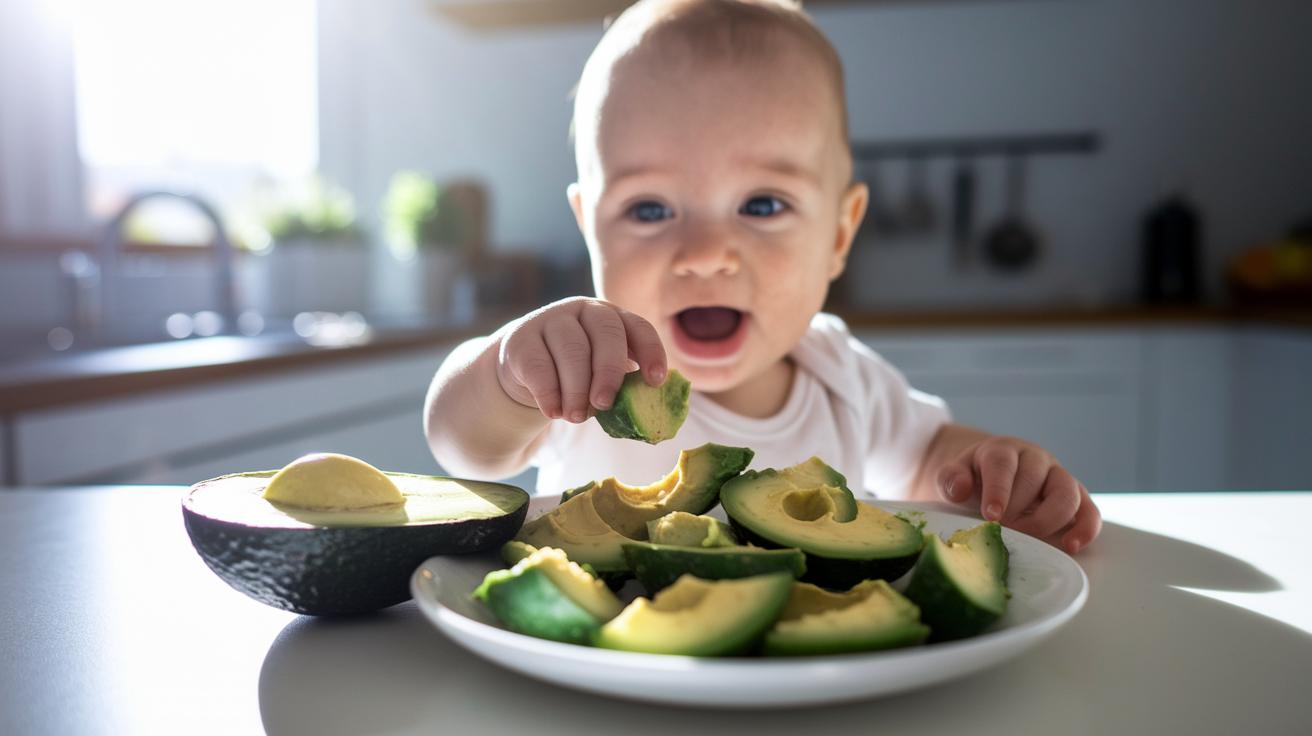
Between 6 and 12 months, it’s really important to make sure your little one gets all the key nutrients to support their growing body. A daily intake of about 11 mg of iron helps prevent any shortages and keeps their energy up while building healthy blood. For instance, you could try mixing in some iron-rich purees made from meat or legumes and watch their face light up as they discover new tastes.
Vitamin D is also super important, especially for strong bones. Experts suggest about 400 IU of vitamin D every day from birth. Think of it as a helper that works hand in hand with calcium. And speaking of calcium, getting around 200 mg daily through foods like pureed yogurt or fortified cereals builds a great base for healthy bone growth.
Your baby can also benefit from zinc and omega-3 fatty acids, which help with brain and immune system development. You might introduce these nutrients with small servings of pureed meats or legumes. Keeping track of these little milestones can give you peace of mind, knowing you’re making loving, healthy choices for your growing child.
Texture and Feeding Transitions as Nutritional Milestones
Between 6 and 8 months, you might notice that smooth purees just don’t cut it for your little one's curious taste buds. It’s a happy time to try out thicker textures. Think of it like making your favorite soup even better by stirring in a few soft chunks. For example, start with pureed carrots and gradually add in tiny mashed pieces as your baby’s skills grow. Imagine your baby’s smile when they first get to squeeze mashed banana from their own hand!
From 8 to 10 months, the focus shifts a bit. This is when you can introduce mashed foods and small, soft pieces that help your child practice chewing. This little change lets your baby explore new textures and get more comfortable with eating. You might serve slightly mashed peas or soft avocado pieces, always checking that the pieces are just the right size and softness for safety.
By 9 to 12 months, as baby-led weaning becomes more common, your little one is starting to pick up small bite-sized foods on their own. Now’s the time to cut all foods into safe pieces for self-feeding. Little cubes of pear or gently steamed broccoli are great choices. These options help promote independence while making sure mealtime stays safe and fun.
| Age Range | Texture Transition |
|---|---|
| 6–8 months | Gradually thicker textures |
| 8–10 months | Introduce mashed foods for chewing |
| 9–12 months | Provide bite-sized pieces for self-feeding |
Monitoring Growth and Nutritional Milestone Progress in Infants
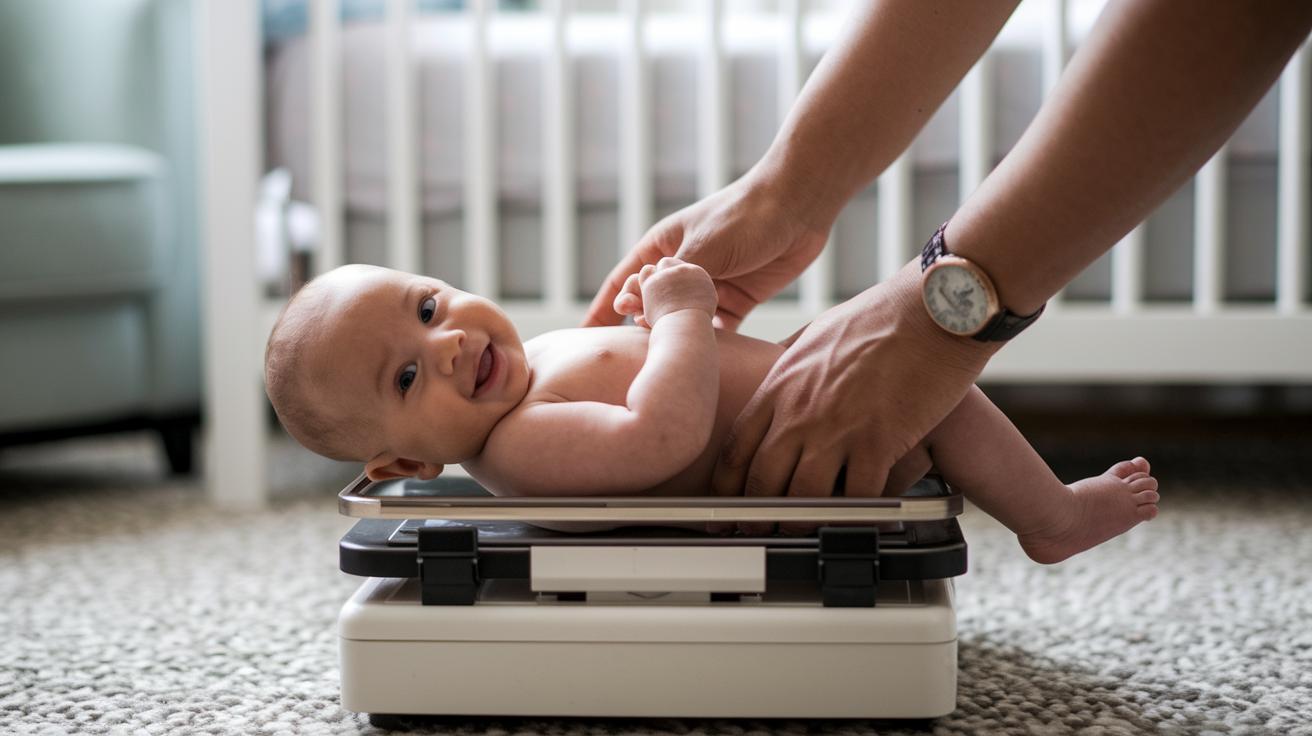
Keeping an eye on your baby’s growth is a way to catch important changes as they happen. Many parents use WHO growth charts to track weight, length, and head size each month. It’s a lot like watching a garden grow, each new bud is a reminder that progress comes in small, steady steps. Picture noting your baby’s weight every month as a little milestone celebration.
It also helps to jot down what your baby eats, how often they feed, and any new foods you introduce. A simple list can make this easier:
- Milk feeds (breast milk or formula)
- Starting solids
- Changes in how often they feed
As your baby begins eating more solids, you might see that there are fewer feedings, but each one is a bit more filling. Keep an eye on these changes and compare them with normal growth marks. And if you ever notice your baby’s growth dipping below the 5th percentile or any big shifts in their feeding patterns, chatting with your healthcare provider is a good next step.
Final Words
In the action of keeping pace with every step of baby care, this piece mapped out key stages, from exclusive milk feeding to the first introduction of solid foods and the gradual move toward family meals. It provided clear guidance on what to watch for while supporting growth through safe texture changes and micronutrient needs.
Every tip shared ties back to maintaining nutritional milestones for infants, empowering caregivers to feel confident and supported as they nurture their little ones. Here's to growing together with care and heart.
FAQ
What does nutrition for infants 0-12 months entail?
The nutrition for infants 0-12 months involves starting with exclusive breast milk or formula, adding first solids around 6 months when readiness signs appear, and gradually introducing finger foods as the baby develops.
What should I know about nutrition for babies 6-12 months and developmental feeding?
The nutrition for babies 6-12 months includes transitioning from pureed foods to mashed and soft finger foods, which supports their growing skills and prepares them for family meals while continuing milk feeds.
What are the milestones of a healthy infant?
The milestones of a healthy infant include consistent growth tracked by WHO charts, introducing first solids around 6 months, and developing self-feeding abilities such as a pincer grasp by the end of the first year.
What are the nutritional recommendations and management for infants?
The nutritional recommendations for infants cover exclusive milk feeding until about 6 months, gradual solid food introduction with key nutrients like iron and vitamin D, and regular growth monitoring with a health provider.
How can I access resources like baby food charts or PDFs on infant nutrition?
Resources such as baby food charts, PDFs, and PPTs provide age-specific feeding benchmarks and nutrient guidelines, offering a clear and practical reference to help you manage your baby’s evolving nutritional needs.