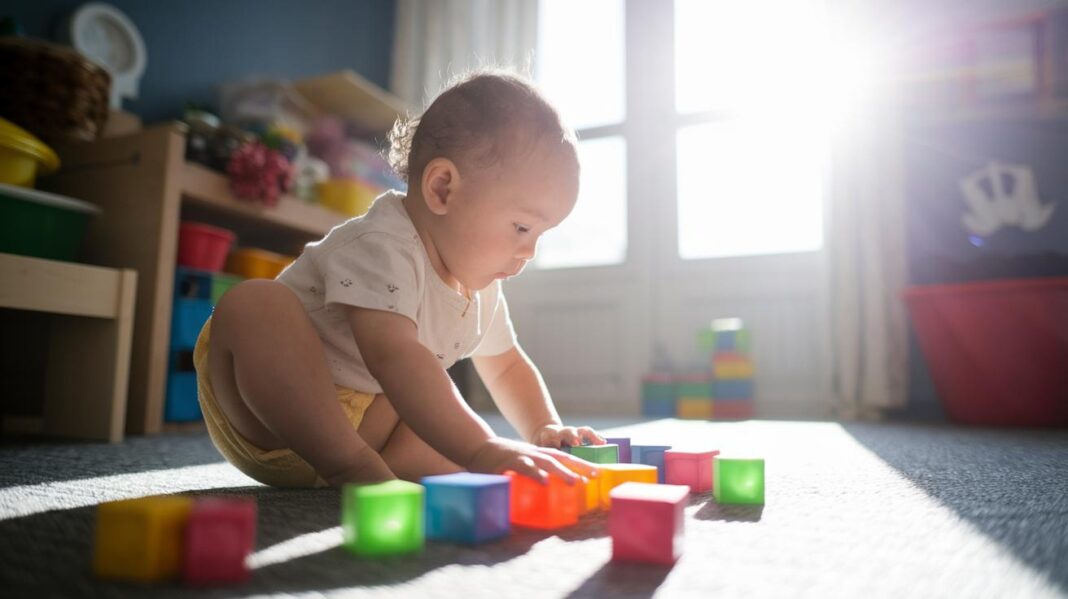
Have you ever thought about how a little one's brain starts working even before they talk? Early childhood is full of small moments that spark curiosity. A game of stacking blocks or a simple smile can light up a child's mind in wonderful ways. In this article, we share how everyday experiences help young minds grow and set them on a joyful path to learning.
Understanding the fundamentals of cognitive development in early childhood
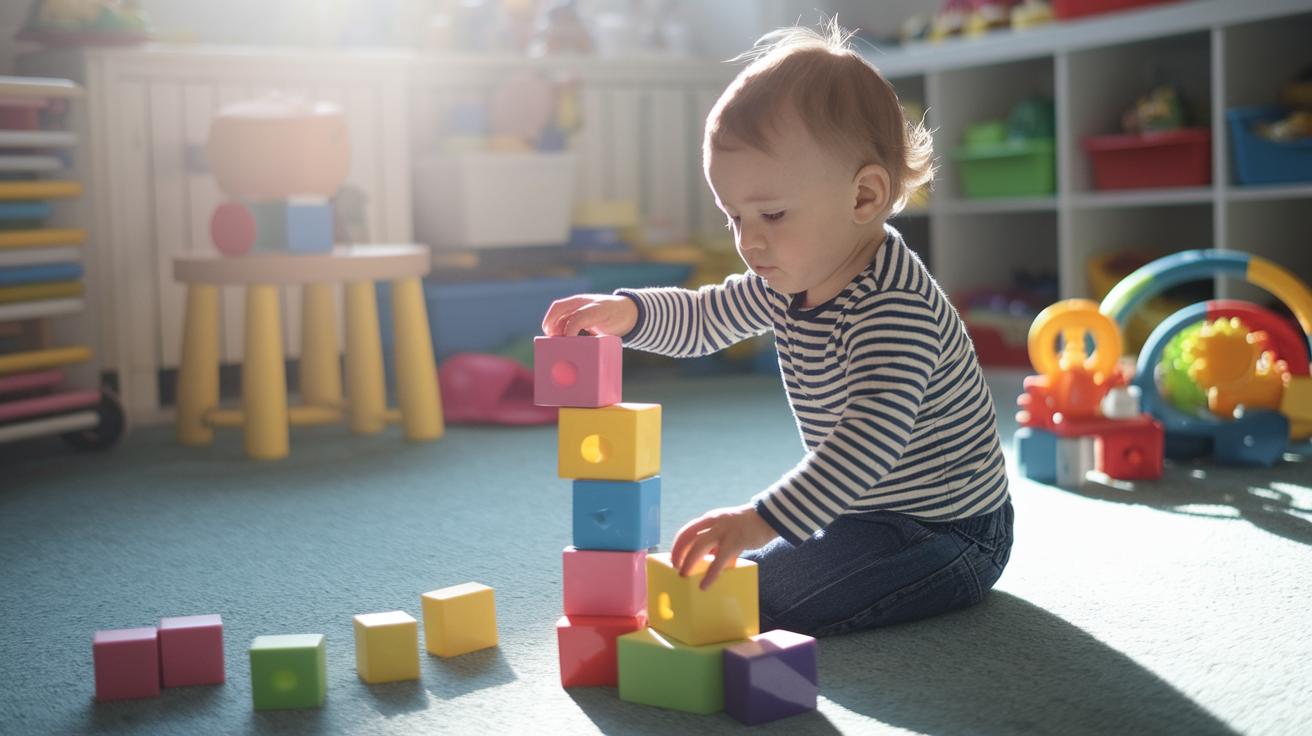
Cognitive development is all about how little ones start to think, explore, and learn about the world around them. From birth to about eight years old, children pick up new skills in problem solving, memory, and understanding their surroundings. Imagine this: even before they speak their first word, a child's brain is busy making connections from what they see, hear, and feel, setting the stage for future learning.
This stage is especially amazing because young brains are super flexible, meaning they're ready to soak up new information quickly. The preschool years feel like a magical time when every game or simple task builds language, memory, and thinking skills. When you read a gentle story or sing a soothing lullaby, you're creating warm, loving moments that help their mind grow naturally.
Kids learn so much by just trying things out. Whether they're stacking blocks or sorting objects by color, they begin to understand how one action can lead to another. Watching a toddler discover that pressing a button makes a toy light up is a sweet reminder of how learning happens in everyday moments.
Every little interaction, whether during a quiet cuddle or a fun playtime, helps shape their ability to think, reason, and solve problems. Each day is a step on their exciting journey of learning and growing.
Key cognitive milestones chart for early childhood development
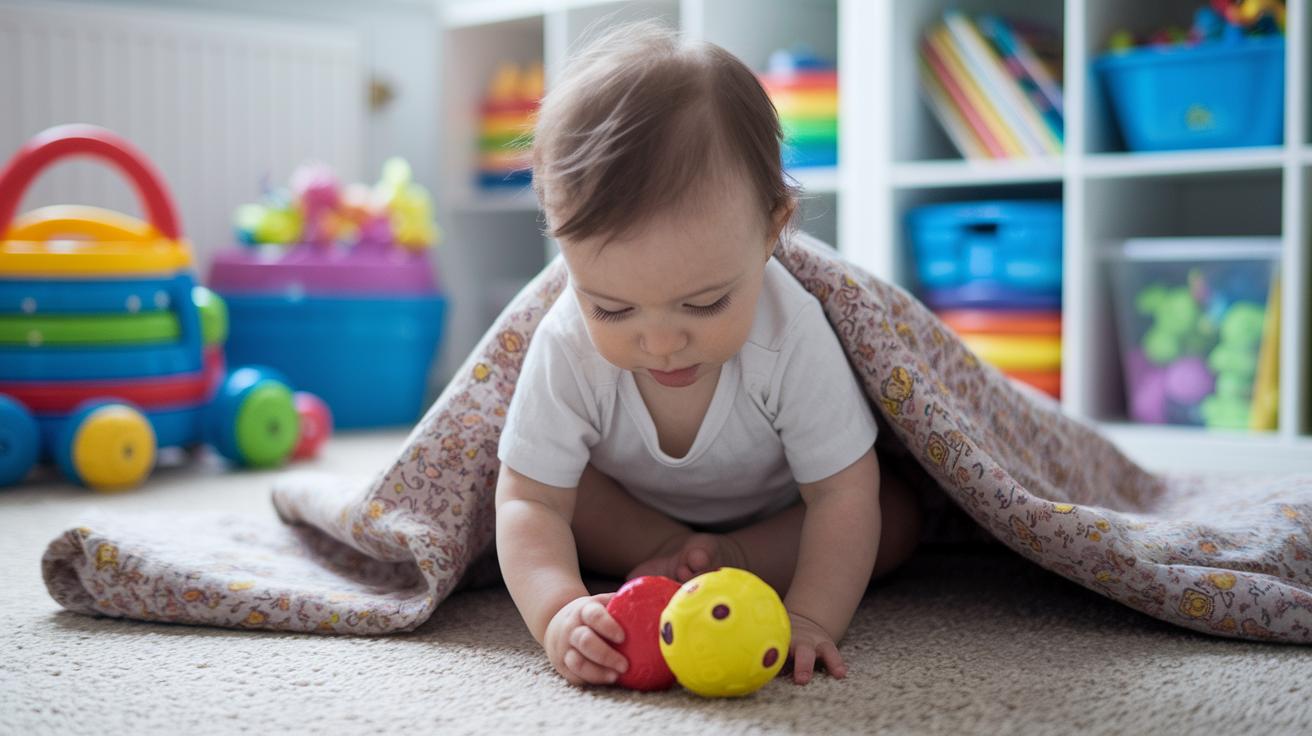
This table shows the amazing steps in brain growth that little ones experience as they explore the world. It all starts when a baby, between birth and 2 years old, notices that a toy hidden under a blanket is still there. That simple moment lays the groundwork for understanding how things work.
Between 2 and 4 years old, children burst into language and imagination. They might give everyday items funny names or make up little stories during playtime. By age two, many can speak over 200 words, and by three, they begin forming simple sentences, a clear sign they are stepping into the preoperational stage.
As kids grow from 4 to 6 years old, they get better at sorting things into groups and learning that one action can lead to another. This stage brings more refined thinking as they start asking, “What happens if…?” and link ideas in creative ways.
For children aged 6 to 8, cognitive skills move into what we call the concrete operational stage. They start thinking more logically and solving problems with new-found confidence, setting a solid base for school and learning ahead.
| Age Range | Milestone Domain | Key Skills |
|---|---|---|
| Birth–2 | Sensorimotor Stage | Learning that hidden objects still exist, exploring through senses, and early motor skills |
| 2–4 | Emerging Preoperational | A burst of words (200+), forming simple sentences, and imaginative play |
| 4–6 | Late Preoperational | Sorting and classifying, understanding cause and effect, and early problem-solving |
| 6–8 | Concrete Operational | Logical thinking, improved problem-solving, and grasping more complex ideas |
Influential cognitive development theories in early childhood
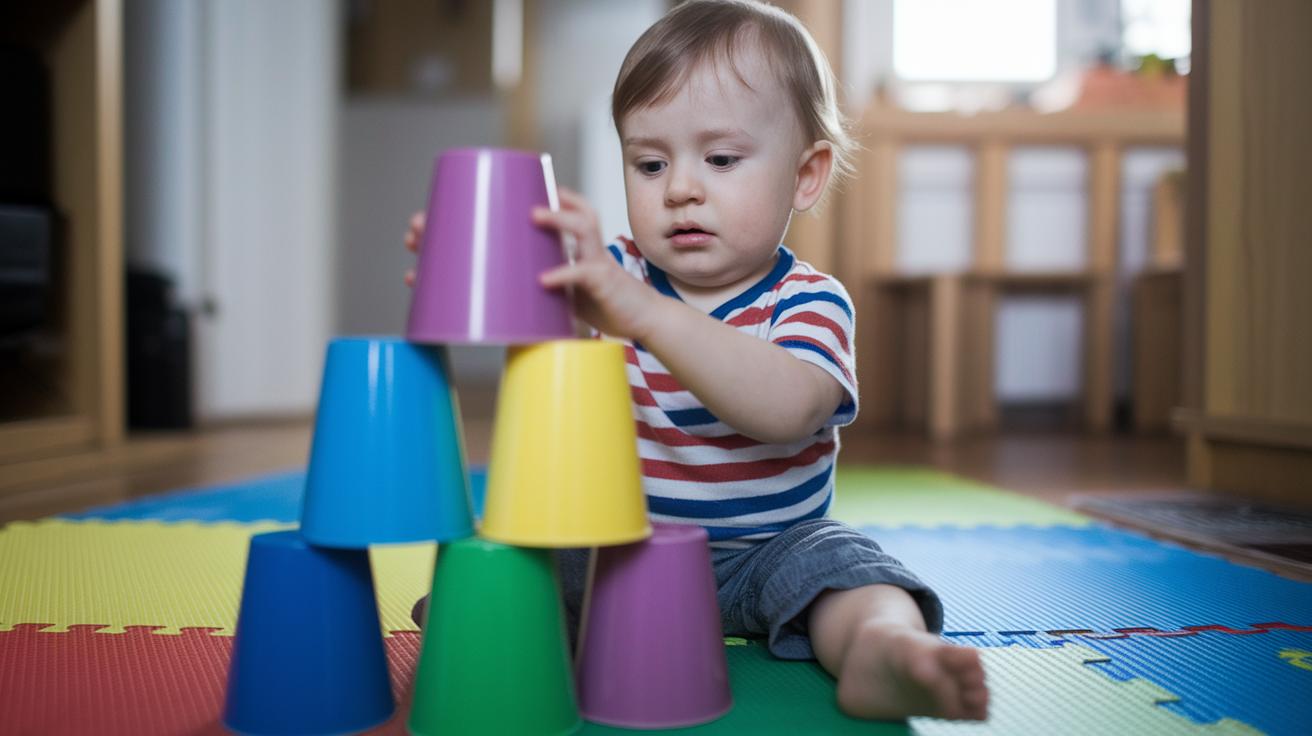
Piaget's theory is all about how kids learn by touching and exploring. He believed that little ones learn best when they use their hands to interact with objects. Think about a toddler stacking cups and discovering that even when a cup is hidden, it still exists. This simple experience helps build the early logic for later, more complex thinking.
Vygotsky saw learning as a friendly team effort. He believed children grasp new ideas best when a caring adult or older friend gives them just the right challenge. Imagine a child working on a puzzle with a parent guiding them, it turns learning into a warm, shared experience that makes tough tasks a bit easier.
Constructivist ideas build on these thoughts by saying that kids grow wiser when they're allowed to try, stumble, and try again with a little help along the way. Picture preschoolers in an art project: with a gentle nudge from a teacher, they learn about shapes and colors while having fun creating something new.
Evidence-based practices for nurturing early cognitive growth
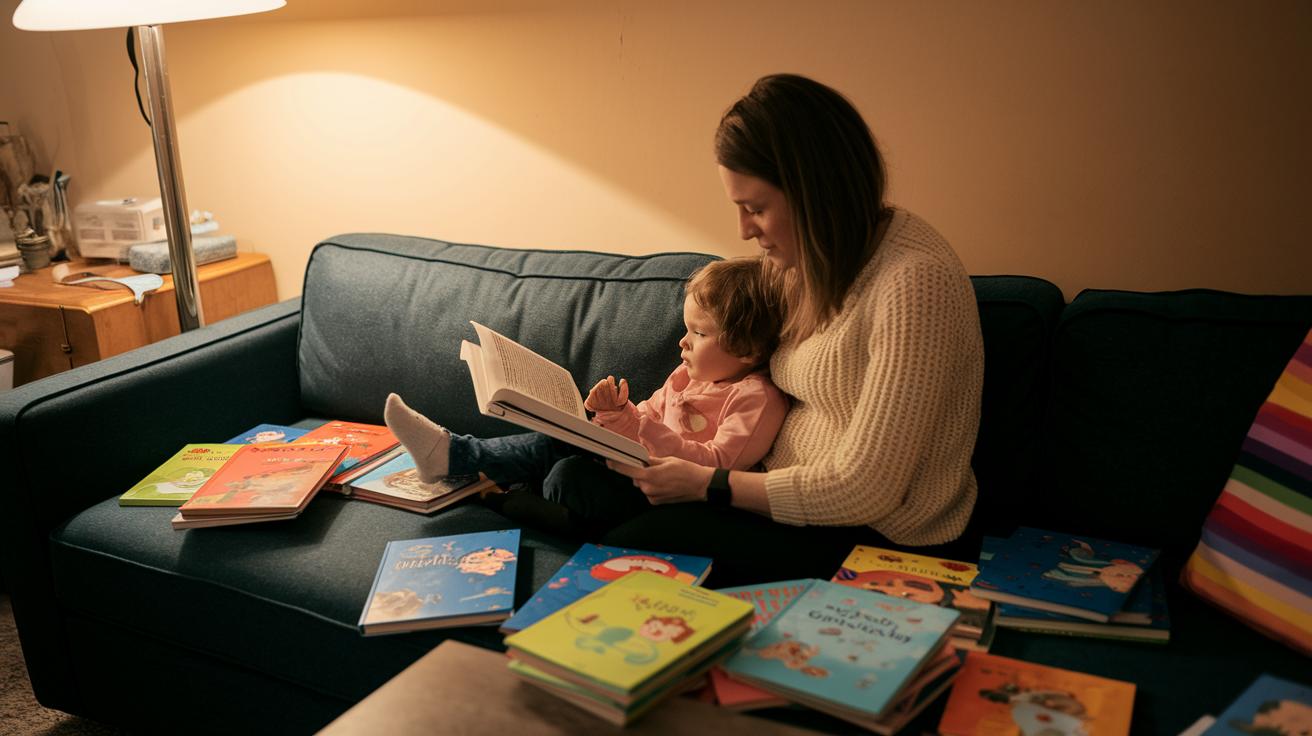
Studies show that when little ones are in a warm, engaging setting, their curious minds grow stronger every day. When you guide play, enjoy interactive reading, and introduce fun, simple challenges, children build confidence and love learning. For instance, while reading together, you might say, "Imagine the brave knight solving puzzles to rescue the castle." It turns story time into a delightful brain workout.
A solid daily routine is really important. Parents can set up little moments of discovery that are both cozy and exciting. It might seem simple, but even a short, focused activity can spark curiosity and boost early thinking skills. Everyday plays and chats lay down the foundation for a lifetime of learning. Kids thrive when they explore at their own pace with a caring adult right by their side.
Here are some ideas to try:
- Guided play where you ask, “What do you think happens if we mix these colors?”
- Interactive reading sessions that pause for questions.
- Simple puzzles and matching games that challenge them just enough.
- Everyday problem-solving tasks, like sorting laundry by colors.
- Encouraging them to ask “why” during natural play.
Every small activity is a chance to nurture your child’s growing mind and spark a lifelong love for learning. Isn't it wonderful how these little moments add up to big growth?
Impact of environment and genetics on early brain development
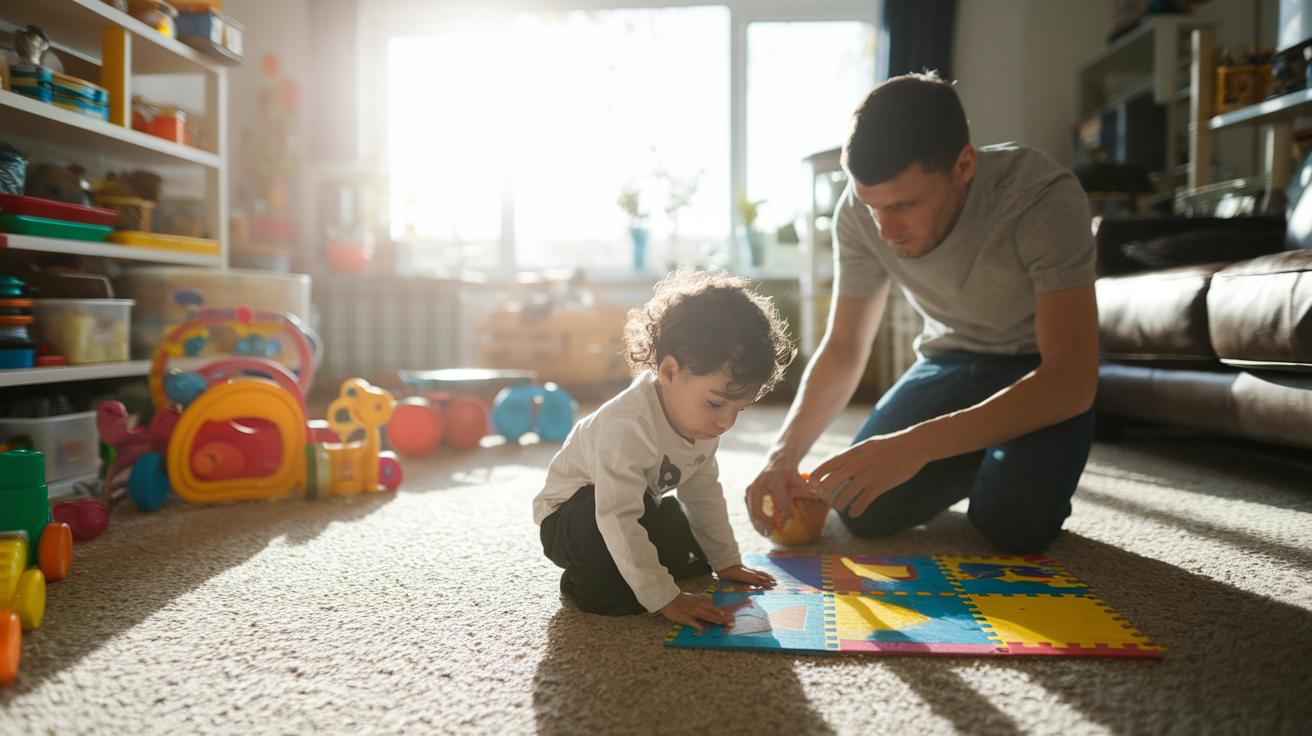
Our little ones' brains grow from both what’s around them and their natural makeup. Every bedtime story, laugh, and even a simple game helps spark their brain's growth. These everyday moments set the stage for how children explore and understand the world. When families share in these moments with hugs, kind words, and playful guidance, a child's natural gifts come to life.
Picture a bright living room where a parent sits with a child to work on a colorful puzzle. That simple time together not only builds problem-solving skills but also fuels a child’s natural curiosity. A home filled with lively conversations, playful activities, and diverse materials helps boost the potential each child is born with. Studies show that kids thrive when they explore different fun tools like books, music, and hands-on toys.
A child’s genes give them a starting point for learning new things. But a nurturing family environment makes a huge difference, enhancing what nature has given them. Together, both genetics and a loving home help guide our children to grow bright and strong, setting them up for a lifetime of learning.
Play-based activities stimulating cognitive development in early childhood
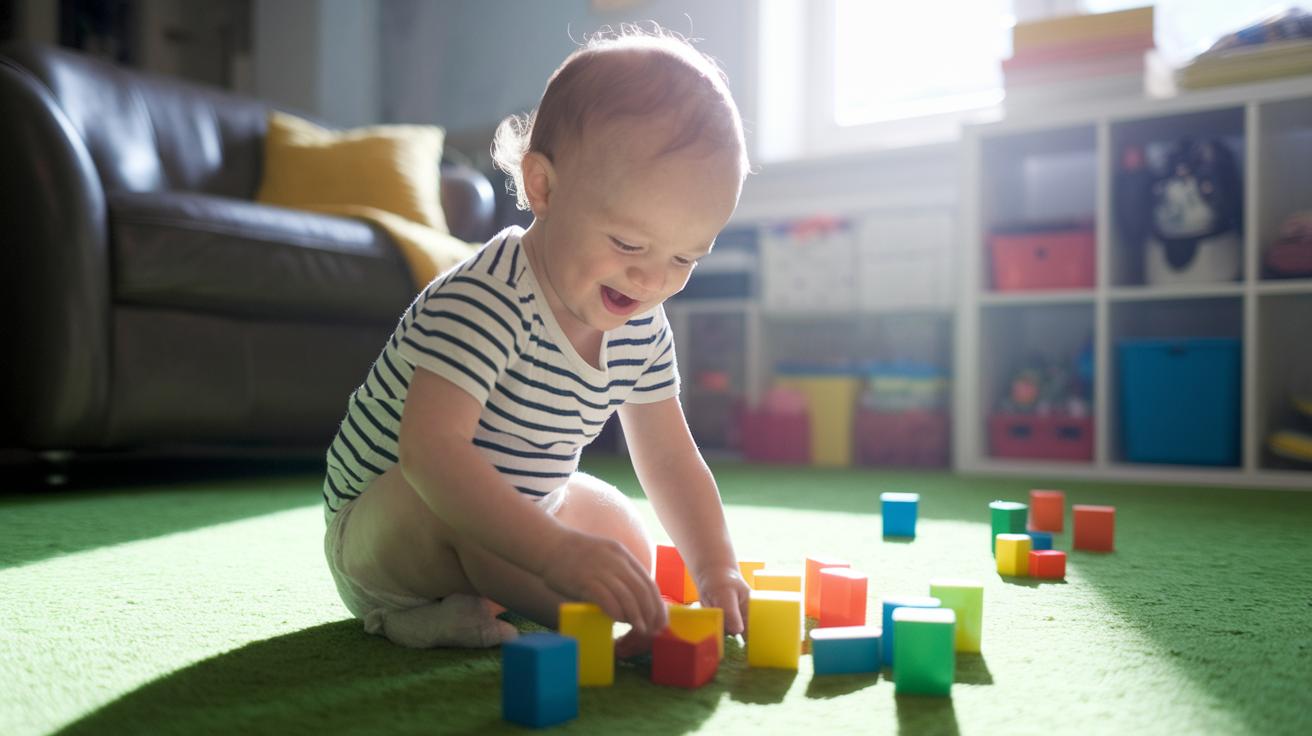
When little ones play, it lights up their natural curiosity and builds important thinking skills. Hands-on, playful moments turn learning into a fun, warm experience. As kids explore with sensory toys and simple puzzles, they start noticing patterns and figuring things out on their own. Reading aloud can comfort them while expanding their vocabulary, and fun music sessions help spark memory and a love for rhythms. In short, everyday play is a gentle boost to a growing mind.
Adding playful tasks into your daily routine gives your child fun challenges that build their confidence. Picture a toddler giggling as they discover different sounds from various instruments. Or imagine a preschooler carefully matching blocks by color and size in a sorting game. These simple moments are small, joyful steps that nurture early brain development. For more ideas on engaging activities, check out the preschool cognitive development activities link.
Here are some ideas you can try, depending on your child's age:
- Reading aloud and interactive storytelling sessions for infants (0–2 years) to build language and listening skills.
- Music and dance activities with instruments for toddlers (1–3 years) to boost memory and engagement.
- One-to-one matching games for preschoolers (3–5 years) to start learning about numbers.
- Shape-sorting puzzles and tactile games for toddlers and preschoolers (2–4 years) to help with spatial reasoning.
- Pretend play scenarios for preschoolers (3–5 years) to encourage creative thinking.
Monitoring progress and recognizing early cognitive delays
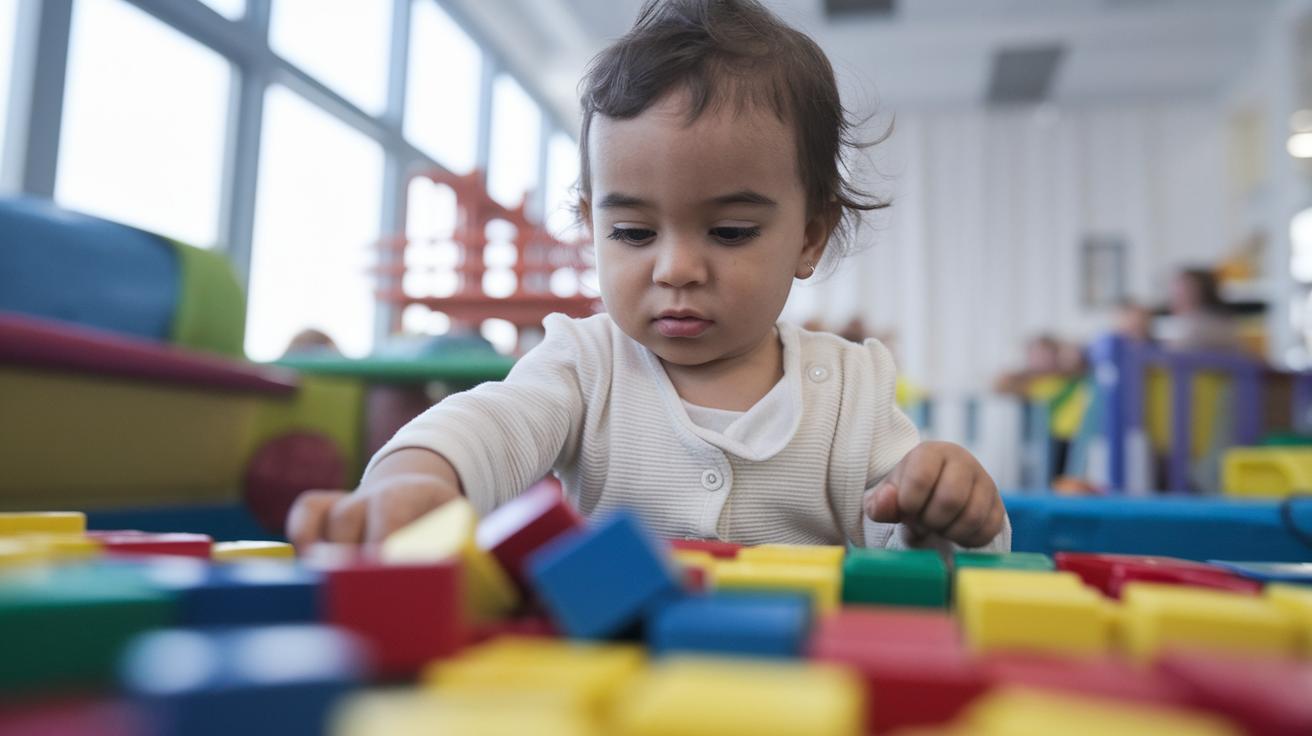
Watching your child grow is a lot like seeing a garden bloom. Every kid blossoms at their own pace, and little delays are usually normal. But if something feels a bit off, it might be time to pay extra attention. For example, if your two-year-old isn’t using many words yet or a preschooler seems to struggle with simple puzzles, it might be a gentle hint to check in with a professional.
Picture yourself watching a toddler play. You might notice small things, like if Jamie isn’t naming familiar objects by his second birthday. That tiny observation could be a sign to get a professional opinion. It might seem like nothing big, but catching it early can help avoid bigger challenges down the road!
You can keep track of your child’s progress in simple everyday ways. First, listen to the words they use and how they form basic sentences during your chats. Next, notice if your child avoids or finds it tricky to join in with playful problem-solving activities. And finally, watch for any delays during fun routines like story time or drawing sessions. These small clues can tell you a lot about how your child is doing.
By keeping an eye on these details, you’re better prepared to share what you observe with a child development expert. Asking yourself or a professional, “Is my child meeting expected language or problem-solving milestones?” shows a caring, proactive approach. It’s a thoughtful way to support your child’s growth and help them thrive.
Final Words
In the action, this post has walked through key ideas about how children grow their thinking skills. We explored the basics of cognitive development in early childhood, looked at the role of theories like those from Piaget and Vygotsky, and shared practical play-based ideas and tips for tracking milestones. These insights help us support nurturing, confident growth during these precious early years. Keep breathing and smiling as you watch your little one discover the world with joy!
FAQ
What is cognitive development in early childhood?
Cognitive development in early childhood refers to how children learn, explore, and solve problems while growing their language and understanding of their world.
Why is cognitive development in early childhood important?
Cognitive development is important because it builds problem-solving skills and lays the foundation for lifelong learning success in school and daily interactions.
What are examples of cognitive development in early childhood?
Cognitive development examples include learning new words, engaging in pretend play, sorting shapes, and solving simple puzzles that show growth in thinking and reasoning.
How does Piaget’s theory explain cognitive development in young children?
Piaget’s theory explains cognitive development by showing how children move from sensorimotor exploration to symbolic thinking, highlighting the impact of play and experience on learning.
What are the key cognitive milestones for children between ages 2-6?
Key milestones for ages 2-6 include an expanding vocabulary, forming sentences, developing problem-solving abilities, and beginning to grasp cause-and-effect relationships.
Are there resources like PDFs or PowerPoint presentations on early childhood cognitive development?
Yes, resources such as PDFs and PowerPoint presentations are available to provide parents and educators with research-based strategies for nurturing early cognitive growth.