Have you ever wondered if there's a gentle way to ease the worry of postpartum anxiety? Many moms feel their hearts racing and experience constant fears that make everyday tasks feel overwhelming.
The good news is that small changes, warm support, and tested strategies can help bring calm back into your life. Just imagine replacing those anxious moments with quiet, reassuring time spent with your baby.
In this post, we share practical, evidence-based ideas that can soften even the toughest feelings over time.
Evidence-Based Approaches to Curing Postpartum Anxiety
Postpartum anxiety touches about one in every five moms and goes beyond the typical baby blues. Many mothers worry a lot about their baby’s safety and have constant, nagging thoughts that never seem to go away. This worry can leave them feeling very tired and even make everyday tasks seem like a huge challenge. For instance, a mom may notice her heart pounding every time her baby cries, which can feel both puzzling and lonely.
There are several ways to help manage these feelings. Health experts often suggest a mix of treatments, including talking therapies, a little medicine, and simple changes in daily life. These methods are designed to help turn negative thoughts around, while also giving moms a sense of calm and connection.
Here are some common approaches:
- Cognitive Behavioral Therapy (CBT) teaches simple ways to change unhelpful thoughts. Think of it like tweaking a recipe until it feels just right.
- Medicines such as SSRIs and sometimes short-term benzodiazepines can help manage the symptoms when used as directed by a doctor. It’s a bit like having a temporary bridge over rough waters.
- Support from other moms, like joining postpartum groups or stroller-walk meetups, can ease feelings of isolation. Imagine it as sharing a warm cup of tea with a friend when things get hard.
- Simple lifestyle changes, like spending a bit of quality time cuddling your baby, can boost those happy, calming hormones. It’s like wrapping yourself in a cozy blanket on a chilly day.
Remember, there are caring professionals and community resources ready to help. With these trusted, evidence-based strategies, no mom has to face postpartum anxiety all on her own.
Identifying Postpartum Anxiety Symptoms and Root Causes
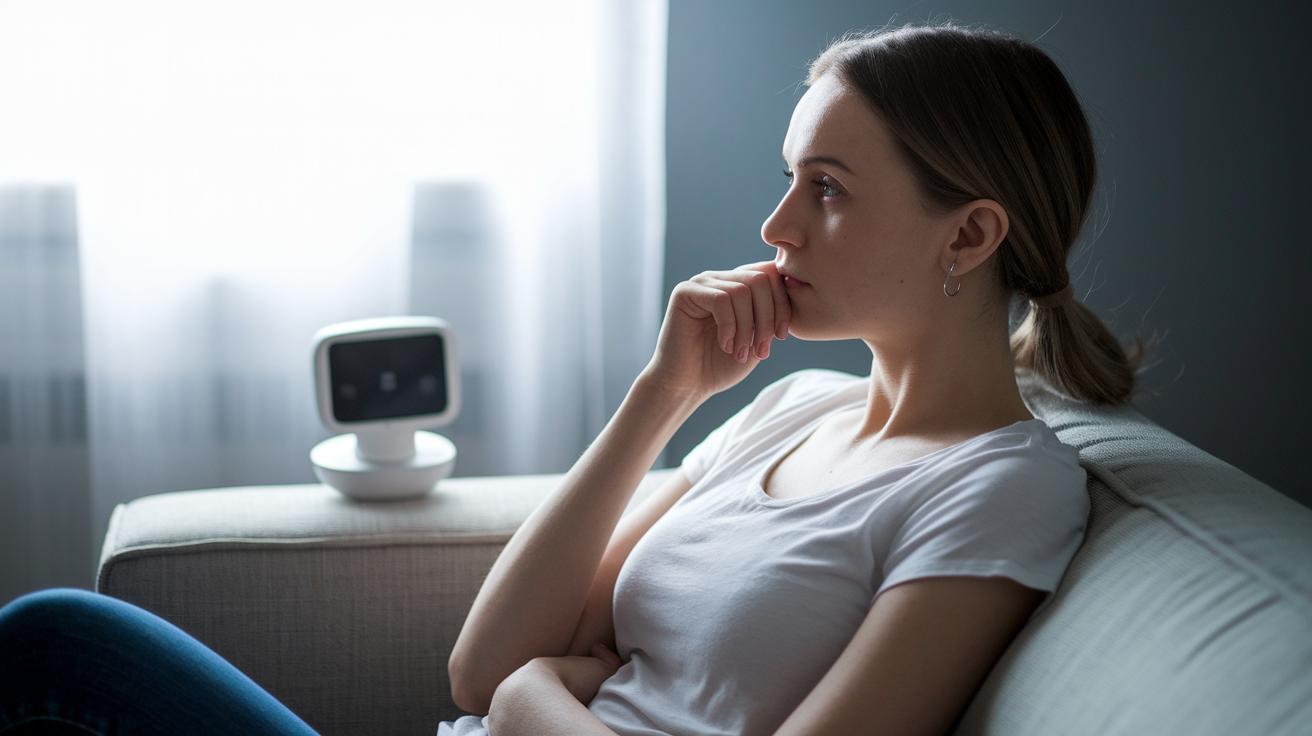
Many new moms sometimes feel a worry that goes way beyond the usual stresses of daily life. You may notice restless thoughts about the baby’s safety, sudden mood changes, tearfulness, and even feeling worn out all the time. It’s a bit like when a friend tells you, “Every little sound made my heart jump,” showing just how overwhelming these feelings can get.
The baby blues often mean a few days of low mood that usually clear up within a couple of weeks. But when it comes to postpartum anxiety, those feelings can stay longer and hit harder, making even everyday tasks feel like a lot to handle. Imagine a soft drizzle that slowly turns into a steady downpour, it blurs your view and makes everything seem a bit more daunting.
There are a few things that might make a mom more likely to feel this way. If there’s a family history of anxiety or OCD (a condition that makes you worry a lot), high stress, or not enough support from friends and family, it can be trickier. And it’s really important to know that postpartum psychosis is something different, it can include hallucinations or delusions and really needs urgent care. Noticing these signs can help moms understand when it might be time to ask for professional help beyond what’s typical for the baby blues.
Medical Treatments as Cures for Postpartum Anxiety
Many moms find that medication can bring much-needed relief. Doctors often prescribe SSRIs to help ease anxiety, although these medicines can take a few weeks before you notice a change. Sometimes, short-term benzodiazepines are used for quick relief while waiting for SSRIs to work. Because these medicines can pass into breast milk, it’s very important to have a chat with your healthcare provider about what is best for both you and your baby. It’s a bit like balancing safety with comfort.
At times, anxiety can become more serious. Postpartum psychosis isn’t just about feeling a bit down; it can bring on hallucinations or very strong, false beliefs. This condition is an emergency and needs prompt care. In these situations, treatment usually happens in a hospital, where moms receive close support, including medicines like antipsychotics along with talk therapy. It’s an urgent situation that calls for speedy help.
Talk therapy is also a key part of feeling better. Cognitive Behavioral Therapy (CBT) helps moms find new ways to handle overwhelming thoughts. Whether you’re working with a therapist one-on-one, joining a small group, or even bringing your partner to sessions, counseling offers a clear guide to sort through intense feelings and move toward a softer, calmer state of mind. This step can really bring back hope.
Non-Pharmaceutical Strategies for Natural Postpartum Anxiety Relief
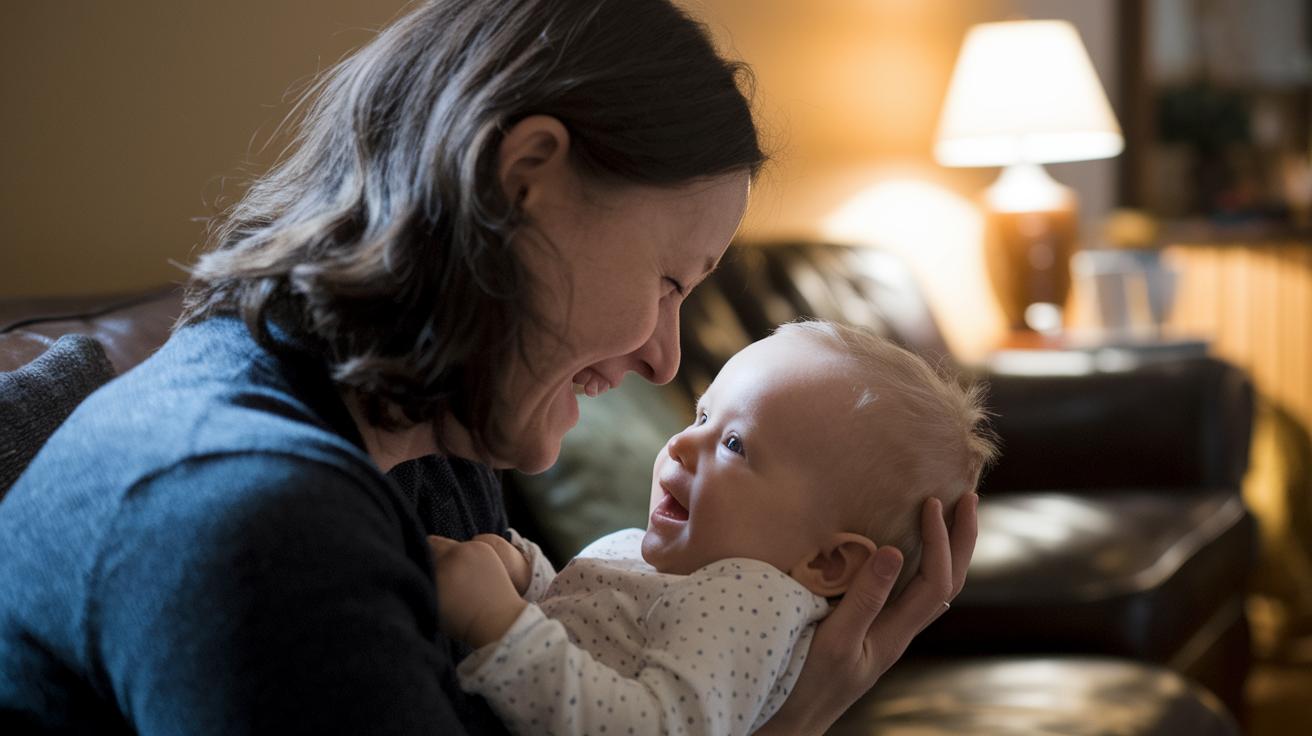
Holistic methods give you a gentle way to find calm after having your baby. When you choose non-medication options, you create a warm space that eases worries without relying just on pills. These simple tips help you feel balanced and relaxed.
Holding your baby close, like during a cuddle, helps release oxytocin (a hormone that calms both you and your little one). Picture a warm hug that makes you feel safe and loved, turning stressful moments into special bonding time.
Joining postpartum groups or going for a stroller walk with other moms helps you build a circle of caring friends who truly understand what you're facing. Think of it like chatting with a friendly neighbor on a sunny day where sharing stories makes burdens feel a bit lighter.
Practicing mindfulness, such as meditating or doing focused breathing, can calm racing thoughts and ease your nervous feelings. For example, taking slow, deep breaths while picturing a calm place can really help when your day feels hectic.
Making simple changes to your diet, like adding omega-3 or vitamin B complex, along with gentle herbal aids (with your doctor’s advice), gives your body a nurturing boost. It’s like treating your body to a little extra care from the inside.
Mixing these natural practices into your daily routine helps build a soothing self-care rhythm. Even little moments, like an afternoon cuddle or a brief mindful pause, can bring gentle relief and make those motherly worries feel a lot lighter.
When to Seek Professional Help and Safety Considerations for Postpartum Anxiety Cure
Sometimes moms notice feelings that are stronger than just everyday stress. When you feel constant, strong fear, have thoughts about hurting yourself, or feel disconnected from reality, it might be a sign that you need extra help right away. Think of these signals as a reminder to set up a safety net for you and your baby during a storm.
Reaching out to someone you trust, like a doctor or a counselor, can really make a difference. During your checkups after giving birth, healthcare providers often look for signs of serious anxiety or mood changes. Sharing your feelings with a caring professional can open the door to support, maybe through therapy sessions or group meetings where other moms share similar experiences. They can help you create a plan that balances your emotions with safety for both you and your little one, kind of like adjusting your favorite guitar until it plays just right.
It also helps to mix self-care with professional advice. Chatting with close friends or family can lighten the load, yet when you also add in professional support, you build a strong plan that can help you feel better in the long run. This balanced approach can bring more comfort and strength during those challenging days after delivery.
Final Words
In the action, we explored how postpartum anxiety touches many new mothers, sharing insights on symptoms, risks, and various treatment paths. We broke down both medical and natural tips, from CBT and SSRIs to caring peer support and lifestyle shifts that boost positive hormones.
This article reminds you that help is available and small steps count. There's hope in every strategy, including an effective cure for postpartum anxiety. Embrace these evidence-based approaches and feel confident as you care for yourself and your baby.
FAQ
How do you treat postpartum anxiety?
Treating postpartum anxiety involves expert support, therapy, and sometimes medication. Treatments like cognitive behavioral therapy and SSRIs work best alongside self-care and supportive peer groups.
How long does postpartum anxiety last?
The duration of postpartum anxiety varies. For many, symptoms may last a few weeks to several months, and recovery improves with tailored treatment, care, and support.
What is the 3 3 3 rule for anxiety?
The 3 3 3 rule for anxiety means naming three things you see, three that you can touch, and three you hear to refocus your mind. This method eases anxiety by grounding you in the present.
How to help postpartum health anxiety?
Helping postpartum health anxiety involves combining professional advice with gentle self-care practices. Techniques such as mindfulness, peer support, and small lifestyle changes contribute to better emotional well-being.