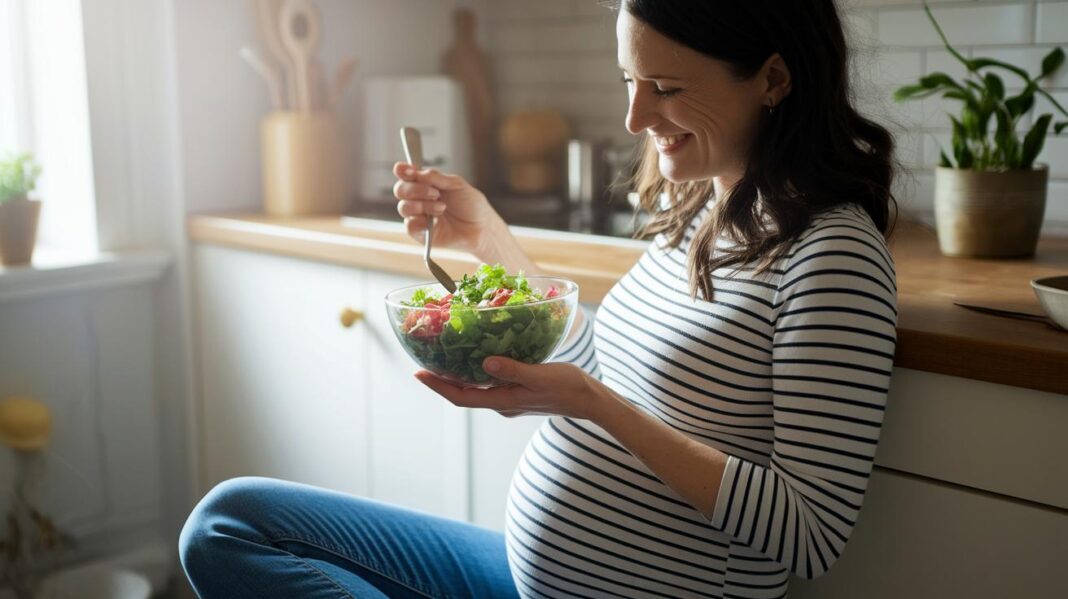
Have you ever thought that your breakfast plate might hold the key to a smoother pregnancy? Good food now sets the stage for a healthy baby and for you as well.
A mix of fruits, veggies, and lean proteins works like building blocks, giving you the right fuel each day. This way of eating helps support your baby's growth and can lower risks like gestational diabetes or even preterm birth.
So why not explore how making smart food choices can lead to a happy, healthy pregnancy? It's a little change that can make a big difference in how you feel every day.
Maternal nutrition and healthy weight gain: Happy pregnancy
Eating well during pregnancy is like building a strong foundation for both a happy baby and a healthy mom. When you choose balanced meals, you're packing in the important vitamins and minerals needed for every stage of your little one’s growth. Think of your plate as a colorful palette, each shade, whether from fruits, veggies, or lean protein, works together to support life. Picture starting your morning with a bowl filled with whole grains, fruits, and a little bit of lean protein to give you that much-needed burst of energy.
Gaining the right amount of weight while expecting is also very important. Keeping your weight in the range your doctor recommends can help lower the risk of issues like gestational diabetes, Cesarean delivery, having a very heavy baby, or even miscarriage. It’s all about finding a healthy balance and taking the advice of your healthcare team to make your pregnancy as smooth as possible.
Sticking to a balanced, nutrient-packed diet is a favorite tip from many health experts. Chatting with a dietitian can help tailor your meal plan just for you, making sure it fits your unique needs. And by keeping regular appointments with your doctor, you can adjust your eating habits and activities as your pregnancy unfolds.
Gestational Weight Gain Guidelines Based on Pre-Pregnancy BMI
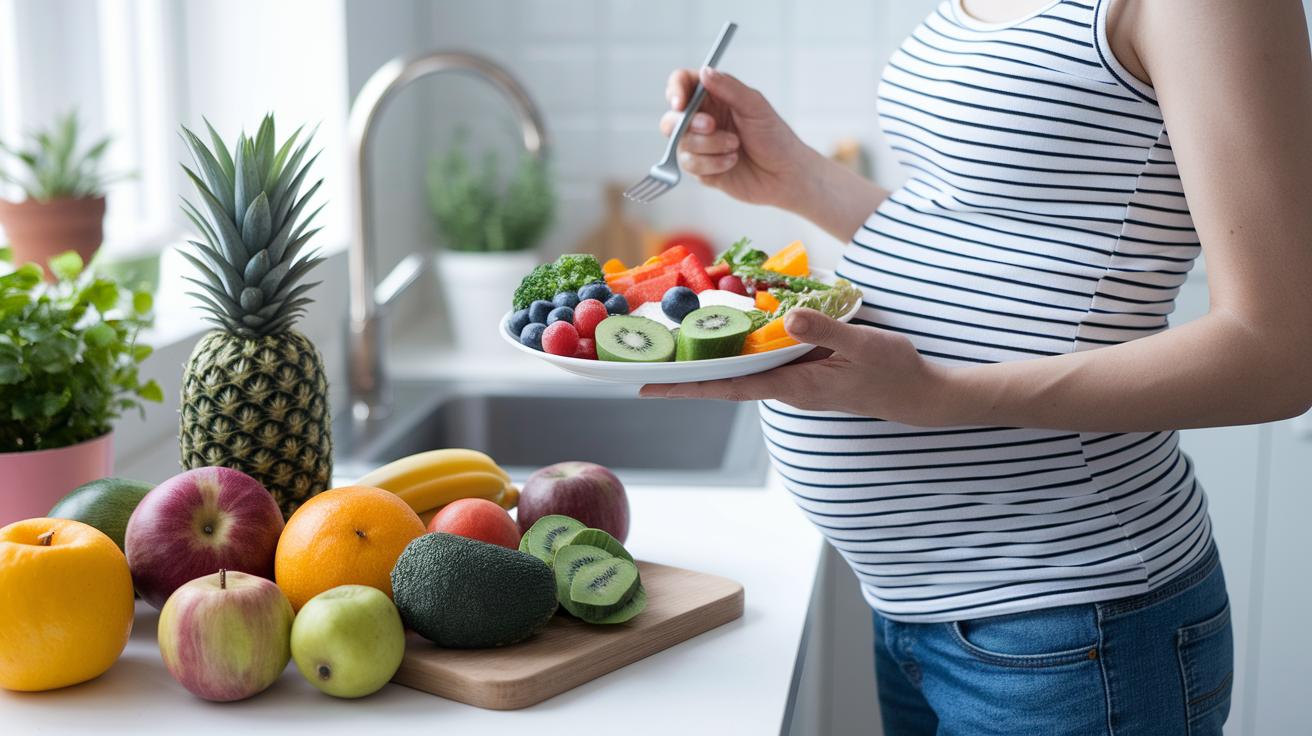
It helps to think about your weight gain during pregnancy based on your body mass index before you got pregnant. This simple guide shows target weight ranges for different BMI groups, making it easier for you and your doctor to keep track of your progress. Keep in mind that weight gain is usually pretty small in the first trimester, so most of these numbers cover the whole pregnancy.
| BMI Category | Recommended Total Gain (lbs) | First Trimester Gain (lbs) |
|---|---|---|
| Underweight | 28–40 lbs | 1–4 lbs |
| Normal weight | 25–35 lbs | 1–4 lbs |
| Overweight | 15–25 lbs | 1–4 lbs |
| Obese | 11–20 lbs | 1–4 lbs |
If you're having twins or more, the total weight gain may be a bit higher and personalized just for you. It's always best to work closely with your healthcare provider so you can adjust these suggestions to meet your unique needs. This way, you can feel supported every step of the way, keeping both you and your little one healthy during this special time.
Essential Nutrient Requirements and Diet Composition for Maternal Nutrition
When you're expecting, having a balanced meal plan means giving both you and your baby the right fuel to thrive. For instance, aim for around 1.1 grams of protein per kilogram of your weight each day. This protein helps build new tissues and supports your baby’s growth. Meanwhile, getting at least 175 grams of carbohydrates daily keeps your energy up, and about 330 kcal from fats helps your cells work well. It’s a bit like putting together your favorite meal, where every bite plays a part.
Beyond protein, carbs, and fats, there are a few extra nutrients that are really important during pregnancy. Iron helps boost your blood cell production, while calcium works to make strong bones and teeth. Folic acid (about 600 micrograms daily) is known to ward off some birth defects, and omega-3 fatty acids lend a hand in brain development. Think of these as the special ingredients that make everything run smoother, much like a well-rehearsed team.
A simple tip is to use a balanced-plate approach when planning your meals. Fill your plate with fresh fruits, colorful vegetables, whole grains, lean proteins, and dairy. And if you feel like you’re missing out on some nutrients, your healthcare provider might suggest a vitamin or mineral supplement. Sometimes, a small change like adding a side salad or a piece of fruit can go a long way during this special chapter of your life.
Caloric Requirements and Meal Planning Strategies by Trimester
First Trimester Caloric Needs
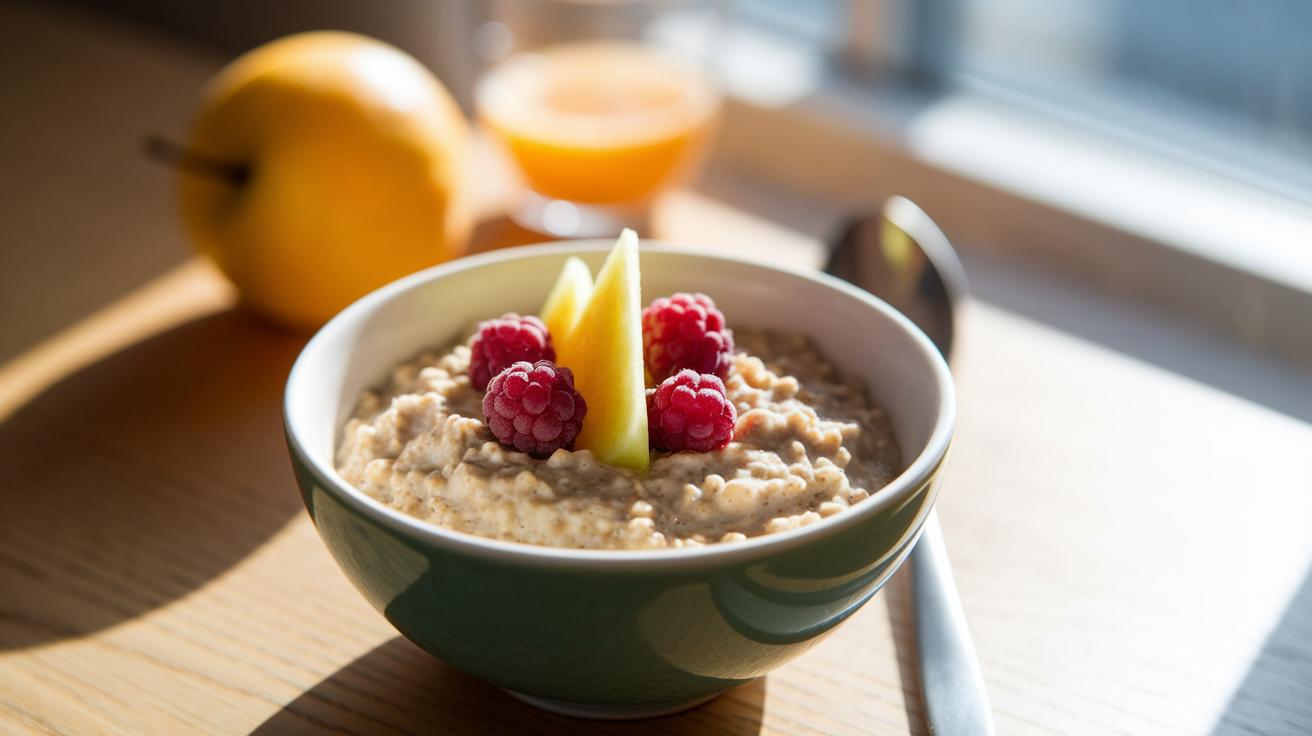
During your first trimester, you don't really need extra calories. It's perfectly fine to stick with your usual meals. Light, easy-to-digest foods can help if you’re feeling a bit nauseous. For example, a small bowl of oatmeal or a piece of whole-grain toast with some fruit can be just right in the morning. Just imagine starting your day with a warm bowl of porridge on a cool day, it really sets a calm tone for the hours ahead.
Second Trimester Caloric Increase
As you move into your second trimester, your body starts to ask for about 340 extra calories a day. This little boost helps support your growing baby while keeping you energetic. Try simple swaps like choosing a nutrient-packed smoothie over a sugary drink, or tossing a small handful of nuts into your salad. These small changes can make your meals both satisfying and full of the good stuff your body needs.
Third Trimester Caloric Increase
By the third trimester, you'll likely need around 450 extra calories daily to keep up with your body’s changing needs. While it's important to get these extra calories, it's also smart to focus on nutrient-rich choices that fuel you without extra empty calories. Lean proteins, whole grains, and fresh fruits are great picks. This mindful approach helps you stay energized without feeling overly full or weighed down.
Meal Frequency and Timing
Keeping your energy steady is easier when you plan for three main meals plus two snacks throughout the day. This routine helps avoid those long gaps between meals and ensures both you and your baby have a steady fuel supply. For instance, a light mid-morning apple followed by a small serving of yogurt later can work wonders in keeping hunger at bay.
Practical Meal and Snack Ideas for Healthy Eating During Pregnancy
Eating well while you're expecting is a wonderful way to mix tasty flavors with goodness. It’s like giving your body a little treat that also helps keep your energy up. Imagine waking up to a cool, refreshing bite or enjoying a savory snack that feels both satisfying and nurturing.
Below are some simple and quick ideas to brighten your day:
- Greek yogurt parfait with mixed berries and walnuts
- Avocado and egg on whole-grain toast
- Hummus with carrot and cucumber sticks
- Grilled salmon salad with spinach and quinoa
- Lentil and vegetable soup
- Turkey and avocado wrap on whole-wheat tortilla
- Cottage cheese with peach slices and flaxseed
- Stir-fry with tofu, mixed vegetables, and brown rice
Have you ever noticed how a small change in your meal can lift your mood? Just remember to keep food safety in mind by avoiding undercooked meats and unpasteurized dairy. Enjoy these ideas as a warm reminder that taking care of yourself is a beautiful part of your journey.
Monitoring Weight Gain Progress and Managing Risks in Maternal Nutrition

Checking in on your weight during pregnancy is a bit like glancing at your car’s fuel gauge. It shows you when it’s time to slow down or when you might need a little boost. Keeping a simple log, even just a notebook or a handy app, can remind you of how far you’ve come and spark a friendly chat with your healthcare provider.
Sometimes, changes in your weight might signal that things aren’t quite on track. Gaining weight too quickly could mean you’ll have a larger baby, which might bring a few extra challenges during delivery. And later, it might even make losing that extra weight a bit tougher. On the flip side, not gaining enough might mean your baby isn’t growing at the pace it should or that you could have an early delivery. When these signs pop up, a few small changes might really help.
If you notice anything unexpected, don't hesitate to chat with your dietitian or doctor. They might suggest simple tweaks, like adjusting how many calories you eat or fitting in a bit more gentle movement. Getting guidance that's just right for you ensures both you and your baby feel great every step of the way.
Integrating Safe Physical Activity with Maternal Nutrition and Healthy Weight Gain
Staying active during your pregnancy can help you manage your weight and keep your body running smoothly. When you go for a brisk walk or enjoy a swim, it’s like giving your body a little boost, it helps balance your blood sugar and builds your strength while lowering the risk of gestational diabetes. Have you ever noticed how a simple stretch can recharge your day?
Experts suggest finding about 150 minutes of gentle exercise each week, which means roughly 30 minutes on most days. If you’re just getting started, imagine a light swim or a friendly walk around your neighborhood park. These low-impact activities help build your strength without pushing you too hard, so you feel safe and supported throughout your pregnancy.
Pairing your exercise with the right snacks can give your energy a real lift. Try a light pre-workout snack, like a few apple slices with nut butter, to fuel your activity. Afterward, a balanced meal or snack helps refill your energy, making sure both you and your baby stay nourished as you move through your day.
Final Words
In the action of nurturing a healthy pregnancy, we explored balanced eating tips, tailored weight gain targets, and smart meal planning to support both mother and baby. You found clear guidelines on nutrient needs, safe snacks, and even ways to mix a little exercise into your routine. This article also shared practical steps to track your progress with care. Embracing a plan focused on maternal nutrition and healthy weight gain can uplift you into a feeling of confidence and well-being. Let your daily choices bring ease and joyful moments to both you and your little one.
FAQ
What does maternal nutrition and healthy weight gain mean for pregnancy?
Maternal nutrition and healthy weight gain mean following a balanced eating plan that supports both fetal development and a mother’s wellbeing while keeping the pregnancy weight increase within recommended guidelines.
What is a healthy maternal weight gain during pregnancy?
A healthy maternal weight gain depends on pre-pregnancy BMI. For example, normal weight mothers usually gain between 25 to 35 pounds, which helps lower the risk of complications and supports the baby’s growth.
How does maternal nutrition affect birth weight?
Maternal nutrition affects birth weight by supplying essential nutrients needed for the baby’s growth. Eating a balanced diet with adequate proteins, vitamins, and minerals can contribute to a healthy birth weight.
What is the biggest contributor to weight gain during pregnancy?
The biggest contributor to weight gain in pregnancy is the natural increase in body mass due to the baby’s growth and extra nutritional demands. Balanced eating and routine monitoring help manage proper weight gain.
What causes excessive weight gain during pregnancy?
Excessive weight gain during pregnancy can result from exceeding calorie needs and limited physical activity. Monitoring diet and activity levels can support a healthier progression throughout pregnancy.
How do BMI and weight gain calculators help during pregnancy?
BMI and weight gain calculators provide personalized targets that guide expectant moms in tracking progress against recommended weight ranges, making it easier to adjust dietary and activity plans as needed.
Where can I find tools like pregnancy weight gain charts for tracking progress?
Pregnancy weight gain charts and month-by-month tracking tools offer visual guidelines to help moms measure progress. These resources compare actual weight gain with recommended ranges during prenatal care.