Have you noticed feeling a bit off balance after giving birth? Many moms tell me that their core feels different and even simple moves seem a little wobbly. Gentle exercises can help bring back your stability and that inner confidence. In this post, you'll find a few easy moves to rebuild your core strength and make everyday life smoother. So, as you take care of your little one, how would it feel to trust your body a bit more? Let’s try some balance exercises together and pave the way for a strong, secure recovery.
Postpartum balance workout: Boost Your Recovery
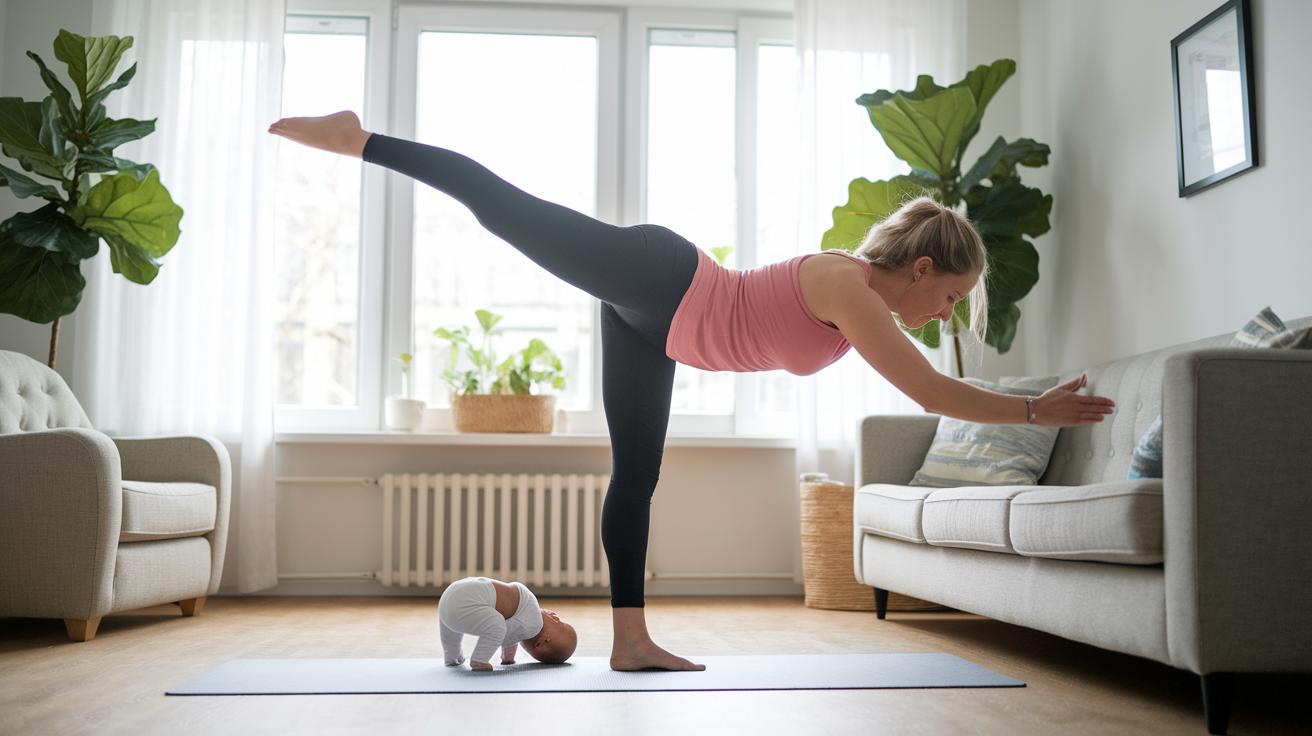
After giving birth, you might notice your core muscles feeling a bit different and your hips shifting around. It’s completely normal to feel a bit off-balance, especially when you’re bouncing back into daily routines. Gentle core exercises can help you rebuild strength and coordination, making your recovery smoother.
Building your balance really matters because it helps boost your confidence as you care for your little one. When your core and pelvic muscles work well together, everyday movements like bending, lifting, and playing become easier and feel more natural.
Here are a few simple exercises to try:
- Single-leg stand: Stand up straight with one knee slightly bent. Look at something steady to help keep your balance.
- Heel-to-toe walk: Walk placing one foot directly in front of the other. Let your arms swing naturally and keep your core engaged.
- Side leg raise: Slowly lift one leg to the side, keep your posture straight, and hold the top position for a moment while feeling your tummy muscles tighten.
- Seated knee lift: Sit on a sturdy chair. Lift one knee toward your chest without leaning back by bracing your core.
- Plank variation: Begin on your knees or toes, making sure your back stays flat. Breathe steadily while you engage your deep core muscles.
Always remember, safety is key. Start each movement slowly and focus on steady, controlled breaths, inhale as you prepare and exhale with each move. And if something doesn’t feel right, feel free to adjust your form or modify the exercise. Enjoy each step of your recovery and take every moment as a chance to feel a little stronger, a little steadier.
Postpartum Stabilization Drills and Pelvic Floor Routines
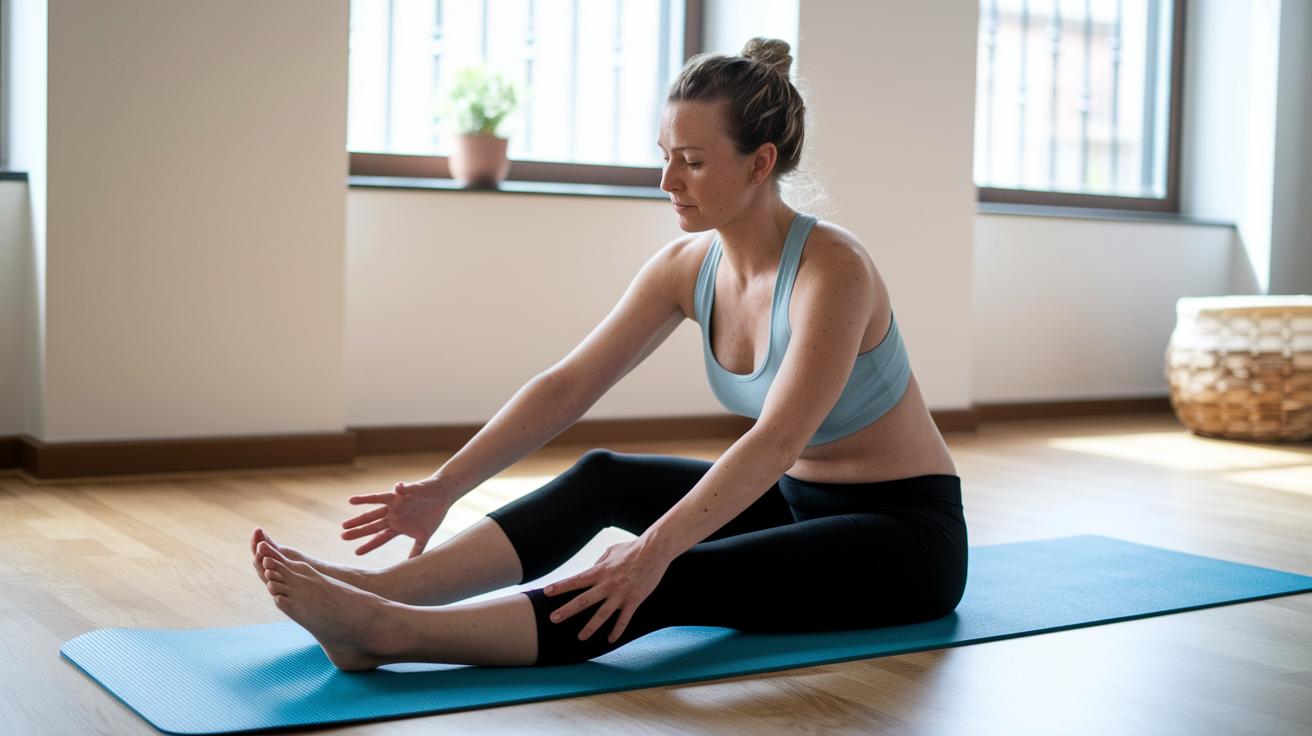
After having your baby, it’s important to help your pelvic floor feel strong again. Focusing on gentle exercises now builds a steady base for overall balance. Think of it like setting up a comfy, secure foundation through slow, careful movements that ease you into each step.
- Kegels with heel slides – Do 10 repeats on each side. Start by gently squeezing your pelvic muscles. Then, slide one heel out slowly while keeping your hips steady. If you’re just starting, hold the squeeze for a few seconds before moving your heel.
- Bridge with mini-band – Try 12 repeats. Lie on your back with a mini-band around your thighs and lift your hips as you squeeze your glutes. If the band feels too tricky at first, skip it until you feel steadier.
- Baby-hold single-leg balance – Aim for 8 repeats on each side. Stand with your baby close and lift one leg just a little bit off the ground. Keep your core softly tight. If you need a hand for balance, it’s okay to lean on a chair or counter.
- Seated pelvic tilts – Do 15 repeats. Sit on a firm chair and gently tilt your pelvis forward and back. Take it slow and steady at first until you feel secure.
Remember to keep your core lightly engaged, and breathe evenly as you do each move. Check yourself in the mirror or feel your alignment by matching your shoulders, hips, and feet. A few small tweaks here and there can make all the difference in keeping you balanced and safe.
Postpartum Abdominal Restoration and Core Strengthening
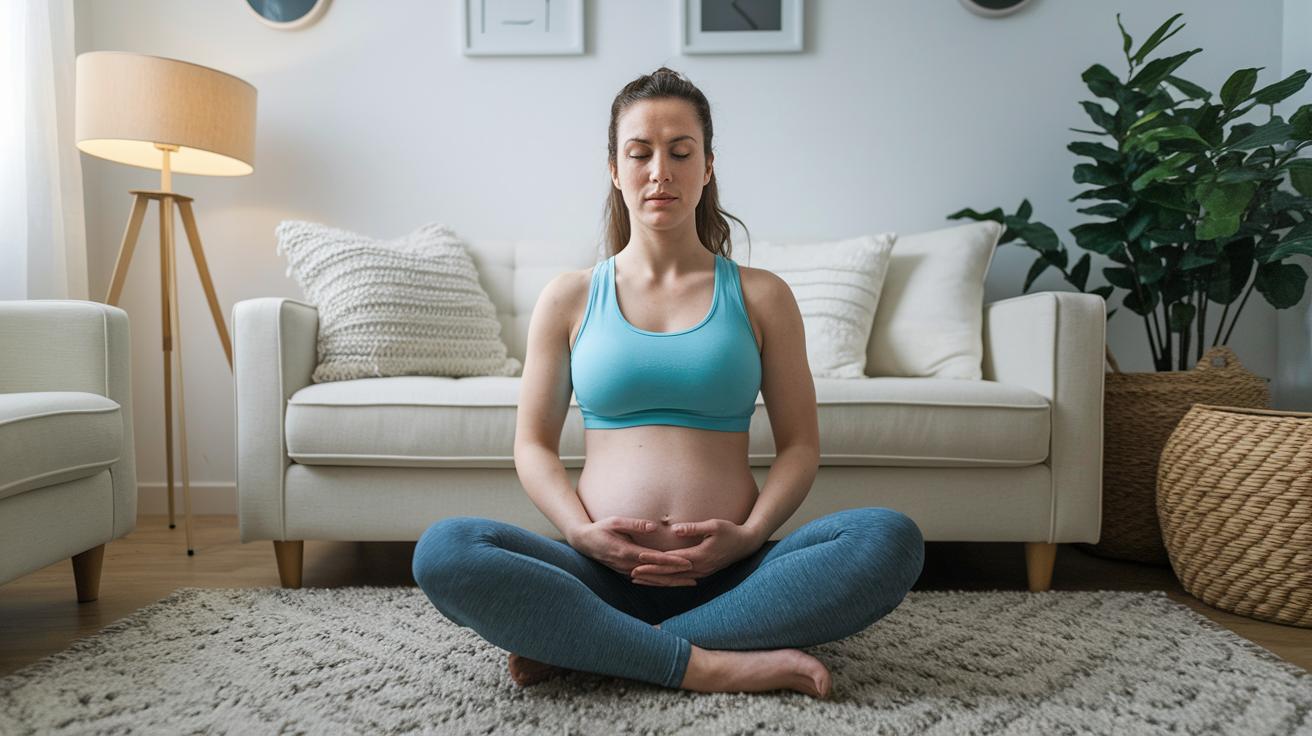
After having your baby, many moms notice a gentle separation in their tummy muscles (diastasis recti). It’s best to give your body some time to mend before you jump into harder workouts. Starting with gentle moves helps protect your stretched tummy while slowly building up your core strength. These simple exercises set you up to handle everyday activities with more ease and comfort.
Diaphragmatic Breathing and Hollowing
- Inhale slowly and exhale fully, letting your muscles relax as you breathe.
- Gently pull your belly button toward your spine (this is your abdominal hollow), while keeping your shoulders soft.
- Make sure your hips and lower back stay balanced, offering steady support for your core.
Modified Curl-Ups and Heel Taps
- Get comfortable lying down with your knees bent and your lower back well-supported.
- Carefully lift your head and shoulders using your deep belly muscles, take your time and move slowly.
- Extend one leg at a time toward your heel, keeping the motion smooth and controlled.
Building a strong tummy not only helps close that gap but also boosts your balance and strength for daily life. When you feel secure in your core, everyday movements become simpler, and you might find a little extra confidence in your recovery journey.
Postpartum Equilibrium Improvement Techniques
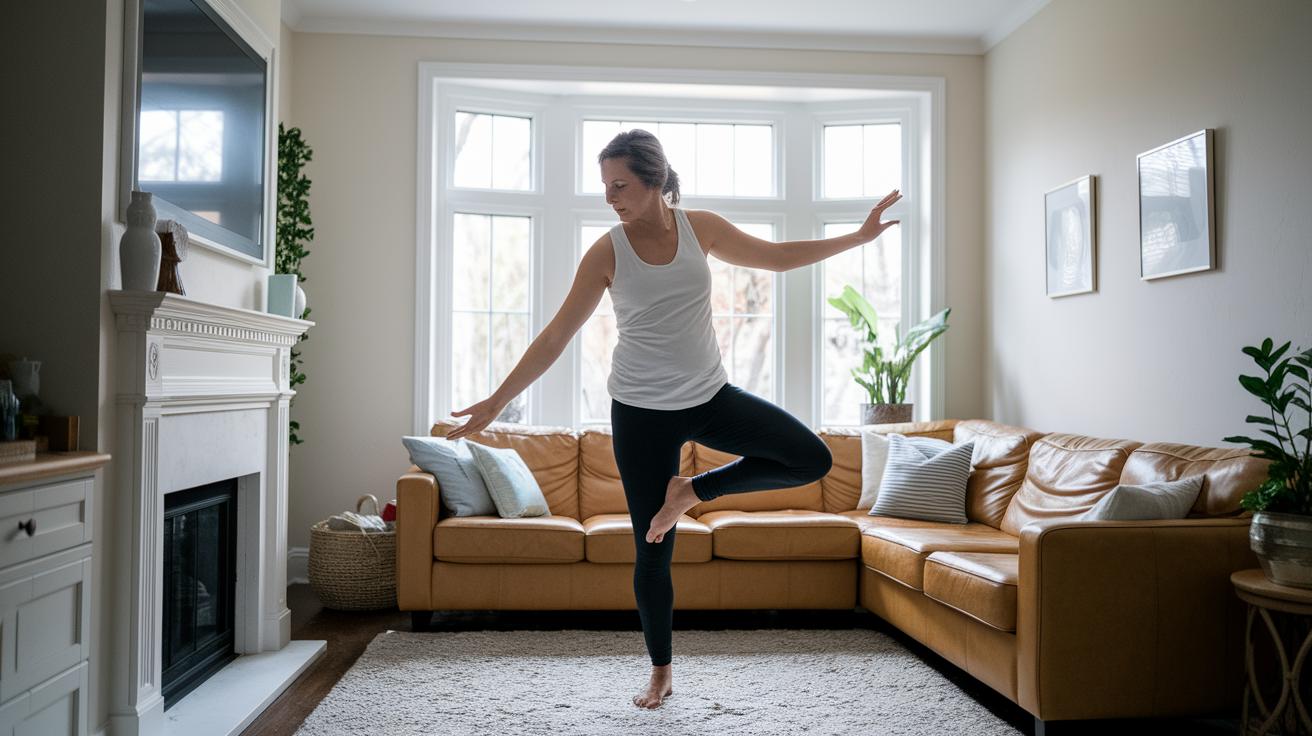
When you try these advanced balance exercises, you're not just working on fitness, you’re also setting a strong foundation for confident caregiving. Gradually increasing the challenge of these dynamic stability drills helps your muscles learn how to act thoughtfully. And really, by approaching these moves with care and mindfulness, you're not only pushing your body but also teaching it to move with intention. Step by step, you build smoother and safer ways to move throughout your day.
Here are three practical drills to add to your postpartum balance routine. Each drill boosts your overall stability and focuses on building your core strength. Experiment with the suggested reps and sets, and remember to keep your movements slow and controlled while you breathe steadily.
| Drill Name | Benefit | Reps/Sets |
|---|---|---|
| Foam-pad single-leg reaches | Enhances body awareness | 10/3 |
| Tandem squats with rotation | Works several muscle groups | 12/3 |
| Mini-band lateral walks | Boosts side-to-side stability | 15/3 |
Designing a Low-Impact Postpartum Balance Workout Plan
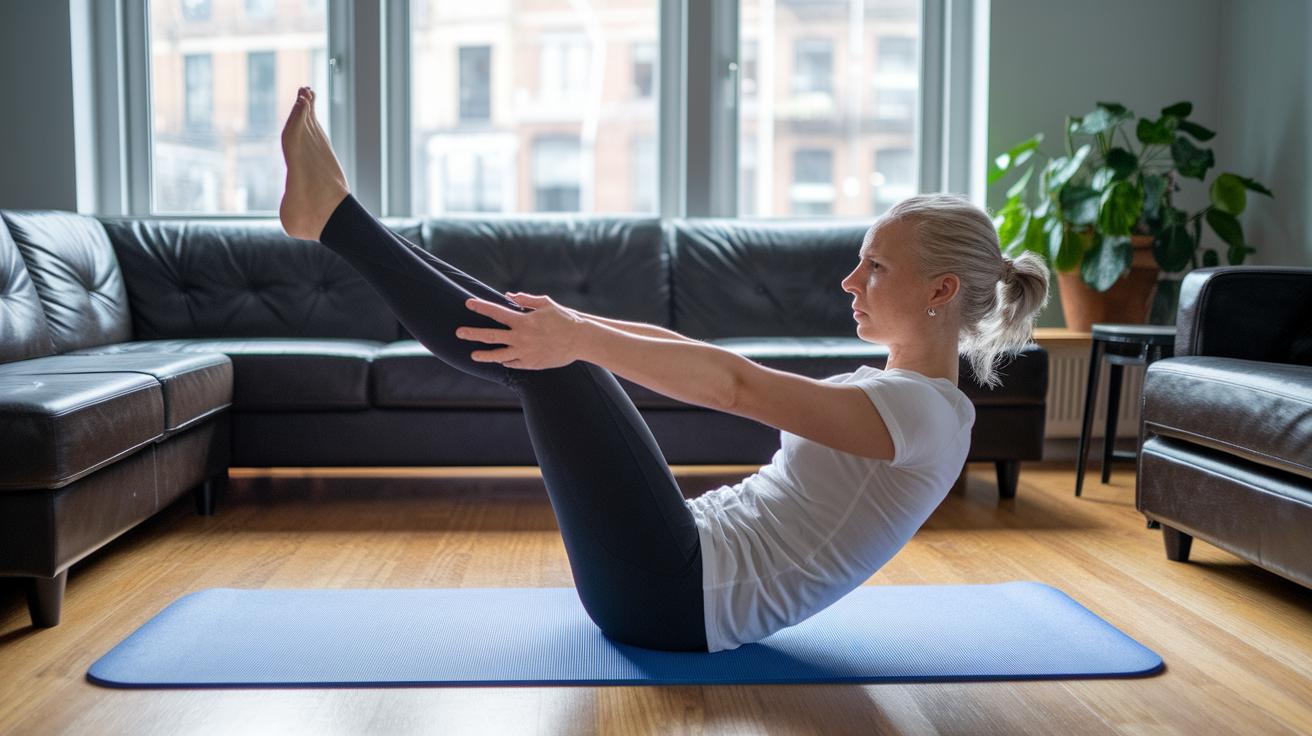
Start your week by planning simple, focused workouts that mix gentle core moves, pelvic floor exercises, and balance drills. Keep each session short, around 20 to 30 minutes, and be sure to include one or two easy days so your body can recover. This mix lets your body adjust safely while you slowly build strength without overdoing it. Pick specific days for your core exercises and set aside rest days, too, so your muscles have time to mend. It’s a clear way to support your recovery and steadily progress.
- Core and balance sessions: Do easy abdominal exercises paired with balance drills three times a week.
- Recovery days: Set aside two days for soft stretching and mindfulness, keeping movement light.
- Pelvic floor focus: Spend one day on pelvic floor exercises that help support your core.
- Flexibility work: Add a day of light yoga or stretching to ease any tightness and boost stability.
- Progress notes: Jot down how each session feels and note when things start to get easier so you can slowly adjust the time or reps.
Keep track of your progress by writing down your workouts and noticing improvements in stability and strength. When you can finish each session without strain, try adding just a little more time or a few extra repetitions. This slow and steady approach is key to safely building your dynamic stability over the four-week plan.
Final Words
In the action, this article shared a step-by-step guide to rebuilding core and pelvic stability after childbirth. It highlighted core exercises, pelvic floor routines, and mindful movement practices that reinforce a postpartum balance workout.
We walked through safe abdominal restoration and dynamic stability drills, all designed to help regain strength and confidence. The low-impact workout plan ties everything together, offering practical tips for steady progress. Stay positive and enjoy each small victory along the way.
FAQ
What is a postpartum balance workout plan and how can it help with weight loss at home or through YouTube videos?
The postpartum balance workout plan blends gentle core and stability exercises that you can do at home. It supports weight loss by rebuilding strength and balance and works well with guided YouTube routines.
What are some effective postpartum upper body workouts using dumbbells or for arm strength?
The postpartum upper body workout uses light dumbbell and arm routines to rebuild strength and improve posture. These exercises help keep your muscles active safely as you recover.
How does a 30-minute postpartum workout fit into a busy schedule?
The 30-minute workout is designed for busy moms needing quick routines. It offers focused exercises to rebuild strength and balance efficiently, fitting comfortably into your daily routine.
What does the 5 5 5 rule postpartum mean?
The 5 5 5 rule postpartum means warming up for five minutes, completing five key exercises, and cooling down for five minutes. This simple structure helps you safely rebuild core strength after childbirth.
Is it normal to feel off balance postpartum?
Feeling off balance after childbirth is common due to changes in core strength and pelvic stability. Gentle exercises and time usually help your body regain its natural balance.
Can exercise help reduce the mommy pooch after childbirth?
Exercise can help reduce the mommy pooch by strengthening your core muscles and toning the midsection. Consistent, gentle workouts support gradual improvement in your abdominal area.
How can I restore hormone balance postpartum?
Restoring hormone balance postpartum involves regular activity, nourishing meals, and ample rest. These healthy habits help your body adjust and support overall well-being during recovery.