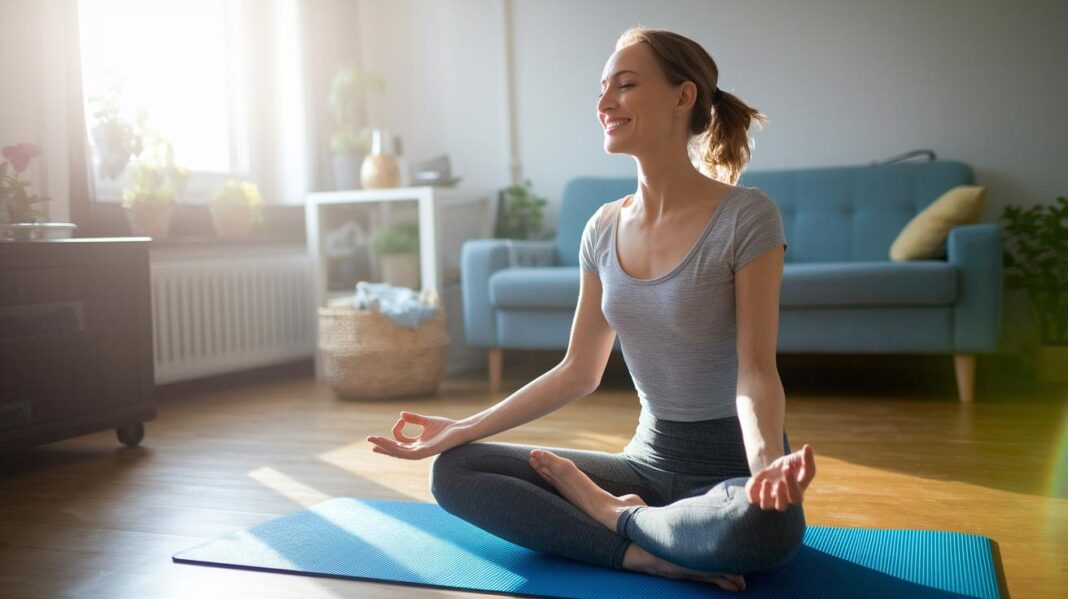
Have you ever noticed how a little movement can brighten your day, even during pregnancy? This workout plan is designed just for you, helping you build strength and balance from the early days of your pregnancy through recovery.
Trusted experts helped shape these gentle exercises, so even small movements can make you feel strong and empowered. Picture each routine as a tiny seed that grows into lasting wellness and confidence. Read on to discover how these easy moves can add a boost to your daily routine and help you feel even better.
Core Exercise Routines for Maternal Wellness: Prenatal through Postpartum
This workout plan, approved by three caring experts, helps build strength, flexibility, and balance from early pregnancy right through postpartum recovery. It reminds us that a woman's body can change more in 10 months than a man's in a lifetime, so the moves are thoughtfully safe for each stage. Before you start, just imagine how even a little gentle movement can spark strength, much like a tiny seed growing into a sturdy sapling.
In the first trimester, try simple pelvic floor moves like bridges and Kegels, and add in some stability ball exercises for a gentle core boost. When you move into the second trimester, you can welcome lunges, the Bird Dog exercise, and some low-impact cardio to keep your legs strong and your core stable. Always listen to your body, if something feels off, slow it down or even take a little break.
After having your baby, focus on reconnecting with your core using gentle exercises that help rebuild strength. Simple moves like side planks with a knee down and guided stretches can be just what you need to ease back into your routine, especially if you're working on issues like diastasis recti. And remember, keeping up with plenty of water and a balanced diet is just as important as the exercise itself.
| Stage | Focus | Exercises |
|---|---|---|
| First Trimester | Pelvic floor and gentle core work | Bridges, Kegels, stability ball moves |
| Second Trimester | Strength and mobility | Lunges, Bird Dog, low-impact cardio |
| Postpartum | Core recovery and gradual strength | Side planks, soft stretches, guided intervals |
Always pay attention to how you feel, stay well hydrated, and be sure to get the doctor's okay before you start or change your routine.
Prenatal Exercise Routines for a Healthy Pregnancy
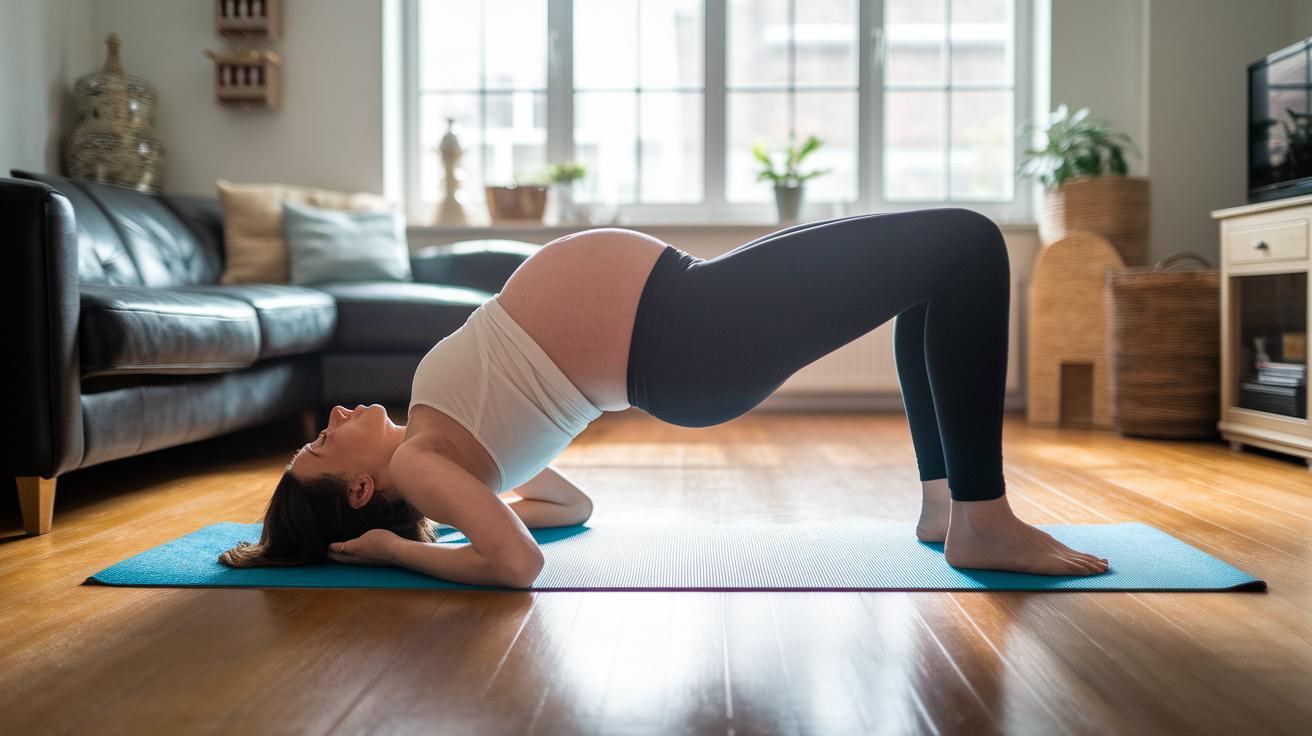
In your first trimester, it’s best to ease into exercise with gentle, low-impact moves. Even a short burst of pelvic floor exercises, like bridges and Kegels, can help build a strong base for your pregnancy. You might also try simple stability ball hamstring curls and some light oblique and lower-back exercises, along with approved cardio like brisk walking. It’s a small step that makes a big difference.
As you enter the second trimester, your body is changing and you may want to adjust your routine. Keep those pelvic floor exercises coming and add lunges to boost leg strength. Try incorporating moves such as Bird Dog to help keep your core steady. Picture yourself in a prenatal aerobics flow that feels as refreshing as a gentle morning stretch, energizing yet soothing.
In the third trimester, safety becomes even more essential. It’s a good idea to avoid exercises where you lie on your back to reduce pressure on your vena cava. Instead, choose gentle moves like calf raises or a side plank with your knee down to keep your core supported. A modified stretching program, perhaps a 20-minute walk or a gentle swim, offers both strength and comfort while keeping things safe.
Postpartum Exercise Routines for Recovery and Strength
After having your baby, it can feel like your body needs a little extra love. Gentle exercises help rebuild your strength and support your pelvic area. These routines start with soft core work that guides your body slowly back to feeling strong. One part of the routine focuses on your tummy muscles and pelvic floor (the muscle area that supports your lower body), teaching them how to function safely again. For example, a gentle pelvic tilt might feel like slowly arching your lower back to bring your core into action, and then easing back to a resting position.
In the early weeks after birth, you begin with simple, controlled movements. Over time, these calm activities progress into short circuits that mix gentle stretches with low-resistance strength moves. You might start with an easy pelvic bridge and later alternate it with gentle stretching. It’s all about listening to your body and following the advice of your doctor to keep everything safe.
Here are some activity ideas:
| Exercise | Description |
|---|---|
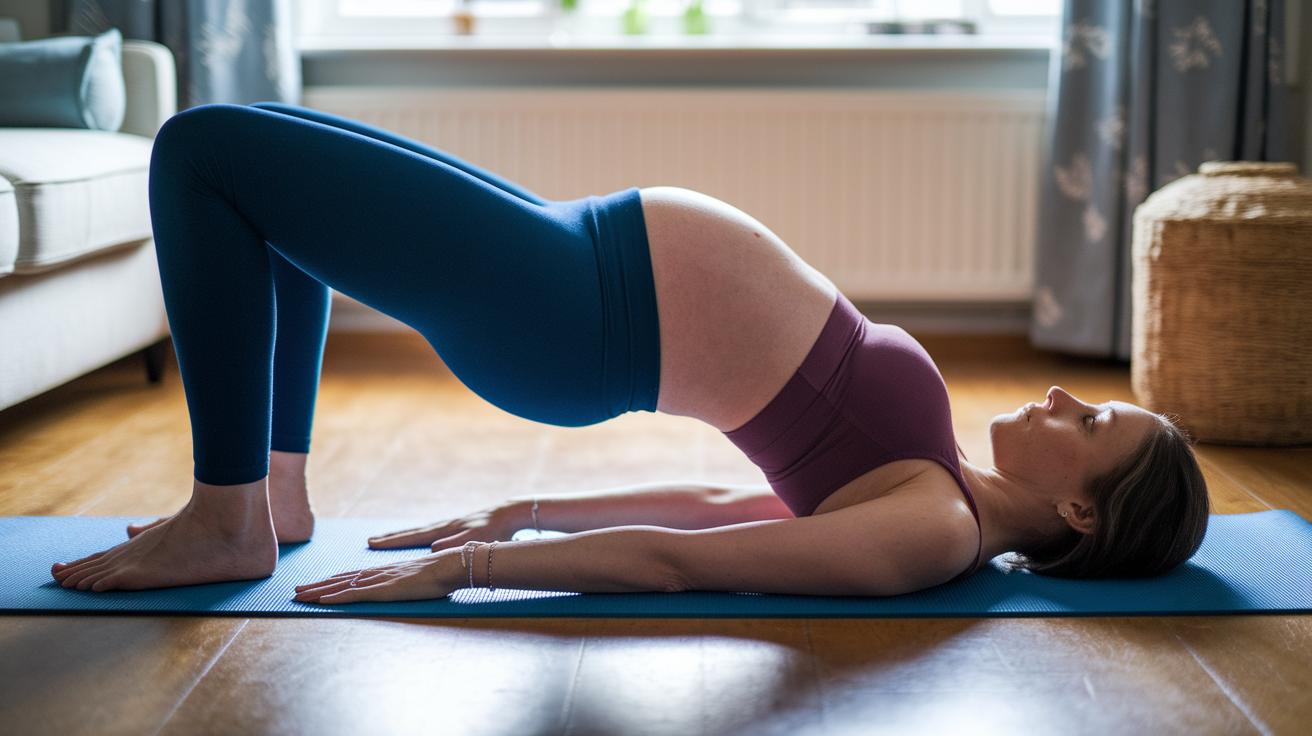
| Pelvic Bridge | A soft lift to help build a strong core after birth |
| Pelvic Tilts | Movements that gently reawaken your tummy muscles |
| Interval Circuits | Slowly mix stretches with ease-filled strength drills |
| Walking Sessions | Steps that gradually ready you for more active routines |
These activities remind you that every little step fuels your recovery. Over time, they help restore strength and balance, giving you the confidence to embrace your new role as a mom while staying in tune with your body’s wisdom.
Low-Impact Maternal Wellness Routines for Mobility and Flexibility
If you're a mom looking for a gentle way to stay active, low-impact routines might be just right for you. These simple exercises mix light bursts of movement, easy stretching, and special drills tailored for new parents that help ease tight muscles. Think of a soft side step that feels as refreshing as a cool breeze on a warm day, a quiet moment just for you.
Prenatal water exercises like pool walking or a gentle swim offer a safe way to get your heart moving. Moving in water helps take some pressure off your joints while giving you a bit of extra resistance. It feels light and fun, almost like slowly drifting on a calm lake while you build strength and balance.
Here are some low-impact ideas to try:
- Light aerobic bursts at a pace that feels comfortable
- Stretching drills to help relax and lengthen your muscles
- Water exercises that let you move smoothly with gentle support
Each of these exercises brings heart-healthy benefits and keeps your body feeling flexible. Embracing these simple methods can help set the stage for smoother movement during pregnancy and can even ease your way back into regular activities once your baby arrives.
Pelvic Floor and Core Activation Routines for Maternal Wellness
This section offers clear advice on how to adjust your exercise routine safely. For bridges, try a gentle hip lift while keeping your feet flat and softly engaging your pelvic muscles if you're pregnant. After your baby arrives, add a slight pelvic tilt and slowly lift your hips higher to help your tummy muscles work together. Imagine lifting your hips gently, as if you're slowly raising a cozy blanket with care.
For Kegels, focus on how long you hold the contraction. When you're pregnant, contract your muscles for about 3-5 seconds, then relax. Once you're postpartum, you might try holding them for up to 10 seconds and doing a few more repetitions. Always stop if something doesn't feel right.
Next, consider the Bird Dog exercise. When you're pregnant, extend your opposite arm and leg slowly, keeping your balance in mind. After having your baby, if you feel steady, you can gradually extend further while staying in control. Think of yourself as a calm tree with a strong trunk, each limb reaching out gently.
Lastly, try the side plank with your knee down. Adjust the time you hold the plank based on your energy. While pregnant, a shorter hold with a gentle core engagement is ideal. Postpartum, work up to longer holds while carefully strengthening your sides. Picture your body slowly building strength, like adding a soft, caring layer to your daily routine.
| Exercise | Prenatal Tips | Postpartum Modifications |
|---|---|---|
| Bridges | Small hip lifts; gentle pelvic muscle engagement | Increase lift; include controlled pelvic tilts |
| Kegels | Hold 3-5 seconds; focus on gentle contraction | Hold up to 10 seconds; slowly increase repetitions |
| Bird Dog | Slow, controlled extension; keep balance | Gradually increase range if steady |
| Side Plank (Knee Down) | Short hold; mild core engagement | Longer hold; careful focus on oblique strength |
- Always check with your provider before starting or changing any exercise routine.
- Use a mirror to watch your form, especially when getting back into exercise after childbirth.
- Listen to your body, if something feels too hard, adjust the intensity or time you hold the exercise.
Adapting Maternal Wellness Exercise Routines: Safety and Expert Advice
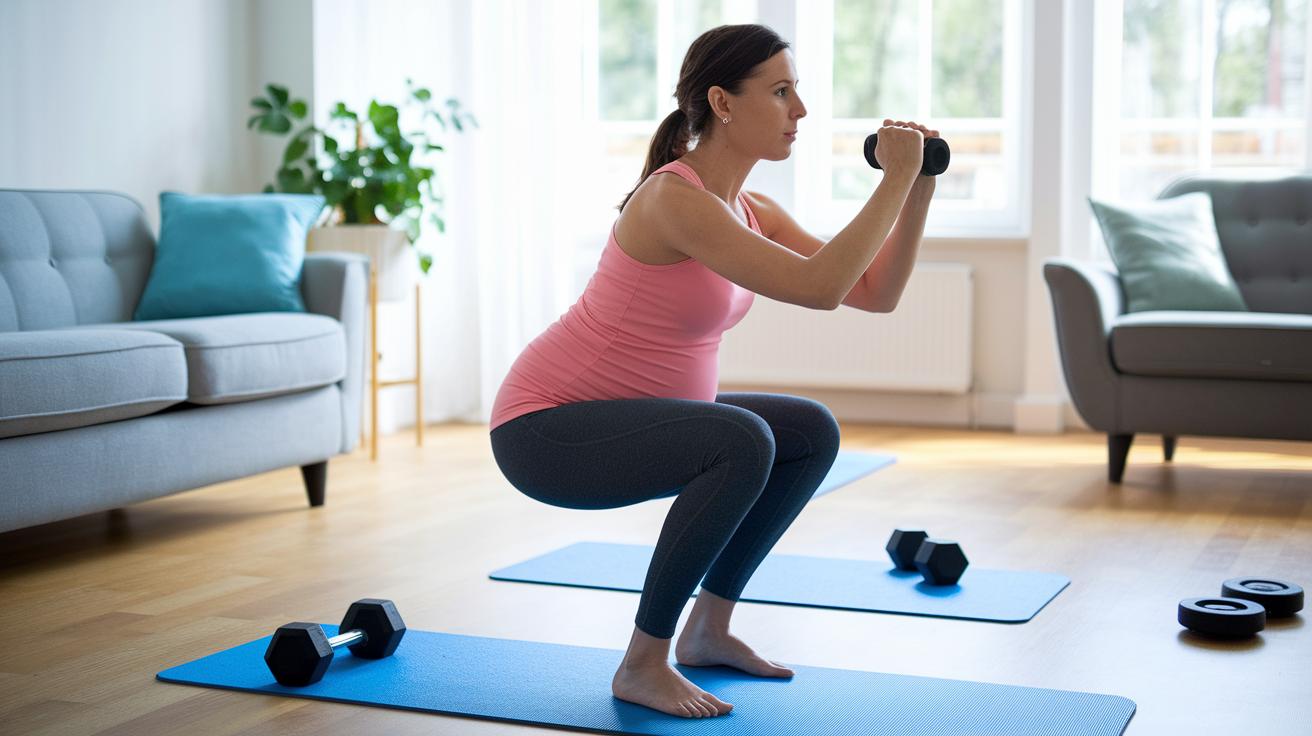
Imagine your workout helping you feel just a bit safer with a small change. After your first trimester, try to avoid lying on your back since it can press on your main vein.
Just a friendly reminder: listen to what your body is saying. If you start feeling tired or out of breath, it might be a sign to slow down a bit. Maybe try swapping full squats for supported half squats when fatigue sets in, a tiny change that can really help you feel better.
Quick safety tips:
- Listen to your body's signs and take breaks when you need them.
- Choose modifications that keep you upright or add extra support.
- Replace high-intensity moves with gentler exercises that help you stay steady.
- Always check with your provider before you change your routine.
For more details on safely adjusting your workouts at each stage, please see the postpartum recovery tips at postpartum recovery tips.
Final Words
In the action, this article covered a range of safe workout plans, from trimester-specific exercises and low-impact routines to core and pelvic floor work during and after pregnancy. It shared practical ways to strengthen muscles, improve mobility, and embrace gradual recovery with expert advice and at-home modifications.
The guide serves as a reminder of the value of consistent exercise routines designed for maternal wellness. Keep moving forward with confidence and care, knowing that every small step supports your well-being.
FAQ
What are free exercise routines designed for maternal wellness?
The free exercise routines for maternal wellness provide stage-specific workouts that support strength and mobility, covering prenatal to postpartum recovery with safe, expert-approved exercises for each phase.
What are the available formats for maternal wellness exercise routines?
Maternal wellness exercise routines come in multiple formats, including PDF and ATI, offering accessible, step-by-step plans to help you stay active and supported throughout pregnancy and beyond.
What pregnancy exercises are recommended in the first trimester?
The first trimester exercises involve pelvic floor work, bridges, Kegels, and gentle cardio to boost core strength and support early pregnancy comfort and overall well-being.
What pregnancy exercises are recommended in the third trimester?
The third trimester exercises focus on safe movements like calf raises, modified side planks, and walking routines that help prepare your body for an easier birth experience.
When is the best time to start exercise during pregnancy?
The ideal time to start exercising is typically in the first trimester, though it varies by individual needs; consulting your doctor ensures you begin a routine that’s right for you.
What are some effective at-home pregnancy exercise options?
At-home pregnancy exercises include walking, gentle strength drills, and low-impact cardio routines, all designed for your comfort and safety while making it easy to maintain fitness at home.
What exercise is excellent for a pregnant woman?
Excellent exercises for a pregnant woman combine pelvic floor routines with light cardio and core stabilization, offering a balanced approach that maintains strength and mobility throughout pregnancy.
What type of physical activity does a pregnant woman need?
A pregnant woman benefits from low-impact activities such as pelvic floor strengthening, gentle core exercises, and safe cardio workouts that adjust to her changing body and energy levels.
Which exercises do healthcare providers recommend during pregnancy?
Healthcare providers recommend doctor-approved, low-impact routines like prenatal aerobics, walking, and targeted core and pelvic floor exercises that help maintain strength and ensure safety.
What is the ideal exercise intensity for a healthy pregnant woman?
The ideal exercise intensity is moderate; workouts should be comfortable enough to boost your well-being while avoiding overexertion, always following your health provider’s advice.