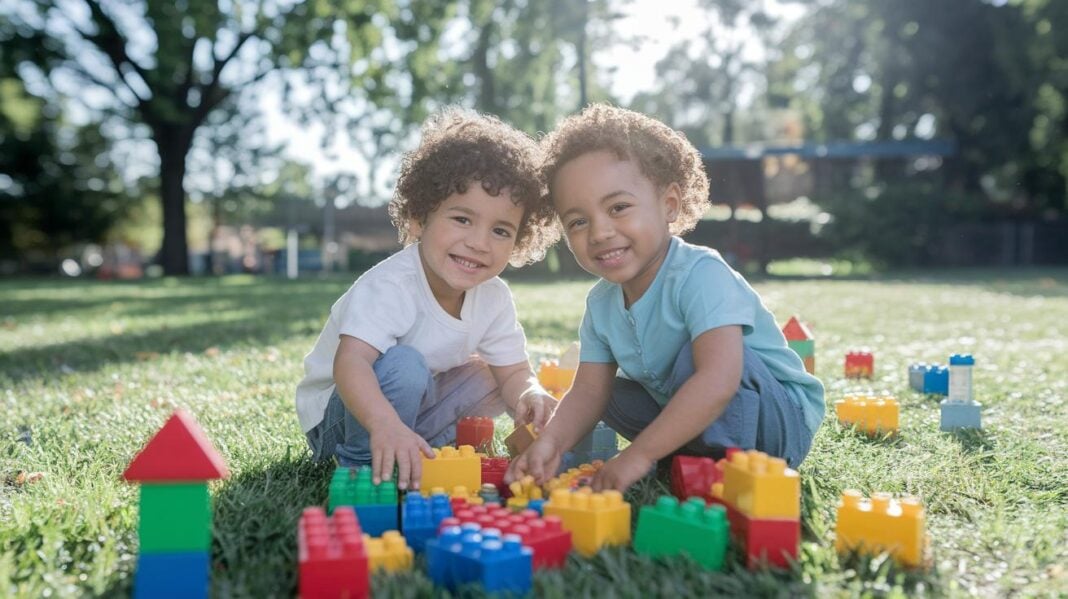
Have you ever noticed how a little four-year-old’s smile can brighten an entire room? At this age, kids start to understand and name their feelings. They might say something like, "I feel happy because we’re playing outside!" When they share their joy or even their frustration, it shows they are learning more about who they are and the people around them.
In this chat, we dive into how these little moments of feeling and expression help build stronger social skills, kinder empathy, and a growing sense of self-confidence. These qualities are like the building blocks for forming great relationships as they grow up.
Key Emotional Milestones for 4-Year-Olds
At four years old, kids start really noticing their feelings. They go from just reacting to naming what they feel. You might hear one say, "I feel happy because we're playing outside!" This early practice of naming emotions helps them understand their inner world better. Soon, they learn that feelings like joy, sadness, and frustration each have a unique meaning.
At this age, children also discover that big emotional outbursts can affect the people around them. They watch how their friends react and start to adjust their own behavior. You might gently point out, "When you shout, your friend looks upset," helping them see how their actions can impact others. This growing self-awareness builds empathy and paves the way for more cooperative play.
- Recognizing and naming their feelings
- Understanding that tantrums affect others
- Showing concern when friends feel upset
- Starting friendly, cooperative play
- Expressing more detailed emotions like pride or shame
- Describing their own traits and preferences
Watching these milestones is a helpful guide for caregivers. When you notice your child naming their feelings or changing their behavior after some advice, it's a sign they're learning to manage their emotions. Paying attention to these moments lets you celebrate their progress and quickly spot any changes that might need extra support. This careful, loving watch over them builds their self-confidence and social skills, making sure your little one feels truly understood every step of the way.
Mood Regulation Skills at Age Four
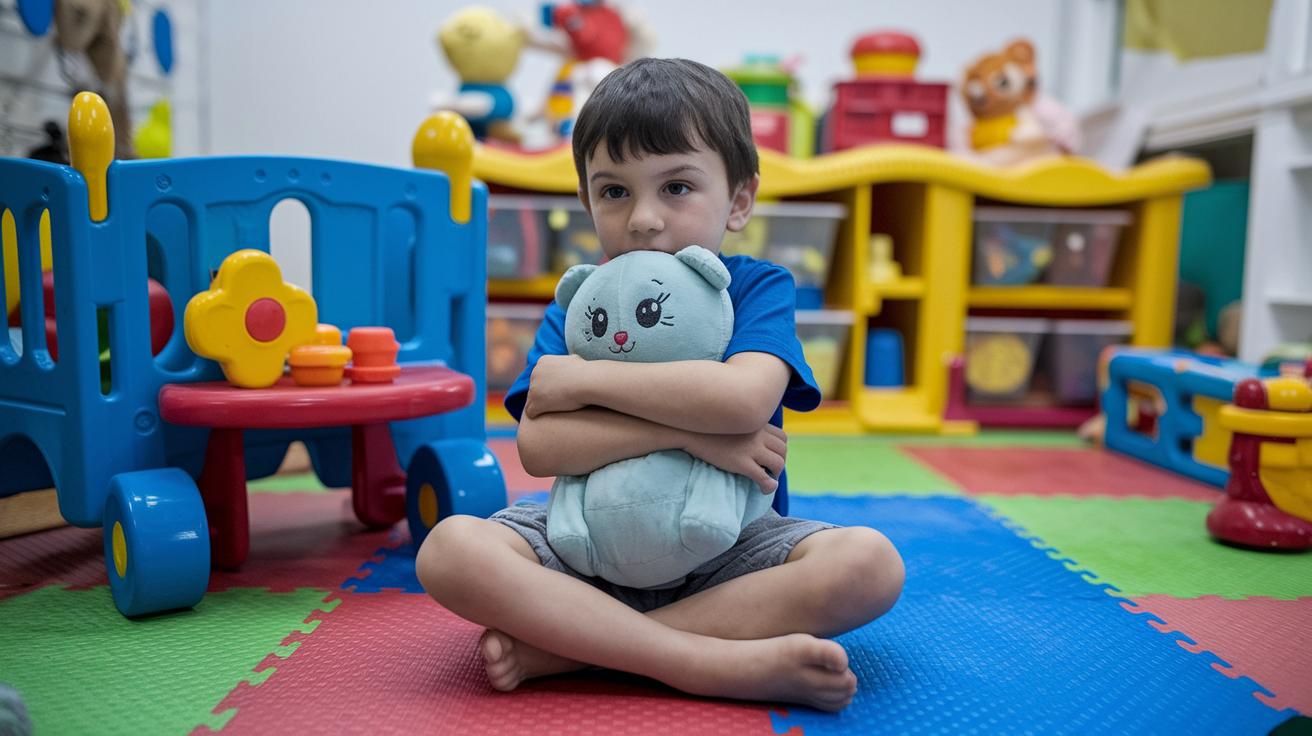
When kids are three, their feelings often burst out without much warning. They might laugh or cry right away, and tantrums can happen a lot. Imagine a little one crying hard when a favorite toy is taken away, that’s how natural it is at age three, where emotions run wild and calm moments are rare.
By the time they hit four, you can see a soft shift in how they handle their feelings. They begin to pause before reacting, maybe taking a deep breath or asking for a hug when upset. It’s like they’re learning a little secret: using words to share how they feel. For instance, a four-year-old might say, “I feel sad, and I need a hug,” which shows they’re starting to understand and express what’s inside. And when caregivers notice this progress, it feels like a warm pat on the back, encouraging them to keep growing.
| Age 3 Behaviors | Age 4 Behaviors |
|---|---|
| Crying or laughing right away | Pausing to share feelings in words |
| Frequent tantrums | Using simple self-calming tricks |
Developing Empathy and Social Competence in Preschoolers
Little ones learn a lot just by watching. They see a friend smile gently or give a soft hug and then try to do the same. This simple mimicry shows them that sharing feelings can lift someone’s mood and make the day a little brighter.
At around four years old, kids really shine during playtime. They gather to play games and start to understand simple rules. Sometimes, one might say, “Let’s play tag,” while another reminds a friend, “It’s your turn.” These moments show that a kind word or a friendly gesture can make tough feelings easier. It’s a gentle way to learn respect and see how actions can affect others.
Role-playing and structured games give caregivers a chance to gently guide these little minds. When adults set up imaginative scenarios, kids get to explore feelings in a safe space. They practice sharing, caring, and listening, just like chatting with an old friend. This playful approach makes them feel confident that expressing their feelings is both safe and rewarding.
Practical Emotion Management Techniques for 4-Year-Olds
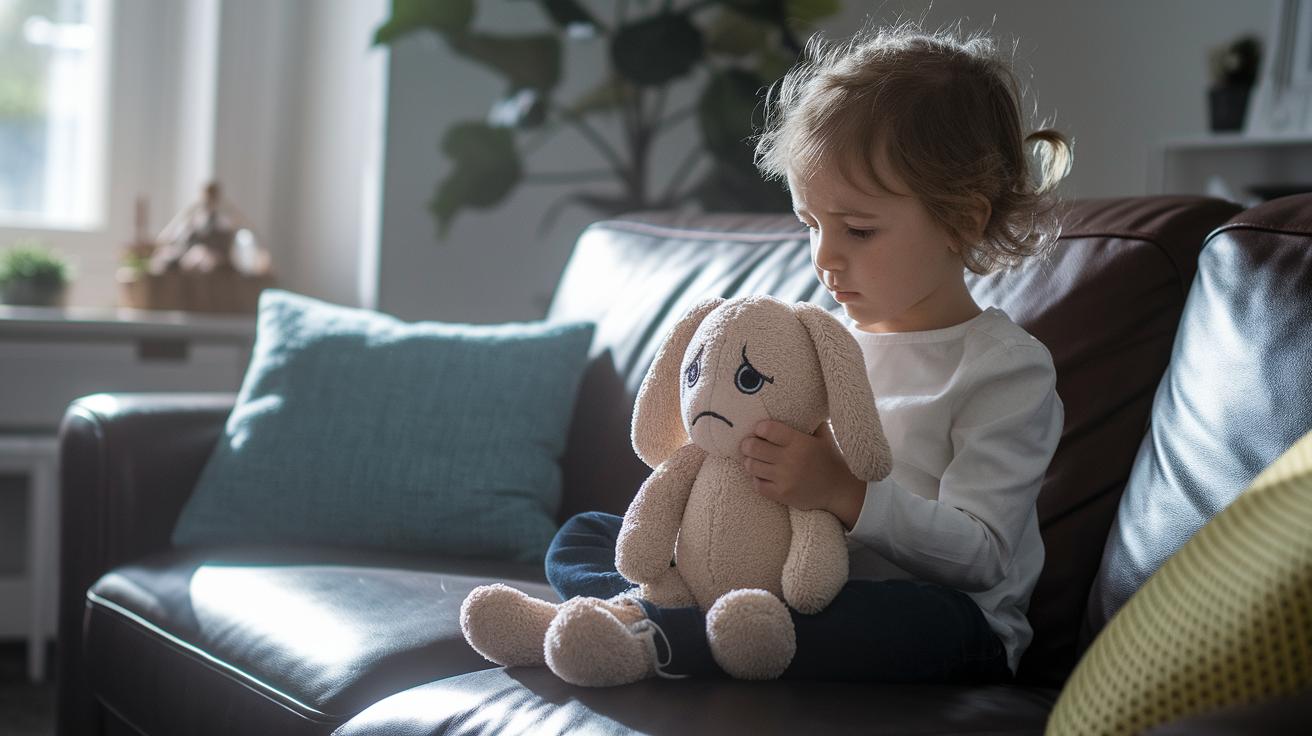
Relational play training is a fun, gentle way for little ones to explore and understand their feelings. When they pretend, kids get a chance to name their emotions, almost like packing a little toolbox for self-soothing. Imagine a game where a stuffed animal feels "sad" because it lost its crayon – this playful moment helps your child match words with feelings, setting the stage for better emotional control.
Storytelling that points out feelings is another really engaging method. While reading a favorite picture book, pause when a character shows a clear emotion and ask, “How do you think they feel right now?” For example, you might say, “See how the character smiles after being helped? What feeling does that remind you of?” This makes the idea of emotions much more real while adding new words to their feelings vocabulary.
Role-playing everyday social challenges can also work wonders. Try creating simple scenarios where your child practices expressing their feelings during common disputes, like sharing a toy or fixing a little misunderstanding during play. Acting these out in a relaxed setting helps build the confidence they need to manage similar situations in real life.
Don’t forget to include a daily “emotion check-in.” Spend a few minutes chatting about the good parts and the tough parts of your day. Using emotion cards or smiley face photos can make this little routine even more fun and relatable.
These easy exercises can be enjoyed at home, in preschool, or anywhere, turning ordinary moments into joyful learning times.
Monitoring Growth and When to Seek Professional Support
Have you noticed your child sometimes struggles to name what they're feeling? Maybe they have temper tantrums that last more than 20 minutes or seem to avoid playing with other kids. When a child never says, "I’m feeling sad" or gets easily overwhelmed by simple frustrations, it might be a sign to take a closer look. Big emotional bursts that disturb the daily routine can be hints that they're still learning how to handle their feelings.
At home, you can keep an eye on these changes by jotting down little notes. Try writing about the times when your child finds it hard to manage their feelings or chooses to play alone. A simple routine, like a quiet chat about the day before bedtime, can help you pick up on patterns. These notes not only show how they're doing but also give you something to share if you decide to talk to a professional.
If these behaviors start happening a lot, it might be a good idea to check in with a professional. Reaching out to a pediatrician or child psychologist can give you new ideas and support. You can also explore resources about cognitive development in early childhood for more tips on handling preschool challenges.
Final Words
In the action, we explored how young children learn to identify feelings, use simple self-regulation strategies, and show care for others. Our discussion highlighted vital tips for spotting red flags, practicing practical emotion management, and knowing when to seek professional support.
Tracking emotional development in 4 year olds is a wonderful way to celebrate small wins. Every step in emotional development in 4 year olds builds a foundation for resilience and joy. Keep encouraging growth and sharing genuine care every day.
FAQ
How do 4-year-olds show social emotional development?
The social emotional development in 4-year-olds means they start naming their feelings, learn that their actions affect others, and enjoy cooperative play while beginning to form a clear sense of self.
What should an emotional development checklist for a 4-year-old include?
The emotional development checklist for 4-year-olds includes recognizing feelings, understanding that tantrums impact peers, showing concern when someone is upset, engaging in cooperative play, expressing nuanced emotions, and describing their personal traits and likes.
How do physical and emotional developments work together in 4-year-olds?
The physical and emotional development in 4-year-olds work together when children use their growing motor skills to engage socially while practicing self-control and empathy as they communicate their feelings effectively.
What is emotional regulation in a 4-year-old?
Emotional regulation in a 4-year-old means the child starts pausing before reacting, using simple self-calming techniques like deep breaths, and learning to express their feelings in more controlled ways.
Why might my 4-year-old be suddenly very emotional?
Being suddenly very emotional in a 4-year-old can mean the child is experiencing normal developmental growth as they learn about emotions, face new social situations, and sometimes struggle to express their feelings clearly.
What are signs of concern regarding emotional development at age 4?
Signs of concern at age 4 include persistent difficulty naming emotions, extreme tantrums lasting over 20 minutes, and not engaging in group play, which may suggest the need for further evaluation or expert guidance.