
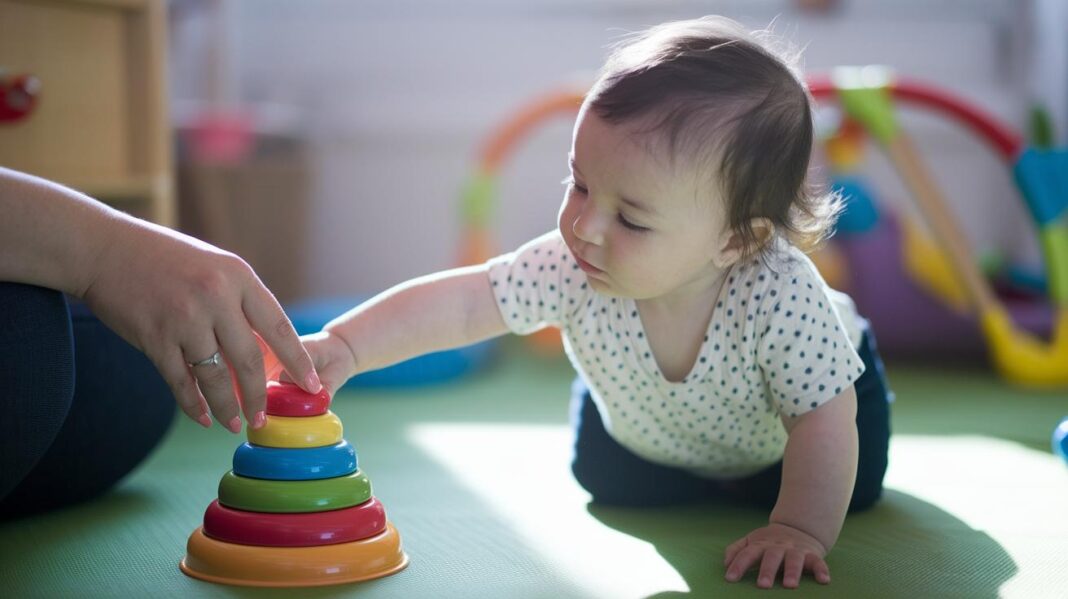
Have you ever noticed how a little movement can make a big difference in your baby’s growth? Some folks say it’s all about nature, while others believe that care even before birth is key. Research shows that good care during pregnancy (care during pregnancy) and a warm, safe home go hand in hand to help your baby develop motor skills.
In this post, we’ll chat about how your baby’s genes, thoughtful prenatal care, and lots of playful fun work together to help your little one learn to sit, crawl, and explore the world around them.
Key Factors Shaping Motor Development in Infants

Our little ones get their first boost from genetics and the care they receive while still in the womb. Family traits like height, weight, and muscle strength always play a part in how a baby moves. Babies who are born full-term and get good care during pregnancy often start balancing and coordinating their movements a bit earlier. For instance, you might notice that a baby whose mom had careful prenatal care can hold up their head sooner compared to one with a lower birth weight.
But the baby’s surroundings also help shape how they move. A safe, cozy home filled with open space and just-right toys can make a big difference. When you spend time playing simple games like rolling a ball or a game of peekaboo, you’re not just having fun, you’re helping your little one learn to reach, grasp, and even crawl. These everyday moments encourage physical exploration and give them a chance to learn through touch.
Good food and playful activity are the final key pieces of the puzzle. A balanced diet packed with protein, calcium, and vitamin D supports growing muscles and strong bones. And when your baby spends time on their tummy or gets involved in active play, it helps build up their core muscles. For more tips and information, feel free to look up more on infant motor development.
Genetic and Neurobiological Contributions to Infant Motor Development
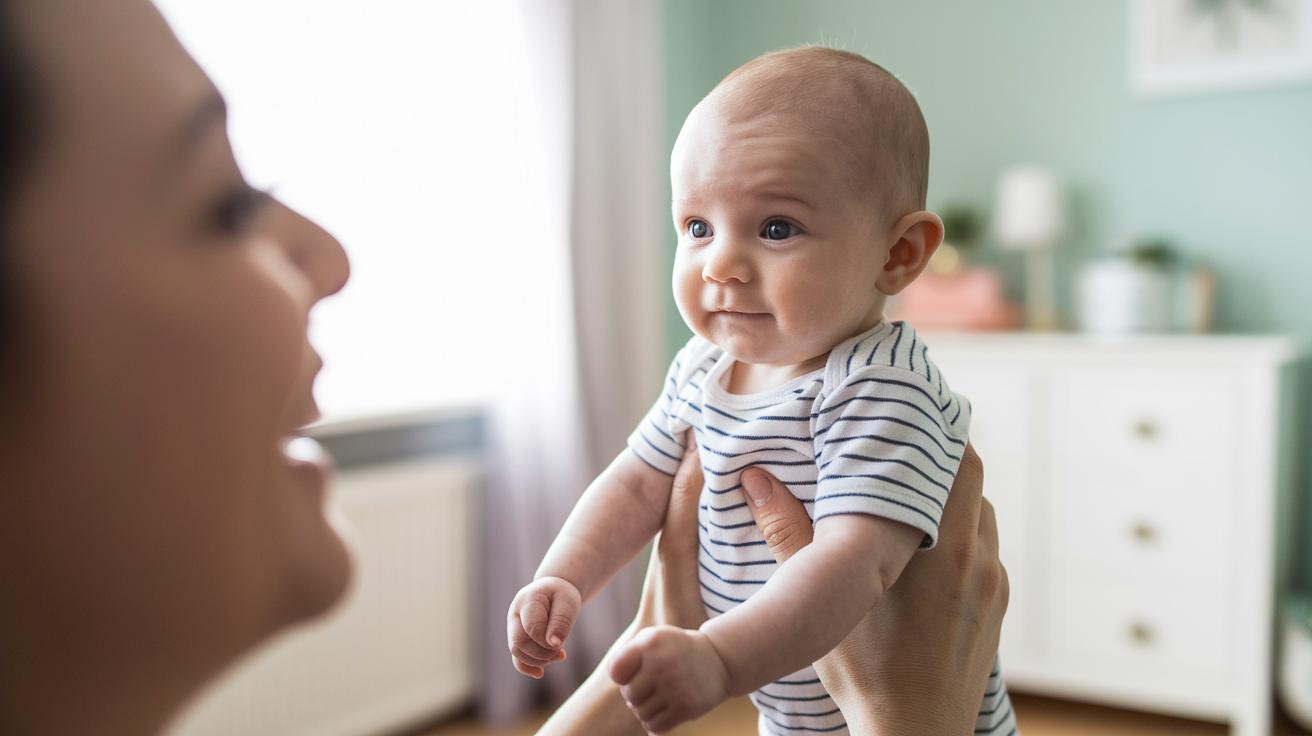
Genetics gives each baby a unique blueprint that helps shape how they move. You can think of it as a blueprint that influences things like muscle strength, body size, and overall structure. Even simple moments, like when your little one lifts their head during tummy time, show these inherited traits. It’s almost like the baby’s gentle strength mirrors that of their parents, gently setting the stage for early movement.
Research from the University of Utah shows that babies born with a low birth weight or born early may face more challenges with balance, coordination, and delicate hand movements. These infants might take a bit more time to reach for and grab things. It really highlights how important the baby’s early conditions are in steering their motor growth.
There are also differences between boys and girls when it comes to early motor skills. Typically, boys may develop more muscle strength, partly because of a hormone called testosterone, which can boost their coordination. Girls, on the other hand, often show better balance and nimbleness, thanks in part to estrogen. For example, while only about 5% of babies can lift their head when lying on their tummy right at birth, this number grows to 50% by 1.5 months and to 95% by 4 months. Similarly, reaching movements go from around 10% at 1.6 months to 90% by 4 months.
Between four and six months, babies go through an exciting change called neuromuscular maturation. This is when their natural reflexes slowly turn into actions they can control on purpose. As their brain grows and they start really tuning in to what they see, hear, and feel, their movements get smoother and they start taking on more everyday tasks.
Environmental and Caregiver Influences on Infants' Motor Skill Milestones

Recent studies show that the home environment really matters for how quickly babies learn to move. One study found that babies in homes filled with active, caring adults reach key movement milestones nearly 25% sooner than those with less stimulation. New findings also suggest that early help programs, when combined with family care, can boost coordination and muscle strength.
Different cultures bring unique touches to child-rearing. For example, in some families, caregivers add fun physical activities into everyday routines, which naturally helps babies build motor skills. It’s amazing how even small differences in a caregiver’s involvement can shape a baby’s early physical steps.
Some of the major factors that influence these early movements include:
- Play space quality
- Toy variety
- Caregiver engagement
- Daily movement routines
- Safety considerations
Imagine a parent gently lifting their baby during a fun game, it's a simple moment that encourages balance and helps the little one learn how to move with confidence.
Nutritional and Prenatal Influences on Infant Motor Abilities
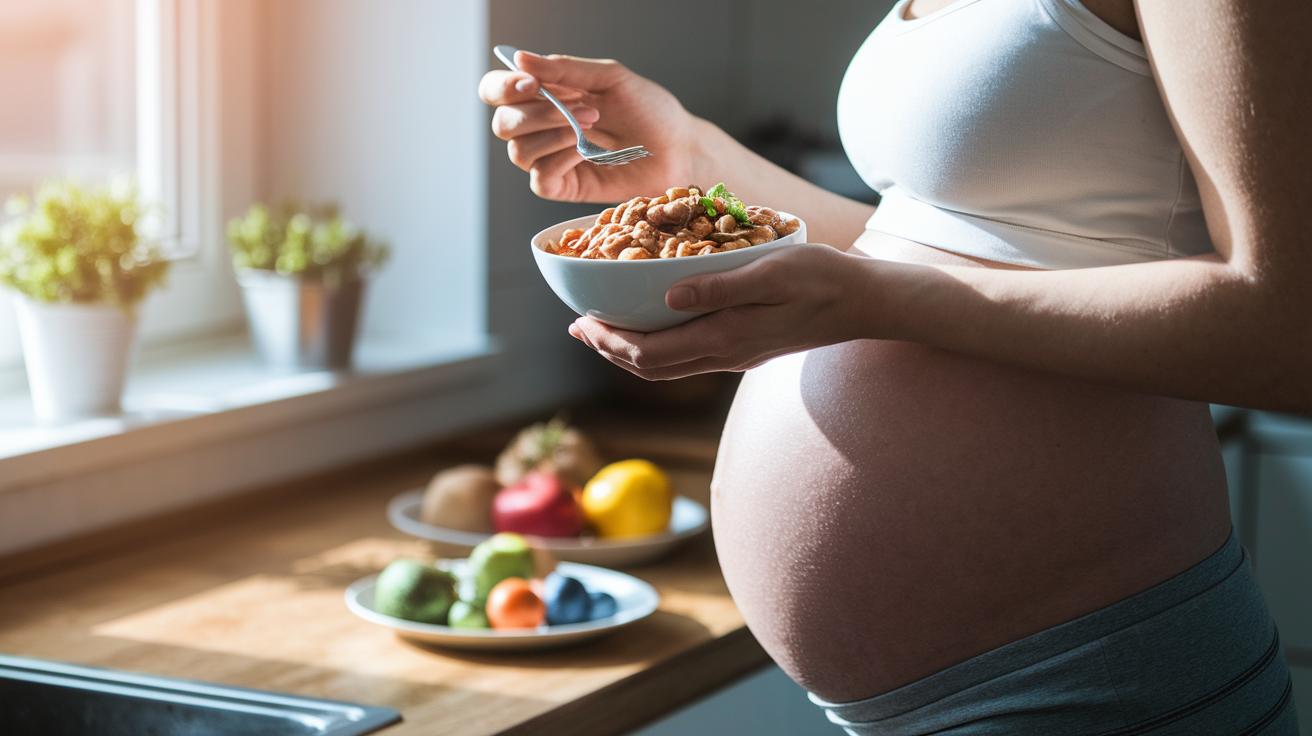
When you're expecting, a balanced diet really matters. Eating plenty of protein helps build those tiny muscles, while calcium paired with vitamin D (which strengthens bones) sets up a solid base for your baby's first movements. It's like preparing the soil before planting a seed.
Sometimes, babies born a bit early or with low birth weight might find it takes longer to learn small tasks like grasping a toy. A little extra care through proper nutrition can give them the boost they need to build strength and resilience.
After birth, getting timely care such as immunizations helps keep illnesses at bay, ensuring nothing stands in the way of your baby's growth. Combined with nurturing, healthy eating habits, this continuous care supports steady progress and overall well-being.
Sensory Integration and Brain Growth Shaping Motor Skills Progression

Sensory input is like a gentle guide that helps a baby learn how to move. When a little one touches soft blankets or feels the gentle rocking in a chair, their brain starts to map out where their body parts are. Imagine a baby tenderly patting a beloved toy, each gentle touch helps build the pathways needed for smooth movement later on.
Visual clues join in, too. When infants watch a colorful mobile or follow a drifting object, what they see mixes with what they feel. This friendly blend helps them connect their eyes with their hands, making simple actions, like reaching for a rattle, feel natural and well-coordinated.
Everyday play, like a simple obstacle course laid out on the living room floor, adds a fun layer to learning. These little challenges encourage babies to explore balance and coordination in a safe and playful way.
Between 3 and 12 months, a baby’s brain is busy growing. Each new sensory experience tunes their ability to move, leading to smoother, more coordinated actions as they start to explore the world with increasing mobility.
Monitoring Motor Milestone Attainment and Recognizing Delays in Infants

| Milestone | Age Attainment |
|---|---|
| Head lift while prone | 5% at birth, 50% by 1.5 months, 95% by 4 months |
| Reaching accuracy | 10% at 1.6 months, 90% by 4 months |
| Hand transfer between hands | 10% at 4 months, 90% by 7 months |
| Scribbling | 50% by 11–12 months, controlled by 18 months, organized patterns by 36 months |
| Kicking a ball | 10% at 12 months, 90% by 17–25 months |
| Stacking three blocks | 40% by 18 months, 85% by 24 months, six blocks by 37.6 months |
When you watch your baby's growth, these milestones are like little signposts along the way, from the first head lifts to beginning to scribble or stack blocks. Keeping an eye on these markers can be really helpful, because if something seems off, you can get help early on.
It’s like having a gentle checklist. For example, if your little one isn’t reaching carefully for objects or switching toys from one hand to the other around the usual time, it might be a sign to have a chat with your doctor. Regular check-ups using these simple milestones let you know if your baby might need a bit more support, like an early movement therapy program to help build strength and balance.
Have you ever noticed how a small change in your baby's actions can start a whole conversation about their progress? It’s all about making sure your child feels supported and ready to take on the next big step.
Effective Strategies and Intervention Programs for Enhancing Infant Motor Development
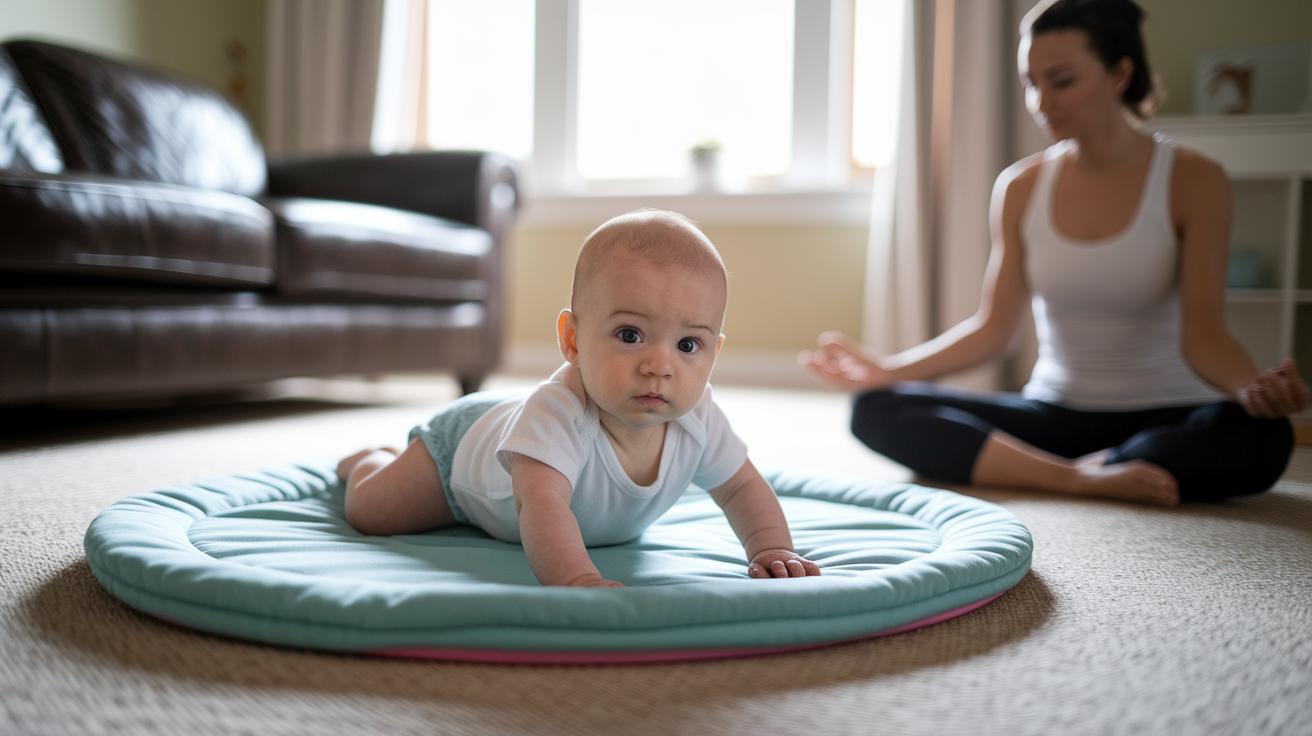
It all starts right from birth. Give your little one tummy time as soon as possible. This special time on their belly helps build the strong muscles they need for smooth, easy movement. By about two months, simple reaching games can help your baby gain better control of their body and get ready to sit with your support.
Adding little moments of play into your daily routine can really boost your baby’s motor growth. Think about carving out time for gentle yoga moves, or even setting up a safe little obstacle course on the living room floor. These playful activities build strength and balance, and you might notice your baby’s coordination improving. It’s a wonderful way to help them feel more confident about taking on new movements.
Enjoy making time for interactive play together. Whether it’s dancing hand in hand or having fun crawling races, these moments not only grow their muscles but also bring lots of smiles and heartfelt bonding. It’s a joyful way to help your baby move and grow.
If you ever feel unsure or notice your baby isn’t reaching certain movements, chatting with a physical therapist can be a great next step. They can show you special exercises tailored just for your little one. The best part? These exercises can fit right into your everyday routine, making each day a fun and varied adventure in movement.
| Strategy | Description |
|---|---|
| Start Early | Begin tummy time at birth and add reaching exercises by two months. |
| Controlled Movement | Use safe activities like supported sitting and gentle yoga. |
| Obstacle Play | Create a little play area to challenge balance and coordination. |
| Interactive Games | Have fun with dancing and crawling races to build strength. |
| Professional Help | Talk to a physical therapist for exercises that suit your baby’s needs. |
| Varied Challenges | Incorporate a mix of activities into daily routines to keep progress fun. |
Final Words
In the action from genetics to play and nutrition, we’ve seen how a mix of care and environment helps shape a child’s skills. The article explored how prenatal care, safe spaces, and playful routines work together to support progress.
Small actions, like tummy time and family play, contribute to strong, balanced growth. Keep heart and hope, knowing that every step supports factors affecting motor development in infants and builds a bright future.


