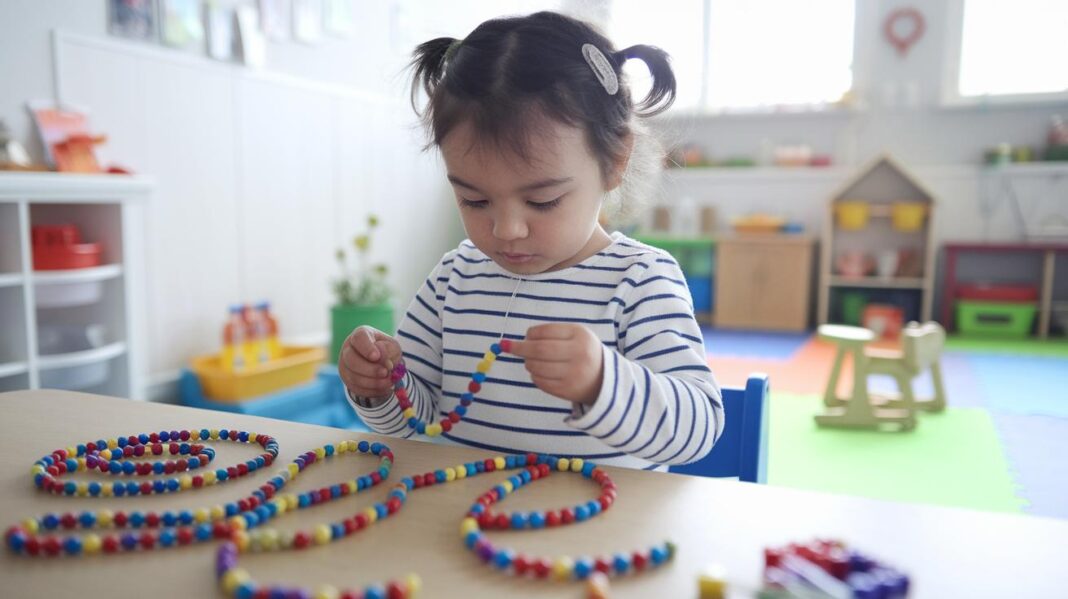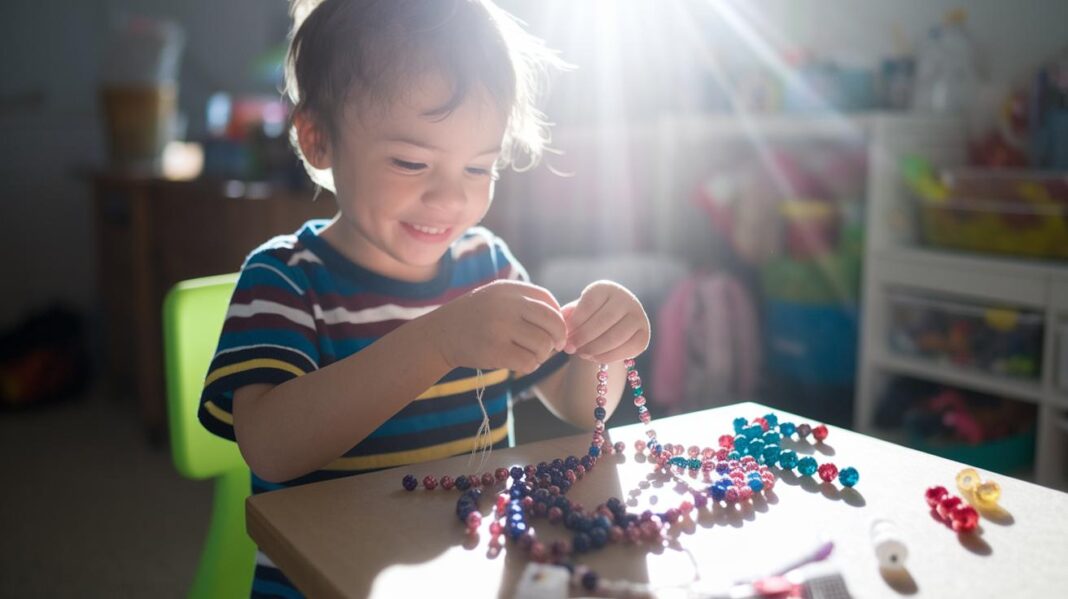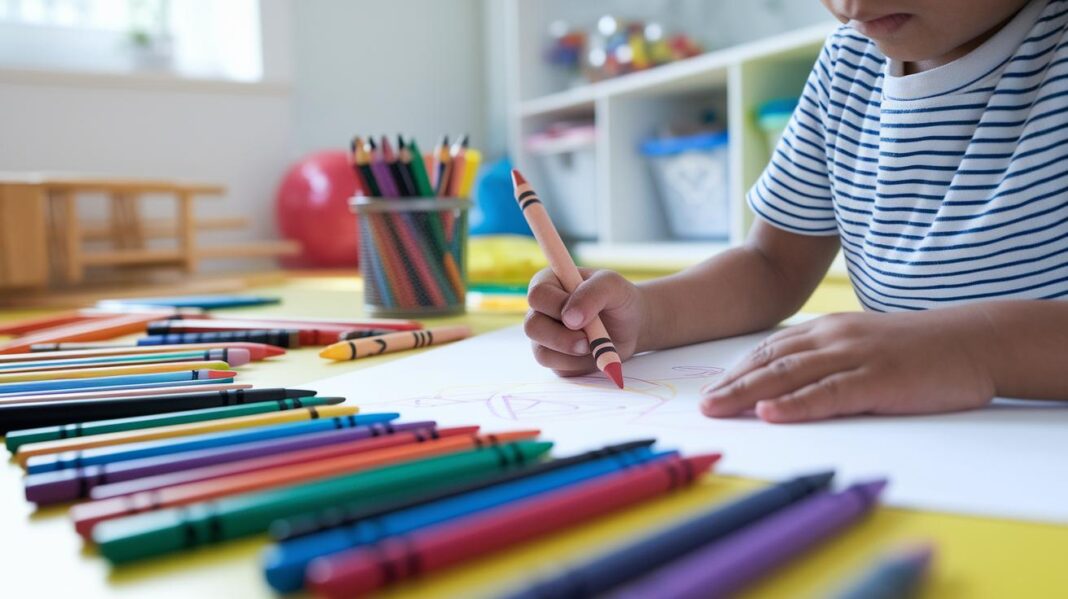
Have you ever noticed how even the smallest hand movements can light up creativity? Tiny skills might seem unimportant, but they really build the foundation for confidence and being independent. When kids try simple activities like buttoning their shirt or stringing beads, they’re opening up a fun path to creative adventures.
Today, I want to share some hands-on ideas that gently boost these skills. Each small task is like a stepping stone, helping little ones enjoy creative play and everyday moments of independence. It’s amazing to see how simple actions can lead to big, imaginative worlds.
Fine Motor Skills Examples: Key Hand and Finger Activities
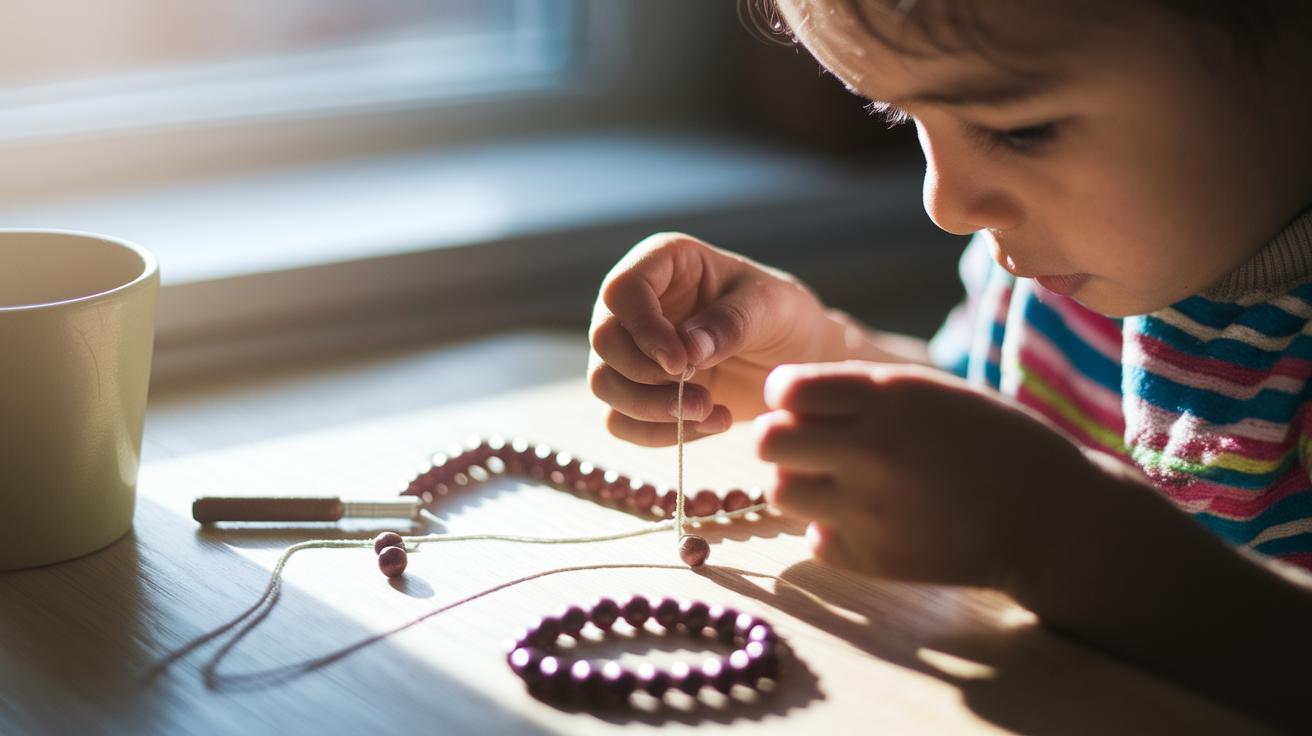
Fine motor skills are all about the tiny moves our fingers, hands, and wrists make every day, like buttoning a shirt or sketching a quick drawing. These little motions are important because they help us carry out daily tasks with ease and build our overall coordination. When kids practice these skills, they’re not just getting better at everyday tasks, they’re also preparing for creative play and learning.
Building these skills can boost a child’s confidence and independence. Activities that mix hand and eye work are enjoyable ways for kids to learn control and develop neat hand movements. Plus, as they work on these tasks, they get a chance to explore creative ideas and projects. It’s like setting up a fun game that helps them learn new things every day.
- Buttoning a shirt or jacket
- Drawing straight lines on paper
- Molding shapes with play-dough
- Stringing beads into patterns
- Stacking blocks into towers
- Cutting paper with child-safe scissors
- Pouring water between small cups
- Building simple designs with LEGO bricks
- Tearing paper to create a collage
- Using spoons and forks during mealtime
These simple activities open the door to even more fun challenges as kids grow and refine their skills.
Fine Motor Skills Examples in Infant Development
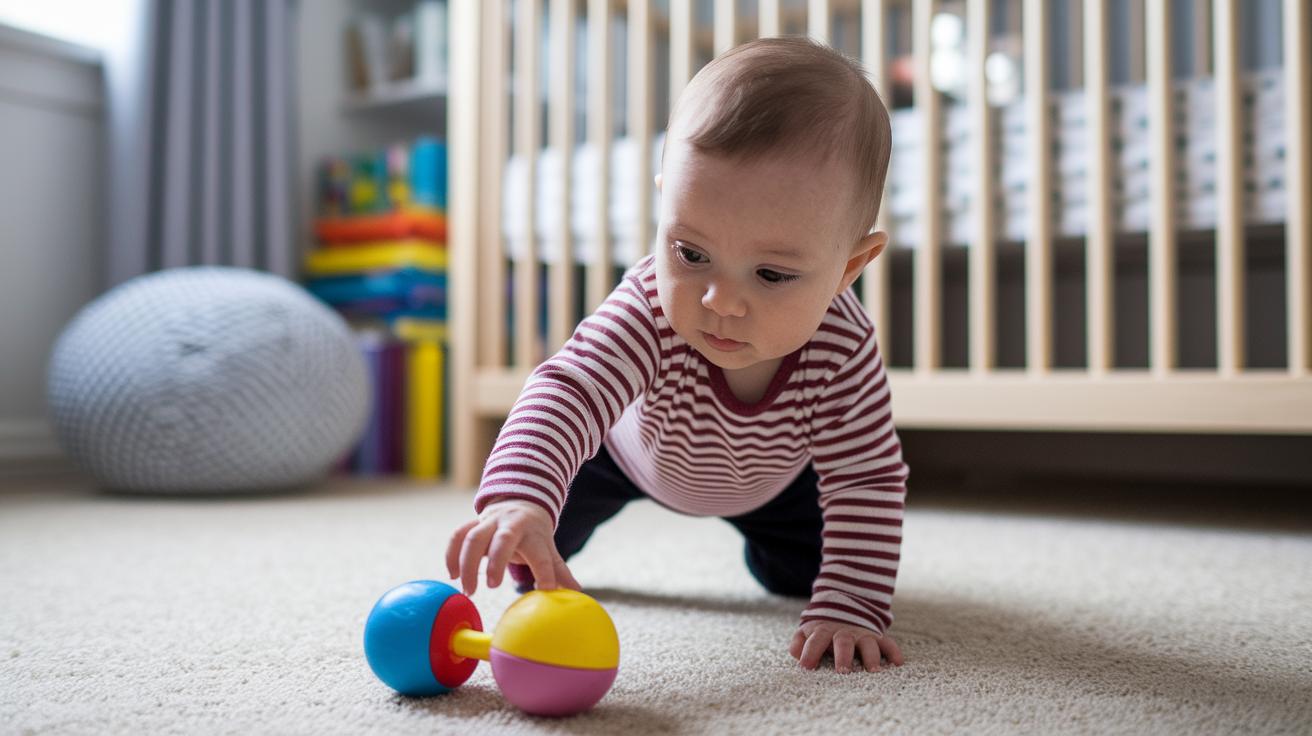
When babies are born, they naturally hold their hands tight because of a built-in reflex. Around three months, this reflex begins to fade, and they start reaching out on purpose. It’s like watching them discover their little hands all over again, slowly learning how to explore their world with care and curiosity.
At about two months, your baby might gaze at a colorful rattle and try to grab it. Then, by three months, many little ones start swatting at a mobile hanging above them, it's a gentle way to practice watching and moving. These early actions really set the stage for more coordinated play.
By four months, shaking a sensory toy becomes a fun activity that helps refine their movements. At five months, when a baby presses a light-up button, it shows they are gaining more precise control in their hands. And by six months, transferring small rings between hands marks a clear step forward in their fine motor development. Always keep an eye on these playful moments to make sure your little explorer is safe and supported.
Fine Motor Skills Examples for Toddlers
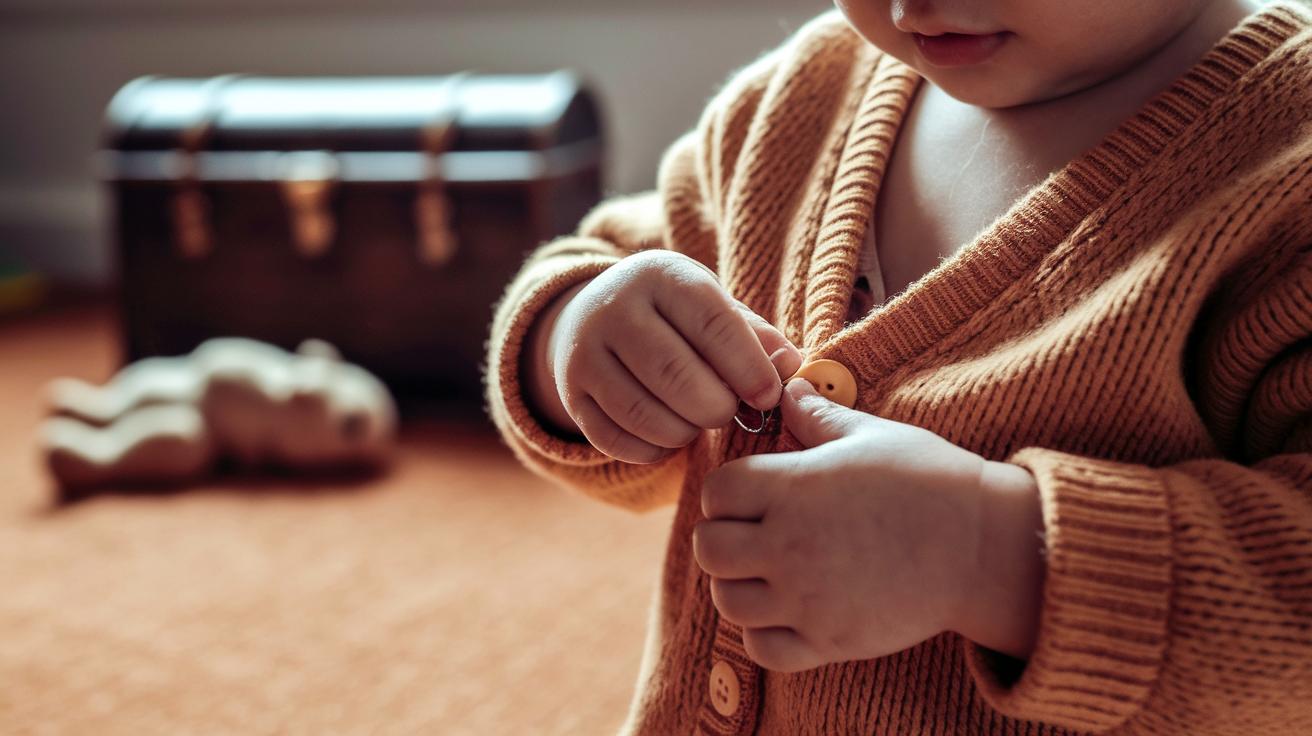
Toddlers between 12 and 36 months start to use the small muscles in their hands and fingers in amazing ways. At this age, they learn to control their finger movements bit by bit through everyday play. It’s truly heartwarming to see a little one shift from a simple grasp to a purposeful movement that shows their growing independence.
Around 18 months, toddlers enjoy trying to dress themselves by fiddling with big buttons and zippers. These small wins not only make them feel proud but also help them become more precise with their hands. By the time they turn 2, many parents introduce safe scissor cutting, like snipping paper strips. Picture a toddler cutting a piece of colored paper and saying, "I'm making something special!" Even if it's a small act, it's an exciting step in learning control.
Creative play like building towers or scribbling in a coloring book can boost these skills even more. Many toddlers love stacking five or six blocks, which helps them understand space and improve their hand control. Soon, they also begin to color within the lines and turn thick board books all by themselves. Every little activity adds up, helping them grow both their creativity and fine motor skills day by day.
Fine Motor Skills Examples for Preschoolers
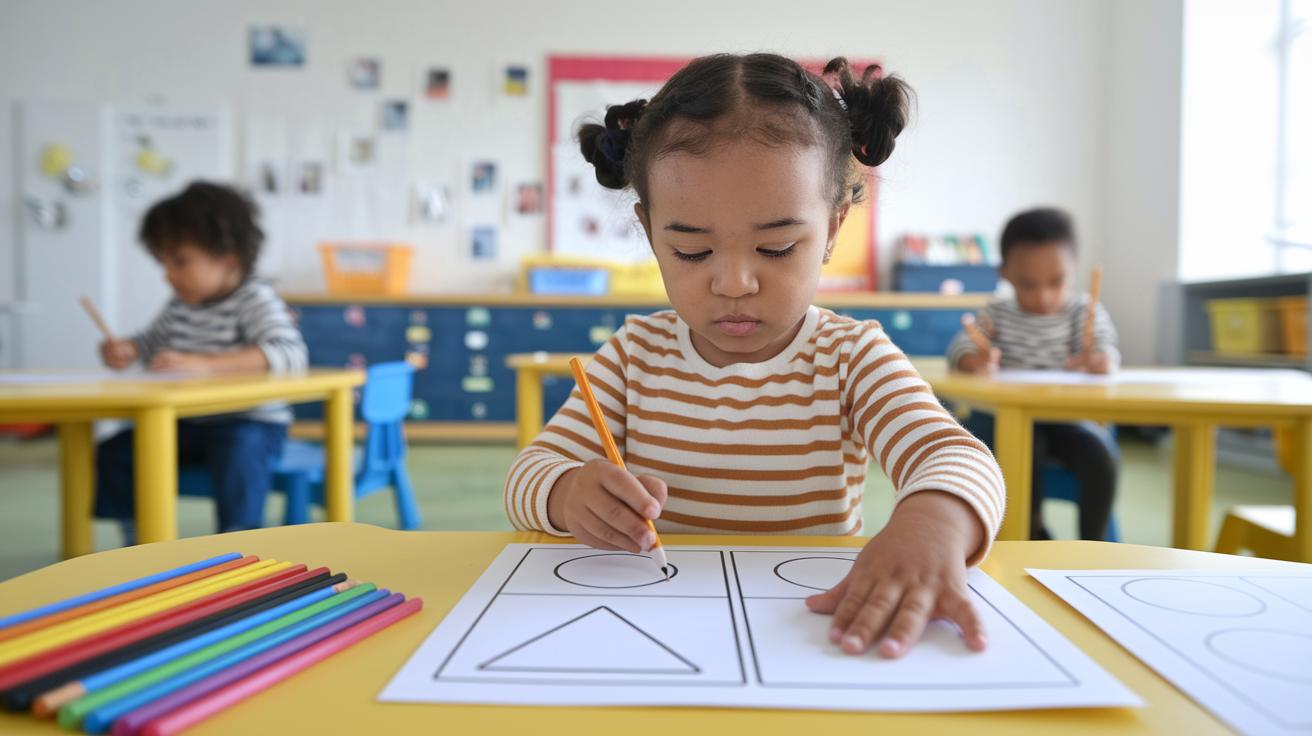
Preschoolers who are 3 to 5 start to show wonderful improvements in controlling their hands and getting ready to write. Their grip gets more refined, and they learn to guide their hands with their eyes. It’s a fun time as simple activities like pencil practice, tracing shapes, and drawing lay a solid foundation for writing and creative play.
Tracing shapes like circles and triangles is a great way for them to improve pencil control. By age 4, many little ones love following simple shapes on worksheets. They might cheerfully say, "I’m drawing a circle just like my favorite clock!" Moments like these boost their confidence and help them plan their movements better.
Working on puzzles and coloring inside drawn borders also refines their fine motor skills. Around 3½ years of age, completing puzzles with 10 to 20 pieces challenges them just right while teaching attention to detail. And when they color between the lines, it feels like a playful exercise that sharpens their hand movements and eye coordination.
Stringing beads into simple patterns is another engaging task. By about age 5, making little necklaces with beads not only sparks their creativity but also hones their precision. Each bead becomes a little lesson in careful handling and self-pride.
Fine Motor Skills Examples Through Art and Craft
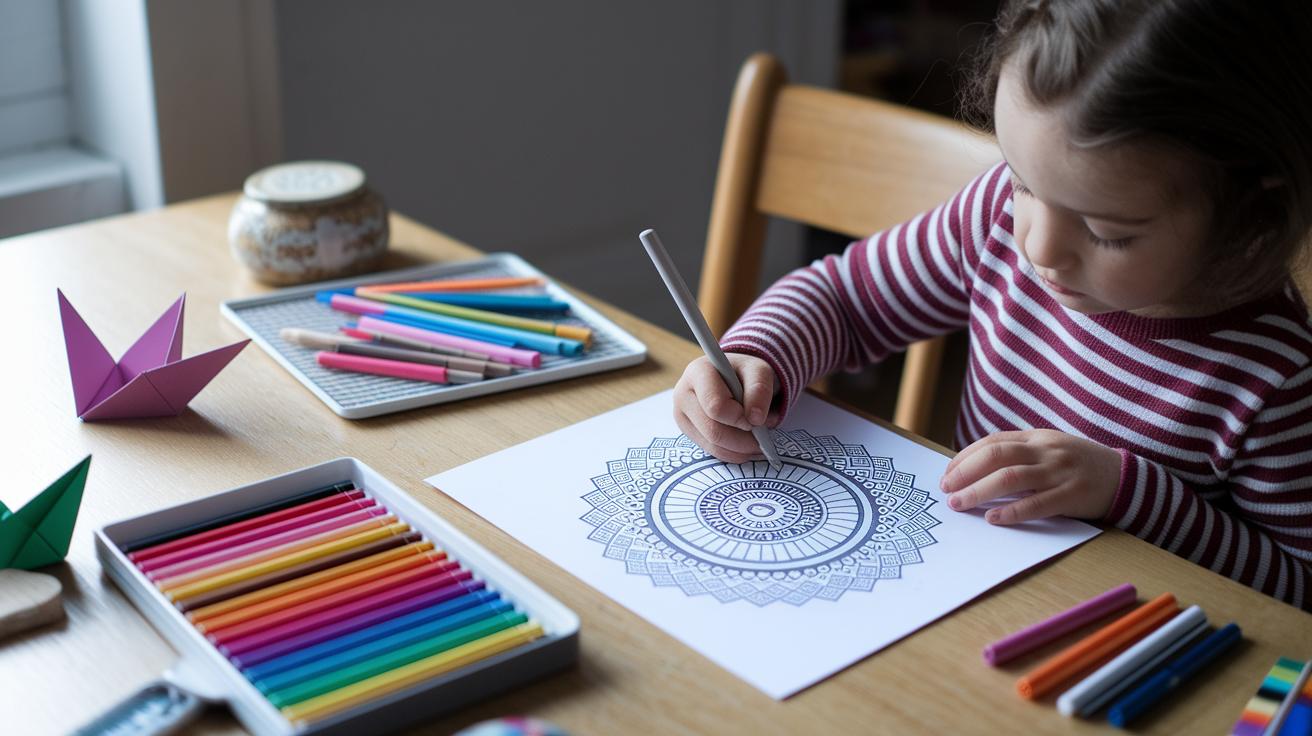
Coloring busy mandala patterns isn’t just a fun way to spend time, it also helps kids learn about symmetry and balance as they fill in the designs. For instance, imagine tracing a flower with matching petals, where each stroke adds to the picture’s overall harmony.
Folding origami shapes is a hands-on activity that boosts finger coordination and stirs creativity. You can guide your child by breaking the process into simple steps. For example, first, fold a square piece of paper in half, then along the diagonal, and finally shape it into a paper boat by carefully creasing each edge.
Working with modeling clay lets kids explore different textures through touch. They can press, roll, and shape the clay to mimic both soft and hard materials. For example, gently roll the clay between your fingers and notice how applying pressure changes its form, almost like turning soft dough into a little sculpture.
Creating paper collages encourages kids to cut, arrange, and stick various shapes into a unique piece of art. This fun challenge helps develop fine motor skills and sparks decision-making. For example, cut out circles, squares, and triangles, then arrange them on paper like puzzle pieces to create a personal mosaic.
Stamp art is another great way for kids to work on precision. By pressing carved stamps onto paper, they practice careful control while building a sense of design. For example, dip a small stamp in ink and press it gently on paper to create a series of mini prints that line up like a row of tiny pictures.
Fine Motor Skills Examples for Daily Self-Help Tasks
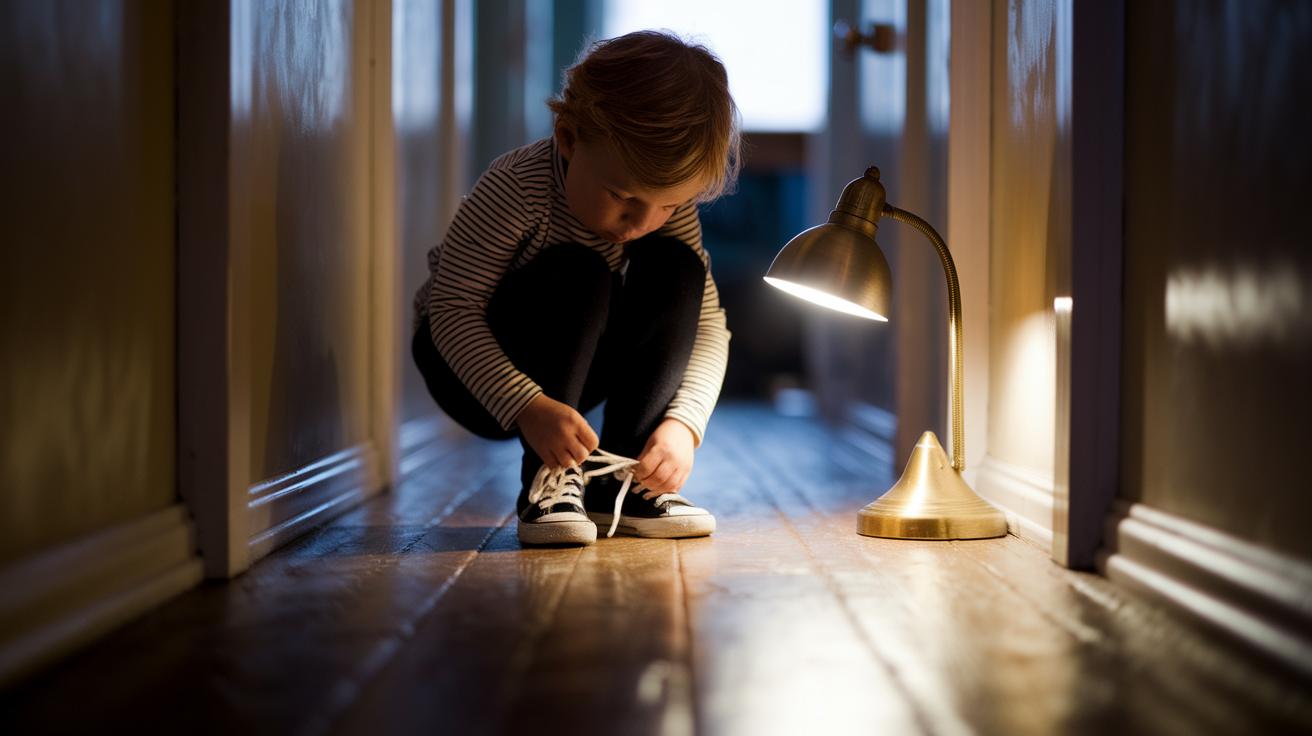
When it comes to dressing, it’s more than just buttons and zippers. Instead of only focusing on buttoning, why not try teaching your child to tie their shoelaces when they’re about 5? Imagine the sense of pride when they exclaim, "I did it all by myself!" It’s a fun way to build careful hand movements and boost problem-solving skills.
Feeding time can also be a chance to practice and grow. Rather than always using a spoon and fork, you might introduce a small cup with handles or even a mini pitcher for drinks. Picture your little one pouring water with care, feeling their grip and balance improve with each sip.
And when it comes to grooming and taking care of themselves, there’s plenty of room to explore new skills. Beyond brushing their teeth, invite them to gently wash their face with a soft sponge or comb their own hair. Imagine the joy as they splash a little water and learn to move their hands carefully, each small step building a big, important skill.
Fine Motor Skills Examples in Assessment and Tracking
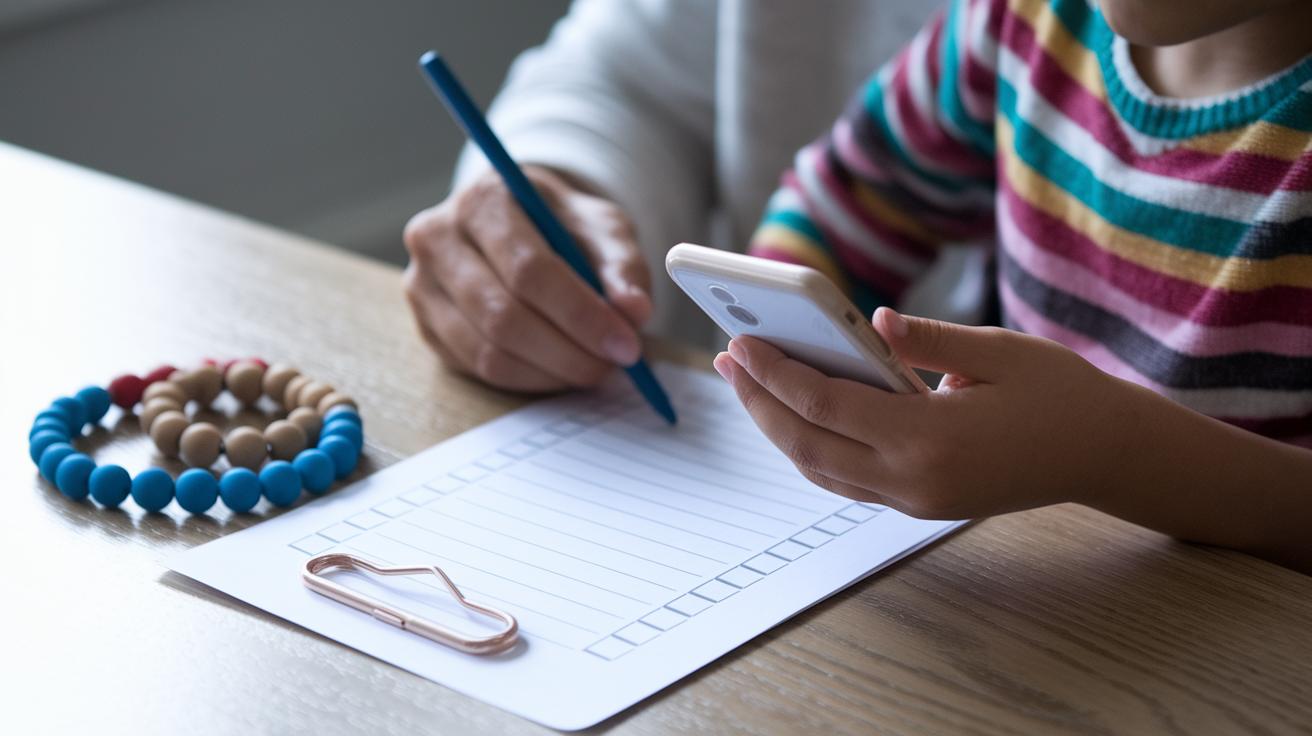
Tracking your child's fine motor progress can feel as simple as using a checklist. Many parents and therapists use these lists to see how well a child can grasp, pinch, or hold a pencil. It’s like having a little roadmap that shows you both the strengths and the spots that might need a bit more help.
For example, looking at a newborn’s grasp reflex (the natural way a baby grabs things) or a preschooler’s tripod grip (using the thumb and two fingers to hold items) can really show you where your child shines and where extra support might be needed. It’s amazing how everyday activities, like stacking blocks or threading beads, help build essential hand-eye coordination skills. When we watch these small moments, they can guide us in choosing fun activities at home or suggesting ideas during therapy sessions.
| Tool/Checklist | Description | Age Range |
|---|---|---|
| Palmar Reflex Checklist | Notes when the baby starts to grasp naturally | 0–6 months |
| Pincer Grip Scale | Checks how the thumb and finger work together | 6–12 months |
| Pencil Grasp Rubric | Looks at how well a preschooler holds a pencil | 3–5 years |
Checking progress weekly or monthly can help you catch every little improvement along with celebrating the big leaps forward.
Final Words
In the action of everyday learning, we've outlined lots of practical ways to boost fine motor skills examples. The article shared how simple buttoning, stacking blocks, scribbling, and craft projects can help build steady hand and finger movements from infancy through preschool years. It also looked at self-help tasks and ways to check progress. Every activity offers a chance to try new things and build confidence. Keep these ideas in mind as you nurture daily skills, each moment offers a little win and sparks more joy along the way.
FAQ
What are gross motor skills examples and activities?
Gross motor skills involve large muscle movements like running, jumping, and climbing. They build body balance and coordination, which are key for active play and overall physical development.
What are some fine motor skills toys?
Fine motor skills toys promote hand and finger control. Items such as building blocks, puzzles, play-dough, and bead stringing kits help strengthen small muscles and improve coordination.
What are fine motor skills examples for infants?
Fine motor skills in infants include reaching for a rattle, transferring toys between hands, and batting at mobiles. These simple actions boost hand–eye coordination and early dexterity.
What are fine motor skills examples for preschoolers, kindergarteners, and 3–4 year olds?
In these early years, children refine skills by tracing shapes, buttoning clothes, cutting with safety scissors, stringing beads, and completing puzzles. These activities build the precision needed for school tasks.
What are 5 fine motor skills?
Five fine motor skills include grasping, pinching, buttoning, cutting, and drawing. Each skill helps develop hand strength and control, which are foundational for daily tasks and classroom activities.
What is a good example of a fine motor skill?
Using child-safe scissors to cut paper is a good example. It requires careful hand control, precise cutting motions, and helps build the fine muscle coordination needed for creative projects.
What are the big 6 fine motor skills?
The big 6 fine motor skills comprise grasping, hand–eye coordination, pinching, object manipulation, bilateral coordination, and wrist stability. These skills form the basis for everyday tasks and learning activities.
What are examples of poor fine motor skills?
Examples of poor fine motor skills include difficulty with buttoning clothes, holding pencils tightly, using utensils properly, or completing small, detailed tasks. These challenges may signal the need for additional skill-building activities.