Have you ever noticed how a tiny movement can open up a whole new world? Imagine a little one holding a crayon, slowly figuring out the best way to grip it. These small actions, what we call fine motor skills (simple movements that build muscle memory), help a child gain more confidence and independence.
When a child learns to tie a shoelace or pick up a small toy, it marks an important step in their growth. In this piece, we'll explore how these gentle motions set the stage for bright progress, turning everyday tasks into stepping stones for a successful future.
Understanding Fine Motor Skills: Definition and Key Components
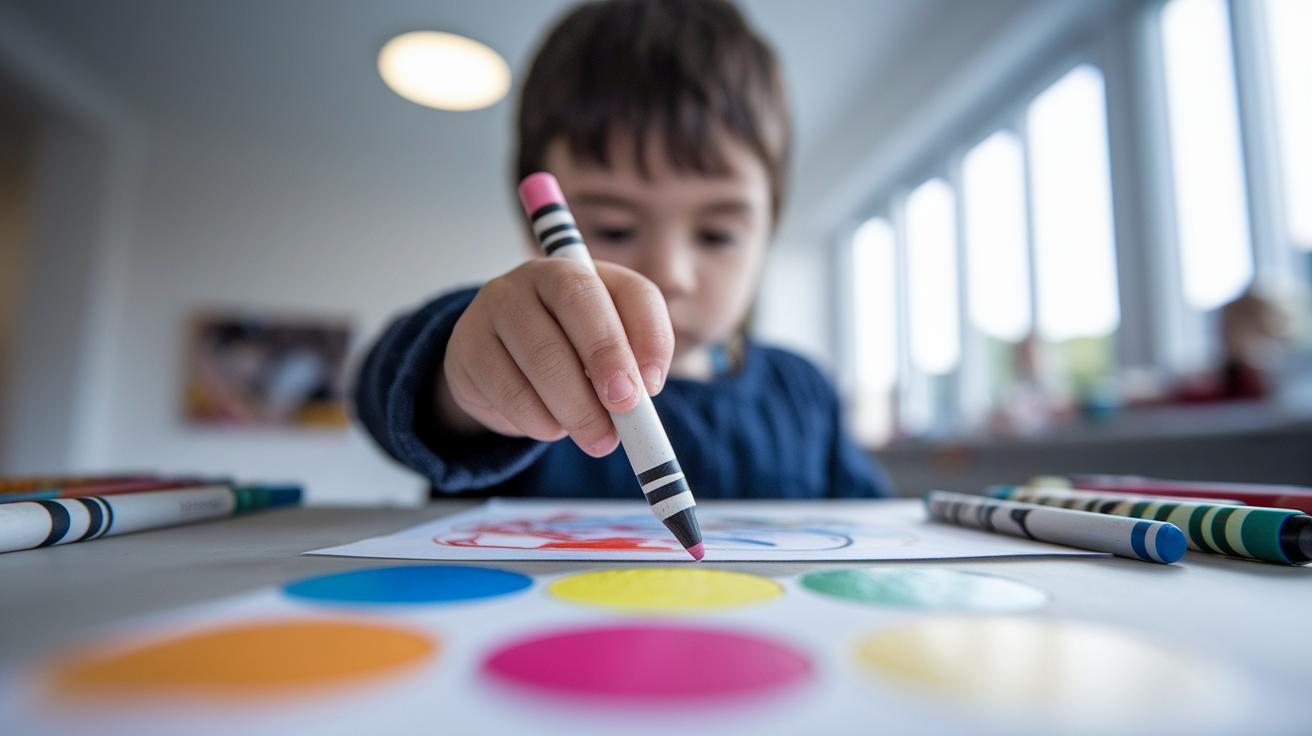
Fine motor skills are all about controlling the tiny muscles in your hands and wrists. They help us write, tie shoelaces, button up a shirt, or pick up little objects. Think about a child learning to hold a crayon properly. Their growing control of the crayon shows how these skills develop, which is pretty amazing when you think about it.
These skills are built from several important parts. For instance, bilateral coordination lets both hands work in harmony, like clapping or holding a plate with one hand while slicing with the other. Pinch and grip strength help you hold things firmly, whether you're using a fork or buckling a seatbelt. Finger isolation means you can move one finger at a time, which comes in handy when you need to press just the right button on a remote. Thumb opposition, when your thumb touches your other fingers, is crucial for holding and using items smoothly.
Also, the arches in your hand, running side-to-side and lengthwise, play a big role. Imagine a sculptor gently shaping clay, the steady, delicate movements matter a lot. Each muscle in your hand has a role, working together to give you the dexterity for everyday tasks. These little actions build your independence and boost your confidence, one tiny movement at a time.
Fine Motor Skills Ignite Bright Growth

Infancy Fine Motor Milestones
When babies are very little, their hands work mostly by reflex. At first, they automatically grip objects, almost as if it’s magic. But pretty soon, you notice them reaching out with curious little hands for a dangling toy. This shift from a simple, automatic grip to a more intentional movement shows early learning, as they start to connect what they feel when they move their hands.
Toddler Fine Motor Milestones
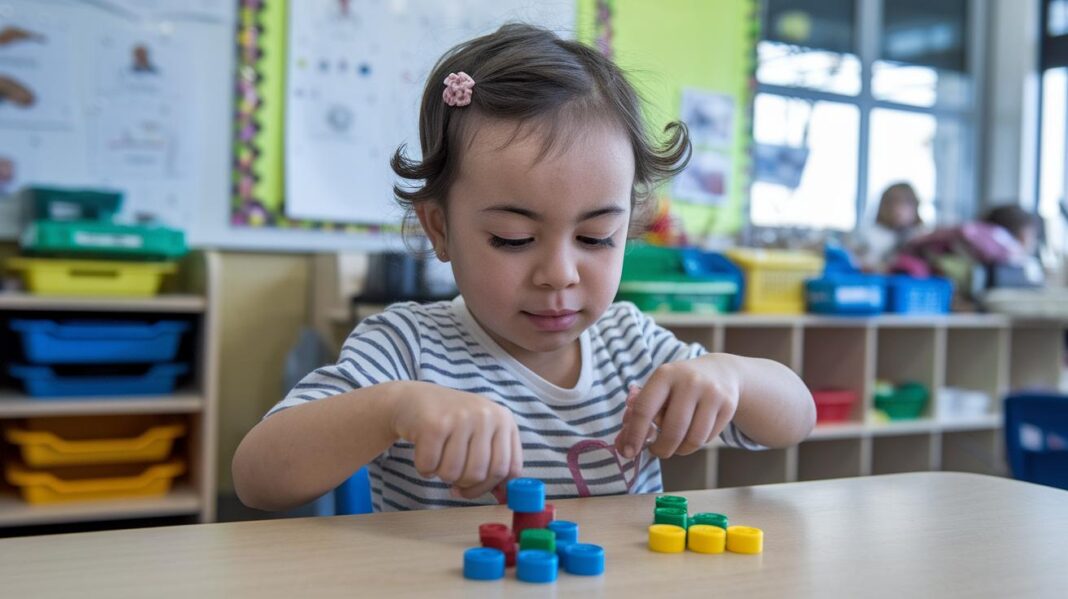
As babies become toddlers, their hand movements become a bit more careful and controlled. The rough, early grip turns into a neat pincer grasp, like using just their thumb and finger to pick things up. Toddlers begin flipping through storybooks, turning pages with their tips. They even start feeding themselves with a spoon. Think of that sweet moment when a little one carefully places a sticker on paper, each deliberate move builds both their coordination and a sense of independence.
Preschool Fine Motor Milestones
By the time children are preschoolers, they’re ready for even more detailed tasks. They learn to cut paper with scissors, draw simple shapes, and button up their clothes almost on their own. Handling small building blocks during play shows off their growing skill. Imagine a preschooler happily working on a puzzle, their bright eyes focused on each piece. It’s a joyful progress, and parents can always give a gentle check-in to make sure everything is moving along just right.
Fine Motor Skills Exercises and Activities by Age Group
Infant Activities
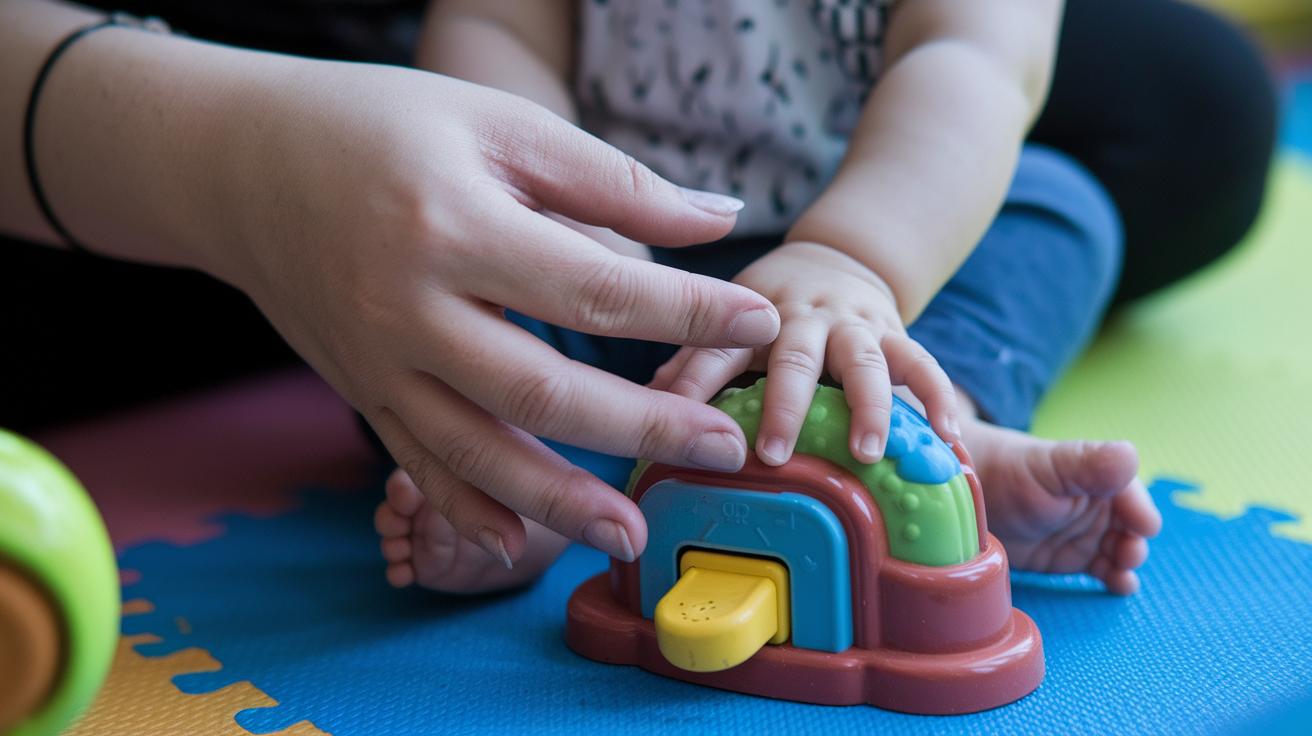
For our little ones, simple finger-play games are a gentle way to boost early grasp and sensory skills. Try using soft, textured toys while guiding their hands so they can reach, grab, and explore. Imagine slowly moving a cuddly toy just within reach, it makes playtime fun and helps build those tiny muscles.
Toddler Activities
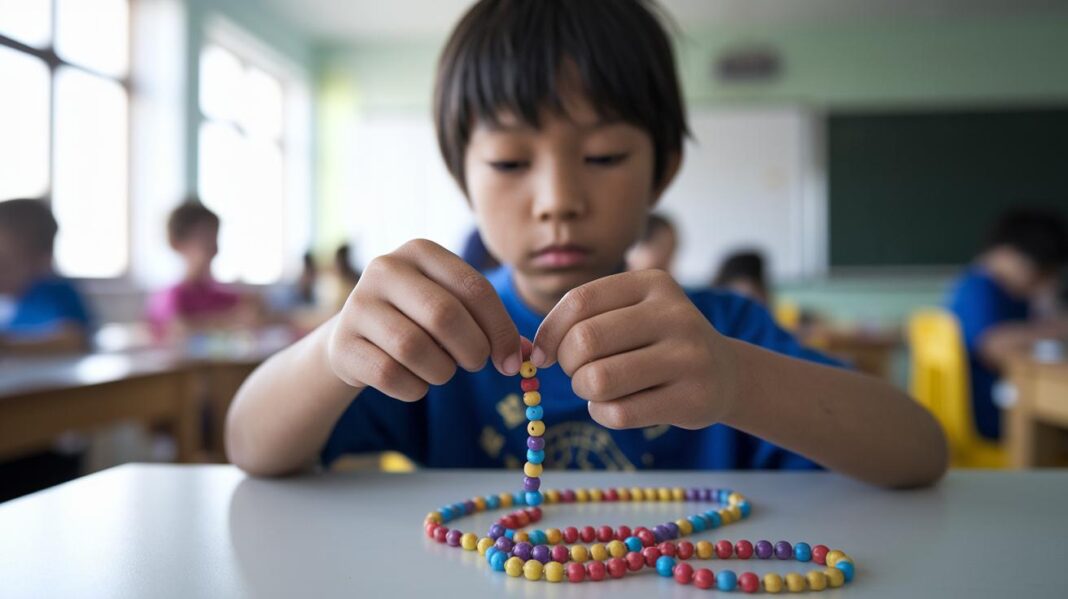
Toddlers love to explore and learn through play, and mixing in some self-feeding with fine motor practice works wonders. Think about letting them use little tongs or tweezers to pick up small objects, or even threading beads on a string. A bowl of bite-sized finger foods not only encourages them to eat on their own but also helps improve their coordination. And why not throw in some fun pencil control worksheets or games where both hands work together to build that focused precision during play?
Preschool Activities
As preschoolers grow, they’re ready for activities that refine their hand-eye coordination even more. Engage them with fun tasks like stringing colorful beads, cutting simple patterns with child-safe scissors, or working on lacing cards. Each activity offers a chance to practice a careful grip while also following the evolving occupational therapy guidelines. It’s a playful way to nurture precision and creativity as they explore new skills.
Occupational Therapy Strategies for Fine Motor Skill Improvement
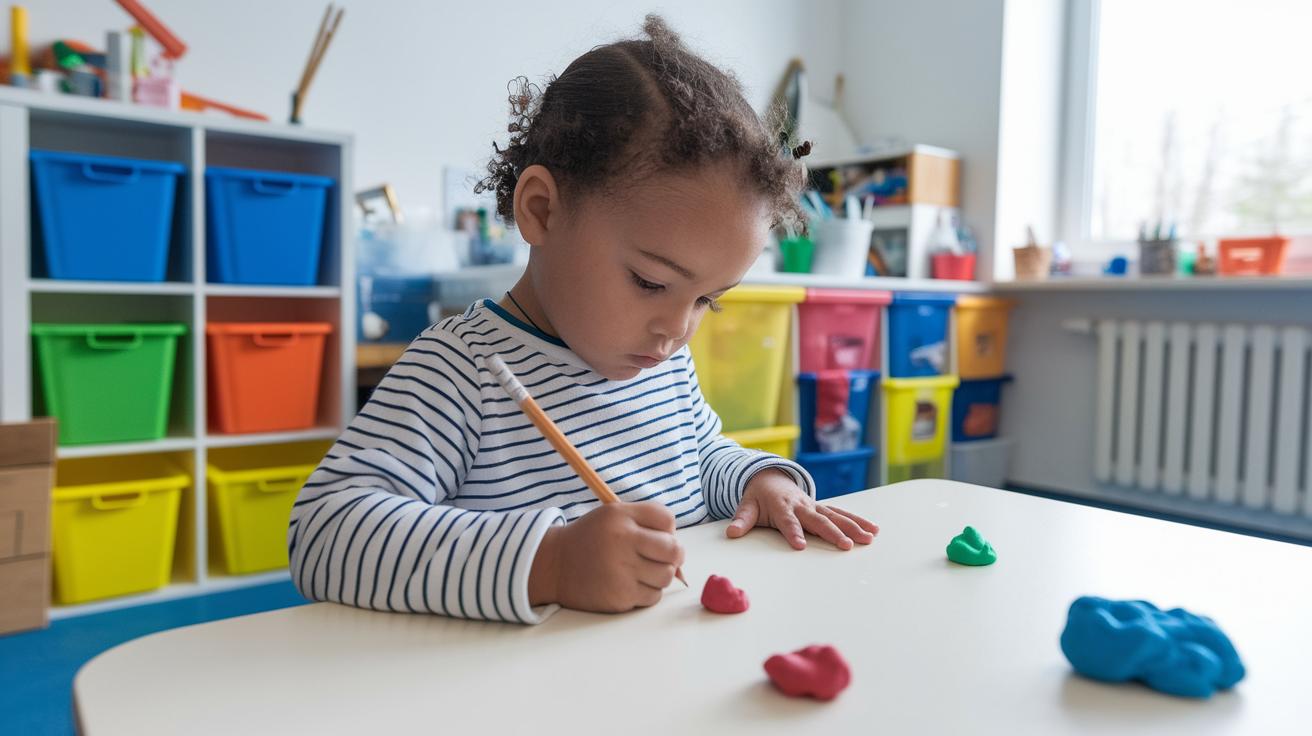
Occupational therapists work gently to find where a child might have trouble with hand strength and smooth finger movement. They often begin by watching how a child holds a pencil or uses a spoon. Sometimes, a simple activity like doing a puzzle or tracing a picture helps the therapist see how well the child’s fingers work together.
Grip exercises are a big part of therapy. Imagine a child repeatedly tracing a shape on paper, each line helps guide their hands to be steadier. Using fun tools like therapeutic putty adds play to exercise. Squeezing, stretching, and molding the putty acts like a mini workout for tiny fingers.
Some children need a little extra support, and that’s where adaptive tools come in. Crayons or pencils with special grips can help them feel secure while practicing. There are also fun games that use both hands to coordinate, making practice feel like play. These activities build strength, spark confidence, and help little ones become more independent.
- Pencil practice routines
- Fun putty exercises
- Specially designed grips
All these methods come together in a playful setting where every small step of progress is celebrated.
Fine Motor Skills Enhancement Tools and Resources
It looks like many kids today might be using their hands less for play because screens are taking over. Research suggests this could be affecting their fine motor skills, but there are lots of fun resources to help make practice a playful adventure.
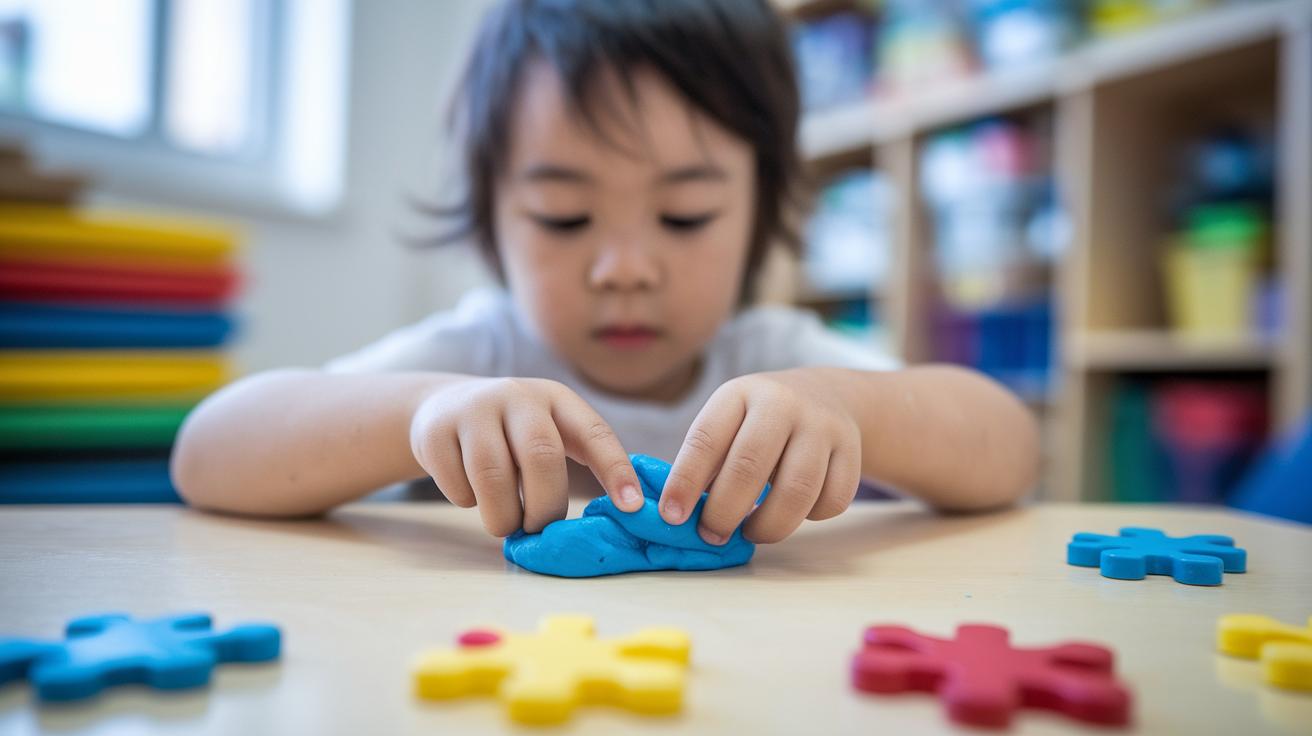
One favorite tool is grip-strengthening putty. This squishy material isn’t just fun to play with; it also helps build up finger strength as children press, pull, and shape it. Picture a little one carefully molding the putty into a tiny sculpture, every squeeze is a gentle workout.
Another great option is using puzzles with small pieces. These puzzles challenge kids to work carefully and plan each move. As they fit pieces together, they boost hand coordination and feel proud of each tricky section they complete.
Interactive dexterity games are also a hit. Many come as apps with step-by-step fun challenges that feel like a game. They guide children through little tasks that help improve the accuracy of their movements.
Printable practice sheets are a simple and handy resource too. Parents and teachers can use them for tracing, cutting, and drawing activities at home or school. They offer a clear way to check progress and help build essential skills.
| Tool | How It Helps |
|---|---|
| Grip-Putty | Builds muscle strength and hand control |
| Puzzles | Boosts problem-solving and coordination |
| Printable Sheets | Helps practice tracing and cutting skills |
These tools and resources work well both at school and at home, letting every child see their progress in a fun and engaging way.
Assessing and Tracking Child Fine Motor Skills Progress
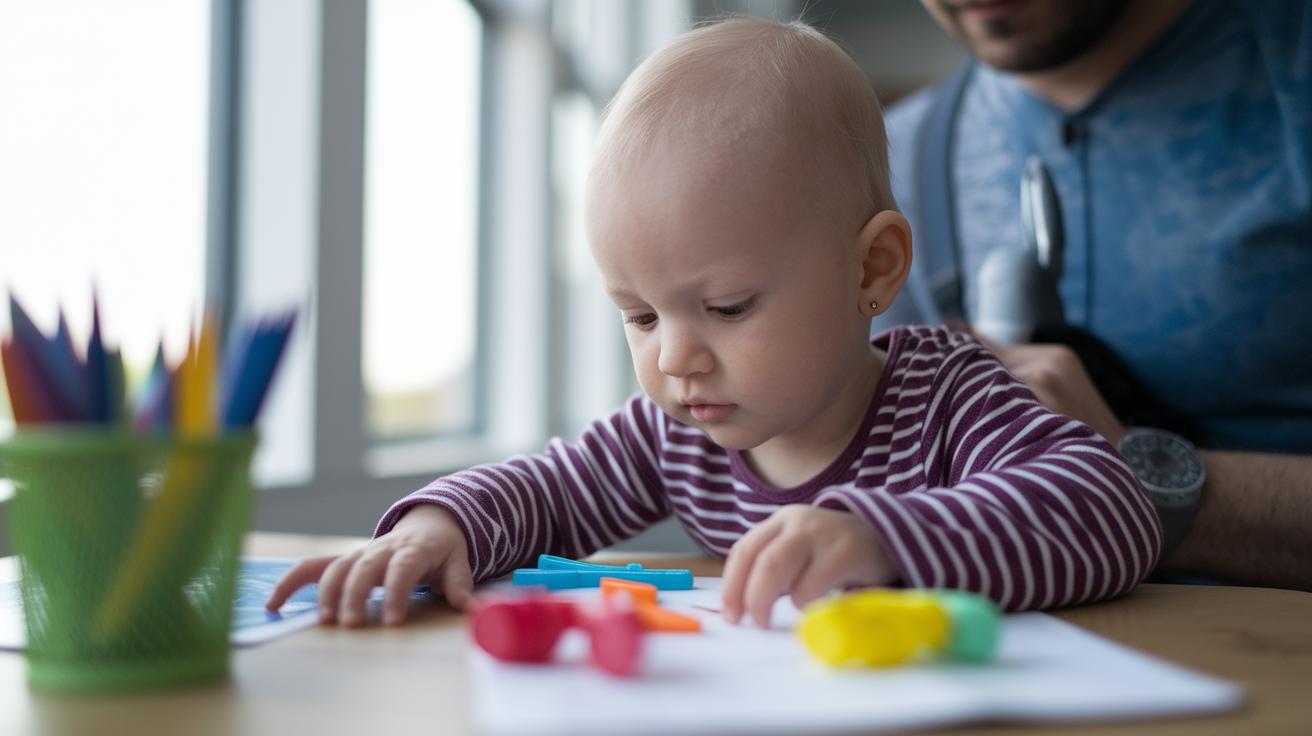
Keeping track of your child's fine motor skills can be really simple. You might start with a checklist or a chart that shows milestones. By noting down little wins, like improvements in handwriting, feeding themselves, or getting dressed, you can see how they’re growing. For example, one day you might write down that your little one did a tracing activity on their dexterity worksheets, showing how their hand control is getting better.
Simple methods, like using guides for manual activities, can work wonders over time. Picture yourself jotting a note after a fun session of finger-picking practice: "Today, Jamie buttoned his jacket with more care." This little record helps you see when they might need extra help or when it's time to try something a bit more challenging.
Child hand control assessments can mix everyday observations with targeted worksheets. Here are a few easy ideas to help you keep track:
- Make a checklist that focuses on skills such as holding a pencil, cutting with scissors, and dressing.
- Use milestone charts to see how your child’s progress compares with what’s typical for their age.
- Try worksheets that help with tracing and cutting so you can see improvements in a hands-on way.
| Tool | Purpose |
|---|---|
| Observation Checklist | Records day-to-day skill improvements |
| Milestone Chart | Tracks developmental benchmarks |
| Practice Worksheets | Measures progress in tracing and cutting tasks |
Final Words
In the action of exploring fine motor skills, we looked at what they are, how they develop, and the playful exercises that help build strength. We talked about early milestones, hands-on support from professionals, and helpful tools and resources that add a practical touch. Tracking progress with simple checklists lets us see every little win. It’s amazing how a few fun activities at home can boost delicate fine motor skills and bring more confidence to everyday moments.
FAQ
FAQ
What are fine motor skills toys?
Fine motor skills toys help children build small hand muscles through play. These toys, like puzzles, bead stringing sets, and mini building blocks, promote gripping, precise movements, and better overall dexterity.
What is the difference between gross and fine motor skills?
Gross motor skills involve large muscles for movements such as running and jumping, while fine motor skills use small muscles in the hands for activities like writing, buttoning, and manipulating small objects.
What is a good example of a fine motor skill?
A good example of a fine motor skill is tying shoelaces. This task requires precise finger movements, hand coordination, and gentle strength, similar to writing or using utensils.
What are some fine motor skills activities?
Fine motor skills activities include bead threading, drawing, using tweezers to pick up small objects, and playing with playdough. These exercises help build hand strength and improve control.
How do fine motor skills relate to writing?
Fine motor skills relate to writing by enabling precise pencil grip and controlled finger movements. These skills are essential in forming letters, guiding the pencil, and ultimately producing neat handwriting.
What is included in a fine motor skills list?
A fine motor skills list often features tasks such as cutting with scissors, buttoning clothes, writing, drawing, and handling small objects. These actions showcase the dexterity and control needed in daily routines.
What is the opposite of fine motor skills?
The opposite of fine motor skills is gross motor skills, which involve using larger muscle groups for actions like running, jumping, and balancing rather than detailed hand movements.
How does occupational therapy help with fine motor skills?
Occupational therapy helps improve fine motor skills through playful exercises like pencil drills, putty work, and adaptive tool use, which strengthen hand coordination and increase independence in daily tasks.
What are five important fine motor skills and what are the big six?
Five key fine motor skills include grasping, cutting, writing, buttoning, and self-feeding. Often, a broader list adds drawing and utensil use to cover a more complete range of fine motor tasks.