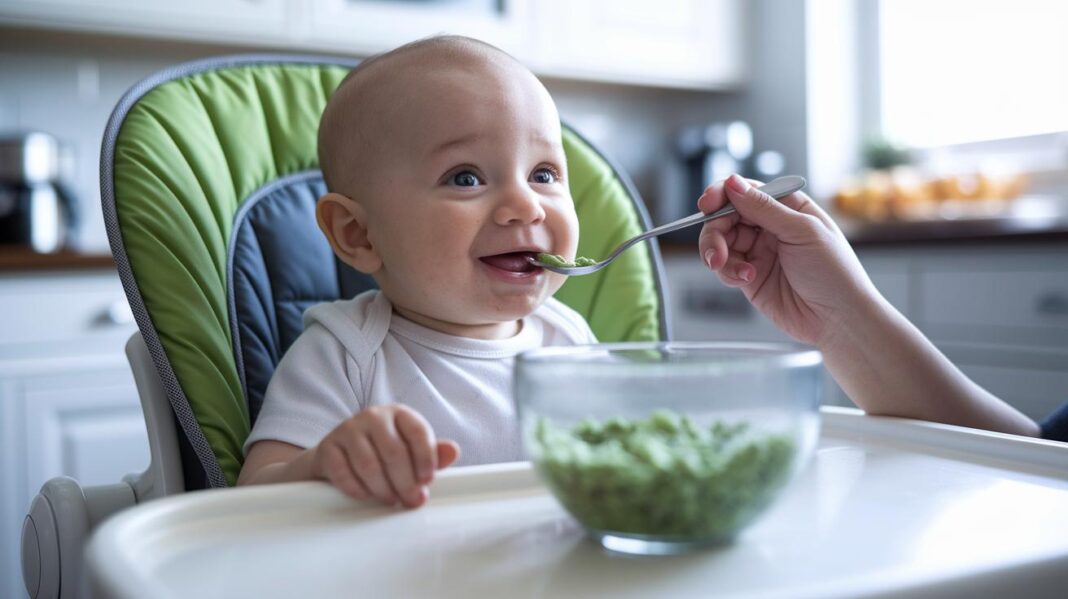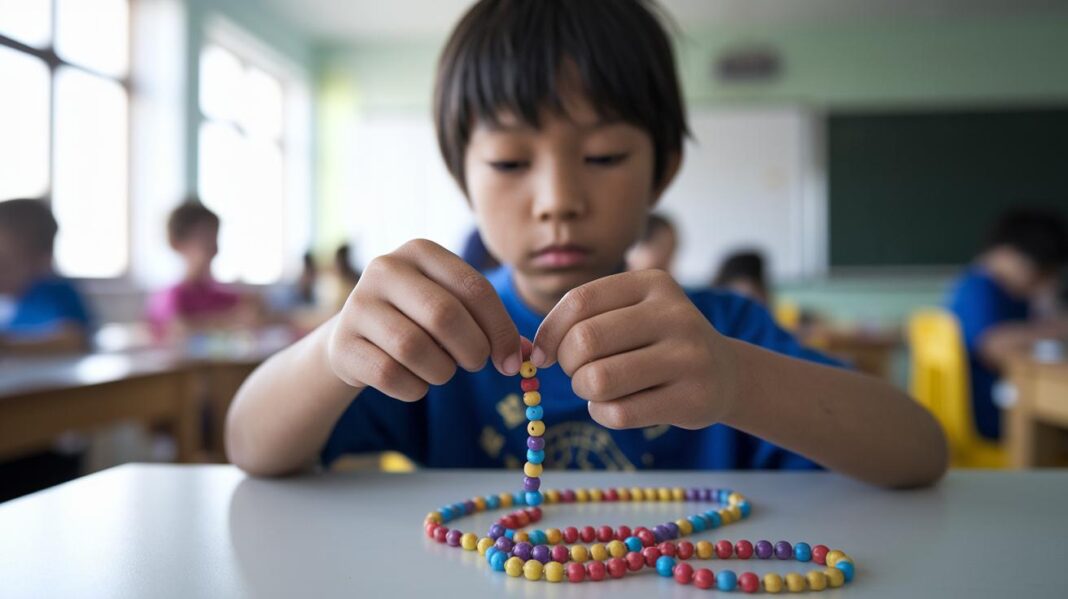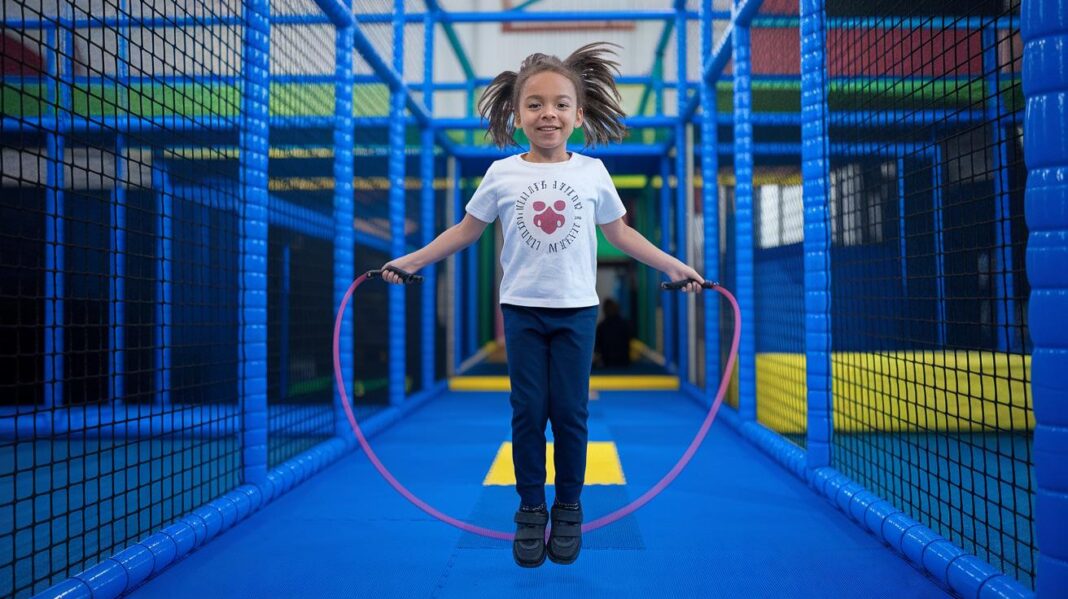
Have you ever wondered if your little one’s first crawl might spark a lifetime of confidence? When a baby starts crawling, walking, or reaching out, it’s more than just moving around. They are building a strong base for trusting in their own abilities. As they learn to control their arms, legs, and body, they begin to believe in themselves. This post shows how everyday movements help boost their confidence and ready them for new challenges. Even small wins in these growing skills can make a big difference in how they see what they can do.
gross motor skills: Boosting Confidence in Children
Gross motor skills are all about the big muscles in our kids' bodies – think arms, legs, and torso. These skills help them do everyday tasks like crawling, walking, and even simple jobs such as raking leaves. When little ones start moving their arms and legs and learning how to control their bodies, they're really building a strong base for not just physical activity but also for figuring out the world and feeling good about themselves.
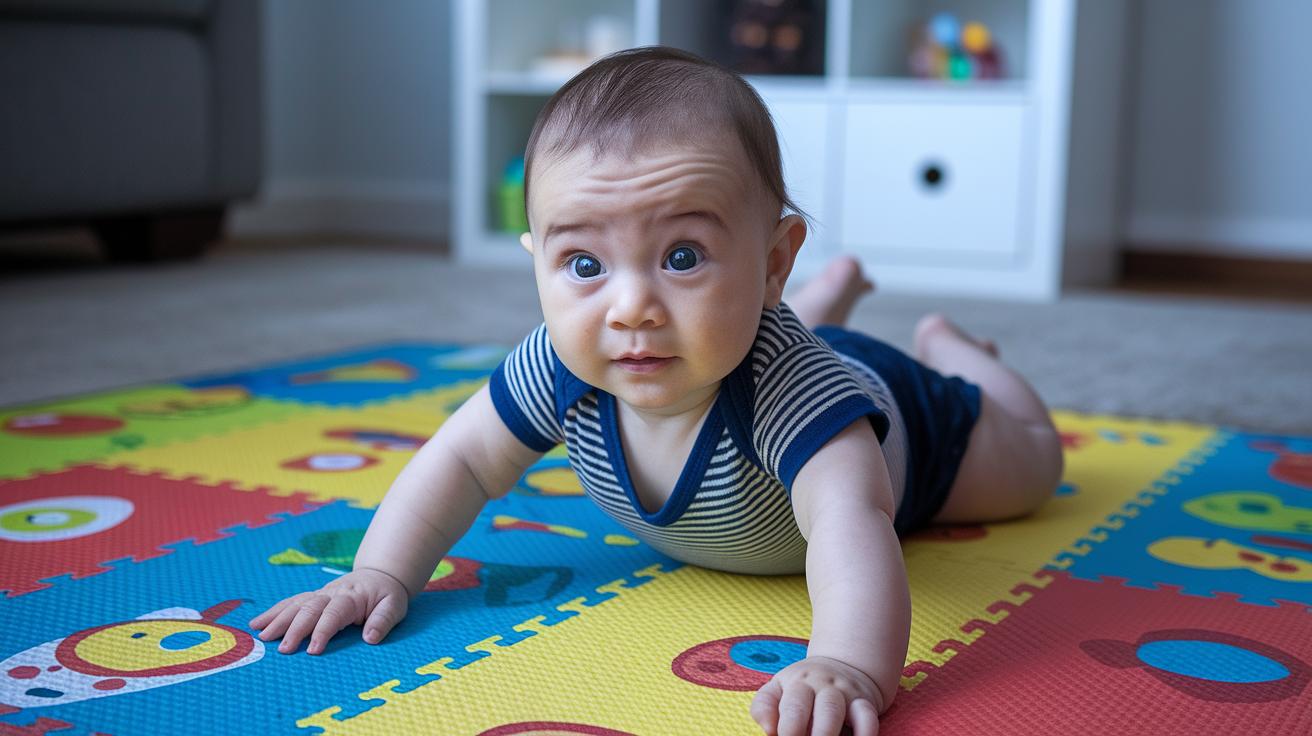
It all starts when babies are very young and continues right through their preschool years. Picture a baby during tummy time: turning their head, stretching out their arms, and even wiggling helps make their neck and arm muscles stronger. Before a baby takes those first steps, they spend lots of time practicing these tiny movements. And every time they master a new skill, they feel a bit more confident and ready to face the next fun challenge.
Every child grows at their own pace. Some might roll over fast while others need a little extra time to crawl or stand. This difference is natural – a delay in one area doesn’t mean there’s a problem. What really matters is that daily play and activities encourage them to move. When a child sees themselves mastering something new, it boosts their belief in what they can do and makes them eager to try something even more exciting during playtime.
Parents and caregivers can support this by creating safe areas for physical play. Making everyday movements into fun, little adventures not only builds strength but also helps kids grow in confidence, one joyful step at a time.
Gross Motor Skills Development Timeline and Milestones
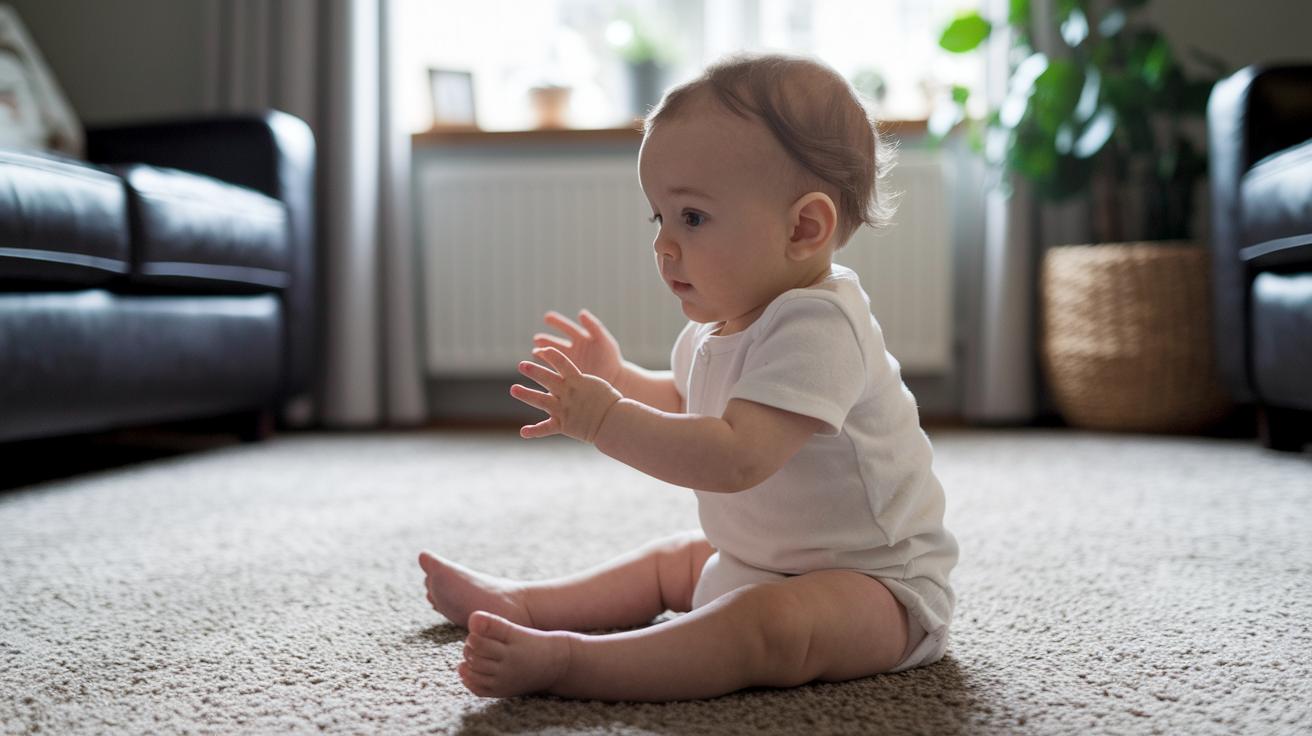
Watching your little one hit big movement milestones can feel like cheering on a series of small victories. In the first few months, babies start to show real control with their head and arms. Each little win sets the stage for more independent moves later on. And as your baby experiments with their body, they're also figuring out how to interact with the world in fun, new ways.
Every new step brings not just a physical change but a boost in confidence that invites even more playful moments. You might notice that as your baby moves from needing help to sitting up by themselves or when they pull up to stand and cruise along the furniture, they start to trust in their abilities more and more. These early experiences pave the way for confident walking, early running, and eventually, more coordinated actions like hopping or skipping. Remember, while these milestones usually follow a general timeline, every child is unique, and that’s perfectly okay.
| Age Group | Typical Gross Motor Milestone |
|---|---|
| 0–3 months | Begins to show first voluntary head and limb movements |
| 3–6 months | Starts rolling from back to side, then from back to belly and belly to back |
| 6–9 months | Moves from needing support to sitting up on their own while using their hands for balance |
| 9–12 months | Pulls up to stand and begins cruising along furniture |
| Around 1 year | Takes first independent steps while holding onto objects or a caregiver’s hand |
| 2 years | Walks confidently and starts early running, even if there are a few tumbles |
| 3 years | Can stand on one foot briefly and may even start pedaling a tricycle |
| 4 years | Begins hopping on one foot with improved balance and coordination |
| 5 years | Skips, gallops, and shows more advanced coordination |
Noticing these steps means you're celebrating progress while staying tuned in to see if any extra help might be needed. Isn't it amazing how each small movement can make a big difference in building up your child's confidence and joy in moving?
Engaging Activities to Strengthen Gross Motor Skills
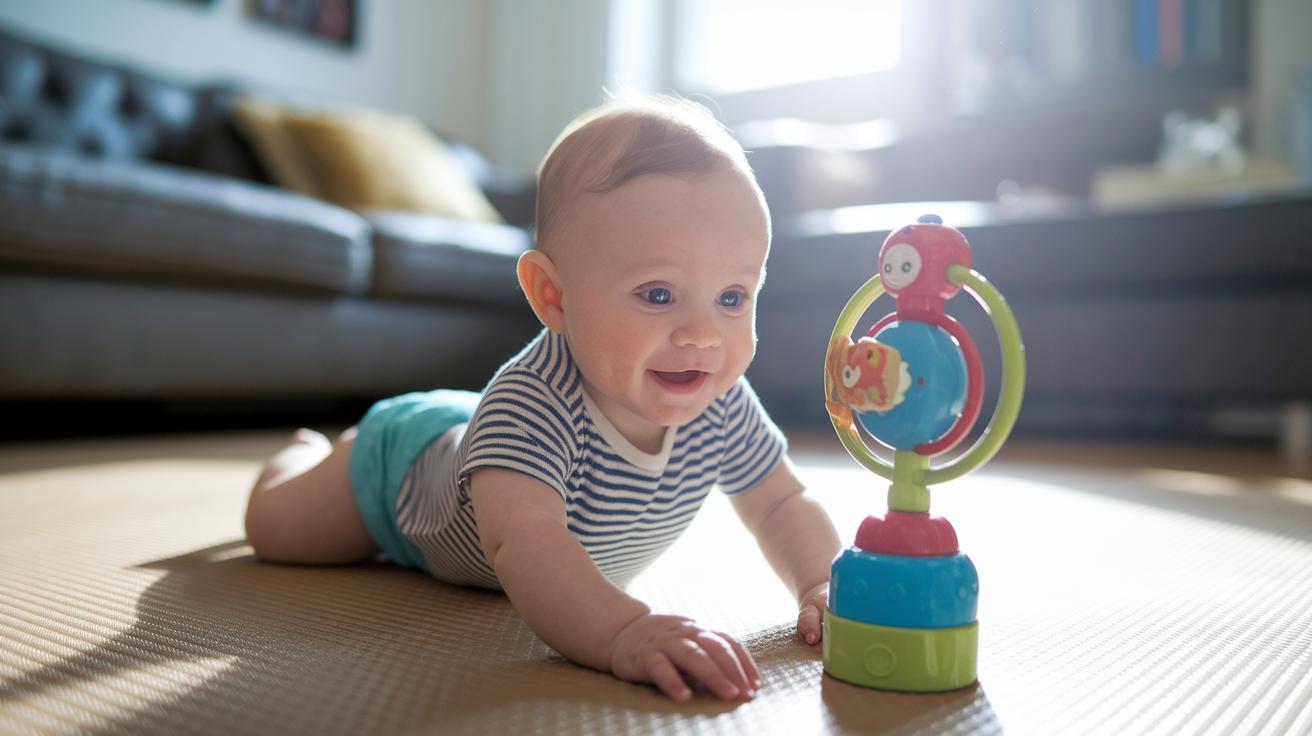
Watching kids play active games is a joy. It helps them build strength in their big muscles while sparking happiness and boosting confidence. Imagine a baby during tummy time, switching head turns not only strengthens their neck but also lights up their face when they see a favorite toy nearby.
For babies, try helping them alternate head turns during tummy time to build neck strength.
For toddlers, encourage a little running or walking in a safe play area or on the grass.
For preschoolers, set up a playful obstacle course with soft cushions, tunnels, and low hurdles to practice balance.
For all ages, simple ball games like rolling, catching, and kicking can improve arm and leg coordination.
For all ages, add animal walks such as the bear crawl to build core strength.
For all ages, the crab walk is a fun way to boost the coordination between arms and legs.
For all ages, consider a dance session with gentle rhythmic movements so kids can feel the beat and have fun moving.
And even indoors, you can create active play routines using common household items, like making a mini balance beam or stepping stones.
These fun activities turn everyday play into a chance for kids to build their motor skills and confidence. They become small steps toward growing independence while enjoying every moment.
Monitoring and Assessing Gross Motor Skill Progress
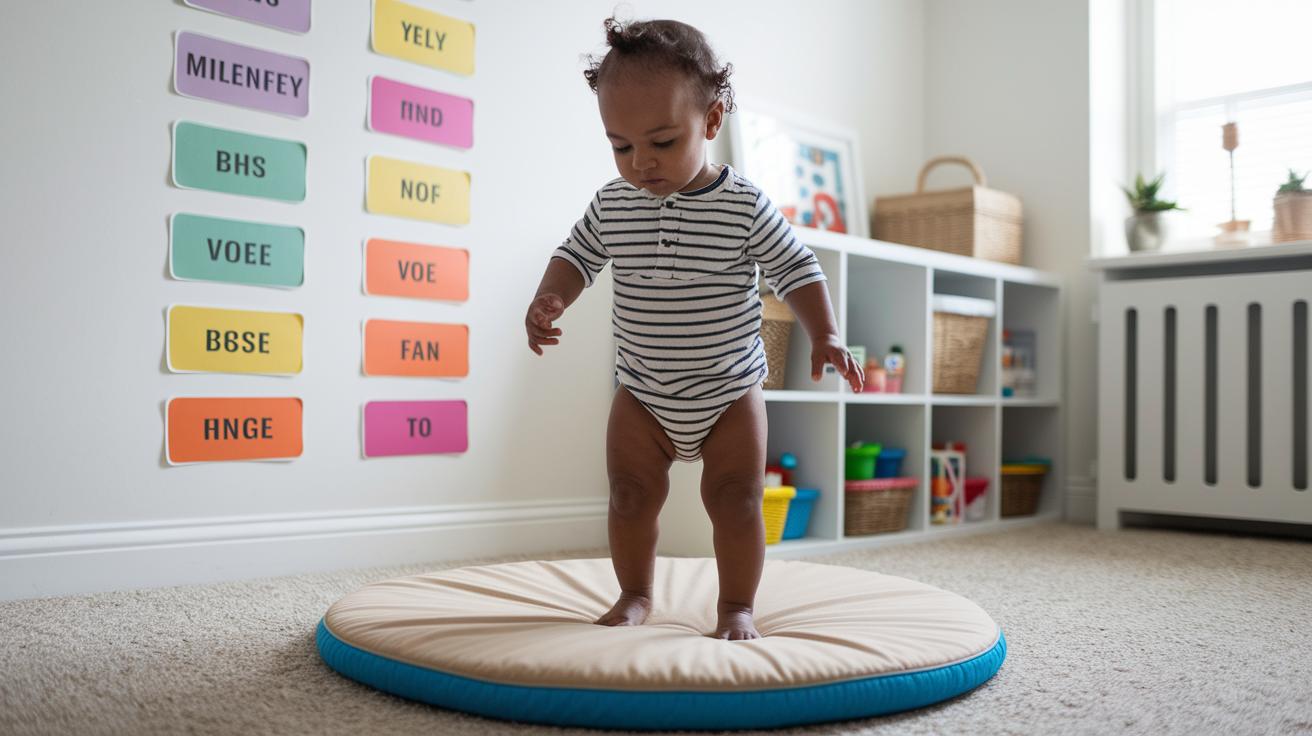
You can easily see how your little one is doing by simply watching them play every day. A handy checklist that includes head control, rolling over, sitting, standing, walking, running, hopping, and skipping can help you keep track. When you spot your child shifting their weight confidently or balancing well during play, it's a clear sign that they're making great progress.
For example, when your baby finally sits up on their own after several tries, it shows they’re growing stronger. Notice little changes in their balance and posture, as these moments often mean they’re gaining confidence in their movements. If you find that your child isn’t sitting by 9 months or walking by 18 months, it might be time to chat with your doctor. They can point you towards early motor assessments, and sometimes working with a physical or occupational therapist can make a big difference.
Taking a few weeks to observe your child regularly helps you see patterns in their progress. This way, you can decide when it might be a good idea to seek a bit more professional support.
Structured Programs and Play-Based Strategies for Gross Motor Skills Development
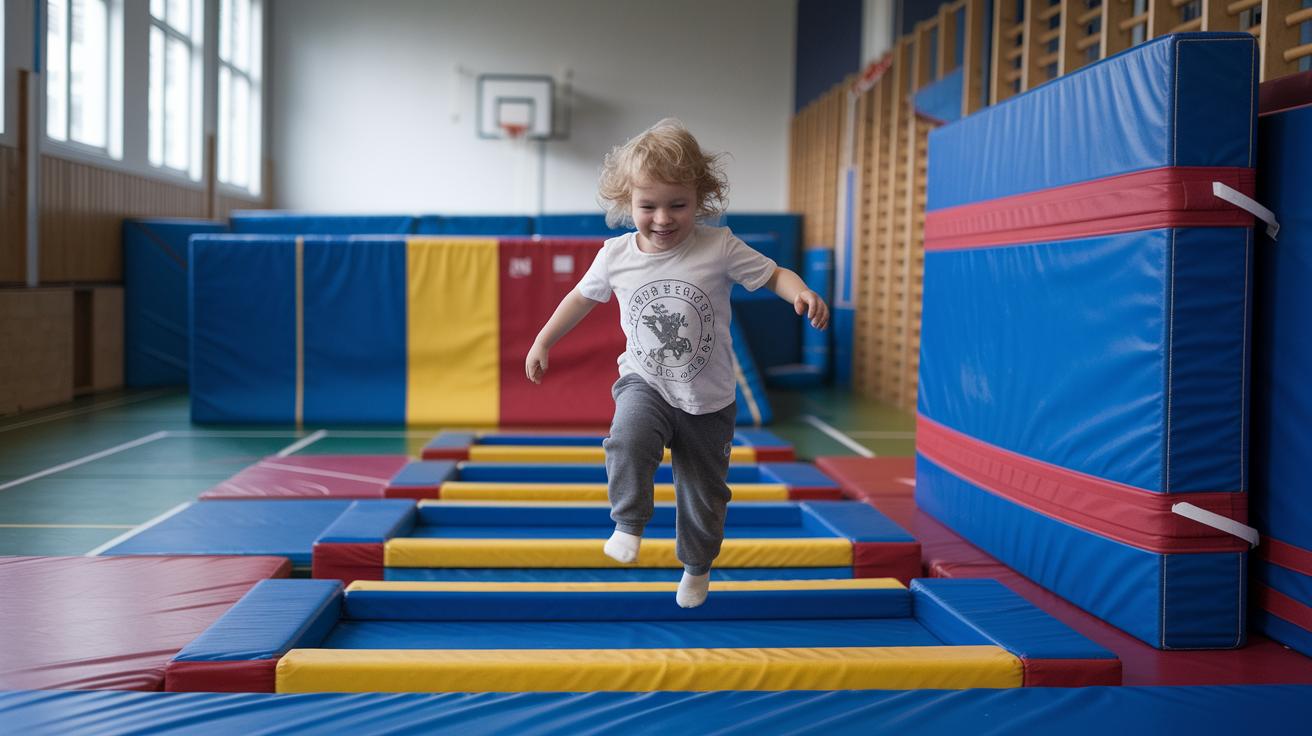
Movement classes for little ones turn exercise into play, helping kids build strength and coordination in a really fun way. In these classes, caring instructors lead children through easy-to-follow activities that sharpen their body awareness and control. Imagine a class where kids hop, jump, and crawl through a small obstacle course, all in a warm, accepting group.
School exercise games bring gross motor skills to life. Think of relay races where children team up, or playful obstacle courses where they zigzag and hop over safe, soft hurdles. These fun challenges boost balance and coordination while making every child feel part of a supportive team.
Play therapy sessions transform imaginative games into chances for motor growth. In these sessions, kids might pretend the play area is a jungle gym or a race track, which gets them moving all over and helps build their confidence.
Dance and rhythm activities are another wonderful idea. When children sway to music, twirl, or step in time, they learn about timing and coordination. This playful movement helps make everyday tasks easier while letting kids enjoy every moment.
Together, structured programs and creative play strategies create a lively, nurturing space. Each activity is designed as a gentle challenge and a delightful adventure, so every little learner can feel confident as they explore and master their growing motor skills.
Tips for Parents and Educators to Support Gross Motor Skills Growth
Every day, carve out some time for active play that isn’t strictly scheduled. Set up a safe, little corner at home where your child can run, jump, or simply explore at their own pace. This free play isn’t just fun, it helps build their confidence and boosts their movement skills.
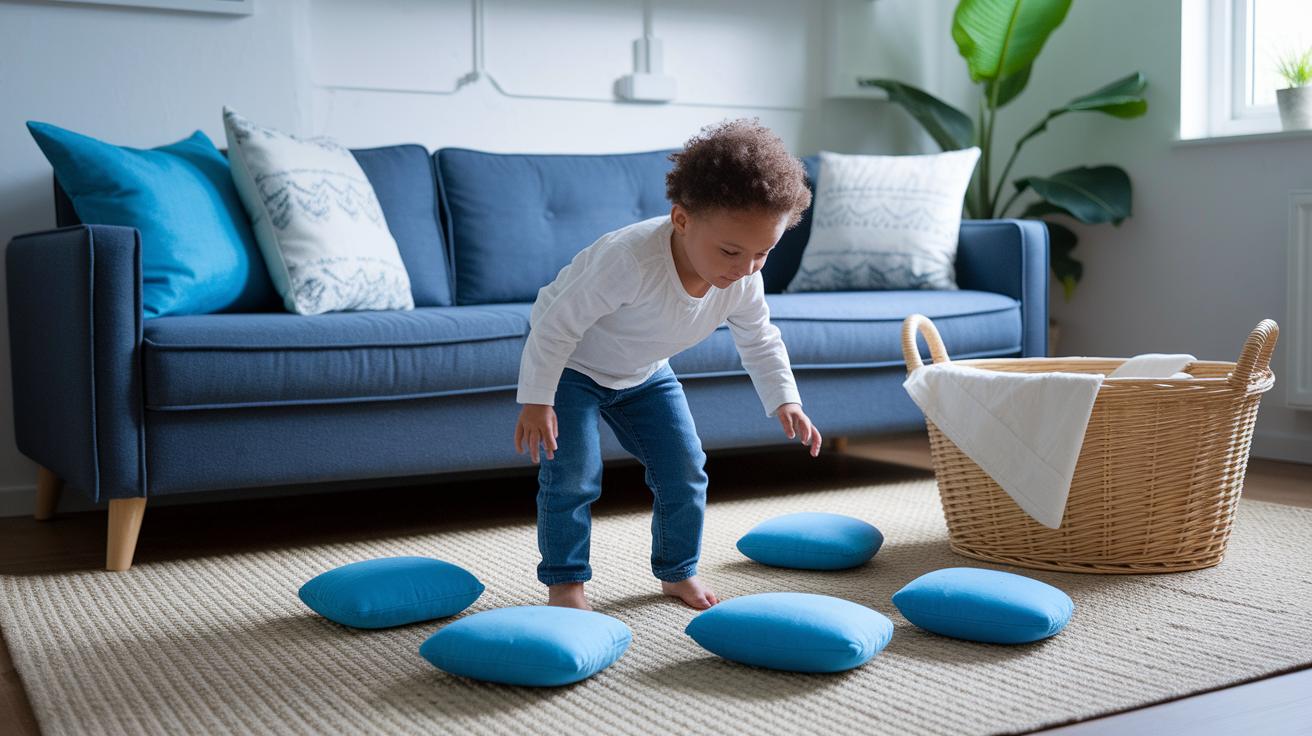
Get creative with everyday items you have around the house. You might turn a laundry basket into a fun climbing challenge or arrange pillows on the floor as stepping stones. Imagine this: a pile of soft cushions becomes a mini obstacle course where every step is a fun win.
Encourage your child to explore by walking on different surfaces. One day, take a leisurely stroll on the grass, and on another day, let them discover the cozy feel of a carpet. These varied textures help connect their senses in a simple, effective way. And when you see them trying something new or balancing on one foot, celebrate that moment with a cheerful “Great job!” or a playful high-five. These little celebrations transform every effort into a precious milestone that motivates them to try again.
Final Words
In the action, we explored what gross motor skills are and why every step matters, from rolling and crawling to running and playful activities. We broke down typical milestones, practical ways to build strength through fun exercises, and tips that help parents support every developmental phase. Each activity gives room for growth and little wins along the way. Every small movement adds to a brighter, more confident step for your child, reminding us that nurturing these skills creates a joyful, active future.
FAQ
What are gross motor skills toys?
Gross motor skills toys encourage activities like running, jumping, or climbing. They include items such as ride-on cars, tricycles, and play structures that promote balance, strength, and overall body coordination.
What are fine motor skills examples, and what are five fine motor skills?
Fine motor skills involve using small muscles in the hands and fingers. Examples include using utensils, drawing, building with blocks, buttoning shirts, and picking up small objects.
What are gross and fine motor skills?
Gross and fine motor skills refer to two movement types. Gross skills involve larger muscles for whole-body actions like walking, while fine skills focus on precise movements with hands and fingers.
Which is an example of a gross motor skill?
An example of a gross motor skill is running. This activity uses major muscle groups to promote strength, balance, and coordination in a child.
What are some gross motor skills activities?
Gross motor activities include playing catch, riding a bike, and climbing on play structures. These activities help children build overall strength, balance, and coordination.
How do gross motor skills develop in early childhood?
Gross motor skills development starts with basic movements like crawling and progresses to walking, running, and jumping. Early childhood is critical for building strength and coordination through everyday play.
What are the five types of gross motor skills?
The five types generally include locomotor skills (walking and running), non-locomotor skills (balancing), object control skills (throwing and catching), strength-based skills (jumping), and coordination-focused skills.