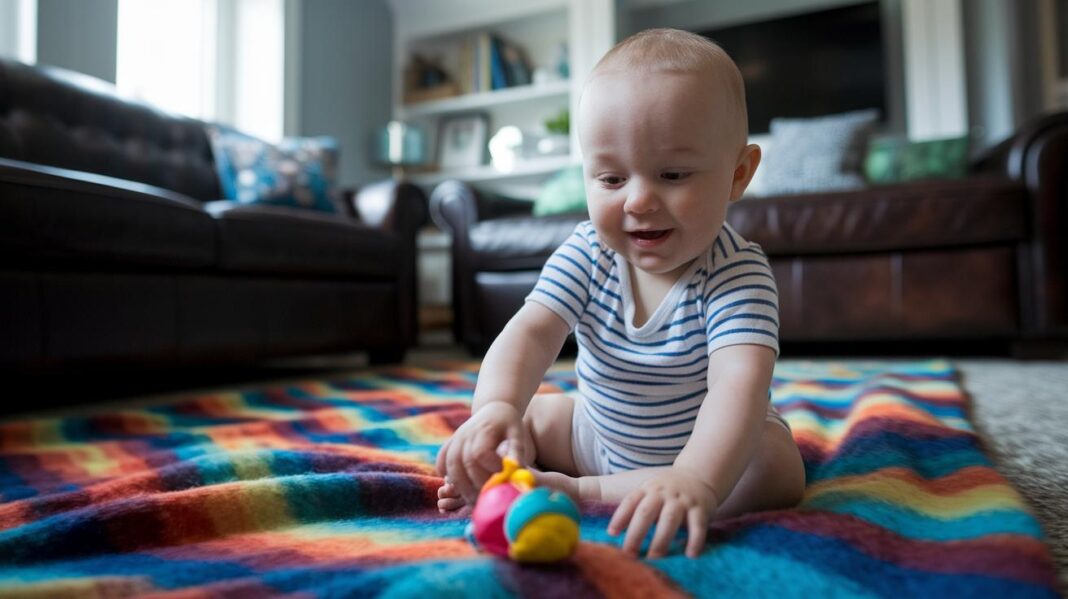
Have you ever wondered, "When will my baby hit a new milestone?" It’s a question many of us ask while watching our little ones grow and learn.
This article explains simple signs like cooing, smiling, or that very first giggle. You can use these hints to plan fun activities at home and celebrate every small win.
Every baby grows in their own sweet way, and noticing these milestones can bring extra joy and a boost of confidence during those precious early months.
Infant Milestones FAQs: Quick Answers to Common Questions
Many moms and dads often wonder about the little steps their baby makes as they grow, so they know what to expect and can plan cute, fun activities along the way. You might catch yourself asking, “When will my baby start laughing?” or “When do they roll over?” These gentle questions bring hope and practical ideas to help guide you through those early, exciting months.
Here’s a little cheat sheet of common baby milestones:
- When do babies start cooing? Around 1 to 2 months.
- When should you see that adorable social smile? About 2 months.
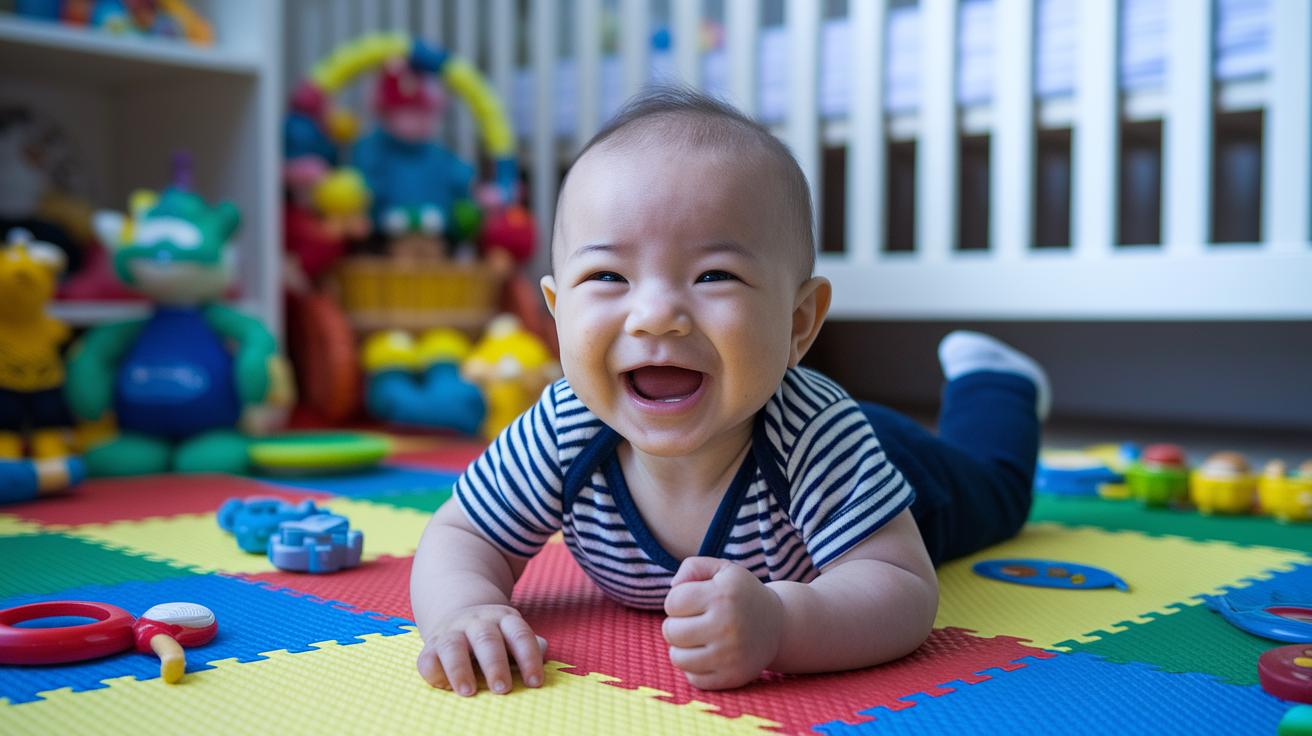
- When does that first laugh happen? Roughly at 4 months.
- When do they begin rolling over? Around 4 months, both from tummy to back and back to tummy.
- When do babies start reaching for toys? Generally between 2 and 4 months.
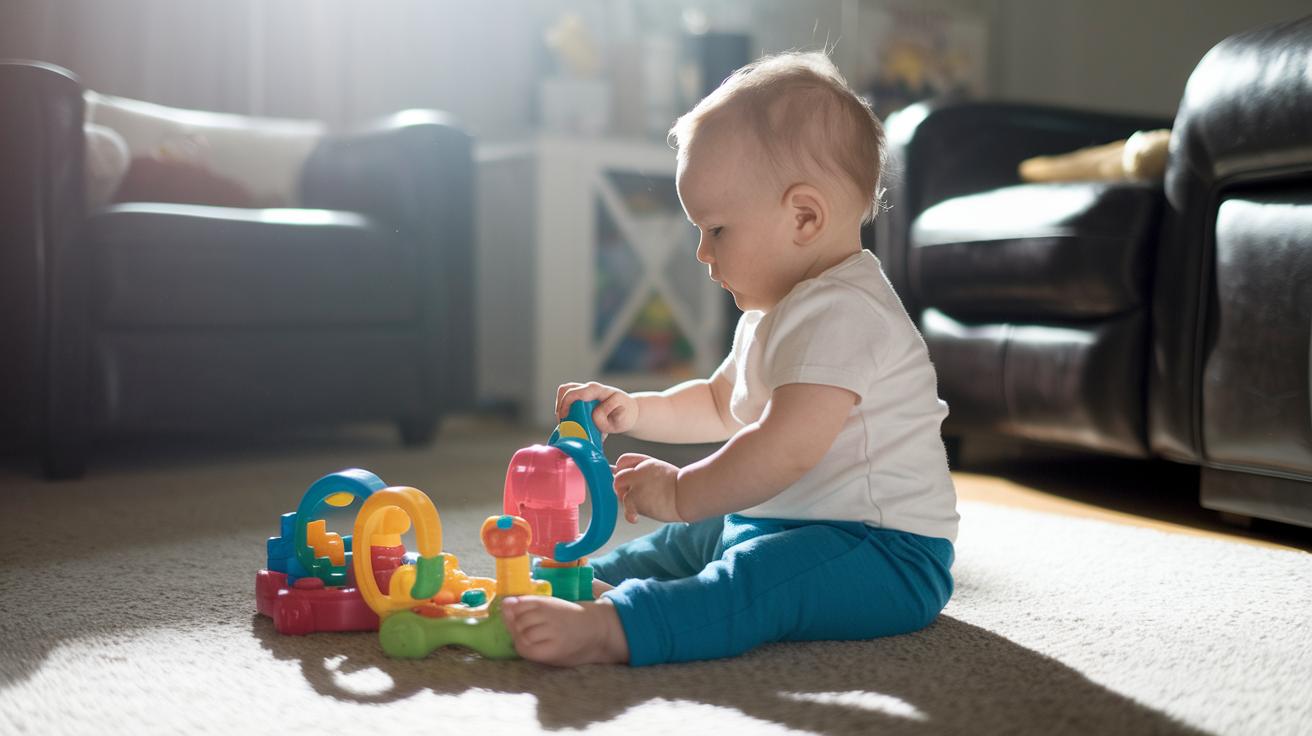
- When can they sit up by themselves? Usually near 6 months.
- When does crawling kick in? Around 9 months.
- When might those first steps appear? Typically between 12 and 15 months.
- When does babbling start? About 6 to 9 months.
- When do you hear “mama” or “dada”? Around 12 months.
Remember, these ages are just averages. Each little one grows at their own pace, so if your baby is a bit quicker or takes a bit longer, it’s all part of their unique journey. Have you ever noticed how every baby has their own rhythm? For a more detailed look at these stages, you might want to check out a full chart on childhood development.
Infant Milestones in Motor Skills: Age-by-Age Timeline
Watching your baby hit new movement milestones gives you a peek into how they're growing and gaining confidence in exploring their little world. Every tiny step is a welcome reminder of their progress and a chance for you to join in with fun, simple activities at home.
In the very first few months, from birth to 6 months, your baby starts to show real curiosity and strength. During the first couple of months, you might see them briefly lift their head while on their tummy. By the time they are 3 to 4 months old, they’re beginning to push up onto their arms to check out what’s around them. Then from 4 to 6 months, many babies start rolling over, a small move that paves the way for more complex movements.
Around 6 to 9 months, there’s a lovely change in how your little one moves. They often begin to sit up on their own without any help, and it feels so rewarding to see them balance. As they move closer to 8 or 9 months, you’ll likely notice them reaching out for toys and turning to explore interesting sounds or sights. This is a time of growing coordination and an eagerness to touch and learn about the world.
Between 9 and 15 months, movement skills speed up with some very exciting new abilities. Many babies start crawling around 9 to 10 months, and soon after, they pull themselves up to stand and even cruise along furniture. By 12 to 15 months, many are taking their first steps on their own. This is a great time to make sure the area is safe and open for them to practice moving freely, gaining strength and a lot of little moments of joy with every step they take.
Infant Milestones in Language and Cognitive Development
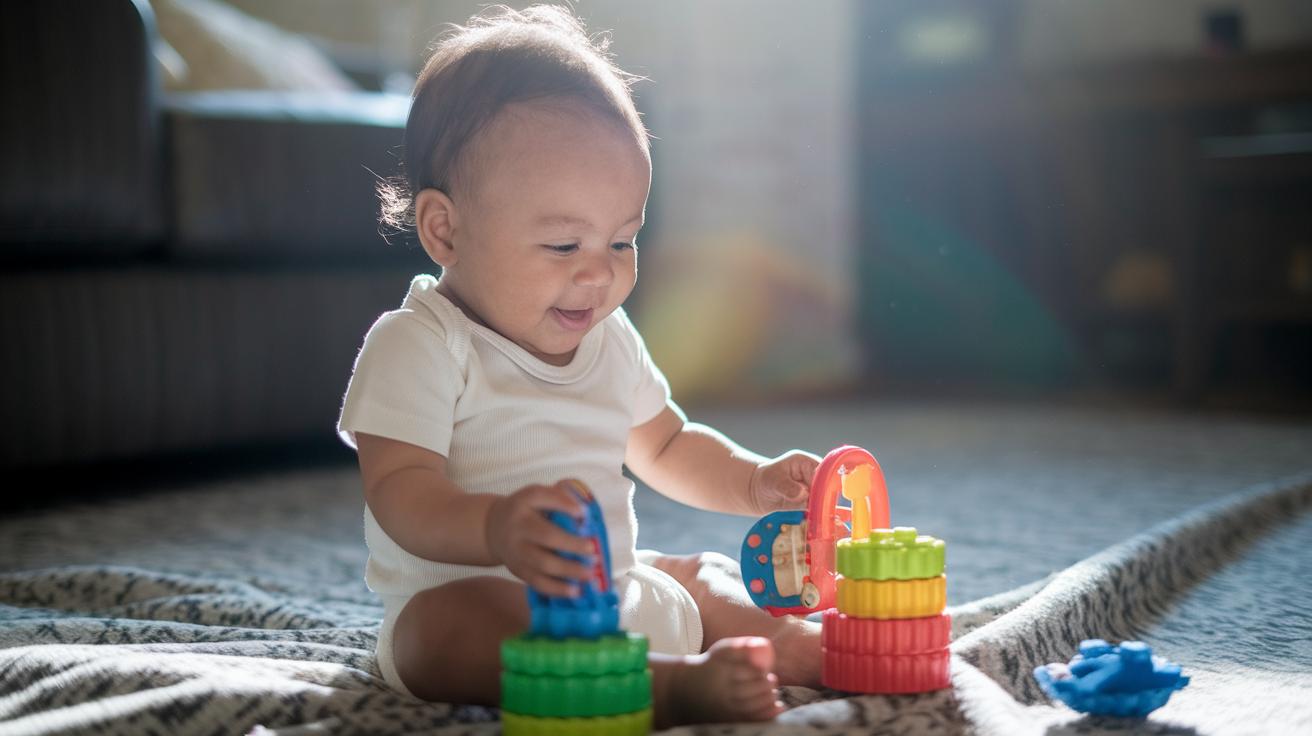
Early on, your baby’s little sounds are more than just adorable noises, they’re early signs of how their mind is growing. When your baby coos and plays with sounds, it’s like they’re inviting you into a sweet conversation that builds connection and lays the first steps for solving problems and making friends. It’s their gentle way of linking thoughts and actions.
From 1 to 12 months, you’ll notice a lovely change in your baby’s vocal journey. In those first few months, those soft coos signal they’re ready to try communicating. By 4 months, playful sounds and little laughs start to mix in, inviting you to mimic and join their musical chatter. Around 6 months, the steady babbling becomes a chance to repeat back those fun sounds, really making the interaction a two-way street. At 9 months, expect to see some simple gestures paired with babbling, adding a visual sparkle to their early words. And when your baby hits 12 months, that sweet “mama” or “dada” moment shows a big leap in both their language and thinking skills.
Between 12 and 24 months, the words start coming fast! Many little ones add anywhere from 5 to 20 words as they get closer to 15 or 18 months, and soon after, you might hear simple two-word phrases forming. A fun way to help is by talking through your day, reading a cozy board book together, or playfully copying their sounds. These everyday chats and moments not only make language learning fun but also encourage little minds to explore, imitate, and build the foundations for a lifetime of learning.
Infant Milestones in Social and Emotional Growth

In the first few months, your baby naturally starts to build emotional bonds with you. Around 2 months, you might notice that charming little social smile, a sign that your baby is tuning into your gentle voice and the warmth of your hugs. By 3 or 4 months, they start to recognize familiar faces and light up with a smile when you offer kind expressions. Each soft coo or giggle reassures them that they are safe and loved, a beautiful cycle of connection unfolding with every shared smile.
Between 6 and 12 months, social and emotional growth takes on a playful twist. Your little one may begin to engage in simple games, like peek-a-boo, inviting you to join in the fun with laughter and smiles. It’s common to see signs of separation distress when you step away, showing just how much they cherish your presence. By their first birthday, many babies are clapping, waving, and mirroring your simple actions. Every playful gesture and mimicry builds warm memories and strengthens those deep, affectionate bonds that last a lifetime.
Strategies to Support Infant Milestones Progress
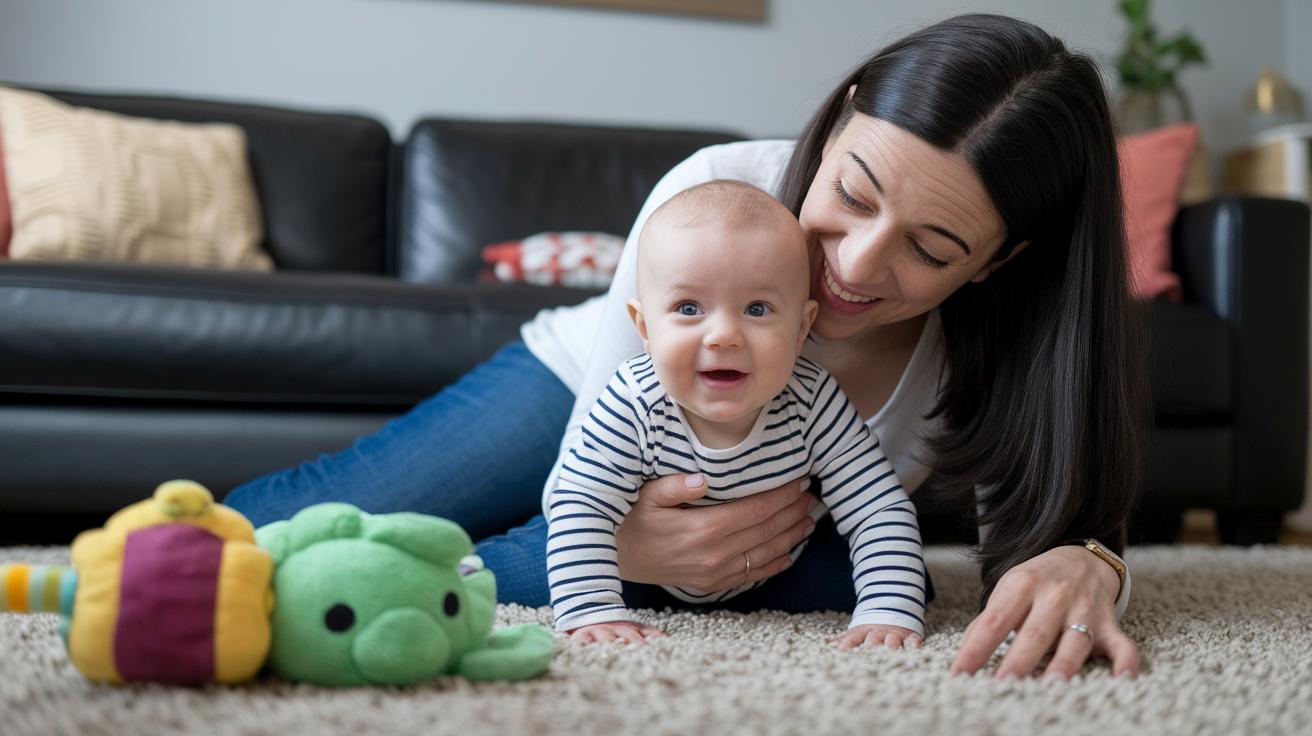
When you chat with your baby throughout the day, it can truly boost their early milestones. Explaining what you’re doing, pointing out colors, or describing sounds helps your little one learn more than just words. It makes them feel safe and even inspires them to copy your actions. These everyday moments turn into a warm foundation for social, thinking, and moving skills.
For babies aged 0 to 4 months, simple activities like reading a board book or having tummy time three to five times each day make a big difference. As your baby grows from 4 to 8 months, playing fun mirror games and enjoying a favorite game like pat-a-cake can make them curious about the world. When they reach 8 to 12 months, engaging in peek-a-boo games and carefully using safe furniture to help with cruising skills works wonders. At this stage, letting them try soft finger foods can encourage self-feeding and boost their independence along with motor skills.
Keeping a little milestone journal is a sweet way to see all the small wins. Write down moments that warm your heart, like when your baby first focuses on a book, smiles during mirror play, or takes some tiny steps on furniture. This journal not only celebrates daily achievements but also helps you see ways to support your baby’s growing abilities.
Monitoring Infant Milestones: When to Seek Professional Guidance
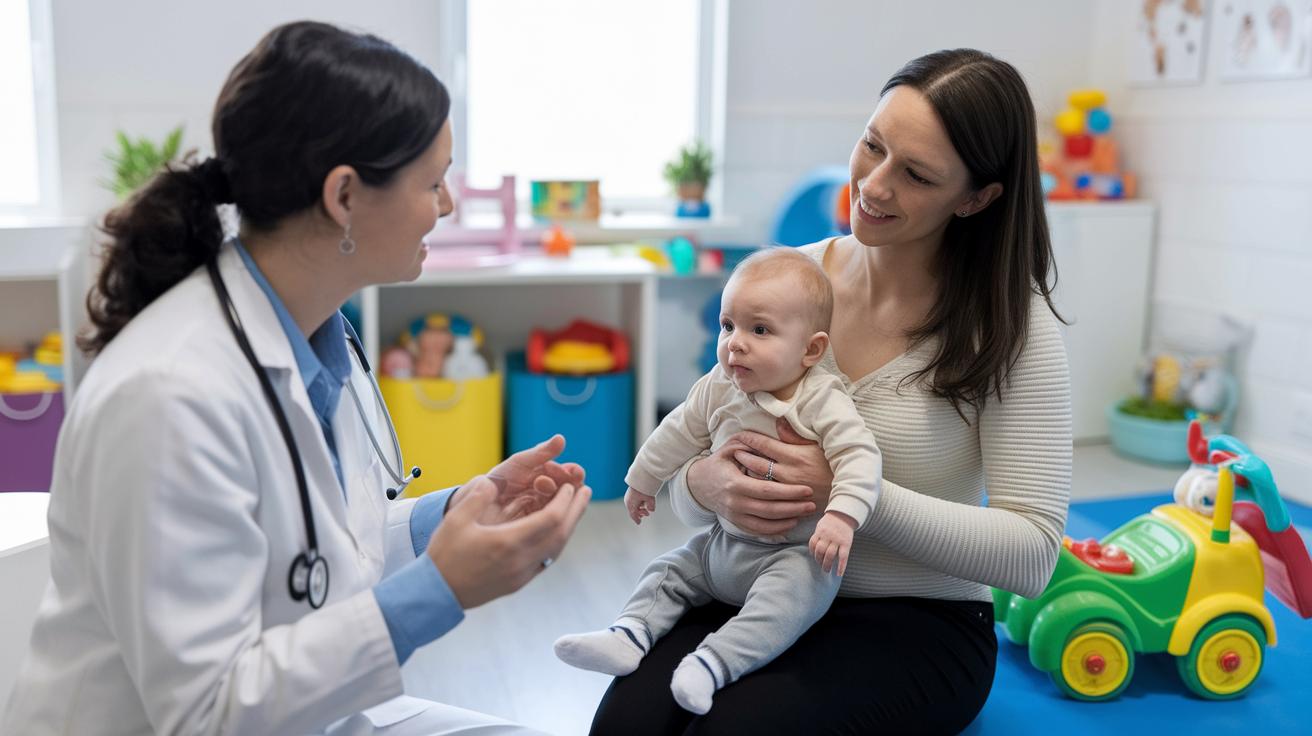
Checking in with your child's doctor during routine visits is a comforting way to see how they're growing. These appointments, often at 2, 4, 6, 9, 12, 15, 18, and 24 months, are a great chance to catch little differences early. At each visit, your doctor looks for simple signs to ensure your baby’s progress is on track.
It also helps to watch for certain milestones at home. For example, if your baby hasn’t shared that sweet social smile by around 3 months or can’t hold their head up steadily by 4 months, these could be early hints worth noting. And if you haven’t heard cheerful babbling by 7 months, or your little one isn’t sitting up on their own by about 9 months, that might be something to keep an eye on. Missing early words by 12 months or taking more than 18 months to start walking, especially if paired with little signs like avoiding eye contact or seeming unusually fussy, are cues that a chat with your doctor could be helpful.
When you’re in doubt, bring it up during your next regular check-up. Sharing your observations can lead to a gentle conversation about whether any extra support or a deeper look is needed. Remember, every baby develops at its own pace, and your doctor is there to help guide you and your little one along the way.
Final Words
In the action of tracking infant milestones, we've unpacked key insights on motor, language, and social-emotional skills. We answered frequently asked questions about infant milestones to help guide everyday conversations and clear up common inquiries.
This recap touches on when to spot a new smile or that first babble. Plus, the frequently asked questions about infant milestones pointed out average ages and tips. Every step matters, here’s to growing, learning, and celebrating little achievements every day!
FAQ
Q: What are important milestones for infants?
A: The important milestones for infants include physical, social-emotional, language, cognitive, and motor skills. Tracking these markers supports understanding your baby’s overall growth and areas needing extra nurturing.
Q: What are the 5 developmental milestones?
A: The five developmental milestones refer to physical growth, motor abilities, language and communication, cognitive skills, and social-emotional development. They offer insight into a baby’s progress across multiple skill areas.
Q: What is a milestone checklist?
A: A milestone checklist is a simple guide outlining age-specific skills and behaviors. It helps parents track progress and plan daily activities to support their baby’s development effectively.
Q: When do babies typically reach developmental milestones from 0–12 months?
A: Babies often reach key milestones during their first year—like smiling, rolling, babbling, and even early steps. This period is marked by rapid physical and cognitive changes as shown in milestone charts.
Q: When do babies typically reach developmental milestones from 12–18 months?
A: Between 12 and 18 months, babies commonly develop word use, improve mobility through independent walking, and refine motor skills, building on earlier milestones to express growing independence.
Q: Where can I find a developmental milestones PDF?
A: A developmental milestones PDF is available through various child development resources. It serves as a practical reference for parents to review age-specific skills and guide supportive activities.
Q: Where can I find infant milestones information from AAP?
A: The AAP provides detailed, research-based infant milestone guidelines. Their information helps set clear expectations and offers tips to support your baby’s development through expert advice.
Q: Where can I find infant milestones guidelines from CDC?
A: The CDC offers reliable milestones guidelines that cover key developmental markers. Their resource assists parents in monitoring progress and identifying areas where professional advice may be needed.
Q: Why are infant milestones significant?
A: Infant milestones are significant because they give insight into your baby’s overall development. Keeping track of these markers can help you celebrate successes and spot early signs if additional support is needed.
Q: How can milestone checklists support my baby’s growth?
A: Milestone checklists support growth by offering clear, age-related goals. They help you plan engaging activities, ensure your baby is meeting developmental markers, and address any concerns with care.