
Have you ever noticed that little moments around the house can spark your child's word skills? Imagine sharing a short story at dinner or chatting while playing. These small changes can really boost both speech and confidence.
In this chat, we’re sharing five simple ideas that weave language learning into your daily life. Each tip turns everyday moments into warm, joyful chances for growth, just like setting up a cozy corner for a bedtime story.
Try out these ideas, and watch how your little one feels more confident and eager to express themselves.
Effective Home Strategies For Language Development You Can Start Now
Let’s chat about making your home routines fun and warm. A small change, like sharing a story or chatting during mealtime, can light up your child’s language journey. Each little moment becomes a chance to learn and share new words.
Imagine turning daily play into a time for conversation and fresh vocabulary! By mixing simple, playful talks into what you do every day, you create a cozy space where your child can explore language and express thoughts freely.
- Read together for 15–20 minutes every day. It can add about 1.5 new words daily to your little one’s vocabulary.
- Enjoy at least 10 back-and-forth exchanges each hour to build strong speaking skills.
- Point out 4–6 household items during routine moments (for example, at bath time, snack time, or play time) to help with understanding.
- Ask 3–5 open-ended questions every time you talk to spark more conversation.
- Narrate your daily routines using 300–400 words to expose your child to a variety of words.
- Sing simple songs or nursery rhymes 3–5 times a week to build awareness of sounds.
- Keep screen time under 30 minutes a day so you can have more live, friendly interactions.
Every time you share a story during a quiet evening or chat while cooking dinner, you’re offering a chance to learn. These tender moments not only help your child build vocabulary but also gently boost their confidence.
Designing A Language-Rich Home Environment
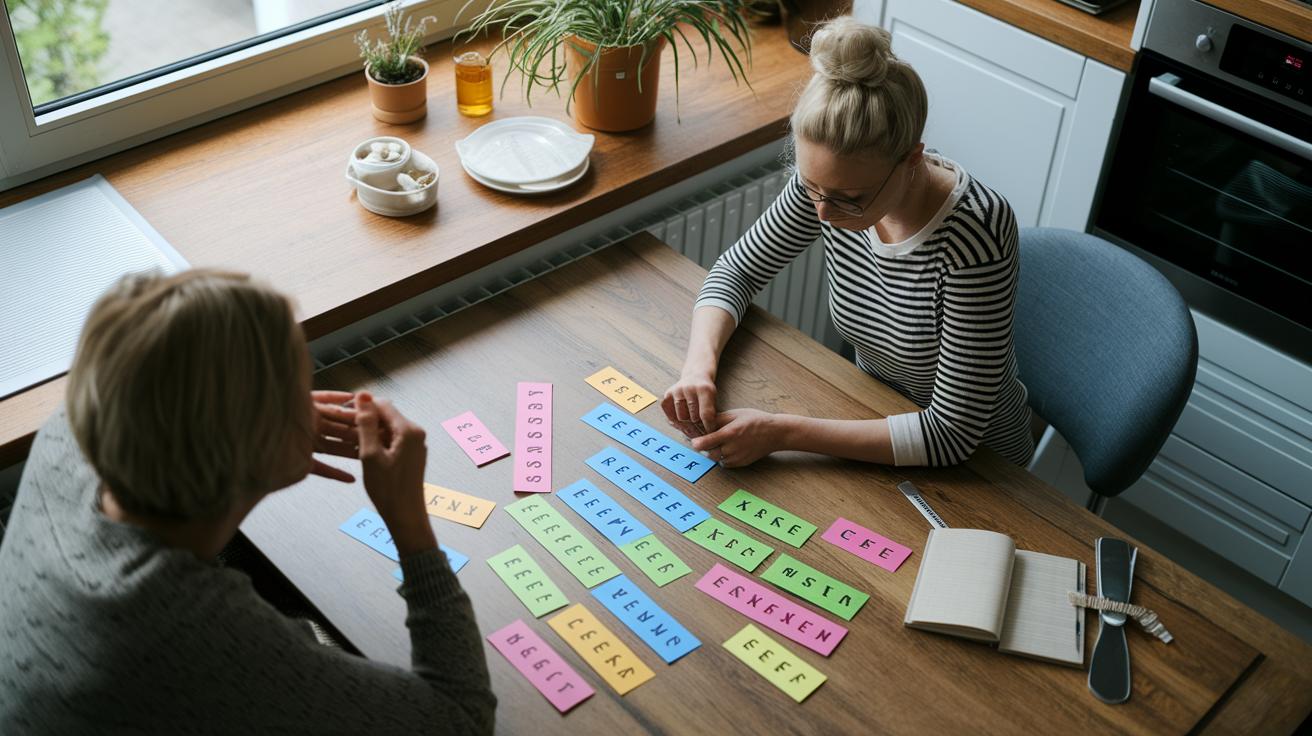
Try organizing your home so language naturally comes alive. Place your favorite books, labels, and word cards in spots where everyone gathers, like the living room, kitchen, or playroom. Imagine a small shelf in your kitchen with bright, cheerful cards beside everyday items. It makes naming things and chatting together feel fun and effortless!
Another idea is to freshen up your play area with toys that introduce new words. You might swap a tool set for some cute animal figurines or pretend kitchen items. And don’t forget family photos with little name tags. Picture a photo of a fun family outing marked with "Picnic", a gentle prompt to spark stories and name happy memories.
Finally, design a quiet corner free of clutter for uninterrupted talk time. Keeping this space neat helps conversations flow easily, without distractions. Mixing these simple touches into your daily routine turns ordinary moments into delightful learning opportunities.
Everyday Activities That Build Language Skills At Home
Mealtime is a perfect chance to chat about what’s on your plate. As you sit down together, spend about 10 minutes describing the food. You might say something like, "This soup is warm and smooth, and the vegetables are crunchy," to spark your child's curiosity. It’s a gentle way to build a rich vocabulary while sharing a comforting meal.
Bath time can be equally fun. While bubbles float and water splashes, name body parts and share how the water feels. For instance, you could mention, "The water is cool on your toes, and this soap makes your skin soft." These moments turn everyday routines into a playful language lesson.
A simple trip to the grocery store or a car ride can also be a great learning opportunity. During a grocery trip, play a little “I spy” game by pointing at a bright red apple or a colorful fruit. On a car ride or a walk, notice street signs, passing cars, or tall trees and add fun words like "shiny" or "tall." These everyday outings naturally encourage your child to listen, name, and describe the world around them.
Engaging Play Strategies For Home Language Development
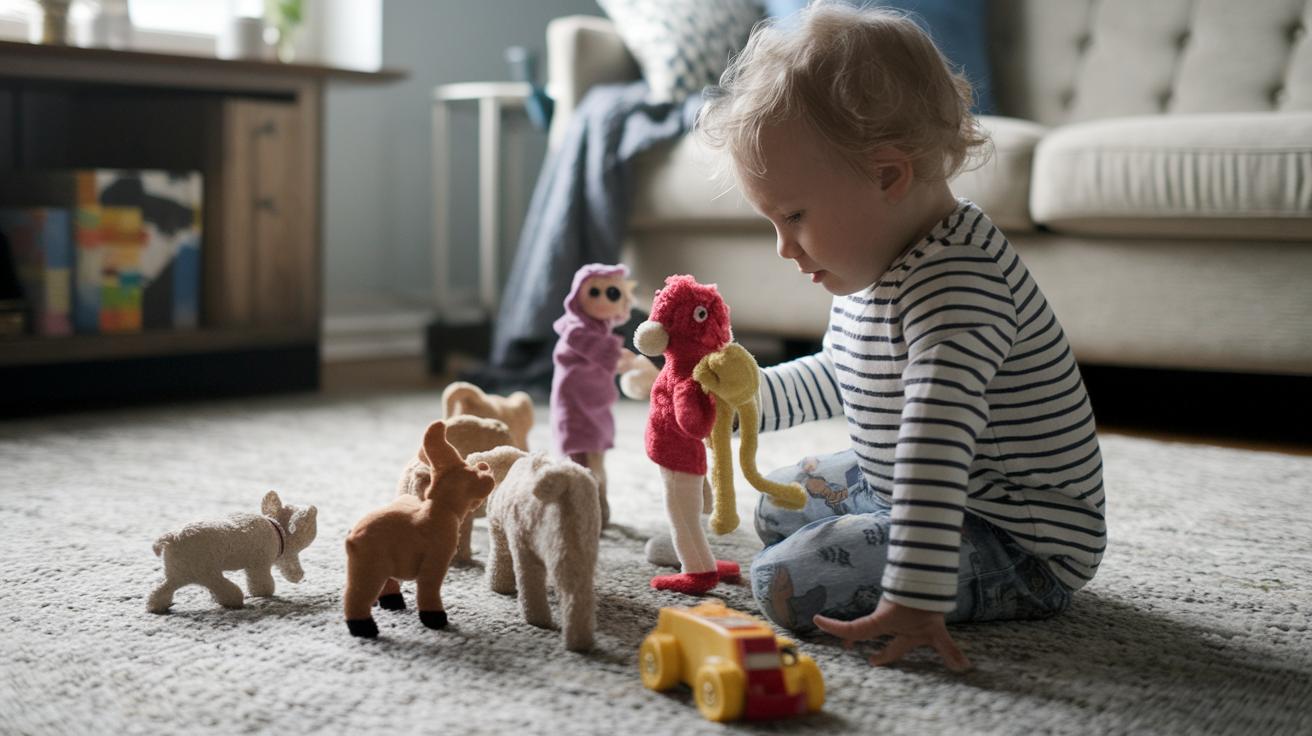
Imagine a playful afternoon with your child using toy animals and little figures to chat together. You could say something like, "Hello Mr. Tiger, can you roar a big hello?" Such simple, fun exchanges spark your child’s imagination and help them connect words with actions naturally. It’s all about letting familiar toys bring out genuine smiles while building language skills.
Adding puppets into your playtime can really mix things up, too. Try letting a puppet ask, "Can you show me what love sounds like today?" This gentle prompt makes it fun for your child to take turns talking, listening, and sharing ideas. It’s a safe, friendly space where your child can experiment with different sounds and voices, much like chatting with a caring friend.
Then, you might try action games like Simon Says, which get your little one moving and following simple instructions. You could also set up a story basket with a few interesting toys and ask, "What adventure do these items take us on today?" This simple game combines movement with make-believe, sparking creative stories while teaching new words and ideas.
Monitoring Language Milestones And Progress At Home
Watching your little one's language grow right at home is a wonderful way to see how they're developing every day. It doesn't take much, just pay attention to those cute coos and first words during your daily chats. This simple habit gives you a heads-up if it might be time to add a little extra support.
| Age Range | Expected Skills | Home Supports |
|---|---|---|
| 0–6 months | Baby coos and smiles when they hear your voice | Talk softly, keep eye contact, and share gentle sounds |
| 6–12 months | Babbling and simple mixes like saying “ba” or “ma” | Encourage imitating sounds by repeating them and using clear words |
| 12–18 months | Uses about 5–20 words and follows simple instructions | Name objects during everyday routines and add playful comments |
| 18–24 months | Uses 50+ words and begins two-word phrases; points to what they want | Ask simple questions and use short, two-part phrases to spark conversation |
Using Milestone Charts
Think of a milestone chart as a friendly guide that shows you how your child's language is growing compared to what’s typical. When you jot down what you notice during those everyday moments and match them up with these benchmarks, it helps you feel sure about their progress. This handy tool makes it easy to see when everything is on track or if it's time to add a little extra word fun.
When Home Strategies Aren’t Enough
Sometimes, you may sense that your little one's language skills aren't progressing as expected. In those quiet moments, if you feel they're a bit behind or missing some steps, it might be a good idea to seek extra advice. When that happens, check out the "what to do if infant milestones are missed" resource for more helpful tips and guidance.
Common Challenges In Home Language Development And Solutions
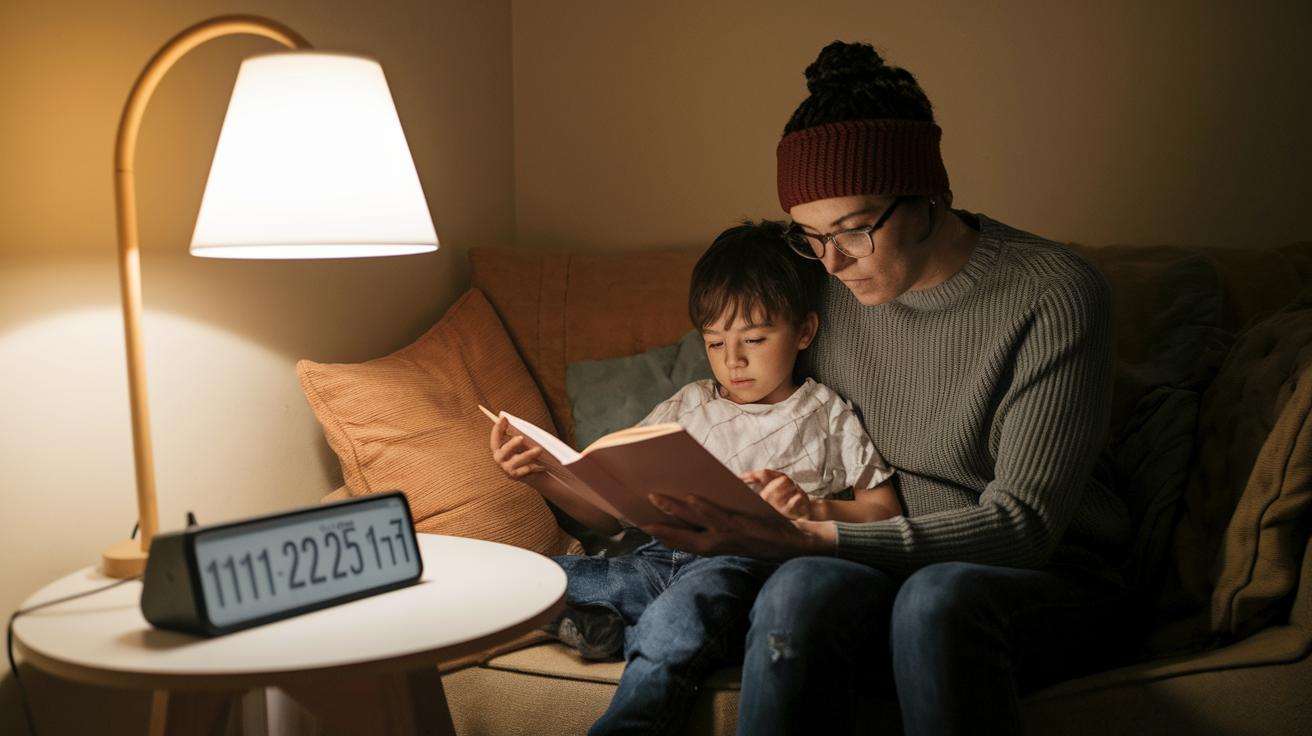
Many families sometimes find it tough to fit in regular chats. With everyone so busy, those little back-and-forth conversations can slip away, leaving fewer chances for your child to learn by taking turns in conversation. And you know, when the TV or tablet is always on in the background, it can be hard for kids to really tune in and interact with you. Even the way you read together might need a little tweak, sometimes the books might be a bit too hard for your child or you might not have a consistent reading time.
One idea that really works is to set aside about 20 minutes each day for reading together. It’s like a special little appointment just for language fun. You could even use a “talk timer”, it makes the turn-taking game fun and lighthearted! And why not create a cozy, screen-free spot in your home? This little change can lead to more one-on-one moments where your child feels loved and encouraged to share words. These simple steps help open up a world of language while nurturing your child’s love for learning.
Final Words
In the action, we covered practical methods to turn daily routines into natural language lessons. We talked about shared reading, naming household items, and playful interactions that make learning fun, all set within a language-rich environment.
Using home strategies for language development can boost your child's vocabulary and confidence. By weaving parent-led language activities into everyday life, you're setting the stage for strong early communication skills. Try these simple tips and see how small moments add up to big strides in language learning.
FAQ
How can I use effective home strategies to boost my child’s language development?
The effective home strategies use shared reading, object labeling, and conversational turns to grow vocabulary and expressive skills. They easily fit into daily routines and encourage more back-and-forth talk.
How does a language-rich home environment support my child’s learning?
A language-rich home environment places books, labels, and word cards in busy areas, fostering everyday words and natural conversation. It creates spaces that gently invite kids to explore new language.
How can everyday routines help improve language skills at home?
Everyday routines like mealtimes, bath time, and errands provide chances to describe textures, actions, and surroundings. This regular talk builds vocabulary and helps children learn new words through real-life examples.
In what ways can play-based strategies enhance language development?
Play-based strategies include role-playing with toys, using puppets, and creating story baskets. These activities prompt playful dialogue while reinforcing vocabulary, rhythm, and sentence building through interactive fun.
How can I monitor my child’s language milestones at home?
Monitoring milestones with a simple chart allows you to compare observed skills with expected benchmarks. Regularly tracking your child’s progress helps you spot patterns and decide if extra help may be needed.
How do I overcome common challenges in home language development?
Overcoming challenges means addressing limited conversation time and excessive screen use by setting clear talk times and screen-free zones. Simple routines like a daily reading session can make interactive time more meaningful.