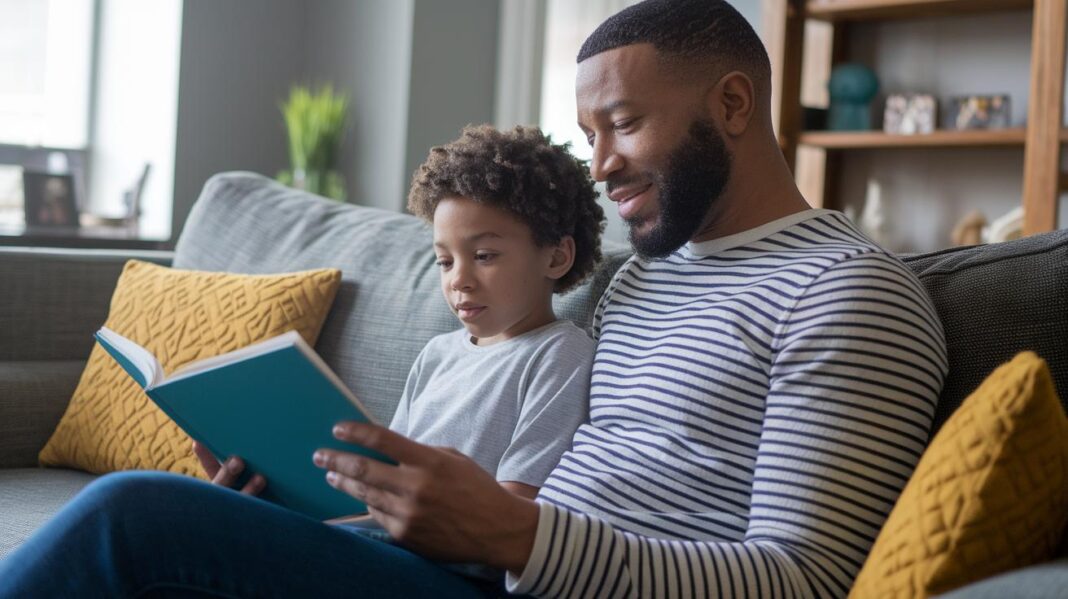
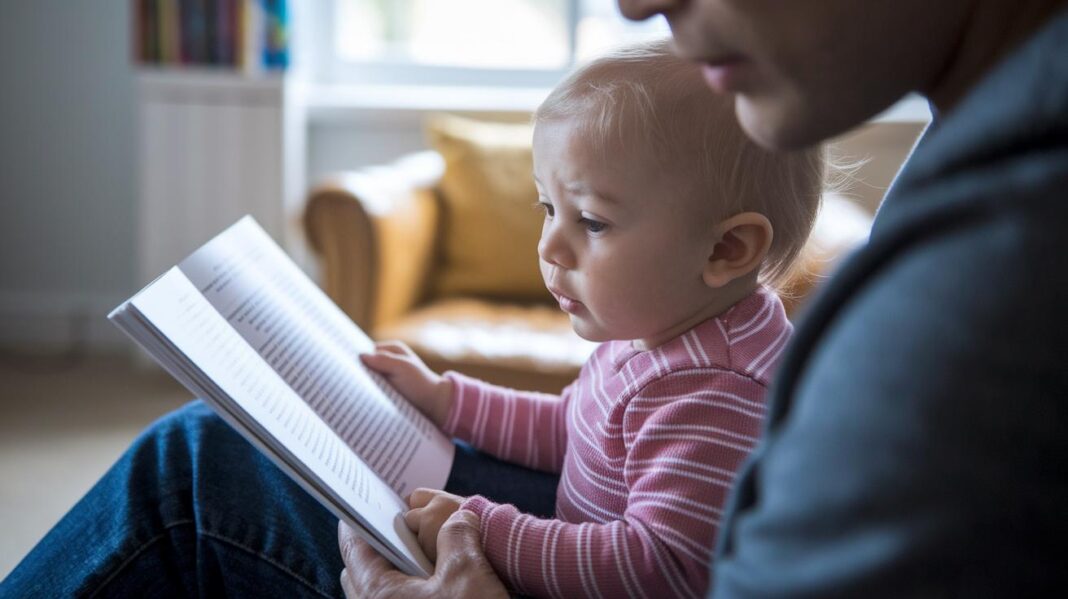
Have you ever wondered where your little one’s first words come from? It all starts with a mix of nature and everyday moments, those tiny coos, simple chats at home, and warm exchanges that build a strong foundation for learning. At Bright Start, we take time to explore how a child’s genes, family conversations, and even little challenges work together to help them discover their voice. It’s amazing how these moments spark the joy of communication.
Primary Influences on Early Language Development
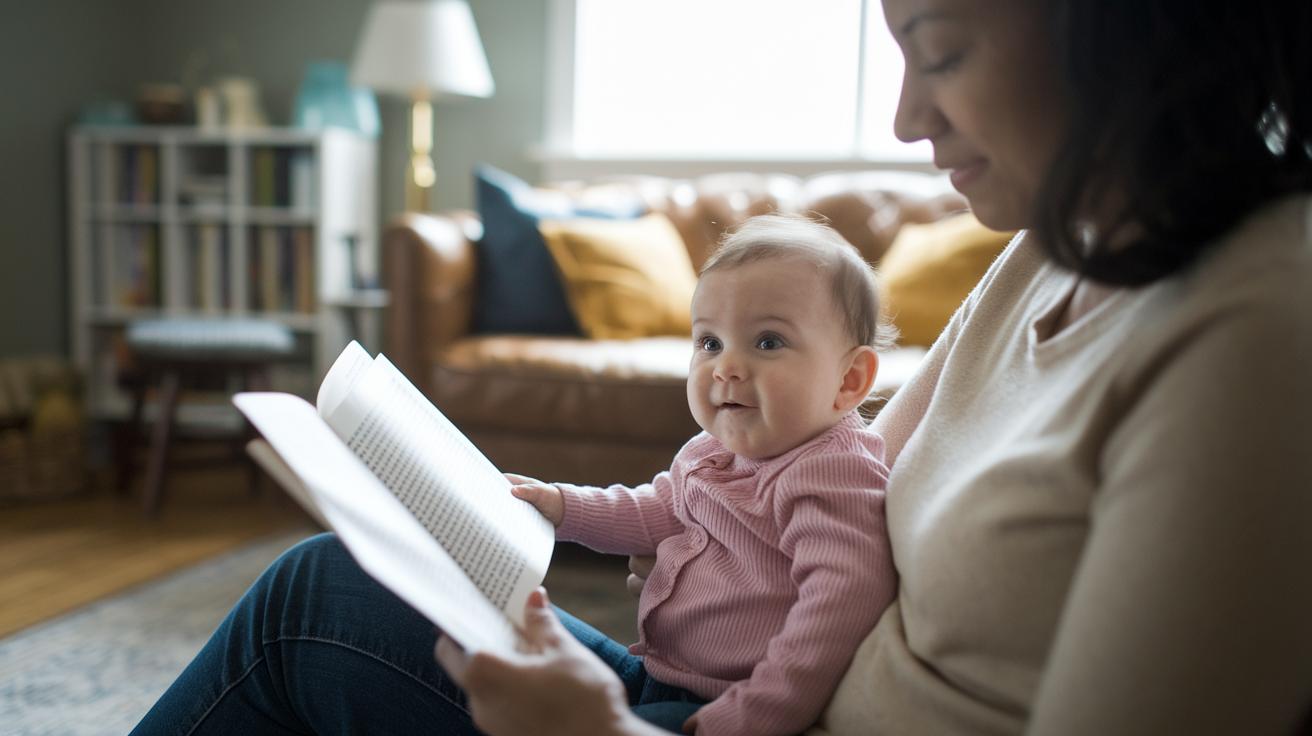
Language grows slowly and sweetly, starting with gentle cooing and babbling. Before long, those soft sounds turn into first words, little two-word phrases, and then full, lively sentences. Even at this very early stage, babies show incredible skills, almost like they’re testing out musical notes that eventually blend into a joyful tune of communication.
But it’s not just about making sounds. A child’s language really blossoms when many things come together. There’s a baby’s natural genetic plan, the warm, everyday chatter at home during reading or simple conversations, the caring interactions with family and friends, and even little health or development challenges that shape how fast or slow each child grows. Think of it like building a cozy home: every brick, whether it’s genetic, environmental, social, or health-related, has its own role in helping a child learn to express themselves.
- Biological (genetics and neurobiology)
- Environmental (home language exposure and socio-economic influences)
- Social (caregiver and peer engagement)
- Health/Developmental (screening for and managing developmental challenges)
Seeing early language growth from all these angles helps us understand how everything fits together. When families and teachers recognize how genetic makeup meets everyday interactions, they see why giving a bit of extra support can really boost every little voice. Simple, everyday chats and shared moments can help kids learn new words and build sentences, laying a warm, strong foundation for learning and growing later in life.
Genetic Foundations of Early Language Development

Our genes help set the stage for how babies learn to speak. It’s like we all come with our own little manual that starts out with simple coos and babbles before turning them into actual words. Every child’s genetic code gives them a special nudge in their language journey, almost like a tiny whisper saying, "This is how your little voice will grow."
And then there’s brain development. A baby’s brain is wonderfully flexible, open to all the sounds of the world. Every time a parent speaks softly or sings a lullaby, those sounds help shape the pathways in the brain that later work to form clear words and sentences. Think of it like tuning a guitar, each listening moment helps the brain get closer to playing the perfect melody of words. So while our genes provide the blueprint, those early, comforting sounds help guide the way to meaningful communication.
Caregiver Verbal Input and Interaction Quality in Early Language Development
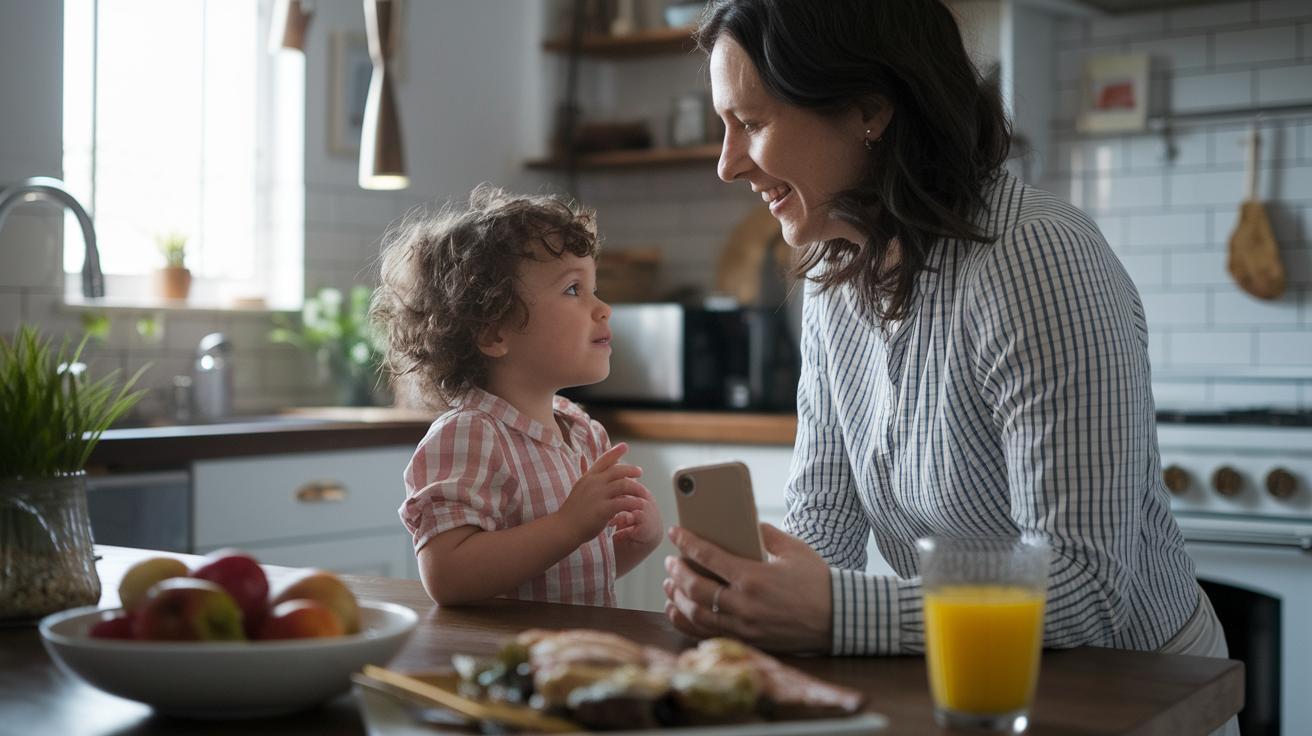
When we talk with little ones, every word counts for their language growth. The words a child hears, the rich vocabulary, and the friendly back-and-forth all help build those important language skills. Whether it’s reading a story at bedtime, chatting during dinner, or just talking while playing, these everyday moments turn into powerful tools for learning. Every word is like a small puzzle piece that fits together to create full sentences and lively conversations. It’s not just talking; it’s a caring exchange where a caregiver truly listens and responds with interest.
Good, heartfelt chatter gives children a chance to pick up new words and see how sentences work. When caregivers mix longer sentences with simple ones, kids start to notice different sounds and patterns. This sensitive and responsive way of talking helps children learn not only new words but also how ideas can be expanded or explained with follow-up comments. In other words, everyday talks become special learning moments, full of colorful language and careful listening.
| Strategy | What It Means |
|---|---|
| Expansions | Adding extra words to build on a child’s ideas. |
| Narrative scaffolding | Telling stories together through guided talk. |
| Responsive replies | Quickly adjusting your words based on what your child says. |
| Balanced turn-taking | Sharing the conversation so the child gets plenty of time to speak. |
| Labeling | Pointing out and naming objects during everyday activities. |
These simple strategies work hand in hand to support early communication steps. They help children gain confidence as they learn to form meaningful sentences. Everyday interactions like these lay the groundwork for future learning and building strong social bonds.
Environmental and Socioeconomic Influences on Early Language Development
Home Language Environment
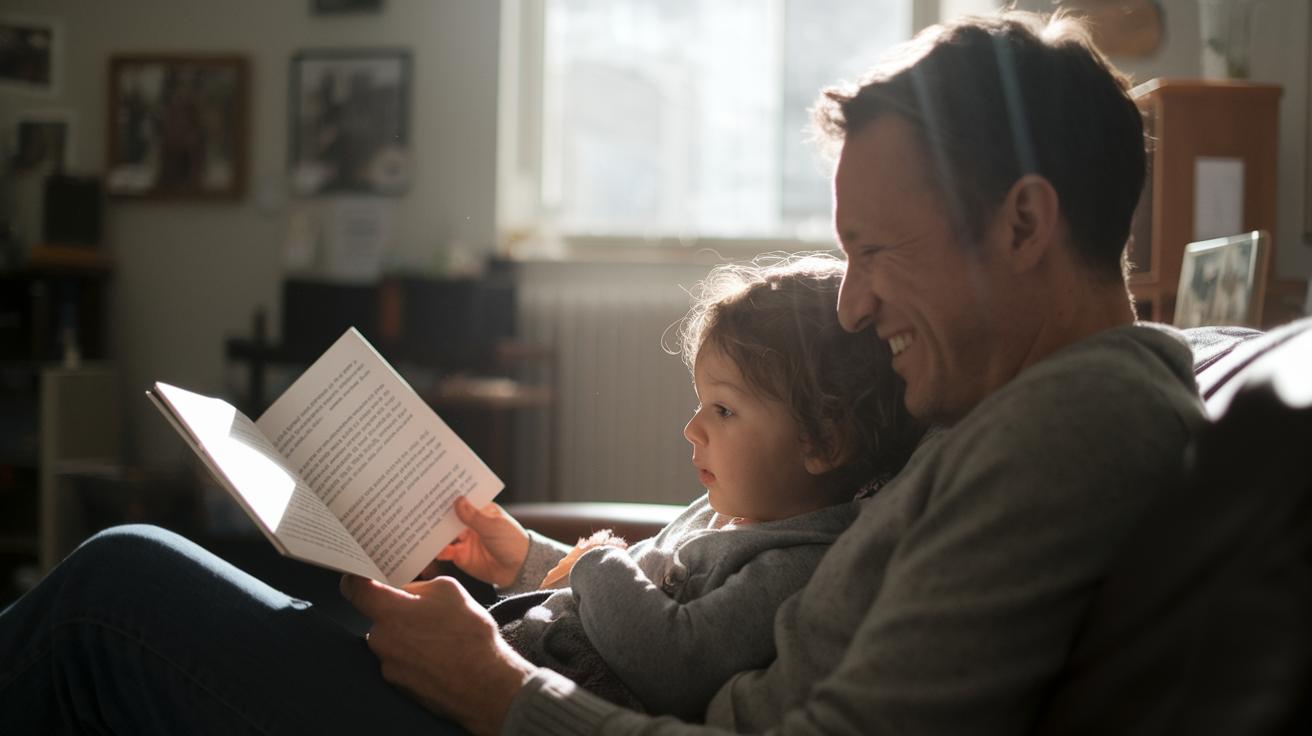
A warm home where language is celebrated can really shape a child’s world. Think about a little one enjoying a cozy night with a bedtime story, hearing familiar voices that feel like a gentle lullaby. Daily reading, sharing stories during meals, or even chatting during a walk gives kids a treasure trove of words. It’s like the soft background hum of conversation at home invites them to listen, play with words, and slowly build a strong language foundation.
Educational and Programmatic Settings
Classrooms and community activities add another joyful layer to language growth. Simple sessions like storytime, hands-on play, or exploring nature together let children try new words in fun settings. When kids engage in activities like creative art or science exploration, every moment turns into a chance to learn and share. These moments make language come alive by linking words with real experiences and feelings.
Screen and Digital Media Influences
Digital media can be both a helper and a hindrance when it comes to learning language. Watching a video without chatting or asking questions might not help much with new words. But when an adult joins in or an interactive app encourages your child to talk, it opens up a whole new conversation. Balancing screen time with simple, real-life chats ensures that every digital moment is a part of a broader, caring language journey.
Health and Developmental Challenges and Early Intervention in Early Language Development
Recognizing Language Delays
Some little ones might not hit speech milestones when we expect them to. For example, if your baby isn’t making lots of babble sounds at around 9 months, isn’t saying their first words by 15 months, or isn’t putting two words together by age 2, it might be a sign of a delay. You might notice that your child’s sounds are softer or less varied than other kids their age. It’s like hearing a quiet tune where you’d expect a cheerful melody. Keeping an eye on these signs helps when it’s time to chat with a doctor or specialist.
Early Intervention Strategies
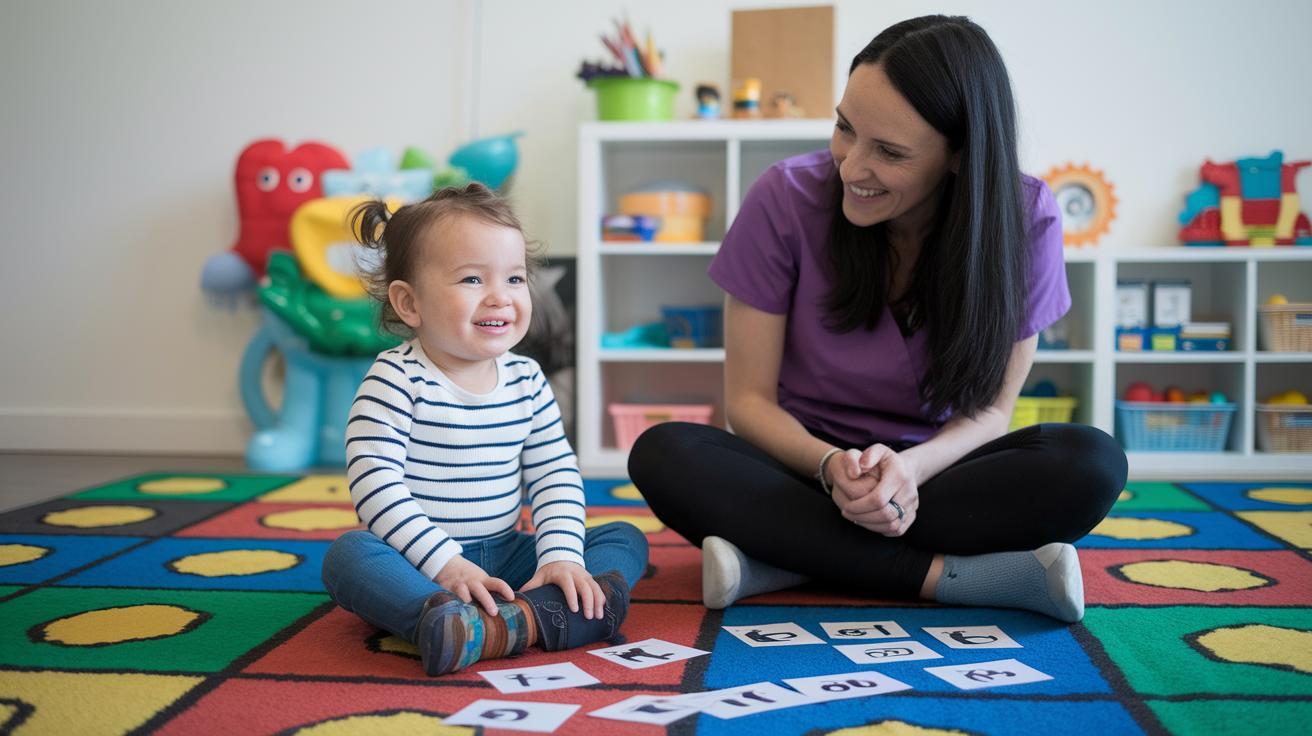
When your child shows these early signs, pediatricians often use screening tests and might refer you to a speech or occupational therapist. These experts use family-friendly methods to encourage both speaking and understanding words. Early therapies, like guided play and specific activities, are designed to make early speech clearer and simpler. With lots of interactive moments and regular feedback during daily routines, you can really help your child’s language grow. This hands-on approach not only tackles early speech issues but also builds a strong base for all future communication. For more details on therapy options, take a look at the "early intervention for missed infant milestones" resource at https://womensconference.org?p=14410.
Final Words
In the action, we explored how infants move from babbling to first words through the combined effects of genetics, caregiver input, engaging home environments, and early support for health matters. We broke down the key areas: biological, environmental, social, and health/developmental factors. Each piece plays a unique role in shaping early communication skills and influences on early language development. It’s uplifting to see how mindful actions today help cultivate confident communicators tomorrow. Each small step really adds up, lighting a bright path forward.
FAQ
What do resources like PDFs and PPTs indicate about influences on early language development?
These resources show that early language development is shaped by genetic factors, caregiver interactions, environmental exposures, and health influences that work together to build vocabulary and speech skills.
What positive and negative influences affect early language development?
Positive influences, like rich conversations and varied word exposure, boost language skills, while negative influences, such as limited interaction and passive screen time, can slow vocabulary and syntax growth.
What environmental factors influence early language development?
Environmental factors include the language-rich home setting, cultural speech variations, and the nature of digital media engagement, each playing a key role in enhancing a child’s vocabulary and communication skills.
What are the 7 stages of language development in early childhood?
The 7 stages progress from early cooing and babbling to forming single words, two-word phrases, and eventually complex sentences as a child’s communication skills mature.
What defines language development in early childhood?
Language development in early childhood begins with basic sounds and evolves through words and sentences, driven by a blend of biological, social, and environmental factors that nurture effective communication.