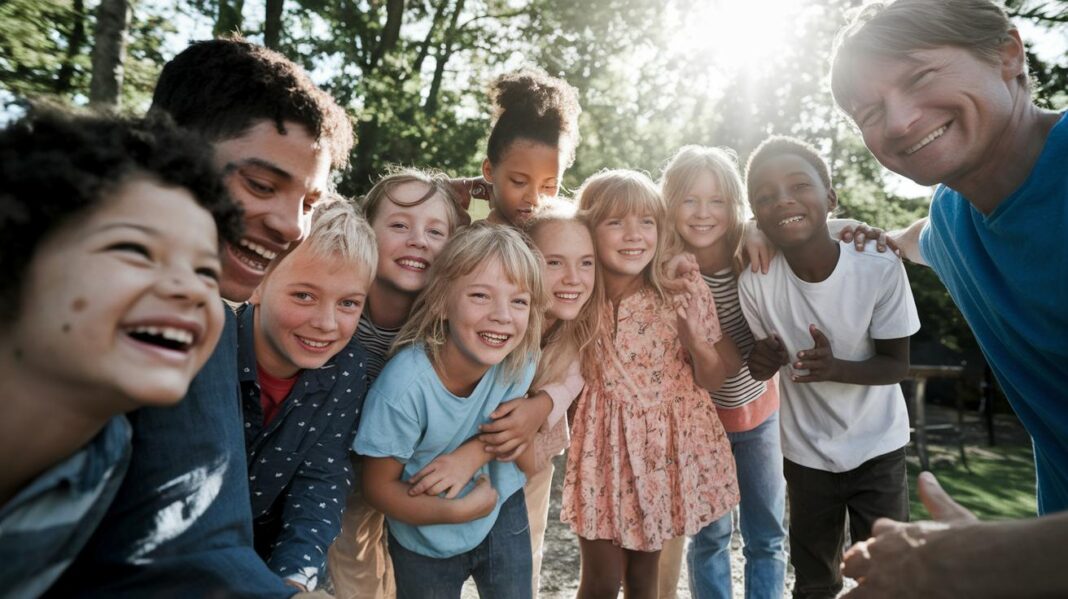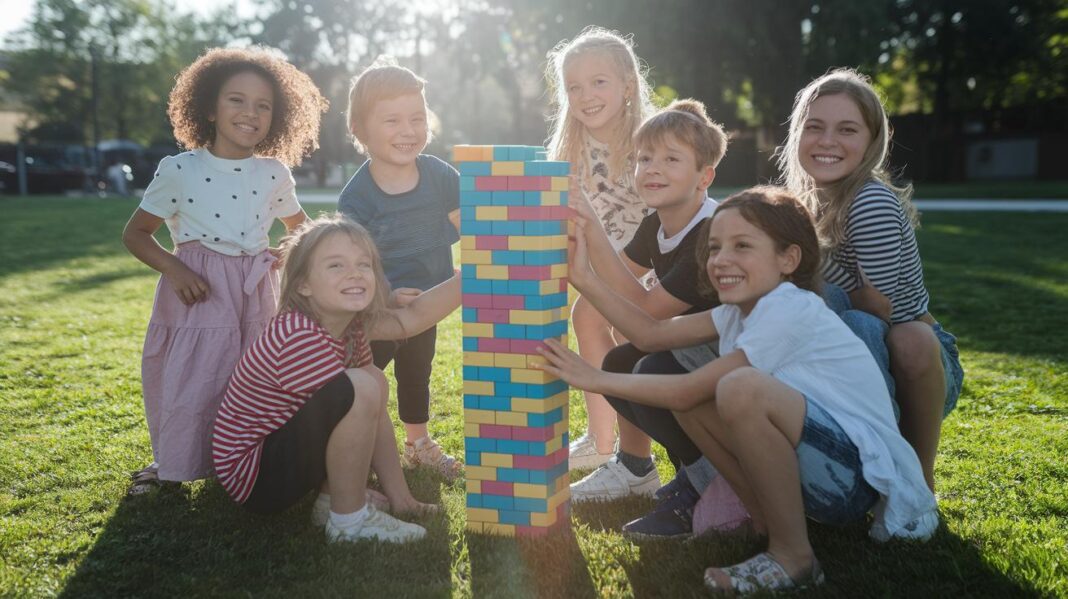
Have you ever noticed how play might be helping your child grow socially? When kids play, they're not just having fun, they’re also learning to share, listen, and work through little disagreements.
Imagine building a strong social foundation, one small toy at a time. Research shows that when children lead their own games, they naturally pick up essential skills for making real-life connections.
This piece dives into how play shapes social growth, helping little ones become more caring and confident day by day.
Understanding the Role of Play in Social Development
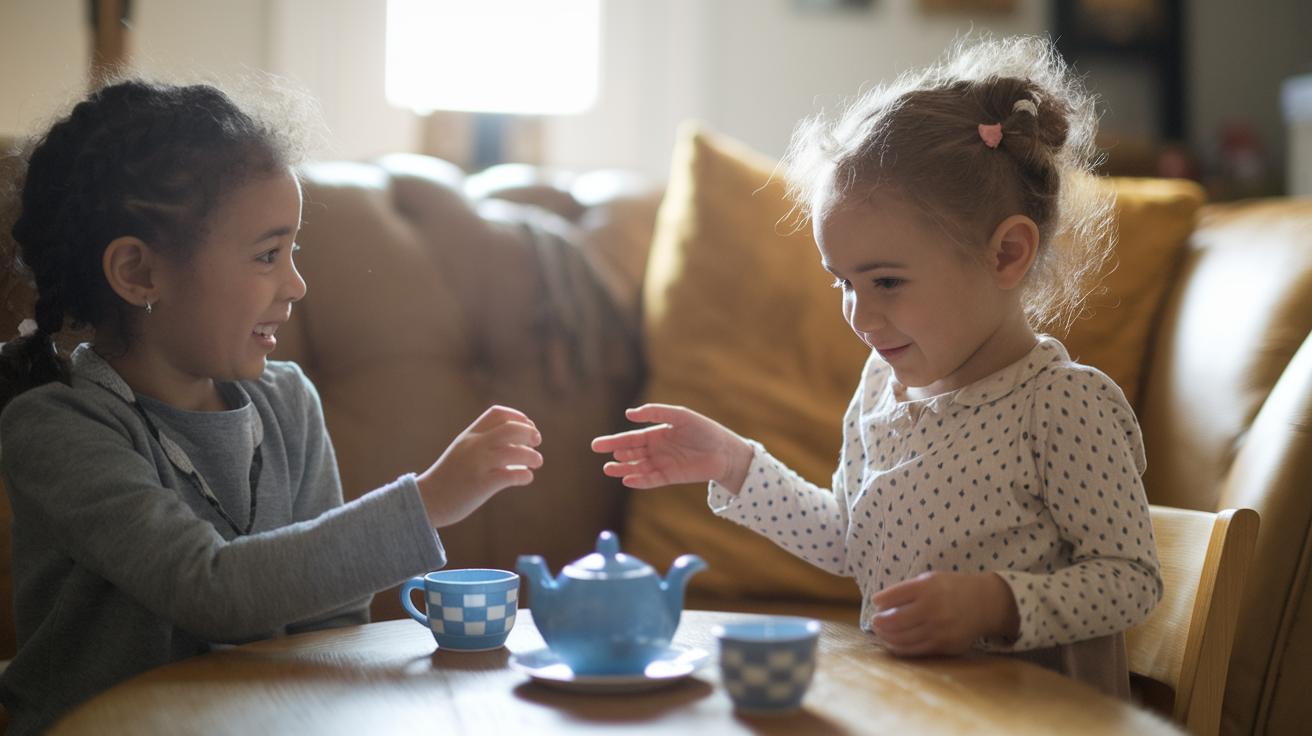
Play is more than just fun, it’s a way for kids to grow socially and learn important life skills. When children play, they naturally pick up lessons in negotiating, solving small conflicts, listening carefully, and understanding other points of view. Think about a make-believe tea party, where each little conversation and role helps build a child’s social and emotional toolkit.
Unstructured, pretend play is especially powerful. When kids lead their own games, they get to try out creative solutions and practice making decisions based on how they feel inside. It’s like watching your little one set up a pretend "grocery store" from cardboard boxes, it’s a gentle, everyday way to learn about sharing and taking turns while exploring emotions.
Recent research, updated as of October 1, 2024, backs up the idea that play is a key part of social learning. Whether kids are playing by themselves or in a group, each session offers unique chances to observe social cues and work on communication skills. Every game, whether it’s organized or free-form, prepares them for real-life interactions and friendships later on.
In truth, play is a simple, evidence-based way to nurture your child’s social foundation.
Types of Play and Their Impact on Social-Emotional Development
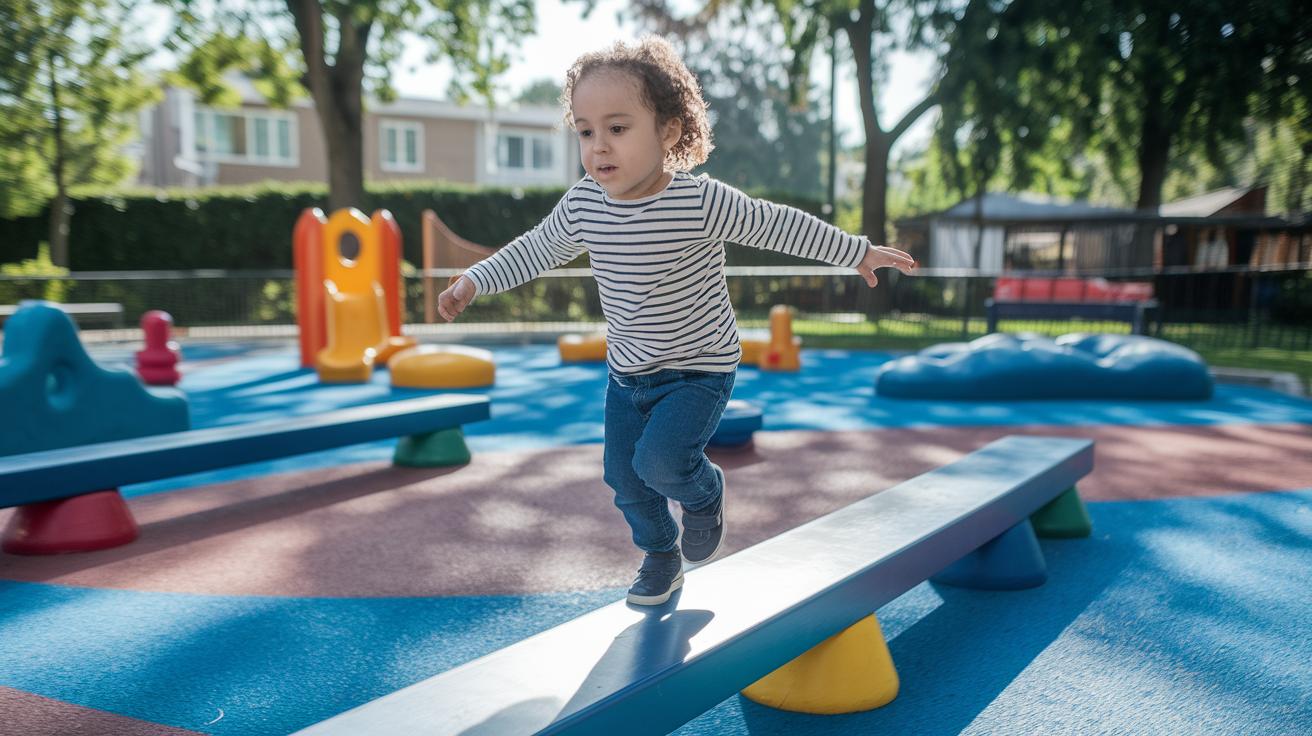
Play is a fun way for kids to learn about feelings and how to get along with others. When children run, jump, or climb, they’re not only making their bodies stronger but also building coordination and mental flexibility. Picture a little one happily dashing around the playground, balancing carefully while avoiding obstacles. It’s a simple way that play brings strength to both the body and the mind.
Dramatic play is another cool way for kids to grow. When they set up a pretend restaurant or play different characters, they learn to be creative and work as a team. Imagine a child confidently taking orders with a big smile in a make-believe diner. It’s fun and helps them understand different roles and share responsibilities.
Pretend play lets children be the boss of their own fun. In games that have simple rules for taking turns, kids learn to work together and care about how others feel. Unstructured group play, where there’s no set plan, gives them a chance to experiment with their emotions and learn how to calm down when things get a bit rough.
| Play Type | Social-Emotional Impact |
|---|---|
| Physical/locomotor play | Builds coordination and mental flexibility |
| Dramatic play | Boosts creativity and teamwork |
| Pretend play | Fosters empathy and self-expression |
| Cooperative games | Teaches group rules and taking turns |
| Unstructured group play | Helps with emotional regulation and self-control |
Mechanisms Through Which Play Facilitates Peer Connection and Group Play Dynamics

When kids play together, they pick up key social skills in such a natural way. Joining in games and activities gets them chatting, understanding each other better, and finding new ways to share how they feel. Whether the play is organized or just free-form, it gives little ones a cozy spot to try out different roles and work through a mix of feelings. Really, it's all about learning the basics of how to get along with others.
In these playful settings, kids start to see how to connect with their friends while figuring out how to handle their emotions and behavior. When they work out the rules or settle small disagreements, it's a chance to practice speaking clearly and building up their confidence, a real boost for their social skills. Here are six ways play helps make all this happen:
- Interactive group games let kids talk through the rules and smooth over little conflicts, which teaches them how to negotiate.
- Free play encourages empathy as children see things from each other’s view, deepening their understanding and feelings.
- Using language during play naturally grows their vocabulary, with chances to chat, listen, and tell fun stories.
- Play offers a safe space to let out feelings, lowering worries and lessening behaviors that might not fit in well.
- Regular play builds up social confidence and self-worth because kids get to try new roles and challenge themselves.
- Group play creates moments for teamwork, where children learn to share space, work together, and build friendships that last.
All of these moments show that play is much more than just fun, it’s a lively, hands-on way for kids to learn how to connect and work well with others.
Key Benefits of Playful Social Interaction in Developing Social Skills

Playful chats help kids pick up new words and build their sentence skills. When they engage in pretend play, like running a little market, they learn not only fresh vocabulary but also how to ask questions and share ideas. Imagine a child saying, "I need two apples for my friend." It’s a simple moment that teaches numbers and basic sentence structure.
Role-playing games also help children feel what others feel and manage their own emotions. When a child plays the role of a shopkeeper or customer, they get a chance to see the world from another's point of view. Such fun interactions build their confidence and make them more comfortable sharing ideas and joining in group play.
Role of Play in Social Development Fuels Growth
Setting Up Dramatic Play Environments
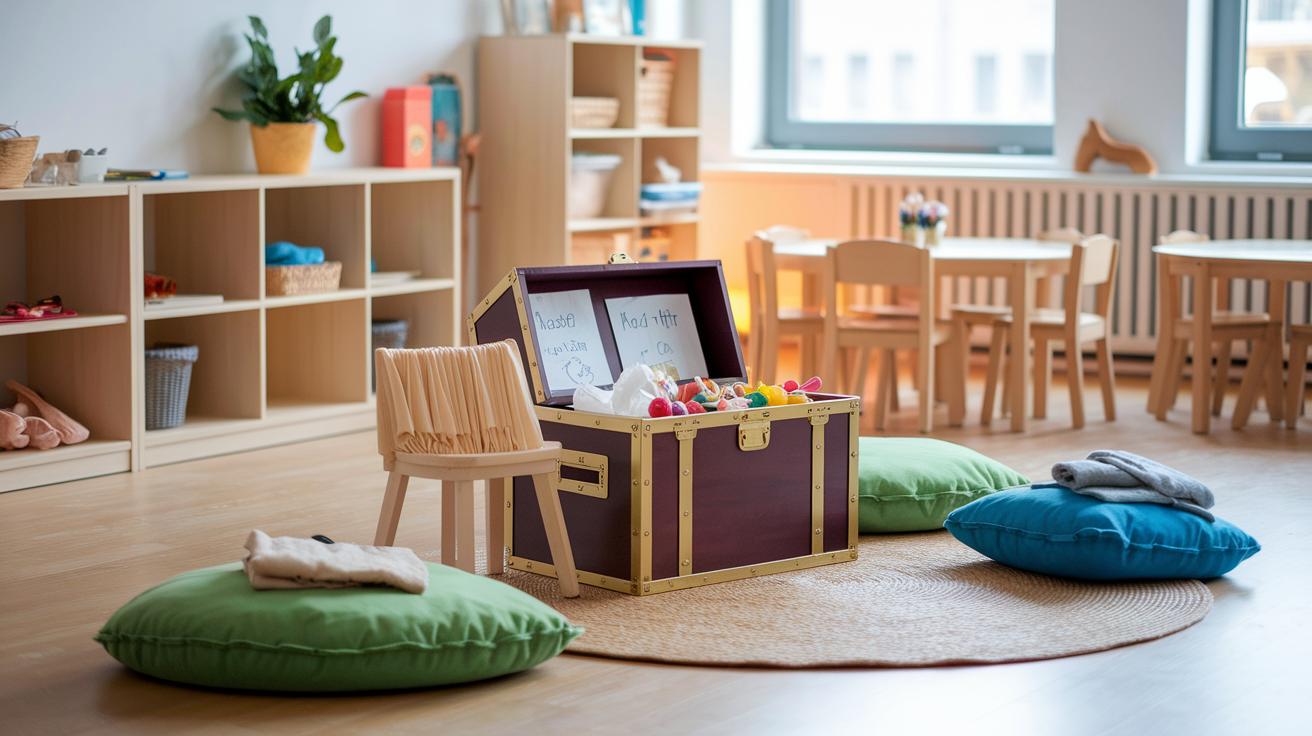
Creating a space for dramatic play is a fun way to help our little ones grow socially. It’s all about setting up a cozy area filled with props that spark imagination. Think of items like a treasure chest or even a mini market setup that lets kids turn everyday objects into exciting adventures. The goal is to create a safe haven where they feel free to try out different roles. And why not mix things up by rotating these fun materials every few weeks? A new costume or a fresh set of pretend foods can keep things lively and encourages creative thinking and friendly interactions.
Facilitating Cooperative Play Sessions
Cooperative play is more than just an activity, it’s a gentle lesson in teamwork. Start by setting clear and simple rules, like saying, "Let’s take turns with the play kitchen so everyone gets a chance." Join in on the fun yourself and show them how to share and solve little disagreements together. It’s really about guiding them through minor conflicts with a kind approach. Celebrate those moments when they work as a team, whether they’re building towers with blocks or pretending to run a little store. These small wins help build confidence and nurture their social skills bit by bit.
Observing and Supporting Children’s Play
Keep an eye on how the kids play, it can tell you a lot about what they need. Notice if a child repeats a favorite role or explains things in extra detail. These moments are little windows into their feelings and social growth. A soft remark like, "I love how you're taking turns," can go a long way. And if you see a need for a bit more help, a gentle suggestion can guide them without taking over their fun. Sometimes, if things seem more challenging, chatting with a play therapy expert can be a really helpful next step.
Evaluating the Impact: Case Studies in Play’s Role in Community Building

At a neurodevelopment center, structured play therapy led to a 20% boost in social skills. Imagine a once-quiet room filled with games turning into a warm, lively space where children share smiles and build confidence. It’s a gentle reminder of how planned play can spark real, positive changes in social behavior.
In another case, a school found that their dramatic play program increased teamwork by 25%. Through fun role play, kids learned how to work together and support one another. And over at an outdoor play group, introducing community-focused games helped reduce peer conflicts by 30%. Observations using simple checklists show that when children play, they’re naturally learning kindness and cooperation.
These stories show us that whether it’s a set plan or free play, every moment of play helps children develop key social skills that benefit our entire community. It’s heartwarming to see how play brings us all closer together.
Final Words
In the action of everyday play, we see clear benefits for social growth. Play builds empathy, teaches turn-taking, and boosts self-confidence, making it a powerful tool for social development.
Different play types, group games, dramatic sessions, and unstructured interactions, together help shape vital skills. By embracing simple, child-guided play, families can experience real improvements in communication, emotional regulation, and shared connections. The role of play in social development paves the way for happier, more resilient children.
FAQ
What is the role of play in social development?
The role of play in social development involves building skills like sharing, listening, and empathy. By engaging in group activities and role play, children learn how to cooperate, negotiate, and resolve conflicts.
What is the role of play in cognitive development?
The role of play in cognitive development is that it boosts language, problem-solving, and memory skills. Interactive fun helps children expand their understanding and lay a strong learning foundation.
What is the importance of play in physical development?
The importance of play in physical development lies in activities that build motor skills, coordination, and overall fitness while supporting healthy brain function and self-confidence.
How does play support emotional development?
Play supports emotional development by allowing children to express feelings, regulate emotions, and practice empathy. Through role play, kids learn to understand and manage their feelings effectively.
What is social play in child development?
Social play in child development refers to interactive activities where children work together, share ideas, and follow social rules. These experiences build friendships and foster a sense of belonging.
What does Vygotsky say about role play?
Vygotsky said that role play is a key tool for exploring social roles and rules. It offers children a chance to experiment with different perspectives, enhancing their thinking and social skills.