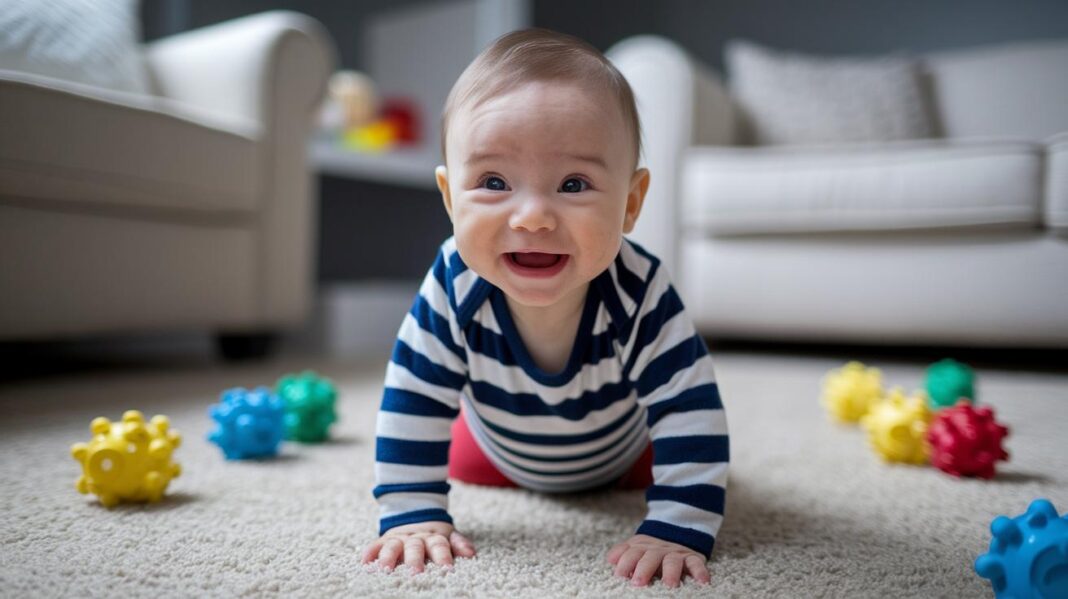
Have you ever noticed that a little crawl can change everything? Babies start exploring when they are about 6 to 10 months old, and every little move tells its own story. In this chat, we'll talk about what it means when your baby begins to scoot around and why tummy time is so important. It all shows how those early moves set the stage for the fun of learning and exploring.
Infant Crawling Age: Bright Beginnings
Most little ones start crawling when they're between 6 and 10 months old. Many babies begin to explore crawling around 7 or 8 months, but every baby grows at their own pace. Some may even skip crawling altogether and move right to pulling up or walking, that’s totally fine.
Babies' different timelines show us that while some might be scooting around at 6 months, others are busy using different movements to explore. Tummy time helps build the neck, shoulder, and tummy muscles they need, making each little step a part of their unique journey.
Watching your baby hit these milestones is really special. It reminds us that growth is a blend of strength, curiosity, and time, with each child finding their own bright beginning as they learn to move and explore.
Early Motor Milestones Before Crawling
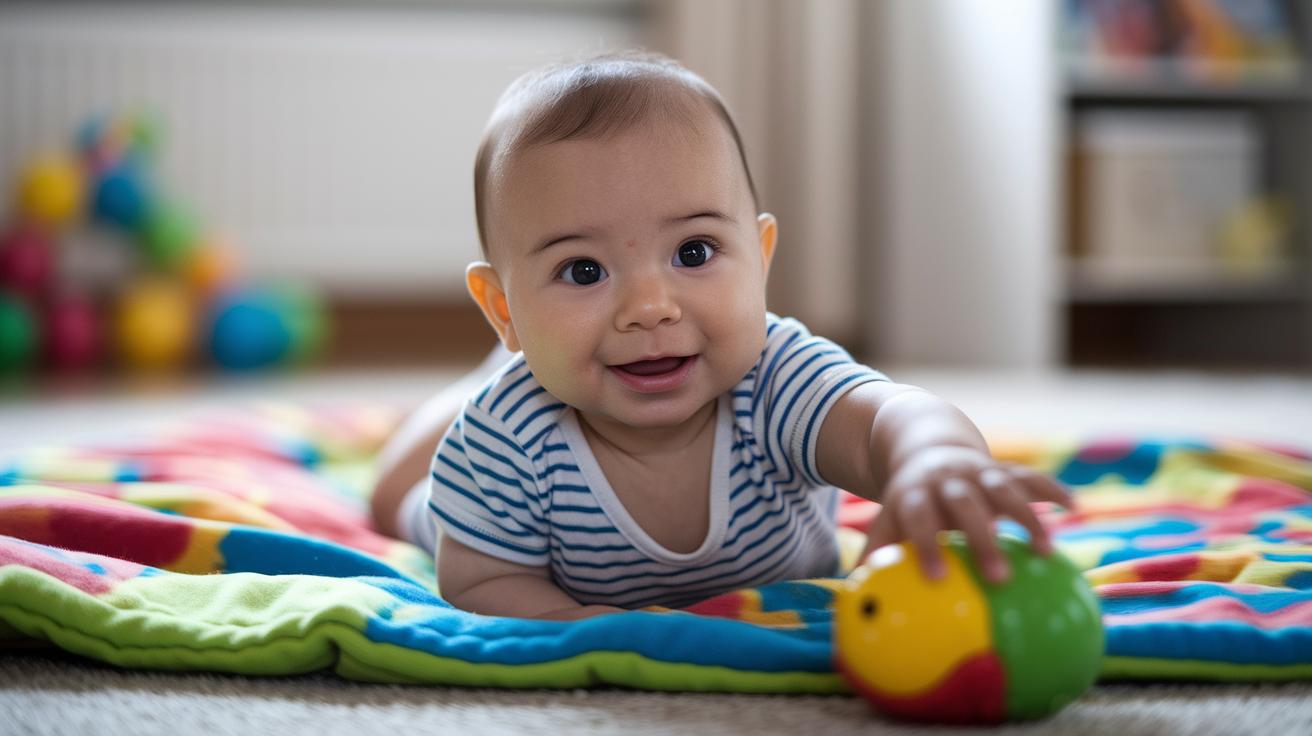
Babies hit some pretty cool steps before they start crawling. For example, many little ones learn to roll over between 4 and 6 months. Rolling over is one of the first signs that their body is working hard, kind of like how you feel after a little stretch. Imagine your baby turning over for the very first time, it’s a tiny win that builds excitement for the next big step!
When babies start sitting up all by themselves, usually around 6 months, it really changes things. Sitting without help gives them a brand new view of the room, and they get to practice balancing, much like riding a little bike without training wheels. It’s amazing to see how their perspective grows with this new skill.
Tummy time is also a must-do. It helps build up the muscles in the neck, shoulders, and tummy, which are super important for crawling later on. Think of tummy time as a gentle workout, where each minute on their tummy brings them closer to rolling, sitting, and eventually moving around.
Each roll, sit, and minute on the tummy is a step toward that exciting world of crawling. These early moments are like fun little building blocks in your baby’s journey to explore and discover the world around them.
Factors Influencing Crawling Onset
Babies learn to crawl in their own time, and it takes a mix of many little things to get them moving. Every baby grows at a different pace, building up strength and endurance as they go. Some may show hints of strong muscles right away, while others might need extra tummy time to gain the muscle power needed for crawling. Genetics and brain maturity also help guide their early movements, making each baby’s journey unique.
Tummy time is a simple and fun way to help build those muscles. When a baby spends a few minutes on their tummy each day in a safe and cozy spot, they slowly figure out how to move on their own. A home with a clear, safe space can feel like a little playground where babies can try out new ways to move, and this can really give their crawling progress a boost.
Consider these factors:
- Muscle strength built with regular tummy time
- Natural genetic and brain readiness
- A home environment that encourages movement
- Plenty of chances to practice moving skills
Remember, every baby is different. Some start crawling quickly while others take a bit longer, and that’s perfectly okay.
Tips to Encourage Infant Crawling
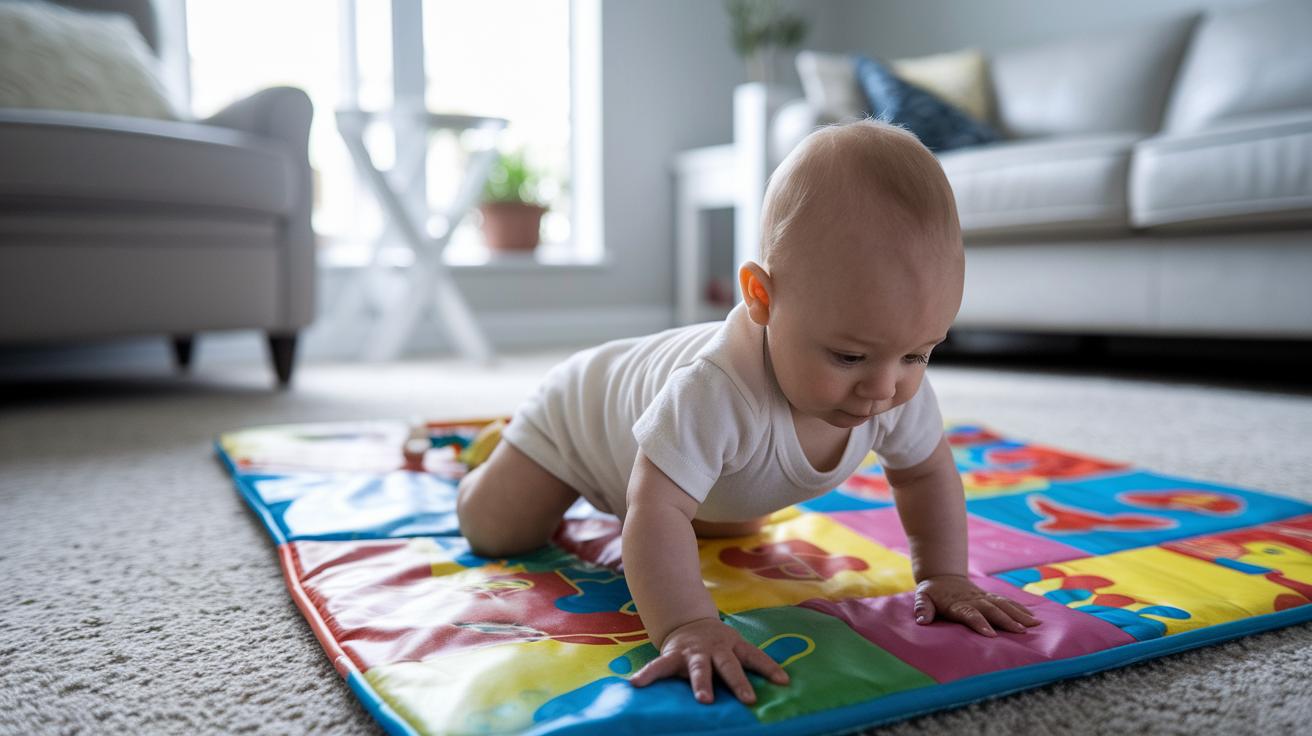
Setting up a cozy, safe space is one of the best ways to help your baby start crawling. Clear a space on the floor that’s free of obstacles or sharp corners. A soft mat or carpet creates a gentle surface for your little one to explore moving around. For example, a soft play mat in the living room can turn it into a mini playground that feels warm and welcoming.
Try placing some fun toys just a bit out of reach during tummy time. This little challenge encourages your baby to stretch and move, sparking a new sense of adventure. Imagine a favorite toy positioned so your baby turns their head and inches closer. Switching out the toys every now and then keeps things fresh and exciting.
A few minutes of tummy time each day can do wonders. It helps build up neck, shoulder, and tummy strength while making playtime fun. You might even try a gentle “tummy-to-crawl” game by placing a cherished toy slightly to the side; this small nudge can invite your baby to reach sideways, a natural step toward crawling.
Consider creating a simple path with soft objects or light boundaries. This setup shows your little one which way to go and boosts their confidence as they explore step by step.
| Tip |
|---|
| Create a safe, open area with a soft surface. |
| Place fun toys just out of reach to inspire movement. |
| Enjoy daily, supervised tummy time to build strength. |
| Try gentle tummy-to-crawl exercises with a favorite toy. |
| Design clear, playful paths to guide crawling exploration. |
Using these simple steps, you can make crawling feel natural and fun, helping your baby develop new skills with every little move.
Recognizing Crawling Delays and When to Seek Professional Advice
It can feel a bit worrying if you notice your baby hasn’t started crawling by around 12 months. If your little one isn’t moving forward much or seems to have weaker muscles, it might be a good idea to talk with your pediatrician. Sometimes, a baby skips crawling but still reaches other milestones just fine. Still, if several steps seem delayed or if one leg moves much less than the other, that could be a gentle hint that it’s time to get a professional opinion.
Keep an eye out for a few things:
Think of these signs as friendly alerts rather than a big emergency. Every baby grows at their own pace, and knowing these clues can help you decide when it’s time to get a checkup. It’s a bit like noticing a small crack in the wall, it might not be urgent on its own, but a quick look can stop little worries from growing later on.
Final Words
In the action, we talked about how infants typically begin crawling between 6 and 10 months. We looked at early marks like rolling and tummy time that build the strength for movement. We also explored how individual differences and home setup can shape the infant crawling age and how guided exercises can really support your little one’s progress.
Keep in mind that every baby follows their own pace, and staying tuned to small signs gives you the confidence to cheer them on every step of the way!
FAQ
Frequently Asked Questions
What is the typical age range for infant crawling?
The typical infant crawling age usually falls between 6 and 10 months, although many babies follow their own pace. Some may skip crawling and move directly to pulling up or walking.
What early motor milestones do babies reach before crawling?
Early motor steps include rolling over around 4–6 months and sitting independently by about 6 months. Regular tummy time builds the strength needed in the neck, shoulders, and core for crawling.
What factors influence the start of crawling?
When babies start crawling depends on physical growth, genetic and neurological readiness, frequent tummy time, and having a safe area to move freely, all supporting the development of motor control.
How can I encourage my infant to start crawling?
You can foster crawling by providing a safe, open floor space with soft mats and engaging toys placed just out of reach, along with daily supervised tummy time to help build strength and coordination.
What signs suggest a crawling delay and when should I consult a pediatrician?
A delay might show if a baby hasn’t crawled by 12 months, experiences ongoing muscle weakness, or exhibits uneven leg movements, indicating that a pediatric evaluation is advisable.