Have you ever wondered if changing your baby’s diet might help ease an upset tummy? When your little one deals with watery stools, it can feel overwhelming. Adjusting their fluids and serving soft, gentle foods can help calm things down, kind of like finding that one missing puzzle piece. I’ll share some simple tips for offering small, soothing sips and age-friendly snacks that can help rebuild your baby’s strength. Keep reading for some practical advice to bring comfort during those challenging moments.
Essential Infant Diarrhea Diet Guidelines

When your little one has diarrhea with watery, loose stools and seems to make a dash for the bathroom, the most important thing is to keep them well-hydrated. Start by offering small, frequent sips of fluids like water, clear broths, diluted apple juice, herbal teas, or oral rehydration solutions such as Pedialyte (available in liquid, popsicle, or powder form). You might say something like, "Try giving 5–10 mL every 5 minutes until things start to calm down."
Once your baby is handling those fluids well, the American Academy of Pediatrics recommends shifting from a very limited BRAT diet to a more balanced, regular diet. Instead of relying only on bananas, rice, applesauce, and toast, begin adding age-appropriate solids along with breastmilk or formula. Think of it as putting together a puzzle, one piece at a time, so your baby gets all the calories and nutrients needed.
Remember, these tips are based on trusted medical advice. Keep an eye out for signs that dehydration might be getting worse, like fewer wet diapers, sunken cheeks, or a dry mouth. And if your baby seems extra fussy or uncomfortable beyond what’s normal, it might be a good idea to chat with your pediatrician.
As you bring foods back into your baby's diet, choose gentle options that help their tummy feel better. Slowly reintroduce things like fiber, proteins, and other nutrients in small amounts until your little one is fully back to feeling good.
Nutrient-Rich Foods for Infant Diarrhea Diet

When your little one is dealing with diarrhea, you might feel torn between sticking to a strict BRAT diet and giving them the calories and nutrients they really need. The BRAT diet (bananas, rice, applesauce, toast) can be gentle on the tummy, but it often doesn’t pack enough vitamins and protein. Instead, think about adding a few extra foods that support digestion and give those essential nutrients.
For example, mashed bananas are super helpful because they’re full of potassium (an important mineral for keeping your child’s energy steady). Rice water is another gentle option that provides light carbohydrates to fuel your baby, kind of like giving a tiny engine just the right fuel to work smoothly.
Plain, unsweetened yogurt can be a lifesaver too. It brings in good bacteria (probiotics) to help get the gut back on track. Imagine mixing in a little spoonful of yogurt into their meal, it’s like a painter blending colors to create a soothing, balanced picture for the belly.
You can also try adding soft, cooked vegetables and lean protein. Pureed carrots or potatoes are easy on a sensitive stomach and deliver helpful vitamins, while a bit of chicken puree adds gentle protein that the body can use without too much effort.
Here are some friendly food options to consider:
- Mashed bananas for natural sweetness and energy
- Rice water for a light dose of carbohydrates
- Applesauce that adds mild fiber
- Plain, unsweetened yogurt to care for gut health
- Cooked and pureed carrots or potatoes for vital vitamins
- Chicken puree for gentle, lean protein
Mixing these foods in slowly can help ease off the strict BRAT diet while still keeping things gentle on your baby’s tummy. Even small tweaks in your child’s diet can make a big difference, almost like slowly coaxing a smile back onto a tired face.
Hydration and Rehydration in Infant Diarrhea Diet
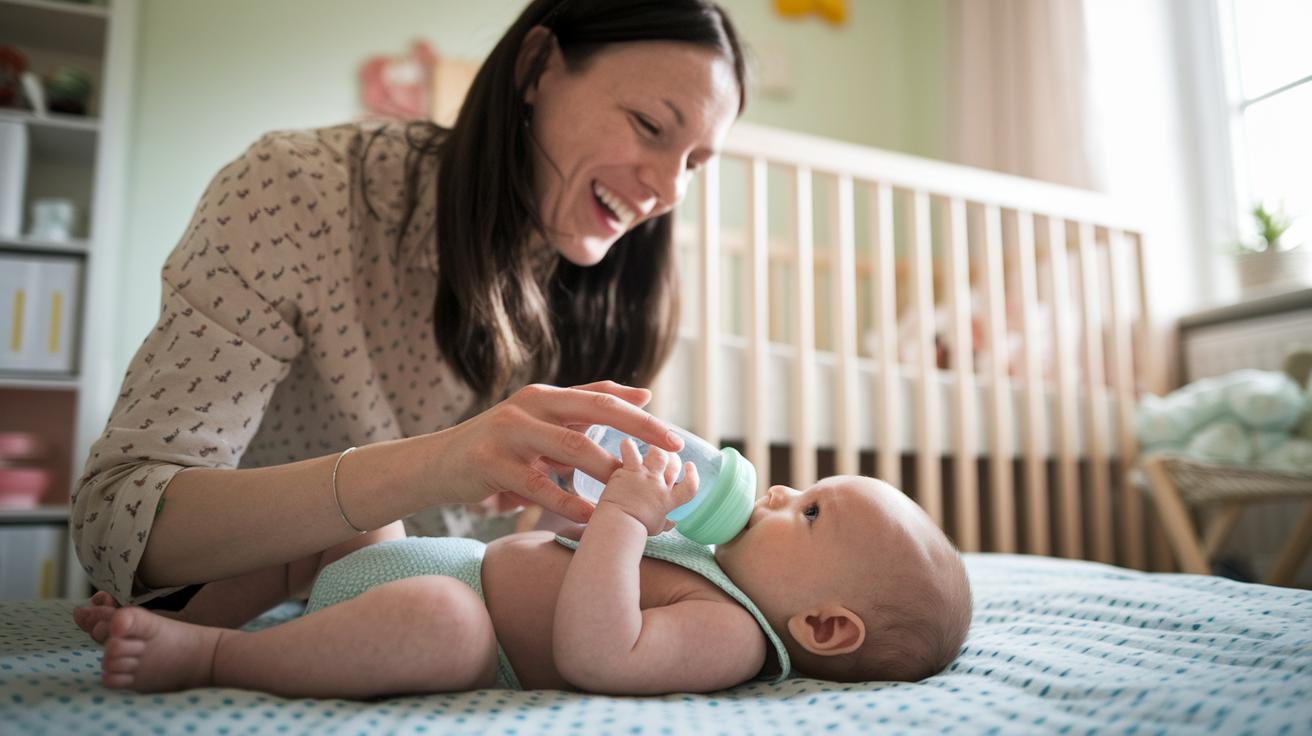
When your little one is dealing with diarrhea, the number one goal is to keep them well-hydrated. You might notice fewer wet diapers, sunken cheeks, a dry mouth, or even no tears when they cry. These signs are little signals that your baby might need extra fluids.
To help your baby feel better, follow the same careful rehydration steps from the Essential Infant Diarrhea Diet Guidelines. If you see signs of dehydration, try giving small sips, about 5 to 10 mL, every 5 minutes while continuing their regular breastmilk or formula feeds.
Here are some friendly fluid options you can offer:
- Breastmilk or formula
- Oral rehydration solutions (like Pedialyte, available as a liquid, popsicle, or powder)
- Clear chicken or vegetable broth
- Diluted apple or pear juice
- Pediatric electrolyte drinks
Foods to Avoid in an Infant Diarrhea Diet
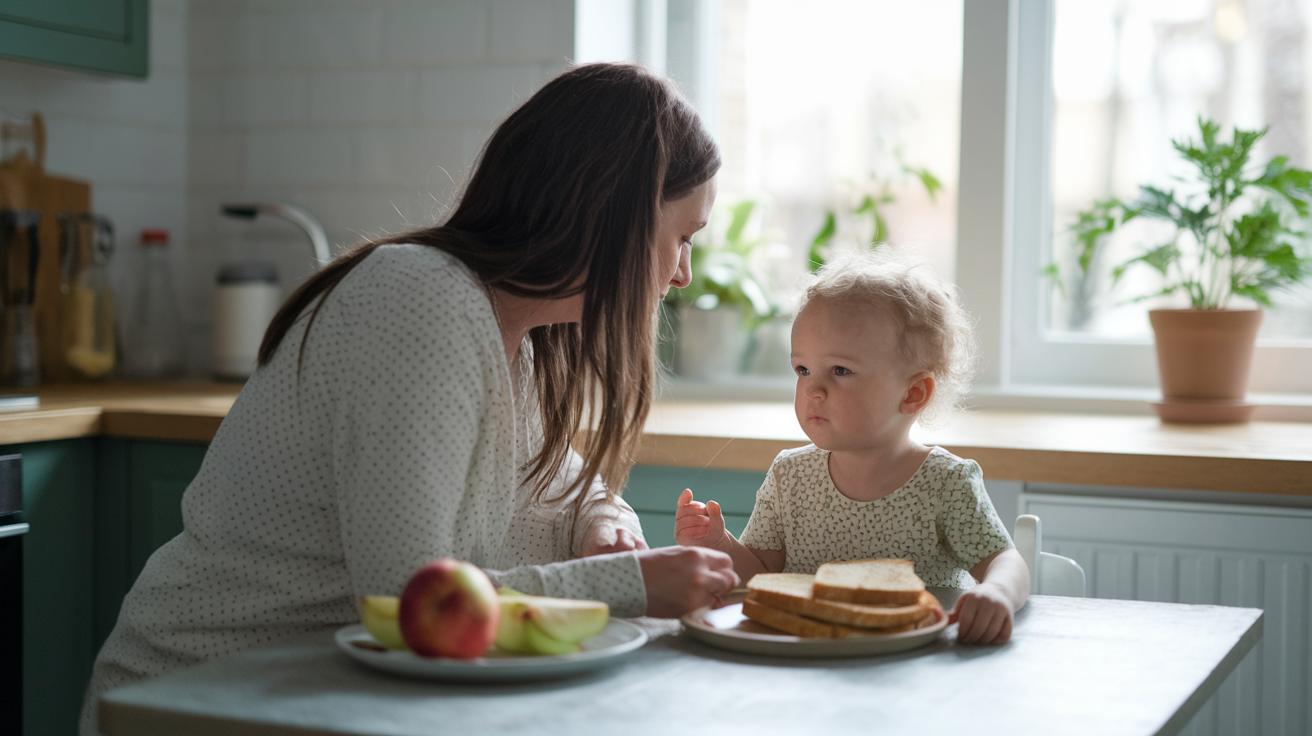
When your little one has diarrhea, simple changes in foods can really help soothe their tummy. It’s best to skip foods that are high in fiber, like beans, raw vegetables, and whole-grain cereals, because they might keep the stools loose. Think of it like easing pain by slowly removing a small splinter.
You should also avoid sugary or fizzy drinks, strong fruit juices, and greasy foods as these can upset a sensitive stomach even more. And if your baby seems to have trouble with dairy, it’s a good idea to stay away from cow’s milk and other high-lactose dairy products for now.
For a gentle recovery, try to serve meals that are plain, no artificial colors, extra salt, or spicy seasonings, so their little belly can calm down and focus on healing.
- Beans, raw vegetables, and whole-grain cereals
- Sugary or fizzy drinks, and strong fruit juices
- Greasy foods and high-lactose dairy products
Pediatric Care and Support for Infant Diarrhea Diet
If your little one has diarrhea for more than one day or shows signs like constant vomiting, blood in the stool, no tears when crying, or if their eyes seem sunken, it’s a good idea to call your pediatric care provider right away. These are signals that your baby might need special care.
After taking steps to help your baby get plenty of fluids, your pediatrician will usually recommend reintroducing a gentle, balanced diet bit by bit. This means you can start with small, steady feedings that your doctor feels are safe for your child. And if you notice that the symptoms continue or if new concerns pop up, don’t hesitate to reach out to your healthcare provider or schedule a telehealth visit. They might guide you by saying, "Keep offering small feedings and watch closely for signs that your baby is staying hydrated and comfortable."
While your baby is recovering, it can help to keep track of little details like weight changes, the number of wet diapers, and differences in stool consistency. Your pediatrician may suggest moving back to regular, balanced meals only after your baby has shown they can handle a moderate serving size. This way, you have one less worry, knowing that expert help is just a phone call away if anything feels off.
Final Words
In the action, we reviewed guidelines for an infant diarrhea diet, covering quick rehydration, balanced age-appropriate meals, and foods to avoid that might worsen symptoms. We emphasized clear steps to prevent dehydration while ensuring necessary nutrients and gentle foods didn’t overwhelm little tummies.
Taking small steps in daily feeding routines can bring comfort and support when managing these delicate moments. With expert advice and a caring community, you can feel good about keeping your baby safe and healthy.
FAQ
How to stop diarrhea in babies fast?
Stopping diarrhea in babies fast means starting with constant rehydration. Begin offering small amounts of oral rehydration solutions, along with familiar fluids, to keep dehydration at bay and ease symptoms.
What should I give my baby for diarrhea, including teething cases and different ages?
For babies with diarrhea, whether teething or at one or two years old, begin with fluids like Pedialyte and breastmilk. Gradually introduce bland, age-appropriate foods such as mashed bananas, rice water, and applesauce.
What about using the BRAT diet for babies with diarrhea?
The BRAT diet—bananas, rice, applesauce, toast—was once common but now is seen as too limited in calories and nutrients. Experts recommend a balanced diet after rehydration.
What should be given if a baby has diarrhea and vomiting?
Treating diarrhea and vomiting means starting with frequent, small sips of rehydration fluids once vomiting steadies. Then, as comfort returns, slowly reintroduce bland, easy-to-digest foods.
Is there medicine to stop diarrhea in babies?
Typically, medicine to stop diarrhea in babies isn’t recommended unless prescribed by a pediatrician. The focus stays on proper rehydration and supportive care until natural recovery begins.
How can bananas help a baby with diarrhea?
Bananas help because they are gentle and provide potassium. Including mashed bananas in a bland feeding plan supports gut recovery while replenishing essential nutrients lost during diarrhea.
What foods should I avoid if my baby has diarrhea?
Avoid high-fiber foods, full-strength juices, sugary, greasy, or fatty items as these may worsen diarrhea by irritating the digestive system and hindering recovery.
Why is the BRAT diet no longer recommended for babies with diarrhea?
The BRAT diet is no longer recommended because it lacks enough calories and key nutrients. Modern guidelines favor a balanced diet after rehydration to support your baby’s overall growth and recovery.
How can I reduce my baby’s diarrhea?
Reducing your baby’s diarrhea involves careful rehydration with small, frequent fluid intakes and gradually returning to a balanced, age-appropriate diet, while monitoring for signs of dehydration and consulting a pediatrician if needed.