

Have you ever thought about how making your baby's meals at home could change the way you handle mealtime? Picture yourself preparing simple, nutritious purees from fresh, everyday ingredients so you know exactly what your little one is eating.
Homemade recipes bring a special, personal touch that you just can’t find in store-bought jars. Here, we’ll walk you through easy steps to create healthy, age-appropriate meals using the tools you already have in your kitchen.
This guide is like a friendly roadmap that covers blending, steaming, and storing meals that grow with your baby, all while helping you save money and feel confident with every spoonful.
Homemade Infant Food Recipes: A Complete Overview
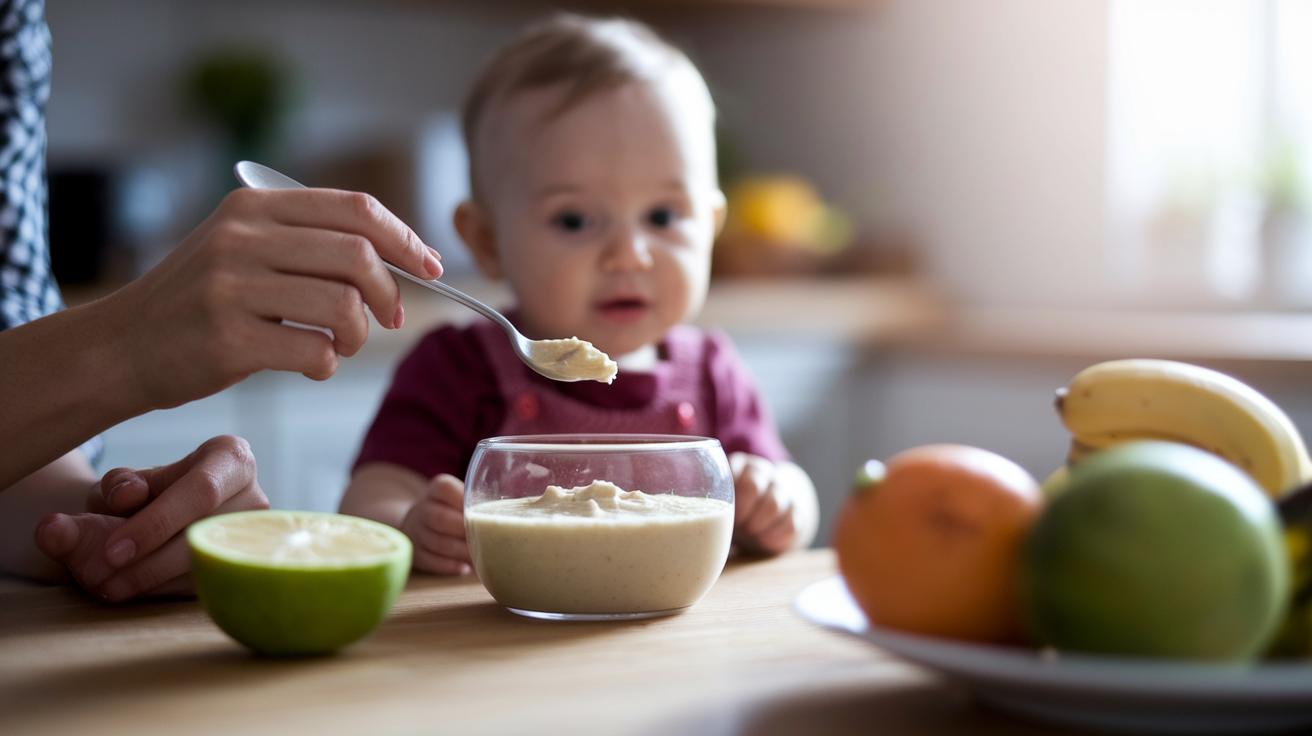
Homemade infant food recipes give you a simple way to make fresh, healthy meals for your baby using natural, whole-food ingredients. It’s so reassuring knowing you’re in charge of what goes into each dish. Imagine blending up a creamy avocado puree at home instead of reaching for a store jar. These recipes grow with your baby, making sure every meal is safe and just right for their age.
We organize these recipes by age. For babies 4 to 6 months old, start with smooth, one-ingredient purees. Then, between 6 and 9 months, try thicker blends that mix fruits and veggies. When your little one is 9 to 12 months old, they’re ready for textured purees and even soft finger foods. This approach not only boosts nutrition but also helps you save money and avoid unwanted additives, so you know your baby is getting the right vitamins and minerals every meal.
You don’t need fancy kitchen gadgets to get started, just a regular blender and a simple steaming method do the trick. And if you’re short on time, consider batch cooking; freezing purees in ice cube trays can make your day a lot easier. Picture this: whipping up a week’s worth of healthy meals with everyday tools and storing them in freezer bags labeled for up to three months of use! Homemade infant food recipes help keep costs low while giving you the peace of mind that every meal is prepared with genuine care.
Essential Ingredients and Nutrition for Homemade Infant Meals
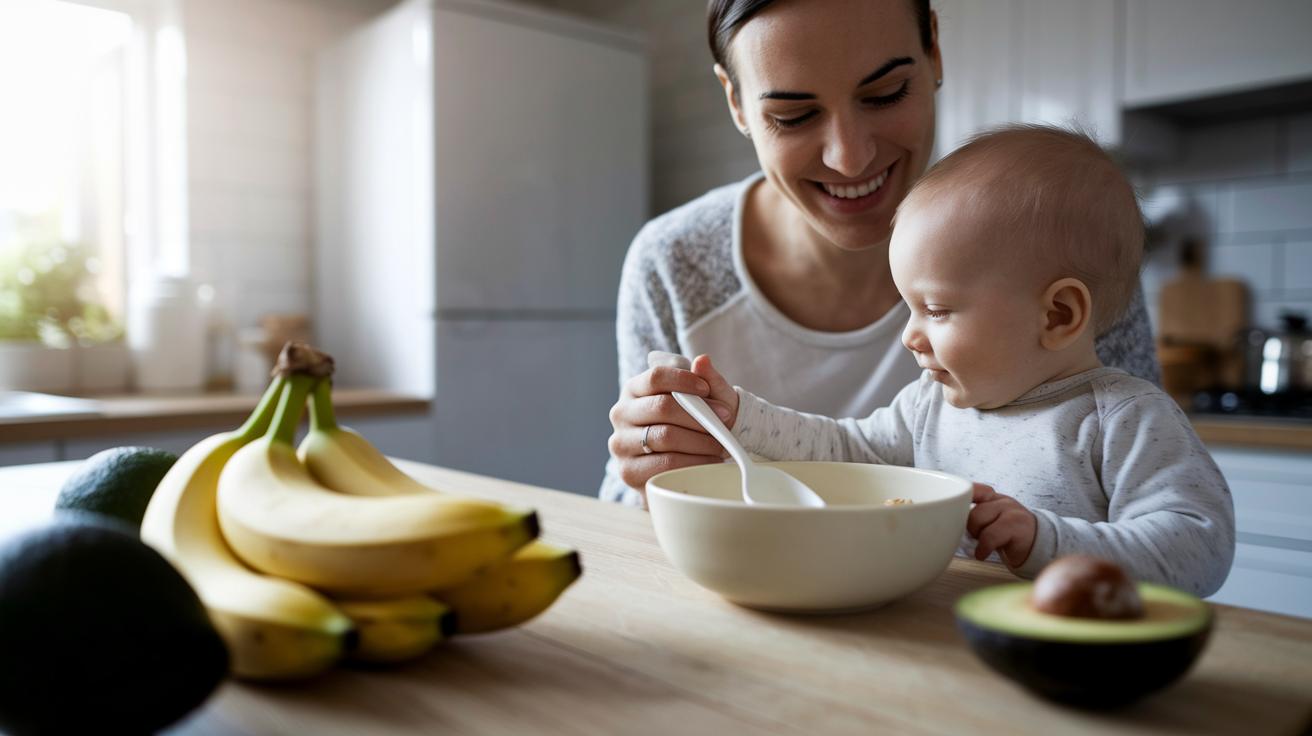
When picking ingredients for your baby's homemade meals, aim for produce at its peak. For example, bananas with a few brown spots are extra ripe and naturally sweet. Fresh, soft vegetables blend easily into smooth purees, and beans or lentils are a gentle source of protein. Avocado adds a creamy touch with healthy fats, while pureed meat or fortified cereal gives that needed iron boost. One little tip: try mixing avocado and banana, you might find it feels like a warm hug in a bowl.
When it comes to introducing new foods that might cause allergies, start with just a bit. Check first with your pediatrician before trying foods like peanuts or eggs. And if your baby shows a bit of sensitivity, simple swaps can help. For instance, you could use carrot instead of sweet potato to get that same touch of natural sweetness and texture. This careful blend of nutrients not only supports your baby's growth, but also sets the stage for exploring a variety of new flavors.
Tools and Methods for Preparing Homemade Infant Food Recipes

When it comes to making baby food at home, you only need a few basic tools. Start with a countertop blender that holds at least one cup, it’s perfect for creating smooth purees. And don’t worry about fancy equipment; a steamer or a simple pot on the stove will do just fine to soften vegetables. Imagine steaming carrots until they’re so tender that they blend into the creamiest puree you’ve ever tasted!
As your little one grows, you’ll want to adjust your techniques. For the earliest purees (often called Stage 1), just gently steam a single ingredient like sweet potato or pear until it’s soft. Then, once your baby is ready for a bit more texture (Stage 2), mix fruits and veggies together and use your blender on a pulse setting. A helpful guide once said to blend “until just smooth enough for your little one to swallow comfortably, keeping a few lumps for texture.” This way, you hold onto all those valuable nutrients and natural flavors.
Finally, consistency matters. After blending, you might need to thin out your puree. A little bit of formula, breast milk, or water usually does the trick, making the texture just right. For a busy day, you can even portion the puree into ice cube trays. When it’s time for a meal, simply pop out a cube or two, and you have a quick, nutritious snack ready without a fuss.
Stage-by-Stage Infant Food Recipes Homemade Guide

When your little one turns 4 to 6 months old, start with a simple puree made from one ingredient. Avocado, banana, or pear purees have a soft taste and smooth feel that is gentle on your baby’s tummy. It’s like giving a tiny whisper of nature’s goodness with every spoonful.
As your baby grows and reaches 6 to 8 months, you can mix in thicker blends of fruits and veggies. These blends offer a bit more texture and let your baby explore new sensations. Then, from 9 to 12 months, try adding textured purees and soft finger foods that allow your baby to start feeding themselves. Imagine your little one happily picking up fun, safe food pieces while discovering exciting new flavors.
| Stage | Age Range | Typical Foods | Consistency |
|---|---|---|---|
| Stage One | 4–6 months | Avocado, Banana, Pear | Smooth |
| Stage Two | 6–8 months | Fruit-Veggie Blends | Thicker with Lumps |
| Stage Three | 9–12 months | Textured Purees, Finger Foods | Chunky |
Sample Nutritious Infant Food Recipes Homemade

Sweet Potato Puree
This recipe is as simple as it sounds. First, take a baked sweet potato and peel off its skin. Cut it into small pieces and blend it with water or formula until it turns smooth. If the puree is too thick, you can add a bit more liquid to get the right consistency.
Carrot-Apple Blend
For this blend, start with a steamed carrot and a peeled apple. Chop both into small cubes and steam them together for about 10 minutes until they become soft. Then, blend the soft pieces with a splash of water until you achieve a smooth, silky texture. Check the flavor for natural sweetness and serve it warm.
Pear-Banana Mash
This mash celebrates the natural flavors of fresh fruits. Core and slice a ripe pear, then mash it together with a banana using a fork or a quick pulse in a blender. Leaving a few small lumps can be fun for your baby’s developing taste buds. Serve it right away for the freshest taste.
Mixed Veggie Medley
This medley brings a mix of flavors and textures. Wash and chop carrots, zucchini, and peas into pieces that are about the same size so they cook evenly. Steam all the vegetables together for about 8 minutes until they’re tender, then blend them together, you can leave a little texture if you like. Let the mixture cool to a safe temperature before serving.
Corn Puree
Corn puree is a naturally sweet treat that’s also fun for little fingers. Boil fresh corn kernels in water for around 5 minutes, then blend them until the mix becomes smooth. If you prefer an extra silky consistency, strain the puree. Allow it to cool first and then enjoy serving this as a gentle introduction to finger food.
Batch Cooking and Storage for Homemade Infant Meals

Batch cooking homemade meals for your little one means you can whip up a whole week's supply of fresh purees in one go. First, cook and blend your favorite fruits or veggies until they're smooth. Next, pour the puree into ice cube trays. Once the cubes are frozen solid, move them into freezer bags with clear labels. This way, you can keep each portion safely for up to three months. Imagine grabbing a cube of carrot-apple blend on a hectic morning, it's like a tiny, nutritious treat ready to go. Plus, by prepping ahead, you free up more time to enjoy moments with your family.
When you're ready to serve, simply let a cube thaw in the fridge overnight or warm it up in a bowl of warm water so it reaches the perfect temperature. Avoid the microwave; its uneven heating might leave little hot spots in your baby's food. Taking these gentle steps ensures the texture stays smooth and each bite remains safe and full of flavor. It's all about adding a bit of ease and peace of mind to your day while making delicious, healthy meals for your baby.
Troubleshooting and Tips for Infant Food Recipes Homemade
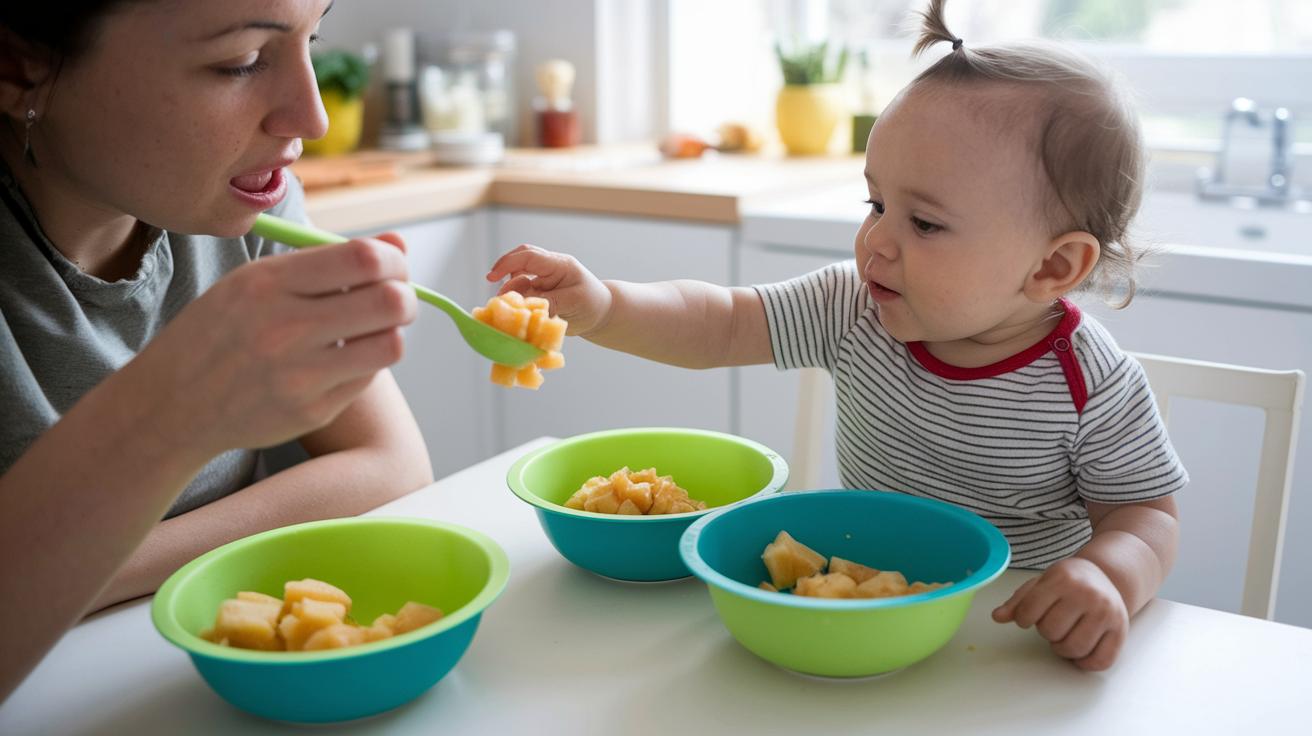
When you try a new ingredient, give it 3 to 5 days to see how your baby feels about it. Start with one food at a time and watch closely for any signs of discomfort. If something doesn't seem right, take that food out and wait a few days before trying it again.
Keep your recipes simple and natural, avoid adding extra sugar or salt. If your puree seems too runny, mix in a bit of rice cereal (it helps thicken things up nicely). This little trick can make a big difference in getting the right texture.
As your baby grows and enters Stage Three, you might try offering tiny pieces that they can pick up by themselves. This not only makes meal time fun but also helps them learn how to self-feed and build motor skills.
You can also add a pinch of a mild spice, like cinnamon, for a hint of flavor. Just use it lightly so it doesn't overpower your baby's taste. Taking your time and checking in with your baby as you introduce new foods helps you manage any allergies and makes meal times both healthy and enjoyable.
Final Words
In the action, this post walked through making wholesome meals from scratch, from picking fresh fruits and veggies to mixing up purees with a simple blender. We covered step-by-step methods for various stages of your baby’s eating habits and smart storage ideas that fit a busy lifestyle. The tips on troubleshooting and improving textures remind you that each small effort matters. Enjoy the process of creating infant food recipes homemade that suit your baby's needs and bring a sense of joy and confidence to mealtime!
FAQ
How can I make baby food for 6-8 months?
The baby food for 6-8 months often starts with thicker purees that blend fruits and veggies. These recipes are simple, prepared with a regular blender, and offer gentle, nutritious meals for your little one.
How are baby food recipes for 12-18 months different?
The baby food recipes for 12-18 months include textured purees and small finger foods to encourage self-feeding. These recipes may also have mild spices, including ideas for Indian baby meals, making them both tasty and safe.
What homemade baby food should I introduce first?
The best first homemade baby food is usually a single-ingredient puree like banana or avocado. These gentle foods support your baby’s digestion and allow you to monitor any new food sensitivities.
Is homemade baby food really cheaper than store-bought options?
Homemade baby food can save money because you control the ingredients, batch cook meals, and avoid the extra cost of additives found in store-bought products.
What does the 2 day rule for baby food mean?
The 2 day rule means you should use freshly made baby food within two days when stored in the refrigerator, keeping each meal safe and ensuring it retains its nutrients.
What easy homemade recipes work for 6-month-old infants?
Easy recipes for 6-month-olds include simple purees like mashed banana, avocado, or steamed carrot. These recipes are nutrient-rich and smooth, perfect for your baby’s growing needs.


