Ever notice how a simple meal can brighten your day? If you’re breastfeeding, try foods rich in vitamin D (which helps build strong bones) to support both you and your little one. Imagine enjoying a piece of grilled Atlantic salmon or a bit of UV-enriched egg yolk with breakfast, each bite gives you a tasty boost. This guide shares smart food ideas to help you feel strong while caring for your baby. Every bite is a warm reminder that good food nurtures both you and your baby’s growth.
Top Vitamin D Rich Foods for Breastfeeding Mothers
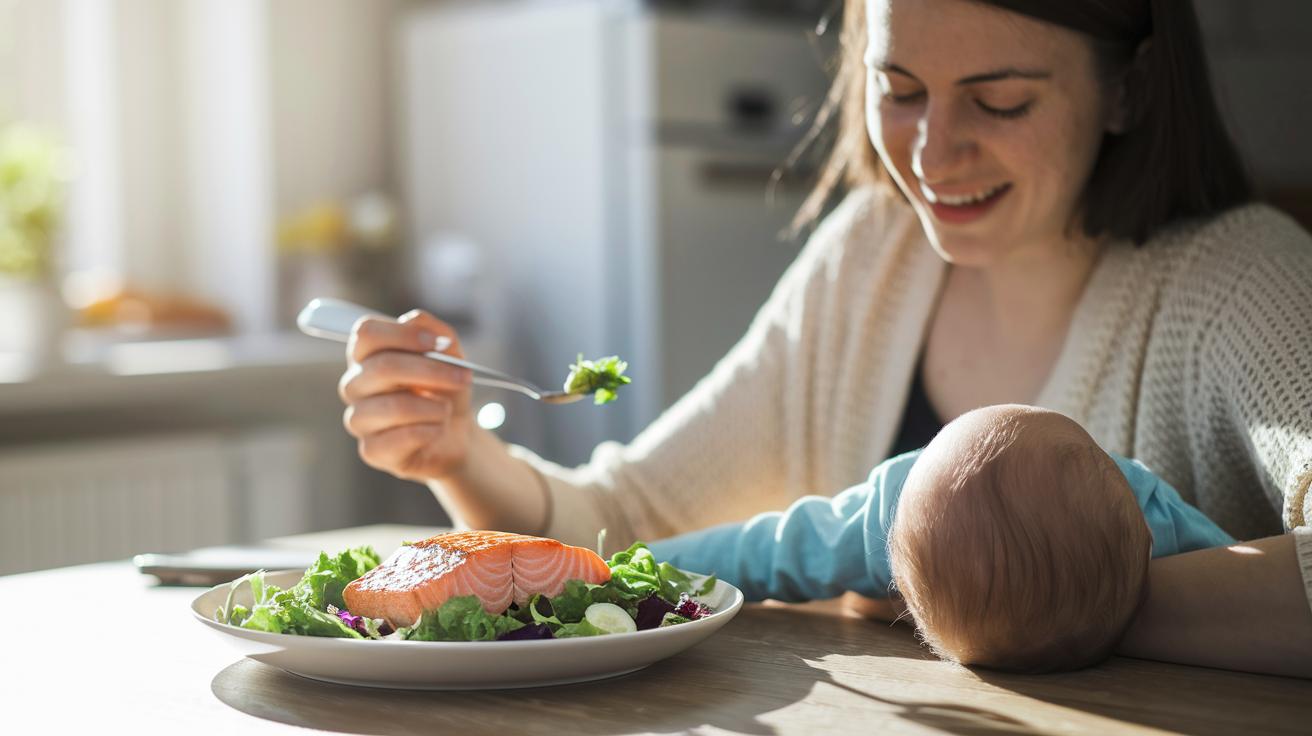
Adding foods that are full of vitamin D to your meals is a simple and comforting way to support both your bone strength and your baby’s growing frame. Imagine a warm, grilled salmon salad – just a little bite of 100 grams of farmed Atlantic salmon gives you 441 IU, which is about 55% of what you need each day. And even small tweaks, like sprinkling UV-enriched egg yolks on your morning meal, can give your day a tasty boost of vitamin D.
Here’s a friendly guide to some great food choices for nursing moms:
| Food | Serving Size | Vitamin D (IU) | %DV |
|---|---|---|---|
| Farmed Atlantic Salmon | 3.5 oz (100 g) | 441 | 55% |
| Fresh Atlantic Herring | 100 g | 167 | 20% |
| Canned Light Tuna | 100 g | 269 | 34% |
| Cod Liver Oil | 1 tsp | 450–1,360 | Varies |
| UV-Enriched Egg Yolk | 1 yolk | 50 | ~6% |
| UV-Exposed Mushrooms | 1 cup sliced | 366 | 46% |
| Fortified Cow’s Milk | 1 cup (248 g) | 111 | 14% |
| Fortified Orange Juice | 1 cup | 100 | 12% |
When you include these foods in your everyday plan, you're not only treating your taste buds but also giving your body and baby the vitamin boost they need. Each serving is a small, caring step toward keeping both you and your little one healthy.
Benefits of Vitamin D for Breastfeeding Maternal and Infant Health

Vitamin D is like a little helper for you and your baby. It makes it easier for your body to absorb calcium, which builds your strong bones and helps your baby's bones grow healthy and sturdy. And when you boost your vitamin D, your breast milk naturally fills up a bit more of this important nutrient.
Imagine this: one bite of vitamin D-rich food can brighten your day and bring a smile to your baby's face. When you enjoy foods like salmon, egg yolks, or mushrooms that have soaked up some sunshine, you're not just taking care of your own recovery, you’re also giving your baby essential nutrients. This nutrient helps lower the chance of problems like rickets in infants and issues like weak bones in adults.
Plus, having a good level of vitamin D supports your immune system, which might help reduce risks like high blood pressure and some autoimmune conditions. Every nutrient you add to your meals is a gentle, caring gift to both you and your baby, making everyday meals feel extra nurturing.
Incorporating Vitamin D Foods into a Breastfeeding Meal Plan
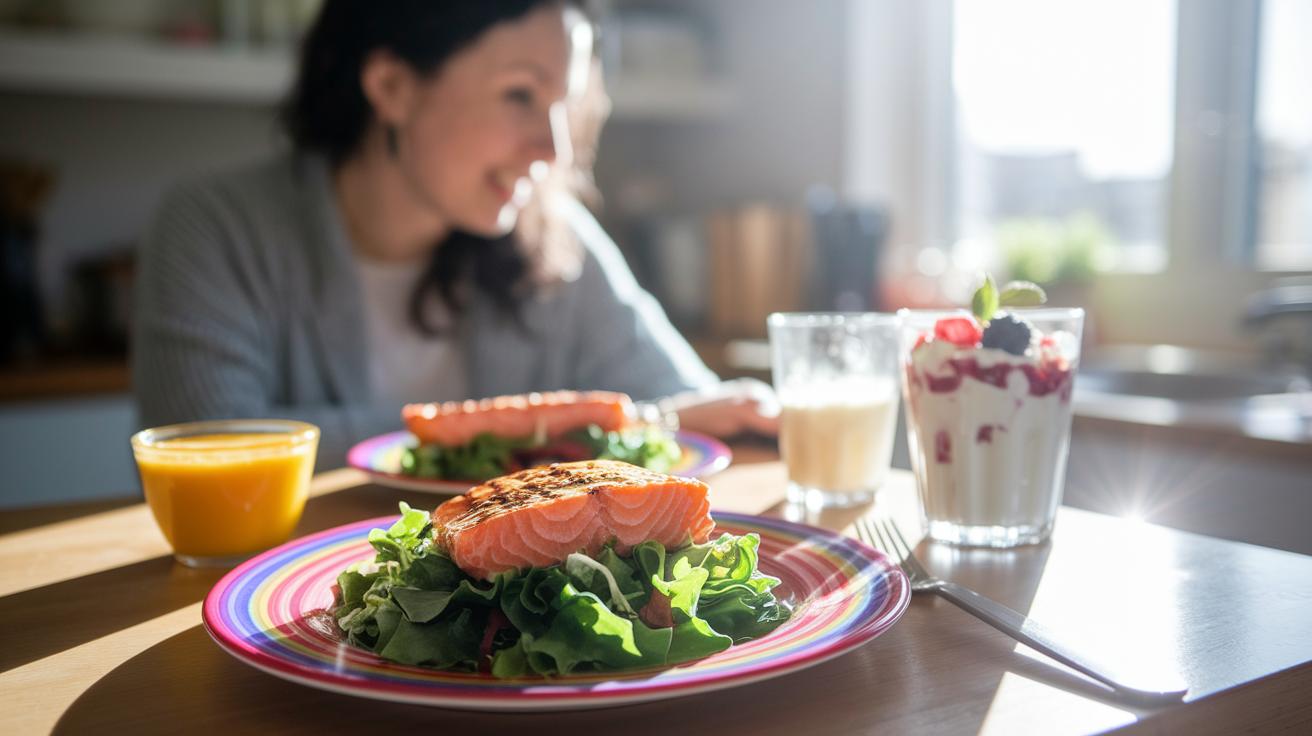
Picture starting your day with a meal that not only fills you up but also gives you a lovely boost of vitamin D. A small change in your meal plan can really brighten your mood and add a key nutrient that supports both you and your baby. Think of each meal as a little act of self-care where every ingredient matters.
Here are some simple ideas to help you include more vitamin D in your day:
- Grilled salmon salad (50 g salmon gives about 220 IU)
- A yogurt parfait with berries made with fortified yogurt (80–100 IU)
- Scrambled eggs with mushrooms that have been exposed to sunlight (150 IU per 2 eggs plus ½ cup mushrooms)
- Fortified cereal paired with one cup of milk (100–120 IU)
- A refreshing smoothie made with fortified orange juice and Greek yogurt (100–150 IU)
- A quick snack of crackers and light tuna (50 g tuna provides roughly 135 IU)
Each option is designed to easily become part of your busy day while also caring for your body. For instance, whipping up that tuna-cracker snack can be a quick and satisfying break that keeps you nourished. And why not mix up a breakfast smoothie for a burst of freshness and variety? If you’re looking for more guidance, you can check out the breastfeeding mother diet chart for more printable, weekly meal-planning ideas.
Safety and Intake Recommendations for Vitamin D Rich Foods During Lactation
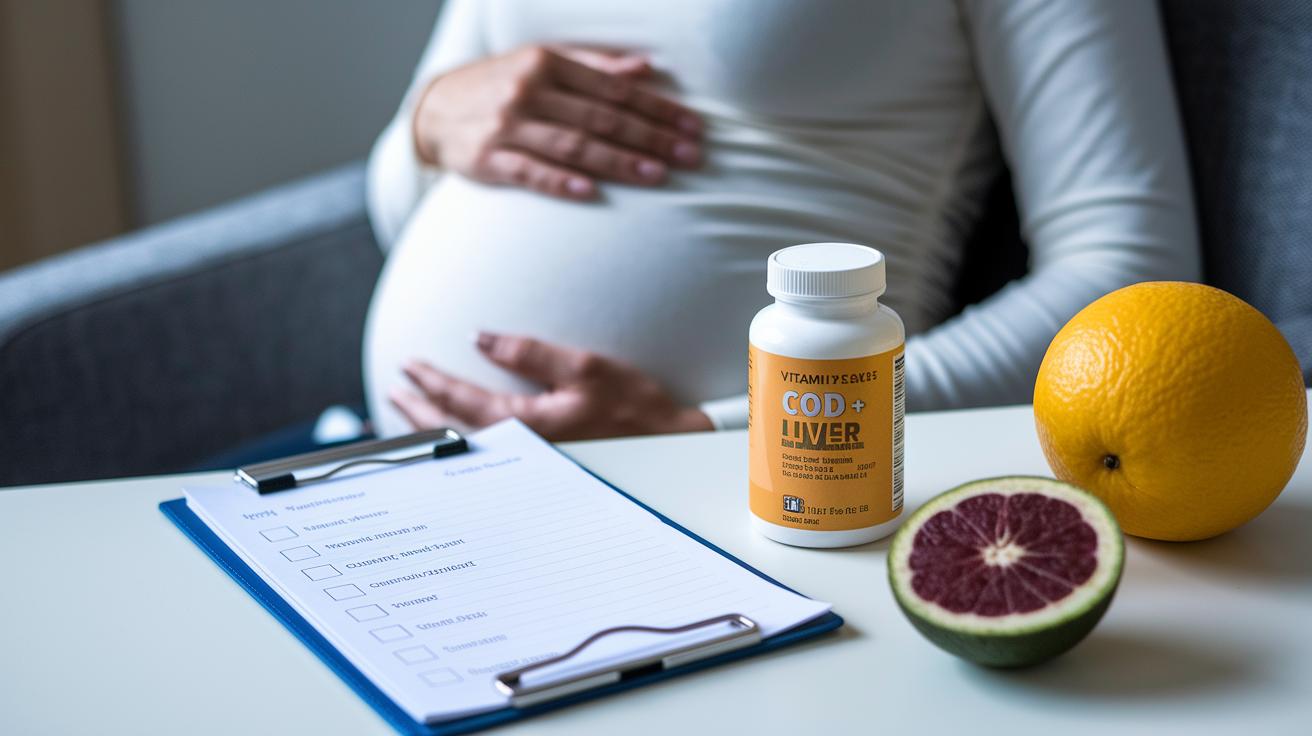
Vitamin D is really important for both you and your baby, but it’s best to stick to safe daily amounts. For most adults, that means keeping under 4,000 IU a day. You definitely want to avoid going over 10,000 IU on a regular basis since that could raise the risk of vitamin D buildup over time.
Cod liver oil is packed with vitamin D, but it also contains extra vitamin A. So, always follow the dosing instructions on the bottle to keep things balanced and avoid taking too much vitamin A.
When you’re choosing fish, try to pick ones that are lower in mercury, like salmon, herring, or light tuna. It’s a good idea to steer clear of fish known for higher mercury levels, such as shark and king mackerel.
A little bit of summer sunshine, about 15 to 20 minutes, can help your body make between 10,000 and 20,000 IU of vitamin D. Still, relying on food sources for vitamin D is a smart way to keep you and your baby safe from sunburn while still meeting your nutritional needs.
Comparing Dietary Sources with Maternal Supplementation Strategies

When you're breastfeeding, you might wonder how to make sure both you and your baby have enough vitamin D. There are two main ways to do this: by adding vitamin D-rich foods to your diet or by taking a higher dose supplement yourself. Usually, babies get about 400 IU of vitamin D3 a day from a supplement drop. But here's something surprising: studies found that if moms take between 4,000 and 6,400 IU daily, their milk can naturally offer almost all the vitamin D a baby needs. In one study, moms who took 6,400 IU were able to provide nearly enough vitamin D in their milk, so the baby didn’t need extra drops!
It’s important not to mix these approaches to avoid giving too much vitamin D. You could choose one way, either boost your own vitamin D with food and supplements or use drops for your baby, so you stay within safe limits. It really helps to talk with your doctor about what fits best with your eating habits and health needs. This way, you support your recovery and help your baby grow strong and healthy.
Monitoring Vitamin D Status in Nursing Mothers and Babies

Keeping track of your vitamin D levels is such an important step for your recovery and for your baby's healthy growth. When your test shows a serum 25(OH)D₃ level below 20 ng/mL, it means you or your little one might not be getting enough vitamin D. For moms with less sun exposure or those with darker skin, it’s a good idea to check these levels during your postpartum visit.
It can feel really comforting to repeat these tests every 3 to 6 months. That way, if anything changes, you and your healthcare provider can adjust your diet or supplements to make sure your vitamin D stays in a safe range. Regular testing is a simple, proactive way to care for both you and your baby during this special time.
Final Words
In the action, this article sheds light on a variety of nutrient-packed choices, from salmon recipes to fortified products, that boost maternal vitamin D. It covers the benefits for both mom and baby, along with tasty meal ideas and safety tips. Each section is designed to help you more confidently build a meal plan that includes vitamin D rich foods for breastfeeding mothers. Enjoy exploring these options and feel reassured that every small step brings you closer to thriving together.
FAQ
What is the recommended vitamin D for breastfeeding mothers and which vitamin D should breastfeeding moms use?
The recommended vitamin D for breastfeeding mothers generally follows guidelines up to 4,000 IU per day. Your doctor can help adjust your intake based on your personal needs and dietary sources.
What are the signs of vitamin D deficiency in breastfeeding mothers and can breastfeeding cause vitamin D deficiency?
The signs of vitamin D deficiency in breastfeeding mothers include fatigue, bone pain, and muscle weakness. Breastfeeding itself doesn’t cause deficiency—it’s low intake and limited sun exposure that can lead to low levels.
Is it safe to take vitamin D while breastfeeding?
It is safe to take vitamin D while breastfeeding when you stick to the recommended doses. Always check with your healthcare provider to make sure you’re taking the right amount for you and your baby.
What is the safety of high-dose vitamin D for breastfeeding mothers, like taking 50,000 or 60,000 IU?
High-dose vitamin D, such as 50,000 or 60,000 IU, is generally not recommended unless your healthcare provider prescribes and monitors it closely, as long-term high doses may lead to toxicity.
What are the potential side effects of vitamin D for breastfeeding mothers?
Some breastfeeding mothers may experience mild side effects like nausea or stomach discomfort if they consume too much vitamin D. Following guidelines and consulting your doctor minimizes any risk.
What foods are high in vitamin D for breastfeeding mothers?
Vitamin D-rich foods for breastfeeding mothers include fatty fish like salmon, UV-exposed mushrooms, egg yolks, fortified milk, and fortified orange juice, all of which help support healthy vitamin D levels.
How can breastfeeding mothers get enough vitamin D?
Breastfeeding mothers can boost vitamin D by eating vitamin D–rich foods, taking supplements if advised, and enjoying safe sun exposure, all of which help maintain adequate levels for them and their babies.
Which fruit is best for vitamin D intake while breastfeeding?
Fruits aren’t significant vitamin D sources, but fortified orange juice delivers some vitamin D, making it a useful option to support your overall nutrition while breastfeeding.