Have you ever noticed how one day your baby's smile seems extra bright and the next they roll over for the first time? This friendly guide shows you an easy-to-follow chart that tracks all those special moments from birth to 12 months.
We break down how your little one grows in moving, thinking, talking, and playing with simple steps. Each mark on the chart celebrates a new, happy milestone.
Take a peek and see how every tiny step helps build a future full of smiles and sweet surprises.
Comprehensive Infant Milestone Growth Chart for Easy Monitoring
This chart shows a friendly timeline of your baby's growth from birth to 12 months. It covers four key areas: motor skills, thinking, language, and social interactions. When your baby is born, you'll notice natural reflexes like rooting and sucking. Soon, around one month, they start recognizing faces, and by two months, many babies begin cooing and following moving objects with their eyes. At three months, they can tell familiar faces apart, and by four months, a sparkle of alertness and early laughter begins to shine. It’s a gentle record to help you celebrate every little step as your baby grows.
As your little one continues to develop, you might see exciting signs like self-entertaining behavior by five months and rolling over anytime between four and six months. At seven months, your baby may start dropping toys to explore, and by eight months, some even pull up to stand before they crawl. Then around nine months, you’ll notice more babbling along with a hint of stranger wariness. By ten months, they often show a neat pincer grasp and love cruising along furniture, while eleven months might bring crawling on different surfaces. At 12 months, you may see simple gestures like waving or nodding. Remember, every baby is unique, and these milestones can happen at their own special pace.
| Age | Motor Milestone | Cognitive Milestone | Language Milestone | Social Milestone |
|---|---|---|---|---|
| Birth | Rooting and sucking reflexes | Basic sensory awareness | – | Calming responses |
| 1 month | Limited head control | Begins to recognize faces | – | Initial social responses |
| 2 months | Lifts head briefly | Tracks objects | Cooing starts | Social smiling |
| 3 months | Improved head control | Distinguishes familiar faces | Vocal sounds evolve | Engages with caregivers |
| 4 months | Pushing up during tummy time | Shows increased attention | Small vocalizations and giggles | Enjoys interactive play |
| 5 months | Reaches and grasps objects | Self-entertaining behavior | Exploratory sounds | Smiles broadly |
| 6 months | Rolls over (4–6 months) | Understands cause and effect | Begins babbling | Reacts to social cues |
| 7 months | Sits with support | Drops objects to explore | Babbling improves | Observes strangers |
| 8 months | Pulls to stand | Explores environment | Uses varied sounds | Shows interest in others |
| 9 months | May begin crawling | Problem-solving emerges | Babbling continues | Displays stranger wariness |
| 10 months | Cruises while holding on | Recognizes familiar people | Attempts simple word sounds | Enjoys interactive play |
| 11 months | Crawls on different surfaces | Improved memory skills | Uses gestures with vocal sounds | Engages in social play |
| 12 months | May begin walking | Forms simple understandings | Waving or head shaking | Shows independent play |
How to Read Your Infant Milestone Growth Chart
This chart is like a helpful friend that walks you through your baby’s early steps. It covers four key areas, motor, cognitive, language, and social, and shows you when special moments, like rolling over or making cooing sounds, might happen.
You can make this guide truly yours by adding dates and little notes. For example, you might jot down “Baby rolled over on May 6” next to the 4–6-month mark. This little habit helps you see your baby’s progress over time and notice little patterns as they grow.
Remember, every baby moves through these stages in their own way. One baby might be quick to crawl, while another takes a bit more time with making sounds. These notes are a gentle reminder that every journey is unique, just like your little one.
By marking each milestone and adding short comments about every new skill, you create a beautiful record of your baby’s first joyful steps. Isn’t it amazing to look back and see how far your baby has come?
Motor Skill Benchmarks in the Infant Milestone Growth Chart
When it comes to your baby’s movements, there are two big groups to know about: the larger, sweeping moves and the smaller, finer touches. The larger moves, also known as gross motor skills, include actions like lifting their head, rolling over, and sitting on their own. Many little ones start lifting their head by 2 months and begin to roll over by around 6 months. It’s truly heartwarming to watch them go from simple tummy-time head lifts to rolling and then sitting without a hand to hold them.
The smaller moves, or fine motor skills, are all about using those little fingers. At birth, babies have a natural grip reflex, meaning they automatically grab things. Then, around 5 months, you might see them using a “raking” grasp, where they try to pick up objects with their fingers. Between 9 and 10 months, they often start using a pincer grasp, using the thumb and finger together, or simply point at things. These early attempts during gentle tummy time or playful moments are precious milestones. If you’re curious to learn even more, here’s a helpful resource on infant motor milestones.
| Milestone Category | Typical Age Range | Example Skill |
|---|---|---|
| Gross Motor: Lifts head | 2 months | Head lift during tummy time |
| Gross Motor: Rolls over | 4–6 months | Rolling from tummy to back |
| Gross Motor: Sits unsupported | ~8 months | Sits steadily without help |
| Fine Motor: Grasp reflex | Birth | Automatically grasps objects |
| Fine Motor: Raking grasp | 5 months | Grasps objects with fingers |
| Fine Motor: Pincer grasp | 9–10 months | Picks up small items using thumb and finger |
Cognitive and Language Milestones in Your Infant Chart
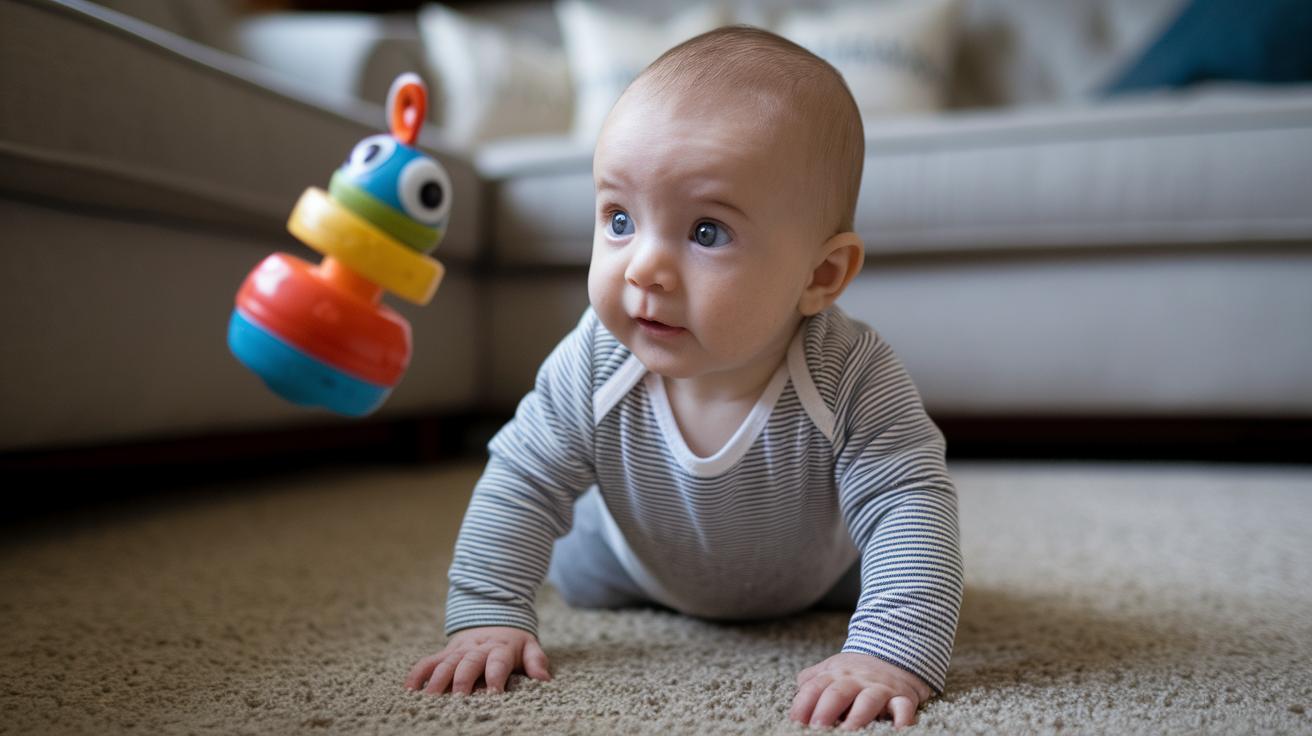
By two months, your baby starts to track moving objects with bright, eager eyes. This simple act shows early building blocks of thinking that will help with problem-solving later on. For example, a quick glance at a fluttering toy might mean your baby is already starting to remember and notice details.
Around seven months, many little ones begin to play with their toys by dropping them, just to see what happens. This playful experiment is a fun way for your baby to learn that things can change when you do something. It’s like a gentle, hands-on lesson in cause and effect.
Language skills bloom gradually, from soft cooing at two months to cheerful babbling by nine months and even first words around 12 months. For more details, check out infant language milestones. Chatting with your baby during everyday moments makes each milestone feel even more special.
At six months, your little one might start to recognize their name and familiar objects, showing a growing awareness of the world. Reading stories, having simple conversations, and enjoying playful interactions all help nurture these emerging skills and strengthen your special bond.
Social and Emotional Indicators in Infant Milestone Growth Chart
Watching your baby grow is such a gentle journey. You might notice that by just a few months old, they begin to smile at those around them, starting to connect in little moments that melt your heart. Come six months, many infants love simple games of peekaboo, and by nine months, you could see a bit of caution when meeting new faces, an early sign that they’re building social awareness.
On the emotional side, your baby’s little laugh at around four months is a true burst of joy. They also start picking up on simple self-soothing methods by eight months, like maybe reaching for a favorite blanket or giving a soft hug to a cherished toy. And when that tiny hand waves at around one year, it’s a sweet tip of the hat to their growing ability to show how they feel.
It’s all part of the adventure of exploring the world. A little wandering and even a touch of separation anxiety mean your child is beginning to think on their own. Taking time to play together in ways that fit their age can help them feel safe and encourage their curiosity. Every new milestone brings a little more insight into their blossoming personality, filling you with warmth and hope.
Month-by-Month Timeline of Infant Milestones: Joyful Steps Ahead
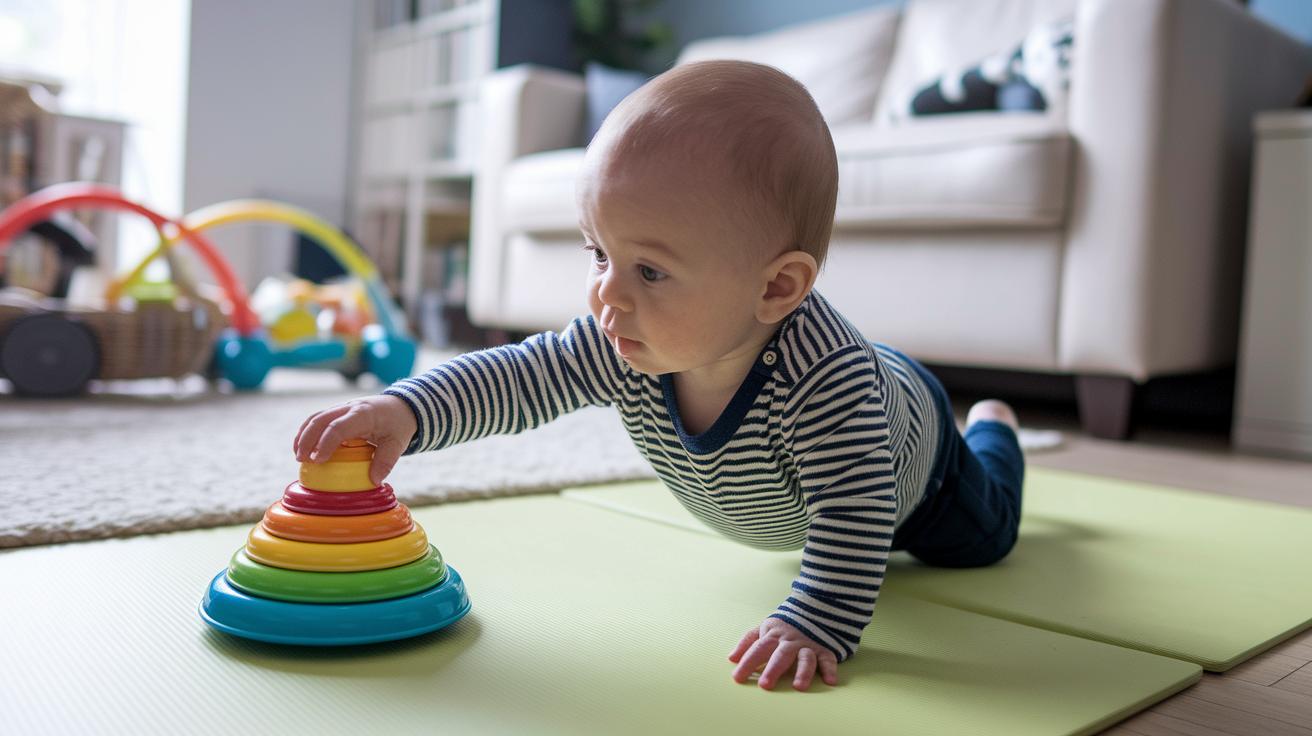
Watching your little one grow is a heartwarming adventure. In month one, your baby might softly recognize familiar faces, and by month twelve, you could see that joyful wave of hello or goodbye. Every milestone, from tummy time rolling to first steps, has its own little story. Keep in mind that while many babies start sitting between 4 and 7 months, walking can happen anytime between 9 and 18 months.
| Month | Key Motor | Key Cognitive | Key Language | Key Social |
|---|---|---|---|---|
| 1 | Basic head control | Recognizes faces | Cooing begins | Calm interaction |
| 2 | Improving head lift | Tracks objects | Soft vocal sounds | Responsive smiles |
| 3 | Rolls onto back | Begins visual focus | Pleasant gurgles | Engages with caregivers |
| 4 | Better control during tummy time | Shows curiosity | Vocal variations | Smiling at familiar faces |
| 5 | Sits with help | Observes surroundings | Playing with sounds | Interactive look |
| 6 | Improved trunk stability | Notices patterns | Varied cooing | Enjoys playful moments |
| 7 | Passes objects hand-to-hand | Explores cause and effect | Emerging babble | Observes others |
| 8 | Better balance when sitting | Shows memory cues | Experiments with sounds | Responsive interaction |
| 9 | Starts crawling | Begins problem-solving in play | Continued babbling | Notices new faces |
| 10 | Improved mobility | Makes connections | Emerging words | Social exploration |
| 11 | Cruising on furniture | Recognizes known people | Trying new sounds | Interactive gestures |
| 12 | Stands on own | Simple understanding | Waves or head shakes | Joins in social play |
When to Consult a Professional Based on Your Infant Milestone Growth Chart
If your baby hasn’t shared a social smile by three months, it might be a good idea to check in with a professional. Every baby grows at their own pace, and missing this early social cue can be a hint that it’s worth having things looked at. It’s really all about giving you peace of mind.
When your little one hasn’t developed steady head control by four months, it might mean their motor skills need a bit more time to catch up. Watching these early signs helps you see how they're building strength and coordination. Chatting with a healthcare provider can give you useful tips and support as your baby works on these skills.
By six months, many babies start to roll over. If your baby hasn’t begun rolling by this stage, it could be a sign that extra monitoring is a good idea. A trusted healthcare provider can check on how your baby moves overall and offer advice that fits your child’s unique needs.
By nine months, most babies have started to babble, and by twelve months, some might use simple gestures. If these language and social milestones aren’t there, a professional evaluation might help decide if some extra support could be beneficial. Early help can make a big difference in your child’s development.
Tips for Parents: Maximizing the Benefits of an Infant Milestone Growth Chart

Start by jotting down new things your little one does each month. Note the dates and a few kind words about what you saw, like how you smiled when your baby giggled for the first time. It’s really heartwarming to watch these small moments add up.
When you head to the doctor, bring along your tracker. Sharing these milestones gives the doctor a clear peek into your baby’s progress and can help guide you on where a bit more attention might be needed. It even makes those visits feel more special.
Mix in your tracking with fun, everyday play. Imagine having a cozy moment while reading or playing, each new babble or cheerful smile becomes a cherished memory on your chart. These little details turn the recording into a lively story of your day-to-day adventures.
And don’t forget to set a little reminder on your calendar for these milestones. Every baby grows at their own pace, so it’s all about celebrating each step while keeping your expectations gentle and flexible. Sharing these updates with family or friends builds a caring circle that envelops your little one with extra love.
Final Words
In the action of tracking your baby's progress, the article shows how each milestone from motor skills to social gestures unfolds month by month. The guide explains everything from cooing and rolling over to self-soothing and waving, offering clear pointers for marking your child’s growth.
By using the infant milestone growth chart, you have a handy way to observe and celebrate your baby's unique development. The supportive insights help turn everyday moments into valuable developmental wins.
FAQ
What does an infant milestone growth chart track?
The infant milestone growth chart tracks a baby’s motor, cognitive, language, and social progress over time, providing a clear guide for parents to monitor their child’s development week by week.
What does a baby milestones chart for 0-12 months include?
The baby milestones chart for 0-12 months outlines key achievements month by month, from reflex actions at birth to signs of speech, movement, and social interaction as the baby grows.
What are the red flags for developmental delay in infants?
The red flags for developmental delay include missing a social smile by 3 months, poor head control by 4 months, not rolling by 6 months, absence of babbling by 9 months, and lacking gestures by 12 months.
What are the milestones for baby growth from 1 to 12 months?
The milestones for baby growth from 1 to 12 months include recognizing faces, cooing and babbling, rolling, sitting up, crawling, cruising, and even waving, offering parents guidance on expected developmental stages.
What is a developmental milestones PDF?
A developmental milestones PDF is a downloadable document that lists age-based benchmarks in motor, cognitive, language, and social areas, giving parents an easy-to-reference guide for their baby’s early growth.
What does an infant milestone growth chart by age show?
An infant milestone growth chart by age shows expected skills at different stages, helping parents track progress from birth through the first year or beyond, and understand when certain actions or behaviors should appear.
What does a baby milestone chart for 12-18 months cover?
A baby milestone chart for 12-18 months covers the natural progression after the first year, including advancing motor skills like walking and improved communication and social play, helping parents see growth beyond infancy.
What is the growth chart for infants?
The growth chart for infants is a structured record that highlights developmental achievements in various areas, allowing parents to easily see and track the typical progress of their child’s early years.