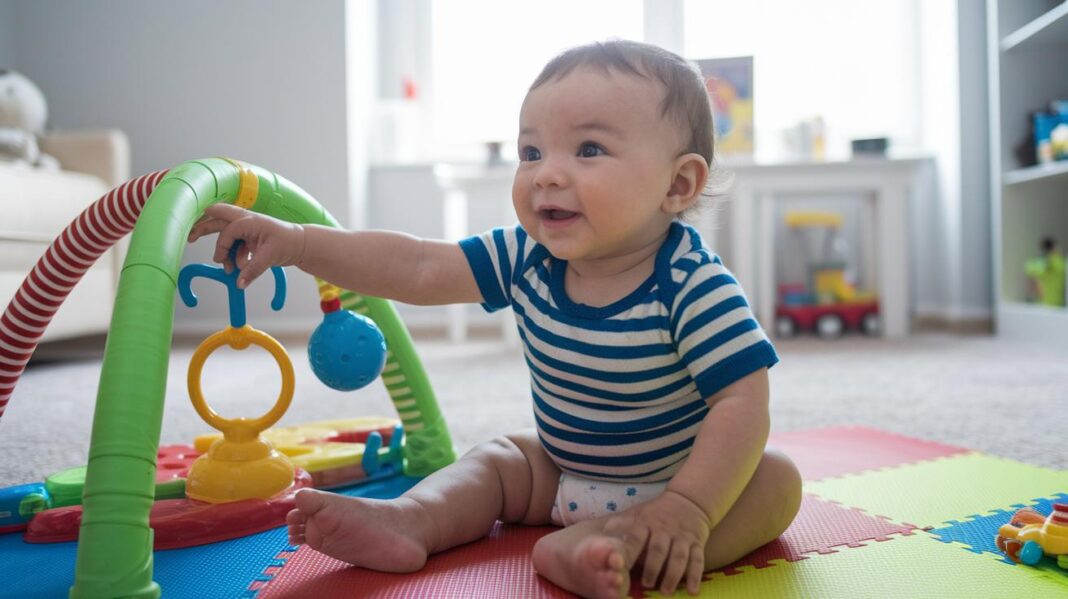
Have you ever wondered if your little one is hitting all those special milestones? It’s like watching a favorite story unfold, one page at a time. Every smile, little roll, and those brave first steps add to your baby's unique journey. In this guide, you'll find a friendly look at the key moments in your baby's growth. We’ll point out what to notice as your baby learns, moves, and fills your days with laughter.
It’s like chatting with a friend who truly understands the joy of watching a little one grow. Enjoy these simple tips to celebrate every precious moment along the way.
Infant Milestone Guidelines at a Glance: Age-Based Benchmarks

Watching your baby grow is full of surprising moments that mark special stages. These simple markers give you a peek into your little one’s progress in how they move, learn, and connect with others. From that sweet, early smile at one month to the thrill of those first steps at twelve months, every milestone is a moment of joy. Take a look at the table below for a friendly guide on what you might see as your baby grows.
| Age | Physical | Cognitive | Social |
|---|---|---|---|
| 1 Month | Smiles and loves gentle, sweet smells. | Begins to watch everything around. | Starts bonding with caregivers. |
| 3 Months | Lifts head and chest when on tummy; shows little, lively arm movements. | Grows curious about faces and objects. | Responds warmly to familiar voices. |
| 6 Months | Rolls over both ways and can sit with a bit of support. | Explores toys by reaching and mouthing them. | Recognizes their name, showing budding social awareness. |
| 9 Months | Sits up nicely on their own. | Interacts with toys to learn cause and effect. | Begins engaging in playful social interactions and might feel shy with strangers. |
| 12 Months | Pulls up to stand, may take a few steps, and enjoys banging blocks together. | Starts using simple play to solve little puzzles. | Mimics caregiver actions as a way to interact and learn. |
If you ever need a visual guide, check out the chart on childhood development stages. Remember, every child is unique, so these milestones are just a general idea of what you might see. It’s completely normal for little ones to find their own pace. Enjoy every heartwarming moment of this wonderful journey!
Physical Growth Metrics in Infant Milestone Guidelines
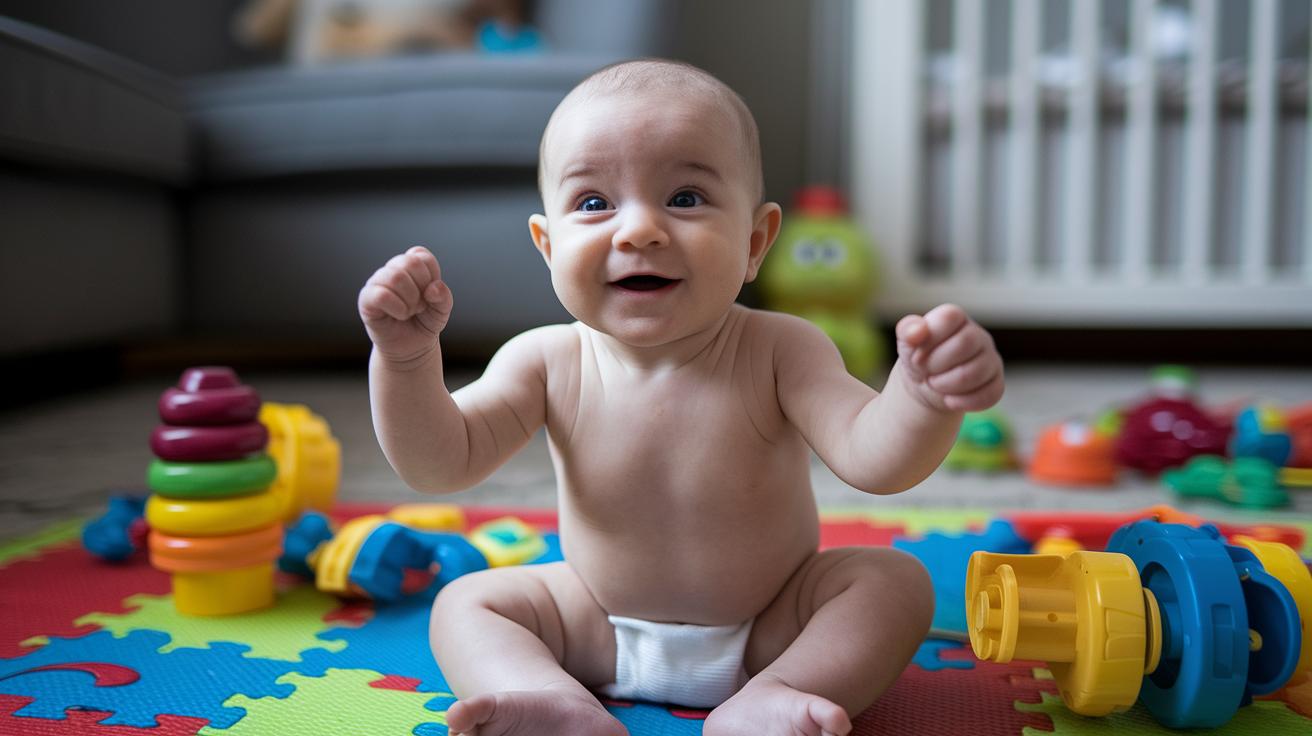
Watching your baby’s growth numbers helps you see how they build strength and learn to move. Every little wiggle shows them exploring their world and getting stronger, step by step.
| Age | Milestone Description |
|---|---|
| 1 month | At 1 month, you might notice small, jerky arm movements as their muscles begin to work. |
| 3 months | At 3 months, your baby lifts their head and chest while lying on their tummy, giving their neck a gentle workout. |
| 6 months | At 6 months, rolling over in both directions shows their growing strength and better coordination. |
| 7 months | At 7 months, sitting without any help shows improved balance and a new sense of independence. |
| 7–10 months | Between 7 and 10 months, starting to crawl opens up fun new ways to explore the world. |
| 12 months | At 12 months, pulling to stand and cruising along furniture are early signs of walking. |
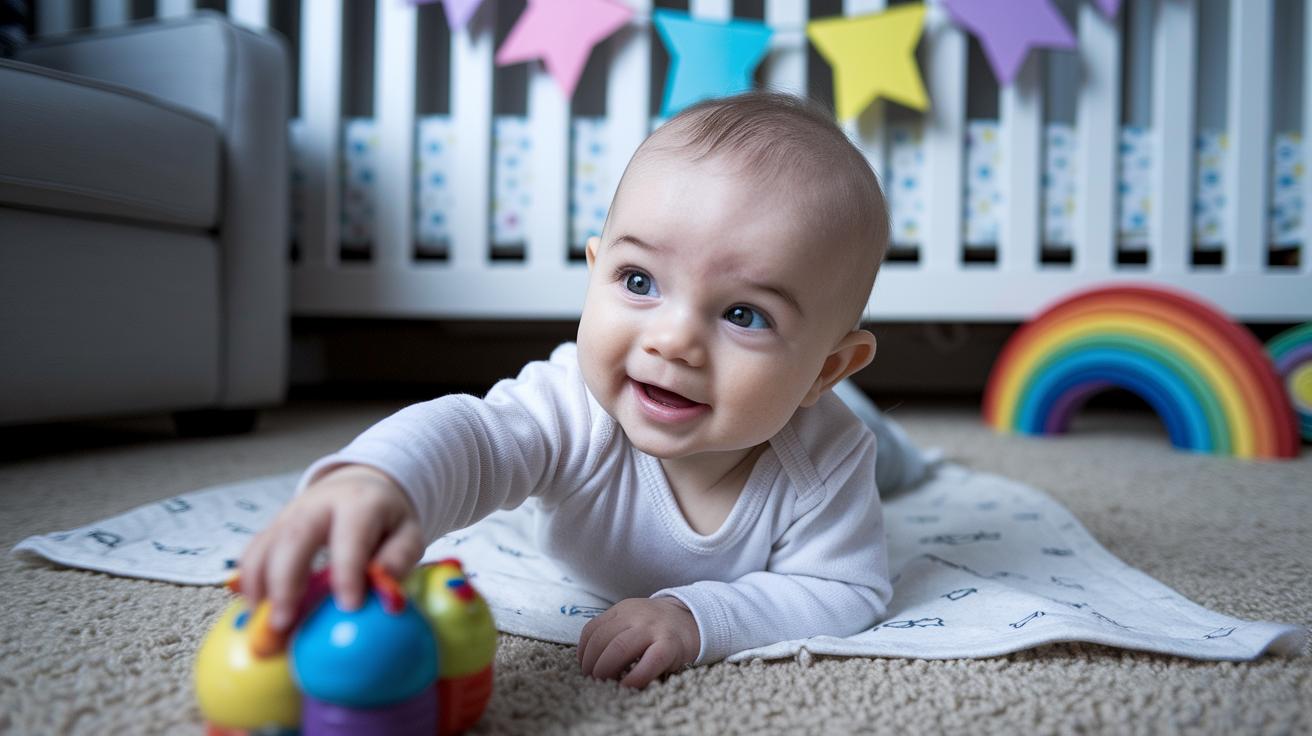
Regular tummy time and safe, supervised practice make playtime fun while helping your little one build the muscles they need to move. Have you ever noticed how a bit of extra belly time really boosts their strength?
Cognitive Development Standards in Infant Milestone Guidelines
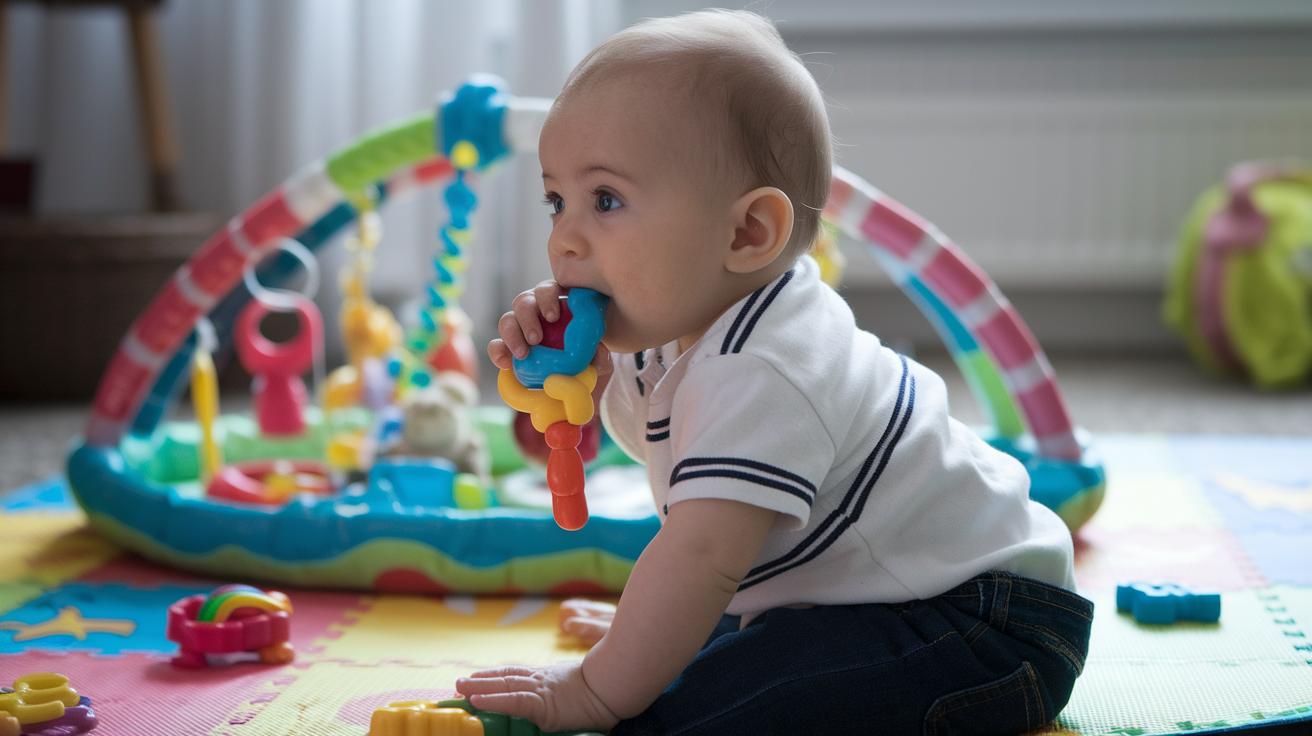
Watching your baby learn is like seeing a whole new world open up right before your eyes. Around six months, your little one starts to explore by putting toys in their mouth and giving them a gentle tap. By eight months, they discover that even if something is hidden, it’s still there, just like a fun game of peekaboo. Then around nine months, you might see them imitating simple moves, like a friendly wave, as if they're testing out their first social skills. Approaching their first birthday, your child begins to solve little puzzles, like finding a hidden toy, showing the first signs of problem-solving smarts. And here’s something surprising: before they even say their first words, they might already be using their hands to explore and learn about the world.
Noticing these milestones gives you a sweet little guide to how your baby’s mind is growing. Seeing these small leaps helps you understand all the new ways your baby is thinking and interacting. And if anything feels a bit off, you can always have a gentle chat with your pediatrician, making sure every new discovery is met with care.
Language Acquisition Markers in Infant Milestone Guidelines
When babies are about three months old, they start playing with their voices. They make gentle coos and soft vowel sounds that feel like the very first notes of a never-ending conversation. Hearing these sweet sounds is like catching a glimpse of how they’re learning to show their feelings without words.
By the time they reach six months, things get even more playful. Babies begin to babble and mix up syllables as they respond to familiar voices, even to their own name. It’s a time full of repeated sounds and joyful noise that lays the groundwork for real language. Listening to these playful sounds can gently encourage their growth, as you can see in the language development milestones here: language development milestones.
Then, around nine months, little ones start adding gestures like pointing or waving. By twelve months, many say “mama” or “dada” and understand simple commands. Their mix of gestures and early words offers a warm insight into their growing comprehension. Every sound, word, and little gesture is a step toward full language skills, and it’s a beautiful part of watching them learn and grow.
Social and Emotional Signals in Infant Milestone Guidelines

At 2 months, those sweet smiles are more than just cute, they show that your little one is beginning to connect with you. When you see that tiny grin, make eye contact and speak in a soft, warm voice. You could say, "Your smile is like a little sunbeam," helping your baby feel safe and curious without too much excitement.
By 9 to 12 months, babies might start to feel a bit shy around strangers and even copy your actions, like clapping or waving. This shows they are learning to understand how people interact and share feelings. Try introducing new faces slowly and show them simple gestures. For example, say, "Let's wave hello together," as you wave, so your baby can learn to greet others kindly.
Monitoring Delays and Pediatric Care Criteria in Infant Milestone Guidelines
Developmental Health Watch is a gentle way for parents to notice if their little one might need a bit more help. This guide points out a few simple signs from infant milestone guidelines that go hand-in-hand with your baby’s regular checkup screening exams. Keeping track of these small steps helps you bring up any worries with your pediatric provider in a friendly, clear way.
For example, if by 3 months your baby hasn’t smiled socially or if you see that their head seems wobbly after 4 months, it might be a good idea to chat with your pediatrician. A missing social smile or weak neck control could mean your baby is taking a bit longer to build muscle strength. And if your baby isn’t rolling over by 6 months, that’s another signal that a closer look might be needed.
Later on, if your baby can’t sit by themselves by 9 months or isn’t starting to babble by 12 months, these are clear signs to discuss during your pediatric checkup screening exams. Watching these small milestones and using your pediatric care tips means you’ll notice any differences early on, helping your little one get the care and support they truly deserve.
infant milestone guidelines: Embrace Joyful Growth

Tracking your baby’s milestones is more than noting dates, it’s celebrating every new skill as it blossoms. When you jot down each little win along with the date and a few words about the moment, you're crafting a personal storybook of growth. It’s like creating a scrapbook filled with warm, tiny memories that you can share with family or mention at doctor visits.
Using simple screening tools, like the Ages and Stages Questionnaires (a set of basic checklists), can help you see how your child is learning and moving. They work like gentle guides that show you if your little one is reaching important spots in their growth journey and point out where a bit more extra care might be needed.
Everyday tools like friendly apps or printed checklists make it easy to capture those moments. Whether you prefer writing on a printed chart or using an app on your phone, these tools turn tracking milestones into a sweet family ritual. A quick note like “beamed at the jingle of a rattle” turns a fleeting moment into a cherished memory.
Final Words
In the action, we covered the key steps in understanding your little one's growth. We looked at age-based categories for physical, cognitive, language, and social-emotional milestones. The guide also touched on recognizing delays and using handy tools to track progress. Remember, every baby grows at their own pace, and these infant milestone guidelines offer a calm way to watch for natural steps along the way. Embrace each small achievement and enjoy the delightful moments ahead!
FAQ
Where can I find baby milestone guidelines and charts in PDF form, including trusted sources like the CDC?
The baby milestone guidelines and charts in PDF form are available online from trusted sources like the CDC and pediatric clinics. They break down age-based benchmarks from 0 to 18 months for easy reference.
What are normal developmental milestones and age guidelines for infants, such as what to expect at 4 months?
Normal infant milestones cover physical, cognitive, language, and social growth. For instance, by 4 months, babies often lift their head and chest while on their tummy, and typical progress continues throughout the first year.
What are the five developmental milestones in baby growth?
The five key developmental areas include physical, cognitive, language, social-emotional, and self-help skills. Focusing on these areas helps parents monitor progress and notice any early delays.
What are red flags in child development that might signal a need for pediatric follow-up?
Red flags include a missing social smile by 3 months, poor head control after 4 months, the absence of rolling by 6 months, not sitting by 9 months, and no babbling by 12 months—each of which should prompt a pediatric checkup.