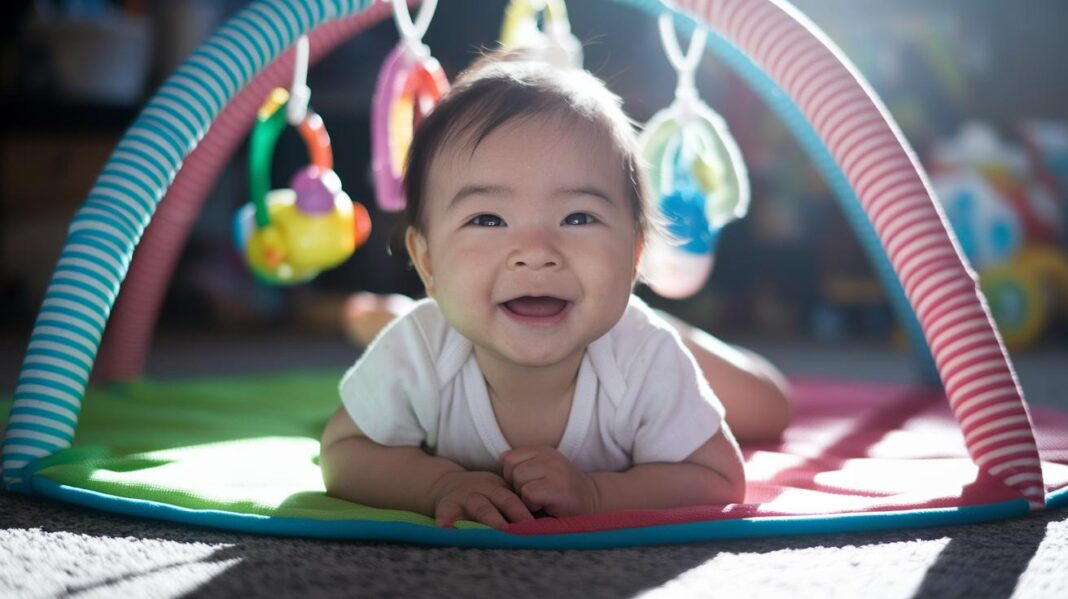
Have you ever noticed how a baby's smile can light up the whole room? At around three months old, your little one is showing signs of getting stronger and more curious every day.
When your baby lifts their head during tummy time or follows a moving face with their eyes, it's a gentle hint of big changes ahead. These moments may seem small, but they show a shift from simple reflexes to intentional actions.
Every coo, every focused stare tells you that your baby is growing and eager to explore the world, one new experience at a time.
infant milestones 3 months: Thriving and Smiling
At three months, your baby starts showing some really sweet changes. During tummy time, you might notice your little one can lift their head between 45° and 90° as their neck muscles and core get stronger. Imagine your baby steadily lifting their head, beginning to take in the world around them. It's such a clear sign of growing strength.
Their eyes are busier now, following moving objects and recognizing familiar faces a bit better. For example, when a close family member walks by, your baby’s focused look shows those new visual skills at work, setting the stage for more active exploration.
Social moments become even more heartwarming. Babies now smile on their own when they see a friendly face, and they start to coo or gurgle with delight. This is one of the early steps in their language journey. They also begin to show emerging fine motor skills by opening their hands wide, reaching out for toys, and sometimes even loosely grasping small objects.
Growth is steady at this stage as well. Most babies grow by about 1 to 1.5 inches each month and gain roughly 1.5 to 2 pounds. With around 15 hours of sleep daily, 10 at night and a few naps during the day, their brain development leaps forward, transitioning from basic reflex actions to more purposeful play.
Have you ever noticed just how these small changes can light up your day? For more on how your child is growing and changing, check out the article on Stages of childhood development: https://womensconference.org?p=11029
Physical development milestones at 3 months
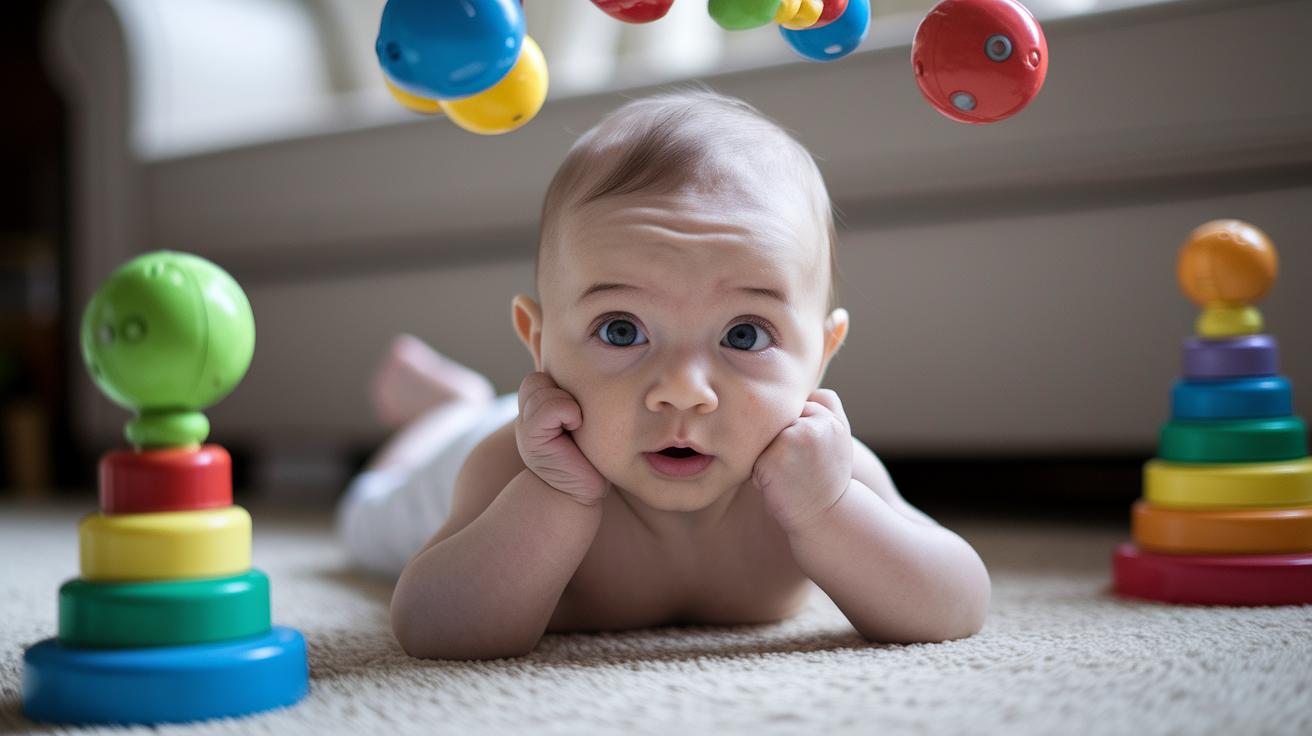
At about 12 weeks, your little one starts showing stronger movements. They can hold their head steady at about 45 to 90 degrees when lying on their tummy, which means their neck and core muscles are growing.
- Chest lifting on forearms: During tummy time, many babies push up using their arms, almost like they're trying to peek over a tiny wall.
- Emerging head lifting skills: As their head control gets better, it's clear they’re learning to move on purpose.
- Fading primitive reflexes: The early reflexes, like the startle (Moro) reflex, begin to fade as they start to open and close their hands and reach for nearby objects.
- Extended tummy time sessions: Doing tummy time in shorter bursts that add up to about one hour each day helps build strength. Picture your baby kicking their legs happily, like they’re enjoying a little dance routine.
These observations help parents see early motor skill growth and give gentle ideas to support healthy development.
Cognitive and sensory milestones at 3 months
By 12 weeks, your baby starts to see the world more clearly. Their eyes follow a moving toy or a familiar face with a gentle focus. Picture your little one watching a bright mobile float above them, their vision shifting quickly between objects near and far.
They also begin to listen closely to sounds. You might notice a pause or a slight head turn when a soft voice or a cheerful chime reaches their ears. It’s like they’re quietly saying, “I hear you,” even if it’s in their own little way.
Your baby is starting to recognize the people around them too. When they see a cherished face or hear a soothing sound, their eyes light up with a whole new warmth and curiosity. It’s a sweet sign that early cognitive skills are coming together.
These little steps, watching moving objects and reacting to soft sounds, help pave the way for more playful learning and deep, interactive moments as your baby grows.
Social and language milestones at 3 months

At about 12 weeks, your baby starts to share warm social smiles. They light up when familiar faces and gentle voices are nearby. It’s a tender moment when you see their eyes sparkle and a sweet smile appears as you speak. Imagine the soft look on their face and the delicate coo that shows they’re ready for more loving interactions.
Your baby is also beginning to play with sounds. You might hear a mix of soft coos and little gurgles that resemble simple vowel sounds. One moment, you might catch a happy "ooo" and the next, a curious "ahh." These early sounds are little building blocks for language, a gentle sign that they're starting to communicate in their own way.
Taking time for face-to-face chats is a wonderful way to encourage these early language skills. Whether you’re reading together, talking through your daily routine, or enjoying a fun mirror moment, each smile and coo helps lay the foundation for more moments of connection and growth.
Feeding, nutrition, and growth indicators at 3 months
At three months, your baby typically feeds every 3 to 4 hours during the day with breastmilk or formula, and you might see longer sleep stretches at night. This regular pattern gives them the energy needed to grow and be more alert. Picture your little one settling in eagerly for each feed, it’s a sweet sign everything is working well.
Watching your baby’s growth is a gentle way to check on how they’re doing. Most babies grow about 1 to 1.5 inches each month and gain around 1.5 to 2 pounds. These numbers offer a little reassurance that their nutrition is on track. And if you notice something off, like the weight seeming too high or too low, it’s a good idea to mention it to your pediatrician during the four-month visit.
Keeping a daily journal of feeding times and growth measurements can really help you spot small changes that make a big difference. This simple habit not only supports everyday care but also makes it easier to chat with your doctor about your baby’s nutrition during regular checkups.
Sleep pattern changes and behavior at 3 months
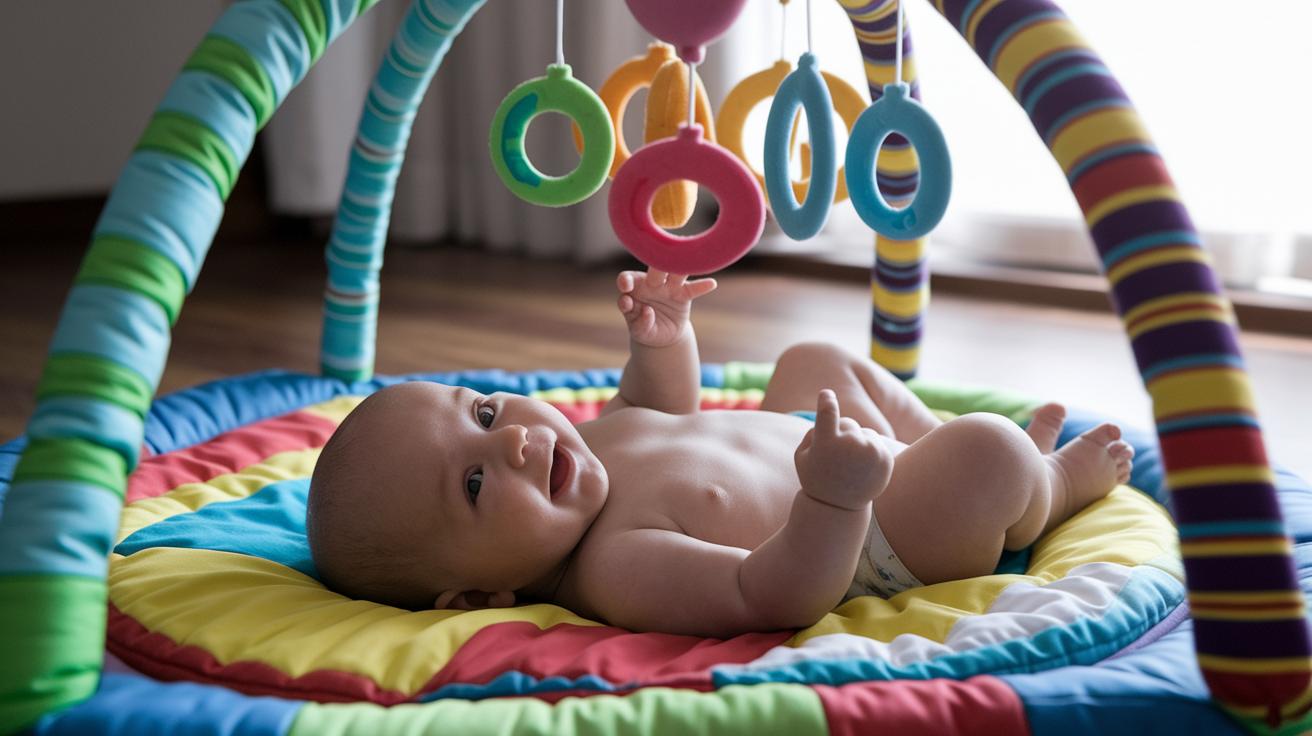
At three months, many babies sleep around 15 hours each day. That usually breaks down to about 10 hours at night, with 4 to 5 naps during the day. Their nap schedule might still be a bit all over the place, but you may see your little one having longer, brighter moments of wakefulness. Picture your baby opening their eyes and gazing up at a mobile, completely captivated by the colors overhead.
During these awake times, your baby becomes more active and ready to interact. They might smile when you talk, coo when they hear a sound they like, or fixate on a cheerful toy. It’s a sign they’re getting ready for more playful moments between naps. This natural cycle of sleep and wakefulness helps your baby grow and learn, giving you a little comfort knowing that their sleep habits are just evolving as they should.
Recognizing delays in 3-month infant milestones
At three months, you usually see your baby growing in little but clear ways. They often keep their head up, smile when they see you or a known face, and even turn toward interesting sounds. These are all gentle clues that their muscles and social skills are budding nicely.
Sometimes, though, you might notice that your baby has a hard time keeping their head steady or doesn’t react much when you talk. Have you ever wondered if that might mean something? If your little one isn’t smiling as much or seems less engaged during play, it could be a sign to reach out to your pediatrician for a checkup. A quick look using the CDC’s milestone list for the 12 to 16‑week stage can help you see if things are on track. And during your four‑month visit, sharing your observations can make sure any concerns get noticed early.
Supporting infant milestones at 3 months: practical tips
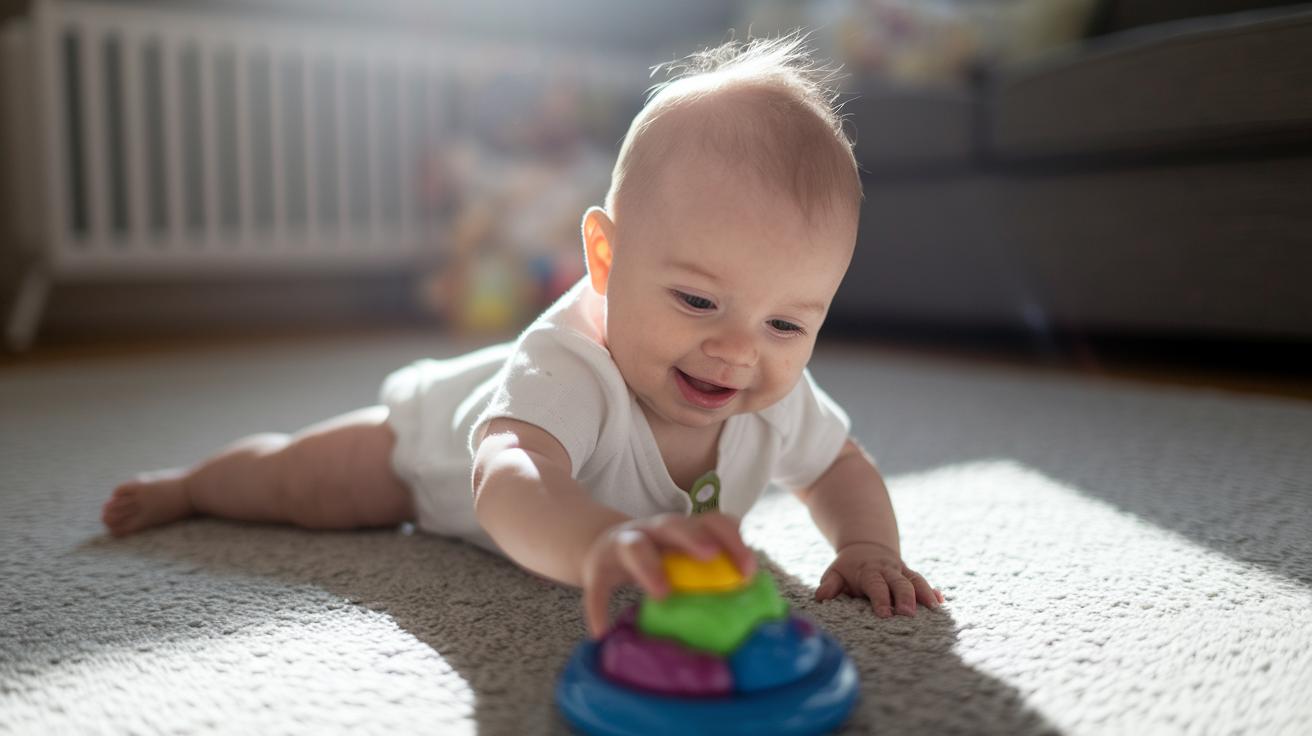
Try several tummy time sessions during the day that add up to about one hour. This helps build your baby’s tummy muscles while letting them enjoy exploring. Think about a few minutes on a soft blanket in the morning and again during the afternoon, with your baby happily lifting their head and kicking little legs.
Choose bright, fun toys that invite swiping, reaching, and maybe even grabbing. Imagine a cheerful toy dangling just within reach, your baby will love trying to bat at it, which helps improve their hand-eye coordination and fine motor skills.
Spend lots of time talking face-to-face, singing, and reading aloud. These little moments of sharing support those early smiles and cooing sounds. Picture yourself softly singing a favorite lullaby while making eye contact, and watch your baby light up in response.
Create a safe play area on the floor with different textures. Lay down soft mats or a few gentle fabric books so your baby can explore with their hands and feet. This space encourages sensory play and movement in a way that feels fun and secure.
Final Words
In the action of exploring your baby’s world, this post captured key points on physical strength, sensory tracking, and budding social skills. We covered how tummy time supports muscle building, how small gestures spark cooing and smiles, and even how to spot any early signs that might call for extra care.
Every parent’s path is unique, and celebrating each win, whether it’s infant milestones 3 months or playful discovery, helps build a happy, confident start.
FAQ
What are the key physical development milestones of a 3-month-old baby?
The baby lifts its head 45°–90° during tummy time, opens hands, swipes at toys, and kicks its legs to build stronger muscles and improve head control.
What cognitive and sensory improvements should I expect from my 3-month-old?
Your infant begins tracking moving objects smoothly, recognizing familiar faces, and reacting to sounds, marking early improvements in vision, auditory processing, and basic perceptual skills.
What social and language milestones do 3-month-old babies typically reach?
By 3 months, the baby shows real social engagement by smiling in response to caregivers and making cooing or gurgling sounds, setting early foundations for language development.
What feeding and growth indicators are common at 3 months?
Most 3-month-olds feed every 3–4 hours, gain about 1.5–2 pounds monthly, and grow in length by 1–1.5 inches; these patterns help you track healthy growth and nutrition.
What sleep pattern changes are normal for a 3-month-old baby?
At this age, your little one tends to sleep about 15 hours a day—around 10 hours at night with 4–5 daytime naps—while showing longer alert periods in between.
How can I tell if my 3-month-old might be experiencing developmental delays?
Signs like weak head control, minimal eye contact, and the absence of cooing could indicate delays; discussing any concerns with your pediatrician can help ensure proper milestone achievement.
What activities can support a 3-month-old’s developmental milestones?
Daily tummy time, offering colorful toys for swiping, and frequent face-to-face talk and singing help boost muscle strength, visual tracking, and early language and social skills in your baby.