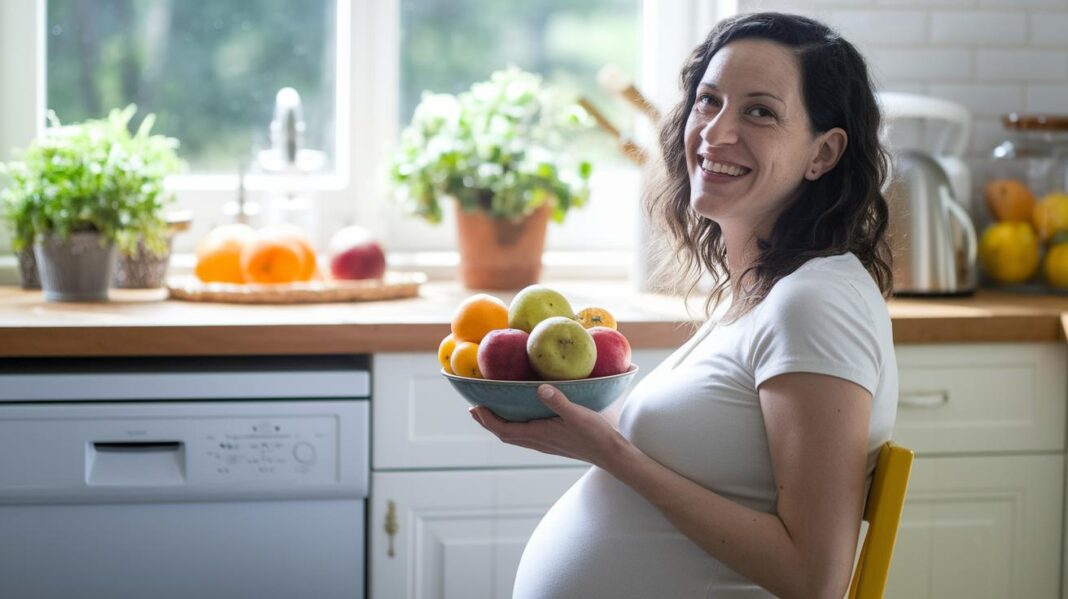
Have you ever wondered how one meal can shape your baby's future? When a mom fills her plate with nourishing foods, it can boost her well-being and give her baby a great start. Eating a balanced diet during pregnancy (care during pregnancy) might even lower risks like a preterm birth or high blood pressure while giving you a little extra strength. In this post, we're chatting about how good nutrition can really impact your pregnancy’s outcome. Every bite counts and lays the groundwork for a healthier life for both you and your baby.
Maternal Nutrition and Pregnancy Outcomes: A Comprehensive Overview
Eating well can be hard for many women, especially for those who are going through big changes like pregnancy. Many moms-to-be have a tough time finding foods that are rich in nutrients. This can affect their health and even lead to challenges as they carry their babies.
A diet that lacks enough nutrients may lead to problems for both the mother and the baby. When a mother doesn’t eat enough good foods, risks like early birth, high blood pressure, or complications during delivery can go up. On the other hand, eating a balanced diet helps the baby grow well and sets the stage for a healthier life for both mom and baby.
Experts suggest simple ways to meet extra needs during pregnancy. For instance, in the second trimester, moms carrying one baby might add about 340 extra calories each day. If you’re expecting twins, you could need around 600 extra calories, and for triplets, about 900 extra calories a day. These small changes can make a big difference in meeting the body’s extra energy needs.
Taking care of your diet now means you’re also setting up a smoother recovery after birth. Each nutritious meal helps the baby grow strong, lowers the chance of birth problems, and gives moms the strength they need to bounce back after delivery. Every healthy bite counts toward a brighter, healthier future for your whole family.
Caloric and Micronutrient Requirements During Pregnancy
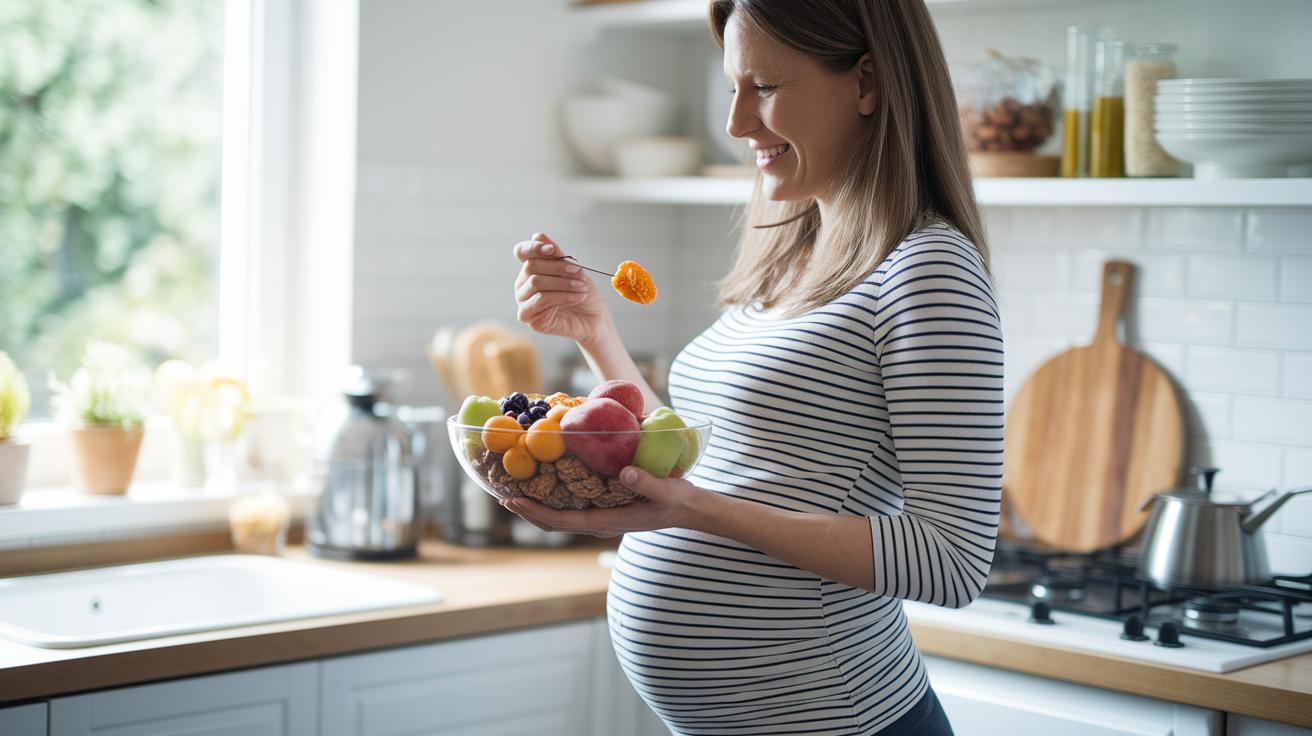
Pregnancy means your body needs a bit more fuel, and that extra energy can change as you move through different stages or if you’re carrying more than one baby. In your second trimester, for example, you might need around 340 extra calories a day if you’re expecting one baby. If you're carrying twins, you may need about 600 extra calories each day, and triplets could mean roughly 900 extra calories daily. These extra calories help keep both you and your little ones energized.
From the teen years through breastfeeding, women need more vitamins and minerals because of the unique changes in their bodies and lifestyle. That’s why sticking to a balanced diet is so important. By regularly eating a variety of nutrient-rich foods, you help ensure that both you and your baby get the essential vitamins and minerals needed to stay healthy.
Some nutrients are extra important to help prevent problems. For instance, folic acid, around 400–800 µg a day, can help prevent neural-tube defects during early development. Getting about 27 mg of iron daily is key to fighting off prenatal anemia, and aiming for 1,000 mg of calcium each day supports your bone strength while helping build a strong skeleton for your baby.
Key Maternal Nutrients Driving Healthy Fetal Growth
Eating right during pregnancy is like giving your baby a big, warm hug from the inside. When you choose foods full of good stuff, you’re making sure your little one gets the best start. Folic acid, for example, helps build the baby’s brain and spine. Iron works hard to create a strong blood system, while calcium is great for forming bones and teeth. A diet rich in protein supports all-around growth, and DHA (an important omega-3 fatty acid) lends a hand with brain and eye development. Plus, drinking enough water and enjoying antioxidant-rich foods helps keep cells feeling fresh. Even if it’s tough to get all these nutrients because of money or other challenges, fortified foods and supplements can really help. It’s a good idea to check out maternal diet and wellness guidelines for more tips.
| Nutrient | Recommended Daily Allowance | Associated Pregnancy Outcome |
|---|---|---|
| Folic Acid | 400–800 µg | Supports neural tube formation |
| Iron | 27 mg | Fights anemia and boosts blood supply |
| Calcium | 1,000 mg | Builds strong bones and teeth |
| DHA/Omega-3 | 200–300 mg | Supports brain and eye development |
| Protein & Hydration | Varies by age & weight | Fuels growth and keeps cells healthy |
Each of these nutrients has its own special way of keeping both mom and baby well. By focusing on these vital foods, you help lay a strong foundation for your baby's growth and lower the chances of complications later on. Even small improvements in your daily diet can make a big, lasting difference.
Maternal Diet Quality and Risks of Pregnancy Complications
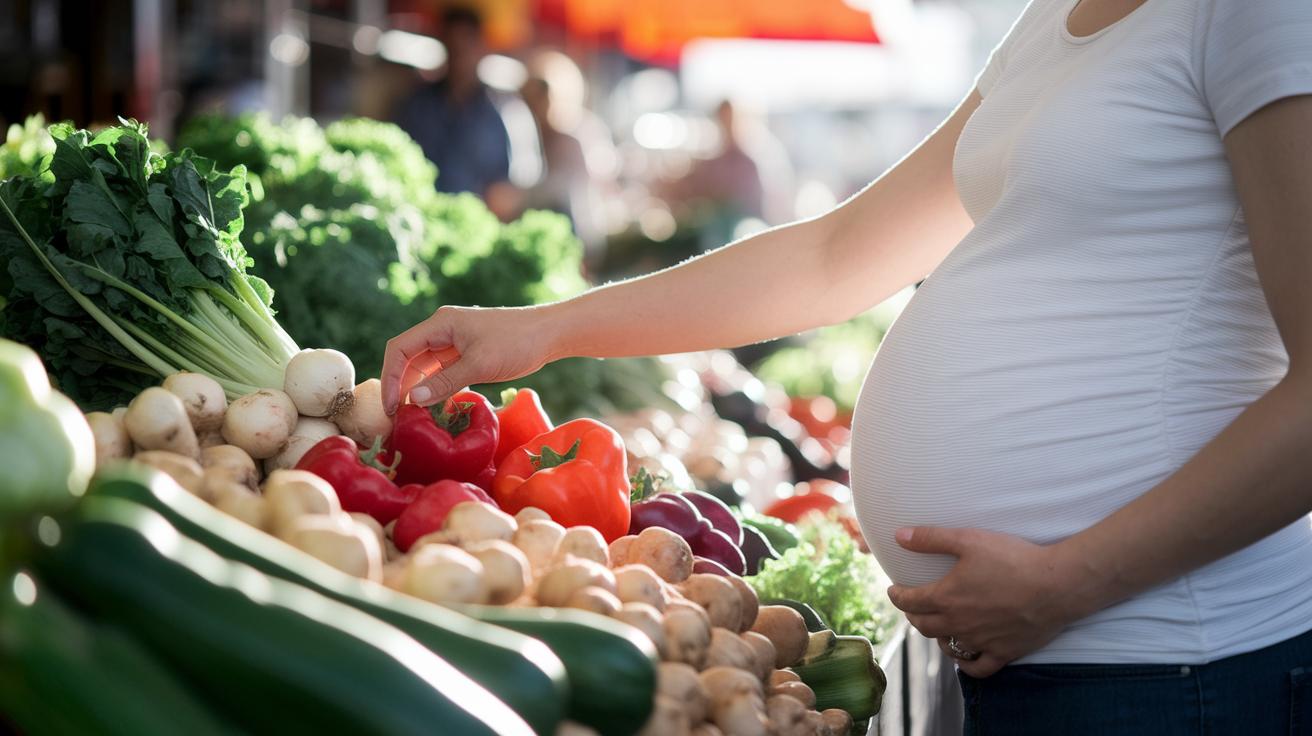
When you aren’t getting plenty of healthy, nutrient-rich foods and instead lean on sugary, low-fiber options, it can lead to several problems during pregnancy. You might find that not having the right nutrients makes it harder for your body to adjust to all the changes going on inside. This can increase the risk of having your baby too early or even developing gestational diabetes.
Keeping a healthy weight is really important, too. Gaining too much weight during pregnancy can cause issues like your baby growing larger than expected, which might mean you need a cesarean delivery. It really helps to focus on balanced meals and be mindful when you eat, sometimes small steps can make a big difference in how you feel.
The foods you choose early in your pregnancy can also affect your baby’s birth weight and overall health. Diets high in sugar and low in fiber have been linked to higher blood pressure in moms, which can sometimes lead to a smaller baby. By choosing foods that are full of good nutrients, you support not only your own well-being but also give your little one the best possible start.
Research shows again and again that concentrating on good nutrient intake and keeping weight gain in check lowers the chances of delivery complications. When you improve your diet during pregnancy, it often means healthier outcomes for your baby and fewer pregnancy-related issues along the way.
Addressing Barriers and Facilitators to Optimal Maternal Nutrition
Every day, many moms and soon-to-be parents face challenges when trying to eat a healthy diet. Rising food prices, limited access to fresh fruits and vegetables, and cultural food traditions can all make it hard to get balanced meals. It can feel extra overwhelming, especially in communities where money and local conditions make healthy eating seem out of reach.
Common Barriers to Adequate Nutrition
In many areas, affordable fresh produce is hard to come by. When grocery stores are far away or prices are too steep, families often find themselves choosing cheaper options that aren't as nutritious. Sometimes, long-standing cultural food habits lead to meals that may not meet modern health tips. With money pressures mounting, moms-to-be can feel like they have fewer choices when planning a wholesome diet.
Interventions and Supportive Programs
Thankfully, many community programs are stepping in with fresh ideas to support healthy eating. Programs like MMS TAG and BEP TAG share easy-to-follow tips and resources, filling gaps where nutrition might be missing. Local events, such as Women’s Voices Films and Coffee & Chai Chats, offer practical advice and connect families with nearby support.
Policy makers and digital tools are also making a positive impact by tracking where food is available and suggesting local solutions. For example, farm-to-table models show how local farming can bring more fresh produce to the table. With these combined efforts, the focus is shifting from obstacles to practical, workable solutions that help moms and future parents enjoy a diet that truly supports a healthy pregnancy.
Emerging Trends and Personalized Maternal Nutrition Strategies in Gestation
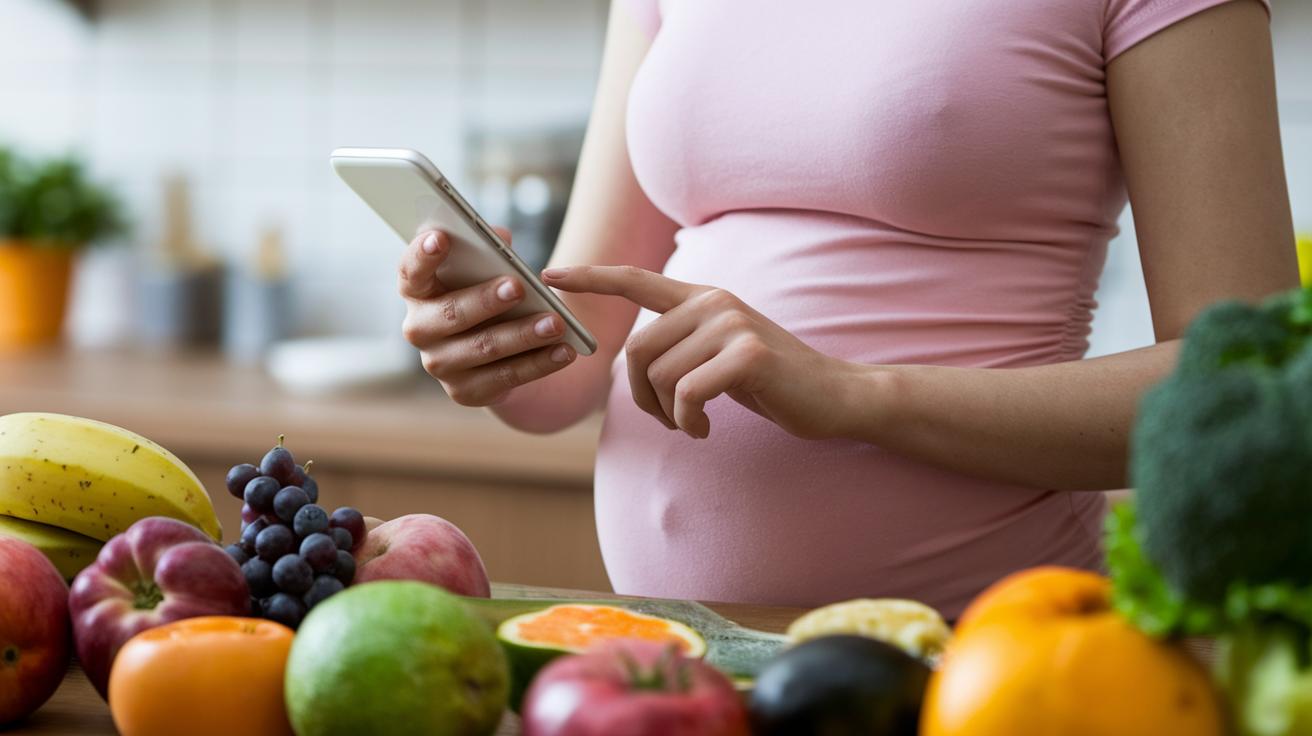
These days, moms have some really cool tools to help plan meals. Digital apps that track your diet along with insights from your genes are making it easy to create meal plans just for you. Imagine getting a plan that tells you when to add a little extra omega-3s, a small change that can boost your energy and support your baby’s growth.
Seasonal, organic, and plant-centered diets are catching on as a fresh way to eat during pregnancy. Using fresh, in-season veggies and fruits can feel like preparing that cherished family recipe that changes with the seasons. It’s all about making each meal as nurturing as a warm hug.
What’s really exciting is that these digital and genetic tools can help lower health risks and lead to lasting wellness. When you fine-tune your diet early in pregnancy, it can set you and your baby up for fewer bumps along the way. Every bite becomes a little step toward a healthier pregnancy and a happier family life.
Final Words
In the action, we saw how a balanced diet supports fetal growth and reduces risks for complications like preterm birth and gestational diabetes. The blog explored easy-to-follow caloric and micronutrient targets while shedding light on food patterns linked to healthier outcomes. We also touched on overcoming challenges with community support and modern nutrition tools. Embracing the impact of maternal nutrition on pregnancy outcomes can help create a brighter, healthier future for both moms and their little ones.
FAQ
Frequently Asked Questions
Q: What are the effects of poor nutrition during pregnancy?
A: Poor nutrition during pregnancy increases risks like preterm birth, gestational diabetes, and delivery complications while also impacting the baby with low birth weight and nutrient deficiency signs.
Q: How does maternal nutrition affect both the mother and child during and after pregnancy?
A: Maternal nutrition affects the mother by reducing health complications and supports fetal growth, which in turn improves the child’s long-term health and development after birth.
Q: What maternal factors can affect the outcome of a pregnancy?
A: Maternal factors such as diet quality, proper weight management, and balanced nutrient intake are key in decreasing health risks and supporting a healthy pregnancy outcome.
Q: Why is proper nutrition important during pregnancy and lactation?
A: Proper nutrition during pregnancy and lactation supports optimal fetal growth, helps prevent complications, and builds a strong foundation for lifelong health for both the mother and the baby.
Q: Where can I find detailed resources on nutrition during pregnancy?
A: Detailed resources, including downloadable PDFs and presentations on nutritional guidelines, offer clear, evidence-based advice for mothers seeking to optimize health during pregnancy and lactation.