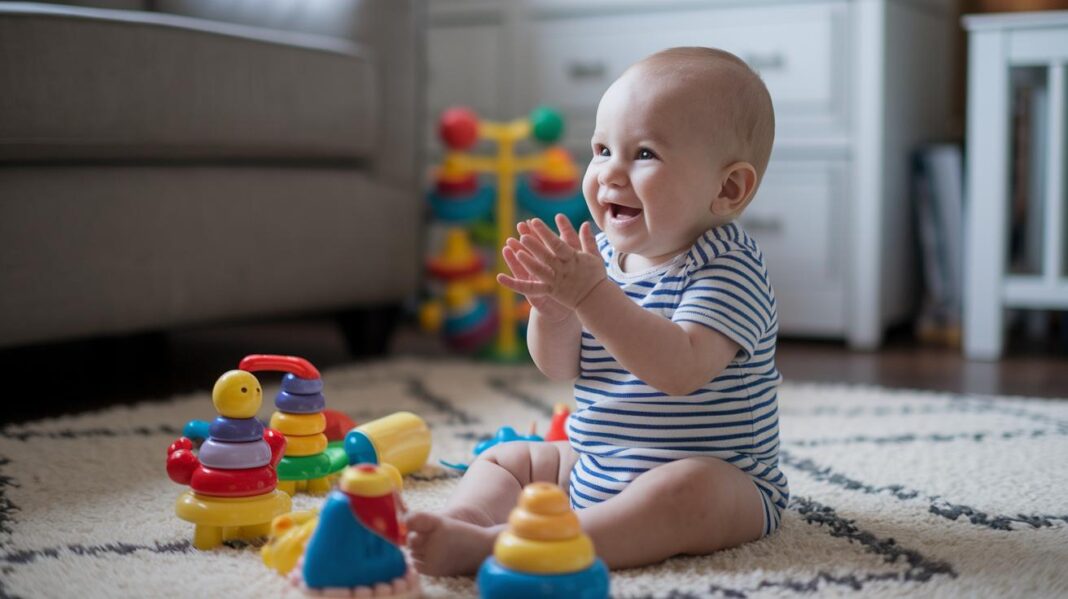
Have you ever noticed how a tiny smile or a little roll might mean a big breakthrough? At eight months, your baby is showing off new skills that hint at growing independence. Little moments, like sitting up by themselves or scooting around, open up fresh chances for play and learning together. In this post, we'll chat about these clear signs of growth and show you how every milestone helps build a confident, happy little person.
Essential Overview of Infant Milestones 8 Months
At around eight months, your little one might start to explore their world with more independence. They could begin crawling or even scooting around on their bottom, which is a delightful sign of growing mobility. You may have noticed a more regular sleep routine too, about 11 to 12 hours at night along with 2 to 3 hours of naps during the day, adding up to roughly 14 hours of sleep overall. Feeding time is also changing; your baby is having 4 to 5 feeds of breast milk or formula each day and may be starting to enjoy some soft, solid foods.
It’s pretty exciting to see these changes, isn’t it? Even their little language and social skills are on the rise. Their babbling begins to sound more like actual speech as they watch you and try to copy your sounds. You might also notice that they get a bit clingy or shy around strangers, which is a normal part of their emotional growth. They’re also starting to understand that objects continue to exist even when they can’t see them. All these milestones offer a clear, comforting snapshot of how your baby is growing and thriving in every way, from their physical and sleep patterns to feeding, talking, and emotional development.
infant milestones 8 months: Thriving Growth
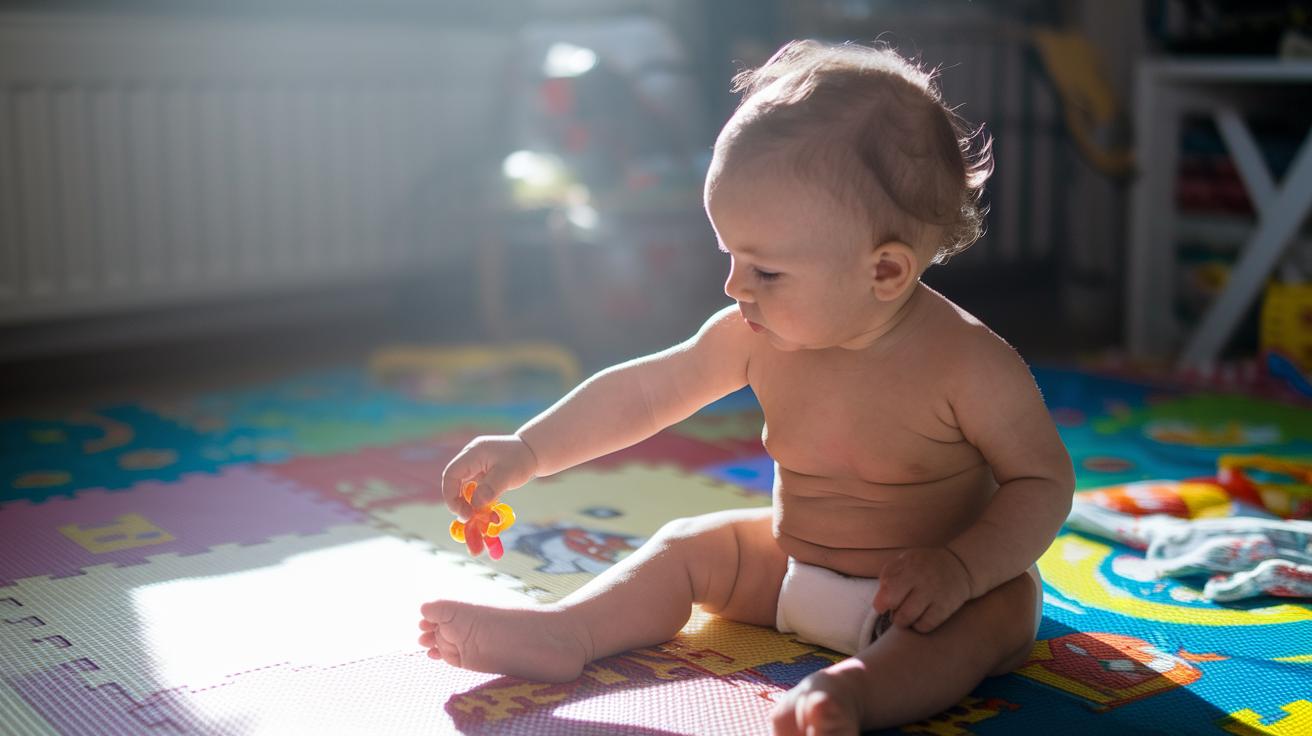
At eight months, little ones start showing some exciting signs of growing up! They can sit on their own now, which gives them a safe spot to explore everything around them. Many babies can roll from back to tummy and tummy to back, a sign that their neck and tummy muscles are getting much stronger. Some even begin pre-crawling or full-on crawling, and every move is a gentle step toward more independence. You might also notice they gain about 0.5 to 1 pound each month and they grow roughly half an inch taller. Isn’t that a charming little progress?
Their motor skills are getting a lovely boost as well. Now, babies love to try new ways of touching and playing with what’s around them. When they start using a pincer grasp, picking up small things between their fingers, it really opens up a whole new world of play. They can transfer a tiny toy from one hand to the other, tap it gently, or squeeze it with more control. You might see them shuffling on their bottoms, pivoting, or even pulling themselves to stand a little bit. Every little movement shows just how much stronger and coordinated they’re becoming.
| Metric | Typical 8-Month Value |
|---|---|
| Monthly Weight Gain | 0.5–1 lb |
| Monthly Height Increase | 0.5 in |
Gross motor skills are blossoming at this age. Babies are busy crawling or shuffling and even starting to pivot around to check out their surroundings. Their improved fine motor skills, like using the pincer grasp, are adding a new layer of fun when they grab toys or try self-feeding. Each new skill brings a sense of independence and excitement that sets the stage for even greater adventures ahead. Every move is a heartfelt reminder of how precious these little steps are.
Cognitive and Sensory Development in 8-Month-Old Infants
At eight months old, your baby is starting to learn that things still exist even when they can’t see them. You might see little hands reaching for a toy hidden under a cloth or a curious glance peeking around a corner, just like during a fun game of peek-a-boo. Their senses, like sight, sound, and touch, are working well together. Picture that heartwarming moment when your baby grabs a toy as a soft melody plays in the background, all these senses coming together in a lovely little dance.
At this age, playful experiments become a big part of learning. Babies often drop or shake a toy to see what happens. This fun trial and error boosts their problem-solving skills and helps them follow movements, whether it’s a rolling toy or your hand waving cheerfully. Every little discovery feels magical and helps them build confidence as they explore the world around them.
Language Acquisition and Communication Signs at 8 Months
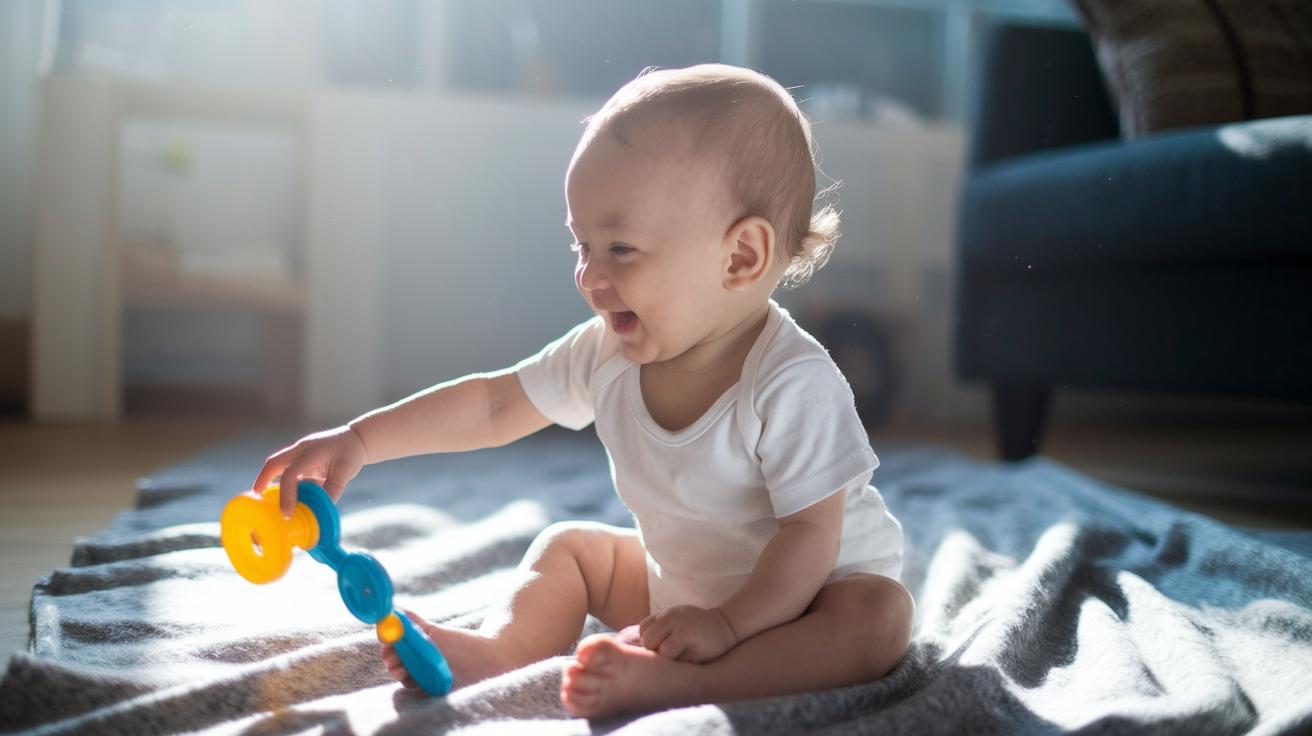
At eight months, your baby starts to show how they understand words in the sweetest ways. They turn their head when they hear a familiar voice, eagerly listen when you call their name, and watch you closely as you talk. Their eyes light up, following the ups and downs of your voice like they’re tuning in to a lovely song. It’s as if they’re learning the melody of your words, soaking up every sound with real curiosity. For instance, they might stop and smile brightly when you say their name, showing just how connected they feel to you.
Their way of speaking is growing too. Your little one begins to mix sounds into delightful babble that sometimes sounds like “mama” or “dada,” even if it isn’t perfect yet. They’re also starting to use gestures, like reaching or pointing, to share things that catch their attention, almost as if they’re inviting you to join their little adventure. Every coo and tiny movement shows their budding ability to communicate in a loving, heartwarming way.
Social-Emotional Development and Interaction at Eight Months
At eight months, babies often light up whenever they're playing. They show their delight with big smiles and cheerful giggles during fun moments. You might see them grinning at simple games like peek-a-boo, gentle tickling, or even a funny sound from someone they love. Their bright eyes and playful movements create a warm atmosphere that helps you both feel closer and build trust. It’s truly heartwarming to watch these little moments bring you together.
Around this time, you may notice your little one getting upset if you step away, even for a few moments, but they calm down almost instantly once you return. Sometimes, when meeting new faces or in a new place, your baby might cling to you for comfort. For example, during a family gathering, they might reach out for you and stay close until they feel secure. These responses show how your baby is learning who is safe and comforting. Plus, they love making eye contact and always respond joyfully to a warm hug. By tuning in to these cues, you can offer the extra reassurance they need, helping them feel truly safe and valued.
Sleep Patterns and Feeding Transitions for an 8-Month-Old
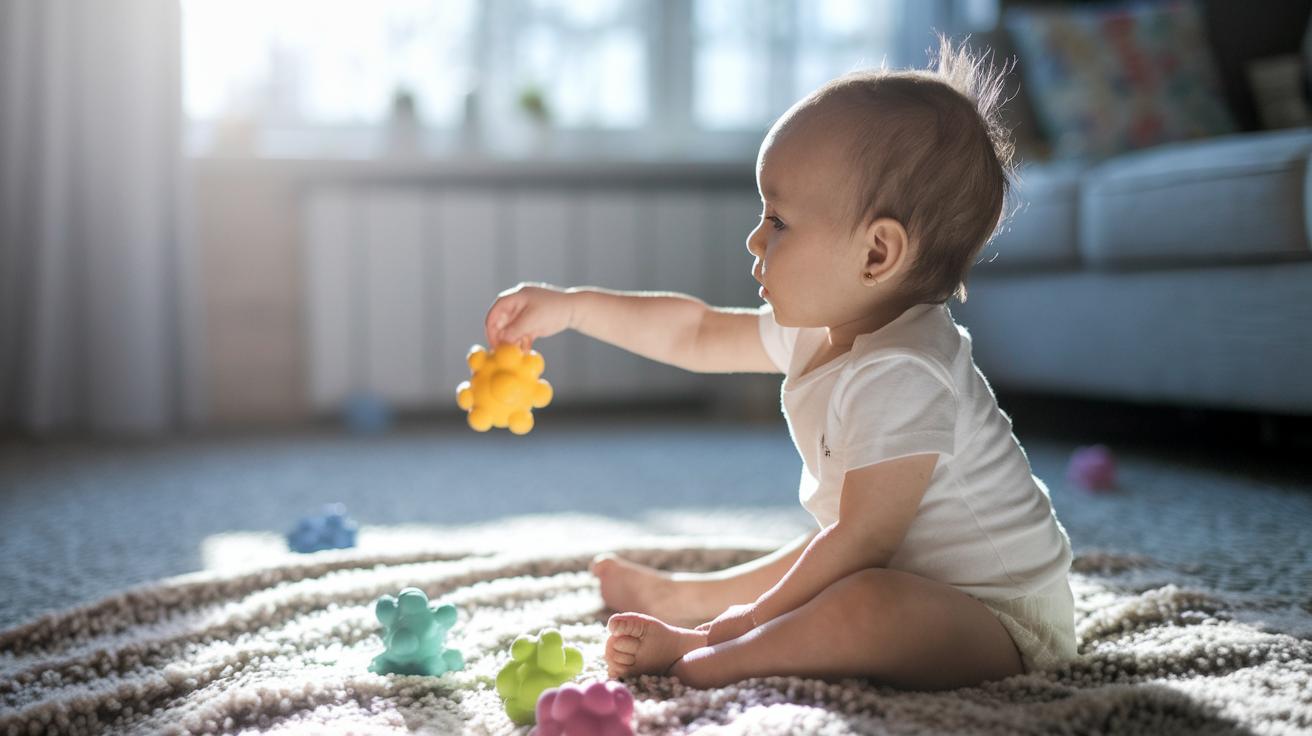
By eight months, your little one is usually sleeping 11 to 12 hours at night, with naps amounting to 2 to 3 hours during the day, often spread over two naps. The awake time between naps tends to be around 2 to 3.5 hours. It’s important to always place your baby on their back on a firm sleeping surface without any loose bedding, like a safe little nest where they can rest soundly.
At this stage, many babies enjoy 4 to 5 feedings of breast milk or formula each day, along with new tastes from soft solids such as smooth purees or tiny finger foods. As they start to master the pincer grasp (using their thumb and finger), you might see them picking up a small piece of food all by themselves. It’s a sweet sign of growing independence and new skills.
Practical Checklist and Warning Signs for Infant Milestones at Eight Months
At eight months, watching your baby hit new milestones can be really exciting. This simple checklist shows some of the skills your little one might be learning and a few things to keep an eye on. It’s a friendly guide to help you celebrate the small victories and notice if anything feels off.
- Your baby may sit up by themselves during play, showing their core muscles are getting stronger.
- They might roll over in both directions, which is a fun sign that their motor skills are improving.
- You could see them starting to crawl or experimenting with pre-crawling moves, hinting at new independence.
- They may pick up small items using a pincer grasp (using the thumb and finger), a big step for self-feeding.
- Playing peek-a-boo might bring giggles, showing they understand that hidden objects still exist.
- Your baby could be creating a variety of babbling sounds; if they aren’t by 9 months, it’s something to watch.
- They often reach out for toys and play with them, which shows growing curiosity and fine motor skills.
- Their attempts at self-feeding finger foods mark a nice step in developing dexterity.
- Expect lots of social smiles and warm looks toward you. If those are missing, it might be a signal to get things checked.
- Feeling a bit of separation or stranger anxiety is normal, but if your baby never shows these feelings, it might be worth a talk with a professional.
If you’re noticing that your baby isn’t meeting some of these milestones, like finding it hard to sit up, not showing interest in self-feeding, or not babbling much, it could be a good idea to ask a pediatric expert for advice. Every baby is unique, and small differences in growth are normal. Still, if several warning signs seem to add up or you just feel uneasy, reaching out to a professional can give you that extra peace of mind.
Final Words
In the action moment, we saw how eight-month-old babies start to explore the world around them. Their growing ability to crawl, babble, and even show early signs of object permanence makes this an exciting time. We talked about sleep routines, feeding transitions, and the careful blend of physical, cognitive, and social growth that makes infant milestones 8 months so meaningful. Every small move and sound is a step toward greater development. Keep celebrating each tender moment as your child continues to flourish with confidence.
FAQ
What do the CDC infant milestone checklists say about eight-month-olds?
The CDC guidelines for eight-month-olds describe babies as usually sitting without help, beginning to crawl or bottom shuffle, babbling varied sounds, and showing early object permanence and social smiles.
What should babies be doing at eight months?
Eight-month-olds typically sit steadily, experiment with crawling or bottom shuffling, try different babbling sounds, and start to recognize familiar people and objects, marking key developmental progress.
What are three developmental red flags by nine months?
Three red flags at nine months include the absence of consistent babbling, lack of progression toward crawling or sitting without support, and minimal social smiles or interaction when expected.
How many words should an eight-month-old say?
At eight months, babies usually produce varied babbling sounds and may say “mama” or “dada” without clear meaning, as full word use often develops later in infancy.
What are common developmental red flags in infants?
Developmental red flags include the absence of expected babbling, delays in self-sitting or attempting to crawl, and reduced social interaction such as a lack of smiling during play.
What are the month-by-month baby milestones from 6 to 10 months?
By six months, infants show early social smiles and head control; at seven and eight months, they develop independent sitting and babbling; and by nine to ten months, they work toward crawling and more complex social interactions.
What activities benefit an eight-month-old’s development?
Activities like peek-a-boo games, safe tummy time, and encouraging reaching for toys help stimulate motor skills, early communication, and social engagement in eight-month-olds.