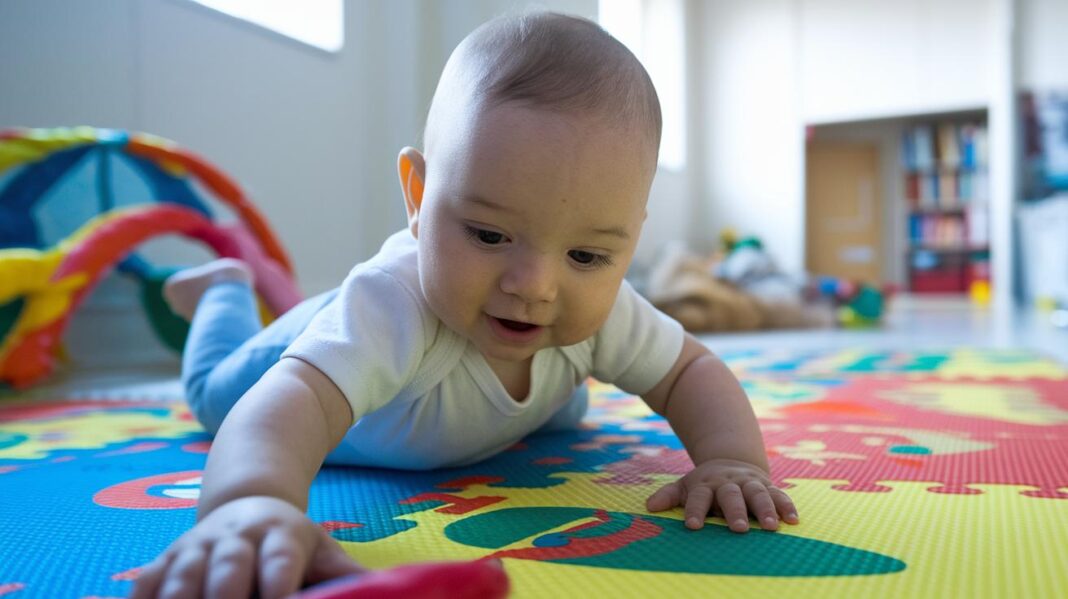
Have you ever thought that your baby's little actions might be clues to a joyful future? When you see those tiny movements, like turning toward a gentle touch or wrapping a hand around a toy, they aren’t just adorable, they show that your baby’s body and mind are starting to learn how to move. Today, let’s explore how these early actions help build bigger skills later on, turning everyday moments into little milestones of progress.
infant reflex milestones Spark Joyful Growth
When babies are born, they come with amazing reflexes that work automatically. These small actions, like turning their head or gripping a finger, help with feeding and set the stage for later movements. For example, a light touch near a baby’s cheek sparks the rooting reflex, making the baby turn toward it, ready for a feed.
Soon after, the sucking reflex kicks in so the baby can easily latch on to a breast, bottle, or pacifier. And then there’s the startle reflex (often called the Moro reflex) that happens when a sudden noise or movement causes the baby to spread out its arms before pulling them back in. The palmar grasp reflex is seen when a baby’s hand naturally closes around something, almost like a gentle hug.
There’s also the ATNR, which makes the baby hold a “fencing” pose when its head is turned. When you hold a baby upright, you might notice it seems to take tiny steps, that’s the stepping reflex in action. With a simple touch on the sole, you might see the little toes fan out, and that is known as the Babinski reflex. Finally, the spinal Galant reflex makes the baby’s trunk or hips move when the lower back is gently touched.
These early movements are not only adorable but also tell us that the baby’s nervous system is working well and laying the groundwork for controlled, voluntary movements later on.
| Reflex | Onset | Expected Integration |
|---|---|---|
| Rooting | At birth | ~4 months |
| Sucking | ~28 weeks gestation | ~6 months |
| Moro (Startle) | At birth | 5-6 months |
| Palmar Grasp | At birth | 5-6 months |
| ATNR (Fencing) | At birth | ~6 months |
| Stepping | At birth | ~2 months |
| Babinski | At birth | ~12 months |
| Spinal Galant | At birth | ~9 months |
Monitoring Infant Reflex Development: Parental Checklist
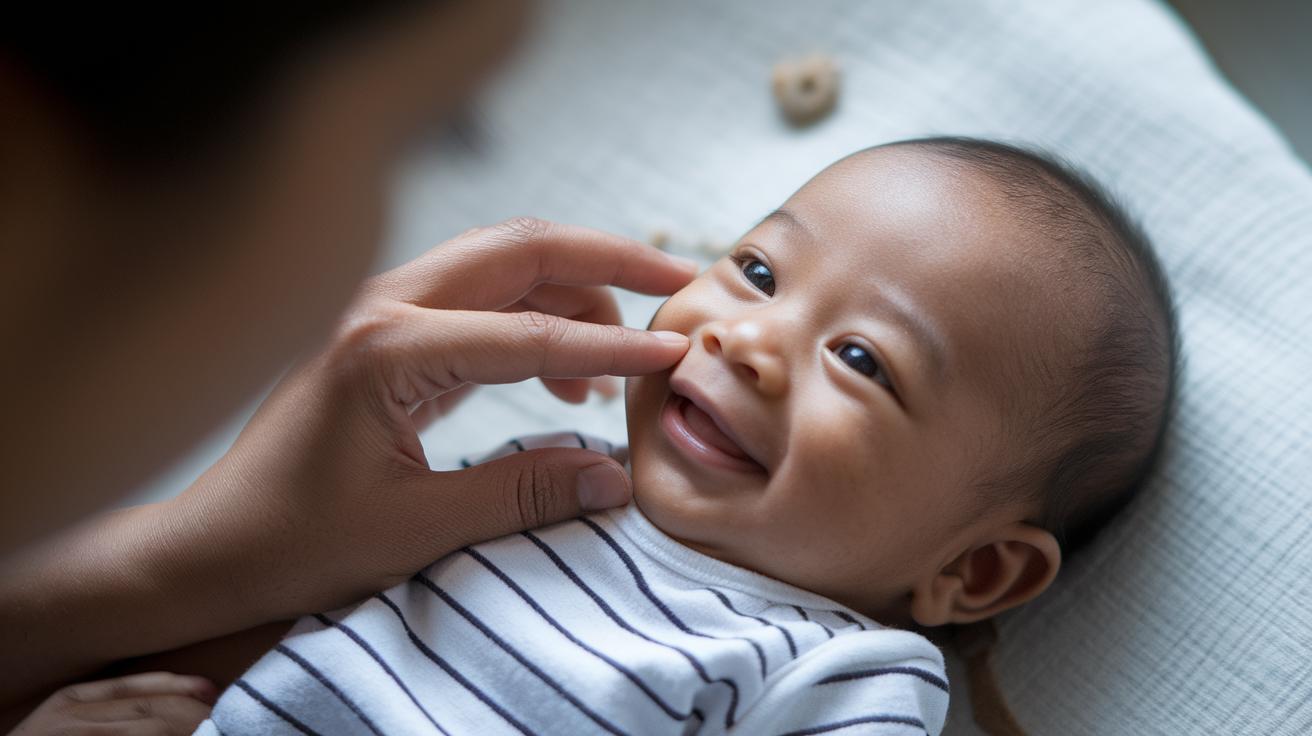
Hey there, this simple list is here to help you notice your baby’s natural responses. It feels almost like spending a quiet moment together, watching those little signals of growth. For example, when you gently run your finger along your baby’s cheek, see if they turn their head toward your touch, it’s as heartwarming as witnessing that very first smile. And when you offer a pacifier or a clean finger, it can show you how their sucking reflex is coming along.
Take a moment to really watch your baby’s reactions. Notice if the responses are strong and even on both sides, as these cues tell you about their developing coordination. This gentle check can become a soothing part of your day and even a useful note for your next visit to the doctor.
- Gently stroke your baby’s cheek to check for the rooting reflex.
- Offer a clean finger or pacifier to see if the sucking reflex is working.
- Change your baby’s position quickly or clap softly to bring out the Moro reflex.
- Press a finger into your baby’s palm to feel for the palmar grasp.
- Hold your baby upright over a smooth, flat surface to watch the stepping reflex.
- Stroke the sole of your baby’s foot to see if the Babinski reflex appears.
- Write down your baby’s age when each reflex starts to fade.
- Notice how strong and even each response is.
From Reflexes to Voluntary Movements: Integration in Infant Development
When babies are brand-new, most of what they do happens automatically. Their actions are pure reflexes without any planning. Over time, these basic reflexes blend together, laying the first bricks for more deliberate, purposeful movements. For instance, the rooting and sucking reflexes merge by about 4 to 6 months, helping the baby feed with a bit more intention. It’s like each feeding becomes a tiny step toward smoother, more coordinated actions.
The Moro reflex is another example. You know, that surprised, startle reaction when a sudden sound or movement occurs? In the first few months, this reflex begins to lessen as the baby gains strength in their head and neck muscles, making those sudden jerks much softer. Similarly, the strong grasp seen in early months gradually fades around 6 months. This lets the little one start choosing what to reach for and hold, opening up a world of self-discovery and gentle exploration.
Another key change happens with the stepping reflex. It usually goes away at around 2 months, signaling that the baby is moving toward weight-bearing activities like standing and, eventually, walking between 9 and 15 months. Then, around 4 months, the Landau reflex pops in, boosting midline stability and helping the baby sit more comfortably by 6 to 8 months. By about 6 months, the Tonic Labyrinthine Reflex fades too, further improving posture control. All of these transitions mark a beautiful evolution from automatic to intentional movements, setting the stage for rolling, crawling, and cruising around with ever-growing confidence.
Categorizing Infant Reflex Milestones: Survival, Postural, and Locomotor Reflexes
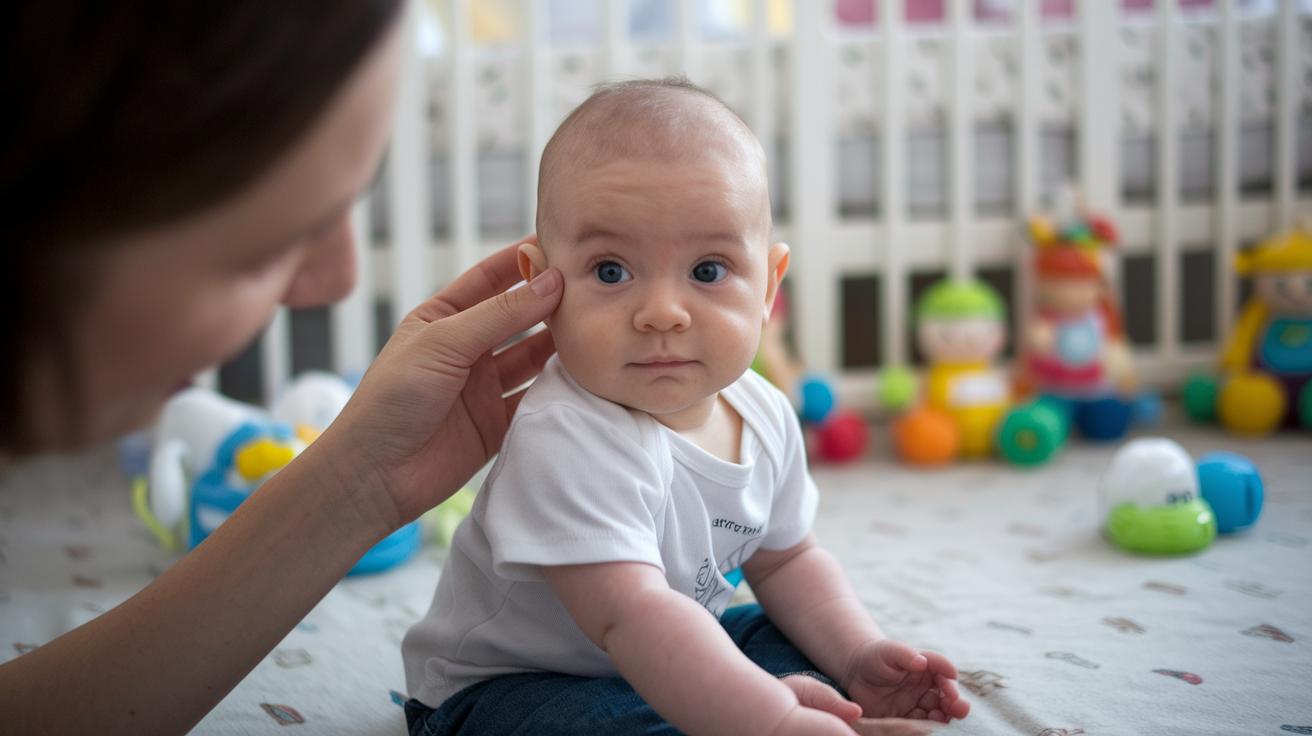
Survival reflexes like rooting, sucking, Moro, and palmar grasp go beyond just feeding and bonding. These natural responses help kick-start important brain pathways from the very beginning. For instance, a gentle stroke on your baby’s cheek that causes them to turn their head shows the brain is developing as expected. Usually, these responses gradually blend into voluntary actions by around 4 to 6 months.
Postural reflexes work to build your baby’s head control and muscle tone. Reflexes such as the Tonic Labyrinthine Reflex, ATNR, STNR, and Landau reflex get them ready for balance and smooth, coordinated movement. Imagine your baby’s head turning with a slight stretch of the arm – that’s a clear sign of the ATNR in action. Research shows that these reflex patterns lay the groundwork for more controlled movements as your little one grows. Most of these actions blend into mature control by about 6 months, though the Landau reflex may still be seen until around age 3.
Locomotor reflexes include movements like stepping, swimming, and the spinal Galant reflex. They signal that your baby is ready for weight-bearing activities and coordinated movement. For example, when you hold your baby upright over a safe, flat surface and notice alternating stepping motions, it shows their developing coordination. These reflexes typically integrate into regular movements between 2 and 9 months, marking a key phase in your baby’s sensorimotor development.
When to Seek Professional Advice for Infant Reflex Concerns
When you notice your baby’s reflexes still acting more like automatic responses instead of smooth, purposeful movements, it might be a good idea to get some professional advice. For example, if that sudden startle reflex (known as the Moro reflex) stays strong past six months, it could be a hint that your baby’s nervous system is maturing a little slower than expected. And if you see that the grasp reflex in their tiny hands sticks around beyond six months or feels stronger than usual, it might be a sign of differences in their central nervous system.
It’s also important to watch if certain reflexes don’t seem to show up at all or if one side of the body is reacting differently than the other. These kinds of differences might point to challenges like spasticity or hypotonia (a condition where muscles are softer than normal). When you see that your little one’s motor skills are not following the usual path, a talk with a pediatrician or a pediatric occupational therapy specialist could be really helpful.
Taking a close look at these early reflexes can be a small step that makes a big difference. By noting when things don’t quite fall into place, you’re helping your healthcare provider decide if any extra support is needed. It’s a bit like noticing that a small change during tummy time makes your baby more comfortable and confident. For more details on child development and what to expect as your baby grows, please visit womensconference.org?p=11029.
Supporting Healthy Reflex Integration: Activities and Tips

For many parents, playing with your baby not only brings joy but also helps them discover new ways to move and grow. A little tummy time, where you supervise your baby lying on their tummy, can really boost neck and back strength. Try doing it a few times a day, about 3 to 4 sessions of 3 to 5 minutes each. It’s like a fun little stretch where your baby practices lifting their head just enough to catch a glimpse of your smiling face!
Another great activity is open-floor play on a soft blanket. Letting your baby explore rolling, reaching, and even crossing their body naturally helps fine-tune their senses. And if you gently rotate your baby while they’re on their tummy, it adds a playful twist that supports their midline awareness and the development of the Landau reflex.
When your baby reaches around 5 to 6 months, you might try some supported sitting practice. This helps them build head control as the Moro reflex fades away. A simple obstacle course made of pillows or low blocks can also encourage crawling or stepping, turning early reflexes into purposeful actions. Every coo and smile during these moments builds a little map in your baby’s brain, setting the stage for smoother, intentional movements down the road.
These playful, consistent interactions create warm, memorable moments while laying the building blocks for more advanced motor skills.
Final Words
In the action, this post provided a clear look at core infant reflexes, practical steps for monitoring these responses, and activities that support moving from reflex to voluntary movement. Breaking down reflex groups helped show how each part plays a role in overall development, and guidelines on when to seek expert advice offer peace of mind. These infant reflex milestones are part of every baby’s unique path toward developing strength, coordination, and confidence. Every evolving step is a reminder of the incredible growth ahead.
FAQ
Frequently Asked Questions
What does the Moro reflex indicate?
The Moro reflex indicates a healthy nervous system; it is a startle response present at birth that usually fades around 5–6 months as the baby’s muscles and brain mature.
What are the nine newborn reflexes?
The nine newborn reflexes include rooting, sucking, Moro, palmar grasp, asymmetrical tonic neck reflex (ATNR), stepping, Babinski, spinal Galant, and Landau reflexes, each showing early neurological health.
What is a newborn reflexes chart?
A newborn reflexes chart is a quick guide that outlines common reflexes, when they start, and the age by which they usually fade, helping parents track their baby’s early development.
What are the seven reflexes of a newborn?
The seven key reflexes often mentioned include rooting, sucking, Moro, palmar grasp, ATNR, Babinski, and stepping, all of which demonstrate normal early brain and nerve responses.
What is a newborn reflexes ppt?
A newborn reflexes ppt is a presentation that explains each reflex with visuals and timelines, making it easier for parents and clinicians to understand and share infant development information.
What does the tonic neck reflex do?
The tonic neck reflex helps prepare a baby for later hand-eye coordination by creating a fencing posture when the head is turned, typically resolving by about 6 months.
What is the rooting reflex in infants?
The rooting reflex helps an infant find the nipple by turning the head toward cheek stimulation, aiding in feeding and early self-soothing behaviors right after birth.
What are primitive reflexes in newborns?
Primitive reflexes in newborns are automatic responses like the Moro, sucking, and palmar grasp reflexes that confirm proper nervous system function and gradually integrate as voluntary movements develop.
What are normal infant reflexes?
Normal infant reflexes are involuntary actions such as sucking, rooting, and startle responses that indicate a well-functioning nervous system and follow typical age-related integration timelines.
Why does my 7-month-old still have a startle reflex?
A 7-month-old may still show a startle reflex because timing can vary; while it typically fades by 5–6 months, some healthy babies may exhibit a mild response a bit longer.
When should I worry about startle reflexes?
Worry if the startle reflex lasts well beyond 6 months or appears unusually strong or one-sided, as these signs might suggest a need for professional evaluation of your baby’s neurological health.
Why is my baby still startling at 4 months?
It’s normal for babies to display a startle response at 4 months since the Moro reflex usually fades gradually, and each infant’s development timeline can differ slightly.
Infant Reflex Milestones Table
| Reflex | Onset | Expected Integration |
|---|---|---|
| Rooting Reflex | At birth | ~4 months |
| Sucking Reflex | ~28 weeks gestation | ~6 months |
| Moro Reflex | At birth | 5–6 months |
| Palmar Grasp | At birth | ~5–6 months |
| ATNR | At birth | ~6 months |
| Stepping Reflex | At birth | ~2 months |
| Babinski Reflex | At birth | ~12 months |
| Spinal Galant Reflex | At birth | ~9 months |
Infant Reflex Monitoring Checklist
- Gently stroke the baby’s cheek to trigger the rooting reflex and note the head-turn response.
- Offer a clean finger or pacifier to check the sucking reflex.
- Create a soft sound or quick movement to prompt the Moro reflex.
- Press a finger into the baby’s palm to observe the palmar grasp.
- Hold the baby upright over a flat surface to assess the stepping response.
- Stroke the sole of the foot lightly to observe the Babinski reflex.
- Touch the lower back gently to check the spinal Galant reflex.
- Record the response intensity and symmetry, noting any delays or unusual reactions.