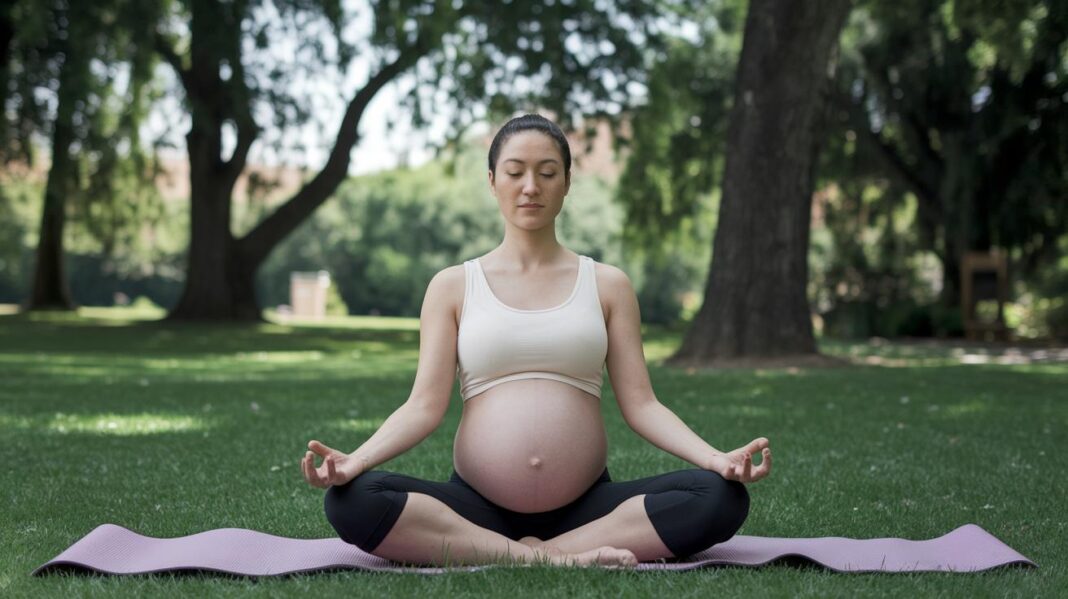
Have you ever thought about mixing regular prenatal care with natural treatments to help you feel better while expecting? Integrative medicine combines trusted health check-ups with gentle therapies like massage, guided imagery, and energy work (which helps balance your body’s natural flow). Many moms have shared that these methods ease everyday aches and reduce stress.
This approach goes beyond routine visits and offers a calm, supportive space during pregnancy, labor, and recovery. It might be easier than you think to feel balanced and refreshed.
Foundations of Integrative Medicine for Maternal Wellness
Integrative medicine in maternal care blends the best of standard prenatal care with trusted natural therapies. It supports you at every stage, from pregnancy, through labor, to postpartum recovery. With methods like gentle massage, acupuncture, calming techniques, energy work, and guided imagery, it feels like a tender moment just for you. Think of it as a mindful pause when your day gets busy.
A study in 2021 showed that 87% of pregnant women tried some form of natural care along with traditional methods. That tells us many moms are finding comfort in mixing well-known medical care with soothing natural therapies. At places like the Mother Baby Center, these approaches help with common pregnancy aches. For instance, acupuncture has been used to ease nausea and back pain, much like a refreshing breeze on a warm day.
This approach also cares for your whole body. It looks at helping you eat better, relax more, and sleep soundly. It invites you to explore new ways to feel comfortable and strong as you prepare for childbirth. The idea is to make this loving care a routine part of your prenatal visits, so you always feel supported.
To learn more about gentle, whole-body care for moms, visit holistic approaches to maternal wellness. Combining solid science with nurturing care, integrative medicine creates a space where every mom can truly shine.
Key Integrative Therapies in Maternal Care

Perinatal acupuncture can help ease many common discomforts during pregnancy, like nausea, back pain, or trouble sleeping. Picture tiny, gentle needles carefully placed at special points (like Pericardium 6) that send a quiet message of relief through your body. One mom mentioned that it felt like every tiny point released a wave of comfort right when she needed it most.
Therapeutic massage is a way to relax tense muscles and ease pain, especially during labor. Imagine those skilled hands working gently on your body like a familiar caress that slowly helps your muscles unwind after a long day.
Chiropractic care, specifically the Webster Technique, gently guides your pelvis into better alignment. Think of it as a soft, careful adjustment that helps steady your body and gets you ready for a smoother delivery.
Prenatal yoga is a wonderful practice that improves flexibility and strength while reducing stress. It’s a bit like untangling a knotted string, helping your body move more freely when it’s time for labor. One client even said her yoga practice felt like a quiet moment to connect with her inner strength.
Mindfulness and guided imagery help lower anxiety and bring a sense of calm. Imagine sitting quietly, taking deep breaths, and picturing a peaceful place where your worries slowly fade away.
Herbal interventions use natural remedies to support you too. For example, lavender can help ease tension, chamomile tea might soothe you for a good night’s sleep, lemon balm (at 600 mg) can ease stress, and a daily dose of vitamin D (2,000 IU from 26–28 weeks) may lower the risk of perinatal depression.
Each of these therapies works in its own special way to support your emotional and physical well-being during pregnancy, labor, and even after your little one arrives.
Evidence and Clinical Studies Supporting Integrative Approaches
Studies show that natural remedies can gently support a mom’s wellness. One study looked at acupuncture compared to common medications for treating postpartum depression, and the results felt as comforting as a warm hug from a good friend. Research like this builds trust in these natural methods by showing clear, positive outcomes.
| Therapy | Outcome | Study/Statistic |
|---|---|---|
| Perinatal Acupuncture | Less labor pain; helps balance blood pressure and sugar | Allina Health found it safe and good for pain relief |
| Acupuncture + Therapy | Works as well as fluoxetine for postpartum depression | Randomized trial compared it with fluoxetine |
| Prenatal Yoga | Increases flexibility and soothes anxiety | Based on 150 min/week exercise guidelines |
| Vitamin D Supplementation | Lowers the risk of perinatal depression | 2,000 IU/day from 26–28 weeks |
These studies help us see that natural treatments can ease discomfort and brighten a mom’s mood during pregnancy. One mother once shared, “It felt like my body was finally hearing a gentle message of relief, each move guided by true care.” Research also tells us that prenatal yoga, with its soft stretches and mindful breathing, can really lower stress and help balance emotions. And vitamin D has shown it can reduce the risk of depression, giving moms extra strength during pregnancy. All these benefits empower moms to take a caring, balanced approach to both mind and body during this special time.
Choosing and Working with Integrative Practitioners

Integrative Obstetrician/Gynecologist
These caring doctors blend standard care with natural therapies during your prenatal visits. They usually have ABIM certification and sometimes use remedies like botanical medicine and acupuncture. One mom mentioned, "Every visit felt like a step toward a more balanced care plan that was made just for me," making the whole experience both personal and soothing.
Functional Medicine Practitioner
Imagine an expert who uses specific labs, like tests for hormones, vitamins, and gut health, to look at your overall wellness. They help sort out issues like anemia or intense morning sickness (hyperemesis gravidarum) by finding nutritional or hormonal imbalances. It’s like having a friendly guide who uses modern tests to fine-tune your health in a really caring way!
Certified Nurse-Midwife
These gentle and knowledgeable professionals offer care that is both personalized and warm. They often help lower the chances of cesarean or early births by sharing herbal tips and nutritional advice. It’s like hearing a close friend say, "I see you, and I’m here with advice that mixes science with heartfelt care," which fills your pregnancy journey with reassurance.
Acupuncturist
When dealing with nausea, pain, or sleep troubles, an acupuncturist can help using tiny, precise needle placements at key points. Those small touches bring a sense of calm and relief, like a little, caring gesture during a hectic day.
Chiropractor
Chiropractors sometimes use a method called the Webster Technique to gently align your pelvis. This approach eases back and hip discomfort, almost like a soft reminder that your body deserves a bit of extra love and balance.
Prenatal Yoga Instructor
These instructors lead you through easy stretches, strength-building moves, and mindful breathing exercises tailored for each trimester. Their sessions feel like a soothing pause in your busy day, where movement and calm come together perfectly.
Pelvic Floor Physical Therapist
By teaching exercises that strengthen the muscles around your uterus, bladder, and colon, these therapists help prepare you for a smoother labor. Their guidance builds resilience and confidence, making each movement feel secure and well-supported.
Real-Life Integrative Medicine Programs and Patient Experiences
At the Mother Baby Center, moms share that they feel a warm, natural touch during labor. They mix gentle massage, acupuncture, calming relaxation, energy work, and guided imagery to lessen pain and stress. One mom said, "During my labor, the gentle massage and soothing energy work made me feel safe; it was like every contraction had its own moment of comfort." This blend of care keeps your mind and body in harmony, easing both physical discomfort and emotional stress.
After birth, the support continues with gentle care to ease common challenges like tiredness, pain, worries, and breastfeeding concerns. Many moms have found that perinatal acupuncture (care around the time of birth) from the experts at the Penny George Institute helps ease headaches, back pain, and even balances blood sugar while getting ready for either a planned or natural birth. One patient remarked, "It really felt like a gentle conversation with my body, soothing me and helping me regain balance." This caring, personalized plan makes the transition into motherhood a smoother, loving experience.
Final Words
In the action, this article shared how integrative medicine approaches to maternal wellness blend trusted prenatal care with therapies like acupuncture, massage, and prenatal yoga. We looked at expert insights, supportive programs, and real-life stories to show how these methods help ease discomfort and nurture resilience. Each part reminded us that thoughtful, whole-body care can bring lasting benefits for mothers and families. It all adds up to a heartening, empowering way to care for both body and mind.
FAQ
Q: What are the 5 domains of integrative medicine?
A: The five domains of integrative medicine address physical, emotional, mental, spiritual, and social aspects of care, blending conventional treatments with complementary therapies to promote overall wellness in a balanced, comprehensive way.
Q: What is the holistic approach to maternal health?
A: The holistic approach to maternal health blends conventional prenatal care with therapies like acupuncture, massage, and guided imagery, nurturing both physical and emotional wellbeing during pregnancy, labor, and postpartum recovery.
Q: What is the functional medicine approach to pregnancy?
A: The functional medicine approach to pregnancy uses detailed lab assessments and personalized care plans to identify nutrient and hormone imbalances, supplementing traditional care with targeted interventions for better maternal health.
Q: What are the different types of integrative medicine?
A: The different types of integrative medicine include acupuncture, therapeutic massage, chiropractic care, prenatal yoga, and herbal remedies, each offering evidence-based, complementary options to support maternal wellness.