Have you ever wondered if your body really knows how to get back to feeling like yourself after your baby is born? There are simple healing practices that work like gentle helpers from the inside out.
After your little one arrives, giving yourself a little extra care, like taking a short walk, eating meals that fuel you, and finding moments of quiet, can make a big difference in your recovery.
In this guide, we share easy, caring tips to rebuild your strength, lift your spirits, and add a peaceful, joyful glow to your healing journey.
Postpartum Healing Practices: Embrace a Radiant Recovery
After having a baby, your body needs gentle time to adjust and heal. This special period, often known as the fourth trimester (the first few months after birth), brings changes to your strength, feelings, and everyday needs. It’s a time to care for yourself in many ways, physically, emotionally, and with proper nutrition.
Think of postpartum healing as a handy toolkit for self-care. Sometimes, taking a few quiet minutes to read a favorite book or listen to soothing music can feel like a warm hug for your soul. And, have you ever noticed how a deep breath early in the morning can light up your whole day? Simple actions like a short walk or easy stretches help restore your body without too much strain.
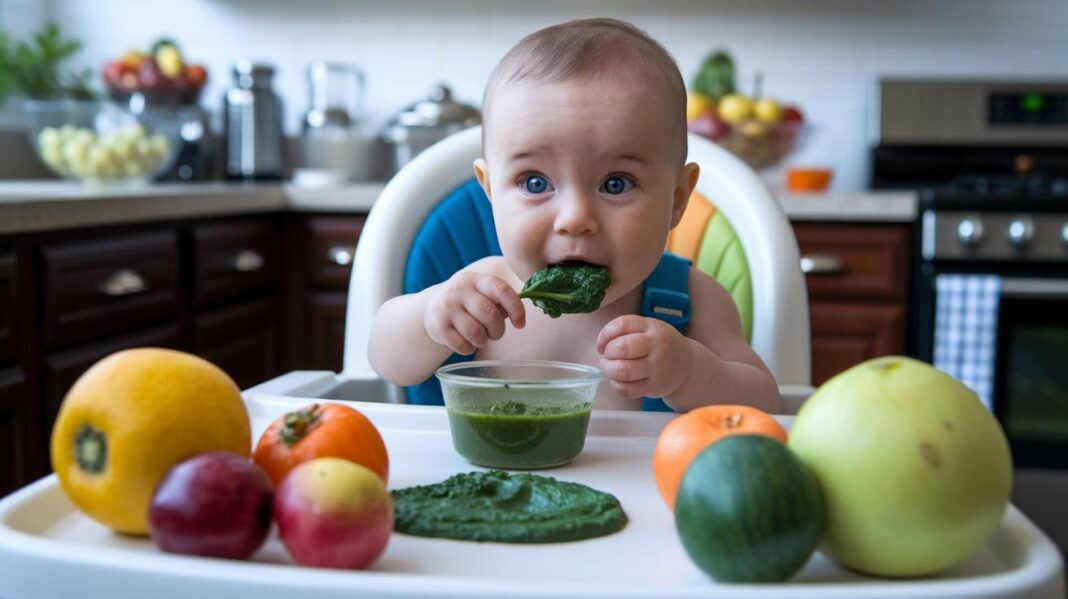
Nutritional care is also a big part of your recovery. Eating a mix of fresh fruits, vegetables, lean proteins, and whole grains can help rebuild your strength and energy. Drinking plenty of water and cutting back on very processed foods can support your body as it renews itself after childbirth.
- Physical care: gentle exercises and plenty of rest rebuild your strength.
- Nutritional care: a balanced, healthy diet nourishes your healing process.
- Emotional care: peaceful moments and supportive connections lift your spirits.
Each of these steps sets the stage for more detailed recovery tips that we’ll share next.
Nutritional Postpartum Healing Practices for Body Replenishment
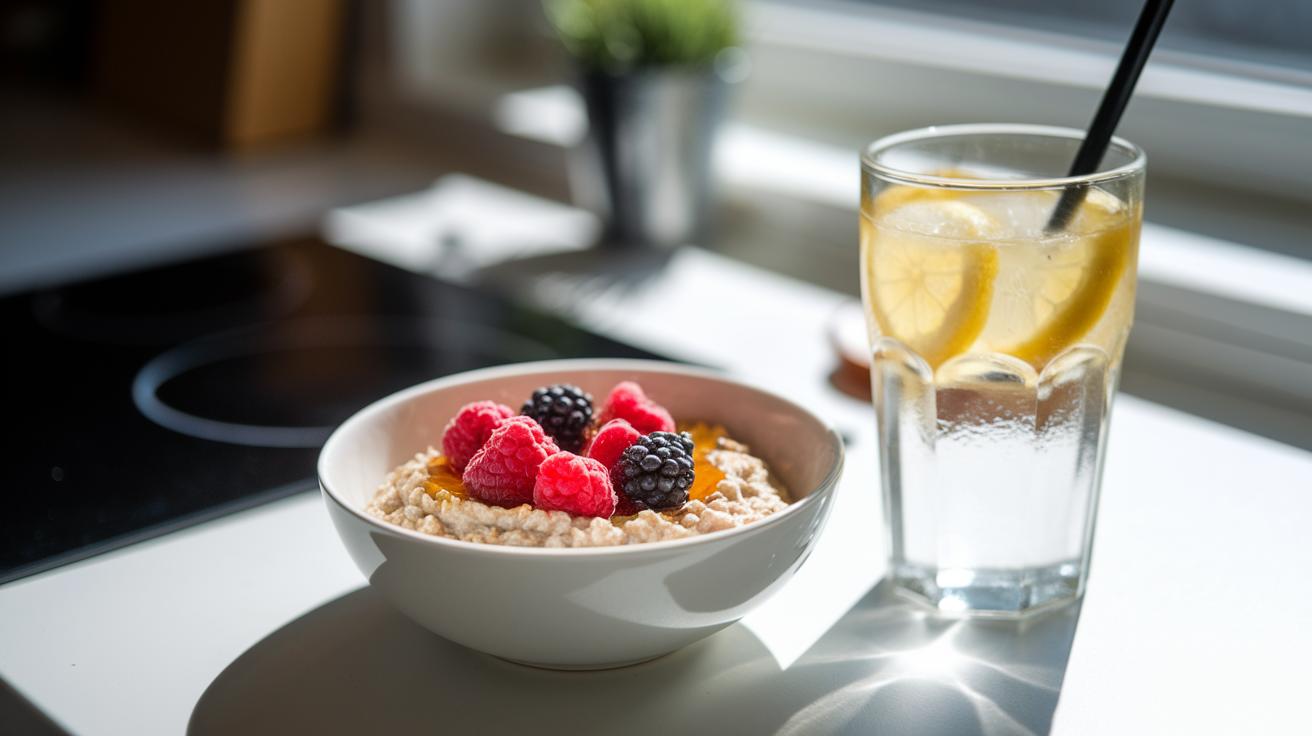
After your little one arrives, taking care with your food choices can really help your body bounce back and keep your energy up. Eating lots of fruits, veggies, whole grains, lean proteins, and good fats gives your body the natural tools it needs to repair itself and feel better. Picture starting your morning with a warm bowl of oatmeal, fresh berries, and a little honey, it’s like a gentle, loving push toward healing.
Drinking plenty of water throughout the day is a simple way to support good digestion and even help with breastfeeding. Cutting back on processed foods, too much caffeine, and alcohol can make your healing process feel smoother and more balanced. Sometimes swapping a sugary drink for a refreshing glass of lemon water can really change your day.
Sometimes your doctor might suggest adding a supplement like iron or a prenatal vitamin (care during pregnancy) if you’re feeling extra tired or noticing signs of postpartum anemia. Enjoying a meal like grilled chicken with brown rice and steamed broccoli doesn’t just comfort you, it fills your body with the protein and nutrients that help fuel recovery. Listen to your body and try to plan meals that are both colorful and balanced; these little choices can really set the stage for a calm, glowing recovery.
Rest and Self-Care in Postpartum Healing Practices
Taking time to breathe and care for yourself is so important after having a baby. Simple moments, like reading a favorite book or listening to soft music while your baby naps, can really lift your spirits.
Every day, try to fit in a few gentle practices:
- Read a beloved book or enjoy calming tunes during nap time.
- Practice meditation or deep breathing to help ease stress.
- Do some gentle stretches or take a short walk to feel more energized.
- Check out postpartum recovery tips (https://womensconference.org?p=11046) for extra self-care ideas.
When it comes to feeling better emotionally, joining a mom group or a friendly support circle can be a real lifesaver. Sharing experiences with others going through similar changes can offer a lot of comfort.
You might also try a relaxation method called progressive muscle relaxation. This means you slowly tense and then relax each part of your body, from your toes all the way to your head, to help release built-up tension.
Remember to use those quiet moments to catch up on sleep. Sharing baby duties with a partner or family member can give you a chance to rest, balance your hormones, and keep your mood steady.
| Self-Care Activity | Benefit |
|---|---|
| Meditation/Deep Breathing | Helps reduce stress |
| Gentle Stretching/Walking | Boosts energy and circulation |
| Peer Support Groups | Offers emotional connection |
Combining these mental health practices with some good physical rest can help make the challenges of early motherhood a bit easier to handle. Enjoy these small moments of care, they add up to big benefits over time.
Physical Postpartum Healing Practices: Exercise and Pelvic Floor Recovery

After having your baby, getting back into movement is a gentle journey. Start with simple activities like a short walk. Think of it as stepping outside for a peaceful stroll, a little escape that eases your body back into activity. When your doctor says it’s safe, try adding pelvic floor exercises like Kegels, which can help rebuild muscle strength and support bladder control.
Take things slowly. Begin with easy stretches that help relax tight muscles and care for your body as a whole. Moving gradually not only keeps you safe from injury but also helps build strength over time. It’s like adding small chapters to your recovery story, each step helps you feel a bit stronger.
Here are some gentle ideas to try:
| What to Do | How It Helps |
|---|---|
| Take a 5-10 minute walk each day | Builds strength and stamina gradually |
| Do gentle pelvic floor squeezes several times a day | Helps restore muscle tone and improve bladder control |
| Incorporate soft stretching routines | Prepares your body for more active movements |
Some moms also find extra comfort by using a sitz bath during early therapy. It soothes sore areas and adds a bit of relief to your routine.
Remember, looking after your body with careful, loving movements is a wonderful act of self-care. Every mindful step you take brings you closer to feeling balanced and strong again.
Holistic and Herbal Postpartum Healing Practices from Global Traditions
Around the world, moms have long trusted natural ways to heal after having a baby. They blend old traditions with gentle care to help the body recover. For example, in China, there’s a tradition called zuo yue zi, a 30 to 40-day period of rest with nourishing meals and daily massages. It’s like giving yourself a little pause to mend and rejuvenate.
Have you ever thought about starting your recovery with a soothing herbal bath? In Malaysia, there’s a massage called bertungku that works much the same way. It gently reduces swelling and supports your body as it heals, almost like a restorative embrace for both body and spirit.
These caring rituals also use things like herbal treatments, body wraps, and special essential oils that help ease pain and calm inflammation. Many families even add acupressure or reflexology to their routine for extra comfort and balance. If you’re looking for more support, you might explore postpartum recovery tools designed just for new moms.
Mixing these age-old practices with modern care creates a healing routine that feels both time-tested and wonderfully supportive. Embracing these natural methods can be a warm reminder to care for yourself during this new, beautiful chapter.
Postpartum Healing Practices for Emotional Support and Mental Health

About one in seven moms may feel the heavy weight of postpartum depression. Building a caring circle early on can truly ease that burden. One mom shared, "Talking with another parent while cradling my baby made me feel understood, like a warm blanket on a chilly day."
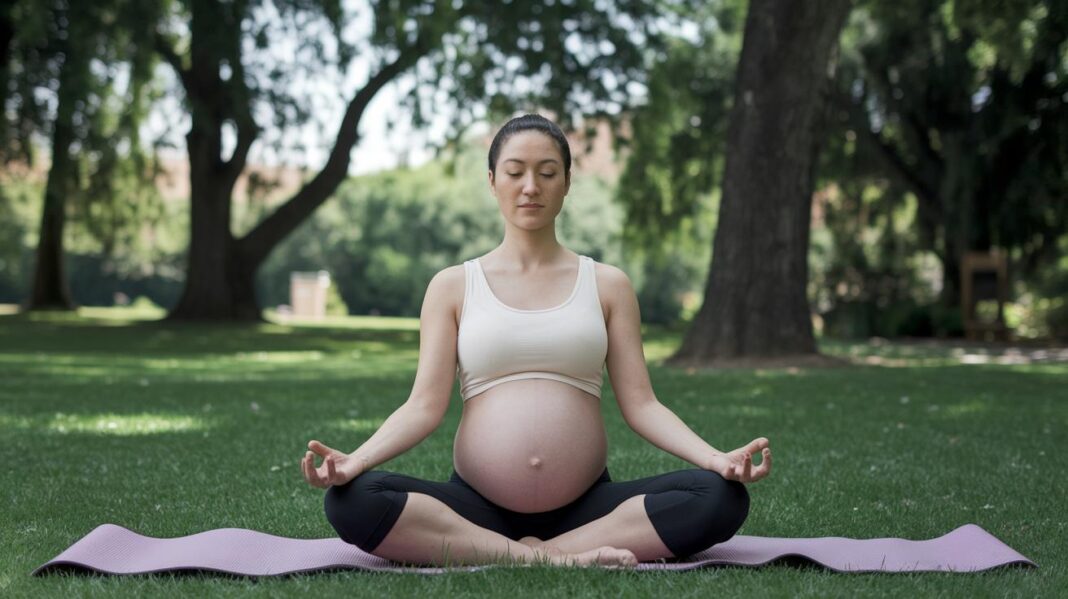
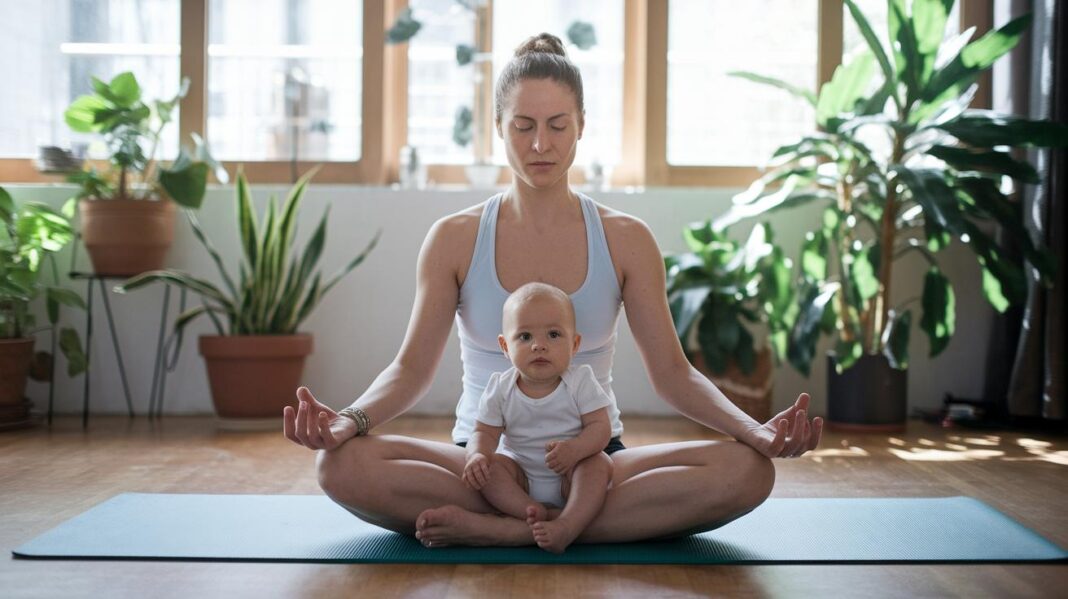
Taking a few quiet moments for gentle meditation or deep breathing can help lower anxiety and steady your mood. Even when your baby is napping, try sitting comfortably and focusing on slow, deep breaths. For instance, you might breathe in slowly for a count of four, pause briefly, then breathe out for four counts.
- Practice deep breathing by inhaling slowly, pausing for a few seconds, and exhaling gently.
- Try a short meditation: sit in a peaceful spot and think of something calming.
- Look into joining a postpartum support group where you can share daily ups and downs.
- Reach out to loved ones, a kind word can remind you that you're never truly alone.
Mixing these simple practices into your day can strengthen the bond between you and your baby while giving your heart and mind the gentle care they deserve.
Building Your Personalized Postpartum Healing Practices Routine
When you weave together good food, plenty of rest, some exercise, and moments of self-care with emotional support, you create a gentle routine that honors your healing. It might feel like setting little goals each day that build into a caring practice. Imagine jotting down your meals, sleep times, or even a short walk in a simple notebook, a sweet reminder that every tiny effort matters.
Keeping a journal of your recovery can show you how far you’ve come. Write about the energy you feel after a nourishing meal or how a brief walk brightens your day. Even a quick note about a calm moment or a simple stretch can remind you that progress is happening, one gentle step at a time.
Taking just a few moments daily to check in with yourself can really help. It allows you to see what parts of your routine work well and spot areas where a small tweak could make a big difference. And if you’re unsure or need a little guidance, talking with a postpartum care expert might shed some light on what’s best for you. For more ideas on creating your schedule, check out this postpartum recovery guide (https://womensconference.org?p=11055).
| Action | Description |
|---|---|
| Track daily meals, sleep, and activities | Note what you eat, how you sleep, and what you do each day |
| Note small wins and challenges | Record moments when you feel better and times when things are tough |
| Adjust routines based on your reflections | Tweak your daily plan as you learn what brings you comfort and joy |
Final Words
In the action of exploring key postpartum healing practices, our discussion has covered a balanced nutrient-rich diet, gentle physical recovery, simple self-care steps, and time-honored herbal methods. We looked at ways to build a routine that supports not only the body but also the heart and mind. Embracing these postpartum healing practices can create a steady path for recovery while making every day feel a little brighter. Your efforts mean a lot, and every positive step brings comfort and strength.
FAQ
What is included in a postpartum self-care checklist?
The postpartum self-care checklist includes plenty of rest, balanced meals, gentle exercise, personal hygiene, family support, and follow-ups with your health provider to help your body and mind heal.
What are things not to do after giving birth?
Things not to do after giving birth include skipping rest, overexerting early on, neglecting healing signs, and engaging in activities that risk infection; instead, follow gentle care guidelines advised by your doctor.
What does postpartum care involve for a new mom?
Postpartum care involves meeting your physical, emotional, and nutritional needs through proper sleep, healthy meals, mild exercise, personal hygiene, and regular check-ups, ensuring a safe recovery after childbirth.
How should you take care of your vagina after giving birth?
Taking care of your vagina after birth means cleaning it gently with warm water, using a sitz bath if recommended, wearing loose clothing, and staying alert for any signs of infection as advised by your provider.
What are some recommended postpartum healing practices in 2022?
Recommended practices in 2022 include balanced nutrition, gentle exercise, traditional home remedies like herbal baths, mindfulness techniques, and guided self-care routines to help new mothers recover smoothly.
How long does it take for your body to go back to normal after birth?
It usually takes several weeks to a few months for your body to adjust after birth, as recovery varies based on your health, the birthing process, and the time you spend on self-care.
What helps you heal faster after giving birth and what is the best approach for recovery?
Healing faster after birth involves proper nutrition, ample rest, mild exercise, and emotional support. A balanced routine combining self-care, guidance from professionals, and tailored physical activity offers the best recovery path.
What is the 5-5-5 rule in postpartum?
The 5-5-5 rule in postpartum is a guideline encouraging light movement for five minutes, taking five deep breaths, and checking in with your body every five hours to gradually ease back into activity.
What is the 40 day rule after birth?
The 40 day rule after birth suggests taking 40 days to intentionally rest and focus on healing, emphasizing self-care, proper nutrition, and slow, steady recovery as you regain strength after childbirth.