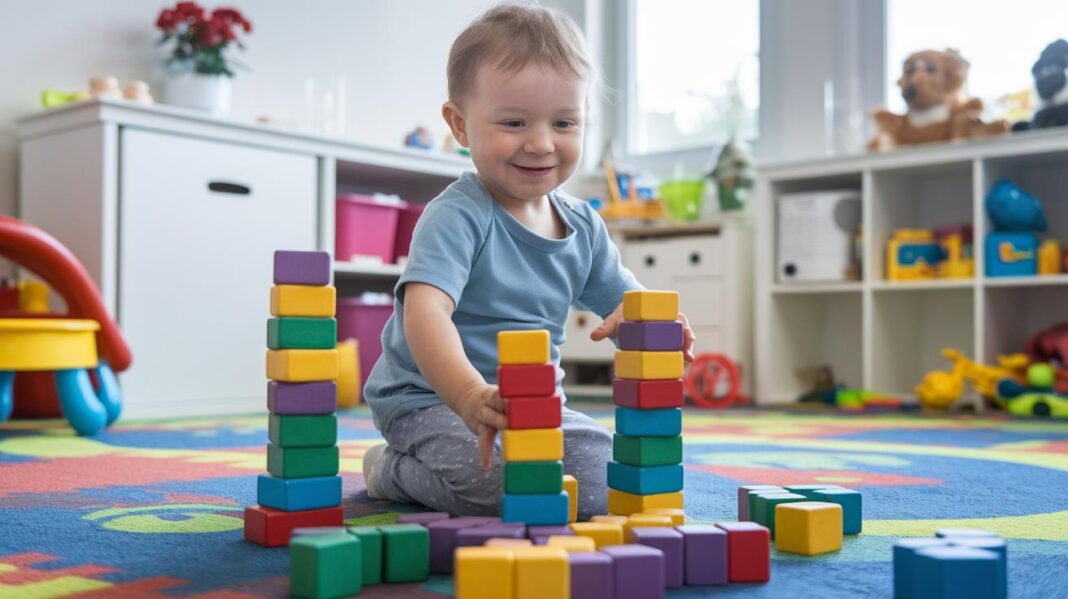
Have you ever noticed how your child's first words might hint at what’s going on inside their little heart? It’s amazing to think that those early sounds are like tiny clues about their world.
Their babbles and simple words light up their growth, showing us that their thinking is expanding day by day.
In this chat, we’ll explore the journey from soft babbles to little sentences. You’ll see how those early words soon turn into joyful conversations.
Stick with us and watch as each moment builds a bridge to lasting communication.
language development milestones Spark Joyful Growth
| Age Range | Receptive Language | Expressive Language | Articulation/Syntax |
|---|---|---|---|
| 1–1½ yrs | They can follow simple one-step instructions, like “pick up your toy.” | They use baby talk that feels like little sentences and say about 3–20 words. | They experiment with sounds using different tones and rhythms. |
| 1½–2 yrs | They understand roughly 300 words. | They start using about 50 clear words and rely less on jargon. | They begin to put sounds together into short, easy phrases. |
| 2–2½ yrs | They grasp around 900 words and can follow two-step directions. | They speak between 50 and 200 words that others can understand. | They start linking words into simple two-word combinations. |
| 2½–3 yrs | They know about 1,200 words and can answer simple questions. | They can express roughly 800 words during conversation. | Their speech becomes more organized and early sentences start to form. |
| 3–3½ yrs | They continue to learn new words and expand their understanding. | They begin using helper words like “is” or “am” to show action. | Their talk shifts from imaginative play to more friendly, cooperative conversations. |
| 4–5 yrs | They can follow multi-step instructions and have a richer vocabulary. | They use between 900 and 2,000 words and describe things by their use (like saying “you eat with a fork”). | They might begin writing a few capital letters as their grammar skills take shape. |
| 5–6 yrs | They understand more detailed and nuanced instructions with increasing clarity. | They speak with more refined and complex sentence structures. | Their articulation gets sharper and their sentence building grows more sophisticated. |
Infant Language Skills: Birth to 12 Months

By six months, little ones start making all sorts of babbling sounds, like “ba” and “da.” They often respond when someone calls their name, showing a growing curiosity and interest. You might even see them reaching out or smiling, which is an early sign that they’re ready to connect in their own special way.
Around nine months, babies explore sounds even more and begin to understand simple words. By the time they are a year old, many say their very first words like “mama” or “dada” and copy the sounds they hear around them. They also start to follow simple instructions and use gestures like pointing to show what they need. It’s really heartwarming to watch!
- They make eye contact that builds a real connection.
- They enjoy turn-taking vocal play during everyday moments.
- They mimic sounds, sparking their language curiosity.
- Their first-word attempts are filled with wonder.
- They light up when they hear their name called.
These early months are so important. Every little babble, smile, and gesture helps lay the foundation for clear communication and language skills later on.
Toddler Speech Progress: 1 to 2 Years
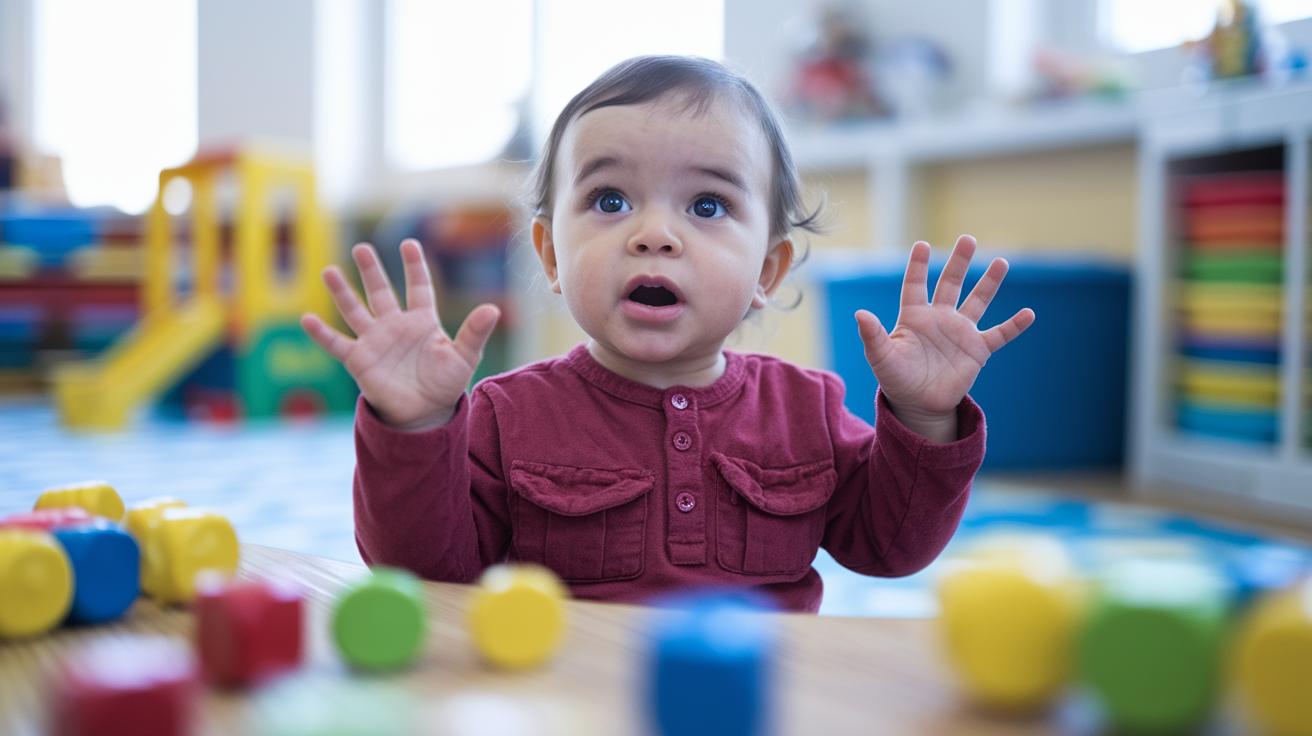
Around 12 to 15 months, little ones start to use more than two simple words. Their babbling turns into real attempts at talking, maybe you’ll hear a warm “mama” or “dada” alongside other emerging words. They begin linking sounds to objects or actions, often sprinkling in gestures as they try to share what they mean.
By 15 to 18 months, vocabulary steadily grows, with many toddlers using around 10 to 20 words. The non-stop babbling starts to calm down as speech becomes clearer and more purposeful. They now use words to ask for what they need, answer simple questions, and follow basic instructions, which really helps build their understanding of language.
Come 18 to 24 months, an exciting word explosion happens. Toddlers might know about 50 words and understand close to 300! They begin mixing two words together to form little phrases or simple questions. Their play becomes more interactive, sometimes mimicking the way others talk in a fun, parallel manner. As they start following two-step commands, it feels like each day brings more chances for new conversations and precious moments of communication.
Preschool Language Growth: Ages 2 to 5 Years
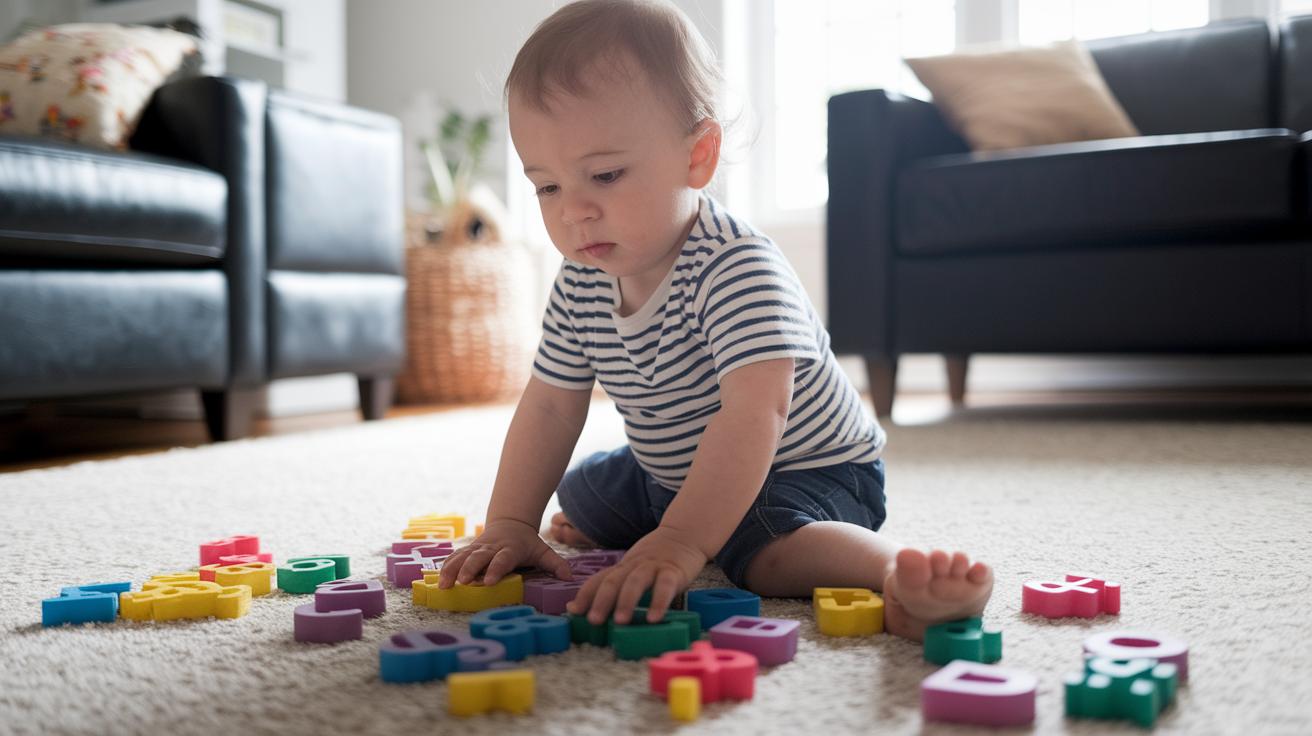
During these early years, kids quickly go from speaking just a few words to forming clear, multiword sentences. By the time they're 2 to 2½ years old, most little ones use about 50–200 words, ask simple questions like "what" and "where," and even start using pronouns. Then, between 2½ and 3 years, their vocabulary jumps to around 800 words, and you'll hear them stringing together three-word or longer sentences.
Below is a handy table that breaks down these milestones:
| Age Range | Milestones |
|---|---|
| 2 – 2½ years | 50–200 words, asks simple questions, uses pronouns |
| 2½ – 3 years | About 800 words, three-word sentences, combining ideas |
| 3 – 3½ years | Regular use of helper words like “is” or “am + -ing”, early storytelling |
| 4 – 5 years | 900–2,000 words, names objects by their function, uses future tense, begins early writing |
Grammar and Syntax Development
Around 3 to 3½ years old, children start using helper words like "is" and "am + -ing" in their sentences. This helps them move from simple words to sentences filled with details, much like watching a story gradually come to life. For example, a child might say, "The cat is sleeping," showing a new grasp of sentence structure.
By 4 to 5 years, playful storytelling and imaginative games really boost language skills. Kids begin to describe objects by saying what they do , like, "You eat with a fork" , and they start experimenting with future ideas and even try writing a bit. To help your child along the way, try these friendly tips:
- Read together every day and ask open-ended questions like, "What do you think happens next?"
- Chat during play and offer gentle prompts to encourage them to share more.
- Create a cozy space where they feel safe to express their thoughts and feelings.
These simple moments not only expand language skills but also build a warm, loving connection between you and your little one.
Receptive vs. Expressive Language Benchmarks
Receptive language is all about a child's ability to understand words and follow instructions. By the time they turn 2, most kids start to get around 300 words, which grows to about 900 to 1,200 words by age 3. This growth lets them follow simple two- or three-step directions and join in on everyday conversations.
Expressive language, on the other hand, deals with the words a child uses to share their thoughts. At age 2, a child might use roughly 50 words. By age 3, you'll often hear them stringing together 3- to 4-word sentences. Around age 4, they start using pronouns and simple past tense, and by age 5, they build even more detailed sentences.
Monitoring Milestone Progress and Delay Indicators
Keeping an eye on your child's language development is really important, it’s like watching over a little garden to see how it grows. Regular check-ins not only ease your mind when everything seems to go well, but they also let you catch any early hints that your child might be having some trouble with communication. If you see your child isn’t meeting a certain language milestone at the expected age, it might be a good idea to talk to a professional.
For example, if by 12 months your child isn’t babbling or using simple gestures, that’s something to note. By 18 months, not saying even a single word can be a sign to look into. And around age 2, if your little one isn’t putting together at least two-word phrases, it might be time for a closer look. At 3 years old, if strangers only understand less than half of your child’s speech, it could indicate a delay. Also, if your child isn’t following simple commands or seems to struggle with understanding what you say, this might be another clue. Any other noticeable slowdowns in their ability to understand language should be watched carefully.
Early checks and getting help before your child reaches 3 to 5 years old can make a big difference, setting the stage for smoother and happier communication down the road.
Evidence-Based Strategies to Stimulate Language Development
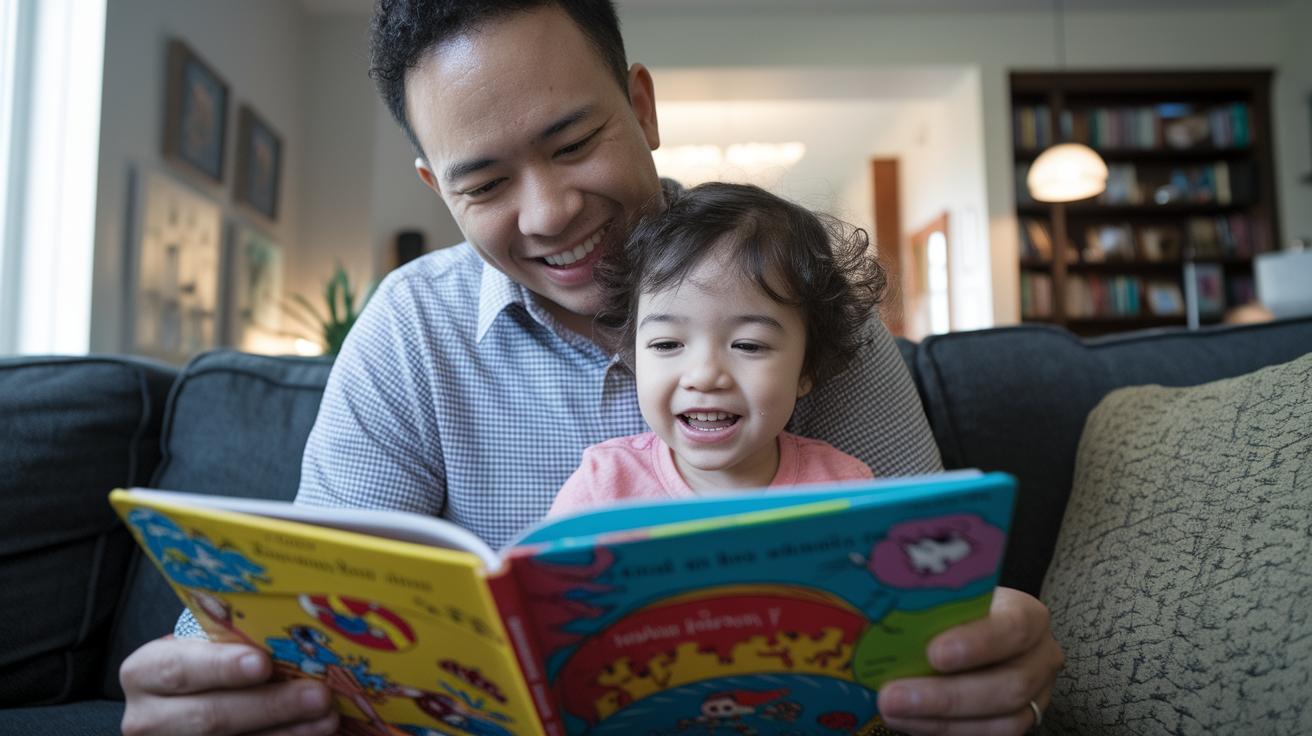
Creating a rich language space helps your child feel safe and excited to chat. When you or other caregivers engage in playful, lively conversations, kids naturally pick up new words and ways of speaking, it almost feels like a game. This fun, interactive setting not only grows their vocabulary but also makes them feel free to experiment with their words. In everyday moments, language blends right into play. Imagine this surprising fact: before your child even says their first word, they already understand the sound of your voice, much like recognizing the tune of a favorite song.
- Enjoy shared reading time where you invite your child to comment or ask questions.
- Take turns talking to help your little one feel really listened to.
- Name objects during daily routines, like meal times or when tidying up.
- Sing nursery rhymes to introduce a playful rhythm and pitch to words.
- Ask open-ended questions that encourage thoughtful responses.
- Model clear, correct language in your everyday chats.
Watch your child’s progress by simply noticing how they talk during daily activities. Keep an eye on things like how long they converse or how quickly they respond in different settings. This gentle, informal approach helps you adjust your activities to make them more engaging, giving your child the support they need for language and early thinking skills.
Final Words
In the action, we explored the key stages of language development milestones, from early babbling and first words in infancy to more complex speech in preschool. We looked at clear charts, simple communication targets, and red flags to watch for.
Our guide offered practical strategies and expert insights that remind us every little word matters. Stay encouraged and keep focusing on each step, knowing that everyday interactions shape your child’s language skills in a warm, supportive way.