Friday, August 21, 2026
Home Blog Page 147

How Pre-Kindergarten Programs Can Prepare Your Child for School

0

Education is a foundational pillar that shapes the future of children. However, setting the stage for academic success begins long before kindergarten. Pre-kindergarten programs have become an essential stepping stone, bridging early childhood learning and formal education. Let’s take a look at  how these programs can prepare your child for school, equipping them with the skills and confidence needed to thrive.

Developing Early Literacy and Numeracy Skills

Pre-kindergarten programs play a crucial role in developing early literacy and numeracy skills. These foundational skills are essential for academic success in later years. Through interactive activities, storytelling, and games, children learn to recognize letters, sounds, and numbers.

Practical Tip:

Encourage your child to participate in reading circles and counting games at home. Studies show that children exposed to books and reading at an early age are more likely to perform better in school.

Fostering Social and Emotional Development

One of the most significant benefits of pre-kindergarten programs is the emphasis on social and emotional development. Children learn to interact with their peers, share, take turns, and express their feelings in a healthy manner. These skills are vital for creating positive relationships and adapting to a structured school environment.

Data Insight:

According to the National Institute for Early Education Research (NIEER), children who attend high-quality pre-kindergarten programs exhibit stronger social skills compared to those who do not.

Encouraging Independence and Self-Confidence

Pre-kindergarten environments encourage children to become more independent and self-confident. Activities such as choosing their own tasks, completing simple projects, and following routines help children develop a sense of autonomy and responsibility.

Example:

When children successfully complete a task or project on their own, they experience a boost in self-esteem. This newfound confidence can ease the transition into the more structured and demanding environment of kindergarten.

Enhancing Motor Skills

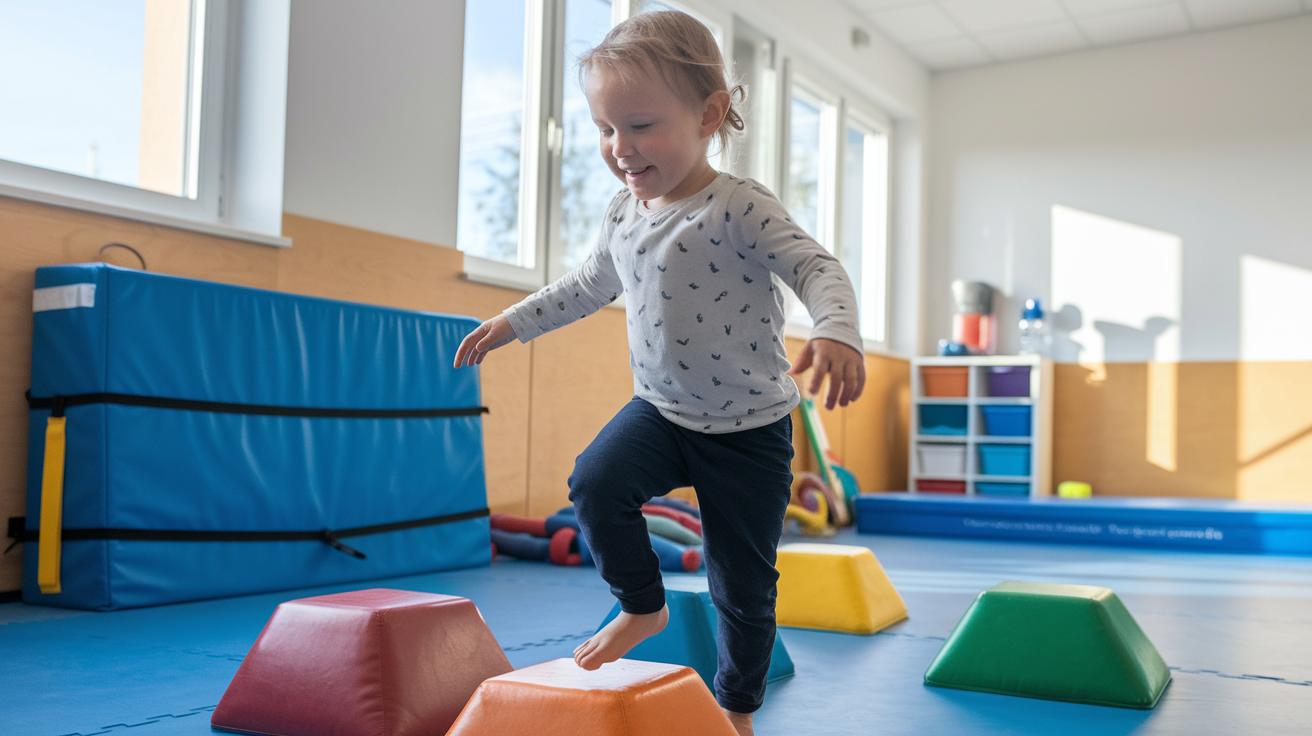
Fine and gross motor skills are another critical area of development in pre-kindergarten programs. Activities like drawing, cutting with scissors, playing with building blocks, and outdoor play help children improve their coordination and physical abilities.

Statistic:

A study published in the Journal of Early Childhood Research found that children who engage in regular physical activities in preschool tend to have better motor skills and overall physical health.

Cultivating a Love for Learning

Pre-kindergarten programs create a fun and engaging learning environment that fosters a love for learning. By making education enjoyable, children develop a positive attitude towards school, which can lead to lifelong learning habits.

Practical Tip:

At home, reinforce this love for learning by incorporating educational toys, puzzles, and interactive apps that make learning feel like play.

Building Cognitive Skills

Cognitive development is a key focus in pre-kindergarten programs. Activities designed to stimulate critical thinking, problem-solving, and memory enhance cognitive skills that are essential for academic success.

Example:

Simple activities like matching games, puzzles, and sorting exercises can significantly improve a child’s cognitive abilities. Encouraging your child to engage in these activities at home can further reinforce their learning.

Providing Exposure to Diversity

Pre-kindergarten programs often bring together children from diverse backgrounds. This exposure helps children understand and appreciate different cultures, languages, and perspectives, fostering inclusivity and empathy.

Data Insight:

A report by the American Psychological Association suggests that early exposure to diversity can lead to more inclusive attitudes and behaviors later in life.

Preparing for Routine and Structure

Pre-kindergarten programs introduce children to the concept of routine and structure. Following a daily schedule, understanding classroom rules, and participating in group activities prepare children for the structured environment they will encounter in kindergarten.

Practical Tip:

Create a consistent daily routine at home that mimics the structure of a pre-kindergarten program. This will help your child adapt more easily to the school environment.

Conclusion

The benefits of pre-kindergarten programs extend far beyond just the academic realm. These programs lay a solid foundation for a child’s overall development, making the transition to kindergarten smoother and more successful. If you’re considering enrolling your child in a pre-kindergarten program, know that you’re investing in their future success and well-being.

Reducing the Costs of Coworking

0

Remote work has been one of the most impactful changes to our workforce in recent years. Despite the benefits of a reduced commute and more sustainable hours, many people miss the social aspect of a traditional office. Coworking surged in popularity as an option for remote workers to still socialize during their workday, but almost half of these spaces struggle to turn a profit. They are often too expensive for the average person to afford, often costing between $200 and $700 for an individual desk. There are also not a lot of socialization opportunities in these coworking spaces, so almost 70% of members haven’t made friends outside of their direct coworkers. 

Some community-focused coworking in NYC spaces are taking over and are finally cracking the code on how to make coworking a profitable venture. These companies can reduce operating expenses to a fourth of their original cost by using underutilized space in hotels, bars, and restaurants, which solves the fatal flaw of this industry. This strategy ultimately translates to much more affordable memberships, at only $30. They also have a greater focus on creating a social atmosphere by hosting communal lunches and happy hours for members. Workers can now feel like they have the ability to make friends both outside of the office and outside of their company.

​Coworking Spaces in NYC
Source: Tavern Community 

The Power of Scripting and Tapping: Jenn Mitchell’s Methodology for Lasting Transformation

0

Two techniques have emerged as powerful tools for transformation: scripting and EFT tapping (emotional freedom technique). Jenn Mitchell, a leading expert in hypnosis, has effectively integrated these methods into her practice, creating a unique and comprehensive approach to rapid and lasting change. By combining scripting and EFT tapping with the transformative power of  quantum hypnosis, Jenn offers her clients a powerful pathway to reprogram their subconscious minds and achieve profound, lasting transformations.

What is Scripting?

Scripting is a technique that involves writing down one’s thoughts, goals, and aspirations as if they have already been achieved. This method engages the neocortex portion of the subconscious mind by framing future desires as present realities. By consistently writing in this manner, individuals begin to shift their mindset and beliefs, aligning their subconscious with their goals. Scripting is more than just positive thinking—it is a deliberate practice of reprogramming the mind by putting pen to paper to support desired outcomes.

Jenn Mitchell incorporates scripting into her sessions to help clients solidify the changes they wish to see in their lives. By guiding them through the process of scripting, she ensures that their new beliefs and goals are deeply embedded in their subconscious. This not only reinforces the work done during hypnosis but also empowers clients to continue their transformation outside of sessions.

The Art of EFT Tapping

EFT Tapping, also known as Emotional Freedom Techniques (EFT), is another powerful tool in Jenn’s methodology. Tapping involves using the fingers to gently tap on specific meridian points on the body while focusing on a particular issue or emotion. This process helps to release emotional and financial blockages and rewire the brain’s response to stress and negative thoughts. EFT tapping is based on the principles of acupuncture but without the use of needles, making it a non-invasive and accessible technique for emotional healing.

Jenn integrates tapping into her practice to magnify the effects of quantum hypnosis and scripting. By addressing the emotional and physical aspects of an issue through tapping, she provides a highly effective approach to transformation. Clients who use tapping as part of their journey often report feeling a sense of relief and clarity, as they are able to release deeply held emotions and reprogram their responses to stressors.

Integrating Scripting and Tapping for Maximum Effect

The true power of Jenn Mitchell’s methodology lies in her ability to seamlessly integrate scripting and tapping with quantum hypnosis. While each technique is effective on its own, their combined use creates a synergistic effect that amplifies the results and creates the “Unlimited Abundance Technique”. Scripting helps clients to consciously frame their goals and aspirations, embedding them into the subconscious. Tapping, on the other hand, works to clear emotional blockages and reinforce the new beliefs formed during hypnosis.

By using these techniques together, Jenn offers a comprehensive approach that addresses both the mental and emotional aspects of transformation. Clients are not only able to change their thought patterns but also release the emotional baggage that may have been holding them back. This holistic approach ensures that the changes they make are deep, lasting, and supported by every aspect of their being.

The Science Behind the Techniques

The effectiveness of scripting and tapping is supported by emerging research in psychology and neuroscience. Studies have shown that writing down goals and aspirations can significantly improve motivation and the likelihood of achieving them. This is because scripting helps to clarify intentions and align the subconscious mind with conscious desires. Similarly, research into EFT has demonstrated its effectiveness in reducing anxiety, depression, and stress by altering the brain’s response to negative stimuli.

Jenn Mitchell’s approach is rooted in these scientific principles, ensuring that her methodology is both evidence-based and results-driven. By understanding the science behind these techniques, Jenn is able to guide her clients through a process that is not only transformative but also grounded in a deep understanding of how the mind and body work together to create change.

Conclusion

Jenn Mitchell’s methodology for lasting transformation is a powerful combination of scripting, tapping, and quantum hypnosis. By integrating these techniques, she offers a comprehensive approach that addresses both the mental and emotional aspects of personal development. Scripting helps to align the subconscious with desired outcomes, while tapping clears emotional blockages and reinforces new beliefs. Together, these methods create a synergistic effect that leads to profound and lasting change. As more individuals seek effective ways to transform their lives, Jenn’s approach stands out as a holistic and powerful solution for those ready to make meaningful and enduring changes.

This article has been published Womans Conference

Piaget’s Stages Of Play: Bright Cognitive Spark

0

Have you ever wondered if play might be the secret to your child's growing mind? Imagine your little one exploring and laughing, absorbing new things with every moment of fun.

Experts like Piaget remind us that every game, giggle, and playful discovery helps shape how a child sees the world. Think about it, playing with simple toys, engaging in pretend adventures, or even solving a simple puzzle all sparks new skills.

Let’s explore how everyday play not only brings joy but also supports important growth for your child.

Piaget's Stages of Play: Bright Cognitive Spark

img-1.jpg

Piaget’s model shows us four different stages that mirror how kids' play changes as they grow. At first, during the sensorimotor stage (birth to 2 years), little ones explore the world with repeated actions, like shaking a toy or clapping their hands. They use touch, sight, and sound to learn about everything around them, and slowly, they start to understand that even when something is out of sight, it still exists. This clear path helps us choose games and activities that fit a child’s growing mind. For more details, check out the link on stages of childhood development.

When kids enter the preoperational stage (2 to 7 years), their play blossoms into imaginative adventures and pretend games, letting them create wonderful stories. Then, during the concrete operational stage (7 to 11 years), play turns more rule-focused. Kids start enjoying board games, puzzles, and other activities that tickle their logical skills. Finally, in the formal operational stage (11 years and up), thinking becomes more about plans and ideas, letting them dive into strategic and what-if game worlds. Each step shows how a child’s thinking grows, giving clear clues on what types of play work best at each stage.

Stage Age Range Key Play Characteristics
Sensorimotor Birth–2 years Repetitive actions, sensory exploration, object permanence
Preoperational 2–7 years Symbolic play, imaginative scenarios, role-playing
Concrete Operational 7–11 years Rule-based games, logical thinking, structured activities
Formal Operational 11 years and up Abstract reasoning, strategic play, hypothetical problem-solving

Sensorimotor Stage of Play: Foundations through Action

img-2.jpg

During the sensorimotor stage, which spans from birth until about two years old, babies discover the world by using all their senses. They touch, see, hear, taste, and smell as they learn. A big moment in this phase is when babies grasp that things still exist even if they can’t see them, a concept called object permanence. For instance, imagine a baby shaking a rattle repeatedly and lighting up when they hear its sound, even if the rattle isn’t in sight. It’s like watching a little detective learn through play.

Babies also love to repeat actions like shaking, banging, and mouthing objects. These actions aren’t just fun, they help them feel different textures and sounds while building pathways in their brain. Think of a baby who keeps shaking a rattle; each shake helps them know the toy is still there even when hidden. This playful exploration sets the stage for more complex thinking skills as they grow.

Preoperational Stage of Play: Emergence of Symbolism

img-3.jpg

Between the ages of 2 and 7, kids begin to see things a bit differently. They start to use symbols in their play, letting everyday items stand in for something else. Maybe they act like caring parents with a doll, or pretend to be a brave firefighter on an exciting mission. These fun, imaginative games help spark early ideas and gently set the stage for more complicated thinking later on.

Language and imagination come together beautifully at this stage. Picture a child happily saying, “I'm a superhero saving the day!” Imagine how, by the age of three, a simple game of pretend might turn a kitchen table into a lively restaurant, buzzing with warm chatter and gentle gestures. These little moments of creative play not only inspire inventive thinking but also help build early social skills and a sense of connection.

Concrete Operational Stage of Play: Logic in Interaction

img-4.jpg

When kids hit the concrete operational stage, usually between 7 and 11 years old, they start seeing the world in a more logical way. They move past simple pretend play and begin enjoying games with clear rules and fair turns. It’s amazing how they start linking their actions to what happens next. You might see them forming teams for board games where each turn counts, or setting up races with clear start and finish lines. These activities help them understand fairness and teamwork.

Building tasks also become a big hit during this time. Kids love working with blocks and puzzles to solve little problems. They try different ideas through trial and error, learning bit by bit along the way. For example, when they build a tower using interlocking pieces, they learn that careful planning step by step can create something both fun and stable.

Formal Operational Stage of Play: Abstract and Rule-Based Play

img-5.jpg

When kids enter their early teens, around 11 or 12, their play becomes more imaginative and thoughtful. They start using abstract ideas and logical thinking to plan strategies and solve problems. Sometimes they even change the rules of a game as they play, trying out new ideas like solving a puzzle with clear steps.

At this stage, children enjoy exploring different what-if scenarios that go beyond simple rules. They might play strategy games that challenge them to balance different sides or dive into role-playing adventures filled with twists. These activities not only make playtime fun but also help them sharpen their decision-making and critical thinking skills.

Types of Play within Piaget’s Framework

img-6.jpg

Let’s explore different kinds of play and see how they match up with a child’s growing mind, all with examples you might notice in everyday settings.

• Functional play (sensorimotor stage)
Imagine a baby shaking a bright rattle over and over. Every shake teaches them that one action causes a sound. In a busy nursery, caregivers might offer sound-making toys so little ones can learn through simple, fun actions.

• Constructive play (sensorimotor to early preoperational stages)
Think about a toddler stacking blocks into a little tower. In preschool, kids might join forces to build a small model town. These moments help them learn about teamwork and figuring out how things fit together.

• Symbolic/fantasy play (preoperational stage)
Picture children getting into costumes and using simple props to act out stories. In a playful learning center, a group might pretend to run their own store, practicing social skills and building language in a fun, imaginative way.

• Games with rules (concrete operational stage)
Consider kids playing a board game with easy rules, where they learn about fairness and making smart decisions. In a classroom, teachers might set up rule-based group activities that encourage logical thinking and working together.

Each type of play shows a child’s development in its own way, giving parents and educators everyday ways to help young ones learn and explore.

Practical Applications of Piaget’s Play Stages in Education and Parenting

img-7.jpg

Parents and teachers can use fun play ideas as gentle support for a child’s growing mind. When we choose games that match each stage of development, learning turns into a joyful part of everyday life. Here are three friendly activities to try:

  1. Sensory Bin and Object-Hiding Games
    For young kids who learn through their senses, try a sensory bin filled with different textures or hide a small toy under a light cloth so they can search for it. This playful hide-and-seek helps them understand that things still exist even when they’re out of sight.

  2. Puppet Play and Storytelling Sessions
    For little ones starting to explore ideas with symbols, puppet play and simple storytelling can spark big imaginations. Let your child create a fun make-believe dialogue with puppets, a playful way to boost language skills and early creative thinking.

  3. Board Games and Science Experiment Projects
    For kids learning to think logically, try board games with clear, simple rules or set up basic science experiments. These activities encourage careful thinking and fair play. You might also plan small group tasks that get everyone chatting about cause and effect.

Everyday play like this turns learning into a practical, hands-on adventure that gently supports your child’s growth.

Historical Context and Critique of Piaget’s Play Stage Model

img-8.jpg

Back in 1936, a Swiss psychologist shared his theory after carefully watching how children played. He noticed that as kids grow, the ways they play change, and he believed this shift shows how their thinking develops. Many people appreciate his work because it shows that even simple play can offer clues about a child’s growing mind, helping both parents and teachers understand the deep link between play and learning.

Today, however, lots of experts are asking new questions about his ideas. Some feel that his model might miss early talents and doesn’t always consider cultural differences. They wonder if sticking to one set order of stages might limit our view of how children truly play. These lively discussions continue to spark fresh research and invite us to think more broadly about the many ways play can support cognitive growth.

Final Words

In the action of exploring Piaget's stages of play, the article breaks down each stage from sensorimotor to formal operational, showing how play evolves with growing cognitive skills. It explains functional play, imaginative role-play, and games with rules alongside useful activity ideas for both parents and educators.

The discussion also touches on the theory’s rich historical background and some common critiques. Embracing the insights on piaget's stages of play can spark fresh inspiration and confidence in practical care.

FAQ

What does the Piaget theory of play encompass, and is there a PDF available?

The Piaget theory of play outlines how kids progress in thinking and play through stages like sensorimotor to formal operational. Many online sources offer a PDF resource for a detailed overview.

What are the four stages of Piaget’s cognitive development?

Piaget’s four stages include sensorimotor (birth–2 years), preoperational (2–7 years), concrete operational (7–11 years), and formal operational (11 years+), with each stage linked to unique play behaviors.

How are the preoperational, concrete operational, and formal operational stages reflected in play?

The preoperational stage features imaginative and symbolic play, the concrete stage shows rule-based games and logical thinking, and the formal stage adds abstract role-play and strategic problem-solving.

How does Piaget describe symbolic play, and how many stages involve it?

Piaget notes that symbolic play primarily appears during the preoperational stage, where children use objects as symbols, rather than dividing it across multiple stages.

How is Piaget’s theory applied to learning through play?

Piaget’s theory guides age-appropriate play strategies, like sensory games for infants and structured board games for older kids, supporting natural cognitive development through engaging, hands-on activities.

Popular DIY Wedding Projects for a Personalized Touch

0

Popular DIY wedding projects have become a staple for couples looking to personalize their special day and make it truly unique. From crafting your own invitations to baking the wedding cake, there are numerous ways to infuse your personality and style into every aspect of your wedding. This article explores some of the most beloved DIY wedding projects, offering tips and ideas to help you create memorable and budget-friendly elements for your celebration.

DIY Invitations and Save-the-Dates

Setting the Tone with Personalized Stationery

The journey to a memorable DIY wedding often starts with the invitations and save-the-dates. Designing your own stationery allows you to set the tone for the event and make a great first impression. With numerous online tools and templates available, creating beautiful, personalized invitations has never been easier.

Tips for Crafting Your Invitations

To ensure your invitations look professional, use high-quality paper and invest in a good printer. Adding a personal touch, such as calligraphy or hand-lettering, can elevate the aesthetics and make your invitations stand out. Remember, your invitations are a sneak peek into your wedding, so make them count!

DIY Wedding Favors

Thanking Guests with Custom Favors

Wedding favors are a lovely way to thank your guests for their presence. DIY favors not only save money but also allow you to create something that reflects your wedding theme and personal taste. Popular options include homemade jams, personalized candles, and potted succulents—all of which can be made in large quantities without breaking the bank.

Creative Ideas for Wedding Favors

Consider your wedding theme and season when choosing your DIY wedding favors. For a summer wedding, homemade lemonade mix in cute jars can be a refreshing gift. For a fall celebration, small bottles of apple cider vinegar or a spice mix for pumpkin pie make delightful favors.

DIY Wedding Decorations

Adding Personal Touches Throughout the Venue

Decorations are where you can really showcase your DIY skills. Popular DIY wedding projects in this category include creating centerpieces, signage, and unique photo booths. Each element offers a chance to add personal touches that reflect both your personalities.

Decoration Projects to Consider

Simple yet impactful decorations, such as mason jar centerpieces, paper lanterns, or handmade garlands, can transform your venue without requiring professional skills. These projects not only enhance the ambiance but also create a cozy, intimate setting for your guests.

For a comprehensive guide on planning your DIY wedding, including a detailed checklist, visit DIY Wedding Planning Checklist.

DIY Floral Arrangements

Crafting Your Own Bouquets and Centerpieces

Floral arrangements are another area where DIY can make a significant impact. By arranging your own flowers, you choose the exact colors and species that match your wedding theme. Additionally, you often save a considerable amount on floral services.

How to Handle DIY Florals

Purchase flowers in bulk from local markets or online wholesalers to get the best deals. Practice arranging your bouquets and centerpieces well in advance to ensure you’re happy with the designs. This preparation will make it easier when you assemble them for the big day.

DIY Wedding Cake and Desserts

Baking Your Own Wedding Cake

Perhaps one of the most rewarding DIY wedding projects is baking your own wedding cake. This allows you to share a favorite family recipe or try something new and exciting. It’s a project that not only saves money but also adds an incredibly personal touch to your celebration.

Tips for DIY Wedding Cakes

Start by testing your recipes long before the wedding day to perfect your cake’s taste and appearance. Consider making a smaller cutting cake accompanied by a larger dessert table. This approach simplifies the baking process and offers your guests a variety of treats.

For additional tips on incorporating meaningful tributes into your wedding, check out 7 Tips for Remembering Loved Ones at Your Wedding.

Conclusion: Embracing the DIY Spirit

Embracing popular DIY wedding projects allows you to express your creativity while putting a personal stamp on your wedding day. Each project, from invitations to desserts, offers a unique opportunity to showcase your skills and tastes. While DIY weddings require time and effort, the end result is a deeply personal celebration that reflects your journey and love. Remember, the key to a successful DIY wedding lies in choosing projects that are meaningful to you and manageable in scope. With careful planning and a bit of creativity, your DIY wedding will be a cherished and unforgettable event.

This guide to DIY wedding projects is designed to inspire and assist you in creating a day that’s not only beautiful but also uniquely yours. By tackling these projects, you ensure that every detail of your wedding has a personal touch, making your special day truly one of a kind.

Meditation Techniques To Enhance Maternal Well Being: Bliss

0

Have you ever thought that just a few quiet minutes could change your whole day? Meditation is a gentle way to soothe both your mind and body, whether you’re expecting a little one or caring for a newborn. Studies even say it might help lower stress and bring on better sleep! Imagine starting your morning with slow, deep belly breaths, or ending your night by sending kind thoughts to yourself. With only a few minutes each day, you can carve out a peaceful spot that brings lasting calm for you and your little one.

Core Meditation Techniques for Maternal Well-Being

img-1.jpg

Meditation is a gentle way to calm a busy mind and ease physical signs of stress, both during pregnancy and after delivery. Studies show that taking time to meditate can lower stress hormones like cortisol and even help reduce blood pressure, a big relief for the 6–8% of expecting moms who deal with high blood pressure. One study even found that mindfulness helps improve sleep and strengthens the bond between mom and baby.

Meditation creates a nurturing space that benefits both you and your little one. When you quiet your mind and pay attention to your body’s signals, it can reduce anxiety and bring a sense of calm. With less worry, you may notice a steadier mood and an overall feeling of well-being.

  • Deep belly breathing
  • Body scan meditation
  • Guided imagery visualization
  • Loving-kindness meditation
  • Mantra meditation

Just five to ten minutes of meditation each day can set a solid foundation for your well-being as a mom. Imagine starting your morning with deep belly breaths to center your thoughts or winding down at night with a loving-kindness meditation to ease your worries. Even a few minutes of mindful practice can spark positive changes in both your body and your emotions. Over time, this gentle habit not only helps lower stress and improve sleep but also creates a balanced, peaceful space for you and your baby.

Prenatal Breathwork and Visualization for Expectant Mothers

img-2.jpg

Breathwork Techniques

Let’s start with a simple breathing exercise called 4-7-8 breathing. Inhale slowly for 4 seconds, hold your breath for 7 seconds, and then exhale gently for 8 seconds. This calming routine helps ease your mind, relax your body, and keeps your heart calm. You could also try box breathing, breathe in, hold, exhale, and pause for the same count each time. Alternate nostril breathing is great too; it helps you feel balanced and in tune with your inner calm. Picture yourself comfortably settled in your favorite chair or surrounded by soft pillows, feeling your body relax with each slow, steady breath.

These gentle techniques lower your stress and ensure a steady flow of oxygen for you and your baby. By getting cozy in a comfortable position, you can focus on each mindful breath, making these exercises safe and soothing at every stage of your pregnancy.

Visualization Rituals

Visualization is a lovely way to paint positive pictures in your mind. Imagine your baby wrapped in a soft, warm light, this healthy-baby visualization can fill you with hope. You might also enjoy a safe-space meditation, where you create a peaceful mental room with the sound of soft music or nature sounds. It’s like building a little sanctuary that lets you relax and feel cared for.

You can also picture future moments of sweet closeness between you and your little one. Think of gentle, tender times that warm your heart. Even a short five-minute session can fill you with calm and joy. Imagine the soft glow of a serene sunrise welcoming a fresh, peaceful start, a tiny daily ritual that brings comfort and strengthens the loving bond you share with your baby.

Postnatal Guided Relaxation Practices for New Mothers

img-3.jpg

After giving birth, taking a few moments to breathe and relax can really help soothe your mood and ease stress. This gentle time for yourself not only helps balance your body’s hormones but also creates a peaceful space that makes bonding with your baby feel more natural in those first weeks.

Just five to ten minutes can make a big difference. You might use a smartphone app or listen to an audio recording made for new moms. Even catching these little moments during your baby’s nap or while a soft lullaby plays can help you unwind and improve your sleep while also adding a calming routine to your day.

Many mothers find that a short guided relaxation session sets a positive tone for the day. By carving out a little time just for you, you create a nurturing moment amid the busyness of new parent life. For extra ideas on how to build a comforting routine at home, check out our postpartum recovery tips.

Taking up a simple relaxation habit gives you a chance to recharge. It’s a gentle step toward feeling balanced and strong while you care for the little one in your arms.

Labor Centering Techniques Combining Mindfulness and Breath

img-4.jpg

Mindfulness and breath work can be a comforting friend during labor. They help ease tension and keep you focused as contractions start. It’s like having a gentle guide by your side, reminding you to take care of yourself.

Breath-Focused Centering

Try matching your breathing with each contraction. When you feel the first hint of a contraction, take a slow, deep breath, hold it for a moment, and then let it out as the wave of contraction eases. This simple rhythm can help lower your pain and make each contraction feel more like a manageable pulse than an overwhelming surge.

Reflective Imagery

Imagine each contraction as a small wave reaching its peak and then softening. Picture it as a natural tide that builds up, then recedes. This visualization invites you to see the rhythm in each contraction. It shifts your focus away from discomfort and gently reminds you that each wave is a natural part of your journey.

Mindful Positioning

Allow yourself to try different positions during labor, like a gentle pelvic tilt, lying on your side, or using a supported squat. When you combine these positions with your steady breathing, you may feel less pressure on your back and hips. Being mindful of how you sit or move creates a sense of stability, helping you feel more balanced and in control as you progress through labor.

Bringing these techniques together into your own routine can be a wonderful way to prepare for labor. By syncing your breath, using soft imagery to guide you, and finding positions that feel right, you’re giving yourself practical tools to face each contraction with confidence and calm.

Meditation Techniques to Enhance Maternal Well Being: Bliss

img-5.jpg

Remember, always check with your healthcare provider before starting any new meditation routine. Every mom’s body is unique, so what works for one might not feel right for another. After your first trimester, try not to lie completely on your back. Instead, use a soft pillow or bolster to support your body, it’s a little trick that keeps you comfy and safe.

Every stage of pregnancy brings its own changes. It’s perfectly fine to change your meditation position as you need. You might try sitting, leaning back with some gentle support, or using props until you find what feels best. Listen to your body and adjust if anything seems off.

Experts say that even a short daily session can bring a sense of calm. Many moms start with just 15 minutes a day, and in about six weeks, some notice a real drop in anxiety. Try mixing in a few gentle stretches or simple prenatal (care during pregnancy) yoga moves, and keep a glass of water nearby to remind you to stay hydrated.

Using props like cushions or a supportive chair can really boost your comfort and create a feeling of safety during your session. Combining gentle movement with your meditation can ease stress and help you build a balanced daily routine that supports both your mind and body.

One new mom shared, "After doing 15-minute sessions every day for six weeks, I felt calmer and slept much better. It really helped me manage my anxiety during a time of big changes."

Final Words

In the action, mothers can embrace meditation techniques to calm and center themselves throughout pregnancy, labor, and the postpartum period. Our article highlighted simple practices like deep belly breathing, body scanning, guided imagery, loving-kindness, and mantra meditations. It also shared prenatal breathwork and mindful labor strategies to help lower stress and support physical balance. A daily five- to ten-minute routine can make a big difference, fostering a gentle, supportive space for both mom and baby. Embrace these practices with warmth and confidence, you’re on a bright, nurturing path.

FAQ

How does meditation support connecting with your baby and overall well-being during pregnancy?

Meditation supports connecting with your baby by calming your mind and tuning into body signals. It sets a gentle mood that helps reduce stress and supports a nurturing bond and overall wellness during pregnancy.

What meditation techniques help manage pregnancy anxiety and boost emotional well-being?

Techniques like mindful breathing and loving-kindness meditation help manage pregnancy anxiety. They reduce stress levels and create a calm mental space that supports emotional well-being throughout your pregnancy.

How do guided meditation resources like scripts, apps, and YouTube videos assist during pregnancy?

Guided meditation resources offer clear instructions and soothing audio that help you practice anywhere. They provide ready support, making it easier to relax whether you’re at home or on the go.

What meditation practices are best suited for the second and third trimesters?

Meditation practices can be adjusted for different stages. In the second and third trimesters, gentle mindfulness and guided breathing focus on relaxation, body awareness, and preparing you mentally for childbirth.

How can meditation help heal your inner child?

Meditation can help heal your inner child by creating a safe, reflective space where you acknowledge past feelings with kindness. This compassionate practice supports emotional release and gentle personal growth.

Find Your Inner Calm with Macarena luz Bianchi’s Stress Management Techniques

0

Emotional balance can seem elusive, especially when stress impacts our mental and physical health. Macarena Luz Bianchi, a renowned mindset coach, program creator, and children’s book author, affectionately known as “My Fairy Godmother” to her community, offers transformative techniques to help you achieve emotional balance and experience daily peace. A multifaceted creator with a sparkle for magic, Macarena inspires and guides her community on personal growth journeys, offering lighthearted empowerment and creative expression to people of all ages. With a love for tea, flowers, and travel, she infuses her work with warmth and whimsy. Are you ready to find your inner calm? Let’s delve into Macarena’s holistic approach to stress management.

The Significance of Emotional Balance

Maintaining emotional balance is crucial for overall well-being. It involves managing emotions to respond to life’s challenges with calm and resilience. Macarena emphasizes that emotional balance isn’t about suppressing negative emotions but understanding and processing them effectively. She explains, “Emotional balance is about finding harmony within yourself. It’s about acknowledging your emotions and learning how to manage them so they don’t control you.”

By achieving emotional balance, individuals can navigate life’s ups and downs with greater ease and confidence. This balance allows for a healthier response to stress, reducing its negative impact on both mental and physical health. Understanding and managing emotions effectively can lead to improved relationships, better decision-making, and a more fulfilling life.


Effective Stress Management Techniques

Macarena’s approach includes a range of techniques designed to help you manage stress and achieve emotional balance. These methods are rooted in both practical strategies and deeper, introspective practices, providing a comprehensive toolkit for stress management.

Metaphysical Maintenance

One of Macarena’s core techniques is Metaphysical Maintenance. This guided meditation practice helps individuals ground themselves and connect with their inner peace. By promoting mental clarity and emotional stability, Metaphysical Maintenance allows individuals to process their emotions and manage stress more effectively. This practice involves deep breathing, visualization, and mindfulness exercises, all aimed at fostering a sense of inner calm and balance.

Lighthearted Living Formula

Macarena’s Lighthearted Living Formula emphasizes the balance of wonder, wellness, and wisdom. This holistic approach encourages engaging in joyful activities, maintaining a healthy lifestyle, and reflecting on personal growth. By incorporating elements of wonder, such as pursuing hobbies and exploring new interests, individuals can cultivate a sense of joy and curiosity. Wellness practices, including regular exercise, healthy eating, and sufficient rest, support physical and mental health. Wisdom involves learning from experiences and applying those lessons to navigate future challenges.

Movie-Making Mindset

Another innovative technique is the Movie-Making Mindset. This approach encourages individuals to view their lives as a story they are directing. By taking control of their narrative, individuals can maintain a positive outlook and focus on the aspects of their lives they can influence. This mindset fosters a proactive approach to stress management, empowering individuals to shape their experiences and outcomes. Visualizing oneself as the director of their life story helps in setting clear goals, making strategic decisions, and staying motivated through challenges.

Tools for a Harmonious Life

Incorporating Macarena’s stress management techniques can lead to a more balanced and peaceful existence. Whether you’re dealing with work-related stress, personal challenges, or seeking a more harmonious daily life, these methods can make a significant difference. By integrating practices like Metaphysical Maintenance, the Lighthearted Living Formula, and the Movie-Making Mindset, individuals can create a comprehensive strategy for managing stress and achieving emotional balance.

Achieving emotional balance and daily peace is possible with Macarena luz Bianchi’s transformative stress management techniques. By learning to manage stress effectively, you can create a more harmonious and fulfilling life. These techniques not only help in reducing stress but also enhance overall well-being, promoting a healthier, more balanced approach to life.

Ready to embark on this journey? Contact Macarena luz Bianchi today and start your path to emotional balance. Macarena’s coaching provides personalized guidance and support, helping you implement these techniques in your daily life. Don’t wait—find your inner calm today! By working with Macarena, you can gain the tools and insights needed to navigate stress with resilience and grace, ultimately leading to a more peaceful and empowered existence.

Macarena’s holistic approach to stress management is designed to empower individuals to take control of their emotional well-being. Her techniques offer practical solutions and deeper, introspective practices that foster lasting change. Whether you are looking to improve your stress response, enhance your emotional intelligence, or simply find more peace in your daily life, Macarena’s methods can guide you toward your goals.

Take the first step toward achieving emotional balance and daily peace with Macarena luz Bianchi’s expert guidance. Embrace the opportunity to transform your life and discover the inner calm that lies within you. By committing to this journey, you can unlock your potential for a more harmonious and fulfilling life. Reach out to Macarena today and start your transformative journey toward emotional balance and stress-free living.

Why Embryo Transfers Could Be a Better Option Than Traditional IVF

0

Many people struggle with infertility and need assistance to start their families. Others may put off having children for personal reasons and choose an alternative means of conceiving. In either situation, embryo transfers might be the best way to have a baby. While many might consider traditional in vitro fertilization, the former could be better for various reasons.


What Is Embryo Transfer?


Embryo transfer involves taking eggs fertilized with sperm and implanting them in a woman’s uterus. Traditionally, this is done in a laboratory for in vitro fertilization (IVF), but it’s possible to rely on the procedure alone to conceive. After embryos are created, they can be used immediately or frozen for later use.


Who Should Use Embryo Transfer?


Certain people are considered good candidates for embryo transfer. Usually, it’s appropriate for those with fertility issues that make it difficult or impossible to get pregnant naturally. Embryo transfer is best for couples or individuals dealing with the following:


  • Ovulation disorders: Women with ovulation disorders or who ovulate irregularly can benefit from embryo transfer.
  • Endometriosis: Endometriosis is a disorder that causes endometrial tissue to grow outside the uterus. It can also make it harder to conceive.
  • Fibroids: Uterine fibroids can impair the ability of a fertilized egg to implant in a woman’s uterus and cause miscarriage when implantation does occur.
  • Fallopian tube problems: Women with blocked or damaged fallopian tubes have trouble conceiving because the egg can’t travel to the uterus. Embryo transfer is a solution for having children.
  • Low sperm count or poor motility: Men with low sperm count or poor sperm motility and their partners are good candidates for the procedure so they can have children.
  • Perimenopause or menopause: Women in perimenopause have slim odds of conceiving naturally, and those who have already reached menopause can no longer get pregnant at all. If they have frozen embryos, they have much better odds of having children through embryo transfer.


What Is the Process of Embryo Transferring?


Before the process of embryo transfer, you’re given estradiol hormones to prepare you. You undergo vaginal ultrasounds and blood tests to determine how you respond to this treatment. Progesterone is also given through pill, muscular injection or vaginal gel once your endometrium reaches the appropriate thickness.


During embryo transfer, the doctor uses a speculum to open your cervix and then inserts a catheter. The embryos are placed inside the uterus through this device. An ultrasound is performed to view the process, which takes around 15 minutes. If successful, the embryo implants in the uterus within a few days.


Why Embryo Transfer Is Better Than IVF


For many people, embryo transfer is a better option than IVF. The following are some examples of why:


  • Cheaper: IVF is known to be $20,000 per cycle, and most women or couples require multiple cycles. Embryo transfer ranges from $3,000 to $5,000 with frozen embryos.
  • Fewer medications: Women undergoing embryo transfer take fewer medications than those relying on IVF. This makes the process easier on the body as it has fewer side effects.
  • Better chances of success: IVF often fails, leaving women and couples feeling discouraged and even heartbroken. Embryo transfer has a greater chance of successful conception.


Embryo transfer might be the best option for some people. If you have fertility problems or disorders, it might be the answer you’ve been seeking for having a family.

Why Micro Weddings Are Better

0

Many couples planning a wedding may be concerned about costs. In addition to the flowers, dresses and tuxedos, weddings can cost a great deal in food and venue rentals. A micro wedding can be as joyous as a lavish affair and allow you to enjoy time with dear friends and family without breaking the bank. Micro weddings also offer the chance for an intimate event that will be remembered.


Lower guest count keeps costs low


The more people you plan to invite, the larger your venue will need to be. If you plan to feed people, a large wedding will also be more costly. Check with local caterers to find out what a basic meal will cost per plate before you start your guest list.


Another benefit of a micro wedding is that your wedding party doesn’t have to be mobile. You don’t have to move from church or chapel to reception venue as a large group and force your guests to move from location to location.


When you book your micro wedding, you can use a smaller venue where the move from wedding to meal or reception can be as simple as walking to another room.


You can easily connect with all of your guests


If you have a large family in one location, a large wedding may make more sense. Many adults have family scattered around the country. In such cases, a micro wedding or even an elopement, followed by a series of receptions in different locations, may allow for closer family connections.


Lowers planning stress put on the couple


When you plan your micro wedding, you can truly focus on who and what matters to you. If part of your plan is to include your grandmother and her mobility is limited, you can book your wedding in a private park or small venue that offers excellent access.


A micro wedding can feature all the bells and whistles. You can have an attendant and a groomsman and beautiful flowers throughout the space. You can serve a wonderful meal for your guests in the same venue. You can do all the things that you see happen at a grand wedding on a smaller scale and pay detailed attention to what truly serves you and yours.


Gives couples access to unique, private venues such as secluded beaches


When planning a micro wedding, you can talk to your planner about visiting a non-traditional location. If you’ve always wanted to get married barefoot on a beautiful beach, you just need chairs, flowers, a canopy and an officiant. Keep your guest list small to keep things simple.


Micro weddings are quick to set up and easily portable. If you want a micro wedding as the sun goes down near your favorite vista, you can make it happen. By keeping things simple and flexible, you can also bring your micro wedding to the home of a friend or a loved one. You can also enjoy it in your backyard or a small area that is personal to you.

The Benefits of IT Automation as a Service

0

In today’s fast-paced digital landscape, businesses are continually searching for ways to improve efficiency and streamline operations. One powerful solution that’s gaining momentum is IT Automation as a Service (AaaS). By leveraging automation, businesses can achieve significant gains in productivity, cost savings, and overall operational effectiveness. Let’s take a look at the top benefits of IT Automation as a Service and how it can transform your business.

Increased Efficiency and Productivity

Automating repetitive and manual tasks frees up your IT team to focus on strategic initiatives. According to a McKinsey report, businesses that implement IT automation can achieve a 20-30% increase in productivity. This boost in efficiency means your team can dedicate more time to innovation and value-added activities, rather than routine maintenance tasks.

Cost Savings

Automation reduces the need for manual labor, which can translate to significant cost savings. A study by Deloitte found that businesses can save up to 40% on operational costs through automation. These savings can then be reinvested into other areas of the business, helping to drive growth and competitiveness.

Improved Accuracy and Reduced Errors

Manual processes are prone to human error, which can lead to costly mistakes and downtime. IT Automation as a Service ensures consistent and accurate execution of tasks, minimizing the risk of errors. For example, automated patch management can significantly reduce the chances of security vulnerabilities caused by missed updates.

Scalability

As your business grows, so do your IT needs. Automation allows you to scale your operations seamlessly without the need to hire additional staff. This scalability ensures that your IT infrastructure can handle increased workloads and demand without compromising performance or reliability.

Enhanced Security

Automated security protocols and monitoring tools can help protect your business from cyber threats. According to IBM’s Cost of a Data Breach Report, companies that use security automation can reduce the average cost of a data breach by $3.58 million. By automating security tasks such as patch management, vulnerability scanning, and incident response, you can enhance your overall security posture and reduce the risk of breaches.

Faster Response Times

Automation enables faster detection and response to IT issues, minimizing downtime and ensuring business continuity. Gartner reports that businesses using IT automation can reduce their mean time to resolution (MTTR) by up to 50%. This rapid response capability ensures that any disruptions are promptly addressed, keeping your operations running smoothly.

Streamlined Compliance

Maintaining compliance with industry regulations and standards can be a complex and time-consuming task. IT Automation as a Service simplifies compliance by automating the collection, analysis, and reporting of compliance-related data. This not only reduces the administrative burden but also ensures that your business remains compliant with evolving regulatory requirements.

Better Resource Allocation

By automating routine tasks, your IT team can focus on more strategic and impactful projects. This better allocation of resources leads to improved employee satisfaction and retention, as team members are engaged in more meaningful and challenging work. Additionally, it allows your business to leverage the full potential of your IT talent, driving innovation and competitive advantage.

As you can see, IT Automation as a Service offers a myriad of benefits that can transform your business operations. From increased efficiency and cost savings to enhanced security and scalability, automation is a powerful tool that can help your business thrive in the digital age. Ready to experience the advantages of IT Automation as a Service? Discover how our solutions can elevate your business to new heights.