Have you ever thought that a small change in your meals could brighten your day while you're pregnant? Imagine tweaking your cooking just a bit so that each meal not only gives you energy but also helps your baby grow. In this chat, we’ll share simple ideas on how little shifts in your diet can really make a difference. We’ll talk about easy ways to mix in your five daily servings of fruits and vegetables, lean proteins, and energy-rich starchy foods. Let’s explore how every bite can work hard for both you and your little one.
Core Nutritional Guidelines for a Balanced Pregnancy Health Diet

Taking care of yourself with good food during pregnancy is really important for both you and your baby. A balanced diet gives you around 2,000 calories a day, and during the third trimester, you may need an extra 200 calories to help build up extra energy. Think of it like turning up the oven just a little bit when you need to bake something a bit bigger. It’s a small boost that makes a big difference.
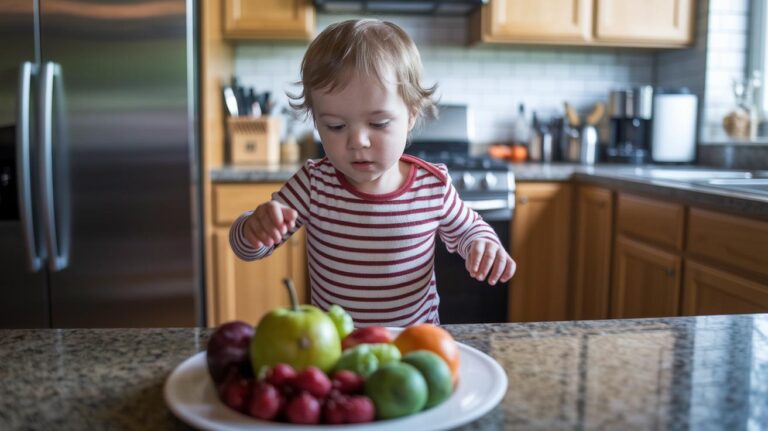
A great tip is to try and enjoy five servings of fruits and vegetables every day. Fresh is ideal, but canned ones without extra sugar or salt work just as well if you need variety. Imagine a bright bowl filled with crisp apple slices and juicy red tomatoes, a simple, colorful treat that adds cheer to your day.
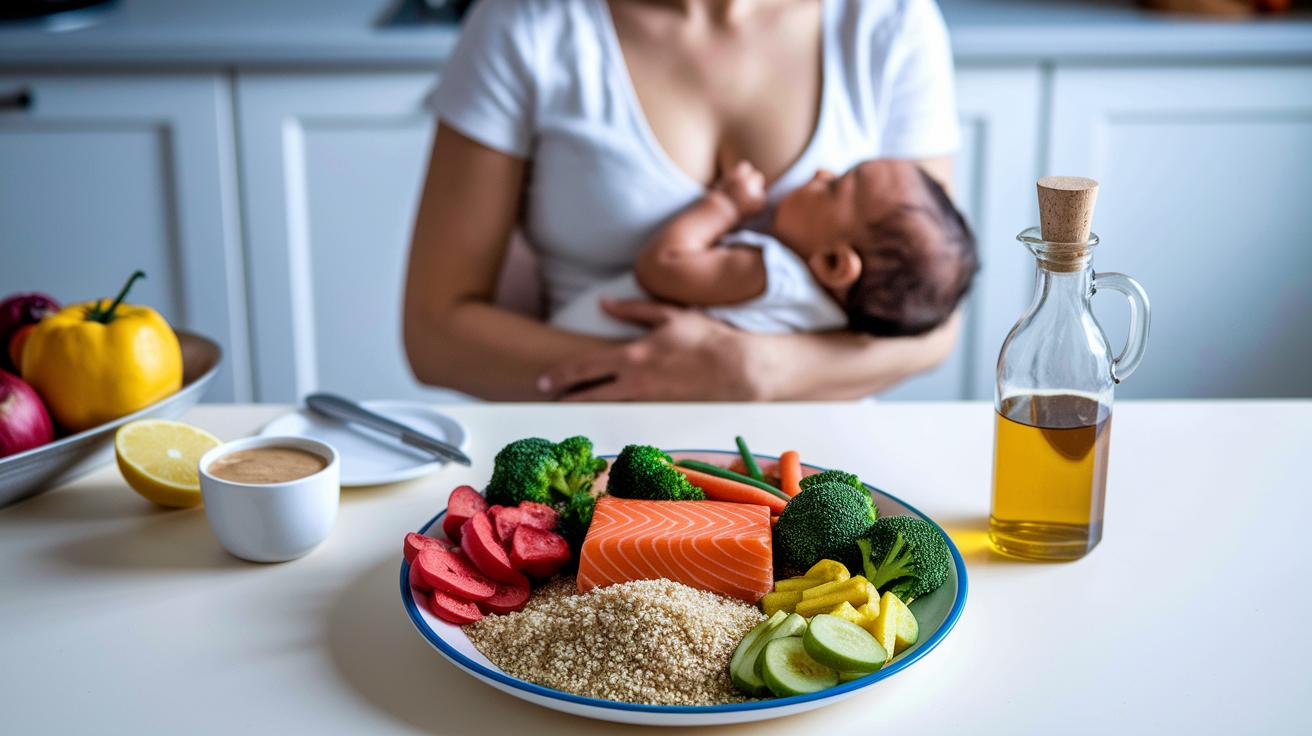
Starchy foods like bread, rice, potatoes, or pasta are your go-to energy pick-me-ups, making up just over a third of your daily calories. Picture a plate with a gentle mound of rice alongside some colorful veggies, a meal that fills you with energy and warmth.
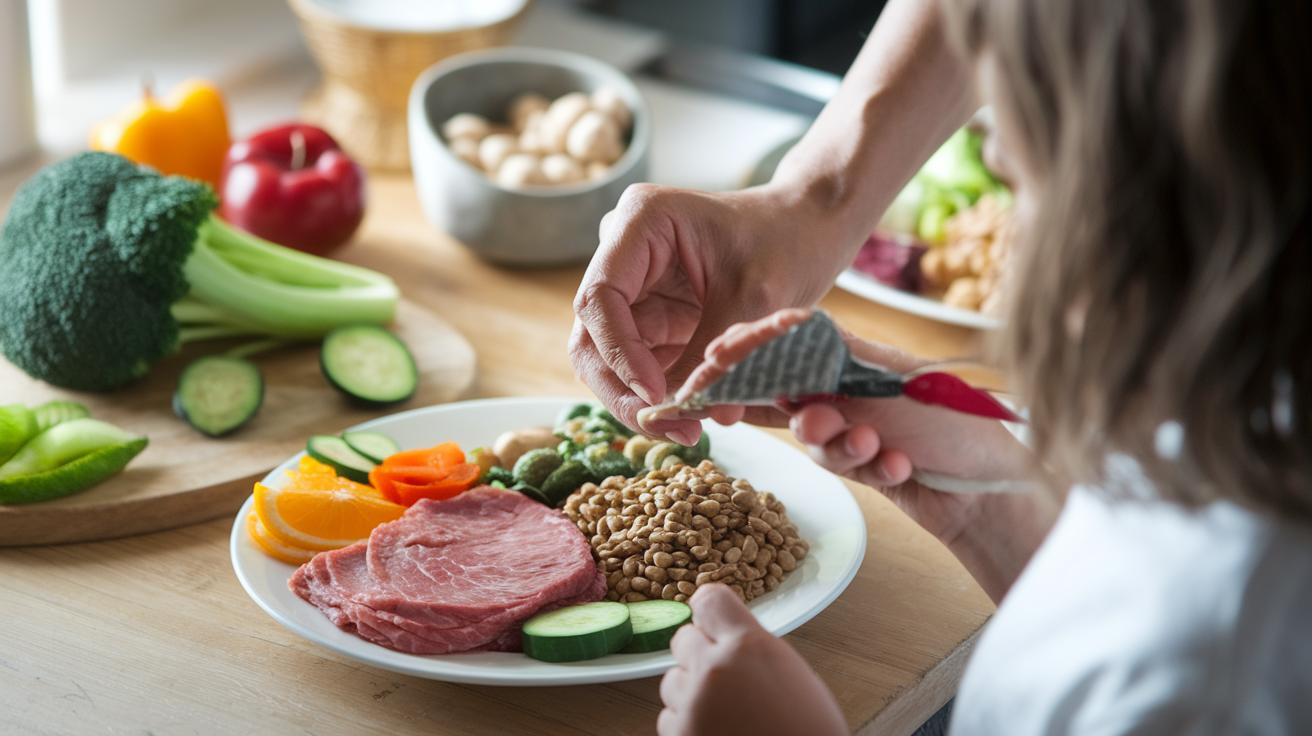
Lean proteins such as beans, lentils, eggs, or lean meats help build strong tissues. Try to include 8 to 12 ounces of low-mercury fish (like salmon or sardines) every week. Adding dairy or fortified plant-based milk gives you a good amount of calcium and vitamin D. This mix not only supports your own health but also lays a strong foundation for your baby’s development.
Trimester-Specific Nutrition in Your Pregnancy Health Diet
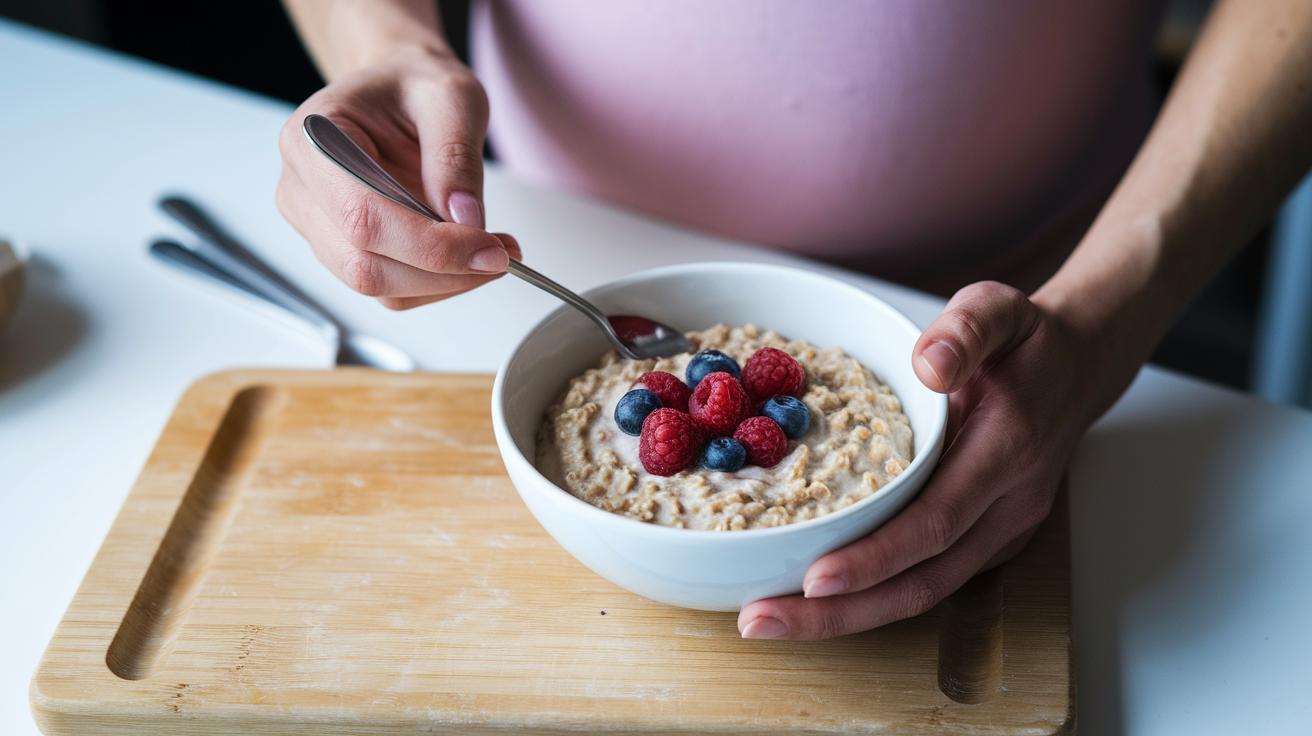
During your first trimester, your body is busy preparing for your baby’s growth. It's a good idea to choose foods filled with vitamins and minerals, all without worrying about extra calories. Imagine a soft bowl of oatmeal topped with fresh berries, a small, comforting reminder that little flavors can brighten even a challenging day.
In the second trimester, you might feel more energetic, so it's a nice time to mix in hearty proteins with a variety of fruits and vegetables. Think of your plate as a rainbow, just like enjoying your daily 5-a-day servings. Ever notice how a crisp spinach salad can turn a busy day into a mini celebration? It really reminds you of nature’s simple gifts.
By the third trimester, you could need about 200 extra calories each day. This little boost helps your baby grow and builds your own strength for the busy weeks ahead. Adding a slice of whole-grain bread with lean chicken or enjoying a warm bean stew is a smart way to get more energy and protein. It's like gently stacking building blocks to create a strong, nurturing foundation.
Each stage of your pregnancy brings its own special needs. Adjusting your meals to match what your body is asking for is a way to honor yourself and your journey. Enjoy balanced portions, savor varied ingredients, and let each familiar dish feel like a little celebration of health for both you and your baby.
pregnancy health diet: Radiant Meals For Moms
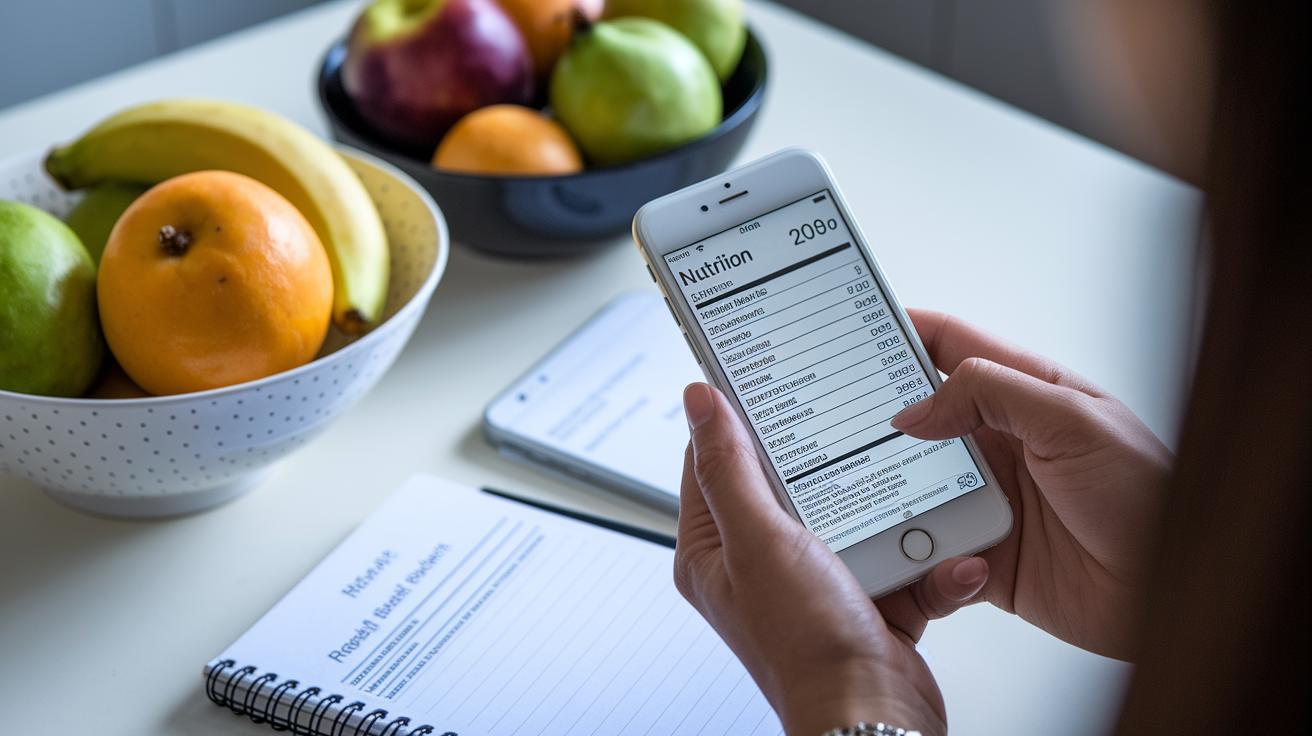
When you're planning your meals, start by checking food labels to see the amount in each serving. It’s like reading the back of your favorite snack, seeing exactly how many grams of fiber and other nutrients you’ll get. This simple step helps keep your portions in line with your nutrition goals.
Creating a weekly meal plan can be fun and give you a sense of structure. Think about planning your day with balanced meals and small snacks every 3 to 4 hours to keep energy levels steady. Picture a bowl of colorful, seasonal fruits on your counter, each bite bursting with flavor and nutrients to power you through the day. Using ingredients that are in season not only boosts the nutrients in your meals but can also be easier on your budget.
A few easy swaps in your kitchen can really brighten your day. Try replacing refined grains with whole-grain options, switching white rice for brown rice or using whole-wheat pasta. It’s like giving your meals an upgrade, making them tastier and healthier. For example, a whole-grain pasta salad filled with fresh veggies makes for a satisfying meal that offers both great taste and key nutrients.
When your meal plan is clear and consistent, each dish becomes a little celebration of wellness for you and your baby’s growth. Organize your shopping list into categories like whole grains, fresh produce, and lean proteins so that you can enjoy each meal as a thoughtful step towards a radiant, healthy life.
Creative Meal Inspirations for Pregnant Moms
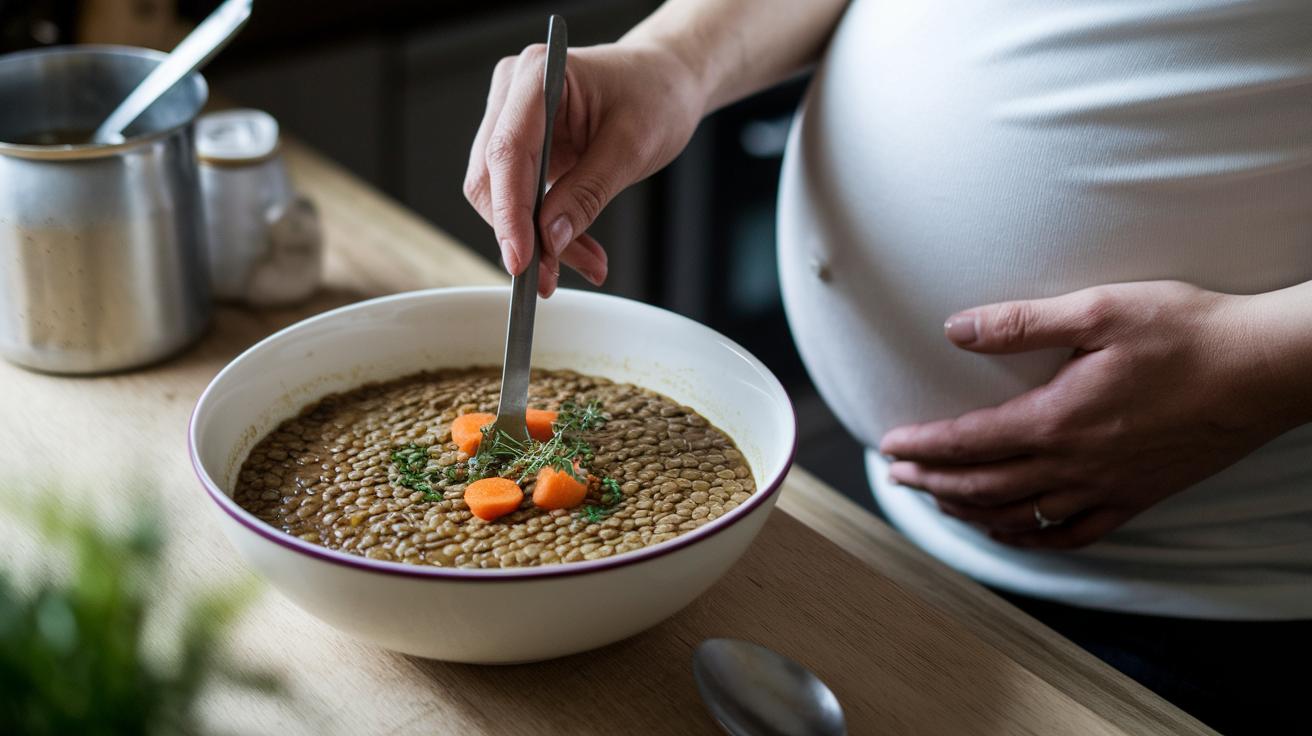
Eating well while you’re expecting can feel like piecing together a colorful puzzle of nourishing choices. Picture a warm bowl of lentil soup with soft carrots and a sprinkle of fresh herbs, a dish that cheers up your taste buds and fills you with protein. Beans, lentils, and chickpeas can help build strong tissues, while eggs are a quick and easy protein boost you can add to your busy day.
Try to include oily fish like salmon or sardines twice a week. These tasty picks are full of DHA (a key nutrient for your baby’s brain growth). Imagine a light salad crowned with grilled salmon, each bite feels like a gentle burst of care for you and your little one.
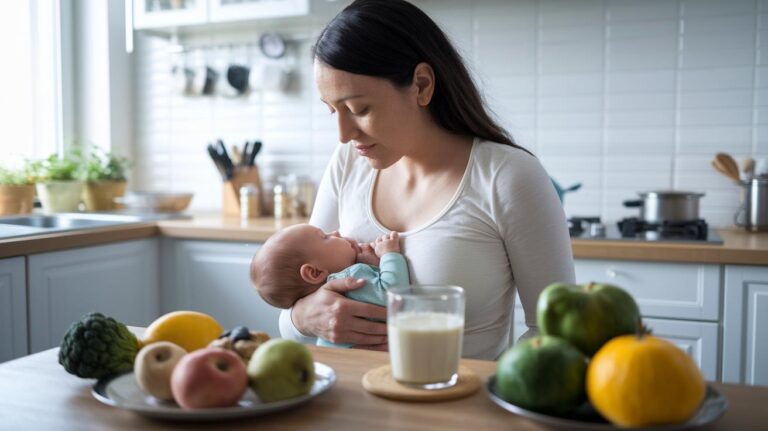
Milk, cheese, or even fortified plant milks bring in important calcium and vitamin D for strong bones. Think about having a cool glass of almond milk with your cereal, refreshing your morning and adding a little balance to your meal.
And don’t forget to fill your plate with at least five servings of fruits and veggies. A crisp apple or a handful of berries not only gives you fiber and vitamins but can also turn a regular snack into a little moment of joy. Enjoying these nourishing foods can help every meal feel like a lovely celebration of health for both you and your baby.
Foods to Avoid and Safety Tips in a Pregnancy Health Diet
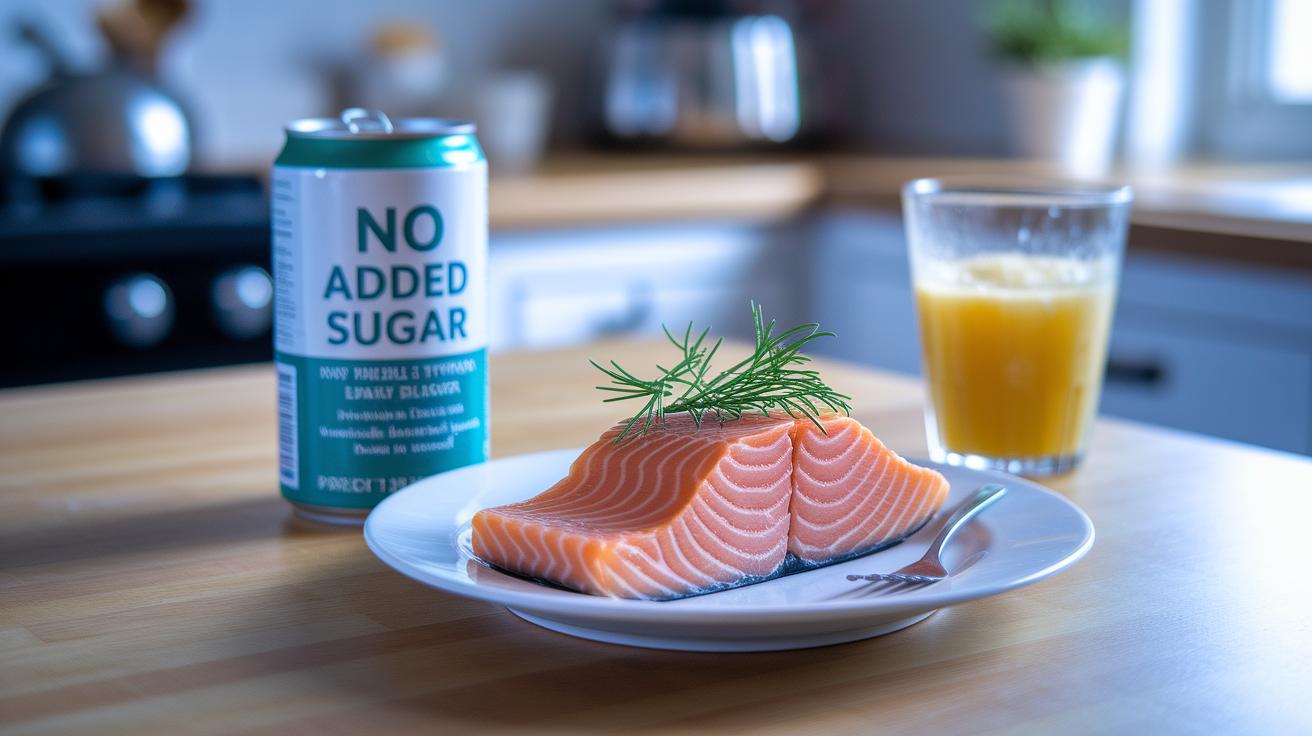
When you map out your meals, a few simple tips can make a big difference. For example, try to limit your fish to 8 to 12 ounces each week and choose types that are low in mercury. Picture a small plate holding light, flaky salmon instead of a bold fish like swordfish; this small change helps keep harmful mercury out of your diet.
Also, keep an eye out for canned fruits and veggies without extra sugars or salts. It’s like spotting a clear “No Added Sugar” label, letting you enjoy extra produce without unwanted extras.
Cooking your meats and eggs well is really important too. Imagine lean chicken sizzling in a pan or eggs gently warming up, it’s all about making sure the heat wipes out any nasty germs. And when it comes to dairy and deli meats, if they’re not pasteurized, steam or heat them thoroughly, just like warming a comforting bowl of soup.
Here’s a quick checklist to keep in mind:
| What to Do | Why It Helps |
|---|---|
| Limit fish to 8-12 ounces per week with low-mercury options | Keeps mercury levels in check |
| Choose canned fruits and vegetables without added sugars or salt | Enjoy more produce naturally |
| Cook meats and eggs thoroughly | Eliminates harmful germs |
| Avoid unpasteurized dairy and deli meats or heat until steaming | Prevents exposure to dangerous bacteria |
By following these easy steps, you can enjoy meals that are both nutritious and safe, giving you peace of mind during your pregnancy journey.
Sample Recipes and Meal Ideas for a Pregnancy Health Diet
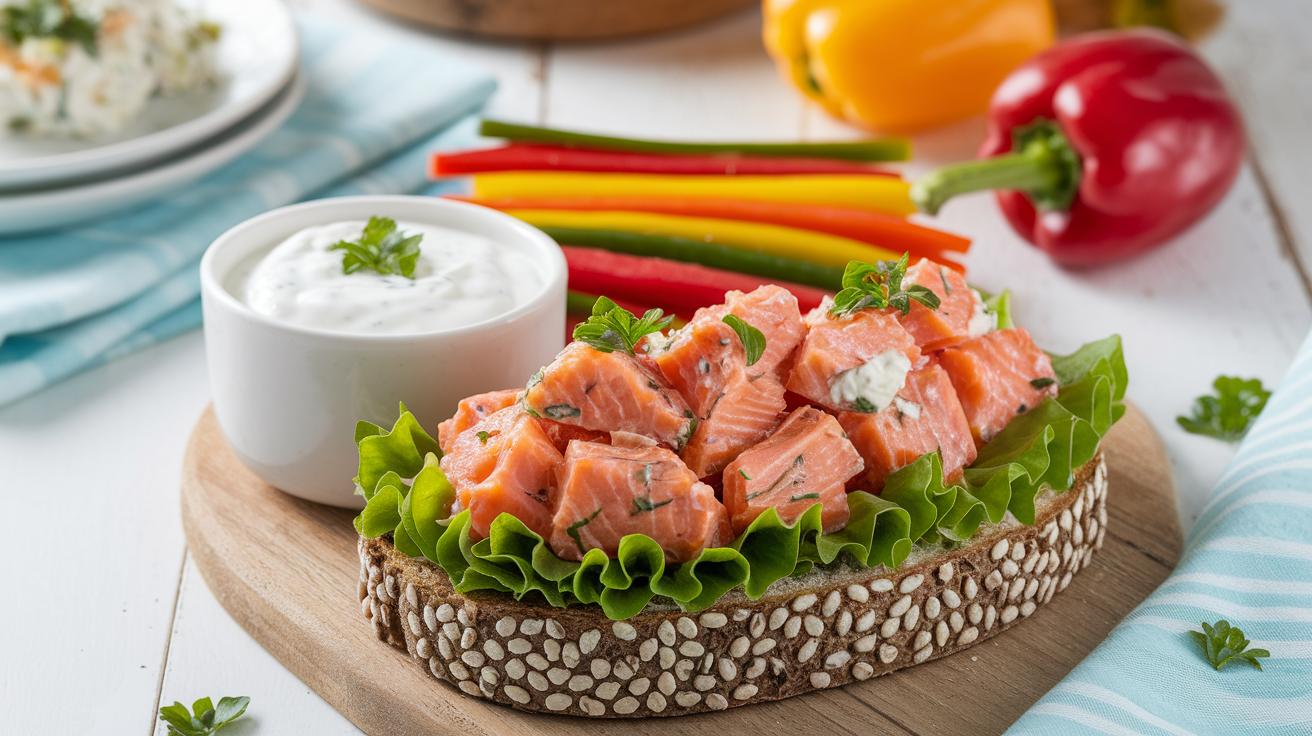
Have you ever enjoyed a colorful plate of veggie sticks? Try serving crisp carrot and sweet bell pepper slices with a smooth yogurt dip. This easy snack offers a good dose of fiber and protein. Picture a crunchy carrot dipped into tangy yogurt, it’s like a little burst of fresh energy during your busy day.
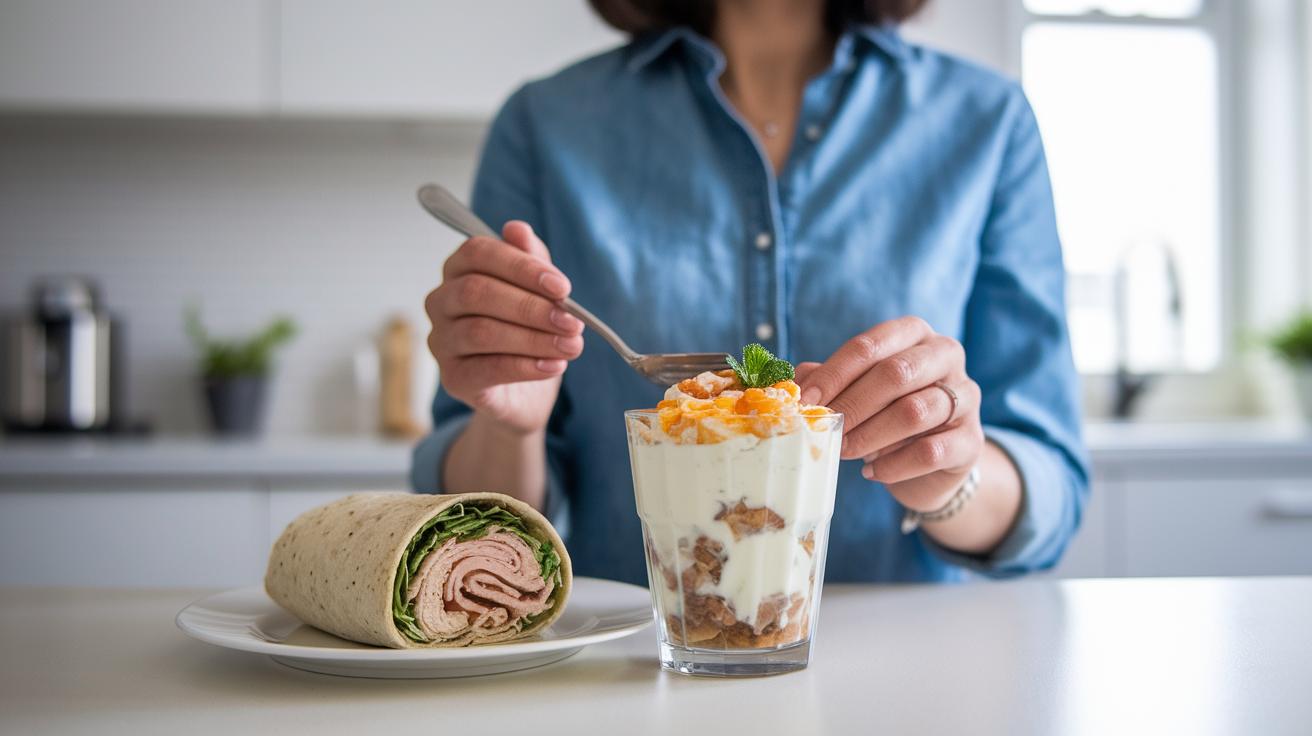
Next up, imagine a salmon salad on whole-grain bread. Grill or lightly bake a salmon fillet, then lay it gently over a bed of mixed greens and tuck it into hearty whole-grain bread. This meal brings together omega-3 fatty acids and complex carbs in a way that supports both your heart and your baby’s growing brain. Every bite feels warm, satisfying, and full of life.
For a more filling dish, why not try a lentil-vegetable soup? A bowl packed with tender lentils, diced tomatoes, and soft vegetables not only gives you plant protein and iron but also warms you up like a cozy, nourishing hug. It’s a comforting way to help you keep going through a busy afternoon.
Finally, treat yourself to a Greek yogurt parfait. Layer creamy Greek yogurt with fresh berries and a sprinkle of oats for a snack that boosts your calcium, antioxidants, and fiber. It’s a quick, delightful way to savor a sweet moment, like enjoying a refreshing treat on a sunny morning.
Final Words
In the action of crafting your pregnancy health diet, we covered simple food guidelines and portion planning that support both you and your baby. We talked about balancing meals, choosing nutrient-dense superfoods, and even highlighted foods to avoid for safety. These insights offer practical, easy steps to adapt your daily routine. It’s a comforting reminder that good nutrition is both achievable and enjoyable. Here’s to taking small, empowering steps that shape a healthy path for you and your growing family!
FAQ
What is a pregnancy health diet plan?
A pregnancy health diet plan focuses on balanced meals with a good mix of fruits, vegetables, lean proteins, whole grains, and the right calorie targets for each trimester to support both mother and baby.
How do I create a diet chart for early and mid-pregnancy?
A diet chart for the first few months highlights nutrient-rich foods with normal calories, while the mid-pregnancy chart adds extra energy and portions to support the growing baby and mother’s needs.
What foods should I avoid when pregnant?
Foods to skip during pregnancy include high-mercury fish like swordfish, unpasteurized dairy, and deli meats unless they are heated well, plus always cook meat and eggs thoroughly.
What should I eat during pregnancy to support a healthy baby?
Eating lean proteins, whole grains, fruits, vegetables, dairy or fortified plant milk, and low-mercury fish like salmon helps support your baby’s growth and offers important nutrients.
Where can I find nutritional guidelines for pregnancy in PDF form?
Nutritional requirements in PDF format offer clear advice on calorie counts, food groups, and portion sizes for each trimester, making it easier to plan your meals during pregnancy.