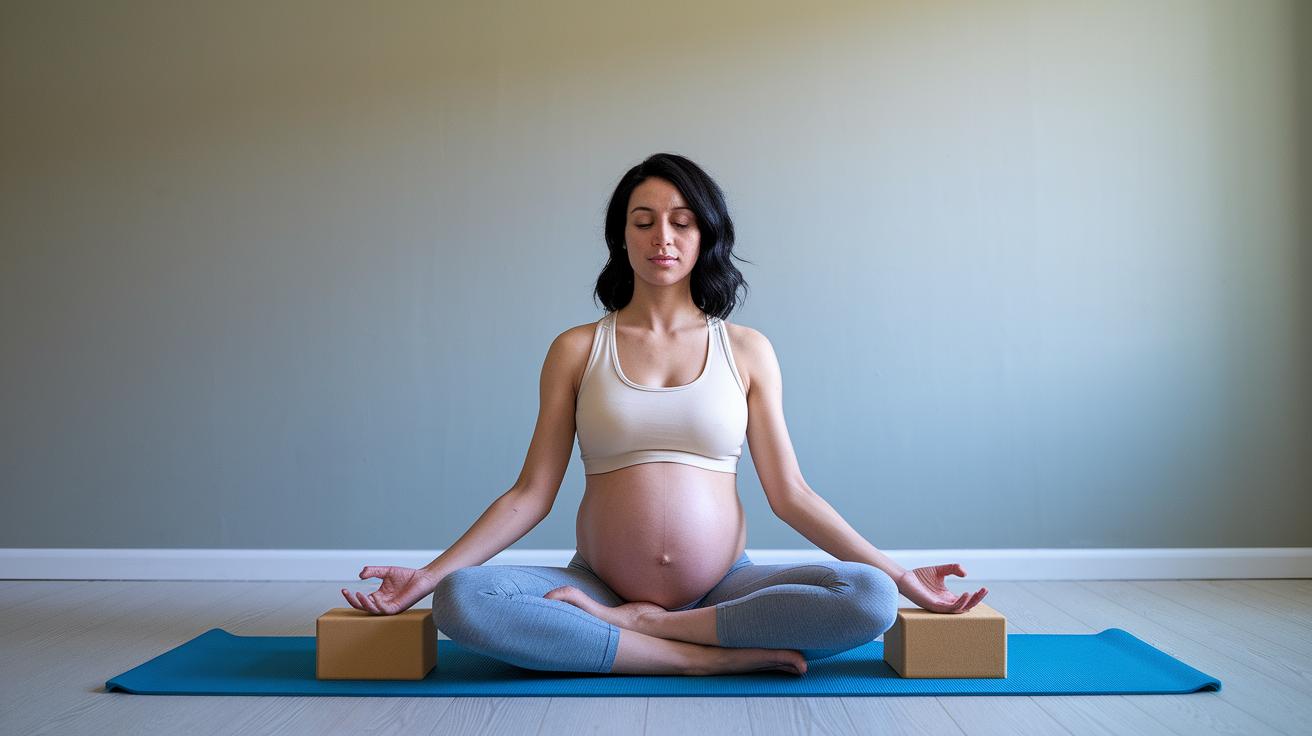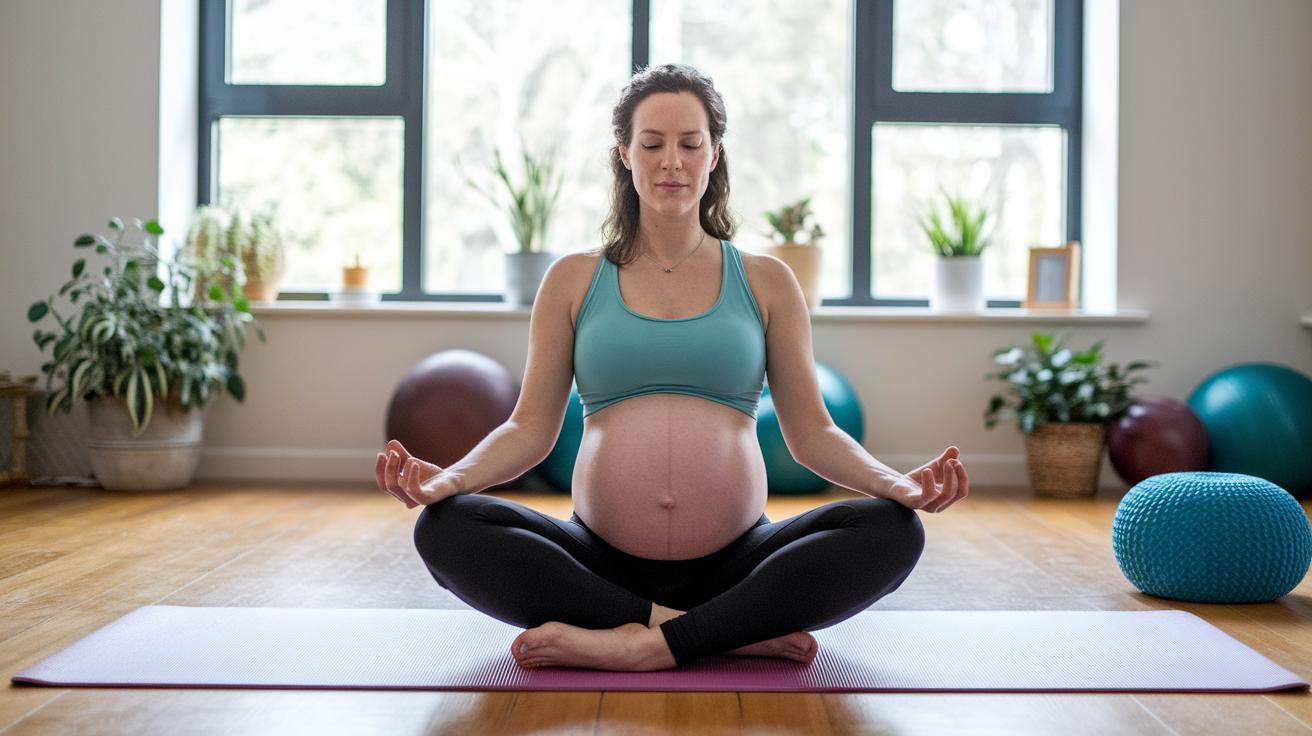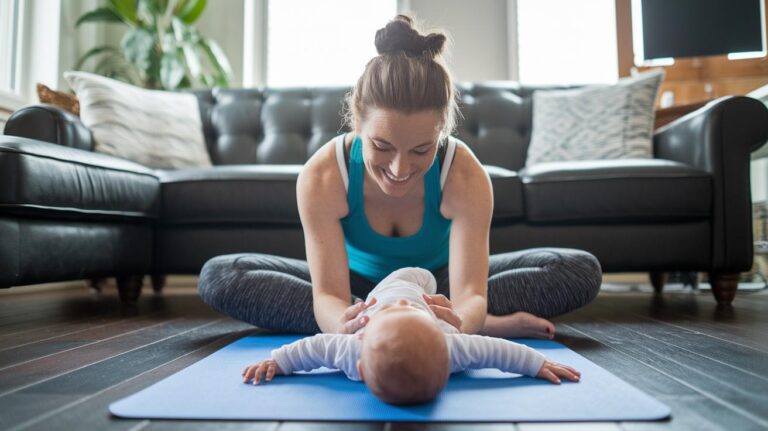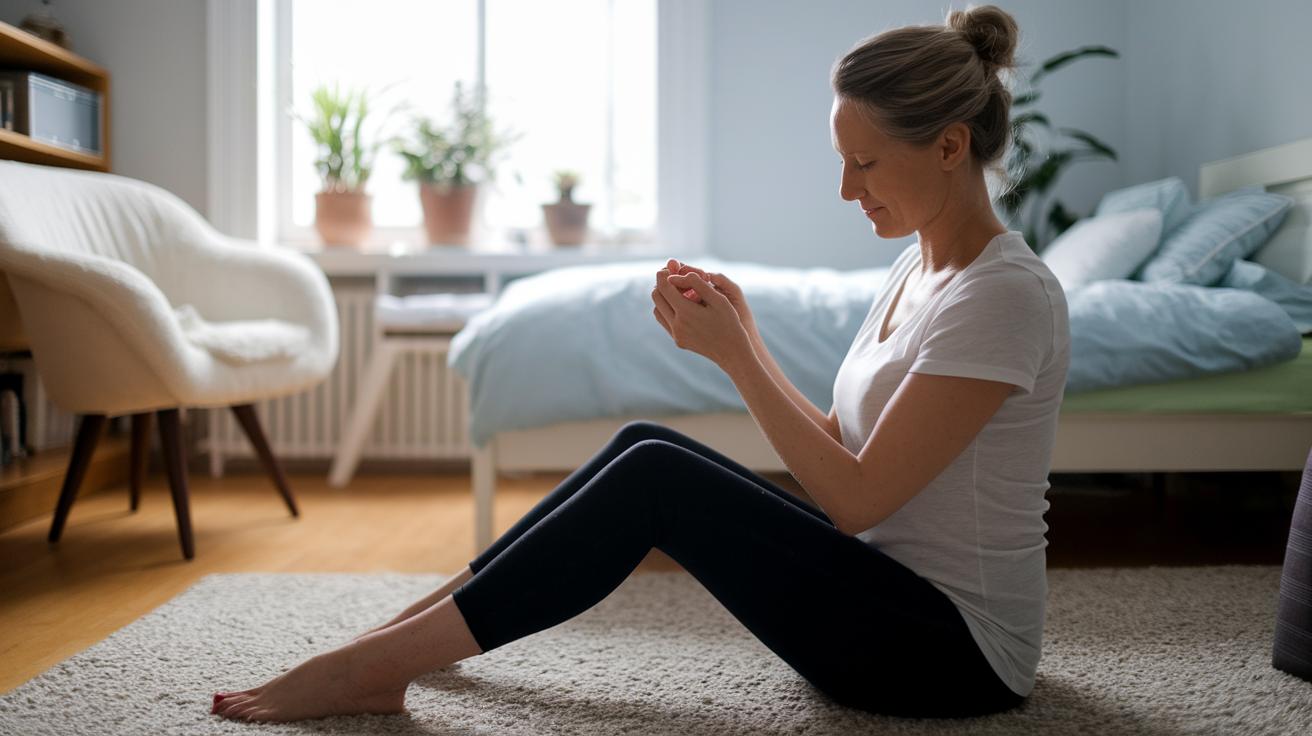
Thursday, June 25, 2026
Home Blog Page 55

Postpartum Healing Journey: Embrace Gentle Renewal

0

Ever notice how your body seems to follow its own path after your baby is born? Healing is not a race; it’s a slow, gentle process of renewal. In the days right after your little one arrives, every small change matters, from easing some discomfort to having a little more energy. This journey is all about being patient and cheering for those tiny victories, while giving yourself the kind care you truly deserve. Let’s take a moment to see how each little comforting step can help you feel more whole again.

First Steps in Your Postpartum Healing Process

The first few weeks after your baby arrives can feel like stepping into a new world. During this time, your body and feelings are gently shifting to meet a brand-new reality. It’s a bit like settling in with a warm, soft blanket that wraps you in comfort as you heal, physically and emotionally. You're learning to embrace both the gentle pace of recovery and the little challenges that pop up along the way.

In these early days, it’s normal to feel sore, notice some light bleeding, and feel really tired as your body mends itself. Before you know it, little improvements start showing up. You might find it easier to move around as you ease into soft activities. A checkup at around six weeks can be a nice milestone to see how far you've come, and by the end of the year, many moms often feel almost like they've found their strong, new rhythm. Each part of this journey comes with its own little victories that help build up your strength and confidence.

So, be gentle with yourself, okay? Some days might be tougher than others. It’s perfectly fine to take a moment for a quiet break or a short, peaceful walk. These small, caring steps add up and can really brighten your day as you continue on your healing journey.

Mapping Your Postpartum Healing Timeline

img-1.jpg

Creating a simple timeline for your recovery after birth can really help you see your progress and know when it might be time to adjust your care. Think of it like little stepping stones along your journey to feeling better. It helps you notice everyday changes as you move through different healing phases and know when to reach out to your doctor for a quick check.

Phase Timeframe Key Milestones
Week 1 Days 1-7 Soreness, bleeding, and early afterpains
Week 2 Days 8-14 Ongoing healing with gentle shifts in how you feel
Week 3 Days 15-21 Slow improvements and less discomfort
Week 6 About Day 42 Doctor checkup and review of stitch healing
Six Months About 6 months Ongoing changes, like hair thinning, might still show
One Year About 12 months Most moms are nearly back to feeling like themselves

Every mom’s recovery is unique, and that’s okay. Regular follow-up visits give you a chance to share how you’re feeling and to catch any concerns early. It’s like a little heart-to-heart with your doctor to make sure everything is on track. Have you ever noticed how a small check-in can make a big difference in your day? Remember to be kind to yourself and celebrate each little step forward.

Postpartum Physical Recovery After Delivery: Vaginal and C-Section Care

After a vaginal birth, it’s common to feel some pain from stitches if you had natural tears or an episiotomy. Usually, your body needs about six weeks to heal, so a bit of discomfort is normal as it fixes the delicate tissue in your perineal area. You might notice a gentle soreness when sitting or walking, and over time, this feeling should lessen. Keeping the area clean and using cold compresses can help ease the pain and bring some comfort.

If you had a C-section, extra care for your incision site is very important. Keeping the area clean, dry, and avoiding any strain is key to managing the pain. Watch out for signs like increased redness, swelling, or even a fever. If your incision feels extra tender or you notice new discharge, it might be wise to check in with your healthcare provider. Listening to your body helps prevent any problems during this delicate healing stage.

It’s also a good idea to have regular follow-up visits or talk with a physical therapist. These appointments let your doctor check how your stitches are healing and give you a chance to ask about any ongoing discomfort. Every little improvement is a step closer to feeling more like yourself again.

Postpartum Emotional Renewal and Mental Well-Being

img-2.jpg

Many new moms go through times when their emotions feel extra strong. It’s very common, roughly 80% of women experience baby blues, and about 1 in 5 may face more lasting feelings. It’s completely okay to feel sad or overwhelmed as your body and mind adjust to motherhood. Your feelings are like little signals saying, “Hey, take a moment to care for yourself.” Chatting with a friendly healthcare provider early on can really help keep those emotions in check. Think of this time as a gentle pause to really listen to your inner self and know that you’re not alone. Have you ever noticed how a simple, honest talk can brighten a tough day?

Be sure to be kind to yourself while you explore ways to relax and feel better. Sometimes, a quiet moment of meditation, a good book, or a soft conversation with a friend can do wonders for your mood. If mood swings seem too hard to manage, you might want to check out some advice on how to handle postpartum mood changes to find ideas that work for you. And if these feelings stick around or grow stronger, reaching out for professional support is a caring step. Even small acts of self-care help honor your feelings and your beautiful journey into motherhood.

Postpartum Nutrition and Hydration for Healing

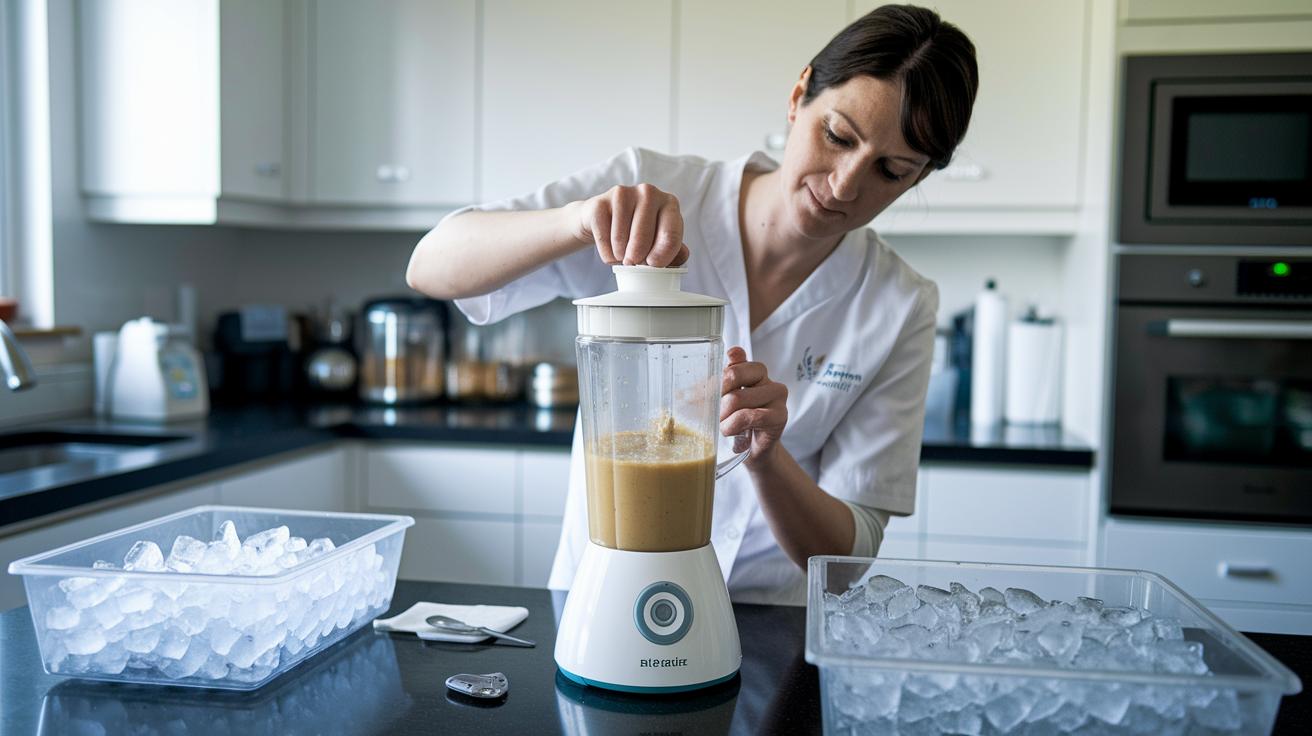
Taking care of yourself after giving birth is all about gentle healing. A diet with healthy fats, whole grains, lean proteins, and lots of fruits and veggies can really help your body bounce back. These foods work like tiny helpers, each one giving you the extra energy you need for tissue repair and even for milk production. Staying hydrated is just as key, so try to sip water throughout the day. Imagine every nutrient as a caring nudge, supporting you little by little so you feel stronger as time goes on.

Meal planning can be simple, even when you’re juggling a new baby. Think about making an easy menu that includes meals like a bright, colorful salad with lean protein, or a whole-grain wrap bursting with veggies and avocado. A bit of prepping, maybe chopping vegetables or cooking extra servings, can save you lots of time on busy days. This small routine not only nourishes your body but also helps keep life a little more stress-free.

Reclaiming Fitness with Gentle Postpartum Exercise

img-3.jpg

Before you start any workout, check with your doctor to make sure it’s safe. Once you get the go-ahead, take it slow. A gentle routine gives your body time to adjust and build strength after having a baby. By easing into each movement with care, you help create a safe space for your body to heal. Even a few simple exercises can help bring life back to your core and pelvic area, keeping your energy just right.

  • pelvic tilts
  • Kegels
  • bridges
  • walking
  • modified yoga
  • diastasis recti pulls

Progressing Core Strength

When you feel comfortable with your routine, try gently increasing the intensity. Think of it like taking small steps, one level at a time. Keep an eye on how your core and pelvic area feel, and remember that slow and steady progress is the safest way to regain strength.

Watch out for any signs that you might be pushing too hard. Unusual pain, extra bleeding, or swelling near sensitive areas are signals to take a break. If you notice any of these, it’s a good idea to stop and talk with your doctor. Listening to your body helps protect your healing journey as you gently move toward your fitness goals.

Postpartum Healing Journey: Embrace Gentle Renewal

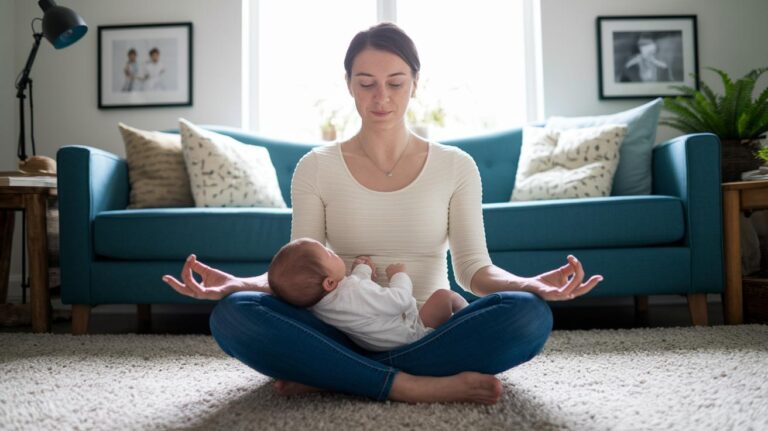
When you're setting up a daily routine in this new chapter of life, it can feel a bit overwhelming to find a moment just for you. Try carving out small pockets of time, even if it’s just a few minutes after your baby’s nap to jot a quick note in a journal or simply take a slow, deep breath. This simple approach helps you keep up with housework while also giving you a chance to feel calm without extra stress.

Even on the busiest of days, a short pause can make a world of difference. Maybe enjoy a brief moment of meditation or take a quiet walk around the home. You could sit in your favorite chair, breathe in slowly for four seconds, pause for a moment, and then exhale for four seconds. Isn’t it amazing how these little steps can ease your mind and help you settle into the rhythm of motherhood?

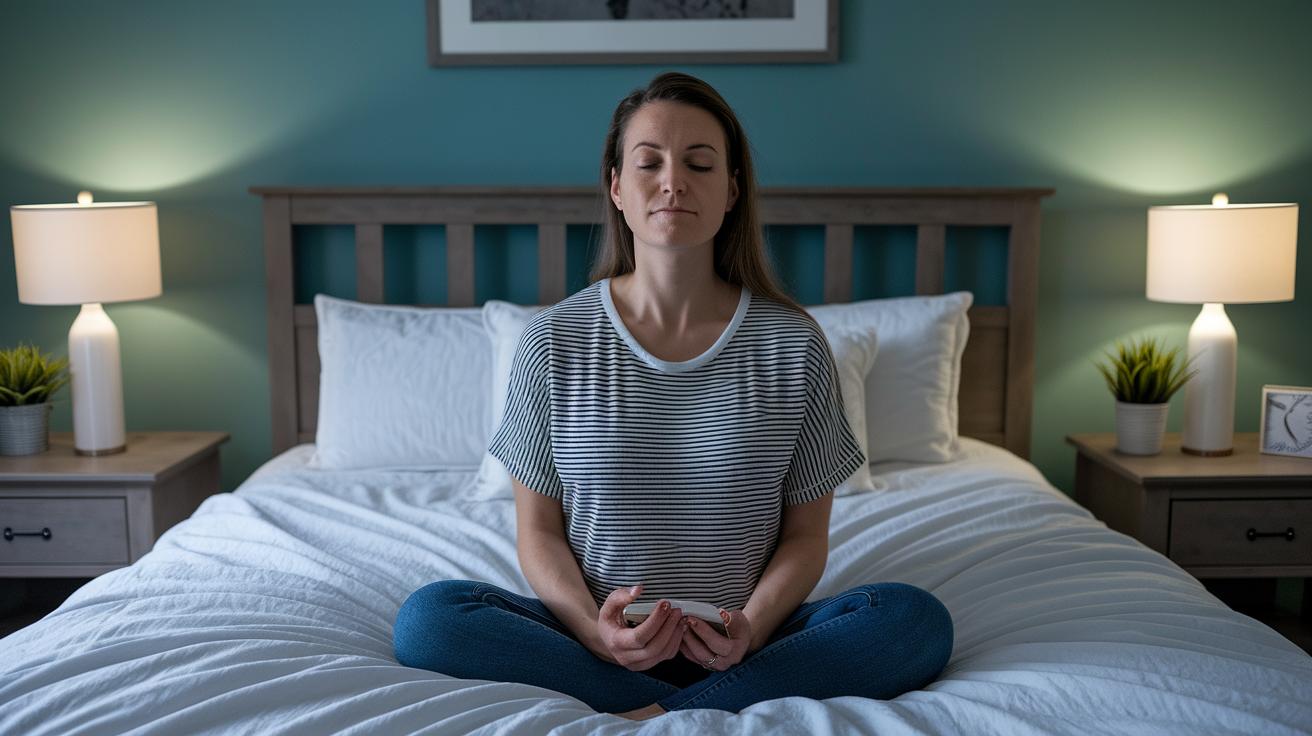
Good rest is also a key part of taking care of yourself. Think about creating a cozy sleep space by dimming the lights and playing soft background sounds. Even catching a nap when your baby sleeps or sharing care duties with your partner can give you a much-needed break. Every bit of rest nurtures both your body and your spirit, helping you feel more refreshed and connected.

Leveraging Postpartum Support Networks for Effective Recovery

img-4.jpg

When you have caring partners and family around, recovery can feel a lot easier. They can pitch in with chores, errands, or taking care of older kids so you can rest and heal. And when your partner gets involved with practical, hands-on help, it really takes some of the worry away. You might even check out some ideas for partner support if you’re looking for ways to make things a bit smoother. It’s a reminder that you’re not handling everything on your own.

Local and online groups, along with experts like lactation consultants (help with breastfeeding) and counselors, offer a heartfelt community ready to share advice and listen when you need it. When you join one of these support networks, you’ll see that many moms experience the same ups and downs. These groups offer a real place to vent, learn practical tips, and feel emotionally supported. Inviting this caring network into your recovery can help you feel more connected, understood, and confident as you navigate this new phase of life.

Final Words

In the action, we explored your postpartum healing journey, from early self-care steps to mapping out clear recovery phases. We touched on caring for your body after vaginal birth or a C-section, making healthy food choices and gentle moves, and finding time for rest. We also looked at easing worries with emotional support and community connections. Each tip is meant to help you move forward with care and confidence. Every little step makes a difference, keep going, knowing a brighter, balanced tomorrow is on its way.

FAQ

Q: What does the postpartum healing journey look like day by day and week by week?

A: The postpartum healing journey traced day by day and week by week shows small daily progress and key weekly milestones such as easing soreness, gradual improvements in strength, and timely checkups that mark your recovery.

Q: What is shared on a postpartum healing journey blog and timeline?

A: A postpartum healing journey blog and timeline provide a clear breakdown of recovery stages—from initial healing to long-term milestones—offering practical advice and personal tips to guide you through the physical and emotional changes after birth.

Q: What does postpartum depression mean and how long might it last?

A: Postpartum depression refers to feelings of deep sadness or anxiety after giving birth. It usually lasts a few weeks to several months and benefits from proper support, self-care, and professional guidance when needed.

Q: What should I avoid doing after giving birth?

A: After giving birth, avoid pushing your body too hard by skipping rest, ignoring follow-up visits, or engaging in strenuous activities. Taking the time to heal safely can help prevent complications and support overall recovery.

Q: What does postpartum care involve?

A: Postpartum care means caring for your body and mind after birth. It includes follow-up checkups, gentle physical recovery, emotional support, and self-care routines that help you feel restored and prepared for the new phase of parenting.

Q: How long does it usually take to fully heal from postpartum recovery?

A: Full postpartum healing can take several weeks up to one year, as each stage—from initial healing to gradual strength return—offers its own challenges and progress, with individual recovery tempos playing a big role.

Q: What is the 5 5 5 rule postpartum?

A: The 5 5 5 rule postpartum suggests easing back into activities by waiting 5 days, 5 weeks, and 5 months before resuming specific tasks, helping your body adjust gradually while reducing the risk of overexertion.

Q: Which week postpartum is often the hardest?

A: Many mothers find the first week postpartum the most challenging, as it is when physical healing, emotional adjustments, and the new rhythm of caring for your baby converge to create extra demands.

Q: What are the different phases of postpartum healing?

A: The phases of postpartum healing include immediate recovery after birth, gradual improvements over the early weeks, key checkups around week 6, and ongoing changes up to a year, with each phase marking a unique step in your recovery.

From Brown to Bold: Unbleached Kraft Paperboard Market Forecast 2024–2030

0

According to 24 chemical research, Global unbleached kraft paperboard market continues to demonstrate steady expansion, fueled by increasing demand for sustainable packaging solutions across multiple industries. According to industry analysis, while the market currently holds significant value, it shows considerable growth potential through 2030. The shift toward environmentally friendly materials positions unbleached kraft paperboard as a key player in the packaging revolution.

Unbleached kraft paperboard serves as an essential material in food packaging, consumer goods, and construction applications. Its natural brown color and high strength make it particularly suitable for heavy-duty applications while maintaining environmental credentials that appeal to eco-conscious brands.

Download FREE Sample Report: https://www.24chemicalresearch.com/download-sample/274336/global-unbleached-kraft-paperboard-market-2024-2030-570

Market Overview & Regional Analysis

North America currently leads in market share, driven by stringent environmental regulations and consumer preference for sustainable packaging. The region’s well-established e-commerce sector further propels demand for protective yet eco-friendly packaging solutions. Major manufacturers continue investing in production capacity to meet this growing need.

Europe follows closely, with the EU’s Circular Economy Package accelerating adoption of recyclable materials like unbleached kraft paperboard. Germany and France emerge as key consumers, while Scandinavian countries innovate with new applications. Meanwhile, Asia-Pacific shows the fastest growth rate, particularly in China and India, where urbanization and rising disposable incomes drive packaging demand.

Enzyme-Assisted Pulping Sparks a New Era for Kraft Paperboard

In 2025, several packaging manufacturers began trialing enzyme-assisted pulping methods to produce unbleached kraft paperboard with reduced chemical inputs and up to 15% lower energy consumption compared to conventional processes. Early commercial runs in Scandinavia and Japan demonstrated improved fiber strength and smoother surfaces, opening new possibilities for high-quality printing and premium food packaging. This innovation not only enhances the sustainability profile of kraft paperboard but also addresses rising energy costs and tightening environmental regulations, positioning it as a next-generation solution in eco-friendly packaging.

Key Market Drivers and Opportunities

Several factors contribute to the market’s positive trajectory. The global push toward phasing out single-use plastics remains the most significant driver, with brands actively seeking sustainable alternatives. Consumer preference for minimal, natural-looking packaging also favors unbleached kraft paperboard over bleached alternatives.

Opportunities abound in several areas. The food industry presents strong potential, especially for bakery and frozen food packaging. E-commerce continues to drive innovation in protective packaging solutions. Furthermore, advancements in barrier coatings expand potential applications into more moisture-sensitive product categories previously unsuitable for paper-based packaging.

Challenges & Restraints

Despite robust growth prospects, the market faces constraints. Price volatility of raw materials impacts production costs, potentially limiting adoption. Some applications still require plastic components due to technical limitations. Furthermore, the lack of standardized recycling infrastructure in developing markets poses challenges for complete circularity.

Competition from alternative sustainable materials also intensifies. While unbleached kraft paperboard holds advantages in certain applications, manufacturers must continue innovating to maintain market position against emerging bio-based and compostable alternatives.

Market Segmentation by Type

  • Below 100gsm
  • 100-200gsm
  • 200-400gsm
  • Above 400gsm

Market Segmentation by Application

  • Food Industry
  • Consumer Goods
  • Building & Construction
  • Other Industry

Market Segmentation and Key Players

  • Georgia-Pacific
  • Graphic Packaging
  • International Paper
  • Klabin
  • Lee & Man Paper
  • MeadWestvaco
  • Mondi Group
  • Nine Dragons Paper
  • Nippon Paper
  • Oji Holdings
  • Orora
  • Packaging Corporation of America

Report Scope

This report provides comprehensive analysis of the global unbleached kraft paperboard market from 2024 through 2030. The study offers detailed insights into current market conditions and future projections across all key regions, with specific focus on:

  • Sales volume and revenue forecasts by region and product type
  • Detailed segmentation across applications and weight categories

The report also includes thorough profiles of leading market participants, examining:

  • Production capacities and expansion plans
  • Product portfolios and innovations
  • Market share and competitive positioning
  • Financial performance metrics

Additionally, the study analyzes key market dynamics including:

  • Supply chain considerations
  • Regulatory impacts
  • Technology developments
  • Consumer preference trends

Get Full Report Here: https://www.24chemicalresearch.com/reports/274336/global-unbleached-kraft-paperboard-market-2024-2030-570

About 24chemicalresearch

Founded in 2015, 24chemicalresearch has rapidly established itself as a leader in chemical market intelligence, serving clients including over 30 Fortune 500 companies. We provide data-driven insights through rigorous research methodologies, addressing key industry factors such as government policy, emerging technologies, and competitive landscapes.

  • Plant-level capacity tracking
  • Real-time price monitoring
  • Techno-economic feasibility studies

With a dedicated team of researchers possessing over a decade of experience, we focus on delivering actionable, timely, and high-quality reports to help clients achieve their strategic goals. Our mission is to be the most trusted resource for market insights in the chemical and materials industries.

International: +1(332) 2424 294 | Asia: +91 9169162030

Website: https://www.24chemicalresearch.com/

Follow us on LinkedIn: https://www.linkedin.com/company/24chemicalresearch

Prenatal Yoga Stretching For A Radiant Pregnancy

0

Have you ever noticed how one little stretch can transform your day? Think of prenatal yoga stretching as a gentle tune-up for your body, with soft moves and deep breaths that bring calm. Just a few careful poses can help ease everyday aches and lift your mood. In our chat, I'll share simple steps that support how you feel and move. Soon, you'll feel more balanced and at ease, nurturing your radiant pregnancy with small but powerful moments.

Prenatal yoga stretching for a Radiant Pregnancy

img-1.jpg

Getting your posture right, breathing steadily, and moving mindfully are the basics of a safe prenatal yoga session. Think of your body as a finely tuned instrument, each move is like a gentle note in a soothing melody. Picture starting with deep, slow breaths while aligning your spine, just like tuning a guitar. These small steps help ease everyday aches.

Paying attention to your breath and moving slowly is as important as finding the right pose. When you move gently and listen to your body, you soon notice little changes in your balance and flexibility. Maybe with each deep breath in, your posture feels a bit longer, and with each exhale, tension melts away. It’s a calming rhythm that soothes both body and mind.

Remember, pregnancy brings changes that can make your ligaments more relaxed. Elevated relaxin levels mean you might need to adjust your poses to keep your joints safe. Using props like bolsters or rolled blankets can be a big help if a stretch feels too intense. This gentle approach not only improves flexibility but also eases discomfort, so you can move comfortably and confidently throughout your radiant pregnancy.

Physical and Emotional Benefits of Prenatal Yoga Stretching

img-2.jpg

Prenatal yoga stretching feels like a warm, gentle hug for your body and mind. It uses easy, low-impact moves to help ease discomfort and calm your thoughts, making everyday tasks feel smoother. Have you ever felt how a small stretch can help release tension? It can really change how you feel.

Just a few minutes of mindful stretching during your pregnancy can make a big difference. It helps open up your hips and lower back, which supports smoother movement and eases pelvic discomfort. And as you keep up with these stretches, you might notice that your posture improves, helping you feel more balanced throughout the day.

What makes it even better is that these movements strengthen your pelvic floor. This is really important for labor preparation and recovery afterwards. Along with building strength, prenatal yoga helps lower stress hormones so your mind can feel more at peace, inviting deeper, more refreshing sleep at night.

Imagine your body moving gracefully, almost like a gentle symphony that supports you every day. These nurturing movements come together to create an experience that not only eases physical discomfort but also brings a calm, emotional balance during your radiant pregnancy.

Essential Safety Guidelines for Prenatal Yoga Stretching

img-3.jpg

When you’re doing prenatal yoga stretches, listen to your body and go at your own pace. Avoid twists or backbends that might feel too deep because they can put extra strain on your joints. If a pose feels too much or gives you even a little sharp pain, stop right away. After week 12, try to steer clear of lying flat on your back to keep both you and your baby safe.

Think of your body like a well-tuned instrument. Take your time, breathe slowly, and use props like bolsters or folded blankets for extra comfort during each stretch. For instance, when doing a gentle forward fold, give yourself a break if you notice any discomfort. Keep an eye on your range of motion and choose moves that protect your ligaments.

Before starting any new routine, it’s a good idea to check in with your healthcare provider to make sure it’s safe for you. Also, keep a water bottle nearby to stay refreshed as you move through your poses. Always listen to alignment instructions and make slight changes when you need to. This small adjustment can really help you enjoy a safe and nurturing prenatal yoga session.

Trimester-Specific Modifications in Prenatal Yoga Stretching

img-4.jpg

Pregnancy is a wonderful journey that changes as time passes, so it makes sense to adjust your yoga practice to keep you safe and comfy. These small tweaks help open your hips, build gentle strength, and give you a good range of motion, all while using props to ease any extra strain.

First Trimester Gentle Stretch Routine

In the first trimester, you might feel some early discomfort. Try soft, hip-opening poses like Child’s Pose, but add a bolster or rolled blanket under your back for extra comfort. If you find it tricky to align your ankle over your knee, a “4-shape” adjustment can be a lifesaver. These little changes help you feel secure and prevent tightness in your hips and lower back. You might even try two or three gentle hip openers for a mild stretch that feels just right.

Second Trimester Specialized Stretch Flow

As you move into the second trimester, your routine can include slightly more dynamic moves while still staying safe. Block-assisted dynamic squats can help build strength and balance without putting too much pressure on your joints; the block really helps steady your form. You can also enjoy the Reclined Bound Angle Pose (Supta Baddha Konasana) by using bolsters for extra support, it's wonderfully soothing. And why not try standing side stretches? They gently release tension along your sides while keeping you balanced and secure.

Third Trimester Relaxed Movement Series

In the final trimester, it’s all about slowing down and supporting your body as it gets ready for labor. For example, try a pose where your knees come together and your feet stay apart while using a blanket under your shins to ease any strain. You might choose a supported wide-knee squat or a gentle forward fold over a blanket, keeping the stretch light because your body is extra relaxed right now.

Remember, every mom's journey is unique. These gentle, trimester-specific adjustments are here to help you feel cared for and supported throughout this precious time.

Step-by-Step Prenatal Yoga Stretch Flow with Supportive Props

img-5.jpg

Imagine settling onto your mat, ready to treat yourself to a calming yoga flow made just for expecting moms. This gentle routine uses everyday props to support each move so you can feel nurtured and relaxed.

  1. Cat-Cow Warm-up: Start on your hands and knees. Slowly arch your back like a gentle cat, and then lower your belly as if imitating a cow, all while taking deep, easy breaths. Hold each position for about 10 seconds. No props are needed here, just your calm focus and care.

  2. Block-Assisted Dynamic Squats: Stand by holding a yoga block lightly in front of you for balance. Ease into a squat, keeping your weight centered, and hold the position for around 15 seconds. This move helps steady you and wakes up your leg muscles, making you feel strong and grounded.

  3. Supta Baddha Konasana with Bolster: Lie down on your back and bring the soles of your feet together gently. Place a bolster under your knees to add extra support and hold the pose for 30 seconds. It softly opens your hips while giving your body a loving cradle.

  4. Hip Opener Using a Blanket: Sit with your legs spread wide on your mat. Fold a soft blanket under your sitting bones, then stretch gently to feel a mild opening in your hips for about 20 seconds. This simple change can make a big difference in easing tension.

  5. Supported Child’s Pose: Kneel on your mat and tuck a folded blanket or bolster between your thighs. Let your chest fall forward and hold for 20 seconds. This comforting pose is like a warm hug to your back and heart.

  6. Side-Lying Lower-Back Stretch: Lie on your side with a small pillow or a folded towel under your head. Gently stretch your lower back and hold the position for 15 to 20 seconds. It’s a soft reminder to give yourself a break and feel cared for.

Remember, each move is paced with slow, deep breaths to keep the flow calm and nurturing. Enjoy these moments of gentle care, and let your practice become a cozy conversation with your body.

Expert Tips for Managing Pregnancy Discomfort Through Prenatal Yoga Stretching

img-6.jpg

Move slowly and gently with each breath in and out. Think of every deep breath as the soft rhythm of a bedtime song, guiding your stretch and calming your body. This simple tip builds on what we talked about before, using mindful breathing and aligning your movements to ease pregnancy discomfort. Even the smallest motion helps you feel better.

Keep a water bottle handy so you can sip throughout your routine, and always check with your doctor before trying new poses. Treat your exercise like a special daily ritual where every pause and sip shows that you care for yourself. This way, you blend practical steps with a tender touch to keep you safe and comfortable.

Accessing At-Home and Online Prenatal Yoga Stretching Resources

img-7.jpg

If you’re curious about gentle stretches for your pregnancy, start by exploring a few online videos that walk you through each move. It’s really nice when a friendly, certified prenatal instructor explains every step and shows simple modifications you can try at home.

There are plenty of websites offering free stretch routines made just for moms-to-be, and some even have subscription options with sessions tailored to each trimester. You might enjoy the calming vibe of a YouTube video that breaks down each pose, or the clear, structured guidance of a subscription class, try a few to see which one feels right for you.

Setting aside a little time each week for these videos can turn into a lovely self-care ritual. A few minutes of guided prenatal yoga stretching might just bring a refreshing boost to your day, making you feel confident and cared for at home.

Final Words

In the action of exploring safe techniques and mindful adjustments, this post broke down key aspects like breath awareness, posture, and trimester-specific modifications. It also outlined the essential advice for tailoring your routine at home or online.

Each section reinforced how gentle movements and supportive props can ease common discomforts. With reliable expert insights in prenatal yoga stretching, you're set to embrace your practice with care and confidence. Stay inspired and enjoy the positive shift in your well-being!

FAQ

Frequently Asked Questions

What are prenatal yoga stretching exercises?

Prenatal yoga stretching exercises are gentle movements designed to improve flexibility, reduce discomfort, and support relaxation during pregnancy. They use safe poses like Cat-Cow and gentle squats with props.

How can I use YouTube for prenatal yoga stretches?

YouTube offers guided prenatal yoga stretching videos that show step-by-step instructions from certified instructors. These videos help you follow safe modifications while practicing at home with clear visual cues.

What are the best prenatal yoga stretching exercises?

The best prenatal yoga stretches are routines that combine gentle hip openers, dynamic squats, and supported poses. They adapt to each trimester, easing muscle tension and boosting overall comfort.

When should I start prenatal yoga or pregnancy stretches?

Many expectant mothers begin prenatal yoga or pregnancy stretches in the first trimester after their initial prenatal check-up. This early start can ease discomfort and help you build flexibility safely.

What yoga poses should I avoid while pregnant?

During pregnancy, avoid deep twists, strong backbends, and any pose lying on your back after the first trimester. These modifications help protect soft tissues and prevent strain on your body.

Is it good to do stretching while pregnant?

Yes, stretching while pregnant can boost flexibility, ease common aches, and promote relaxation. It’s a safe, low-impact way to help you maintain comfort and support your overall well-being throughout pregnancy.

Postpartum C-section Healing Tips: Flourishing Recovery

0

Have you ever thought that healing after a C-section could be a little easier and more comfortable? Taking care of your incision and handling any pain early on really makes a big difference. When you gently clean the area and keep an eye on any changes, you create a safe space for your recovery. That means you can focus more on healing and enjoying those precious moments with your new baby.

In this post, I'll share some simple, practical tips to help you care for your body so you can have a gentle, flourishing recovery.

Incision Care and Infection Prevention After a C-Section

After your C-section, you'll notice a horizontal cut just below the bikini line that’s usually about 10 to 20 centimeters long. In the hospital, they’ll keep a close eye on it during your two- or three-day stay. It’s normal to see a bit of redness, light bleeding, or some clear fluid at first, but watch out for any changes that might mean an infection is brewing.

Caring for your incision is all about gentle cleaning and checking it every day. Keep the area clean and dry. A mild soap mixed with water works best, just gently pat your skin dry instead of rubbing it. This little step helps avoid irritation and keeps germs at bay.

  • Clean the incision with a mild soap and water, taking care with every touch.
  • Follow the dressing instructions your provider gave you.
  • Keep the area dry to prevent extra moisture around the incision.
  • Remember to wash your hands lightly but regularly when near the area.
  • Keep an eye out for increased redness, swelling, or any bad smells.
  • Give your provider a call if you notice a rising fever, more pain, or other changes.
  • Have essential supplies like mild soap, clean gauze, and a soft towel ready to use.

If you start seeing persistent swelling, notice a big change in color, or your temperature goes up, it’s important to reach out to your healthcare provider right away. Acting quickly helps your body heal and ensures you can keep caring for your new little one with peace of mind.

postpartum c-section healing tips: Flourishing recovery

img-1.jpg

Taking charge of your pain after a C-section really makes a difference in how comfy you feel while healing. When you start easing your discomfort right away, it helps you relax and sets up a smoother road to recovery.

Lots of moms say that sticking to a regular medication schedule can really help keep cut pain in check. For instance, you might try switching between ibuprofen and acetaminophen every three hours to keep your pain levels steady. And if you ever feel you need a little extra relief, your provider might suggest a low-dose opioid to help out.

Besides medications, using some physical supports can be a game changer. Ever try hugging a pillow when you sneeze, laugh, or get that extra bout of coughing? It cushions your abdomen and makes the sudden moves a bit gentler. You can also ease discomfort by tweaking your sleep setup, try propping up your upper body and hips with extra pillows. This little trick helps boost blood flow and supports your incision while you rest. It’s a bit like creating a cozy nest, much like wrapping yourself up in a warm blanket on a cold day. These simple adjustments can really help lower your discomfort and help you feel better overall.

Before you start or change any pain routine, it’s always a good idea to chat with your healthcare provider to make sure it fits your specific needs.

Gentle Exercise and Mobility After a Postpartum C-Section

Starting gentle movement right away can really help boost your blood flow, ease your tummy's work, and lower your risk of clots, all while slowly rebuilding your strength after a C-section. Even a simple 5-minute walk in the hospital corridor can give you the confidence to start moving more and make your healing smoother.

Log Roll Method

When it's time to get up, try the log roll method. First, roll gently onto one side while bending both knees. Then, push up slowly with your arms, keeping your tummy relaxed. Imagine wrapping yourself up like you do with your favorite cozy blanket. It’s a careful way to move that doesn’t put too much pressure on your incision.

Safe Ambulation Guidelines

Give yourself permission to start with a short walk, about 5 minutes. As you get more comfortable, you can add a few more minutes or increase your distance. If your healthcare provider suggests using a walker or compression stockings, go for it. Make sure you take it slow and steady, avoiding any quick, rushed moves that might interrupt your recovery.

Suture-Conscious Flexibility Routine

Mix in some gentle stretches that keep you flexible without stressing the area where you had surgery. Simple stretching exercises, whether you’re sitting or standing, can help keep your body limber. These light moves let you stretch softly while protecting your sutures and soft tissue as you heal.

Before you know it, you’ll be able to add longer walks and gentle stretches into your day. Each small step builds your strength and supports a safe, steady healing process.

Nutritional Support for Postpartum C-Section Healing

img-2.jpg

After a C-section, taking care of yourself with the right foods can make a big difference in how you feel. Good nutrition helps your body heal the incision and supports your digestion, which can be really helpful since many new moms deal with constipation.

Try to include these in your meals:

  • Fiber-rich whole grains – aim for one serving with every meal.
  • Legumes like beans or lentils – about a half-cup each time.
  • Lean proteins such as chicken or fish – roughly 3 to 4 ounces per meal.
  • Omega-3 rich options like salmon – enjoy once or twice a week.
  • Nuts such as walnuts – a small handful each day works well.
  • Warm beverages like clear broths or herbal tea – one cup between meals can be soothing.

Snacks are a great way to keep your energy up between meals. Fresh fruits, a serving of yogurt, or even a small handful of nuts can be just the thing when hunger strikes. Some moms might also find that supplements like vitamin D or iron can help, so it’s a smart idea to check in with your doctor about what you might need. And remember to keep yourself well-hydrated, sipping water throughout the day (aim for about 8 to 12 glasses) can really help ease digestion and keep constipation at bay. Warm drinks not only hydrate but can also feel comforting during your recovery.

Isn’t it amazing how small choices like a warm cup of herbal tea or a handful of nuts can bring a bit of comfort during a busy healing time?

Emotional Wellness and Support After a Postpartum C-Section

Many moms find that recovering from a C-section (a surgery to help bring your baby into the world) means dealing with both physical healing and a mix of emotions. Every year, over one million C-sections happen in the U.S., and it's completely normal to feel a little unprepared for all the feelings that follow. During weeks 2 to 4, you might feel stressed, alone, or suddenly overwhelmed while you care for your little one. Have you ever been in a quiet moment and felt a rush of worry or sadness? Even though these feelings are part of the healing process, remember that you're never truly alone in this.

Recognizing Emotional Distress and When to Seek Help

Keep an eye on your feelings and notice if they go beyond the normal ups and downs of change. For example, if you feel very sad for a long time, experience strong anxiety, have trouble sleeping, or lose interest in things you usually enjoy, these might be signs to get extra help. If these feelings stick around for more than a couple of weeks or start making daily care tougher, it might be time to talk to a mental health professional. You might consider chatting with an online postpartum wellness coach or exploring local resources made for new moms.

A helpful step in feeling better is to build a personal support plan. Talk with your partner, family, or close friends about setting up a daily check-in routine, complete with little moments for self-care and reflection. Sometimes, joining community groups or even attending counseling sessions can offer that extra boost to keep your spirits high as you heal.

Final Words

In the action of caring for your healing self, this post outlined incision attention, pain relief strategies, safe mobility routines, balanced nutrition, and emotional support during recovery. Each section offered simple steps and practical suggestions to guide you through sensitive postpartum care.

Taking things one step at a time can make managing your healing process feel more natural. Keep these postpartum c-section healing tips in mind as you move forward with confidence and care.

FAQ

What to eat after a C-section for fast recovery?

What to eat after a C-section for fast recovery involves choosing nutrient-dense foods like lean proteins, whole grains, fruits, vegetables, and omega-3-rich items to support tissue repair and overall healing.

When can I start bending after a C-section?

When can I start bending after a C-section is determined by your body’s healing pace; light bending is usually safe after a few days, but follow your provider’s advice to avoid straining.

What does C-section recovery week by week look like?

C-section recovery week by week begins with rest and wound care, then gradually introduces gentle exercises and increasing mobility as your comfort and healing improve over time.

What should I know about internal healing and stitches after a C-section?

What should I know about internal healing includes that internal stitches repair slowly over several weeks; monitor for increased pain, unusual discharge, or infection signs and contact your healthcare provider if needed.

How can I manage internal pain, including incision pain, at home after a C-section?

How can I manage internal pain at home by following prescribed medication schedules, using abdominal support during movement, and resting in comfortable positions, while checking with your provider if pain worsens.

What helps a C-section heal faster?

What helps a C-section heal faster is a combination of proper nutrition, consistent incision care, light movement, and closely following your provider’s guidance for a gradual, strong recovery.

What is the 5 5 5 rule postpartum C-section?

What is the 5 5 5 rule postpartum C-section means avoiding heavy lifting and intense activities for five days to give your body a safe period to settle and begin the healing process.

What are the hardest days of C-section recovery?

What are the hardest days of C-section recovery often occur in the first week and between the second and fourth weeks when discomfort peaks, making gradual activity resumption and patience essential.

What should be avoided after a C-section?

What should be avoided after a C-section includes strenuous activities, heavy lifting, and any movements that strain the core, ensuring your incision remains undisturbed as you heal.

Prenatal Yoga For Insomnia: Embrace Restful Nights

0

Have you ever thought that a few calm yoga moves might help you get the sleep you truly need while you're expecting? When your body is busy changing and your mind races at night, prenatal yoga (yoga during pregnancy) can be a gentle way to unwind, just like taking a peaceful walk in a quiet park.

It’s all about simple poses and mindful breathing that help ease the day's tension. These easy techniques let you wind down and quiet your thoughts, imagine setting up a little bedtime ritual that gently guides you toward a deep, refreshing sleep. Have you ever noticed how a small change can make a big difference in your day? Try it and see if your nights turn a little calmer.

How Prenatal Yoga for Insomnia Provides Natural Sleep Relief for Expectant Mothers

Pregnancy insomnia can really be a challenge, especially when your body is changing and your thoughts are all over the place. Prenatal yoga offers a gentle, drug-free way to help you relax and fall asleep more easily, kind of like taking a peaceful stroll through a sunlit park.

This soothing routine mixes easy yoga moves, mindful breathing, and even a few tweaks to your sleep space. Imagine starting your evening with a series of deep, slow breaths and soft yoga stretches, then settling into a cozy room lit by warm, gentle light with calming sounds playing in the background. It’s a little ritual that eases your body and quiets your mind, so stress doesn’t keep you awake.

Your safety and comfort are always front and center. You can easily adjust these poses as your pregnancy progresses by using props like bolsters, firm pillows, or folded blankets for extra support. For example, if you’re doing a gentle side stretch, you might tuck a pillow under your tummy to keep things comfy and secure. These little adjustments help keep both you and your baby safe while naturally easing those sleepless nights.

Top Prenatal Yoga Sleep Poses to Ease Insomnia

img-1.jpg

Sometimes, a little gentle yoga before bed can make a big difference. These simple poses help stretch your body, ease away tightness, and quiet your mind so you can drift off to a peaceful sleep. They work by boosting circulation and relaxing both your muscles and thoughts, a perfect way to prepare for rest.

  • Standing forward fold: Stand tall, then slowly bend forward to relax your hamstrings, hips, and calves. Take it easy and watch your posture so you don’t put extra pressure on your back.
  • Cat-Cow pose: Move between rounding and arching your back, like a friendly wave to your spine. This helps warm up and let go of tension in your back and neck. If something feels off, pause for a moment.
  • Goddess pose: Stand with your feet wide apart and bend your knees gently. This pose opens up your hips and strengthens your legs and pelvic area. Go slow so you feel balanced and safe.
  • Pigeon pose: Focus on opening your hips with care. This move can ease discomfort from sciatica, just remember to use extra support after the second trimester to keep your lower body protected.
  • Figure-Four pose: Sit comfortably and cross one ankle over the opposite knee for a gentle stretch in your hips, lower back, and glutes, allowing stress to melt away.
  • Bound angle pose: Sit with your feet together and gently press your knees down. This simple pose boosts blood flow and calms your nerves by stretching your inner thighs.
  • Child’s pose: Let yourself sink into a soft, cradled stretch that slows your breathing. This comforting pose eases stress and takes care of your lower back.

Moving through these poses slowly and mindfully can help you set a calm tone for the night. Have you ever noticed how a few slow, intentional moves can clear your mind? By gently embracing these yoga practices, you create a peaceful space for a restorative night’s sleep.

Safe Prenatal Yoga Modifications for Insomnia Relief

When you settle into gentle yoga before bed, props can really help. Think of using a bolster, a firm pillow, or even folded blankets under your head, belly, or lower back. They turn a simple routine into one that supports you safely. For example, try sliding a bolster under your back during a reclined butterfly pose so your spine stays comfy and lined up. Little supports like these help ease any tension that might keep you from relaxing.

It’s important to adjust your posture as your pregnancy progresses. You can add yoga blocks, rolled towels, or cushions to change your angles, especially in comfy poses like reclined butterfly or legs-up. The distance from a chair or wall should feel just right for your body. So, take a moment to experiment until you find a setup that works perfectly for you, your body will thank you.

Above all, always listen to your body. If you notice any signs of stretching too much or feeling uncomfortable, it’s time to take it easy. Poses that open your hips, like the pigeon pose, need extra care after the second trimester. If your hips or lower back feel strained, that’s a good sign to back off and choose a gentler alternative.

Designing a Prenatal Yoga Nighttime Routine to Combat Insomnia

img-2.jpg

Developing a simple bedtime yoga ritual is a sweet way to hint to your body that it's time to relax. When you follow a familiar pattern of slow breathing, gentle stretches, and supported poses, you let your mind settle and help your body ease out of the day's tension. This kind of routine can steady your natural rhythm and lower evening worries so that falling asleep feels more natural.

Sequence Step Duration Purpose
Diaphragmatic breathing 3 min Soothes your nerves
Gentle Cat-Cow flow 5 min Warms and loosens your spine
Supported butterfly pose 4 min Softly opens your hips
Legs up the wall 3 min Helps your blood flow
Guided Yoga Nidra 10–15 min Brings deep calm to your mind

Carve out about 15–20 minutes each evening for your yoga practice, and try to set up a quiet space with dim lights away from screens at least half an hour before bed. Maybe put on some soft music or nature sounds to create an even cozier atmosphere. Sticking to this gentle routine each night helps build a habit that tells your body it's time for rest. Little adjustments like using a bolster or a folded blanket for extra comfort can really make a difference. Enjoy this special moment with yourself, it might just become the sweetest part of your day.

Prenatal Breathing and Meditation Techniques for Better Sleep

Taking slow, soothing breaths can help calm your body. Start by breathing in gently through your nose, hold the breath for three counts, and then let it out slowly through your mouth. Picture each breath easing the tension, like sinking into a soft, warm bed. You might even say to yourself, "Take a slow, deep breath and feel the calm washing over you." This simple way of breathing helps relax your body and quiets racing thoughts, making it easier to settle down for sleep.

Guided Yoga Nidra meditation is another great way to soothe your mind and ease anxiety. Find a quiet, comfy spot and turn off screens at least 30 minutes before bed. Let gentle sounds, like light rainfall, fill the space around you. Imagine a soft voice inviting you to relax completely, as if you were drifting on a calm lake. Blending mindful breathing with this kind of meditation helps create a peaceful, screen-free space that readies you perfectly for sleep.

prenatal yoga for insomnia: Embrace Restful Nights

img-3.jpg

Taking a gentle 15–20 minute walk in the fresh air can really help melt away your stress and set you up for a good night’s sleep. As you stroll, notice the cool breeze and feel how it eases the day's tension. At home, a few changes can make your sleep space cozier, try adding supportive pregnancy pillows and playing soft sounds like the gentle patter of rain or some light music. These little touches can turn your bedroom into a comfy retreat for both your body and mind.

Cutting down on screen time in the evening is also a smart move. Switching off your TV, computer, and phone about 30 minutes before bed helps your body stick to its natural sleep rhythm. Instead of scrolling, why not curl up with a simple book or enjoy a quiet hobby? This way, your mind stays relaxed without that constant buzz from digital screens.

Remember, if you’re having a few rough nights, it’s likely just a temporary phase. As you continue through your pregnancy and get closer to welcoming your little one, most moms notice that their sleep starts to get better. So hang in there, brighter, more peaceful nights are ahead.

prenatal yoga for insomnia: Embrace Restful Nights

Expecting moms have found that a calming, gentle yoga practice really helps them sleep better. Many share that a few mindful stretches and deep breaths not only quiet unruly nights but also clear their minds and ease the worries that can build as the due date nears.

One mom, Jessica, explained, “Before I started doing my nightly yoga, I would lie awake for hours. Now, after just a few weeks of simple stretches and focused breathing, I fall asleep quicker and wake up feeling more relaxed and ready for labor.” Her experience shows how a little consistency can pave the way for a smoother bedtime and overall well-being.

Another mom, Angela, mentioned, “Adding a slow, soothing yoga routine to my evenings helped calm my mind and ease some of the physical discomfort. I felt more connected with my body and better prepared for labor without as much anxiety about the future.” Her story underlines yoga’s gentle role in supporting prenatal care and reducing stress during pregnancy.

While more studies are needed to fully explain these benefits, many moms’ real-life experiences remind us that a nurturing, yoga-based practice can really support restful sleep and overall prenatal wellness.

Final Words

In the action of our conversation, we explored natural strategies for easing sleep challenges during pregnancy. We shared safe, gentle yoga poses, breathing techniques, and tips for a calming sleep routine that fits every trimester perfectly.

The discussion broke down key poses and modifications, helping illustrate how simple environment tweaks can make a big difference.

Let these suggestions remind you that prenatal yoga for insomnia can offer a soothing approach, bringing more peaceful nights and brighter days ahead.

FAQ

Where can I find prenatal yoga for insomnia guidance on YouTube?

The prenatal yoga for insomnia guidance on YouTube features videos that show gentle poses and breathing techniques, making it easier for expectant mothers to ease sleeplessness naturally.

What makes the best prenatal yoga for insomnia effective?

The best prenatal yoga for insomnia combines gentle stretches, mindful breathing, and safe modifications, helping to reduce stress and promote natural, restful sleep for expectant mothers.

How does prenatal bedtime yoga in the third trimester help ease insomnia?

The prenatal bedtime yoga in the third trimester uses calming poses and deep breathing, which relax the mind and body, resulting in improved sleep as physical changes are considered and addressed.

What pregnancy stretches before bed or during the third trimester can ease insomnia?

The pregnancy stretches before bed or in the third trimester help relax tight muscles and reduce tension, thereby preparing the body for a night of more comfortable and restorative sleep.

Holistic Postpartum Healing Methods: Embrace Renewed Joy

0

Have you ever been surprised by how much care your body and feelings need after you have your baby? Many moms find that even a short, quiet walk or a smooth, nutrient-packed drink can bring comfort and balance. In those first few months, taking gentle time for yourself can help you regain strength and discover a new joyful rhythm. This piece shares natural ways to help you heal after childbirth, supporting both your physical recovery and emotional well-being. It’s an invitation to treat yourself with extra love as you settle into life with your little one.

Integrative Holistic Postpartum Healing Strategies

After having your baby, you might notice your body and emotions need some extra care. In these first few months, a gentle, integrative approach to healing can help you feel stronger physically and more balanced emotionally. Childbirth brings lots of changes, your hormones, body, and feelings all go through a big shift, and that can really leave you feeling vulnerable.

A natural recovery plan might start with something as simple as a nutrient-packed smoothie in the morning, followed by a brief, peaceful walk. These everyday moments can help ease aches and support your body’s natural repair process. It’s a bit like giving yourself a little gift each day, setting the tone for mindful healing and self-love.

Taking care of yourself after labor means treating yourself the way you’d care for a cherished friend. That might look like carving out time for a restful nap, enjoying balanced meals filled with lean proteins, healthy fats, and essential nutrients like vitamin D (for bone health), calcium, and omega-3 fatty acids. Imagine enjoying a warm bowl of homemade soup loaded with leafy greens and superfoods while you relax, the natural goodness working its magic as you unwind. Even a few minutes spent doing deep breathing, stretching gently, or sipping a soothing cup of herbal tea can remind you that every small act of care matters.

Integrative holistic healing after birth blends simple self-care tips with heartfelt support. It shows that healing isn’t just physical, it’s also about reconnecting with your inner self. Maybe you’ll take a quiet moment to listen to your favorite lullaby or jot down a few words of gratitude, feeling that gentle reconnection with who you are. Every little step is a loving way to rebuild strength and clarity, helping you embrace a renewed sense of joy and well-being.

Nutrition Advice and Natural Healing Techniques for Postpartum Healing

img-1.jpg

If you're healing after childbirth, nourishing your body with whole foods is key. Think about a plate filled with tender grilled chicken, light quinoa, and colorful steamed veggies, all enjoyed with a warm cup of herbal tea. Each bite helps repair tissues and boosts your energy while keeping your spirits up.

Don't forget to stay well hydrated. If you're breastfeeding, aim for about 16 cups of water a day. Starting your day with a cool glass of water and a slice of lemon can be a refreshing, easy way to support milk production and overall wellness.

Finally, mix in superfoods like leafy greens, berries, and seeds with your meals. Every mindful bite and sip helps speed up your recovery and strengthens your body for the days ahead.

Holistic Postpartum Healing Methods: Embrace Renewed Joy

Have you ever tried a guided body-scan meditation or progressive muscle relaxation? Think about it like giving yourself a deep, comforting hug. Imagine taking a slow breath, feeling the tension fade away as calming sensations spread through your body. These simple exercises offer much more than a regular deep breath, they give you a focused relaxation that gently builds your inner strength.

I once heard about a mom who mixed these gentle techniques with a personalized support plan. She joined a small group and practiced mindfulness along with biofeedback methods, saying, "I felt a real shift in my mood and energy when I added guided visualization to my care plan." Her story shows how a personal touch combined with modern techniques can brighten even the toughest days.

Your unique care plan, made with a little help from postpartum wellness coaching, can open the door to special practices not found in everyday self-care. Imagine a supportive group where you feel truly seen and heard as you explore these mindful practices. It's a step away from routine pauses and a move toward real, lasting healing.

Gentle Exercises and Pelvic Floor Strengthening for Postpartum Healing

img-2.jpg

After having a baby, gentle movement can lift your mood, ease stiffness, and help you regain strength. A short 10–15 minute walk, gentle stretching, or even a stroll with your little one in a stroller can boost your circulation and relax your muscles. These simple moments add a burst of energy to your day and offer a chance to care for yourself.

Low-Impact Movement

Imagine a calm walk around your neighborhood, breathing in the fresh air and moving at your own easy pace. This kind of movement helps improve blood flow and calms those everyday aches. Even a little light stretching during a break can really help you feel better. Sometimes, just a few minutes can turn a hectic day into one filled with peace.

Pelvic Floor Yoga Sequences

Special yoga moves for the pelvic floor can truly make a difference. Simple poses like the bridge or cat-cow (a friendly stretch that helps your core) can strengthen your lower muscles and give better support to your back and shoulders. Doing these exercises three or four times a week lets you rebuild strength slowly and safely while easing discomfort. Picture yourself in a quiet space where each gentle move helps you feel more connected to your body and more confident in your recovery.

Herbal Solutions and Essential Oils for Postpartum Healing

Herbal teas can be a gentle part of your postpartum routine. For instance, red raspberry leaf tea may help support your uterus (it gently tones the muscles), and nettle tea can offer a boost if you’re looking to support lactation. Picture yourself holding a warm cup, feeling that cozy heat wrap around you like a soft hug. This simple practice not only keeps you hydrated but can also help ease everyday discomfort as you heal.

Essential oils provide another natural way to encourage relaxation and balance. You might try diffusing them in your room, adding a few drops to a massage blend, or even mixing them into your bath water. Here are some oils many moms find soothing:

Essential Oil How It Helps
Lavender Oil Promotes relaxation
Frankincense Oil Creates a calming atmosphere
Copaiba Oil Helps soothe the mind
Clary Sage Oil Versatile for baths, massages, or diffusing
Chamomile Oil Calms and soothes
Bergamot Oil Lifts the mood
Ylang-ylang Oil Enhances a gentle, uplifting scent

Clary sage in particular is very adaptable. A few drops in your bath, added to a carrier oil for a gentle massage, or diffused with a few other oils can really help reduce stress and balance hormones during this sensitive time. Just remember to always dilute essential oils properly before using them.

Nutrition Advice and Natural Healing Techniques

img-3.jpg

Taking care of yourself after pregnancy means choosing a balanced diet that builds strong bones, boosts energy, and lifts your mood. Vitamin D helps keep your bones healthy, while calcium supports your muscles. B vitamins, especially B12, give you that extra energy, iron helps fight off tiredness, and omega-3 fatty acids are great for your heart.

When you're feeling a bit low, just think of B12 and iron as little helpers that can brighten your day. Try a nutrient-rich snack like yogurt with a handful of nuts when you notice your energy dipping.

And don’t forget to drink plenty of water. If you're breastfeeding, aim for about 16 cups a day. Sipping on water regularly is a simple way to show your body some love.

Emotional Wellness and Stress-Reduction Practices for Postpartum Healing

When you're busy caring for your newborn, it might seem hard to find a quiet moment. Still, even a few minutes of deep breathing, meditation, or gentle mindfulness can feel like a little break just for you. Imagine sitting with your eyes closed, feeling each breath as it goes in and out. This simple practice can help calm your mind, ease anxiety, and smooth out the mood swings that sometimes pop up after having a baby.

It also helps to share what you're feeling with someone who truly understands, a trusted partner or a caring community. Chatting about your worries and small wins can really lighten your emotional load. Whether it's in a friendly group or an informal meetup, these connections not only offer practical advice but also boost your ability to cope during this time. And if you need more ideas, consider checking out the "postpartum partner support strategies" link to find ways to build a nurturing spot for emotional strength and mental health during your healing journey.

Final Words

In the action, this article embraced a blend of care and practicality for mothers stepping into recovery. We explored natural recovery processes after labor, nutrition advice with nutrient-rich foods, self-care routines, gentle exercises, and herbal solutions. Each section offered simple ideas to ease the postpartum transition. By including holistic postpartum healing methods alongside integrative recovery after childbirth, the goal is to support both body and mind with proven, natural care practices. It all adds up to restoring balance and boosting well-being, step by step.

FAQ

What are some holistic postpartum care products and essentials?

Holistic postpartum care products include natural, minimalist items like herbal teas, essential oils, and gentle supplements. These essentials help new moms support recovery and self-care during the sensitive postbirth period.

How can a holistic approach help treat postpartum depression and support healing while breastfeeding?

A holistic approach helps by combining natural remedies, emotional support, gentle movement, and stress-relief practices. This method safely addresses postpartum depression while supporting healing and well-being during breastfeeding.

What is the holistic approach to postpartum?

The holistic approach to postpartum care means caring for your body, mind, and spirit through natural remedies, proper nutrition, gentle exercise, and nurturing emotional support to promote a balanced recovery.

What is the 5 5 5 rule postpartum?

The 5 5 5 rule postpartum involves spending five minutes on self-care, five minutes on gentle movement, and five minutes on mindfulness each day to ease stress and foster recovery.

How can I help my body heal faster after giving birth?

You can help your body heal faster with a balanced diet, adequate rest, light exercises, and setting aside time for emotional self-care. Small, consistent practices support natural recovery and overall well-being.

What is the 40 day rule after birth?

The 40 day rule after birth is a traditional period of rest and recovery. It encourages new moms to focus on gentle care and minimal stress, helping the body naturally heal during the early weeks of motherhood.

Benefits Of Prenatal Yoga: Boosting Pregnancy Health

0

Have you ever thought that a few simple yoga moves could gently change your whole pregnancy experience? Imagine taking deep, calm breaths and feeling your body grow stronger with every move. Prenatal yoga (yoga made just for pregnancy) helps build up the muscles you need while softening everyday aches and bringing a peaceful, soothing feeling.

It’s kind of like wrapping your body in a warm, caring hug during a truly special time. When you try these mindful poses, you might find that preparing for your baby becomes a bit easier and much more comforting.

Maybe give it a try and see if these small moments bring you more calm and strength along your journey.

Core Benefits of Prenatal Yoga for Expectant Mothers

Prenatal yoga is a gentle, caring practice that supports both the body and emotions of moms-to-be. It helps strengthen important muscles needed during childbirth, like the pelvic floor, hips, and tummy muscles. Imagine trying a soft, wide-legged squat and feeling your hips open up as if preparing for a calm, strong labor.

Better blood flow is another lovely benefit. When your heart pumps more blood, your baby gets the oxygen and nutrients they need. Plus, the easy yoga poses can help soothe common aches like a sore lower back, swelling, or tightness by encouraging better spine alignment and smooth movement.

Each session is filled with calming breathing and relaxation techniques. When you take slow, mindful breaths – like the 4-6 breath – you lower stress and invite a sense of peace, both for you and your little one. It’s almost like each deep breath is a soothing conversation between you and your baby.

Attending classes one to two times a week can even help you sleep better and support your recovery after birth. Mindfulness during yoga lets you notice your baby’s tiny movements and strengthens the special bond you share. This gentle focus can also build the inner strength you’ll need for labor.

In short, prenatal yoga boosts strength, flexibility, and calm, while improving circulation and reducing stress. All these benefits come together to help make labor more comfortable and support a healthier, happier pregnancy.

Prenatal Yoga Strength and Flexibility Benefits

img-1.jpg

Prenatal yoga is a gentle way to help your body get ready for childbirth. It builds up your core strength, works your pelvic floor (the muscles at the bottom of your belly), and improves how you move. With each stretch and mindful movement, you support your growing belly and help ease common aches like back pain.

Consider trying these simple poses:

  • Wide-Legged Squat: This pose opens your hips and strengthens your thighs, setting up your lower body for labor.
  • Goddess Pose: It tones your glutes and works the pelvic floor, which can help you feel steadier when it’s time to push.
  • Cobbler’s Pose: This stretch relaxes your inner thighs and groin, easing tension so you can move more freely.
  • Pelvic Tilt: A gentle move that relieves lower back tension and builds core strength to support your spine.
  • Cat-Cow Stretch: This helps your spine move with more ease and relieves stiffness, almost like giving your back a soft tune-up.

Each pose helps your joints move better and makes your muscles more resilient. For example, when you try a pelvic tilt, take a moment to notice how your lower back relaxes as you shift your weight, it’s like prepping your body for the natural rhythm of labor. Regular practice helps reduce injury risk and makes your pregnancy feel more comfortable while you prepare for childbirth.

Prenatal Yoga Stress Reduction and Emotional Balance

Prenatal yoga is a gentle way to ease stress in both your body and mind. It uses deep breathing exercises, like the 4-6 breath (four slow inhales followed by six gentle exhales), to help lower stress hormones and bring a calm feeling, even on the busiest days of pregnancy.

Adding calming meditation into your yoga routine can make a big difference too. This practice gently activates your body's natural calming response, easing anxiety and brightening your mood. Imagine sitting quietly and noticing the soft rhythm of your breath, where each exhale helps melt away tension.

These sessions also include soothing visualizations and rhythmic breathing drills that help ease anxious thoughts. Many expectant moms find that these techniques not only improve sleep but also build emotional strength. And as you practice, you might even start to sense the little movements of your baby, deepening the special bond between you. It’s a lovely, nurturing break that brings balance and comfort through every stage of your pregnancy.

Prenatal Yoga Circulation and Discomfort Relief Benefits

img-2.jpg

Prenatal yoga offers gentle moves like soft inversions and leg-elevation poses that help your body get moving. When you try these poses, they boost your blood flow and help reduce swelling in your hands, feet, and even your face. This better circulation supports a smoother blood pressure and brings more oxygen and nutrients to you and your baby. It’s kind of like giving your body a little reset, one leg lift can feel really soothing.

Poses such as Child’s Pose and Reclined Bound Angle are great for taking some pressure off your back and easing discomfort in your spine. They offer a gentle stretch that makes you feel a bit lighter, even with a growing belly. And there are modified twists and hip-openers too; they can help ease tummy troubles like nausea and constipation, which are pretty common during pregnancy. These moves work together as a natural way to calm your digestive system and ease some of those everyday aches.

  • Child’s Pose: Helps relax your spine and calms your mind.
  • Reclined Bound Angle: Opens up your hips and soothes lower back tension.
  • Modified Twists and Hip-Openers: Support your digestive comfort and may ease nausea or constipation.

Each pose adds a special touch to your routine, making you feel nurtured and supported while keeping your circulation and overall comfort in check.

Prenatal Yoga Labor Preparation Benefits

Prenatal yoga is a smart way to get your body and mind ready for labor. For example, doing extended Warrior II flows builds your endurance and strengthens your legs, hips, and core. It helps you feel more confident about the physical challenges ahead. Imagine counting your breaths during a contraction, like a gentle coach guiding you to a calm space.

These sessions also include mindfulness coaching that clears your mind during intense moments. Deep breathing techniques like Ujjayi breathing (which keeps a steady rhythm) not only signal your body to get ready but also boost pelvic floor strength. This extra support can give you better control during pushing and might even lower the risk of postpartum leaks.

  • Extended Warrior II flows build solid endurance.
  • Breath-counting and visualization techniques strengthen your mental focus.
  • Ujjayi breathing helps you sync with natural contraction rhythms and tones your pelvic floor.

Each part of your practice works together as a handy blueprint for both body and mind. It’s all about feeling more confident and centered as you approach labor.

Safe Prenatal Yoga Practice: Precautions and Modifications

img-3.jpg

When you start prenatal yoga, begin with gentle poses. After the 12th week, don’t lie flat on your back to keep pressure off and help your blood flow smoothly. Try placing a soft cushion or bolster under your back, imagine it giving you a warm, gentle hug.

Skip deep twists and heavy backbends. Instead, choose milder, open variations that relax your torso and let your chest open up naturally.

Avoid hot yoga during pregnancy because extra heat might cause problems. Look for a calm, cool space for your practice to help prevent overheating.

Before starting any new exercise, have a chat with your doctor. Getting medical clearance means your workouts will match your health needs. When looking for a class, choose an instructor with Registered Prenatal Yoga Teacher credentials to ensure they know how to guide every stage of your pregnancy safely.

After each session, take a few minutes to cool down. A supported Savasana or a gentle seated pose can help lower your heart rate and keep your blood pressure steady. These little changes make your practice both safe and satisfying during this special time.

Follow these tips to enjoy your yoga practice safely and with peace of mind.

Prenatal Yoga for Beginners: Class Selection and First Steps

If you’re just starting prenatal yoga, it’s best to take your time and build comfort with a few simple steps. Try scheduling one or two classes each week during your first trimester. Then, as you start feeling more at ease, you might add in a bit more, maybe even a third session during your second trimester if that feels right.

You can choose between in-person classes and online sessions that are made just for moms-to-be. When picking a class, look for an instructor with an RPYT certification. This tells you they’ve been trained to guide expectant mothers safely. It’s like saying, “I feel so much better knowing my teacher is a Registered Prenatal Yoga Teacher.”

Another helpful tip: create your own cozy practice space at home. You might gather a bolster, a couple of blocks, and some straps for extra support during each pose. Short sessions of about 20 minutes are great, they let you work on the basics without feeling too overwhelmed.

  • Verify that your teacher is properly qualified.
  • Start with shorter sessions and gradually increase them.
  • Always consult your healthcare provider if you have any concerns or complications.

Remember to talk with your healthcare provider about any worries you might have, especially if you’re managing conditions like placenta previa.

Final Words

In the action, prenatal yoga offers a well-rounded boost by strengthening key muscles, increasing flexibility, and calming the mind. The post showed how light movement can ease common discomforts and prepare you for labor by focusing on breathing and gentle stretches. It also stressed safety tips and simple starting steps for beginners. Embrace the benefits of prenatal yoga to feel more grounded and ready for the exciting challenges ahead. Every small movement now builds a stronger, more confident future for both mother and baby.

FAQ

What are the benefits of prenatal yoga during pregnancy?

The benefits of prenatal yoga during pregnancy include improved circulation, increased strength and flexibility, reduced stress, and enhanced bonding with your baby. This practice helps prepare your body for delivery and supports a smoother postpartum recovery.

When should I start prenatal yoga during pregnancy?

The ideal time to start prenatal yoga is generally in the first trimester after you get medical clearance. Early practice helps ease your body into the physical changes of pregnancy while boosting strength and relaxation.

How often should I do prenatal yoga?

Many experts suggest practicing prenatal yoga one to two times per week. As you grow more comfortable and your body adjusts, you might add extra sessions, always keeping your doctor’s advice in mind.

Which prenatal yoga poses are recommended?

Popular prenatal yoga poses include the wide-legged squat, goddess pose, cobbler’s pose, pelvic tilt, and cat-cow stretch. These movements strengthen key muscles and relieve common discomforts during pregnancy.

Which yoga poses should be avoided and when might I need to stop certain practices?

Certain poses—such as deep twists, intense backbends, and lying flat on your back after 12 weeks—should be avoided. Stop or modify any poses that cause discomfort, and always follow your doctor’s guidance.

What are the disadvantages or risks of prenatal yoga?

If prenatal yoga poses aren’t modified properly, they might cause strain or discomfort. It’s important to work with a qualified instructor and consult your healthcare provider to avoid any risks.

How can I find prenatal yoga classes near me?

You can find prenatal yoga classes near you by searching online for local studios or community centers offering certified sessions, and asking your healthcare provider for recommended options.

Prenatal Yoga Poses: Calm And Healthy Pregnancy

0

Have you ever thought that a few simple exercises might help make your pregnancy feel a bit calmer and easier? Prenatal (care during pregnancy) yoga moves offer a kind way to ease everyday discomfort and help loosen tight muscles. They invite you to get in tune with your body while gently preparing you for the changes ahead. As you try these gentle stretches, you might notice a mix of real physical comfort and a peaceful, clear mind, a lovely combination to enjoy during this special time.

Prenatal yoga poses: Calm and healthy pregnancy

img-1.jpg

Prenatal yoga is a gentle way to help ease discomfort, stretch tight muscles, and get both your body and mind ready for childbirth. It helps you stay in the moment, relax your body so you can sleep better, and calm your worries. Take it slow and always listen to your body, especially during those special 40-plus weeks of pregnancy.

  • Downward Facing Dog: This move stretches your back and legs while helping you let go of built-up tension.
  • Garland Pose: A gentle way to open your hips and ease any discomfort.
  • Cat-Cow Stretch: This pose softly moves your spine and can lessen back tightness.
  • Plank Pose: A steady way to build core strength safely.
  • Legs Up the Wall: A calming rest pose that can ease tired legs and boost your circulation.
  • Goddess Pose: Opens your hips and builds strength, helping you get ready for labor.
  • Reverse Warrior: Stretches the side of your body and helps keep you balanced.

When you try these poses, start slowly. Use props like bolsters or blocks if that makes you feel more comfortable. If a pose feels too challenging, adjust the stretch or alignment to suit your needs. Trusting what your body tells you can really make a difference, letting you move at a pace that feels just right.

First Trimester Prenatal Yoga Poses and Modifications

img-2.jpg

In the first trimester, a gentle yoga flow can help ease early nausea and fatigue. It’s a lovely way to slowly introduce your body to new and gentle movements. These simple poses, like Downward Facing Dog, Garland Pose, Reclined Bound Angle, Goddess Pose, Plank Pose, Legs Up the Wall, Cat-Cow Stretch, and Reverse Warrior, help stretch tight muscles and build soft strength without overdoing it. They also help you stay in tune with your body’s signals as things change.

Start with Downward Facing Dog to stretch your back and legs. If it feels a bit too intense, try using a bolster for extra support. Then, move into Cat-Cow Stretch with slow, warming motions that gently ease your spine. After that, ease into Goddess Pose, which is great for opening your hips. If it feels too tough, you can modify it with a “4-shape” variation. Finally, relax with Legs Up the Wall to give your tired legs a break. These modifications offer a calming, adaptable practice that honors your unique comfort in early pregnancy.

Second Trimester Mindful Prenatal Yoga Poses

img-3.jpg

During the second trimester, your body needs extra strength and balance to support your growing tummy. At this time, gentle stretches paired with slow, deep breaths can help ease those mid-pregnancy aches. Focusing on your hips and legs not only builds up your stamina but also sets a solid base for everyday activities. Think of it as simple steps that prepare you for labor, each move helping you feel more balanced and calm.

Give these gentle poses a try to support the changes in your body. Start with Dynamic Squats: place a yoga block across your thighs, then slowly lower into a squat while keeping your belly engaged and your breathing steady. Next, lie on your back for Supta Baddha Konasana, bring the soles of your feet together and let your knees open softly. After that, try a low lunge by resting your back knee gently on the mat and extending your arms to stretch your hips. Finally, sit upright and do a light seated twist with an open chest to encourage smooth motion. These mindful moves can really help you feel supported as your body goes through its wonderful transformation.

Third Trimester Calming Prenatal Yoga Poses for Labor Preparation

img-4.jpg

In the third trimester, it's a wonderful time to pause, breath deeply, and move gently. Your body now asks for extra support, so simple, soothing stretches can ease tension and build your confidence as you get ready for labor. Even taking a few quiet minutes for each pose can make a real difference. Remember to grab a cozy blanket or bolster, and listen closely to your body's needs.

Start with the Knees Together, Feet Apart pose. Sit comfortably on your mat and place a folded blanket under your shins and knees for a little extra cushion. Take your time as you ease into the pose, breathing slowly and feeling the support. Then, shift into a Supported Child's Pose by resting your chest on a bolster and letting your arms lie softly by your side. Finally, try a Reclined Bound Angle variation by putting a small cushion under your lower back to relieve pressure from your spine. Each move invites slow, steady breaths and a calm mind, perfect for getting ready for labor.

Safety Guidelines and Contraindications for Prenatal Yoga Poses

img-5.jpg

When you’re doing prenatal yoga, keeping safe comes first. It’s important to move gently and really listen to your body. Sometimes a pose that looks simple can put too much pressure or throw you off balance. Moving slowly and carefully helps protect both you and your baby. Trusting how your body feels is key to finding positions that feel just right.

Here are some things to avoid:

  • Deep backbends that stretch your spine too far.
  • Strong twisting motions that squeeze your tummy.
  • Lying flat on your back after the first trimester.
  • Intense upside-down poses that can throw off your balance.
  • Quick, jerky moves that might lead to a fall.
  • Fast shifts between poses that might suddenly make you unstable.

Taking a gentle approach means choosing routines that feel supportive and making adjustments when needed. Experts often recommend joining prenatal yoga classes 2–3 times a week and reminding yourself that your body might need different moves as it changes. Be sure to check with your healthcare provider before starting any new workout. Listening to your body and going at its pace can help keep your pregnancy calm and healthy while making every move feel comfortable.

Incorporating Prenatal Yoga Poses into Your Pregnancy Wellness Routine

img-6.jpg

Finding a spot in your day for prenatal yoga can bring a calm, gentle flow to your routine. Try to set aside time for two or three sessions each week, fitting yoga in around your regular activities. For instance, you might kick off your morning with a few gentle moves to ease your tension and brighten your mood for the day. You could even mix in a quiet walk or some light stretching while soft music plays in the background.

If you enjoy trying different things, consider adding simple breathing exercises or a short meditation to your session. These little changes can help you stay active and centered as you experience the changes in your body.

Take a look at various resources to support your practice. Many moms find self-paced YouTube sessions really helpful since you can practice in the comfort of your home at a time that works best for you. Local prenatal yoga classes and community workshops also offer a great chance to learn hands-on guidance and connect with other expectant moms. There are even digital platforms and apps that help you track your progress and offer modifications tailored just for you.

Remember, the most important part is to make your routine feel right for you, kind of like adding that extra pinch of spice to your favorite recipe that makes it uniquely yours.

Final Words

In the action, this piece shared core prenatal yoga poses for pregnancy comfort across all trimesters. We explored gentle steps for early weeks, mindful routines for mid-gestation, and soothing practices to prepare for labor. Each section offered safe modifications and clear instructions for every stage of motherhood. Embrace these prenatal yoga poses to care for your body and mind while enjoying gentle stretches and breathing techniques. Keep moving forward with confidence, knowing that each mindful practice brings you closer to balanced well-being. Bright days are ahead!

FAQ

Q: What are pregnancy yoga poses for the third trimester?

A: The pregnancy yoga poses for the third trimester focus on gentle, restorative movements like supported Knees Together Feet Apart, easing discomfort and preparing the body for labor with the help of props like blankets and bolsters.

Q: Which yoga poses should be avoided and are poses like downward dog or backbends safe during pregnancy?

A: Poses that involve deep backbends, strong twists, and rapid inversions should be avoided. Modified poses like a gentle downward dog are acceptable, but intense backbends are best skipped or very lightly adapted.

Q: What are the best prenatal yoga poses for the second trimester, especially for beginners?

A: The best prenatal yoga poses in the second trimester include dynamic squats and gentle hip openers. Beginners can use props such as blocks and bolsters to adjust poses comfortably as their body adapts to change.

Q: Which prenatal yoga poses help ease anxiety and improve overall comfort?

A: Poses that emphasize mindful breathing, gentle stretching, and hip openers help reduce anxiety and promote relaxation while supporting overall pregnancy wellness, making daily discomfort more manageable.

Q: How can I find prenatal yoga near me?

A: You can locate prenatal yoga classes by checking local wellness centers, community centers, or searching online. Many nearby studios offer beginner-friendly sessions with modifications tailored for expectant mothers.

Q: How do prenatal yoga poses with a bolster enhance my practice?

A: Using a bolster in prenatal yoga offers extra support and comfort, allowing for deeper relaxation and proper alignment during poses like Reclined Bound Angle, which is especially helpful as your body changes.

Q: When should you start prenatal yoga for maximum benefit?

A: It’s best to start prenatal yoga in the first trimester. Early practice builds strength, promotes mindful breathing, and prepares your body for later adjustments, benefiting overall physical and emotional well-being.

Q: Which yoga poses are safe during pregnancy?

A: Safe pregnancy yoga poses include gentle stretches like Cat-Cow, modified Downward Dog, and supported hip openers. They promote balance and comfort while reducing stress, making them suitable during various stages of pregnancy.

Postpartum Spa: Radiant Renewal For New Moms

0

Have you ever considered that a little spa break might be your key to feeling whole again? After having a baby, you deserve some extra care. Imagine walking into a quiet room with soft lights and gentle music playing in the background. In that peaceful space, soothing massages and refreshing facials help melt away the tension and aid your healing. It’s like finding a secret retreat that nurtures both your body and your spirit. And really, taking a few moments just for you is a gift you should always give yourself.

Postpartum Spa: Radiant Renewal for New Moms

A postpartum spa is like a cozy hideaway for new moms. It’s a calm space where gentle treatments help your body and mind heal after having your baby. Imagine stepping into a peaceful room where the everyday worries fade away, even if just for a short while. It’s all about supporting your physical recovery and lifting your spirits during that sensitive time after birth.

At Argentta Spa at The Watergate Hotel, their Fourth Trimester Postpartum Retreat is a true wellness oasis for moms. The setting is quiet and inviting, with soft lights, gentle music, and comfy corners made for relaxing. It’s designed to help your body mend while giving you a well-deserved mental break. In this space, every treatment reminds you that taking care of yourself is just as important as looking out for your little one.

Their special services include soothing massages that ease muscle tension, nourishing facials that boost skin moisture, and refreshing body scrubs that polish and revive your skin. They use paraben-free and organic products, making sure you feel safe and cared for. Every therapy is thoughtfully created to help you unwind, improve circulation, and enjoy a refreshed glow during this precious time.

Postpartum Spa Massage Treatments

img-1.jpg

After birth, your body needs gentle care, it’s like giving yourself a warm hug. Massage is a caring way to help heal by easing tension and boosting blood flow, which makes those changes a lot easier to handle. It feels really comforting as your body settles into its new rhythm.

Our caring therapists are ready to help with special techniques made just for new moms. They offer gentle treatments like lymphatic drainage (a light, soothing massage that helps reduce swelling), perineal massage (designed to ease any discomfort), and abdominal support massage. These sessions come with benefits such as:

  • Reducing swelling and easing fluid retention
  • Boosting circulation and oxygen flow
  • Relieving muscle tension and easing discomfort
  • Helping you relax and feel calm

Each massage is done by certified prenatal and postnatal experts who really understand what you’re going through. They use organic, paraben-free lotions and oils to keep everything safe and gentle. These sessions are all about making you feel better, both in your body and your heart, with a touch that’s warm, attentive, and truly caring.

Postpartum Spa Facial & Skin Renewal

Welcoming a new baby can bring some changes to your skin. Many mothers notice that after delivery, their skin feels dry, less bouncy, and a bit dull. That's why these facials are designed with a gentle touch to bring back that natural glow while caring for skin that needs a little extra comfort during recovery.

We start with a Hydration Boost that helps your skin feel soft and dewy. Next, the Collagen Support treatment works to restore firmness and strength after baby. Then comes the Brightening step, using vitamin-rich serums to smooth your skin tone and lift your radiance. Finally, a cooling Calming Mask soothes any redness or irritation.

Every treatment is made with natural, organic ingredients, ensuring your skin stays pure and cared for. This is a little moment of self-care just for you, helping you feel renewed and cherished every day.

Hydrotherapy & Body Wraps at a Postpartum Spa

img-2.jpg

Hydrotherapy is a gentle way to help you relax while boosting your blood flow. At the Fourth Trimester Retreat, our calm pools and warm steam rooms feel like a soothing lullaby for your tired muscles. Imagine sinking into a warm soak that melts your aches, while gentle steam wraps around you, opening your pores and inviting calm.

These sessions ease muscle tension and naturally improve circulation so you feel lighter and refreshed. Our special body wraps, using mud or warm herbal compresses, help soothe your joints and support a gentle detox for your body after birth. It’s thoughtful care that gives you a moment to breathe and nurture yourself.

Treatment Key Benefit Duration
Hydrotherapy Soak Muscle relaxation and improved circulation 20 minutes
Herbal Body Wrap Soothe joints and support gentle detox 30 minutes
Steam Session Opens pores and eases tension 15 minutes

These hydrotherapy and body wrap treatments go well with massages and facials. They add another layer of relaxation that eases both your body and mind, leaving you feeling cared for and renewed during this special time.

Nutritional & Holistic Add-Ons for New Moms

After your baby is born, your body needs gentle care to help it fully recover. Holistic care supports you in more ways than just a regular spa treatment. At our retreat, you can choose extra options like nurturing nutrient counseling and one-on-one breastfeeding support. These add-ons guide you in updating your diet after baby and offer calm, practical help when feeding gets tricky.

  • Personalized diet plan consultation to give you tailored postnatal nutrition advice
  • A breastfeeding tips session to ease common feeding challenges
  • Home-visit reflexology that brings caring, hands-on support right to your space

These extra services blend perfectly into our postpartum spa package. With nutrient counseling and breastfeeding help during your visit, you’re taking great care of both your body and spirit.

Gift cards are also available for in-home or on-site consultations, so you can enjoy flexible, personalized care that fits your recovery needs. This comprehensive offer lovingly covers every part of your postnatal wellness, helping you feel supported and strong every step of the way.

Booking, Pricing & Credentials at a Postpartum Spa

img-3.jpg

Booking your session at our postpartum spa is a breeze, designed with your comfort and ease in mind. If you’re attending the Fourth Trimester Retreat, you'll enjoy a 15% discount on all spa services. It’s a lovely way to treat yourself to a soothing comfort session after your delivery. Just give us a call at 773-543-8486 or send an email to info@fourthretreat.com to start your booking journey.

Here’s how you can get in touch:

  1. Call the spa directly at 773-543-8486
  2. Email us at info@fourthretreat.com
  3. Fill out our online scheduling form
  4. Redeem a gift card for massages such as prenatal (for care during pregnancy), postnatal, or even labor-induction massages

When it comes to pricing, you'll find options that fit your needs perfectly. Single sessions allow you to dip your toes into the experience, while package plans let you enjoy multiple treatments at a nicer rate. Imagine combining a nurturing massage with a refreshing facial or body scrub, each package is designed to flow with your schedule and wellness goals.

Every treatment is handled by therapists who are specially certified in maternal wellness. Their expertise means you’ll always receive safe, careful, and heartfelt care. With a focus on natural, paraben-free products, every appointment is personalized to help you recover comfortably and keep that calm glow after delivery.

Postpartum Spa FAQs & Safety Considerations

At our postpartum spa, your safety and comfort are our top priorities. We stick to strict safety rules to help you feel secure and cared for during the fourth trimester. We only use natural, organic, and paraben-free products, and our treatments follow guidelines that are just right for moms after birth. Our certified therapists gently adjust pressure and positioning to keep you both safe and cozy.

• What are the product ingredients?
We use all-natural, organic formulas that are completely free of harsh chemicals. This means your skin is treated with the pure care it deserves.

• When is it safe to begin massage after delivery?
Our sessions are personalized to match your recovery. Generally, massages can start once you get the green light from your doctor.

• Are there any contraindications for recent C-section recovery?
Our therapists know just how to work gently with moms who have had a C-section, adapting techniques to make sure your healing process is as comfortable as possible.

• What COVID protocols are in place?
We follow enhanced cleaning and safety steps during every visit to ensure you stay protected throughout your time with us.

• Is there support for mental wellness?
Yes, we care for both your body and mind. We include mental wellness support and offer valuable resources for moms navigating postpartum emotions (https://womensconference.org?p=13653).

If you have any questions or need some personalized advice, please feel free to reach out to our caring team. We're always here to help you feel supported on your journey.

Final Words

In the action, this article brought together soothing massage sessions, rejuvenating facial treatments, relaxing hydrotherapy, and holistic add-ons, all part of a nurturing postpartum spa experience. It shared clear guidance on booking and safety, making each step feel secure and supportive. Each section served as a gentle reminder that well-being after birth is a blend of care, expert advice, and a warm community. The positive energy and expert insights leave you ready to embrace a refreshed start with confidence.

FAQ

Where can I find postpartum spa or postnatal retreat services in my area, such as NYC or NJ?

The query refers to local centers offering postnatal recovery. Many cities, including NYC and NJ, have spas that provide gentle treatments and organic services to support new mothers.

How long after giving birth can I go to a spa?

How long after giving birth you can visit a spa depends on your recovery. Most experts advise waiting until you receive your doctor’s clearance, typically several weeks post-delivery.

What is the 40 day rule after birth?

The 40 day rule means taking a full period, traditionally 40 days, to rest and recover after birth. It encourages new moms to focus on healing and bonding with their baby.

What is the 5 5 5 rule for new moms?

The 5 5 5 rule for new moms suggests breaking your day into three 5‑minute segments: one to breathe deeply, one to stretch gently, and one to relax and refocus on self-care.

How soon postpartum can I go in a hot tub?

How soon you can use a hot tub after birth depends on your healing. Experts usually recommend waiting until your body has recovered and your doctor has approved, ensuring no disruption to your postpartum care.

What do postpartum spa reviews mention about these retreats?

Postpartum spa reviews often mention the nurturing environment, organic products, and tailored treatments that help soothe and rejuvenate new mothers during their recovery.

What does Sanu postpartum cost involve?

Sanu postpartum cost varies by service and location. You can obtain the most accurate pricing information by contacting the provider directly or checking local listings for package options.

2 Prenatal Yoga Classes For Serene Wellness

0

Have you ever thought that a few mindful breaths might ease your pregnancy stress? Prenatal yoga classes help care for your body and mind while you nurture your baby.

Picture this: you’re moving through gentle stretches that bring a calming pause to your busy day. Whether you join a nearby studio session or enjoy a flexible online class, each pose can add a little more peace and confidence to your routine.

Sometimes, a simple change can make all the difference.

Finding Prenatal Yoga Classes That Fit Your Needs

Prenatal yoga classes come in different types to match your busy schedule and make you feel comfortable. You might find classes at local yoga studios, community centers, hospitals, or birth centers. Often, these places also offer classes for after pregnancy and for little ones, so you'll have a full range of wellness options nearby. In-person classes give you the chance to work with a certified trainer who can adjust poses to help support your growing belly. One example is a small group class at a studio in Baltimore at 3355 Keswick Road, Suite 104, where you can get personalized guidance.
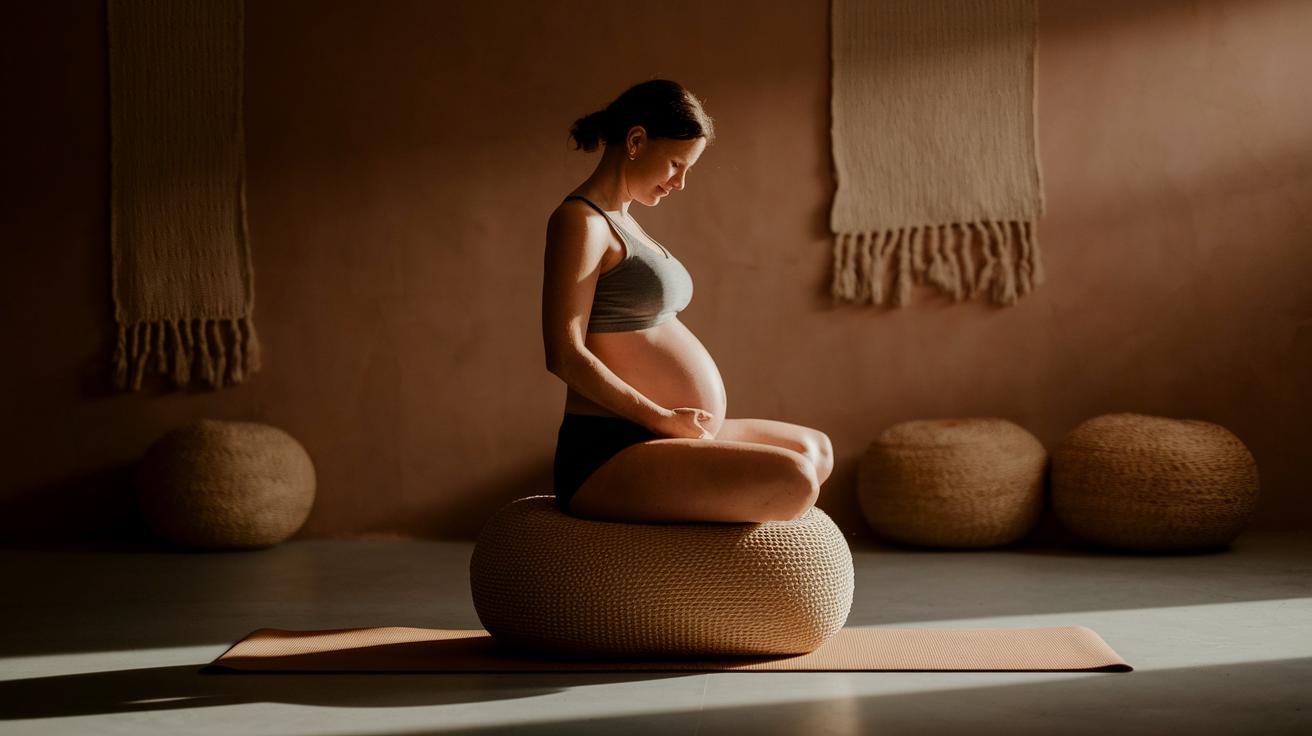
Online classes are great too, especially if you need flexibility. For example, free online sessions happen every Monday at 7 pm EST so you can do yoga right from your living room. These virtual classes work well if you like setting your own schedule, but it’s a good idea to check that the instructor has the right prenatal certification for safe guidance. The live video setup lets you watch carefully demonstrated moves that fit your needs even when you're short on time.

When you're picking a class, think about the fees, location, and times that work best for you. You might ask, “Does the teacher have a proper prenatal certification?” or “What special changes are available for my body?” Taking a moment to ask these questions can help you choose the perfect class to support you on this beautiful journey.

2 prenatal yoga classes for serene wellness

img-1.jpg

Prenatal yoga is a gentle way to care for both your body and your mind. With every session, you might feel your breath soften and your body relax, almost like a warm sigh of reassurance. I remember one new mom saying, “After a few classes, I felt like each breath gently washed away my worries.”

Taking part in these classes can really help reduce stress and ease daily anxiety by teaching simple mindfulness and breathing techniques. You may notice better sleep, a calmer mind, and less tension throughout your day. Plus, prenatal yoga not only helps with posture and flexibility but also builds the strength you need for labor, always keeping your growing belly safe.

Here’s what you can enjoy from a regular prenatal yoga routine:

Benefit How It Helps
Less Stress Eases worries and calms your mind
Better Sleep Improves rest with mindful breathing
Increased Flexibility Strengthens your posture gently
Labor Preparation Prepares you for delivery without straining your belly
Boosted Confidence Makes you feel strong and secure

Every class is like a little break where you can feel nurtured and ready for the next step in your journey.

What to Expect in a Typical Prenatal Yoga Class

Prenatal yoga usually begins with a gentle breathing exercise. You might hear your teacher say, "Breathe in slowly and let your belly fill with air," inviting you to relax and connect with your body. This calm start sets a friendly and soothing tone for the whole session.

Next, you’ll move into some warm-up stretches. The teacher guides you through easy movements that stretch your arms and legs without putting any pressure on your growing belly. They often offer props like blocks, straps, or bolsters to help support you, making sure your stretches are safe and comfortable.

Then come the modified poses. These little tweaks, like a gentle side lean or a slight shift in your stance, are designed to keep you safe while you move. The class is usually small, so you can get some personal guidance and feel well cared for.

Finally, the session winds down with a quiet relaxation or meditation segment. You might hear, "Let go of all your tension and find a peaceful space within," leaving you with a sense of calm and balance that nurtures both you and your baby.

Trimester-Specific Prenatal Yoga Class Guidelines

img-2.jpg

First Trimester Modifications

In your first trimester, the class focuses on gentle movements that open up your diaphragm and help ease early symptoms like morning nausea and feeling tired. You’ll try soft stretches that invite you to take slow, deep breaths. Your teacher might explain that a light core engagement can support your muscles without putting pressure on your growing belly. For instance, you might hear, “Take a slow, deep breath and feel your diaphragm open,” letting you relax even when you’re low on energy. This time is all about simple, beginner movements that honor your body’s new rhythm.

Second Trimester Focus

As you step into your second trimester, you might feel a boost in your energy. This is the time to add a few strength-building poses and work on your posture. In class, there are hip-opening movements and gentle stretches that help build strength without pressing on your abdomen. You might hear your instructor say, “Let your hips open and feel the stretch along your sides,” which can ease discomfort and get you ready for what’s ahead. This stage offers a smooth transition into poses that keep you flexible while supporting good alignment.

Third Trimester Adjustments

During the third trimester, extra care is needed as your belly grows and your center of gravity shifts. Classes often introduce props like bolsters, blocks, or straps to help you move safely. Your teacher may suggest a wider stance in standing poses and use seated forward folds and supported balance poses to make things easier. You might even hear, “Widen your stance and lean on the blocks for extra balance,” to remind you to move mindfully. These small changes are here to keep you stable and comfortable while you honor the many changes in your body.

Essential Prenatal Yoga Poses to Try in Class

For moms-to-be, prenatal yoga is a gentle way to help you feel calm and strong as you get ready for baby. In class, you might try smooth, flowing movements that are just right for your changing body. Take the Cat and Cow sequence, for example. As you move with your breath, it helps you keep your back flexible and relaxed. A friendly teacher might say, "Imagine your spine as a soft, gentle wave," to help you get into the rhythm.

Another sweet favorite is the Goddess pose. This move gently opens your pelvis, creating a cozy space that can support your baby’s best position. Picture yourself standing with your feet wide apart, feeling balanced and strong, much like how you naturally hold your little one close.

Feeling a bit adventurous? You could try Anjaneyasana with a side lean. In this pose, you shift your weight slowly from one side to the other. This helps ease tension around your hip area and makes a little extra room in your belly. A simple cue like, "Lean just a little to feel that soft release," can guide you into a mindful stretch.

Finally, the wide-legged squat is a nurturing way to relax your pelvic muscles and open up your hip space. This stretch works in tune with the loving changes happening in your body. Each of these poses is designed with care to support you during pregnancy.

Pose Primary Benefit
Cat and Cow Sequence Boosts back flexibility and helps you sync with your breath
Goddess Pose Opens your pelvis to support baby’s best position
Anjaneyasana with a Side Lean Eases hip tension and makes room in your belly
Wide-Legged Squat Relaxes pelvic muscles and opens your hip space

Safety Considerations and Instructor Credentials for Prenatal Yoga Classes

img-3.jpg

Before you jump into a prenatal yoga class, it’s a good idea to have a quick chat with your doctor, especially if early labor is a concern. A simple check-up can ease your mind, particularly if you have any special care needs during pregnancy. Yoga teachers are careful with the poses too, avoiding any that might press too hard on your tummy. For example, after your first trimester, they’ll limit poses like lying flat on your back or standing in ways that could affect your circulation. You might even hear a gentle reminder like, "Let’s skip deep twists and anything that squeezes your belly," ensuring both you and your baby stay safe.

When you’re choosing a class, don’t be shy about asking the teacher about their training. Look for someone who holds a prenatal certification, such as PCES (Prenatal Certified Exercise Specialist), or similar training. This shows they know how to guide safe movements, improve posture, and strengthen your pelvis. A certified teacher often adjusts the flow of the class and might even offer a gentle, midwife-inspired relaxation session. Here’s a little checklist to keep in mind:

What to Ask Why It’s Important
Do they have a prenatal certification or equivalent training? This means they’re well-versed in safe exercises for pregnancy.
What modifications do they offer in each trimester? It ensures the class can adapt to your changing body needs.
Will the session avoid deep twisting and long periods on your back? These adjustments help protect your circulation and overall comfort.
Are there enough props and supportive mats available? Extra props can boost your comfort and safety during practice.

Keeping these pointers in mind can help create a caring, supportive space where you can gently boost your flexibility, focus on smooth, calming breathwork, and relax into the moment. It’s all about feeling confident and safe as you enjoy this special time in your pregnancy.

On-Demand vs In-Studio Prenatal Yoga Classes

In-Studio Advantages and Drawbacks

Going to a studio class can feel like a warm hug. In a live setting, a caring teacher is right there with you, helping to adjust your poses and offering gentle guidance. You can use props like blocks, straps, and bolsters too, which make every move feel just right. And sharing the room with other moms brings a lovely sense of community and mutual support.

But there are a few things to consider. Traveling to the class means extra time and added costs, like parking or transport. Studio classes may come with higher fees compared to online options. So, if convenience and budget are important, this might be something to think about.

Online Class Benefits and Limitations

Online prenatal yoga sessions offer a world of freedom from the comfort of your home. You can easily fit a class into your busy day without the hassle of commuting. Many moms love the flexibility, whether joining a live session or watching a recorded one, like that free class every Monday at 7 pm EST. Plus, online classes are usually more budget-friendly and available on-demand when you need them.

However, virtual classes do have their downsides. It can be tougher to get real-time feedback on your posture since the teacher is only visible through a screen. You might sometimes wonder if your form is perfect, and checking the instructor's credentials might require an extra step.

Practical Tips for Prenatal Yoga Beginners

img-4.jpg

Start by practicing gentle breathing exercises. Picture blowing up a balloon as you inhale and then slowly letting the air out. This small trick can help bring a sense of calm.

Keep a few props nearby, like blocks, bolsters, or straps, so you can easily change your position if your body tells you it needs a little extra support.

Make sure your space stays cool and drink plenty of water. If a pose starts to feel off or uncomfortable, trust your gut and either adjust or take a break.

It really helps to choose classes taught by instructors who specialize in prenatal yoga. They know safe positions and can guide you with extra care.

  • Gentle breathing exercises
  • Keeping props close by
  • Staying cool and hydrated
  • Listening to your body’s messages
  • Learning from prenatal experts

Final Words

In the action, this post guided you through choosing prenatal yoga classes that match your needs, from local studios with skilled instructors to flexible online practice. It highlighted gentle stretches, safe techniques, and trimester-specific tips that keep both mom and baby comfortable. You learned what to expect in each session and found practical tips for easing into a regular routine. Prenatal yoga classes can boost your strength and calm your mind each day, leaving you feeling confident and well-supported on your path to a healthier pregnancy.

FAQ

Prenatal yoga classes near me

Searching for “prenatal yoga classes near me” means finding local sessions at dedicated studios, community centers, or hospitals where certified instructors guide safe, gentle movements and breathing techniques for expectant mothers.

Prenatal yoga classes online

Looking into prenatal yoga classes online opens options like live or recorded sessions, sometimes available for free—allowing you to practice from home with expert guidance and flexible scheduling.

Prenatal yoga classes NYC

When considering prenatal yoga classes NYC, expect a range of specialized studios offering tailored group sessions led by certified instructors who modify poses to suit the needs of expectant mothers.

Best prenatal yoga classes

The best prenatal yoga classes are those led by instructors with proper certification, offering clear modifications for each trimester, safe movement guidance, and a supportive, nurturing practice environment.

Free prenatal yoga classes

Free prenatal yoga classes provide cost-free opportunities to enjoy guided practice at home or in community settings, sometimes offered as live online sessions at scheduled times to support expectant mothers.

Pregnancy yoga for beginners

Pregnancy yoga for beginners introduces gentle breathing drills, mild stretching, and basic posture adjustments, ensuring a welcoming and safe practice designed specifically for women new to prenatal exercise.

Prenatal Yoga Certification

Prenatal Yoga Certification involves completing specialized training that covers safe movement, breathwork, and posture modifications, equipping instructors to confidently guide expectant mothers through their practice.

Prenatal Yoga With Adriene

Prenatal Yoga With Adriene offers an approachable online routine with gentle stretches and mindful breathing techniques, making it a popular choice for expectant mothers seeking support and relaxation at home.

When should you start prenatal yoga?

Beginning prenatal yoga early in your pregnancy can help build strength and ease stress, but it’s best to start with beginner-friendly sessions and consult your healthcare provider before getting started.

Did Peloton get rid of prenatal classes?

The availability of prenatal classes on Peloton seems to have shifted recently; checking the latest updates on their website or app is the best way to confirm their current offerings.

What is the best yoga for pregnancy?

The best yoga for pregnancy features gentle stretching, modified poses that avoid abdominal pressure, and supportive breathwork, helping expectant mothers prepare their body for labor in a safe way.

Who should not do prenatal yoga?

Prenatal yoga might not be suitable for women at risk of preterm labor or those with specific medical concerns; it’s advisable to consult a healthcare provider before starting if you have any conditions that limit movement.