Thursday, June 25, 2026
Home Blog Page 65

Infant Imitation Milestones: Flourishing Early Progress

0

Have you ever seen your baby copy your smile and wondered why it's so important? It's more than cute, it shows that your little one is learning to connect with you and the world around them. These early little moves help build the foundation for language and motor skills while creating special moments between you both.

Today, let's talk about why these mimic moves are such important milestones. As your baby grows, you'll notice even more exciting behaviors that help build a stronger bond with you. Have you ever thought about how a simple smile can be the start of so many amazing conversations?

Understanding Infant Imitation Milestones: Timeline and Key Behaviors

From the very beginning, babies start copying their parents’ actions. Even in just a few weeks, little ones begin to mirror what they see, all thanks to the special mirror cells in their brain. If you’re curious about what to expect each month, you might want to look at our detailed guide on infant milestones.

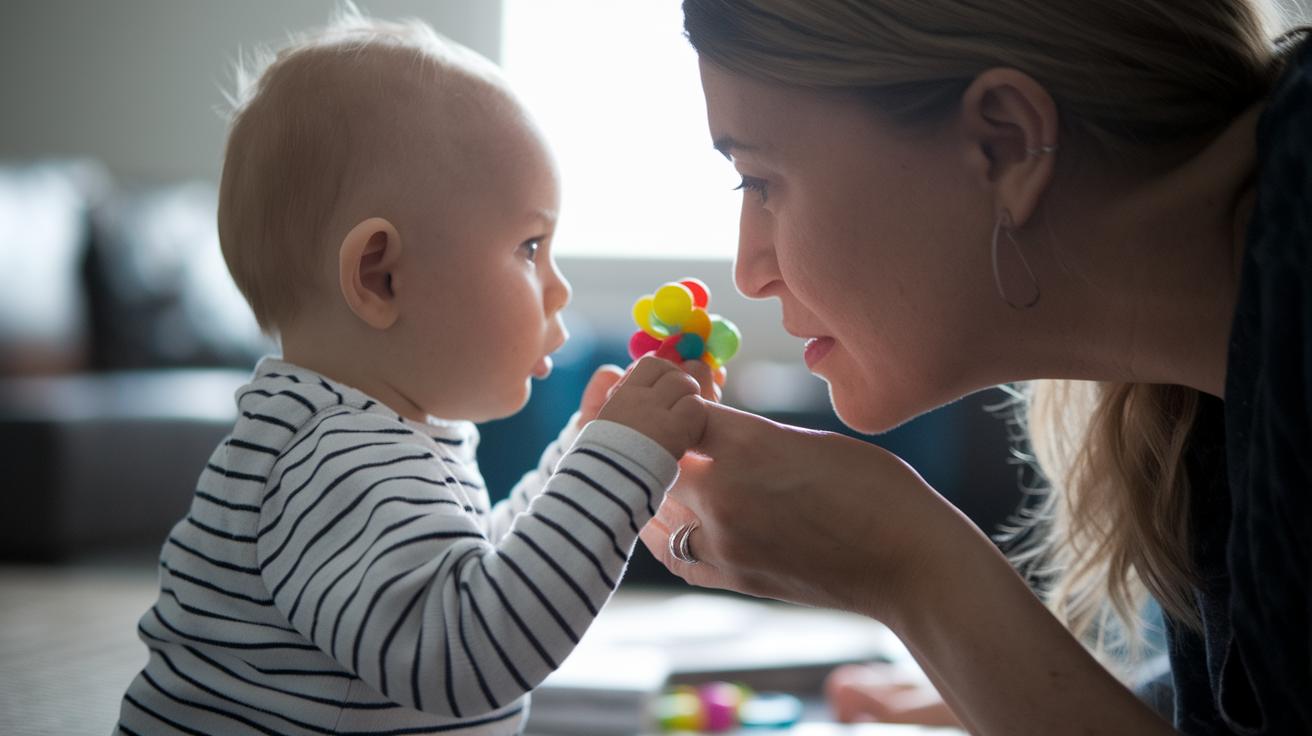
By 2 to 4 weeks, your baby starts showing the first signs of imitation. They might open their mouth wide, stick out their tongue, or widen their eyes when you do these things. Picture your little one looking right up at you, their face lighting up as they echo a playful gesture. It’s like a tiny conversation that quickly turns into a heartwarming exchange.

Then, as they reach about 3 to 4 months old, those cute little gestures begin to grow. Babies start to smile or click their tongue in response to you. These early actions aren’t just adorable, they also help set the stage for learning how to communicate. Imagine sharing a gentle smile with your baby, each of you exchanging silent messages that say, “I care about you.”

By 6 to 9 months, you might see even more complex actions emerging. During familiar routines, many babies wave or clap. These new moves are great for building motor skills, timing, and visual tracking. They pave the way for advanced communication and more physical skills as they grow.

When you interact with your baby, making eye contact, smiling, or copying their movements, you’re not only sharing joyful moments, you’re also encouraging them to learn and mimic even more naturally.

  • Babies learn best by watching and imitating.
  • They start with simple face-only actions and move to full-body gestures.
  • Each step of their imitation journey builds their ability to communicate.

Neonatal Replication Actions and Early Facial Mimicry

img-1.jpg

Research shows that babies copying faces isn’t the whole story. It seems that the way their brain connects can change how and when they react to expressions. For example, scientists have noticed that even tiny differences in brain wiring might mean one baby smiles a bit earlier than another, especially in areas like the inferior frontal cortex (a part that helps turn what you see into a little movement).

Some little ones show a wider range of facial expressions, which tells us their brains might be picking up social cues in different ways. This helps us learn more about how early brain development works and how sensitive each baby might be to the people around them.

Brain Region Role in Facial Imitation
Inferior Frontal Cortex Helps turn seen expressions into movements
Superior Temporal Sulcus Helps process social cues and facial motions

These little differences in brain responses show us that infant expressions are more than simple copying. They give us a richer look at how babies begin to engage with the world and express their feelings.

infant imitation milestones: Flourishing Early Progress

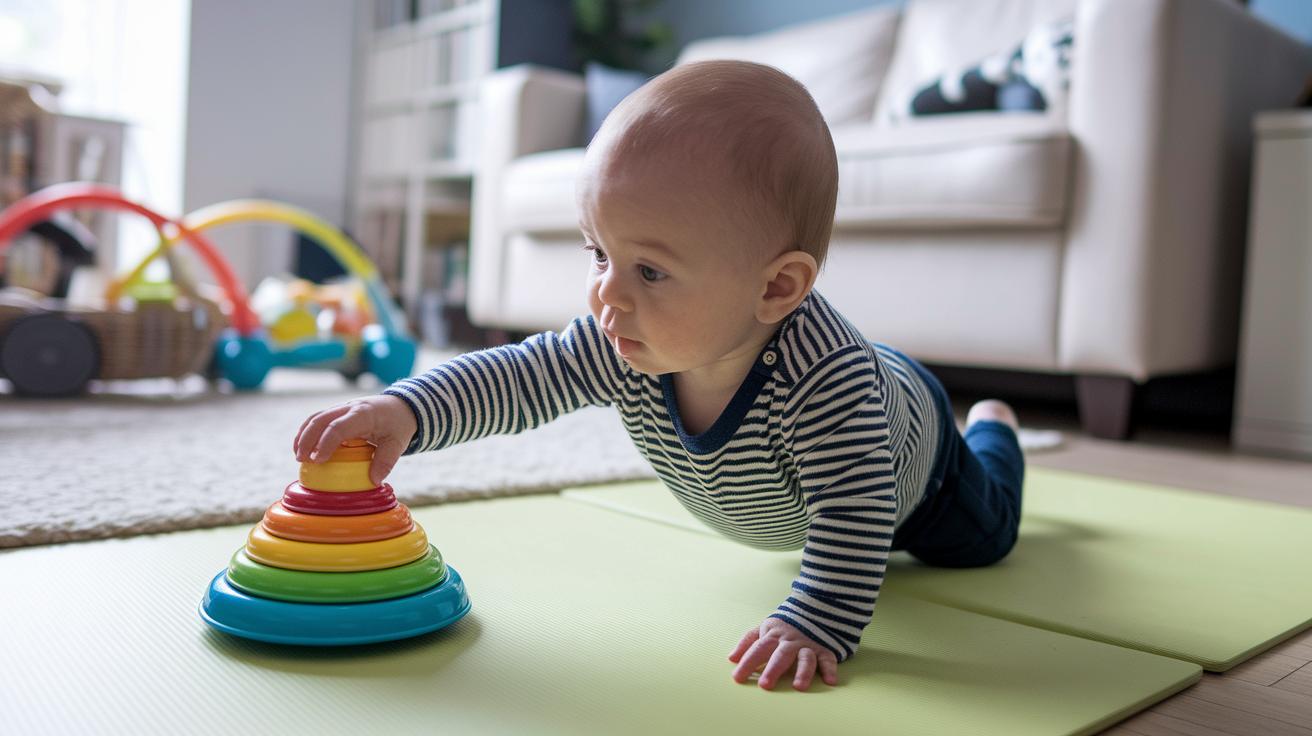
Around 4 to 6 months, little ones do more than just mimic faces. Their growing motor skills now let them copy actions with a clear sense of cause and effect. They show their excitement and curiosity through each little move. Have you ever seen a baby try to clap after watching you? It’s like a gentle, playful chat where actions speak louder than words.

Key actions they often copy include:

  • Clapping hands
  • Waving goodbye
  • Banging toys or spoons (showing cause-and-effect learning)
  • Stomping feet
  • Blowing kisses

Each of these actions helps boost their coordination and timing. They also learn to track moving objects with their eyes before copying the motion. Picture a baby, arms flailing with a big smile, trying to wave just like you do. These early steps are not only adorable but also set the stage for more complex social skills and daily tasks. In truth, moving from simple facial mimicry to full-body actions is a big, exciting milestone in a baby's development.

Vocal Imitation and Early Cognitive Modeling

img-2.jpg

Around 4 to 6 months, babies start exploring the world of sounds by cooing and babbling. It’s like they’re having a little chat with their surroundings. Have you ever noticed your baby mimicking your tone? Try saying "baba" and see if your little one echoes it back. It’s a fun, heartwarming way to see their attention and memory in action.

By the time they’re 9 to 12 months old, these tiny language explorers begin imitating simple sounds like "mooo" or "beep-beep" and even little exclamations such as "wow" or "uh-oh." These moments aren’t just adorable, they’re laying down the building blocks of language. Every playful sound helps build up their memory for words and boosts their little cognitive skills, as they learn to remember and reproduce the sounds they hear.

Each babble is a tiny step toward better communication. When you whisper or sing to your baby, those gentle echoes nurture both their ears and minds, encouraging social learning and a budding understanding of how language works.

In truth, these early sound adventures open up a wonderful path toward future language skills and meaningful social interactions for your little one.

Advanced Milestones: Verbal Routines, Functional Words, and Simple Phrases

Between 12 and 18 months, toddlers often start mimicking nursery rhymes and other phrases they hear every day. It’s such a sweet moment when your child says "More juice" after you offer more drink, it shows they're beginning to piece words together like in real conversations.

Around this time, they also pick up important words like "please," "thank you," and "sorry" just by listening and watching. Imagine saying a cheerful "thank you" and hearing your little one echo it back. These moments help them learn how to be polite in everyday life.

  • Mimicking nursery rhymes helps build a natural rhythm and memory.
  • Repeating simple phrases supports early sentence building.
  • Echoing words like "please" and "thank you" lays a strong base for friendly interactions.

All these early imitation skills work hand in hand to boost their motor skills, social understanding, and language, showing a wonderful overall growth in their development.

Tracking Milestone Progression and Identifying Delays in Imitation

img-3.jpg

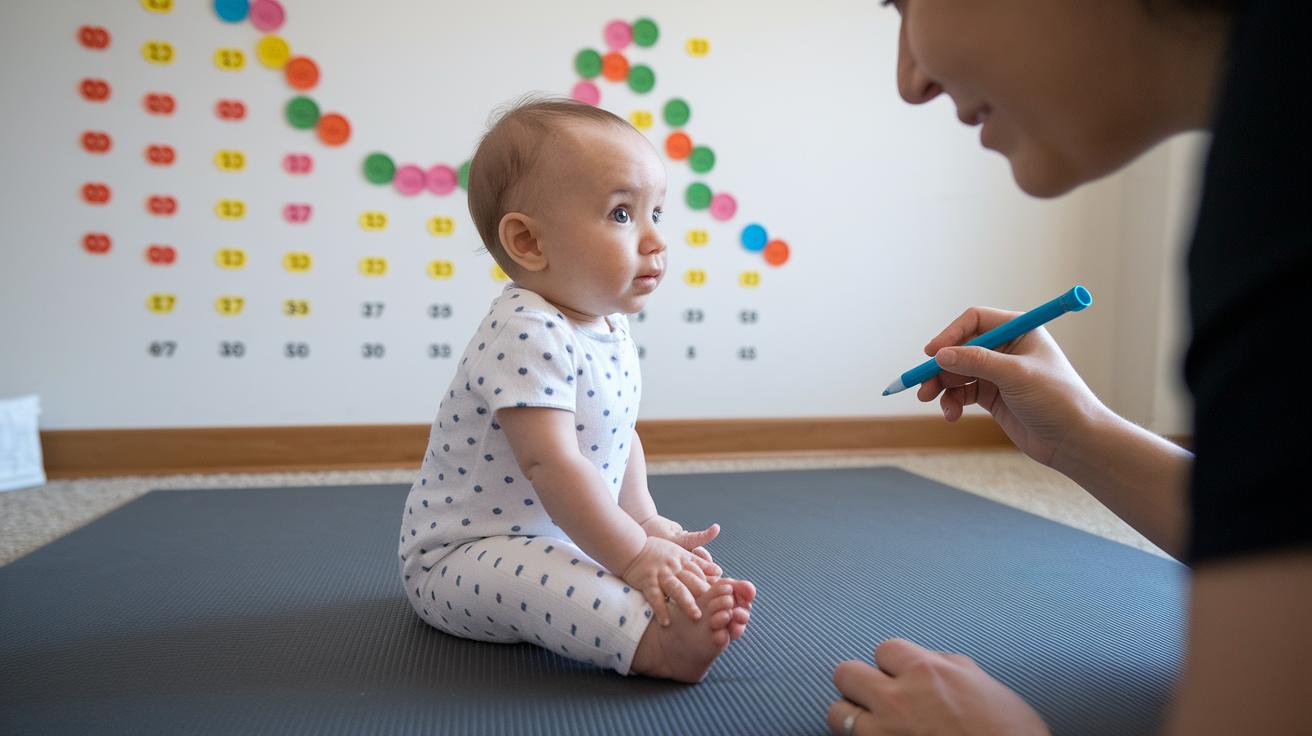
Watching your baby try to copy you is a wonderful peek into how they’re learning to communicate and connect with others. When your little one stops mirroring smiles, hand claps, or sounds after about 12 to 18 months, it might be a sign that they need a bit more support. Keeping an eye on how they mimic you, like returning a smile or trying to copy your clapping, can really show you how they're picking up social cues.

If you notice your baby isn’t imitating as much, try making your interactions a bit more animated. For instance, say "hello" with a big, warm smile and gently repeat the sounds your baby makes. It’s amazing how a little extra enthusiasm can invite them to join in more actively.

Pay attention to these small moments every day. They can help you notice patterns or spot any early challenges in your baby’s behavior. For more helpful advice, check out the parenting tips for child development at WomensConference.org.

Keep observing simple gestures and sounds. Watch for consistent repetition in routines. Model clear actions for easy copying.

Final Words

In the action, we explored how infants start by copying simple expressions, then move into gestures, vocal sounds, and even basic words. Each stage builds on the previous one, supporting your little one’s growth in both body and language.

We discussed how tracking these infant imitation milestones helps guide gentle interventions. Remember, these early behaviors aren’t just cute, they lay the foundation for later learning. Embrace each precious moment and enjoy watching these skills blossom!

FAQ

When do babies imitate actions?

Babies start imitating actions as early as 2–4 weeks by copying simple facial expressions like tongue protrusion and eye widening. Later, they begin clapping and waving around 6–9 months.

Why is imitation important in child development?

Imitation helps babies learn how to communicate, develop motor skills, and pick up social cues, all of which lay the groundwork for more complex interactions as they grow.

What are some examples of imitation in child development?

Early examples include mimicking facial expressions such as smiling or sticking out the tongue. As they mature, babies also copy sounds and gestures, including clapping, waving, and babbling.

When do babies mimic sounds and copy facial expressions?

Infants begin copying facial expressions in the first few weeks. They start to mimic sounds like cooing between 4 and 6 months, which marks the early stages of their language development.

What imitation skills do infants show first?

The earliest imitation skills involve facial copying, such as mimicking mouth movements and eye expressions. This paves the way for later replication of gestures and sounds as their coordination improves.

How old are babies when they can mimic you?

Babies can start to mimic simple facial expressions just a few weeks after birth. As their motor skills develop, they begin imitating more coordinated actions like clapping around 6–9 months.

Infant Joint Attention Milestones: Bright Signs Of Progress

0

Have you ever seen your baby's eyes sparkle when they discover something new, and then they turn to you as if sharing a little secret? Those precious glances are early signs of your baby learning to communicate and connect. In this piece, we'll chat about how these shared moments develop, from the first looks at around nine months to the deeper social skills that come later. Every little glance is a step in your baby’s journey to bond with the world.

Infant joint attention milestones: Bright signs of progress

Joint attention means the baby shares a focus or interest with someone else, like you. It usually starts to show itself around 9 months and blossoms into a steady skill by about 18 months. This simple act lays the foundation for those first sweet interactions between you and your little one, gently guiding early communication.

When your baby watches an object closely and then glances back at you to share the moment, they’re not just looking, they’re building blocks for language and social skills. Imagine a tiny tot holding up their favorite toy with a big smile, silently saying, "Look, isn’t this wonderful?" It’s like a tiny spark that lights up a path toward understanding and connecting with others.

These early moments help you see how your child is growing and can hint at even larger skills to come, like understanding what others think or feel. It’s reassuring to watch those little exchanges, reminding you that every shared smile and glance is a step in your baby’s amazing journey of communication and connection.

Milestone Timeline for Infant Joint Attention Development

img-1.jpg

Between 6 and 12 months, you may notice your baby using cute gestures or simple pointing to show what grabs their attention. It’s like they shift their eyes between a fun object and your warm smile, as if saying, "Hey, I want to share this moment with you!"

At around 9 to 12 months, your little one starts doing more than just mouthing things. They begin to use toys in playful ways, stacking blocks or pushing cars, and you might see hints that they’re learning a few words too. Imagine them pausing in their play to glance at you, as though inviting you to join the fun!

Between 12 and 24 months, toddlers blend gestures, steady eye contact, and early words to share what they experience and comment on the world. Their way of communicating grows richer as they join in mutual focus more clearly. And if you haven’t seen these signs by about 18 months, it might be a good idea to chat with a professional for some extra advice.

Key Behavioral Indicators of Joint Attention in Babies

Have you ever noticed your baby light up when you smile? That warm, beaming look shows they're already picking up on your feelings, as if saying, "I see you!"

Watch for those moments when your little one picks up a favorite toy or reaches for something and then glances at you. It might be a small point or a gentle offer of an object, quietly inviting you to share in the fun. Imagine your baby proudly holding a rattle and looking your way with a smile, it’s a sweet invitation to share the moment.

You might catch your baby trying to share excitement by pointing, making eye contact, or playfully gesturing. These little actions are building their early social and language skills. Picture them picking up a soft toy, turning to you with sparkling eyes, almost whispering, "I want you to see this."

Also, look out for those times when your baby's gaze lingers on you while exploring something new. That steady look is their way of saying, "Come join me in this." These brief, shared looks are heartfelt signs of early communication.

A kind smile or gentle praise can make all the difference. Each time you respond to these tender cues, it boosts your baby's confidence and encourages more joyful exchanges. Every shared look and little gesture is a stepping stone in their growing ability to connect, reminding you how precious these moments truly are.

Strategies to Promote Infant Joint Attention Growth

img-2.jpg

Spending time with your baby is a wonderful chance to connect and share a fun focus together. When your little one plays with a toy, join in and mirror their excitement. For example, if your baby grabs a bright red ball, you could smile and say, "I see the red ball!" This kind of simple comment shows you’re both enjoying the moment without any pressure.

Here are seven easy ways to help build joint attention during everyday play:

  • Follow what your baby is interested in by playing with the same toy or getting involved in their chosen activity.
  • Copy your baby's actions and sounds so they know you understand and care. If they wave their hands, you might wave too.
  • Use cheerful statements like, "I see the red ball!" instead of questions. This way, you model language in a natural, relaxed way.
  • Start simple play routines with short turns of about 5–20 seconds to help your baby adjust to sharing attention.
  • Use clear gestures, like pointing or saying "Look!" to gently guide your baby's focus.
  • Give your baby a little extra time, up to 20 seconds, to process your cues, which can boost their confidence.
  • Praise every shared moment, whether it’s a smile, a nod, or a happy babble. Each positive response builds a stronger connection.

Try these simple tips during play, and you might notice more delightful, shared moments of excitement and care.

Monitoring and Assessing Infant Joint Attention Progress

Keep a daily record of those special moments when your baby really connects with you. Every time your little one locks eyes with you while exploring a toy or a new activity, jot it down. For instance, you might write, "Today, baby held eye contact for five seconds during block play." It’s a simple way to see changes in focus over time.

Also note when your baby reaches out for your attention by pointing or showing you something interesting. Write down how often this happens. A quick note like, "Baby pointed at the stuffed bear three times this morning," gives you a clear picture of how their social skills are developing.

Pay attention to how your baby reacts when you point or say a gentle cue like "Look!" If they turn to you quickly or flash a smile, that’s a great sign of positive engagement. A brief note for each instance helps you keep track of their growing ability to connect with you.

Using a simple chart week by week can really help too. Write down the number of times and the length of these shared moments and attention bids. Over time, you’ll see a clear pattern of your baby’s social engagement and how their joint attention is blossoming.

Recognizing and Addressing Joint Attention Delays

img-3.jpg

Sometimes you might see that your baby isn’t joining in those shared moments as expected. For example, if your little one rarely makes eye contact or doesn’t point out or share toys during play, it could mean they’re still learning how to focus with you. When you notice these signs, it can help to gently try out some new ways to support that skill.

One friendly idea is to turn playtime into a shared adventure. Try holding up a favorite toy and saying, "Look at this!" This simple, fun invitation can make it easier for your baby to join in without feeling pressured. You can also use clear pictures or a little schedule (a simple guide) to show what happens next in play. It’s like giving your baby a small roadmap. And sometimes, simply showing your own excitement, maybe pointing at something bright or cool, can help guide them too.

Regular, calm play sessions make a big difference. Choose a quiet, cozy spot with few distractions so your baby can feel safe and focus better. And if these shared moments still seem hard to come by despite your efforts, it might be a good idea to reach out to a professional. They can help make sure your child’s social and language skills are on track.

Final Words

In the action, this post explained how joint attention unfolds during infancy and highlighted key behaviors like shared gaze and pointing. It walked through milestones from early gaze tracking to clear signs of social engagement. We also reviewed practical tips for encouraging these moments and simple ways to keep track of progress. Celebrating small improvements builds a strong base for later growth. Every shared moment helps boost infant joint attention milestones, leaving room for smiles and meaningful connections.

FAQ

Infant joint attention milestones pdf

The infant joint attention milestones PDF outlines key behaviors like eye gaze and pointing that emerge between 9 and 18 months, guiding caregivers in tracking social and communication skills.

What is joint attention in child development

The concept of joint attention in child development means sharing focus with another person, which is crucial for building language skills and social interaction abilities in infants.

Joint attention checklist

The joint attention checklist includes behaviors like shared gaze, pointing, and object sharing. It helps caregivers and professionals monitor an infant’s social engagement and developmental progress.

Joint attention example and examples of joint attention in toddlers

The joint attention example in toddlers is when a child uses eye contact and pointing to share an interesting object with a caregiver, demonstrating early social communication skills.

Joint attention development

Joint attention development refers to a child’s growing ability to share focus with others. It typically begins to appear around 9 months and becomes well established by 18 months, supporting later learning.

How to teach joint attention in autism

Teaching joint attention in autism involves using engaging, structured play and clear visual cues. Modeling eye contact and gestures can help children with autism develop shared focus skills.

When should babies show joint attention and what are the early signs of joint attention

The early signs of joint attention, like shared gaze, smiling, and pointing, usually appear around nine months. These behaviors indicate that babies are beginning to interact socially and communicate nonverbally.

What age does joint attention start in autism

The age when joint attention starts in autism can be later than in typical development. While most infants begin around nine months, children with autism might develop these skills at a different pace.

What are the stages of joint attention

The stages of joint attention include initial reciprocal eye contact, proto-declarative pointing, and coordinated attention using both gestures and vocal cues, reflecting a gradual build-up of social engagement skills.

Postpartum Lifestyle Adjustment Tips: Embrace New Joy

0

Do you feel a bit overwhelmed by how different life seems now? Having a baby can turn your world upside down, almost like a long road trip where even a quick break feels important. When you slowly adjust your routine, catching some rest during baby naps, planning easy meals, and taking gentle walks, you invite a fresh burst of energy and hope.

In this article, you’ll find simple lifestyle tweaks that help bring back your spark. It’s all about finding little moments of joy in this new chapter of life.

Postpartum Lifestyle Adjustment Tips: Essential Strategies for Your Fourth Trimester

Start by putting rest first. When your baby naps, let that be your chance to take a little breather, even if it’s just for 15 minutes. Think of it like a quick pit stop on a long family road trip, each mini-break helps refill your energy tank.

Plan your meals ahead with care. Cook up some hearty soups, casseroles that freeze well, or whip together a vibrant salad. Imagine warming up a bowl of vegetable stew later on, a simple meal that not only fills you up but also nurtures you from the inside out.

Ease into gentle movement as your body adjusts. A slow walk around your neighborhood or a few light stretches can help ease tight muscles and slowly rebuild your strength. Picture a peaceful stroll in the park, a little getaway that refreshes both body and mind.

Lean on your support network. Whether it’s a good friend, a family member, or a postpartum doula, having someone to chat with can make a world of difference. Imagine sitting down for a quiet cup of tea with a friend, sharing that moment of calm when you really needed it.

Keep the conversation open with your partner about baby care and household chores. Even a brief, shared coffee break can help balance the day's tasks and bring you closer together. When you both share these small moments of support, the journey into new motherhood feels a little less overwhelming and a lot more rewarding.

Postpartum Lifestyle Adjustment Tips for Physical Recovery

img-1.jpg

Now that you’re past the very early days of recovery, it might be a good idea to start some gentle exercises that help build strength and balance. Try focusing on pelvic-floor moves that go beyond the basic squeeze. Picture this: you tighten your pelvic muscles, hold for five seconds, and then slowly relax. With each turn, you can feel your strength growing.

You might also add some core exercises that work well with your pelvic routines. For example, try a gentle modified bridge: slowly lift your hips while your lower abs and pelvic muscles are working together, then lower yourself with care. It’s a bit like taking a big, refreshing breath that lifts your mood and steadies you.

Simple yoga sequences can be a real help, too. Try poses that support your lower back and build core strength. Imagine moving softly from a modified downward dog into a seated stretch, each pose guiding you step by step back to balance.

When you feel ready to move ahead, consider making these exercises a part of a regular routine. And don’t hesitate to ask a postpartum doula for some friendly advice on the right techniques, ensuring you move at a comfortable pace that feels just right.

Postpartum Lifestyle Adjustment Tips for Maternal Nutrition Advice

Have you ever thought about starting your day with something warm and nourishing? Imagine a bowl of oatmeal mixed with berries, simple, yet packed with B-vitamins and minerals to give your recovery a gentle boost.

Next, why not try batch-cooking meals that help ease your day? Picture preparing a hearty vegetable soup with lean proteins and whole grains. Each bowl, rich in omega-3 fatty acids and calcium, is ready for a busy day when you need a quick, comforting bite.

It also helps to mix in fresh fruits and crisp veggies. Try topping a salad with slices of apple or pear, a few greens, and a sprinkle of nuts to add that extra fiber and vitamins, it's a little treat that feels both vibrant and satisfying.

And don’t forget to keep water with you throughout the day. A water bottle with a few slices of lemon or cucumber not only flavors your drink but also keeps you refreshed and supports your energy levels.

Each of these simple steps, from a nourishing breakfast to easy batch-cooked meals and refreshing drinks, helps build a path toward healing and strength while making everyday life just a bit easier.

Postpartum Lifestyle Adjustment Tips for Sleep Schedule Improvement

img-2.jpg

When your little one takes a nap, try to catch some shut-eye too, even a quick 15-minute nap can feel like a refreshing reset on a busy day. It’s amazing what a little rest can do for your energy and mood.

Take a moment to set up your bedroom as a cozy sleep haven. Think about using blackout curtains to keep the room dark, and maybe a white-noise machine that fills the silence with a soft, steady hum. Imagine the gentle sound wrapping around you like a warm blanket, inviting a deeper sleep.

You might also try easing your baby into sleep with gentle swaddling and soft rocking. Wrap them snugly and rock slowly until you find that just-right rhythm, kind of like adjusting your favorite armchair until it feels perfectly supportive.

Share those nighttime feedings with your partner whenever you can. Taking turns might help both of you get a longer stretch of sleep. Maybe one of you can handle the early hours while the other enjoys some more rest, small teamwork moments can really make a difference.

And don’t forget about your own little breaks during the day. Taking 15-20 minutes for a quiet moment with a warm cup of tea can help you feel recharged. It’s like giving yourself a mini-vacation, even on the busiest days.

Postpartum Lifestyle Adjustment Tips: Embrace New Joy

Taking time for your heart is just as important as healing your body. Chatting with a close friend or joining a small support group can help ease those heavy days. Keeping a mood journal, even on times when feelings run high, lets you notice little sparks of happiness, like a quiet afternoon spent with your baby. These small brightenings, even if brief, remind you that every win counts.

Be kind to yourself. It’s easy to get caught up in perfect pictures on social media, but your unique journey deserves celebration. Treat each moment, like enjoying a peaceful cup of tea, as a reminder that your efforts matter.

Identifying Postpartum Depression

Keep an eye out for changes in sleep, constant sadness, or feeling distant from your baby. If anxiety or feelings of being overwhelmed stick around, it might be time to talk with a health care professional. Sometimes even a simple check-in with a counselor can lighten the load. I once heard someone say that when days blur together, talking to someone helped make every moment feel a bit more bearable.

Practicing Self-Compassion and Mindfulness

Try a guided meditation for just a few minutes each day to quiet your busy mind. Writing down thoughts with prompts like "Today I felt grateful for…" can capture the small joys that build up your inner strength. And remember, joining in on peer-support meetings, whether in person or online, can remind you that you’re never alone on this journey. Embrace these gentle practices as ways to bring balance and more joy into your life during the fourth trimester.

Postpartum Lifestyle Adjustment Tips for Infant Care Guidance and Home Management

img-3.jpg

When things get busy with your new baby, having a few simple systems in place for care and home management can really make your day easier. Try to build a network of trusted family, friends, or even a postpartum doula (someone who supports new moms) who can help with on-demand feedings, soothing techniques like swaddling or white noise, and even little household chores. Imagine someone stepping in to handle a feeding so you can grab a few precious minutes of rest.

One idea to keep your home calm is to have a “gatekeeper.” This could be your partner or a close friend who organizes visitor drop-ins to keep your space quiet and stress-free. Picture your day getting smoother because you have someone to manage unexpected visits, leaving you more time for cuddle sessions with your baby.

Involving older siblings in simple tasks can also be a big help. When they hand over a diaper or fetch a bottle, they not only lighten your load but also feel important. Here are a couple of quick ideas:

Idea How It Helps
Make a daily task list Everyone knows how they can pitch in
Create a baby essentials spot The items you need are always within reach

These little steps can help ease childcare stress and add moments of joy to your routine, showing that sometimes, even small changes can make a big difference.

Postpartum Lifestyle Adjustment Tips for Partner Communication and Family Support

In the busy days after having a baby, keeping an open line of communication is so important. Try spending about 10 minutes after your morning feed to chat with your partner, sharing how you're feeling, catching up on tasks, and planning the day. For example, you could say, "I felt a bit overwhelmed this morning, but a quick chat helped me reset," to let your partner know when you need a little extra help.

You can also use this time to figure out how to share responsibilities. Maybe one day you welcome a visitor while your partner rests, and the next day you swap roles. Even better, set up a "visitor window" during which both of you know it's time for some quiet, peaceful moments.

These honest, scheduled chats not only help balance daily tasks but also strengthen your connection with each other.

Final Words

In the action, we covered key aspects of postpartum care, from gentle physical recovery and balanced nutrition to sleep schedule strategies and emotional healing support. We talked about tips for caring for your baby and ways to keep your home organized while maintaining clear partner communication. Each section offered postpartum lifestyle adjustment tips to help ease the early days of new motherhood. Let's move forward with optimism and practical steps, embracing care and connection every day.

FAQ

What should be on a postpartum self-care checklist?

The postpartum self-care checklist includes planning for rest, preparing nourishing meals ahead of time, scheduling gentle exercises, and arranging a support system so you feel cared for both physically and emotionally.

How do I take care of and tighten my vagina after giving birth?

The guidance for caring for your vagina after birth suggests keeping the area clean, performing gentle pelvic exercises, and consulting a health care provider for advice on safe methods to help tone muscles naturally.

What are effective postpartum recovery tips and things not to do after giving birth?

The postpartum recovery tips encourage you to rest when possible, engage in gentle movements, and avoid high-impact activities or heavy lifting until your doctor gives clearance for more intense workouts.

How long does it take for your body to return to normal after birth?

The timeframe for your body to return to its pre-pregnancy shape varies, with gradual improvement seen in a few weeks; however, full recovery, especially of pelvic muscles, may take several months.

What essential postpartum tips and postnatal care advice should new moms follow?

The essential postpartum tips include building a support network, preparing healthy meals in advance, prioritizing both rest and self-care, and practicing gentle exercises to help your body heal and adjust after childbirth.

Mcg Versus Mg On Vitamins Brings Clarity

0

Ever noticed the little details on vitamin labels and wondered if they really matter? When you see mcg or mg listed, it isn’t a mistake. It tells you exactly how much of the vitamin you’re getting. Think of micrograms as a tiny pinch and milligrams as a full scoop that helps power your day.

This explanation clears up the confusion and shows you why knowing these numbers can help you choose the best for your health. Let’s take a closer look at just how these details can make a difference in your daily wellness.

Understanding mcg vs mg in Vitamin Dosages

When you check vitamin labels, you may see values in mcg or mg. mcg means micrograms, which is one-millionth of a gram, while mg stands for milligrams, or one-thousandth of a gram. Even though these units look similar, they actually tell you very different things about how much of a nutrient you’re getting.

Micrograms are used when you only need a tiny amount of a nutrient, or when too much of it might be harmful. Think of it like using just a pinch of salt in a recipe. On the other hand, milligrams are used when your body needs more of that nutrient, kind of like adding a full scoop of something energizing to your day.

Have you ever wondered why some vitamins like folic acid or vitamin D are shown in micrograms? It’s because they need to be a delicate balance for good health. Meanwhile, vitamins such as vitamin C or minerals like calcium are often listed in milligrams since your body uses them in larger amounts.

Understanding this simple difference can really help you pick the right vitamins to keep your body happy and healthy.

Converting mcg to mg for Supplement Dosing

img-1.jpg

First, look at the supplement label and find the microgram amount. This tiny number is where you start.

Next, divide the micrograms by 1,000. This works because 1,000 micrograms equal 1 milligram. It's a simple math step that helps make sure you're using the right amount.

Then, check your answer. Compare it to what you expect for that nutrient. This extra look helps you feel sure that the dose is safe and right for your needs.

For example, if the label says 50 micrograms, dividing 50 by 1,000 gives you 0.05 milligrams. And if it's 1,000 micrograms, you'll get exactly 1 milligram. Following these steps makes it easier to handle high-potency supplements or even when dosages need to be very exact.

mcg versus mg on vitamins Brings Clarity

Reading supplement labels can feel like a friendly puzzle you get to solve. When you hold a vitamin bottle, you’ll see both mcg (tiny measures called micrograms) and mg (a bit bigger, called milligrams). These numbers help you know exactly how much of each vitamin you’re taking. You might also see sections like "Suggested Use", "Serving Size", "Amount Per Serving", and "% Daily Value" that make it easier to see the whole picture.

Taking a careful look at these parts of the label is really helpful:

Key Area Description
Suggested Use Guidance on how to take the vitamin
Serving Size How much you should take at one time
Amount Per Serving The dose of vitamins in one serving
% Daily Value The percent of your daily nutritional need met

Sometimes, you might also come across International Units (IU) for vitamins like D and E, or Colony Forming Units (CFU) when it comes to probiotics. Have you ever seen something like "Vitamin D3: 50 mcg (2,000 IU)"? This way, you get a clear look at both ways of measuring the vitamin. Comparing mcg and mg on labels lets you know which vitamins are needed in just a tiny pinch and which ones give you a larger boost. This little clarity makes it easier to choose the right supplement and keep track of your daily nutrition.

Setting Daily Intake: mcg and mg Guidelines

img-2.jpg

When it comes to vitamins, the right amount really depends on your age, gender, and life stage. Some vitamins, like folic acid and B12, are needed in really small doses (measured in micrograms), while others, like vitamin C, call for larger amounts (measured in milligrams). For instance, adults need about 400 mcg of folic acid. You can check out more details at folate vs folic acid if you're curious.

Vitamin B12 is similar, it’s measured in micrograms because our bodies only need a bit. Meanwhile, vitamin C is required in higher amounts, with a Recommended Daily Allowance of 75–90 mg. And even though vitamin D is sometimes shown in International Units (IU), its dose is actually measured in micrograms too. This clear way of measuring helps make sure you’re getting just the right amount to support your everyday health.

Vitamin Recommended Daily Intake (units)
Folic Acid 400 mcg (folate vs folic acid)
B12 2.4 mcg
Vitamin C 75–90 mg
Vitamin D 15–20 mcg (600–800 IU)

Visual Conversion Chart for mcg and mg in Vitamins

When you check vitamin labels, it really helps to know how to change micrograms into milligrams. Knowing that 1,000 mcg equals 1 mg makes it easier to figure out the right doses. For example, vitamin D3 is often listed as 50 mcg, which is the same as 0.05 mg, along with 2,000 IU. Have you ever noticed how these numbers almost look like steps on a simple recipe for well-being? It turns a puzzling dosage into something that feels organized and clear.

Below is an HTML table that shows a side-by-side look at key nutrients on supplement labels. This chart lists the values in micrograms and then turns them into milligrams, plus gives you International Unit numbers when they are available. Take vitamin B12, for instance, it's shown as 2.4 mcg because our bodies need only a tiny bit. Meanwhile, vitamins like vitamin C come in bigger doses (60 mg) and minerals such as iron are usually measured in milligrams too. This simple layout makes it easier to compare different supplements and know exactly what you’re getting.

Vitamin mcg Value mg Equivalent IU Value
Vitamin D 50 mcg 0.05 mg 2,000 IU
B12 2.4 mcg 0.0024 mg N/A
Folic Acid 400 mcg 0.4 mg N/A
Iron 18,000 mcg 18 mg N/A
Vitamin C 60,000 mcg 60 mg N/A

Maintaining Accuracy with mcg and mg Supplement Labels

img-3.jpg

When you check supplement labels, knowing you have the right amounts makes a big difference. Many makers stick to FDA rules (called cGMP guidelines) so you can trust their products are labeled correctly. Still, sometimes labels hide details in secret mixes. So, here are three simple ways to be sure you’re really getting what you need:

  1. Check for cGMP compliance – Look for a note on the label that tells you the product is made following FDA cGMP guidelines. This shows the maker uses strict quality checks, which makes converting mcg to mg reliable.

  2. Look for independent testing seals – If you see a seal from a trusted third party, that’s a good sign. It means experts have checked the product for accurate doses and pure ingredients.

  3. Consult a healthcare provider about dose conversions – Even if the label seems clear, a healthcare professional can help you confirm that switching from micrograms to milligrams is done right. They might also point out small details about how different ingredients are measured.

Taking these steps can clear up the confusion that sometimes comes with labels, ensuring you get the vitamins and minerals you need for a healthy routine.

Final Words

In the action, we broke down the differences between micrograms and milligrams and made sense of vitamin labels. We stepped through easy conversion tips and daily guidelines that help make picking the right supplement a bit more clear. We walked through practical measuring tricks for everything from folic acid to vitamin C. Remember that knowing mcg versus mg on vitamins can empower you to choose supplements confidently. Every small step brings positive progress for you and your family.

FAQ

Q: What does mcg mean in vitamin B12 dosage?

A: The term mcg means micrograms, representing one-millionth of a gram, used to measure tiny amounts of nutrients like vitamin B12 to ensure accurate, safe dosing.

Q: Which unit is bigger, mg or mcg?

A: The mg (milligram) is larger than the mcg (microgram); one mg equals 1,000 mcg, making it suitable for measuring nutrients required in larger amounts.

Q: What is the difference between mg and mcg in medicine and vitamins?

A: The difference is in the scale of measurement: mg measures larger doses while mcg is used for smaller, potent nutrients, ensuring precise dosing for vitamins like C versus vitamins like D and B12.

Q: How do mcg, mg, and IU compare on vitamin labels?

A: mcg and mg denote weight while IU (International Units) show potency for vitamins like D and E; each measurement system provides unique dosage details on supplement labels.

Q: How do I convert mg to mcg?

A: To convert mg to mcg, multiply the number of mg by 1,000, since one mg is equal to 1,000 mcg, ensuring accurate dosage calculations.

Q: Are 1,000 mcg and 1 mg the same?

A: Yes, 1,000 mcg is equal to 1 mg, as they represent the same quantity based on the conversion that 1 mg equals 1,000 mcg.

Q: Is it safe to take 1,000 mg of vitamin D3 daily?

A: The term 1,000 mg of vitamin D3 is misleading because vitamin D3 is typically measured in mcg or IU; always consult a healthcare provider for safe intake recommendations.

Q: Which is stronger, mg or mcg?

A: Strength isn’t determined by mg or mcg alone; mg represents a larger quantity, but effectiveness depends on the nutrient’s potency and the body’s requirement.

Q: Is a higher mcg dosage better?

A: A higher mcg dosage isn’t automatically better; it depends on the specific nutrient and individual needs, so following healthcare advice is key to safe and effective supplementation.

Infant Imitation Milestones: Flourishing Early Progress

0

Have you ever seen your baby copy your smile and wondered why it's so important? It's more than cute, it shows that your little one is learning to connect with you and the world around them. These early little moves help build the foundation for language and motor skills while creating special moments between you both.

Today, let's talk about why these mimic moves are such important milestones. As your baby grows, you'll notice even more exciting behaviors that help build a stronger bond with you. Have you ever thought about how a simple smile can be the start of so many amazing conversations?

Understanding Infant Imitation Milestones: Timeline and Key Behaviors

From the very beginning, babies start copying their parents’ actions. Even in just a few weeks, little ones begin to mirror what they see, all thanks to the special mirror cells in their brain. If you’re curious about what to expect each month, you might want to look at our detailed guide on infant milestones.

By 2 to 4 weeks, your baby starts showing the first signs of imitation. They might open their mouth wide, stick out their tongue, or widen their eyes when you do these things. Picture your little one looking right up at you, their face lighting up as they echo a playful gesture. It’s like a tiny conversation that quickly turns into a heartwarming exchange.

Then, as they reach about 3 to 4 months old, those cute little gestures begin to grow. Babies start to smile or click their tongue in response to you. These early actions aren’t just adorable, they also help set the stage for learning how to communicate. Imagine sharing a gentle smile with your baby, each of you exchanging silent messages that say, “I care about you.”

By 6 to 9 months, you might see even more complex actions emerging. During familiar routines, many babies wave or clap. These new moves are great for building motor skills, timing, and visual tracking. They pave the way for advanced communication and more physical skills as they grow.

When you interact with your baby, making eye contact, smiling, or copying their movements, you’re not only sharing joyful moments, you’re also encouraging them to learn and mimic even more naturally.

  • Babies learn best by watching and imitating.
  • They start with simple face-only actions and move to full-body gestures.
  • Each step of their imitation journey builds their ability to communicate.

Neonatal Replication Actions and Early Facial Mimicry

img-1.jpg

Research shows that babies copying faces isn’t the whole story. It seems that the way their brain connects can change how and when they react to expressions. For example, scientists have noticed that even tiny differences in brain wiring might mean one baby smiles a bit earlier than another, especially in areas like the inferior frontal cortex (a part that helps turn what you see into a little movement).

Some little ones show a wider range of facial expressions, which tells us their brains might be picking up social cues in different ways. This helps us learn more about how early brain development works and how sensitive each baby might be to the people around them.

Brain Region Role in Facial Imitation
Inferior Frontal Cortex Helps turn seen expressions into movements
Superior Temporal Sulcus Helps process social cues and facial motions

These little differences in brain responses show us that infant expressions are more than simple copying. They give us a richer look at how babies begin to engage with the world and express their feelings.

infant imitation milestones: Flourishing Early Progress

Around 4 to 6 months, little ones do more than just mimic faces. Their growing motor skills now let them copy actions with a clear sense of cause and effect. They show their excitement and curiosity through each little move. Have you ever seen a baby try to clap after watching you? It’s like a gentle, playful chat where actions speak louder than words.

Key actions they often copy include:

  • Clapping hands
  • Waving goodbye
  • Banging toys or spoons (showing cause-and-effect learning)
  • Stomping feet
  • Blowing kisses

Each of these actions helps boost their coordination and timing. They also learn to track moving objects with their eyes before copying the motion. Picture a baby, arms flailing with a big smile, trying to wave just like you do. These early steps are not only adorable but also set the stage for more complex social skills and daily tasks. In truth, moving from simple facial mimicry to full-body actions is a big, exciting milestone in a baby's development.

Vocal Imitation and Early Cognitive Modeling

img-2.jpg

Around 4 to 6 months, babies start exploring the world of sounds by cooing and babbling. It’s like they’re having a little chat with their surroundings. Have you ever noticed your baby mimicking your tone? Try saying "baba" and see if your little one echoes it back. It’s a fun, heartwarming way to see their attention and memory in action.

By the time they’re 9 to 12 months old, these tiny language explorers begin imitating simple sounds like "mooo" or "beep-beep" and even little exclamations such as "wow" or "uh-oh." These moments aren’t just adorable, they’re laying down the building blocks of language. Every playful sound helps build up their memory for words and boosts their little cognitive skills, as they learn to remember and reproduce the sounds they hear.

Each babble is a tiny step toward better communication. When you whisper or sing to your baby, those gentle echoes nurture both their ears and minds, encouraging social learning and a budding understanding of how language works.

In truth, these early sound adventures open up a wonderful path toward future language skills and meaningful social interactions for your little one.

Advanced Milestones: Verbal Routines, Functional Words, and Simple Phrases

Between 12 and 18 months, toddlers often start mimicking nursery rhymes and other phrases they hear every day. It’s such a sweet moment when your child says "More juice" after you offer more drink, it shows they're beginning to piece words together like in real conversations.

Around this time, they also pick up important words like "please," "thank you," and "sorry" just by listening and watching. Imagine saying a cheerful "thank you" and hearing your little one echo it back. These moments help them learn how to be polite in everyday life.

  • Mimicking nursery rhymes helps build a natural rhythm and memory.
  • Repeating simple phrases supports early sentence building.
  • Echoing words like "please" and "thank you" lays a strong base for friendly interactions.

All these early imitation skills work hand in hand to boost their motor skills, social understanding, and language, showing a wonderful overall growth in their development.

Tracking Milestone Progression and Identifying Delays in Imitation

img-3.jpg

Watching your baby try to copy you is a wonderful peek into how they’re learning to communicate and connect with others. When your little one stops mirroring smiles, hand claps, or sounds after about 12 to 18 months, it might be a sign that they need a bit more support. Keeping an eye on how they mimic you, like returning a smile or trying to copy your clapping, can really show you how they're picking up social cues.

If you notice your baby isn’t imitating as much, try making your interactions a bit more animated. For instance, say "hello" with a big, warm smile and gently repeat the sounds your baby makes. It’s amazing how a little extra enthusiasm can invite them to join in more actively.

Pay attention to these small moments every day. They can help you notice patterns or spot any early challenges in your baby’s behavior. For more helpful advice, check out the parenting tips for child development at WomensConference.org.

Keep observing simple gestures and sounds. Watch for consistent repetition in routines. Model clear actions for easy copying.

Final Words

In the action, we explored how infants start by copying simple expressions, then move into gestures, vocal sounds, and even basic words. Each stage builds on the previous one, supporting your little one’s growth in both body and language.

We discussed how tracking these infant imitation milestones helps guide gentle interventions. Remember, these early behaviors aren’t just cute, they lay the foundation for later learning. Embrace each precious moment and enjoy watching these skills blossom!

FAQ

When do babies imitate actions?

Babies start imitating actions as early as 2–4 weeks by copying simple facial expressions like tongue protrusion and eye widening. Later, they begin clapping and waving around 6–9 months.

Why is imitation important in child development?

Imitation helps babies learn how to communicate, develop motor skills, and pick up social cues, all of which lay the groundwork for more complex interactions as they grow.

What are some examples of imitation in child development?

Early examples include mimicking facial expressions such as smiling or sticking out the tongue. As they mature, babies also copy sounds and gestures, including clapping, waving, and babbling.

When do babies mimic sounds and copy facial expressions?

Infants begin copying facial expressions in the first few weeks. They start to mimic sounds like cooing between 4 and 6 months, which marks the early stages of their language development.

What imitation skills do infants show first?

The earliest imitation skills involve facial copying, such as mimicking mouth movements and eye expressions. This paves the way for later replication of gestures and sounds as their coordination improves.

How old are babies when they can mimic you?

Babies can start to mimic simple facial expressions just a few weeks after birth. As their motor skills develop, they begin imitating more coordinated actions like clapping around 6–9 months.

Dental Imaging Devices Market: Transforming Precision Dentistry with Advanced Imaging Solutions

0

The dental industry is undergoing a profound technological evolution, with imaging devices now at the heart of modern dentistry. What was once limited to conventional X-rays has transformed into a highly digital, AI-powered, and precision-driven ecosystem. Dental imaging devices are increasingly recognized as essential tools for diagnostics, treatment planning, and enhancing patient outcomes across preventive, restorative, and cosmetic procedures.

According to the latest insights from Prophecy Market Insights, the global dental imaging devices market is projected to witness strong growth through 2029, fueled by technological advancements, rising oral health awareness, and increasing demand for aesthetic dentistry.

📎 Request Sample PDF Report Here :- https://www.prophecymarketinsights.com/market_insight/Insight/request-sample/2212

Market Overview

Dental imaging is no longer an optional tool—it has become foundational in modern dental care. Imaging systems now support a wide range of functions, from detecting cavities in their earliest stages to mapping complex dental structures for orthodontic or surgical interventions. Advanced imaging has made dentistry more predictive, minimally invasive, and patient-centric.

Devices such as intraoral X-ray systems, intraoral plate scanners, and cone-beam computed tomography (CBCT) scanners are revolutionizing workflows. They offer high-quality images, improved diagnostic accuracy, and faster turnaround times, enabling dentists to make informed decisions with greater confidence.

The rise of digital imaging platforms, cloud-based storage solutions, and AI-driven diagnostics is further enhancing clinical efficiency. These innovations allow practitioners to share data across networks, integrate with electronic health records (EHR), and provide collaborative treatment planning—all while minimizing radiation exposure for patients.

Market Segmentation

The dental imaging devices market can be segmented into product type, end user, and region, reflecting diverse adoption patterns across global dental ecosystems.

By Product Type

  • Intraoral X-ray Systems – Widely used to detect decay, bone loss, and other oral abnormalities. They remain the most common imaging devices in routine dental care. 
  • Intraoral Plate Scanners – Provide rapid image processing, digital archiving, and lower radiation exposure, making them popular in clinics adopting digital dentistry. 
  • Others (Extraoral Imaging, CBCT, Panoramic Imaging) – Advanced imaging solutions such as CBCT offer 3D visualization of dental structures, improving implant planning, orthodontic analysis, and surgical outcomes. 

By End User

  • Dental Clinics – Represent the largest market share, driven by high patient footfall and the increasing need for affordable yet efficient imaging solutions. 
  • Hospitals – Equipped with advanced imaging technologies to manage complex cases and surgical interventions. 
  • Others – Including academic institutions, research centers, and mobile dental units focusing on outreach in underserved regions. 

By Region

  • North America – Currently the dominant market, supported by advanced healthcare infrastructure, early adoption of digital imaging, and robust insurance coverage. 
  • Europe – A fast-growing region where dental tourism and favorable healthcare regulations are boosting adoption. 
  • Asia Pacific – Expected to be the fastest-growing market, driven by urbanization, rising disposable income, and expanding healthcare spending in countries such as India and China. 
  • Latin America & Middle East & Africa (LATAM & MEA) – Represent emerging markets with untapped potential, where improving access to oral healthcare and rising awareness are driving growth. 

Key Players Driving Innovation

The competitive landscape of the dental imaging devices market is shaped by global leaders and emerging innovators who are actively investing in advanced imaging technologies. Key companies include:

  • Gendex Corp. 
  • Danaher Corp. 
  • Dentsply Sirona Inc. 
  • Midmark Corp. 
  • Carestream Health Inc. 
  • Planmeca Oy 
  • Led Dental Inc. 
  • The Yoshida Dental Mfg. Co. Ltd. 
  • Vatech Networks 
  • Flow Dental Corporation 
  • Progeny Dental Inc. 

These companies are focusing on low-radiation devices, portable imaging systems, and AI-powered platforms. Additionally, innovations such as wireless sensors, compact CBCT units, and cloud-based collaboration tools are aligning with the evolving needs of dental practitioners and patients.

Growth Drivers

Several factors are fueling the expansion of the dental imaging devices market:

  1. Rising Prevalence of Dental Disorders 
    • Increasing cases of cavities, periodontal disease, and oral cancer are pushing demand for early and accurate imaging diagnostics. 
  2. Growing Demand for Cosmetic and Aesthetic Procedures 
    • Cosmetic dentistry, including veneers, whitening, and orthodontics, relies heavily on precision imaging for planning and execution. 
  3. Adoption of 3D Imaging and AI Diagnostics 
    • Cone-Beam CT and AI-driven platforms enable enhanced visualization and predictive modeling, improving patient confidence and outcomes. 
  4. Expanding Dental Insurance Coverage 
    • Broader insurance access, especially in developed regions, is making advanced imaging services more affordable and accessible. 
  5. Technological Innovations 
    • Progress in portable, wireless, and cloud-connected devices is enabling tele-dentistry and mobile dental units to provide imaging in remote areas. 

Market Challenges

Despite promising growth, the market faces certain barriers:

  • High Cost of Equipment – Advanced CBCT and digital systems involve significant capital investment, limiting adoption by smaller clinics. 
  • Radiation Exposure Concerns – Although modern devices use lower doses, safety remains a consideration for frequent users and vulnerable populations. 
  • Unequal Access – Developing regions face challenges in adopting expensive imaging solutions due to limited infrastructure. 
  • Shortage of Skilled Technicians – Proper training in handling advanced imaging systems and interpreting results is still lacking in many areas. 

Future Outlook

The future of dental imaging devices is moving toward digitally integrated, AI-supported, and patient-centered solutions. Key trends shaping the market include:

  • AI-Driven Image Analysis – Automated anomaly detection and predictive diagnostics will reduce human error and improve efficiency. 
  • Tele-Dentistry and Cloud Collaboration – Real-time sharing of images across platforms will enable collaborative treatment planning and patient consultations beyond physical clinics. 
  • Compact and Mobile Imaging Solutions – Portable devices will expand access to underserved and rural communities. 
  • AR and 3D-Enabled Treatment Planning – Augmented reality and 3D imaging will enhance surgical precision and improve cosmetic dentistry outcomes. 

As these innovations converge, dental imaging will not only enhance patient safety but also create personalized, minimally invasive, and highly effective dental care experiences.

Author

Authored by Shweta R., Business Development Specialist at Prophecy Market Insights.
This article is based on a blend of primary research, expert consultations, and secondary data analysis.

About Us

Prophecy Market Insights is a specialized market research, analytics, and business strategy firm offering strategic and tactical support to clients. We help businesses make well-informed decisions, identify high-value opportunities, address industry challenges, and transform their operations with innovative solutions.

Guide To Mental Wellbeing After Childbirth: Bright Beginnings

0

Ever feel like your emotions are on a wild ride once your baby arrives? Bringing a new life is full of joy, but it can also bring unexpected ups and downs.

Sometimes, those quick mood swings hide deeper feelings you might not have noticed. This guide on taking care of your mind after childbirth offers simple, caring steps to help you feel steady again.

We’re here with real tips and honest advice to support you as you adjust to these new, sometimes tricky, feelings.

Understanding Mental Wellbeing After Childbirth

After childbirth, moms often face rapid mood changes because of shifts in hormones like estrogen and progesterone. It’s common to feel happy one minute and suddenly tearful the next, which is usually just part of adapting to motherhood. In fact, about 50% to 80% of new moms experience what we call baby blues in the first two or three weeks, with feelings settling down within a few days to two weeks.

On the other hand, postpartum depression is a more serious condition. It means having five or more signs of depression that last for two weeks or even longer, and it can deeply affect daily life and relationships. This kind of emotional challenge can start anytime from birth up to one year later, and it might stick around if it isn't noticed and taken care of. That's why having a plan for recovery early on is so important.

Having supportive people around can really make a big difference. Family, friends, and healthcare providers can pick up on these changes and gently guide you toward the right professional help and self-care steps. Their kind observations and encouragement ensure that you feel supported every step of the way.

Recognizing Postpartum Mental Health Challenges

img-1.jpg

Many new moms notice a few mood swings after having a baby, sometimes called the baby blues. They usually fade away in just a few days. But if you find that a heavy sadness sticks around, or you lose interest in the things you love, it might be more than just a quick upset, it could be postpartum depression. You might also notice changes with your sleep or a constant feeling of tiredness.

Some moms feel a lot of constant worry or restlessness, signs of postpartum anxiety. You may feel your heart racing or notice muscle tension, which can be both surprising and unsettling. And then there are moments when anger feels more intense than usual, something we sometimes call postpartum rage, or times you might feel stuck in repetitive actions because of intrusive thoughts, like what we see in postpartum OCD.

In very rare cases, moms might experience postpartum psychosis. This is a serious condition where you might see or hear things that aren’t really there, or have unusual beliefs that can feel really overwhelming. It’s important to watch for these signs and know that they need immediate care.

If you notice these feelings lasting for two weeks or more or if they’re really affecting your day-to-day life, please consider talking to a professional. Early help can make a big difference, not only for you but for your whole family. Trust that asking for support is a strong and caring step toward feeling better.

Self-Care Strategies for Post-Childbirth Mental Wellbeing

Eating healthy is like giving your body a gentle boost after childbirth. Foods rich in important vitamins like B vitamins and magnesium help your energy and mood. Imagine a plate of roasted sweet potatoes, fresh spinach, and grilled chicken, it’s a colorful, simple way to help you feel renewed.

A little bit of exercise can work wonders for you. Even a short walk of 20–30 minutes a day or a calm session of postpartum-approved yoga can release those natural endorphins that lift your spirit. Picture yourself wrapping your favorite scarf, stepping outside, and enjoying the steady rhythm of your footsteps, it’s a small treat that can brighten your day.

Sometimes, all you need is a few quiet moments. Try a guided meditation or deep-breathing exercises that help calm your swirling thoughts. Picture sitting quietly for a few minutes, listening to the soft sound of your breathing, and feeling a gentle calm wash over you.

Remember to be kind to yourself. Allow your emotions to be just how they are without any harsh judgment. A simple note to remind yourself, “I deserve rest and care today,” can be a loving reminder that you’re important too.

Getting enough rest is just as important as everything else. Ask for help with night feedings and try to sneak in a short 20–30 minute nap during the day. For more ideas on better sleep during postpartum recovery, check out these sleep tips: https://womensconference.org?p=11628.

Professional Support and Therapeutic Options After Childbirth

img-2.jpg

If you feel down for a long stretch or find life a bit too much to handle, getting help sooner rather than later can make a real difference. Many moms share that talking with a kind and licensed therapist, one who understands approaches like cognitive behavioral therapy (CBT) or interpersonal therapy (IPT), can feel as comforting as chatting with a close friend over a warm cup of tea.

If your feelings become very strong, your doctor might suggest adding medication to your care. Working with your OB-GYN or a psychiatrist, they may recommend antidepressants known as SSRIs to help with more severe cases of postpartum depression. Imagine a caring professional who checks in on you regularly, making sure the treatment fits neatly into your busy schedule.

Joining a group of other moms, whether in-person or online, can also help. These peer support groups let you share your experiences and pick up simple coping strategies from moms who truly understand what you're going through. They remind you that you’re not alone on this journey.

Some holistic clinics even offer gentle therapies like CranioSacral Therapy (CST) and Rolfing Structural Integration. These treatments can work alongside traditional methods to ease physical tension and boost overall well-being, giving you a well-rounded path to feeling better.

Building a Support Network for Postnatal Mental Wellbeing

When you're a new mom, having a close network of caring people can make all the difference. Family members or a loving partner might take on errands, chores, or even watch the baby so you can catch up on some well-deserved rest. Just imagine your partner saying, "Don't worry about dinner tonight, I got it so you can enjoy a little nap!"

Local parent groups also offer a cozy space to share your experiences and pick up helpful tips from others. Think about joining a monthly meet-up where a fellow mom reveals a simple trick that brightened her day. This type of gathering can help melt away feelings of loneliness and create a vibrant sense of community.

There are online communities too, like friendly Facebook groups or forums, where you can connect with other parents anytime. Whether you're sending a quick hello or swapping amusing toddler stories, these virtual spaces remind you that support is always just a message away.

Even your trusted friends might pitch in by arranging "rest shifts", planned breaks so you can recharge. Just picture a friend taking over for a couple of hours, giving you a quiet moment to yourself. Every little act builds a nurturing, supportive network that helps you feel cared for.

Mind-Body Techniques to Enhance Postpartum Mental Wellbeing

img-3.jpg

Adding a few gentle mind-body practices to your day can really help ease stress and smooth out those changing emotions that come after having a baby. For example, set aside five to ten quiet minutes for a little mindfulness meditation. Just sit comfortably, close your eyes if you like, and pay attention to each breath, as if you're whispering to yourself, “Breathe in calm and let go of your worries.” It’s a simple way to feel more centered.

Another friendly idea is to try reflective journaling. Grabbing a notebook and jotting down a few thoughts, maybe a list of things you're grateful for or how you felt during a lovely walk, can really help you get to know your mood better. This little habit might become like a caring conversation with yourself.

You might also enjoy progressive muscle relaxation along with some guided imagery. Imagine tensing and then slowly relaxing each muscle group one by one, almost like saying, “I can feel the tension soften into calm.” And if you're curious, you can give the 4-7-8 breathing method a try. This simple exercise helps slow your heart and quiet your mind. Have you tried any of these techniques before? They can make a big difference in simply reminding you to care for yourself.

Partner and Family Roles in Post-Childbirth Emotional Support

New dads and family members play a huge role in supporting new moms right after childbirth. Studies show that about 1 in 10 new dads may face postpartum depression, and up to 18% might feel anxious during or after pregnancy. Keeping an eye on each other's feelings helps everyone feel balanced and cared for.

Partners can start by noticing small changes, like shifts in sleep or energy. Even simple actions like making sure meals are healthy and reminding each other to drink water matter a lot. Imagine a partner saying, "Let's have a refreshing glass of water together", it's a kind, caring reminder.

Sharing tasks like diaper changes and feedings gives moms a chance to rest and recharge. How about setting aside 5–10 minutes every evening for a quick check-in, where everyone honestly shares how they're doing? These little gestures go a long way in creating a warm, nurturing home for all.

Long-Term Planning for Sustained Mental Wellbeing After Childbirth

img-4.jpg

After those first few weeks of being a mom, caring for your emotional health is still very important. Even up to a year after your baby is born, you might notice some changes in how you feel. It’s a good idea to plan some regular "me time" and set up check-ins with a therapist, little routines that help build a steady base for feeling better. And when you go for your regular check-ups with your doctor or your baby’s doctor, ask if they can do a quick mental health check, too.

Sometimes, keeping a simple mood chart or using a mood app can help you see patterns over a few weeks. This way, you can quickly notice if something feels off and might need extra care. And hey, celebrate the small wins, because even one week of taking care of yourself is worth recognizing! A clear plan can help you feel balanced and strong, so you can keep enjoying the bright moments of early motherhood.

Remember, planning for the long haul is not just about now, it’s a caring investment in your future happiness.

Final Words

In the action, this post explored ways to support mental wellbeing after childbirth with clear and simple steps. It outlined common mood changes and shared self-care ideas, from gentle exercise and balanced meals to quiet moments for reflection. Families, friends, and professionals also play a key role in lifting spirits during these challenging times. Every tip is a small step toward feeling better and more confident in motherhood. Keep taking little actions that bring calm and hope, you’re doing great.

FAQ

What is postpartum depression?

The postpartum depression is a mood disorder marked by ongoing sadness, low energy, and loss of interest after childbirth. It differs from baby blues because its symptoms last at least two weeks.

What causes postpartum depression?

The postpartum depression causes include sudden hormone shifts after birth, emotional stress, and sleep loss. These changes can leave a mother feeling overwhelmed and needing extra care.

How can one get help for postpartum depression?

The postpartum depression help is available through speaking with a therapist, considering medication under a doctor’s guidance, and connecting with supportive online communities like Reddit.

What is postpartum psychosis?

The postpartum psychosis is a rare, severe condition that can include hallucinations or delusions. It signals a psychiatric emergency that requires quick professional care.

How does medication factor into treating postpartum depression?

The postpartum depression medication, often SSRIs, is prescribed and managed by a healthcare professional to reduce symptoms and support a mother’s recovery over time.

How long does postpartum depression typically last?

The postpartum depression duration varies, with symptoms lasting at least two weeks and sometimes several months if untreated. Professional support can help shorten this period.

How can you help someone with postpartum depression?

Helping someone with postpartum depression involves listening with care, encouraging them to seek professional support, and assisting them in building a routine that includes self-care practices.

How long does it take to feel mentally normal after having a baby?

The time to feel mentally normal varies by individual. Many mothers see improvements in a few weeks, while others may need ongoing support as their bodies adjust after childbirth.

How can new mothers stay mentally healthy after childbirth?

The ways to stay mentally healthy include maintaining balanced nutrition, engaging in moderate exercise, practicing mindfulness, and leaning on a supportive network to share the load.

What are the four stages of postpartum depression?

The four stages typically include onset, crisis, recovery, and healing. Each phase reflects shifts in mood and symptoms, where with care and support, gradual improvement is achievable.

Riboflavin And Pregnancy: Radiant Health Rising

0

Have you ever thought that one little vitamin could truly change your pregnancy journey? Riboflavin, also known as vitamin B2, helps turn everyday food into energy for both you and your baby. It quietly powers up your cells, backs up your immune system, and keeps your skin, hair, and eyes looking healthy. In this piece, we chat about how adding more riboflavin to your meals can support you during your pregnancy (care during pregnancy) and help you feel strong as you embrace all the wonderful changes.

Riboflavin and pregnancy: Radiant Health Rising

Riboflavin, or vitamin B2, helps turn the carbohydrates, fats, and proteins you eat into energy for both you and your baby. When your energy stays steady, every little cell, yours and your baby’s, gets the boost it needs to work well.

Besides giving you that much-needed energy, vitamin B2 helps keep lots of other important parts of your body running smoothly. It supports a strong immune system, helps form red blood cells, and even contributes to healthy skin, hair, and eyes. It’s like a little helper as you navigate all the changes pregnancy brings.

  • Helps produce energy and supports metabolism
  • Strengthens your immune system
  • Keeps your skin, hair, and eyes healthy
  • Aids in your baby’s bone and muscle growth
  • Supports the growth of your placenta and your baby’s vision

Adding riboflavin to your daily routine can be a real game-changer. Its role in energizing and supporting cell function makes it a cornerstone nutrient during your pregnancy. Whether you’re focused on staying strong and healthy or want to help your baby develop properly, vitamin B2 is there to lend a hand. This advice ties right in with what many moms find helpful in overall prenatal nutrition.

Prenatal Riboflavin Intake Recommendations and Dosage Guidelines

img-1.jpg

During pregnancy and while breastfeeding, your body needs a boost of riboflavin to keep up with extra energy demands and to help your baby grow strong. This vitamin is key to making sure you both get the right nutrition at this special time.

Life Stage Recommended Riboflavin Intake (mg/day)
Non-pregnant women 1.0
Pregnant individuals 1.4
Breastfeeding individuals 1.6

Research shows that even very high doses of riboflavin haven't caused any harm. Some studies have seen people taking up to 400 mg a day for several months without any issues. Still, it's a good idea to chat with your healthcare provider about your riboflavin needs. They can help you decide if your current diet or prenatal vitamins are providing the right support for you and your little one.

Dietary Sources of Riboflavin for Expectant Mothers

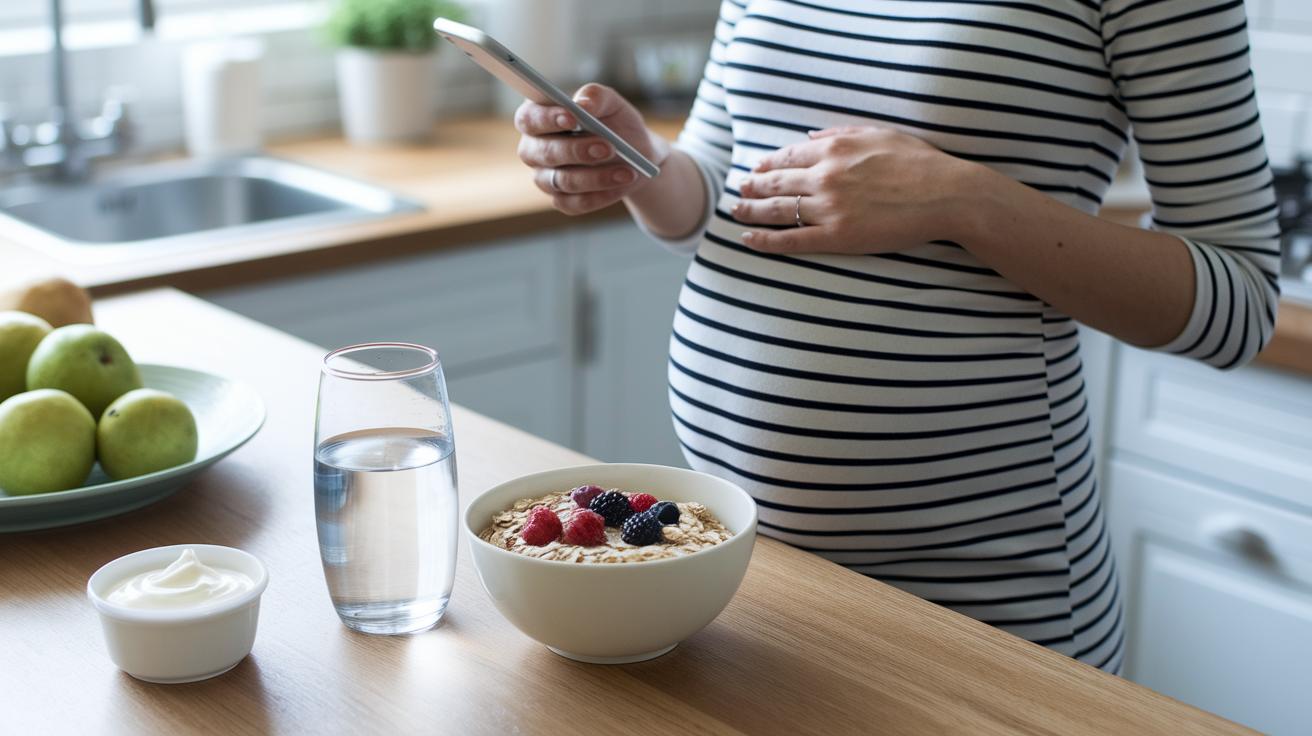
Hey there, mama-to-be! Taking care of your body is such a loving way to support both yourself and your little one. Riboflavin (that’s vitamin B2) is one of those nutrients that helps turn your food into energy, keeps your skin, hair, and eyes glowing, and gives your baby the fuel they need as they grow. It’s a simple idea: when you include these riboflavin-rich foods in your meals, you’re giving both of you a little extra boost!

We all know that every bite counts, so here’s a handy guide to some foods that are bursting with riboflavin:

Food Riboflavin per Serving
Milk 0.34 mg per cup
Yogurt 0.57 mg per cup
Eggs 0.26 mg per large egg
Lean beef & poultry 0.2–0.4 mg per 3 oz
Fortified breakfast cereals 1.0–1.3 mg per serving
Fortified oats 1.1 mg per half-cup
Almonds 0.3 mg per ounce
Spinach & mushrooms ~0.2 mg per half-cup cooked

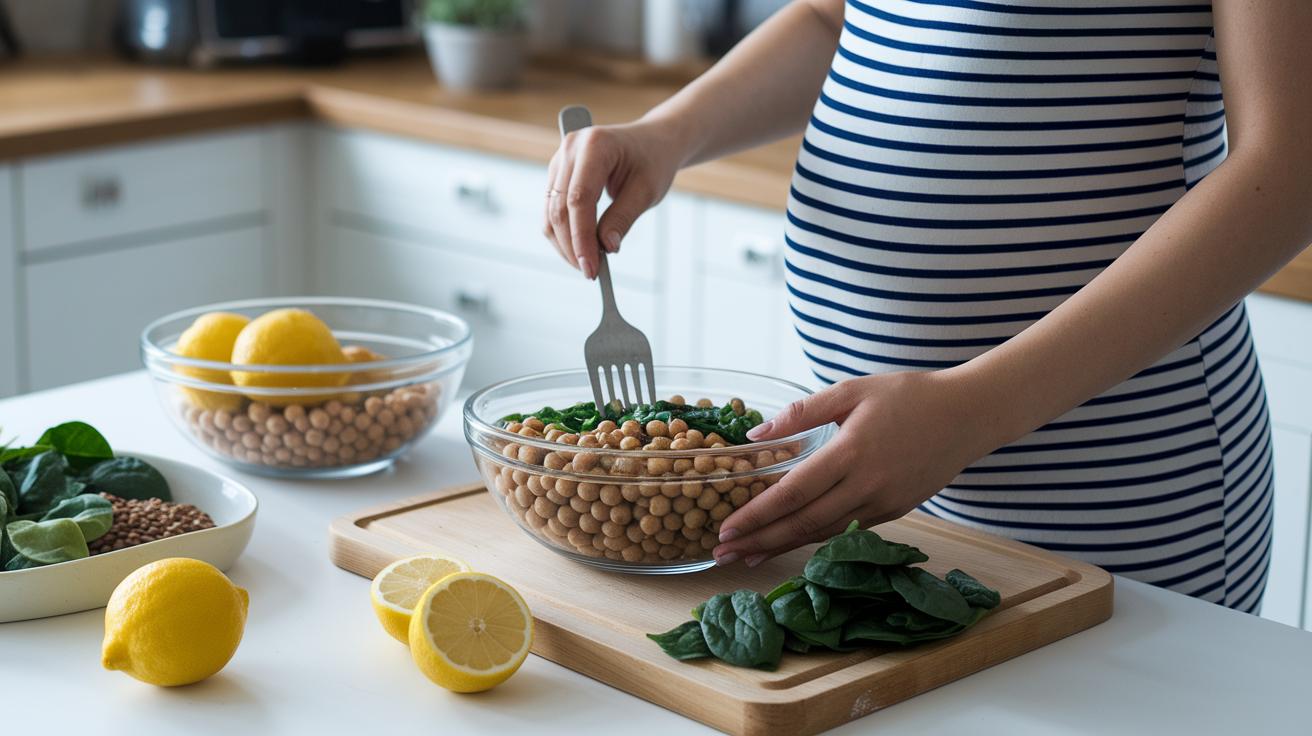
If you’re following a vegetarian or vegan lifestyle or dealing with lactose intolerance, don’t worry, you’ve still got plenty of options. Fortified cereals and oats are excellent plant-based choices, and adding a handful of nuts or a serving of leafy greens can round out your riboflavin needs nicely. Mixing in dairy alternatives and fortified products means you can keep enjoying your favorite foods while staying true to your lifestyle.

Every little step counts, and by choosing nutrient-rich options, you’re nurturing both your well-being and your baby’s development. Remember, sometimes a small, thoughtful change in your diet can make a big difference. Take care of yourself and trust that you’re doing an amazing job!

Risks of Riboflavin Deficiency During Pregnancy

img-2.jpg

Not getting enough riboflavin (vitamin B2) during pregnancy can slow the production of red blood cells and drain your energy. You might find yourself feeling unexpectedly tired or weak, and even notice your skin and eyes becoming dry or irritated – clear signs that your body needs more support right now.

For your baby, insufficient riboflavin can mean challenges in getting the proper fuel for healthy growth. Some studies have linked low B2 levels to lower birth weight, shorter length at birth, and even some skin or eye problems after delivery. Plus, a lack of riboflavin might raise the risk of complications like preeclampsia, which can affect your blood pressure and be dangerous for both you and your little one.

While a full riboflavin deficiency is pretty rare in areas with enriched foods, some groups need to be especially mindful. If you’re vegetarian, vegan, lactose-intolerant, or have trouble absorbing nutrients, it might be a good idea to talk with your healthcare provider about checking your vitamin B2 levels.

Safe Riboflavin Supplementation Guidelines During Pregnancy

Most prenatal vitamins already offer about 1.4 mg of vitamin B2, which is just what you need. But if you follow a plant-based diet or have other food restrictions, extra riboflavin might be a good idea.

Who Should Consider Riboflavin Supplements?

If you’re on a vegetarian or vegan diet or have trouble with lactose, you might feel more tired or just off. Maybe you’ve noticed that even after a full night’s sleep, you're still feeling worn out. In those moments, try asking your doctor if a little extra vitamin B2 could be the boost you need. It’s always best to chat with your healthcare provider about how you’re feeling.

Safety and Excess Intake in Pregnancy

Good news: Your body gets rid of extra vitamin B2 quickly through your urine, so taking a bit more is usually safe. Since most prenatal vitamins already have the right amount, only add more if your doctor suggests it.

Remember, a healthy balance, eating nutrient-rich foods and using supplements when you really need them, helps keep your body happy during pregnancy. Always check in with your healthcare provider about your supplement routine to make sure it fits your diet and how you’re feeling.

Monitoring Riboflavin Status and Professional Guidance

img-3.jpg

Watching what you eat every day and noticing little changes in your body can help you check your riboflavin levels without needing pricey lab tests. It’s as simple as keeping track of your meals and paying attention to small hints like feeling a bit more tired than usual or seeing changes in your skin or eyes. This gentle self-check is a handy way to make sure you're getting enough nutrients throughout your pregnancy.

It also helps to talk about your vitamin B2 intake at your regular prenatal visits, especially if you’ve got issues like malabsorption (trouble absorbing nutrients) or other health concerns. Your doctor might take a closer look at your eating habits or even run a few tests if it seems like you’re not getting enough riboflavin. They can then tweak your vitamin recommendations to fit your unique needs, making sure you and your little one continue to feel your best during this special time.

Final Words

In the action, riboflavin powers both energy metabolism and healthy growth for mom and baby. We explored how this nutrient supports immune function, skin health, and promotes fetal muscle and bone development. We also looked at proper dosage and ways to include this key vitamin naturally in meals. Monitoring intake and safe supplementation can give you extra confidence as you care for your family.

Together, the insights on riboflavin and pregnancy help brighten the path toward a healthy future.

FAQ

Is riboflavin safe in pregnancy?

The riboflavin safety in pregnancy is supported by research. Its use at recommended doses is considered safe, and studies have found that even higher doses, when needed, do not pose risks when supervised by a healthcare provider.

How much vitamin B2 should I take during pregnancy?

The vitamin B2 dose for pregnant individuals typically follows a recommended daily allowance of 1.4 mg per day, while breastfeeding women need about 1.6 mg per day. Higher doses used for conditions like migraines should be taken only under medical advice.

What does high-dose riboflavin do during pregnancy and for migraines?

High-dose riboflavin, such as 400 mg used for migraines, supports energy metabolism and may help reduce migraine frequency. It is generally safe in short-term use during pregnancy when recommended by a healthcare provider.

What are the signs and symptoms of riboflavin deficiency during pregnancy?

The signs of riboflavin deficiency include skin issues, fatigue, and eye problems. In pregnant individuals, a lack of riboflavin can also impair energy production and immune function, affecting both mother and fetus.

Which foods provide ample riboflavin to support a healthy pregnancy?

Riboflavin-rich foods include dairy products, lean meats, eggs, and fortified cereals, among others. These foods help support energy levels, healthy skin, and proper fetal development.

Which vitamin should be avoided during pregnancy?

The focus during pregnancy is on safe vitamins like riboflavin. While most vitamins are beneficial when taken correctly, excessive amounts of certain supplements can be harmful, so it’s best to follow a provider’s guidance.

Does riboflavin affect fetal growth?

Riboflavin contributes to fetal growth by aiding in bone, muscle, and nerve development as well as placental formation. Its role in energy metabolism supports healthy fetal development throughout pregnancy.

Infant Behavioral Milestones: Bright Start Ahead

0

Have you ever wondered if your baby’s smile might be a clue to how they learn? In those first few months, every little wiggle, gaze, and of course that sweet smile is sending you a message about their growing skills.

As you watch your little one explore their world, you might pick up on tiny hints that signal big changes ahead. It’s like each giggle or curious look is a gentle nudge telling you that even small steps can lead to wonderful milestones.

Next time you’re with your baby, take a moment to notice these small signals. They’re part of the amazing journey of growing and learning, and isn’t that something truly special?

Infant behavioral milestones: Bright Start Ahead

Watching your baby grow is like noticing little miracles every day. In the first year, babies change in many ways, from how they move to how they smile and even how they follow things with their eyes. These milestones are hints that your little one is learning to move, connect with others, and understand their world a bit better. When you see these signs, like the first time your baby tracks a toy or shows a sweet smile, it feels truly special.

Below is a simple table that gives you an idea of what to look for in each month. Remember, every baby is different, so these milestones are just gentle pointers rather than strict rules.

Age (months) Motor Skill Social/Emotional Cognitive
1 Moves with basic reflexes; lifts head just a bit Shows calm alert moments and early bonding cues Starts to follow things with their eyes
2 Begins to control arm movements Gives a social smile Becomes more interested in what’s around
3 Better head control and ability to reach for things Likes looking at familiar faces Starts to notice simple patterns
6 Reaches for objects and may roll over Responds when called by name and enjoys playful interactions Begins to understand that objects exist even when out of sight
9 Makes crawling motions and moves more smoothly May feel shy or uneasy around strangers Solves small problems by exploring
12 Might take a few steps; becomes more active Uses gestures to show wants and needs Understands simple cause and effect

Keep in mind, babies develop at their own pace. Maybe your little one will smile a bit later than others, and that's okay. These milestones are here to guide you and celebrate the unique journey of your baby.

Motor and sensory behavioral milestone progression

img-1.jpg

From the very start, little ones show natural reflexes that help set up later movement skills. At birth, babies rely on instinct alone, and by about 3 months, many can hold up their heads a bit better. This early head control is a clear sign that their senses and muscles are starting to work together, a gentle glimpse of all the progress they’re making, as noted on domains of development.

Between 4 and 6 months, you might see your baby reaching for a toy or grasping objects with growing confidence. It’s such a sweet moment when they excitedly try to grab a softly jingling toy, showing the start of controlled movement. Around the same time, many babies begin to roll over, exploring their little world in new ways. It’s amazing to watch how a simple roll builds on their early reflexes and helps them become more independent.

As they grow a bit older, typically between 6 and 8 months, babies start to sit more steadily, inviting more playful moments. Then, around 8 to 9 months, you might notice signs they’re ready to crawl as they shift their weight and move their limbs. On the sensory side, many babies begin to respond when called by 6 months and start turning toward sounds by around 9 months. This mix of motor and sensory skills sets the stage for more exciting interactions with their surroundings.

Early social and emotional behavioral milestones for infants

Babies begin showing their very first social smiles as early as 6 to 8 weeks. It’s such a sweet moment when you see that little grin, it’s their way of reaching out and saying hello, building a gentle bond with you. Then, soon after, around 2 to 4 months, these precious moments grow even more special as your baby starts to create their own little rituals during everyday interactions.

By the time they reach 3 to 4 months, you might catch them imitating your smile or the way you talk during a playful moment. It’s as if they’re joining in on a quiet conversation without any words at all, showing you just how connected they are with you.

As your baby’s world expands between 6 and 9 months, you may notice the beginnings of stranger anxiety. They start to show that familiar faces feel safe and comforting, while new faces can feel a bit overwhelming. And then, between 9 and 12 months, you'll see those first hints of peer interaction, like when your child watches another baby play, which is another wonderful step in their growing social world.

Cognitive and communication behavioral milestone emergence

img-2.jpg

Infants show amazing growth in how they think and communicate right from the start. Around 8 months, many little ones begin to understand that even if you hide an object, it still exists. This idea, known as object permanence, is a big step in their growing minds. By 9 to 12 months, you might notice them trying different ways to reach a favorite toy. Imagine a tiny tot figuring out that pulling a cloth brings the toy closer, it's their way of trying out simple solutions and learning that actions have results.

Language skills also start blooming during these months. As early as 2 months, babies might begin to coo, those gentle sounds that are like soft little whispers in a quiet room. Then, around 4 months, you can witness moments where they seem to chat back and forth with you through sustained gazes and smiles, as if they’re having a secret conversation. By 6 months, many start babbling, producing rhythmic sounds that hint at their first words.

At this stage, thinking and talking blend together beautifully. Babies use deep eye contact and take turns in vocal exchanges, even before they speak actual words. By 9 to 12 months, they might start pointing at interesting things, like when your baby excitedly points at a fluttering butterfly. It’s a sweet mix of curiosity and the early art of communication, showing just how much they’re learning about the world every day.

Monitoring infant behavioral milestones with checklists and tools

Watching your baby grow is such a heartwarming experience. Every little step, like that first roll or an early, joyful smile, feels like a big celebration. Not only do these moments brighten your day, but they can also help you notice when it might be time to check in with your pediatrician.

Here are some easy tools to capture these special milestones:

  • A monthly checklist to track new skills and changes
  • A digital app with reminders to log everyday milestones
  • A simple diary to jot down those sweet daily moments
  • Regular professional checkups at 2, 4, 6, 9, and 12 months
  • A calendar dedicated to noting first rolls, first words, and emerging social cues

Choosing the right tool really comes down to what fits best with your routine and comfort. Keeping these records and sharing them during routine visits can be so helpful. It may even highlight any areas of delay, like if a baby isn’t smiling by 3 months or missing out on babbling by 7 months, so that you and your doctor can have a thoughtful chat about the best steps forward.

When infant behavioral milestones diverge: identifying concerns

img-3.jpg

If you start noticing that your baby isn’t showing some early reflexes or meeting little milestones, it might be time to take a closer look. Some infants may not have a startle reflex right after birth or might not make strong eye contact by 3 months. Others might struggle with head control by 4 months or not babble around 8 months. These delays can be little clues that you may want to keep an eye on your baby’s development. Sometimes, you might see that your little one isn’t reacting to sounds or familiar faces as you’d expect, or they might seem less engaged during everyday moments.

It’s good to remember that missing a few motor skills, like sitting by 9 months, or not showing early smiles and social gestures could be reasons to watch closely. Think about how your baby reaches out during family time or responds to a gentle touch; these everyday interactions give important hints about their progress. While these changes don’t automatically mean extra help is needed, they are signals that it might be wise to notice patterns over time.

When you spot these kinds of concerns, consider booking a visit with your pediatrician. Often, early screenings and intervention services can shed light on what’s happening. Working together with healthcare experts and possibly therapists can help you set up a caring, supportive plan that fits your child’s unique needs.

Final Words

In the action, we explored infant behavioral milestones and watched each stage unfold, from early smiles and head control to rolling and first gestures. We looked at motor and sensory growth, early social signals, and even simple steps in cognitive development. We also shared useful tips for tracking these changes, helping you know when to seek extra guidance. Each baby’s progress brings hope and joy. Remember, every little milestone is a step forward, and you’re not alone on this amazing path.

FAQ

Frequently Asked Questions

What are the key infant behavioral milestones in the first year?

The key infant milestones start at 1 month with visual tracking, show a social smile at 2 months, develop head control and grasp by 3 months, and reach object permanence and simple gestures by 12 months.

How do infants develop motor and sensory skills?

The infant’s motor progression begins with reflex actions at birth, moves to head control by 3 months, includes reaching and rolling over by 5-6 months, and improves sitting balance and crawling readiness by 8-9 months.

What early social and emotional behaviors should parents expect?

The infant shows early social behaviors, beginning with a gentle social smile around 6–8 weeks, followed by facial mimicry by 3–4 months, and experiences stranger anxiety between 6–9 months.

Which cognitive and communication milestones are important for early development?

The infant’s cognitive skills are evident with cooing at 2 months, progressing to babbling around 6 months, developing object permanence by 8 months, and starting simple gesture communication like pointing by 9–12 months.

How can parents monitor their infant’s behavioral milestones?

The infant landmarks are tracked using monthly checklists, digital apps, parent diaries, and professional screenings, making it easier to note first roll, first word, and early social cues.

When should parents be concerned about potential developmental delays?

The infant’s progress may need attention if there’s no social smile by 3 months, a lack of babbling by 7 months, or missed head control by 4 months, all of which warrant a prompt professional evaluation.

The Role Of Legumes In Maternal Nutrition Shines

0

Have you ever thought that a simple bowl of beans might brighten your day during pregnancy? Legumes are really amazing little foods. They give you protein, iron, and important vitamins to keep you and your baby feeling strong and full of energy.

I’ve seen many moms mix lentils, chickpeas, and split peas into their meals and feel a sweet lift right then. Imagine enjoying a warm meal that not only tastes good but also helps your body get what it needs.

In this piece, we look at how these everyday beans can boost your well-being and add a little comfort to your day.

Legumes’ Core Benefits for Maternal Nutrition

When you're pregnant, it can feel like getting enough protein, iron, and vitamins is a constant challenge. Legumes are here to help, acting as nutrient-packed powerhouses that deliver plenty of plant-based protein. They also bring along carbohydrates, fiber, and key micronutrients that boost both your health and your baby’s development. Imagine a cozy bean salad at lunchtime, a simple dish that not only fills you up but also bridges those nutritional gaps.

Common legumes like lentils, chickpeas, and split peas are true nutrition champions. Lentils provide about 9 grams of protein along with important iron to support healthy blood production for you and your little one. Chickpeas and kidney beans add folate and calcium to your meals, while split peas bring fiber and essential natural compounds to the mix. These goodies help keep your energy steady, support a happy tummy, and make it easier for your body to absorb other nutrients during pregnancy. Think about a warm bowl of chickpea stew on a busy day, it’s a comforting way to stay nourished.

A study done in 2023 using WIC ITFPS-2 data discovered that early consumption of legumes improved nutrient profiles in toddlers. Even though the research was with little ones, the results show that the benefits of legumes carry over to prenatal care too. Many moms find that by adding more legumes into their diet while pregnant, they feel more energized, balanced, and overall well.

Protein and Micronutrient Gains from Lentils, Beans, and Peas in Pregnancy

img-1.jpg

Legumes like lentils, chickpeas, and split peas are friendly helpers in your daily meals. They offer about 7–9 grams of protein per 100 grams when cooked and pack around 2–4 milligrams of iron per 100 grams. This plant-based iron is key for making red blood cells (which are like tiny energy couriers). When you add a bit of vitamin C from fruits or veggies, your body soaks it up even better, giving you more energy and keeping both you and your little one happy.

These beans and peas aren’t just nutritious, they're gentle on your tummy and easy to add to your favorite recipes. Here’s a quick peek at some popular ones:

Legume Protein (per cup cooked) Iron (approx.) Folate
Lentils 9 g 3.3 mg 181 µg
Split peas 8 g 2.5 mg 134 µg
Black beans 7 g 2.1 mg 128 µg
Kidney beans 7.5 g 2.6 mg 111 µg

These nutrients work together in magical ways. The protein helps build your body and keeps you strong, while the iron is important for making healthy blood. Folate, a special B vitamin, supports your baby’s brain and spinal cord as they grow. It’s like setting a gentle foundation for a smile each day.

So, adding these legumes to your meals is a simple, tasty way to care for yourself and your baby. Next time you’re cooking, consider tossing some lentils or beans into your favorite dish. It’s a small step that really makes a big difference!

Legume Fiber and Glycemic Control for Expectant Mothers

Legumes offer a wonderful mix of two types of fiber: one that dissolves in water and one that does not. The soluble fiber turns into a gel-like substance in water, slowing down how fast your body digests food and helping keep your blood sugar steady. The insoluble fiber, on the other hand, adds bulk and helps your tummy move things along smoothly. Together, they make you feel full and support your digestion throughout your pregnancy.

Lentils and chickpeas are especially kind to your body because they have a low score on the glycemic index. Lentils score between 21 and 29, while chickpeas sit at about 28 to 36. This means they provide energy slowly and help manage your blood sugar levels, which might lower the risk of gestational diabetes. Their natural ability to keep you satisfied makes them a smart choice for eating well during pregnancy.

Legume Glycemic Index (GI) Benefit
Adzuki beans 25 Supports steady energy
Fava beans N/A Helps with digestion
Chickpeas 28-36 Helps keep cravings down

Adding these foods to your meals can help keep your energy and blood sugar steady while looking after your gut. It’s a gentle way to maintain a nourishing diet that benefits both you and your baby.

The role of legumes in maternal nutrition shines

img-2.jpg

Meal planning as an expectant mom can be both fun and creative, especially when you use cultural and seasonal ingredients. Legumes are a great way to add flavors from around the world to your meals. Whether you’re mixing up a warm curry, a fresh salad, a hearty stew, or a zesty dip, legumes bring cheerful taste and essential nutrients like protein, carbohydrates, and vitamins to the table. Imagine enjoying a spicy bean curry one night and a cool, crisp salad the next. It’s like treating yourself and your little one to a nutrient-packed gift from nature!

Here are some tasty ideas to try:

  1. Lentil and spinach dahl with brown rice.
  2. Chickpea-avocado wrap with fresh herbs.
  3. Split pea soup with carrots and celery.
  4. Black-eyed pea salad with tomatoes and cilantro.
  5. Tempeh stir-fry with mixed vegetables.

Sometimes life gets busy, and that’s when batch-cooking can save the day. You might cook a big pot of legume stew and then divide it into freezer-friendly containers. Having extra servings on hand makes dinnertime less stressful, ensuring every bite is full of comfort and nourishment.

Safe Preparation and Antinutrient Reduction in Pulse Dishes

When you soak your legumes for 8 to 12 hours and then discard the water, you're helping to wash away some of the phytic acid and lectins. This simple step makes it easier for your body to absorb all the good nutrients, especially important during pregnancy (that time when you’re preparing for baby). It’s like giving your beans a little fresh start, rinsing off things that might slow down nutrient uptake.

Sprouting the legumes over 2 to 3 days is another great idea. This process boosts their vitamin C content and wakes up enzymes that help your body make the most of the nutrients. Imagine planting a seed, watching it grow, and knowing each step supports your health during this special time.

  • Boil common beans for 15 to 20 minutes after soaking.
  • Use a pressure cooker to help them soften thoroughly.
  • Keep your kitchen clean to avoid any cross-contamination.

Experts in obstetrics and gynecology back these methods, emphasizing that handling your legumes with care can make all the difference. Even small changes in your cooking routine can really boost your nutritional intake, supporting both you and your baby in a nurturing way.

Evidence-Based Guidelines and Expert Advice on Legumes in Prenatal Nutrition

img-3.jpg

Both the USDA and WHO suggest including 3–5 cups of cooked legumes each week. They explain that these foods are loaded with protein, iron, and fiber – all key nutrients to keep you feeling steady and healthy during pregnancy.

Many community programs are here to support you. Local health centers, nutrition workshops, and even friendly cooking classes share easy tips for making bean dishes that fit into a busy life. Imagine a cozy class where a kind expert shows you how to create a tasty lentil stew, it’s a warm way to learn and meet other moms. These programs can boost your kitchen confidence and help you stick to good nutritional habits.

For a meal plan that works just for you, it’s a smart idea to chat with a registered dietitian or your OBGYN. Their advice can help you tailor legume-based recipes to match your unique needs, ensuring both you and your baby get the nourishment you deserve.

Final Words

In the action of planning meals, we learned how nutrient-rich legumes can fill nutritional gaps during pregnancy. They offer protein, iron, fiber, and essential vitamins for both mom and baby.

Every step, from safe preparation to creative recipes, helps you enjoy these foods confidently. The role of legumes in maternal nutrition stands out as a simple way to boost wellness and make daily meal planning both practical and delicious. Enjoy experimenting and tasting the benefits!

FAQ

Are legumes good for pregnancy and what benefits do they offer to expectant women?

Legumes prove beneficial during pregnancy by providing protein, fiber, iron, folate, and other essential nutrients that support fetal development, healthy blood, and balanced energy levels for both mother and baby.

What is the role of legumes in human nutrition?

Legumes serve as a valuable food source by delivering protein, fiber, and vital minerals that support overall body functions, helping maintain energy and promoting balanced health with every serving.

How do legumes help to prevent malnutrition?

Legumes help prevent malnutrition by supplying dense, nutrient-rich food that fills dietary gaps. Their consistent inclusion in meals supports healthy growth and offers essential vitamins and minerals.