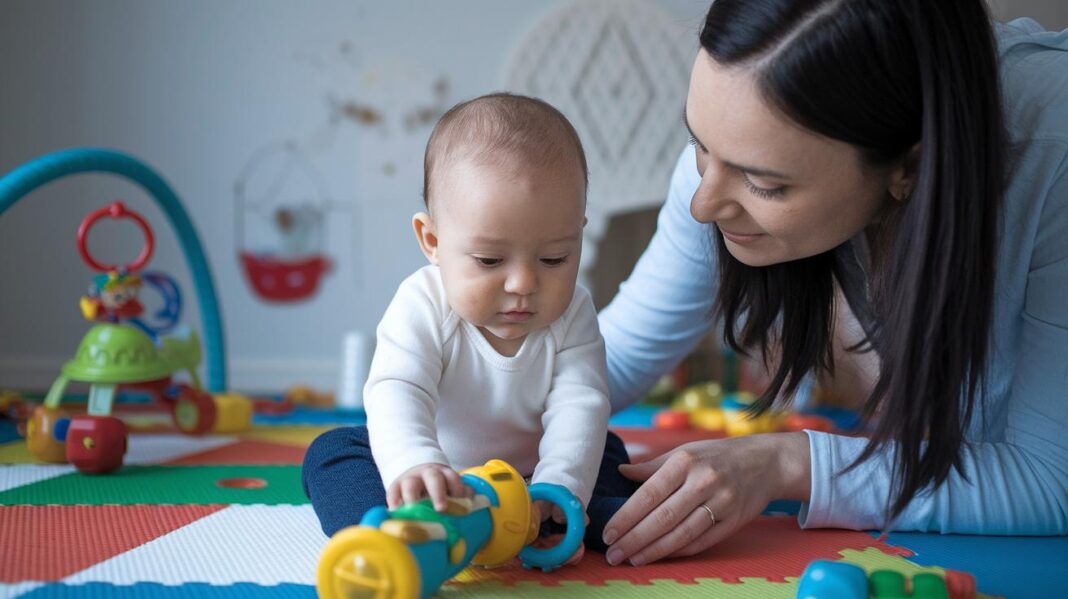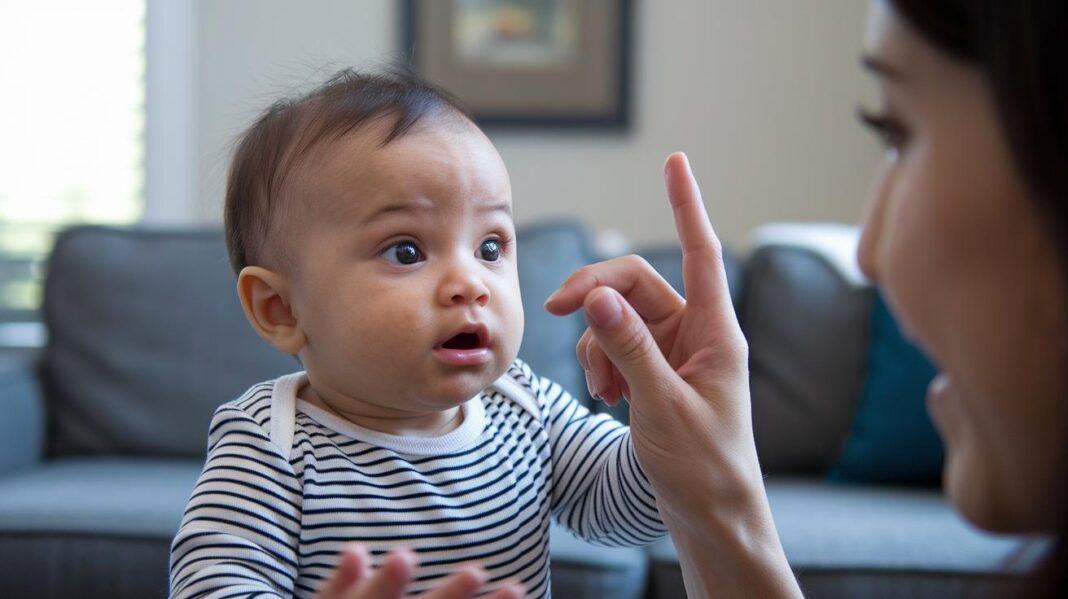
Have you ever seen your baby copy your smile and wondered why it's so important? It's more than cute, it shows that your little one is learning to connect with you and the world around them. These early little moves help build the foundation for language and motor skills while creating special moments between you both.
Today, let's talk about why these mimic moves are such important milestones. As your baby grows, you'll notice even more exciting behaviors that help build a stronger bond with you. Have you ever thought about how a simple smile can be the start of so many amazing conversations?
Understanding Infant Imitation Milestones: Timeline and Key Behaviors
From the very beginning, babies start copying their parents’ actions. Even in just a few weeks, little ones begin to mirror what they see, all thanks to the special mirror cells in their brain. If you’re curious about what to expect each month, you might want to look at our detailed guide on infant milestones.
By 2 to 4 weeks, your baby starts showing the first signs of imitation. They might open their mouth wide, stick out their tongue, or widen their eyes when you do these things. Picture your little one looking right up at you, their face lighting up as they echo a playful gesture. It’s like a tiny conversation that quickly turns into a heartwarming exchange.
Then, as they reach about 3 to 4 months old, those cute little gestures begin to grow. Babies start to smile or click their tongue in response to you. These early actions aren’t just adorable, they also help set the stage for learning how to communicate. Imagine sharing a gentle smile with your baby, each of you exchanging silent messages that say, “I care about you.”
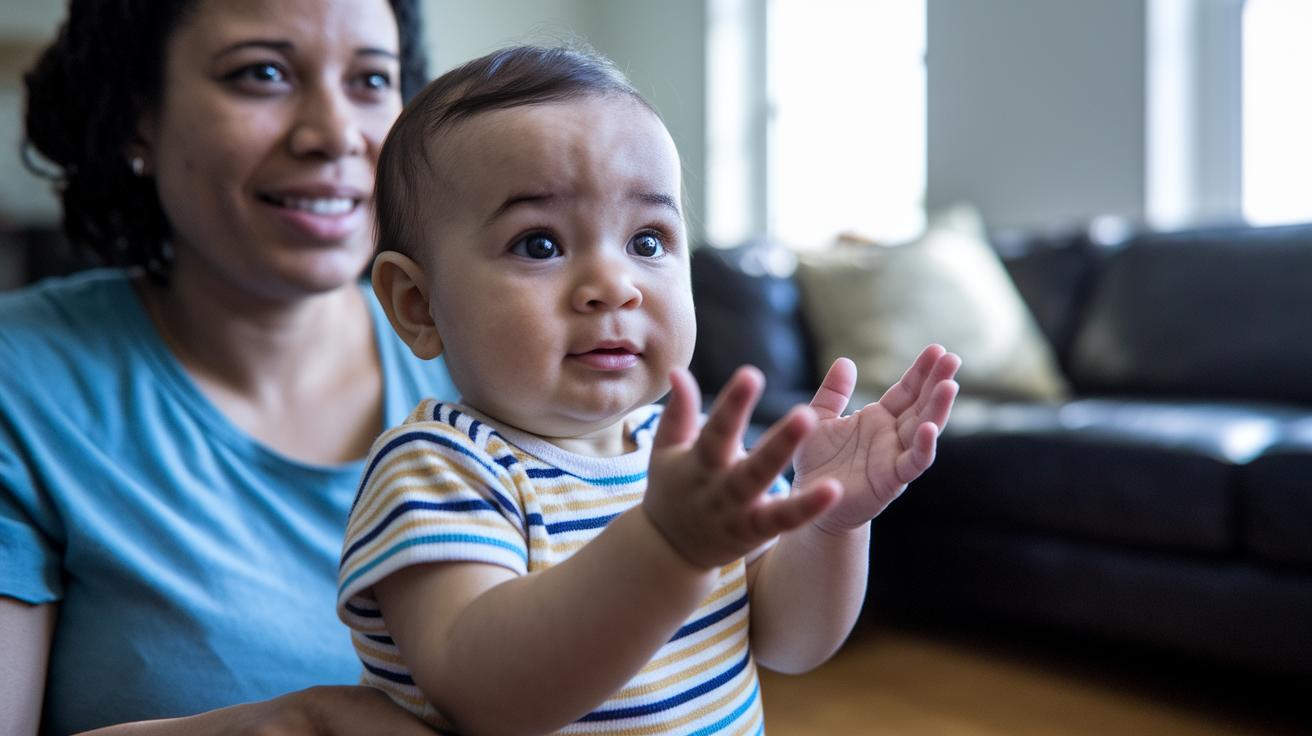
By 6 to 9 months, you might see even more complex actions emerging. During familiar routines, many babies wave or clap. These new moves are great for building motor skills, timing, and visual tracking. They pave the way for advanced communication and more physical skills as they grow.
When you interact with your baby, making eye contact, smiling, or copying their movements, you’re not only sharing joyful moments, you’re also encouraging them to learn and mimic even more naturally.
- Babies learn best by watching and imitating.
- They start with simple face-only actions and move to full-body gestures.
- Each step of their imitation journey builds their ability to communicate.
Neonatal Replication Actions and Early Facial Mimicry
Research shows that babies copying faces isn’t the whole story. It seems that the way their brain connects can change how and when they react to expressions. For example, scientists have noticed that even tiny differences in brain wiring might mean one baby smiles a bit earlier than another, especially in areas like the inferior frontal cortex (a part that helps turn what you see into a little movement).
Some little ones show a wider range of facial expressions, which tells us their brains might be picking up social cues in different ways. This helps us learn more about how early brain development works and how sensitive each baby might be to the people around them.
| Brain Region | Role in Facial Imitation |
|---|---|
| Inferior Frontal Cortex | Helps turn seen expressions into movements |
| Superior Temporal Sulcus | Helps process social cues and facial motions |
These little differences in brain responses show us that infant expressions are more than simple copying. They give us a richer look at how babies begin to engage with the world and express their feelings.
infant imitation milestones: Flourishing Early Progress
Around 4 to 6 months, little ones do more than just mimic faces. Their growing motor skills now let them copy actions with a clear sense of cause and effect. They show their excitement and curiosity through each little move. Have you ever seen a baby try to clap after watching you? It’s like a gentle, playful chat where actions speak louder than words.
Key actions they often copy include:
- Clapping hands
- Waving goodbye
- Banging toys or spoons (showing cause-and-effect learning)
- Stomping feet
- Blowing kisses
Each of these actions helps boost their coordination and timing. They also learn to track moving objects with their eyes before copying the motion. Picture a baby, arms flailing with a big smile, trying to wave just like you do. These early steps are not only adorable but also set the stage for more complex social skills and daily tasks. In truth, moving from simple facial mimicry to full-body actions is a big, exciting milestone in a baby's development.
Vocal Imitation and Early Cognitive Modeling
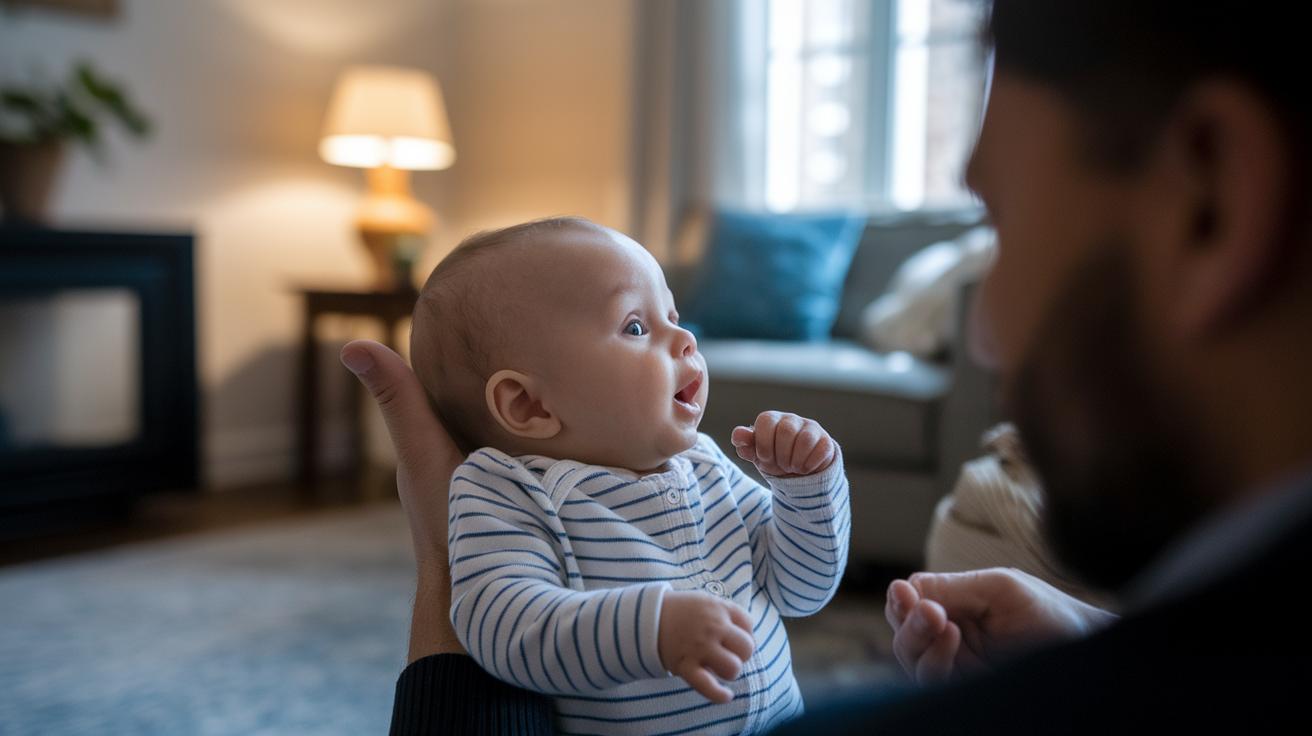
Around 4 to 6 months, babies start exploring the world of sounds by cooing and babbling. It’s like they’re having a little chat with their surroundings. Have you ever noticed your baby mimicking your tone? Try saying "baba" and see if your little one echoes it back. It’s a fun, heartwarming way to see their attention and memory in action.
By the time they’re 9 to 12 months old, these tiny language explorers begin imitating simple sounds like "mooo" or "beep-beep" and even little exclamations such as "wow" or "uh-oh." These moments aren’t just adorable, they’re laying down the building blocks of language. Every playful sound helps build up their memory for words and boosts their little cognitive skills, as they learn to remember and reproduce the sounds they hear.
Each babble is a tiny step toward better communication. When you whisper or sing to your baby, those gentle echoes nurture both their ears and minds, encouraging social learning and a budding understanding of how language works.
In truth, these early sound adventures open up a wonderful path toward future language skills and meaningful social interactions for your little one.
Advanced Milestones: Verbal Routines, Functional Words, and Simple Phrases
Between 12 and 18 months, toddlers often start mimicking nursery rhymes and other phrases they hear every day. It’s such a sweet moment when your child says "More juice" after you offer more drink, it shows they're beginning to piece words together like in real conversations.
Around this time, they also pick up important words like "please," "thank you," and "sorry" just by listening and watching. Imagine saying a cheerful "thank you" and hearing your little one echo it back. These moments help them learn how to be polite in everyday life.
- Mimicking nursery rhymes helps build a natural rhythm and memory.
- Repeating simple phrases supports early sentence building.
- Echoing words like "please" and "thank you" lays a strong base for friendly interactions.
All these early imitation skills work hand in hand to boost their motor skills, social understanding, and language, showing a wonderful overall growth in their development.
Tracking Milestone Progression and Identifying Delays in Imitation
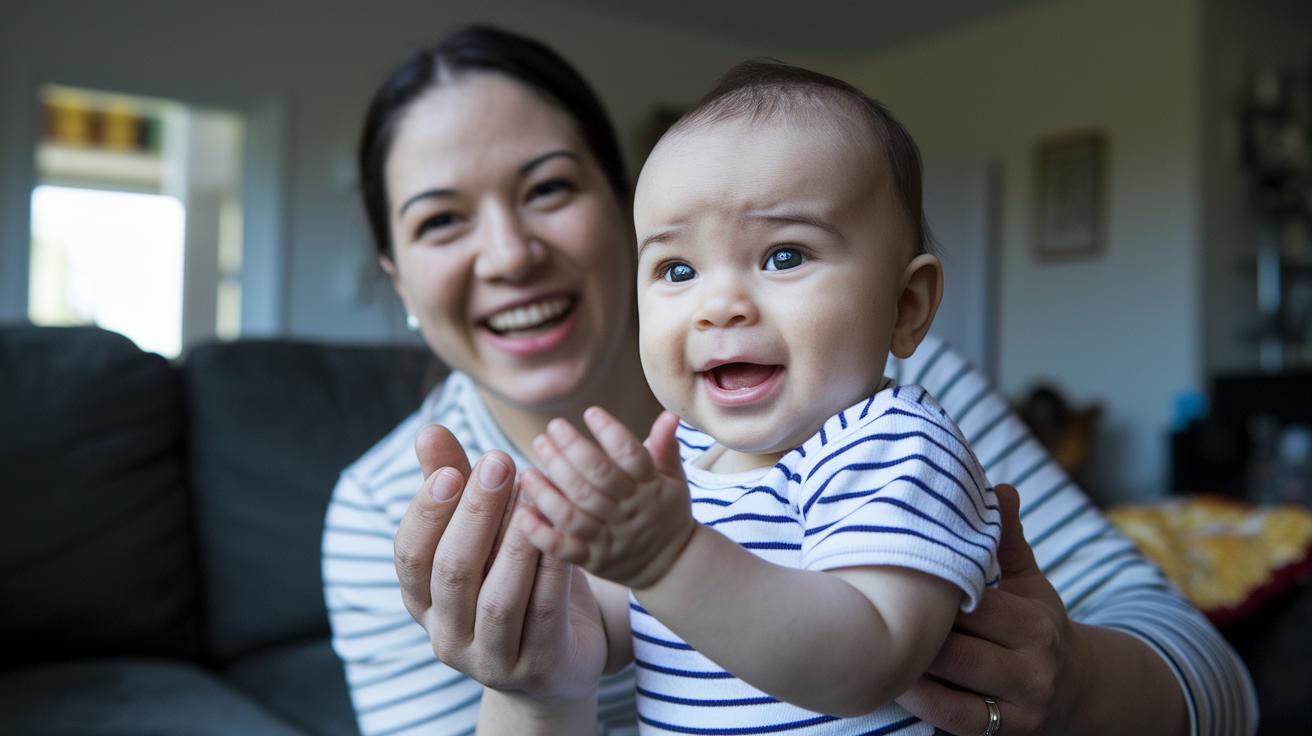
Watching your baby try to copy you is a wonderful peek into how they’re learning to communicate and connect with others. When your little one stops mirroring smiles, hand claps, or sounds after about 12 to 18 months, it might be a sign that they need a bit more support. Keeping an eye on how they mimic you, like returning a smile or trying to copy your clapping, can really show you how they're picking up social cues.
If you notice your baby isn’t imitating as much, try making your interactions a bit more animated. For instance, say "hello" with a big, warm smile and gently repeat the sounds your baby makes. It’s amazing how a little extra enthusiasm can invite them to join in more actively.
Pay attention to these small moments every day. They can help you notice patterns or spot any early challenges in your baby’s behavior. For more helpful advice, check out the parenting tips for child development at WomensConference.org.
Final Words
In the action, we explored how infants start by copying simple expressions, then move into gestures, vocal sounds, and even basic words. Each stage builds on the previous one, supporting your little one’s growth in both body and language.
We discussed how tracking these infant imitation milestones helps guide gentle interventions. Remember, these early behaviors aren’t just cute, they lay the foundation for later learning. Embrace each precious moment and enjoy watching these skills blossom!
FAQ
When do babies imitate actions?
Babies start imitating actions as early as 2–4 weeks by copying simple facial expressions like tongue protrusion and eye widening. Later, they begin clapping and waving around 6–9 months.
Why is imitation important in child development?
Imitation helps babies learn how to communicate, develop motor skills, and pick up social cues, all of which lay the groundwork for more complex interactions as they grow.
What are some examples of imitation in child development?
Early examples include mimicking facial expressions such as smiling or sticking out the tongue. As they mature, babies also copy sounds and gestures, including clapping, waving, and babbling.
When do babies mimic sounds and copy facial expressions?
Infants begin copying facial expressions in the first few weeks. They start to mimic sounds like cooing between 4 and 6 months, which marks the early stages of their language development.
What imitation skills do infants show first?
The earliest imitation skills involve facial copying, such as mimicking mouth movements and eye expressions. This paves the way for later replication of gestures and sounds as their coordination improves.
How old are babies when they can mimic you?
Babies can start to mimic simple facial expressions just a few weeks after birth. As their motor skills develop, they begin imitating more coordinated actions like clapping around 6–9 months.