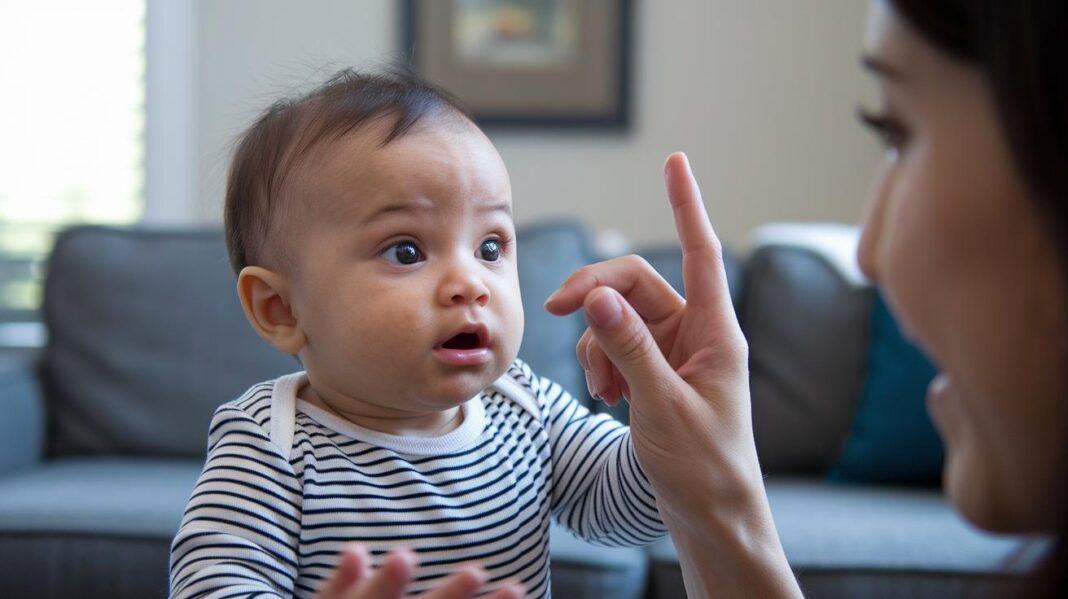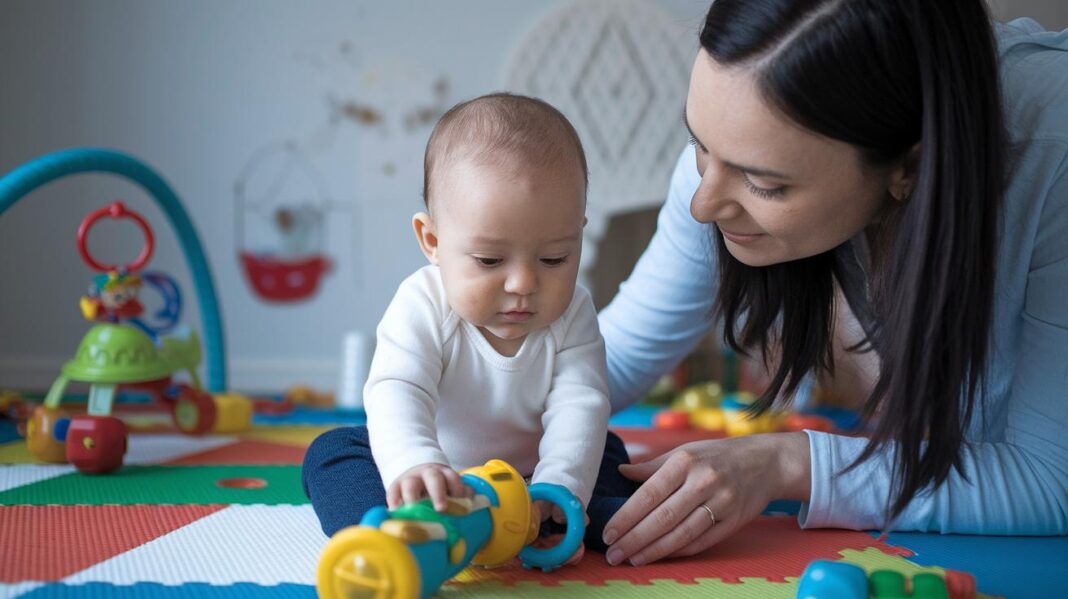
Have you ever seen your baby's eyes sparkle when they discover something new, and then they turn to you as if sharing a little secret? Those precious glances are early signs of your baby learning to communicate and connect. In this piece, we'll chat about how these shared moments develop, from the first looks at around nine months to the deeper social skills that come later. Every little glance is a step in your baby’s journey to bond with the world.
Infant joint attention milestones: Bright signs of progress
Joint attention means the baby shares a focus or interest with someone else, like you. It usually starts to show itself around 9 months and blossoms into a steady skill by about 18 months. This simple act lays the foundation for those first sweet interactions between you and your little one, gently guiding early communication.
When your baby watches an object closely and then glances back at you to share the moment, they’re not just looking, they’re building blocks for language and social skills. Imagine a tiny tot holding up their favorite toy with a big smile, silently saying, "Look, isn’t this wonderful?" It’s like a tiny spark that lights up a path toward understanding and connecting with others.
These early moments help you see how your child is growing and can hint at even larger skills to come, like understanding what others think or feel. It’s reassuring to watch those little exchanges, reminding you that every shared smile and glance is a step in your baby’s amazing journey of communication and connection.
Milestone Timeline for Infant Joint Attention Development
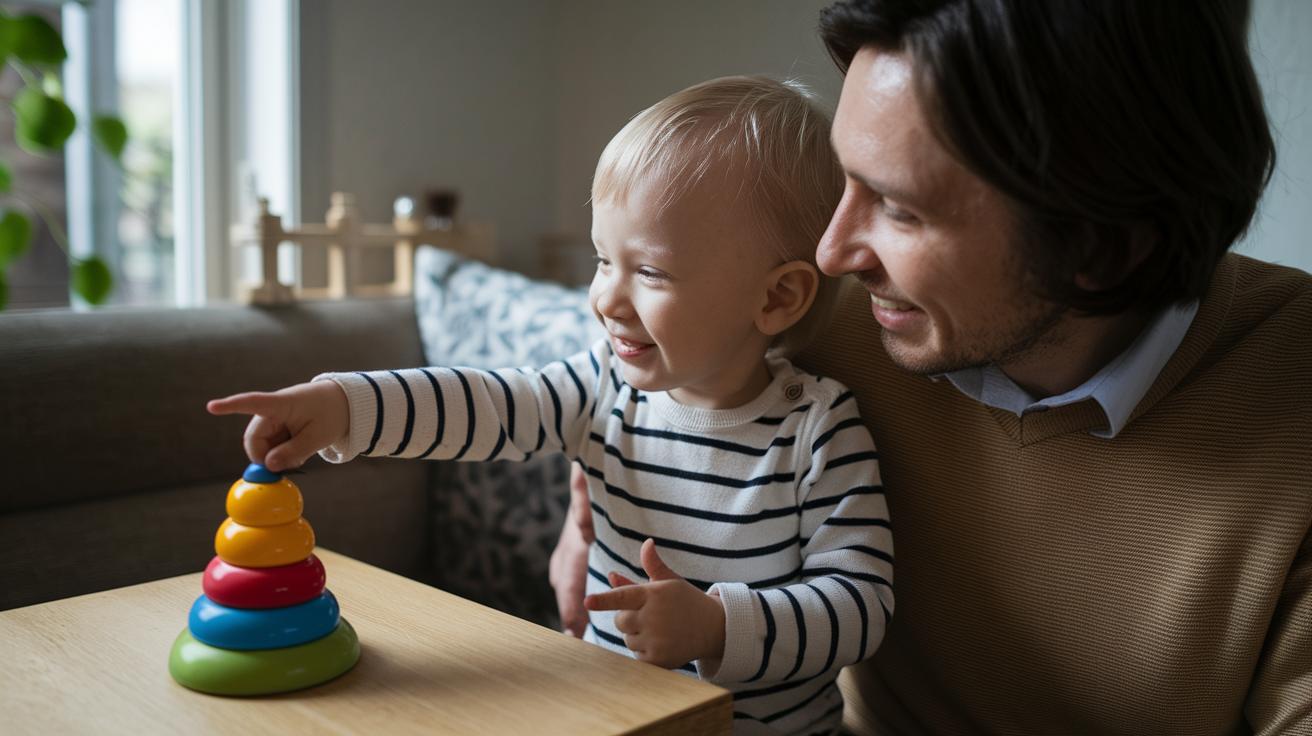
Between 6 and 12 months, you may notice your baby using cute gestures or simple pointing to show what grabs their attention. It’s like they shift their eyes between a fun object and your warm smile, as if saying, "Hey, I want to share this moment with you!"
At around 9 to 12 months, your little one starts doing more than just mouthing things. They begin to use toys in playful ways, stacking blocks or pushing cars, and you might see hints that they’re learning a few words too. Imagine them pausing in their play to glance at you, as though inviting you to join the fun!
Between 12 and 24 months, toddlers blend gestures, steady eye contact, and early words to share what they experience and comment on the world. Their way of communicating grows richer as they join in mutual focus more clearly. And if you haven’t seen these signs by about 18 months, it might be a good idea to chat with a professional for some extra advice.
Key Behavioral Indicators of Joint Attention in Babies
Have you ever noticed your baby light up when you smile? That warm, beaming look shows they're already picking up on your feelings, as if saying, "I see you!"
Watch for those moments when your little one picks up a favorite toy or reaches for something and then glances at you. It might be a small point or a gentle offer of an object, quietly inviting you to share in the fun. Imagine your baby proudly holding a rattle and looking your way with a smile, it’s a sweet invitation to share the moment.
You might catch your baby trying to share excitement by pointing, making eye contact, or playfully gesturing. These little actions are building their early social and language skills. Picture them picking up a soft toy, turning to you with sparkling eyes, almost whispering, "I want you to see this."
Also, look out for those times when your baby's gaze lingers on you while exploring something new. That steady look is their way of saying, "Come join me in this." These brief, shared looks are heartfelt signs of early communication.
A kind smile or gentle praise can make all the difference. Each time you respond to these tender cues, it boosts your baby's confidence and encourages more joyful exchanges. Every shared look and little gesture is a stepping stone in their growing ability to connect, reminding you how precious these moments truly are.
Strategies to Promote Infant Joint Attention Growth
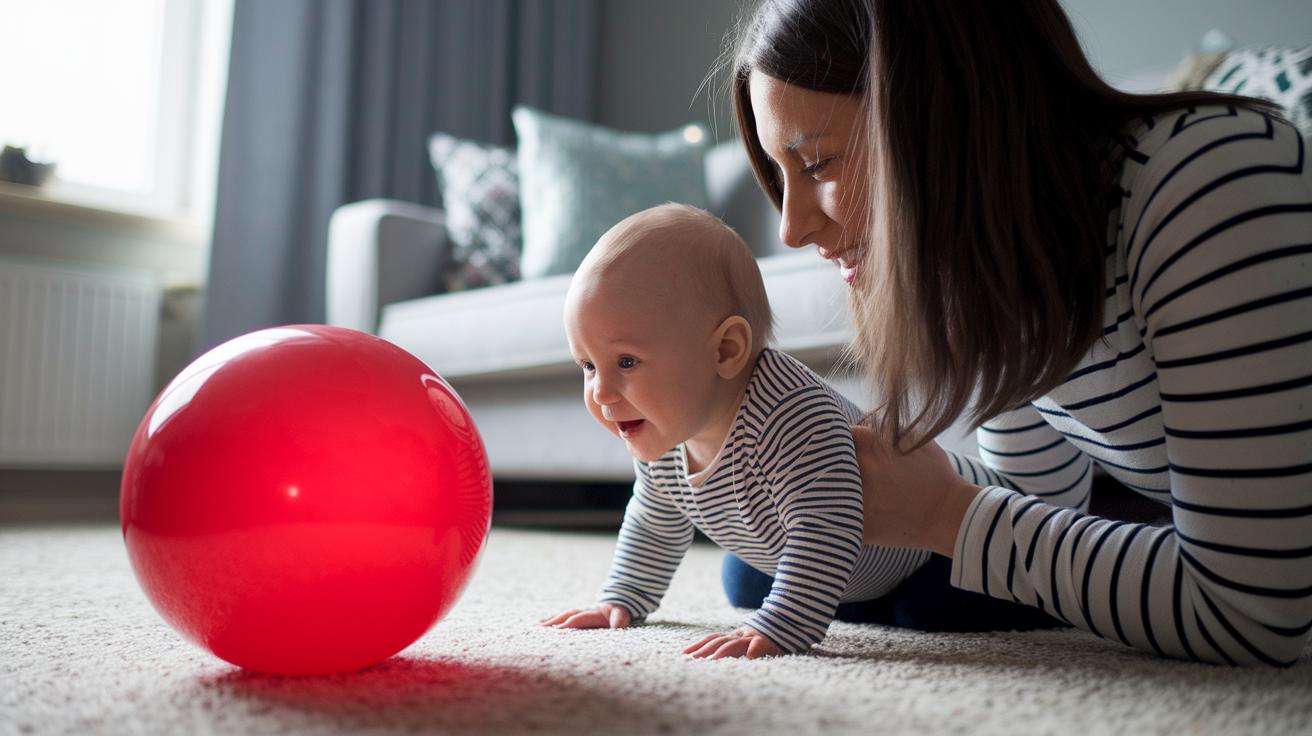
Spending time with your baby is a wonderful chance to connect and share a fun focus together. When your little one plays with a toy, join in and mirror their excitement. For example, if your baby grabs a bright red ball, you could smile and say, "I see the red ball!" This kind of simple comment shows you’re both enjoying the moment without any pressure.
Here are seven easy ways to help build joint attention during everyday play:
- Follow what your baby is interested in by playing with the same toy or getting involved in their chosen activity.
- Copy your baby's actions and sounds so they know you understand and care. If they wave their hands, you might wave too.
- Use cheerful statements like, "I see the red ball!" instead of questions. This way, you model language in a natural, relaxed way.
- Start simple play routines with short turns of about 5–20 seconds to help your baby adjust to sharing attention.
- Use clear gestures, like pointing or saying "Look!" to gently guide your baby's focus.
- Give your baby a little extra time, up to 20 seconds, to process your cues, which can boost their confidence.
- Praise every shared moment, whether it’s a smile, a nod, or a happy babble. Each positive response builds a stronger connection.
Try these simple tips during play, and you might notice more delightful, shared moments of excitement and care.
Monitoring and Assessing Infant Joint Attention Progress
Keep a daily record of those special moments when your baby really connects with you. Every time your little one locks eyes with you while exploring a toy or a new activity, jot it down. For instance, you might write, "Today, baby held eye contact for five seconds during block play." It’s a simple way to see changes in focus over time.
Also note when your baby reaches out for your attention by pointing or showing you something interesting. Write down how often this happens. A quick note like, "Baby pointed at the stuffed bear three times this morning," gives you a clear picture of how their social skills are developing.
Pay attention to how your baby reacts when you point or say a gentle cue like "Look!" If they turn to you quickly or flash a smile, that’s a great sign of positive engagement. A brief note for each instance helps you keep track of their growing ability to connect with you.
Using a simple chart week by week can really help too. Write down the number of times and the length of these shared moments and attention bids. Over time, you’ll see a clear pattern of your baby’s social engagement and how their joint attention is blossoming.
Recognizing and Addressing Joint Attention Delays
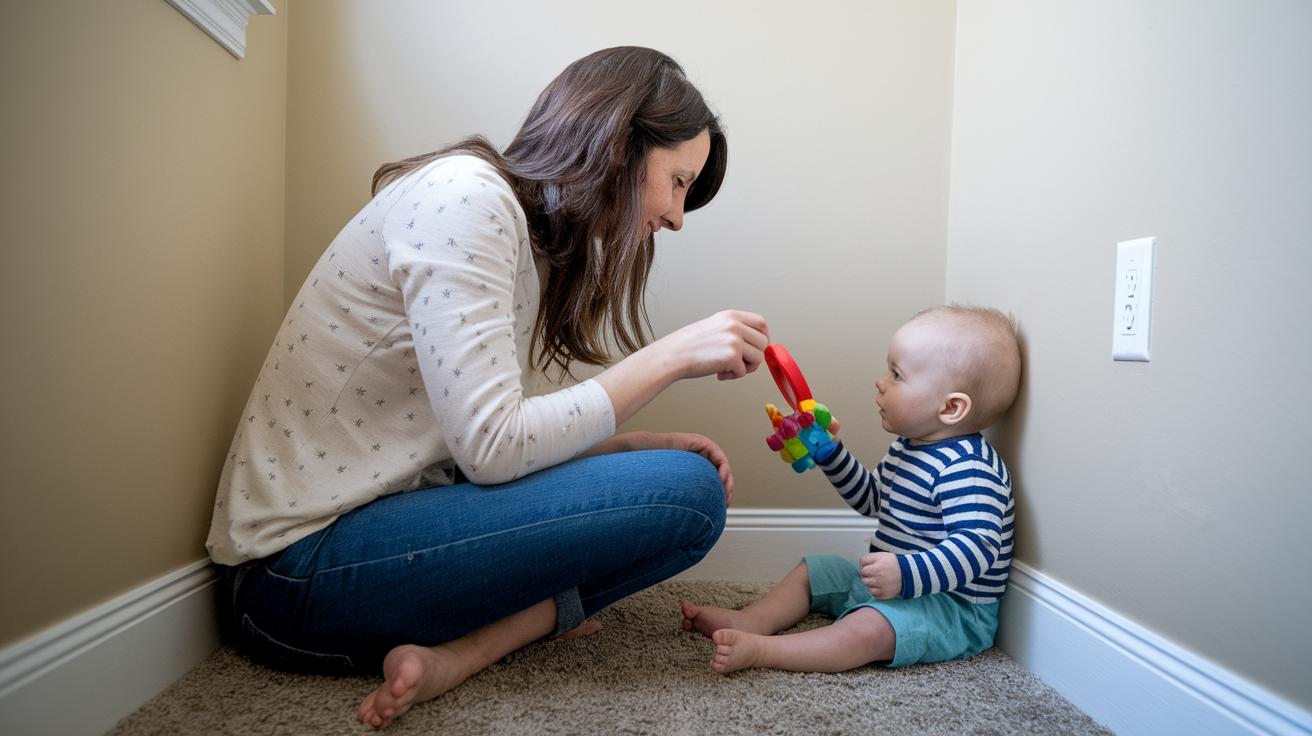
Sometimes you might see that your baby isn’t joining in those shared moments as expected. For example, if your little one rarely makes eye contact or doesn’t point out or share toys during play, it could mean they’re still learning how to focus with you. When you notice these signs, it can help to gently try out some new ways to support that skill.
One friendly idea is to turn playtime into a shared adventure. Try holding up a favorite toy and saying, "Look at this!" This simple, fun invitation can make it easier for your baby to join in without feeling pressured. You can also use clear pictures or a little schedule (a simple guide) to show what happens next in play. It’s like giving your baby a small roadmap. And sometimes, simply showing your own excitement, maybe pointing at something bright or cool, can help guide them too.
Regular, calm play sessions make a big difference. Choose a quiet, cozy spot with few distractions so your baby can feel safe and focus better. And if these shared moments still seem hard to come by despite your efforts, it might be a good idea to reach out to a professional. They can help make sure your child’s social and language skills are on track.
Final Words
In the action, this post explained how joint attention unfolds during infancy and highlighted key behaviors like shared gaze and pointing. It walked through milestones from early gaze tracking to clear signs of social engagement. We also reviewed practical tips for encouraging these moments and simple ways to keep track of progress. Celebrating small improvements builds a strong base for later growth. Every shared moment helps boost infant joint attention milestones, leaving room for smiles and meaningful connections.
FAQ
Infant joint attention milestones pdf
The infant joint attention milestones PDF outlines key behaviors like eye gaze and pointing that emerge between 9 and 18 months, guiding caregivers in tracking social and communication skills.
What is joint attention in child development
The concept of joint attention in child development means sharing focus with another person, which is crucial for building language skills and social interaction abilities in infants.
Joint attention checklist
The joint attention checklist includes behaviors like shared gaze, pointing, and object sharing. It helps caregivers and professionals monitor an infant’s social engagement and developmental progress.
Joint attention example and examples of joint attention in toddlers
The joint attention example in toddlers is when a child uses eye contact and pointing to share an interesting object with a caregiver, demonstrating early social communication skills.
Joint attention development
Joint attention development refers to a child’s growing ability to share focus with others. It typically begins to appear around 9 months and becomes well established by 18 months, supporting later learning.
How to teach joint attention in autism
Teaching joint attention in autism involves using engaging, structured play and clear visual cues. Modeling eye contact and gestures can help children with autism develop shared focus skills.
When should babies show joint attention and what are the early signs of joint attention
The early signs of joint attention, like shared gaze, smiling, and pointing, usually appear around nine months. These behaviors indicate that babies are beginning to interact socially and communicate nonverbally.
What age does joint attention start in autism
The age when joint attention starts in autism can be later than in typical development. While most infants begin around nine months, children with autism might develop these skills at a different pace.
What are the stages of joint attention
The stages of joint attention include initial reciprocal eye contact, proto-declarative pointing, and coordinated attention using both gestures and vocal cues, reflecting a gradual build-up of social engagement skills.