Thursday, June 25, 2026
Home Blog Page 66

Maternal Nutrition Dos And Don’ts For Scan Day

0

Have you ever thought about how what you eat might change your scan day results? Our simple guide to meal choices on scan day shows you easy food swaps that can help. For example, choosing lean proteins and fruits with low fiber might ease discomfort and even help you get clearer ultrasound images. Eating the right mix can reduce gas and keep your energy steady during your appointment. With our clear tips on what to enjoy and what to skip, you can feel sure that your smart choices will make your scan day smoother and more comfortable.

Core Nutrition Dos and Don'ts for Scan Day

Your meal choices on the day of your scan can really make a difference. Eating the right mix of fruits, vegetables, grains, protein, and dairy can help reduce gas and bloating. This not only helps the ultrasound capture clear images of your baby, but also makes you feel more comfortable. For example, having a low-fiber breakfast might mean the difference between a smooth scan and one interrupted by extra gas.

When you plan your meals for scan day, think about keeping your energy steady. Choose foods that help you avoid feeling too full or too hungry. This way, nothing distracts from your ultrasound experience, and your baby shows up nicely on the screen. It’s like setting the scene for a peaceful, clear picture of your baby and ensuring you feel at ease during your appointment.

DOs

  • choose complex carbohydrates
  • include lean proteins
  • select a low-fiber breakfast
  • opt for easily digestible fruits
  • add yogurt or cheese
  • snack on nuts
  • limit added sodium
  • maintain stable blood sugar

DON’Ts

  • avoid high-fiber legumes
  • skip greasy or fried meals
  • forego carbonated beverages
  • keep caffeine under 100 mg
  • steer clear of raw cruciferous vegetables
  • omit spicy sauces
  • reduce sugar-laden snacks
  • limit high-fat dairy

Following these simple tips can help make your prenatal scan a smoother experience. By focusing on nutrient-rich foods and avoiding choices that cause extra gas or discomfort, you help set the stage for clear ultrasound images. These thoughtful choices make the exam easier for both you and the healthcare team, all while keeping you comfortable on an important day for you and your baby.

Timing Meals and Snacks Before Your Prenatal Scan

img-1.jpg

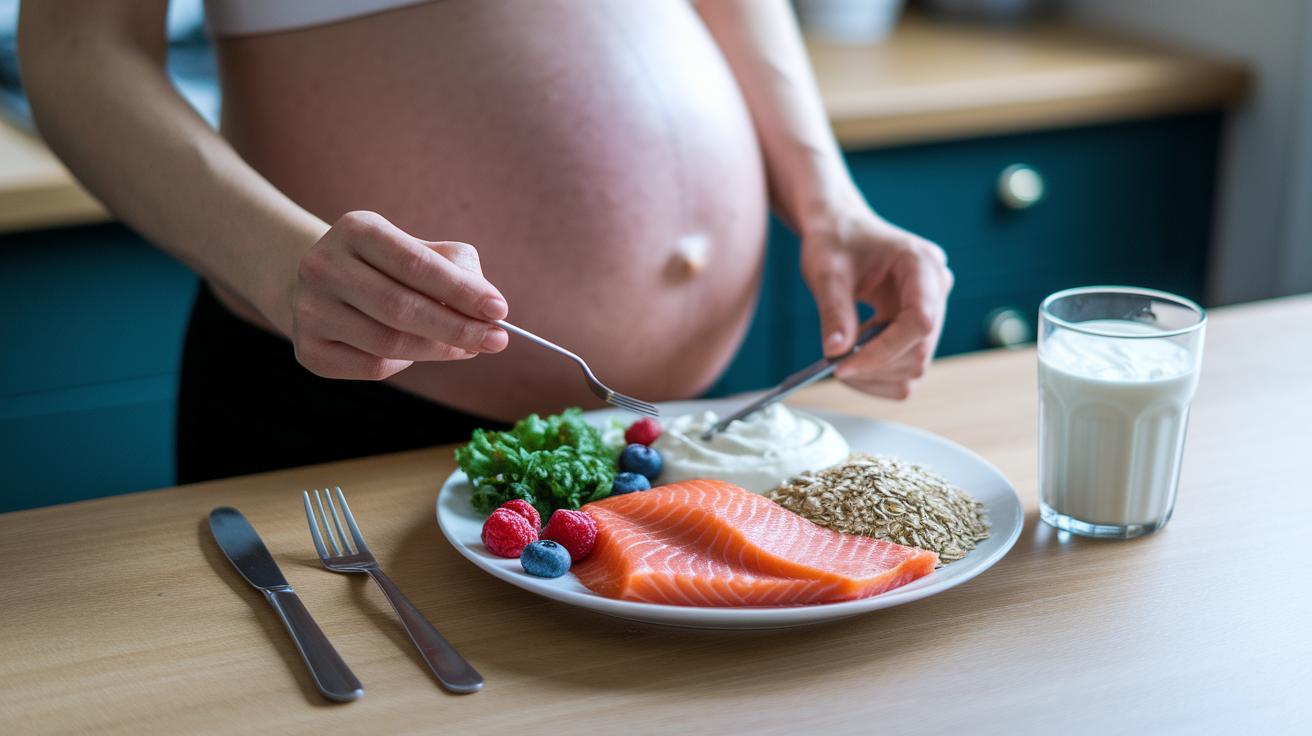
If you plan your meals and snacks just right, you can avoid those distracting hunger pangs or the feeling of being too full during your prenatal scan. This little trick keeps your belly comfy and helps the scan images come out just right.

Breakfast Timing

Try having breakfast about 1.5 to 2 hours before your scan. Choose a light, low-fiber option, think oatmeal or whole-grain toast with a bit of protein. Picture enjoying a warm bowl of oatmeal with some scrambled eggs that leaves you satisfied without feeling weighed down.

Snack Scheduling

Around 45 to 60 minutes before your scan, a small snack works wonders. A banana or a couple of whole-grain crackers is perfect to keep your energy up without overworking your stomach.

Light Lunch Guidelines

After your scan, opt for a light lunch that helps steady your blood sugar and recharges your energy. Imagine a plate with lean protein and fresh veggies, just enough to give you energy without making you feel too full.

Meal/Snack Timing Before Scan Suggested Portion
Breakfast 1.5–2 hours Low-fiber oatmeal with protein
Mid-Morning Snack 45–60 minutes Banana or whole-grain cracker
Post-Scan Lunch After scan Light, balanced meal

By keeping away from both hunger and feeling overly full, you can enjoy clear ultrasound images and stay comfortable throughout your appointment.

Key Nutrient Focus for Optimal Imaging Results

Eating foods rich in nutrients can really make a difference for your baby’s health and the clarity of your ultrasound images. When you choose meals brimming with vitamins and minerals, you're not only boosting the oxygen your baby receives but also helping to create clearer, more detailed scan images.

Iron-Rich Options

Think of spinach and lean red meat as nature’s iron boosters. They naturally help transport oxygen in your body, giving you a steady flow of energy when you need it most during your ultrasound.

Calcium & Vitamin D Sources

Yogurt and fortified milk are fantastic choices for calcium and vitamin D. These nutrients work hand in hand to build strong bones for your little one while also keeping your body balanced as your baby grows.

Omega-3 Foods

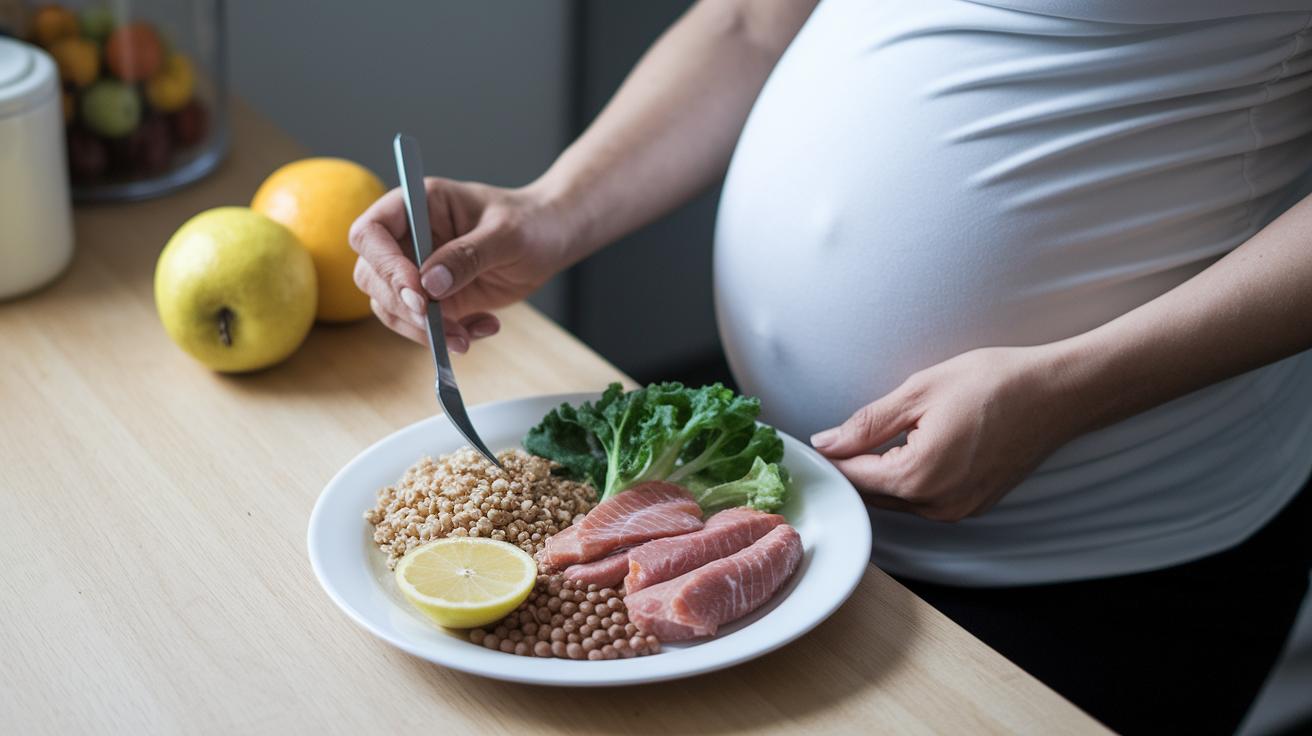
Salmon and walnuts are rich in omega-3 fatty acids, which are important for your baby’s brain development. Plus, these healthy fats help you feel your best, which might even lead to sharper imaging results.

Fiber-Rich Choices

Oatmeal and apples pack a good dose of fiber, which can help beat constipation and ease bloating. Keeping your digestive system happy means you'll feel more comfortable during your scan.

Mixing these nutrient-packed foods into your meals creates a balanced plan that supports both your well-being and the quality of your ultrasound images. When your dishes are loaded with iron, paired with dairy for calcium and vitamin D, enriched with omega-3s, and rounded out with fiber, you’re giving your body the steady, nurturing support it deserves. Enjoy the process of choosing foods that not only nourish your baby but also keep you comfy and ready for that imaging session.

Hydration’s Role in Ultrasound Clarity

img-2.jpg

Drinking plenty of water helps keep the fluid around your baby at just the right level so the ultrasound images come out clear. When you're well-hydrated, your body naturally keeps the balance needed to give a good view of your baby. It’s like opening a clear window where your little one can be seen more easily.

A simple tip is to start focusing on your water intake the night before your appointment. Try to have about 6–8 cups of water in the evening. Then, in the two hours before your scan, sip on 2–3 cups more. This thoughtful approach not only helps the images look better, but also makes sure you’re comfortable during the exam, without too many trips to the restroom. Remember, water does the trick much better than coffee or soda, which might leave you feeling jittery and needing extra breaks.

When Water (cups)
Evening 6–8
Two Hours Before the Scan 2–3

Myth-Busting Diet Misconceptions for Scan Readiness

Some folks think that fasting will give you the best images during your scan. But really, having a little bite before your exam works much better. Skipping food can drop your blood sugar and leave you feeling weak, just like missing breakfast and then feeling jittery during your scan. A small, gentle snack helps you stay balanced without overloading your tummy!

Another idea out there is that only clear liquids are good on scan day. In truth, a few solid snacks can keep your energy up and your blood sugar steady. Picture nibbling on some whole-grain crackers before your exam, they give you just enough energy to stay comfortable and focused, without that bloated feeling you might get from high-fiber foods.

Finally, you might have heard that caffeine doesn’t matter on scan day. But actually, caffeine works as a diuretic, which can lead to dehydration and make you feel off during your exam. Missing out on proper fluid balance can affect how comfortable you feel and even the quality of the images. Choosing low-caffeine beverages helps you stay clear, alert, and ready for the scan.

Final Words

In the action of planning your scan day, a balanced routine focusing on meal timing, hydration, and key nutrients can support clear imaging and comfort. The post shared practical guidance on maternal nutrition dos and don'ts for scan day, offering advice on what to eat and what to avoid.

Following these food tips and pre-imaging strategies can make your scan experience smoother and more reassuring. Every well-chosen step helps create a more positive day ahead.

FAQ

What surprising restrictions exist during pregnancy?

The surprising restrictions you encounter during pregnancy include avoiding overly strenuous activities, neglecting regular check-ups, and skipping meals. These precautions help keep both you and your baby safe.

What are the do’s and don’ts during early pregnancy, especially in the first three months?

The early pregnancy do’s and don’ts focus on maintaining a balanced diet, gentle exercise, and avoiding risky habits like skipping meals or engaging in unsafe activities. These tips support your well-being as your baby develops.

What are the guidelines for 4 weeks pregnant?

At 4 weeks pregnant, guidelines suggest eating balanced meals, staying hydrated, and avoiding activities that could lead to injury. Following these steps helps promote healthy early development.

What precautions can help reduce the risk of miscarriage in early pregnancy?

Precautions to reduce miscarriage risk include a healthy lifestyle, a balanced diet, avoiding risky behaviors, and keeping up with regular prenatal check-ups. This approach supports both your health and that of your baby.

Does not eating while pregnant harm the baby?

Not eating while pregnant can affect your energy levels and your baby’s growth. It’s essential to have small, balanced meals and consult your healthcare provider to support both your needs and your baby’s development.

What general pregnancy do’s and don’ts should I follow?

General pregnancy guidelines recommend focusing on nutritious meals, light physical activity, and avoiding substances or habits that may cause harm. Regular check-ups ensure you and your baby remain on sound footing.

Incorporating Whole Grains Into Maternal Nutrition Thrives

0

Are you excited to boost your meals? Picture your plate as a handy toolkit for you and your baby. Whole grains are a real powerhouse. They’re full of fiber, vitamins, and minerals that keep your blood sugar steady and your digestion happy.

Switching out refined grains for whole ones isn’t a tiny tweak, it’s a change that fuels lasting energy and supports overall health. This guide is here to show you how adding whole grains can become a natural part of your healthy eating plan.

How Whole Grains Enhance Maternal Nutrition

Whole grains are simply seeds that keep all the good parts of the grain, the endosperm, bran, and germ. When grains are refined, they lose the bran and germ, so most of the fiber, vitamins, and minerals go with them. This means that swapping white bread for whole wheat bread gives you more essential nutrients that help keep digestion smooth and energy levels steady.

The vitamins and minerals in whole grains, like B-vitamins, iron, magnesium, and fiber, are important for both you and your baby. B-vitamins turn your food into energy and support your baby’s growing nervous system (the body’s communication network). Iron helps your blood carry oxygen, magnesium keeps your muscles working well, and fiber makes digestion easier. Think of it as enjoying a warm bowl of oatmeal on a hectic morning that fills you up and keeps you steady.

Health guidelines suggest that at least half of the grains in your pregnancy diet should be whole grains. One easy way to think about it is to imagine your plate divided into four parts: a quarter for whole grains, half for fruits and vegetables, and a quarter for lean proteins. This balance helps keep your blood sugar steady and your digestion running smoothly. Meals focused on whole grains offer lasting energy and consistent nutrients for you and your baby, leading to better overall health and more positive pregnancy outcomes.

Top Whole Grain Varieties for Pregnancy Nutrition

img-1.jpg

Pregnancy can be a whirlwind, and adding a mix of whole grains to your meals can make a big difference. These grains give you natural energy, help keep your blood sugar steady, and support smooth digestion.

  • Quinoa: This gluten-free grain is a real gem. It offers complete protein and about 5 grams of fiber per cup. Plus, it's packed with magnesium, iron, and folate, which are key for both you and your baby.
  • Oats: Oats are a warm, hearty choice. They contain beta-glucans that help manage blood sugar and cholesterol, and a half-cup of dry oats brings about 3 grams of fiber, along with iron and B-vitamins to keep your energy up.
  • Barley: With roughly 6 grams of fiber per cooked cup, barley is a nutritious boost. It includes selenium for immune support along with magnesium and B6, which may help soothe morning sickness.
  • Brown Rice: Brown rice is another friendly option, offering about 3.5 grams of fiber per cup, along with magnesium and B-vitamins. Its low glycemic index helps maintain stable blood sugar levels.
  • Millet: Millet comes through with around 2.3 grams of fiber per cup and bursts with magnesium, phosphorus, and antioxidants. These nutrients support digestion and can ease cramps.
  • Amaranth: Amaranth surprises with roughly 5 grams of protein per cup and also brings iron, calcium, and magnesium into the mix. Its high lysine content helps your body absorb these nutrients better.
  • Teff: Teff is a small grain with a big punch, it packs nearly 7.8 grams of protein per cup along with plenty of iron and calcium. Its resistant starch supports gut health and steady blood sugar.

Including these whole grains in your meals not only adds variety but also gives you a nourishing blend of essential vitamins and minerals to support your health and your baby's growth.

Practical Meal Strategies for Incorporating Whole Grains into Maternal Diets

Every day is a wonderful opportunity to enjoy the goodness of whole grains. It can be as simple as carving out a little space for them at every meal or snack to keep your energy balanced. Lots of moms find that cooking 1–2 cups of grains at the start of the week really saves time when planning meals ahead. Think about setting up your day with a hearty breakfast, a nourishing lunch, a cozy dinner, and a couple of wholesome snacks in between, it's all about making life a bit easier.

Meal Whole Grain Ingredient Serving Suggestion
Breakfast Steel-cut oatmeal Serve with berries and almonds for a warm, inviting porridge
Lunch Quinoa Toss with spinach and chickpeas for a light, zesty salad
Dinner Barley Stuff into bell peppers with lean turkey for a filling meal
Snack Whole-grain crackers Pair with hummus for a satisfying, crunchy bite
Snack Millet Turn into a creamy pudding and top with fresh fruit

Batch-cooking your grains early in the week really makes daily meal prep so much simpler. For example, try switching white rice with brown rice in your casseroles or even blending oats into your morning smoothie. These little swaps add a fun variety to your meals while ensuring you enjoy all the good benefits whole grains bring. Experimenting with different grains throughout the week not only introduces delightful new textures but also keeps your diet balanced and full of nourishing nutrients.

Enhancing Nutrient Absorption and Digestive Health with Whole Grains in Pregnancy

img-2.jpg

Whole grains are a gentle helper for your tummy during pregnancy. They are full of fiber, think of a warm bowl of oats or barley that comes with about 3 to 7 grams of fiber per serving. This fiber works like a soft massage, easing constipation and keeping your digestive system on track. It gently absorbs water in your gut, which helps your stomach feel more comfortable.

Grains like teff and whole oats contain something called resistant starch. This special starch does two important things. First, it feeds the friendly bacteria in your gut, supporting a balanced microbiome. Second, it slows down how quickly you absorb sugar, which keeps your blood sugar levels more steady throughout the day. Picture it like a slow, soothing simmer that helps keep everything in balance.

Simple tweaks in how you prepare your grains can boost their benefits even more. For example, soaking or fermenting your grains can lessen a natural substance called phytic acid. This change helps your body take in more minerals like iron and magnesium. Try soaking them overnight and then cooking them slowly. Soon, every meal feels richer in flavor and nutrition, like a little upgrade for your day.

Guidelines for Selecting and Transitioning to Whole Grains in Maternal Nutrition

When you’re out shopping, take a little extra time to check the labels. Look for “100% whole grain” on the front and make sure the word “whole” comes before any type of grain in the ingredients list. This easy tip helps you skip over items that are mostly refined and not as rich in important nutrients. A quick look at the label can really make a difference in supporting your nutrition as you care for yourself and your little one.

Try using a balanced plate to plan your meals. Imagine your plate split into four parts, one part for whole grains, half of it for vegetables or fruit, and the last quarter for lean protein. This idea follows guidelines that suggest having at least half of your grains as whole grains. It’s a simple way to see how each part of your meal contributes to a well-rounded diet.

Ease into the change by mixing refined grains with whole grains at first, maybe a 50:50 mix, and then slowly add more whole grains over time. And if you can, pick organic cereals and store them in airtight containers so they stay fresh and full of good nutrients.

Addressing Common Concerns and Myths About Whole Grains During Pregnancy

img-3.jpg

Many moms have heard that whole grains can give you bloating and tummy troubles. But really, a little rinse or a good soak, or even choosing sprouted versions, can make them much easier on your stomach. I remember one mom mentioning how soaking her oats overnight helped keep her comfortable the next day. It’s a simple tweak that clears up the myth and makes mealtime light and enjoyable.

If you're worried about gluten, try whole grains like quinoa, millet, or amaranth. These choices are naturally free of gluten and pack plenty of nutrients to support you. And if you're tight on money, why not buy in bulk, hit up your local farmers’ market, or cook a big batch at the beginning of the week? This way, you save money, cut down on waste, and always have healthy grains on hand.

Food safety is super important too. Make sure you cook your grains completely to get them to a safe temperature, and avoid raw sprouts to keep risks low. Always give your grains a good rinse, and don’t forget to pop any leftovers in the fridge within 2 hours. Eating those within 3–4 days helps keep their nutrients intact and supports a healthy diet during your pregnancy.

Final Words

In the action of exploring balanced meals, we broke down the benefits of whole versus refined grains, shared key nutrients that boost energy and support fetal development, and offered simple meal ideas to easily swap in healthier options. We covered practical tips on reading labels and making gradual transitions. Incorporating whole grains into maternal nutrition can boost energy, aid digestion, and bring more comfort to daily meals. Enjoy experimenting with these ideas and feel confident embracing your healthful choices.

FAQ

What are the benefits of whole grains during pregnancy?
The benefits of whole grains during pregnancy include providing fiber, B-vitamins, and minerals that boost energy, support fetal neural development, and help improve digestion and regularity for mothers.

What are the best whole grains for pregnancy nutrition?
The best whole grains for pregnancy nutrition include quinoa, oats, barley, brown rice, millet, amaranth, and teff, as they offer balanced nutrients and fiber essential for maternal and fetal well-being.

How can whole grains be incorporated into a balanced diet during pregnancy?
Whole grains can be incorporated into a balanced diet by substituting refined grains with options like whole-grain oatmeal at breakfast, quinoa in salads, or barley in dinners, providing necessary fiber and nutrients.

What exactly are whole grains and how do they differ from refined grains?
Whole grains differ from refined grains by retaining the endosperm, bran, and germ, which means they naturally offer more fiber, vitamins, and minerals compared to processed options.

What do whole grains mean in terms of WIC guidelines?
In WIC guidelines, whole grains refer to foods labeled as “100% whole grain,” ensuring that mothers receive complete fiber and essential nutrients for a supportive prenatal diet.

How do whole grains benefit both the baby and the mother during pregnancy?
Whole grains benefit both the baby and mother by supplying essential vitamins and minerals that support fetal neural development and boost maternal energy, metabolism, and digestive health.

Are there resources that list whole grain foods with visual aids or breakfast ideas?
Resources are available online that showcase whole grain foods with pictures and provide meal ideas, like whole grain breakfast options, to help expectant mothers choose nutrient-rich selections.

Which grains should be avoided during pregnancy?
Grains to avoid are typically those that are overly processed or contain added sugars; selecting products labeled as “100% whole grain” helps ensure mothers get the healthiest options.

Infant Developmental Milestones Explained: Joyful Growth

0

Have you ever noticed how your baby's first smile lights up your whole day? Even tiny actions, like a little coo or a flutter of their hands, show big steps in their growth. Every small sound or movement hints at the beginning of a wonderful journey, much like the soft glow of a new dawn.

In this chat, we'll look at these gentle clues and see how they guide and comfort you as a parent. Stick with us as we uncover the little signs that paint the story of your baby's beautiful growth.

Understanding Infant Developmental Milestones

Infant developmental milestones are little signs, both in behavior and physical actions, that show how a baby grows in different ways. These signs include simple movements, early sounds that lead to language, basic problem-solving, and even the very first smiles that reveal social awareness. Think of these moments as gentle touchstones parents use to see how their baby’s progress fits with typical age patterns.

Tracking these milestones is important because it gives caregivers a clear view of whether a baby is growing as expected. For example, when a baby starts to focus on bold, clear pictures or reacts to sounds, it offers clues about early sensory skills. It’s like following a simple roadmap: every smile or movement adds another piece to the beautiful puzzle of growth.

There are four main areas of development: physical, cognitive, social, and language skills. Keeping an eye on when these milestones happen, like the first time a baby rolls over or makes babbling sounds, can help parents notice any little delays very early.

Think about it this way: that moment when a baby’s eyes light up while watching a moving toy is as special as seeing the first soft rays of dawn; it’s a sign that new skills are gently unfolding.

Infant Physical Milestones: Tracking Early Motor Skills Evolution

img-1.jpg

In the first few months, little ones show their natural reflexes as they learn to hold up their heads. Even a brief lift of the head is an early sign of growing strength, and babies are drawn to high-contrast images that help them notice the world around them. If you're curious about how these visual cues support early development, check out more about sensory development in infants.

Between 4 and 6 months, babies start to roll over and can sit with a little help. Their muscles are getting stronger and their balance is improving, and you might see them reaching out and grabbing nearby objects. It’s truly heartwarming to watch these tiny moments of progress!

By 7 to 9 months, many babies begin crawling. This exciting phase not only shows their growing motor skills but also helps boost hand-eye coordination. Every crawl is a mini adventure as they explore their surroundings with curiosity and determination.

Around 10 to 12 months, many infants start pulling themselves up and take their first careful steps. These milestones highlight their developing balance and muscle control, marking a joyful time of movement and independence.

Age Range Milestones
0–3 months Head control, reflex responses
4–6 months Rolling over, sitting with help
7–9 months Crawling and grasping
10–12 months Pulling to stand, taking first steps

Infant Cognitive Ability Development: Mapping Thought Process Checkpoints

In the first couple of months, little ones explore the world like curious detectives. They love bright, bold patterns, think black and white shapes, and listen closely to soft sounds like a gentle lullaby. You might try hanging a simple picture near the crib and watch as their eyes light up in wonder.

Around 7 to 9 months, babies start to understand that even if something disappears from sight, it’s still there. It’s like a little magic trick that shows them memory in action. When a favorite toy hides under a cloth, they may fuss a bit until it pops back into view, and they light up during a game of peek-a-boo with cheerful smiles and claps.

By the time they reach 10 to 12 months, toddlers begin solving problems on their own through trial and error. They might try different ways to reach a toy, and sometimes, you might even hear a word they recognize. Try offering a simple puzzle, and enjoy watching their eyes sparkle as they figure it out. Every new skill is a sweet step forward in their amazing mental growth.

Infant Language Acquisition Overview: Early Speech Progression Stages

img-2.jpg

Babies start their language adventure with soft coos and playful sounds that show the first whispers of communication. Around 4 to 6 months, you might notice them babbling gently, as if they're testing out a secret new language. I once heard about a quiet cuddle where a baby’s little "ooohs" hinted that a world of words was just around the corner.

Between 7 and 9 months, those playful sounds grow into simple combinations like "da-da" or "ma-ma." At this stage, little ones also begin to pick up on easy words like "no." It’s almost like they're practicing for real conversations, with each sound both fun and a tiny step toward understanding.

By 10 to 12 months, something truly magical happens. Babies often say their first real words and add simple gestures like a warm wave to go with them. Caregivers can encourage this by chatting softly and getting involved in fun, everyday interactions.

During daily routines like playtime or reading, parents can gently describe what they’re doing. This not only boosts the baby’s exposure to new words but also creates a cozy space where early speech can thrive.

Infant Social and Emotional Progression: Social Interaction Markers and Emotion Regulation Phases

From the very first day, babies start their journey of connecting with the world. In those early months (0–3), infants light up our lives with sweet social smiles. They settle quickly when they hear a familiar, soothing voice, a gentle sign that they're beginning to learn how to interact with the world around them.

As they grow and enter the 7–9-month stage, you might notice a new, honest reaction called stranger anxiety. They prefer the comforting presence of familiar faces and feel safest when surrounded by trusted people. It’s really heartwarming to watch a little one reach out for their parent or calm down just by seeing a known caregiver. Each moment is like a brushstroke in a slowly emerging picture of their growing feelings.

By 10–12 months, babies start using intentional gestures to get attention. They may reach out for a cuddle or even try to comfort a crying buddy. These sweet little actions show how they're learning to manage big emotions. Try chatting with your baby and offering gentle encouragement, those small moments of connection can build confidence and set a loving foundation for their future.

Infant Developmental Milestones Explained: Central Resource

img-3.jpg

This handy chart gives you a quick look at your baby's key milestones. It shows you how they develop physically, learn to babble, and start smiling at familiar faces. It's like having a little guide that maps out each stage of your baby's growth in a simple, clear way.

For a closer look at how these skills help your baby grow every day, check out the extra details in the stories below. These examples share everyday moments that show just how these little steps build a big future.

Age Range Physical Milestone Cognitive & Language Milestone Social-Emotional Milestone
0–3 mo Head control, reflex responses Focus on strong contrasts, basic listening Social smiles, calming with familiar voices
4–6 mo Rolling over, needs a little help for sitting Early babbling, showing interest in objects Excited by family faces
7–9 mo Crawling, better grasp Starts to understand that objects exist even when unseen Shows stranger anxiety, prefers known faces
10–12 mo Pulls to stand, takes first steps Recognizes simple words, enjoys problem-solving play Uses gestures and shows early signs of empathy

Infant Developmental Milestones Explained: Joyful Growth

Sometimes, your little one might seem to hit a slow spot in their growth. You might notice fewer smiles or sounds, or even see them lose skills they once had. This can be a gentle hint that a bit more attention might help. When you see these changes, take a quiet moment to watch if your baby is missing steps in how they move, babble, or interact. Most times, a small delay is just temporary. But if it keeps happening or if skills they once mastered start to fade, it might be a good idea to have a friendly chat with a professional.

Keep an eye out for any repeated patterns that don’t quite match your baby’s age. How do they react during play or while you go about your day? If you’ve been noticing these signs for several weeks, it could be really helpful to talk with a child health nurse, a general doctor, or a pediatrician. Sometimes a caring conversation can really ease your mind.

  • Loss of skills they had before
  • Not showing age-appropriate social or motor actions
  • A clear drop in language or movement
  • Less interest in playing and interacting
  • Changes that stick around for several weeks

Final Words

In the action, this guide walked through key infant developmental milestones explained for physical growth, brain sparks, early words, and social smiles. It shared simple tables to show progress and tips to spot when extra help may be needed. Each section offers clear observations, from early motor skills to first gestures, that help track your little one’s step-by-step progress. Every small win matters, and these insights can boost your confidence as you watch your baby thrive. Enjoy this special time with warmth and care!

FAQ

What does an “infant developmental milestones explained” PDF offer?

This PDF explains an infant’s progress in physical, cognitive, language, and social‐emotional areas, offering a clear guide for caregivers to track growth and changes over time.

What are some baby milestones month by month?

Baby milestones month by month highlight key skills—from early head control and reflexes at birth to crawling and first steps by 12 months—showing clear stages of growth.

How does the baby milestones chart for 0-12 months help me?

The chart offers a quick reference to track physical improvements, early thinking, language signs, and social cues, making it easier to see how your baby is developing each month.

What developmental milestones does the CDC mention?

The CDC outlines clear milestones in movement, simple problem-solving, early language, and social interactions that help caregivers recognize standard growth patterns in infants.

What are the top five developmental milestones for infants?

The five key milestones commonly include motor skills, cognitive skills, early language, social‐emotional responses, and initial self‐help abilities that emerge over time.

What red flags indicate a developmental delay in infants?

Red flags can include missing expected skills, loss of acquired abilities, or little interest in social interactions; these signs suggest it’s best to consult a health professional for advice.

How can I understand baby development from 1 to 12 months?

Understanding baby development between 1 and 12 months involves watching for gradual improvements in motor control, thought processes, early speech sounds, and growing social engagement.

What milestones should I expect in baby development stages from 1-2 years?

Baby development from 1 to 2 years often brings refined walking, a growing vocabulary, early signs of independence, and emerging social skills as toddlers begin to explore their world.

100,000 in 24 Hours: SeedList Proves Solana Crowdfunding Has Changed Forever

0

The launch of SeedList has provided one of the clearest signals yet that crypto fundraising is undergoing a fundamental shift. In a single day, the institutional-grade crowdfunding platform attracted more than 100,000 community members across Telegram and Twitter. The speed of adoption, from 20,000 signups in the first hours to six figures before the end of day one, illustrates not just marketing success but the scale of demand for a model that puts fairness, transparency, and contribution at the center of token distribution.

For years, early-stage investing in crypto has been locked behind closed doors, with private venture funds claiming the majority of allocations. Retail participants and grassroots contributors, even when they played critical roles in project growth, were often left out until valuations had already climbed. SeedList was designed to end that imbalance. By integrating AI-driven allocation scoring that evaluates the real impact of participants, from developers and advisors to marketers and community organizers, the platform ensures access is determined by merit rather than privilege. The numbers from its first day show that people around the world are ready for this change.

“The first 24 hours proved the appetite is enormous,” said Brijesh Patel, SeedList co-founder and former partner at Pronomos Capital, a venture firm backed by some of the most influential names in technology and crypto. “For too long, people have watched allocations disappear into the same networks of insiders. SeedList is showing that if you give people transparency, fairness, and the chance to contribute meaningfully, they will come in overwhelming numbers. This isn’t a small shift; it’s a new standard.” Patel emphasized that SeedList’s explosive debut is not an anomaly but a preview of what the future of Web3 fundraising will look like.

The decision to launch on Solana has been a key driver of SeedList’s success. Solana’s combination of high speed, negligible fees, and an active developer base has made it the chain of choice for innovative fundraising models. Viral platforms such as Pump.fun, which facilitated a $500 million raise in just minutes, and LetsBonk.fun, which quickly overtook it in monthly revenues, have already shown how powerful Solana’s infrastructure can be. Orca and Raydium continue to provide the liquidity backbone for these launches. By embedding itself in this ecosystem, SeedList is combining Solana’s proven technical foundation with a new layer of institutional-grade fairness.

“Solana is the only environment where this was possible,” said CryptoSheldon, co-founder of SeedList and a long-time Solana strategist. “Its speed and low fees are unmatched, but what makes this powerful is the way we’ve added fairness into the mix. With SeedList, developers, community leaders, and marketers aren’t just spectators—they’re recognized as contributors, and their allocations reflect that. The community response in our first 24 hours shows how ready people are for this model.” His remarks underscore the unique combination of Solana’s infrastructure with SeedList’s contributor-first architecture.

SeedList’s approach represents a clean break from legacy launchpad models. Instead of lotteries or small capped allocations that leave most participants excluded, its AI systems track and evaluate contributions across multiple dimensions. Developers who write code, advisors who shape strategy, and influencers who bring audiences are all scored, and allocations are distributed accordingly. As CryptoSheldon put it, “The pyramid has been flipped. Instead of a few VCs capturing all the value at the top, the base of contributors is finally being rewarded. That’s why people rushed to join, because they can see this system was built for them.”

Global adoption has been another defining feature of SeedList’s first day. Unlike platforms constrained by U.S.-centric compliance, SeedList launched with a structure intentionally built to be global. The initial 100,000 members came not only from North America and Europe but also from Asia, Africa, and Latin America, regions that have historically been enthusiastic about crypto but underrepresented in early allocation opportunities. Patel highlighted this inclusivity: “Web3 is supposed to be borderless. If your system shuts out half the world, you’re missing the point. Our early numbers prove that when you design an open and fair model, people from everywhere are ready to participate.”

SeedList’s roadmap aims to build on this explosive start with sustainability in mind. Future features include structured contributor tiers to further reward participation, integrations with exchanges and liquidity providers to strengthen post-launch markets, and increasingly advanced AI tools to ensure fairness even as the community grows. The goal is not just quick raises but healthier projects with engaged supporters and durable ecosystems. Stronger liquidity, more accurate price discovery, and long-term governance are the outcomes SeedList is designed to produce.

The launch of SeedList, with 100,000 members joining in less than 24 hours, is more than a viral event. It is a clear indication that the future of token fundraising will be contributor-led, transparent, and global. By combining Solana’s technical strengths with a fair, AI-driven allocation model, SeedList has set a new benchmark for the industry. As Patel summed up, “This is just the beginning. The community has spoken loud and clear: they want access, they want fairness, and they want their contributions to matter. With SeedList, that’s exactly what they’ll get.”

Postpartum Scar Healing Advice: Radiant Recovery Plan

0

Have you ever noticed that your postpartum scar might be more than just a reminder of a tough time? After a cesarean or a tear, gentle care can help turn it into a quiet symbol of new strength. Taking care of your scar by cleaning, massaging, and soothing your skin can be a simple way to ease discomfort, as if you were slowly easing open a stubborn door.

In this guide, we share easy, step-by-step tips to support your healing journey. It’s all about making your recovery process a thoughtful plan for both your body and your spirit, helping you feel confident and cared for along the way.

postpartum scar healing advice: Radiant recovery plan

After a cesarean, start by gently cleaning your cut. Use a little warm water and a soft cleanser to wash the area, then pat it dry with a soft towel. Change your dressings as your doctor suggests to keep everything clean. A cool, soft compress, like a damp cloth, can help ease any swelling right after you clean.

It’s common to feel numbness or extra sensitivity around your C-section scar. When the swelling goes down, try a gentle scar massage. With your fingertip, make small, slow circles along the scar. It’s a bit like oiling a stiff hinge, helping the skin slowly regain its natural feel and flexibility over time.

If you had an episiotomy or a tear, wait until your six-week check-up confirms the stitches have healed and there’s no sign of infection. Once your doctor gives you the green light, you can begin a simple perineal massage. First, wash your hands and use a water-based, gentle lubricant. Then, softly massage around the scar, gradually moving closer to the area. A soft, steady touch can help the skin become more relaxed and support a smoother healing process.

Timeline of Postpartum Scar Healing Advice

img-1.jpg

Your postpartum healing story unfolds in gentle stages that help guide your care. Right after birth, focus on calming any swelling and softly cleaning the area. These early moments are all about easing inflammation and keeping your incision neat, which sets a warm foundation for recovery.

As you move into weeks three to six, a follow-up check with your healthcare provider can reassure you that any stitches (from a cesarean or episiotomy) are healing well. This can also be a lovely time to start a light massage routine that feels soothing and supportive.

Then, during the two- to six-month phase, your journey turns toward slowly helping your scar tissue move more freely. This gentle mobilization boosts flexibility and eases any lingering tightness, like a tender nudge toward continued healing.

Every recovery is unique, so chatting with your healthcare provider ensures that your routine fits just right. With consistent, careful care, the healing process can continue to support you for months, or even years, after childbirth.

Phase Timeframe Primary Focus
Immediate Phase 0–2 weeks Swelling control & gentle cleansing
Intermediate Phase 3–6 weeks Stitch check & start gentle massage
Maturation Phase 2–6 months Scar mobility & flexibility

By taking kind care at each stage, you nurture smoother, more flexible scar tissue, supporting your body as it heals over time.

Self-Care Techniques in Postpartum Scar Healing Advice

Dealing with postpartum scars can feel overwhelming, but a simple home routine might really help ease discomfort and boost your scar’s flexibility. Here’s a step-by-step guide for a gentle perineal scar massage that you can try:

  1. Check in with your doctor during your 6-week appointment to make sure you’re all set.
  2. Make sure your hands and any tools you use are cleaned well.
  3. Pick a water-based, hypoallergenic lubricant that feels kind on your skin.
  4. Gently massage the scar using small, circular strokes, like the soft ripples in a calm pond.
  5. If your healthcare provider advises, you can gradually try a light internal massage.
  6. Aim to do this massage once or twice a day, spending just 1–2 minutes each time.

For cesarean scars, try using gentle fingertip presses combined with small circular motions. This method can help ease any nerve sensitivity and smooth out the skin’s texture.

Moisturizing Routines and Topical Treatments in Postpartum Scar Healing Advice

img-2.jpg

Keeping your scar area well-moisturized can really help stop hard crusts from forming, which might slow down skin healing. When your skin stays hydrated, it helps new cells replace the old ones and keeps a gentle barrier to ward off irritation. This extra bit of moisture can ease that tight feeling and even smooth out the scar, making the healing process feel a bit softer and more comfortable.

For treating the scar topically, you might want to try over-the-counter silicone gels, botanical gels, or soothing skin balms. Silicone gels are popular because they form a thin, protective layer over the scar and help keep the skin hydrated. Botanical gels, made with natural ingredients, calm the skin and can reduce redness, while soothing balms add extra moisture to keep the tissue flexible and comfortable. These products are all designed to support your healing journey in a safe and caring way.

  • Perform a patch test on nearby skin
  • Apply a thin layer 2–3 times a day
  • Gently massage until fully absorbed

Professional and Advanced Treatments for Postpartum Scar Healing Advice

Many moms are looking into dermatologist-approved options that really help their scars improve over time. For example, silicone sheeting is a trusted way to keep your skin moist and protected, which can smooth out the scar’s look. LED light therapy is another gentle, noninvasive option. It uses soft light pulses to reduce redness and swelling, making it a soothing addition to your daily routine.

Laser treatments and microneedling are also gaining attention because they help boost collagen naturally. Fractional laser treatments create tiny, controlled bumps that encourage your skin to produce more collagen, gradually softening scars. Microneedling works similarly by using small needles to trigger your skin’s own healing response. Both of these methods might need several sessions and a short recovery period when your skin feels a little sensitive.

Here's a quick comparison of these techniques:

Treatment How It Helps Sessions Downtime
Silicone Sheeting Keeps skin hydrated and softens scars Daily over weeks Minimal
LED Light Therapy Reduces redness and balances skin tone 10–15 minutes per session None
Fractional Laser Treatment Boosts collagen for smoother texture 3–5 sessions 3–5 days
Microneedling Stimulates natural collagen production 4–6 sessions 1–2 days
Combined Approach Uses both laser and microneedling for full remodeling Varies by treatment Up to 5 days

It all comes down to choosing the method that fits best with your healing journey. If you ever have questions or need a little extra support, reaching out to an expert or a fellow mom can be really comforting.

Monitoring and When to Seek Help in Postpartum Scar Healing Advice

img-3.jpg

Most moms notice that their healing scar slowly becomes firmer and softer while showing a bit of red or slight swelling at first. A little warmth or tenderness is normal as you heal. But if your scar starts to feel much hotter, turns very red, or you see more discharge than usual, it might mean things aren't healing like they should. Also, hold off on doing any postnatal perineal massage until your six-week check-up shows there’s no infection. This helps make sure every step you take is safe.

Keep your eyes open for signs like pain that sticks around or gets worse, the edges of your scar pulling apart, or a strong, unusual smell coming from the area. These changes may mean you need a doctor’s opinion. If you notice any of these signs, reach out to your healthcare provider right away. Trust your body, it usually lets you know when something isn’t right.

Final Words

In the action, the article laid out key steps for healing after childbirth, covering gentle care for cesarean and perineal scars. It explained a clear timeline from immediate inflammation control to later scar mobilization and offered self-care with simple massage and moisturizing routines. The guide also touched on advanced treatments and knowing when to seek help. All these clear, caring insights give you practical advice and expert tips to support gradual skin repair. Keep moving forward with confidence and remember that postpartum scar healing advice can help guide your care.

FAQ

What do healed episiotomy scars look like?

The healed episiotomy scars show as thin, light lines that gradually fade. They often blend with nearby skin, appearing less pronounced over time as the tissue naturally mends.

What do C-section scar healing stages pictures show?

The C-section scar healing stages pictures display the progression from initial redness and swelling to gradual fading and smoothing of the incision line as inflammation reduces and tissue rebuilds.

How does scar tissue after birth appear in images?

Scar tissue after birth images typically reveal a range of appearances, from slightly raised or discolored lines to smoother, more subtle patterns as the body repairs the incision slowly over time.

Why might an episiotomy scar form a lump or remain sore years later?

The episiotomy scar might form a lump or stay sore years later because of uneven collagen growth or persistent nerve sensitivity. This sometimes requires evaluation by a healthcare provider for proper care.

How do you heal scar tissue after childbirth?

Healing scar tissue after childbirth involves gentle cleansing, regular moisturizing, and, once the area is healed, light massage to encourage flexible tissue and gradual smoothness during recovery.

How can I speed up the healing of a scar?

Speeding up scar healing often includes careful wound care, keeping the area moisturized, and using approved topical treatments. Gentle massage may also help reduce tightness as advised by a healthcare provider.

When should I start perineal or episiotomy scar massage?

You should start perineal or episiotomy scar massage after your six-week postpartum check-up confirms the area is fully healed and free of any signs of infection, ensuring safe and effective care.

How long does it take for scar tissue to heal after birth?

Healing time for scar tissue after birth varies, with most significant improvements seen within six weeks. However, the tissue continues to mature and may take several months to fully settle.

Prenatal Vitamin Mechanism Of Action Boosts Maternal Health

0

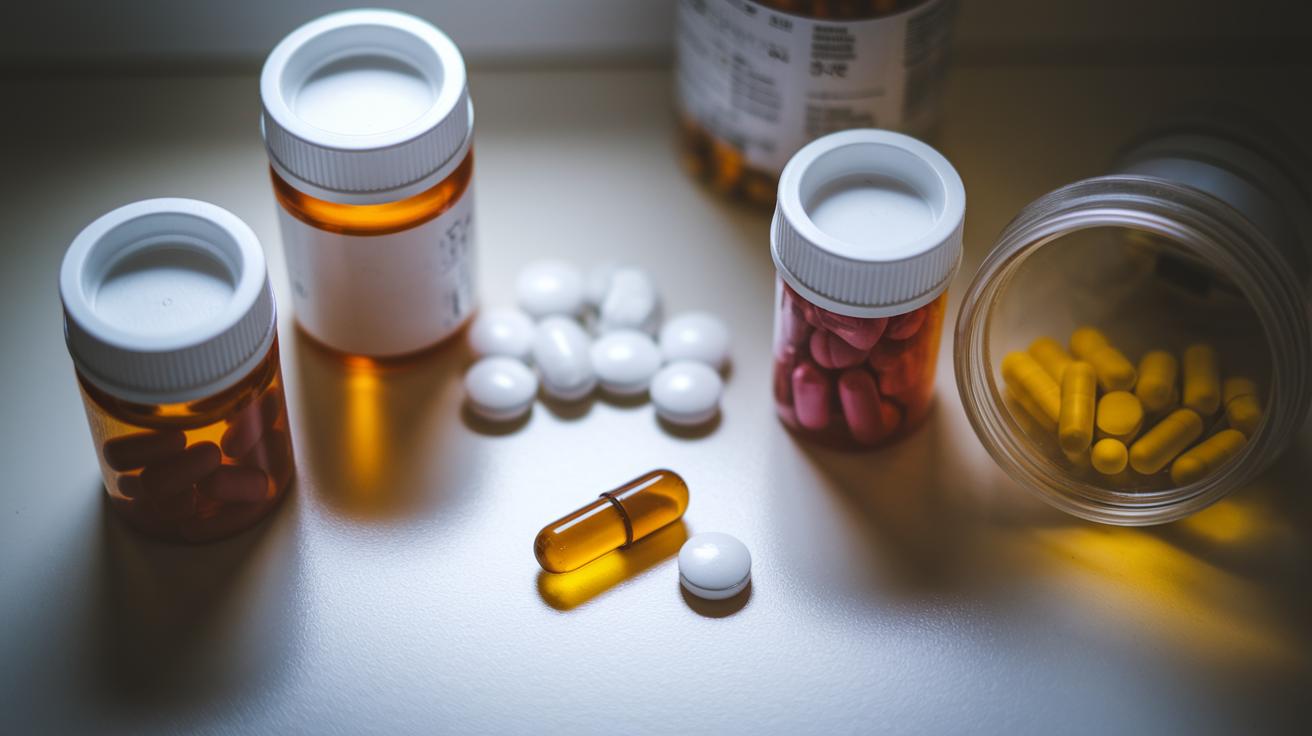
Have you ever noticed how a tiny pill can make a big difference for you and your baby? Prenatal vitamins (those taken for a healthy pregnancy) help fill the gaps in your diet with important nutrients like iron, folic acid, vitamin D, calcium, and B vitamins. Even if you start them before getting pregnant, these vitamins work step by step to support your body’s everyday needs and help form strong bones and a healthy neural tube (the early structure that builds your baby’s brain and spine). It’s amazing how a little pill can boost your health as a mom. Let’s take a closer look at how it all works.

Prenatal vitamin mechanism of action Boosts Maternal Health

Prenatal vitamins help fill the gaps in your diet during pregnancy by providing extra folic acid, iron, calcium, vitamin D, and B vitamins. These nutrients work hand-in-hand to support both you and your little one. It’s a good idea to start taking them about a month before you try to conceive, as suggested in prenatal care guidelines, so the neural tube gets all the important building blocks right when they are needed most.

Once you take your vitamin, folic acid begins to change in your gut cells. It first turns into dihydrofolate and then into tetrahydrofolate, which is key for the healthy formation of the neural tube. Iron, which is often included as ferrous sulfate, gets absorbed in the upper part of your small intestine and is stored as ferritin to help with making hemoglobin. Meanwhile, calcium and vitamin D are changed by your body, vitamin D first in the liver and then in the kidneys, to help build strong bones. The B vitamins also jump in to help turn your food into energy and support many everyday reactions during your pregnancy.

And here’s a neat fact: starting prenatal vitamins at least one month before conception can reduce the risk of neural tube defects by up to 70%! By pairing these vitamins with a balanced diet, you’re helping to prevent any gaps in essential nutrients that might lead to complications. Each nutrient follows its own natural path in your body, working together to keep both you and your baby healthy and strong.

Folate Absorption and Mechanism behind Prenatal Vitamin Efficacy

img-1.jpg

Folic acid is a real game-changer in early pregnancy. It helps the baby’s neural tube form properly by around week 4. Starting folic acid before you even try to get pregnant can cut the risk of neural tube problems by as much as 70%. It’s like setting the stage for a healthy start.

When you take your prenatal vitamin, the folic acid you swallow first turns into dihydrofolate, then into tetrahydrofolate right in your gut cells. Think of these gut cells as a busy relay team that passes the nutrient along, helping it reach where it’s needed most. This smooth conversion happens thanks to a special helper called the proton-coupled folate transporter, which works in the upper part of your small intestine.

Vitamin B12 is a close friend to folate. It helps kick the methylation cycle into gear, which in turn gets folate back into its active form. If your B12 levels are low, folate can’t do its best work, kind of like having an engine that doesn’t run right. The best absorption is in the upper small intestine, but if you take too much folic acid, it’s like trying to pour extra water into a cup that’s already full. The transporter can only do so much, so more isn’t always better.

This careful dance between folate and its helper systems is a key part of making prenatal vitamins work their magic.

Iron Assimilation in Prenatal Vitamins: Action and Absorption

Iron in prenatal vitamins is usually given as ferrous sulfate. In your body, it gets absorbed in a small area called the duodenum with the help of a helper called DMT1 (divalent metal transporter 1). Think of DMT1 as a friendly gatekeeper that lets iron enter your cells so it can be stored as ferritin. This stored iron is then used to build fetal hemoglobin and help prevent mom from getting anemia. Typically, prenatal vitamins have about 27 mg of elemental iron each day.

Vitamin C can really help your body take in more iron. So, mixing your supplement with a glass of orange juice might make a big difference, almost like giving that iron a little extra boost! On the other hand, things like calcium, caffeine, or even some antacids can block iron absorption. This means it’s a good idea to think about the timing of your meals and supplements.

Sometimes, iron in prenatal vitamins might cause side effects like a bit of nausea or constipation. If that happens, you could try adding more fiber to your meals, drinking plenty of water, or splitting your dose into smaller parts throughout the day. Little changes like these can make managing your daily routine and getting all the iron you need much easier.

Calcium and Vitamin D Metabolism in Prenatal Vitamin Regimens

img-2.jpg

When you're pregnant, your body works in amazing ways to use nutrients well. Your prenatal vitamins help your body take in more calcium to keep your bones strong and healthy.

Taking 1,000 mg of calcium with 600 IU of vitamin D each day not only supports your baby's growing bones but also helps protect your own bone strength. This easy habit also might lower the risk of preeclampsia and low calcium in newborns.

Imagine your body turning into a super-efficient calcium sponge during pregnancy, soaking up the extra calcium needed to build your baby's developing skeleton!

DHA and Omega-3 Mechanism within Prenatal Vitamin Formulas

DHA from prenatal vitamins journeys from you to your baby through special fatty acid transport proteins in the placenta. Your liver plays a big part by moving DHA into your blood, making sure your little one gets the omega-3s needed for growth.

The baby collects most of its DHA during the third trimester, which helps with both brain and eye development. Imagine your baby’s growing brain getting a steady supply of DHA, like adding a secret ingredient to a family recipe, it’s a simple boost that makes a big difference!

If your diet doesn’t include much fish or other omega-3 sources, a supplement of about 200-300 mg each day is a good idea. Also, omega-3s in triglyceride form are easier for your body to use than other types, so they work better in giving you the nutrients you need.

Carefully managing your supplement helps balance your nutrient stores and those of your baby, supporting both your health and theirs as you go through this special journey together.

Clinical Evidence and Safety Profile of Prenatal Vitamin Therapy

img-3.jpg

Research shows that taking folic acid can reduce the risk of neural tube problems by about 70%. Iron supplements, too, can cut the chance of anemia by 50–60%. It’s comforting to know that these studies back up including these vitamins as part of a balanced care plan during pregnancy.

Meta-analyses even tell us that omega-3s can give your baby a little extra brain boost. It’s like adding a bit of brain food during those important months of growth. This strong science makes it clear that the careful choice of nutrients in prenatal vitamins is well thought out.

Some moms might notice small side effects, like a bit of a stomach upset, nausea, or even a mild rash – this happens for about 20–30% of users. Simply splitting your dose or taking your vitamin with food can often help keep these little issues at bay.

Experts also suggest checking things like your blood counts and vitamin levels every now and then. These regular tests help ensure your balance stays just right, and allow your healthcare provider to make tweaks to your plan if needed.

If you ever feel a tad discomfort after taking your vitamin, try splitting the dose. A small change like that might just smooth out your day and help you stick to your nutrition plan during this special time.

Timing and Dosage Guidelines in Prenatal Vitamin Supplementation

It’s best to start taking your prenatal vitamins about one month before you plan to get pregnant and keep them up every day until around 38 to 40 weeks. This steady routine helps your body get ready and gives your little one a constant supply of important nutrients from the very start. Have you ever thought about how a small change like this can make a big difference early on?

A usual vitamin plan includes folic acid (400 to 800 mcg), iron (27 mg), calcium (1,000 mg), vitamin D (600 IU), and sometimes a B complex just as the package directions say. Some types even offer a steady-release formula that can be gentler on the tummy while still being effective. These formulas work in much the same way as the faster-release ones, but many moms find them easier to handle.

As you move through your pregnancy, your needs might change a little. Health experts often suggest adding more iron in the second and third trimesters because your body needs extra support during these busy months. Regular check-ups with your doctor help make sure your nutrient levels are just right, so both you and your baby get the care you need at every step.

Final Words

In the action, this article unpacked how prenatal vitamins work and support both mom and baby. We explored key nutrients like folic acid for neural tube closure, iron and its absorption quirks, calcium and vitamin D roles, plus DHA’s support for brain growth. The explanation of the prenatal vitamin mechanism of action not only shows how these elements work together but also builds confidence for everyday wellness. Every step in managing your nutrition is a part of a caring approach to healthy motherhood. Keep nurturing your well-being and embrace the positive changes ahead.

FAQ

Frequently Asked Questions

What are common side effects of taking prenatal vitamins?

Taking prenatal vitamins may lead to mild nausea, constipation, and stomach upset. These side effects can affect both pregnant and nonpregnant individuals, and having the supplement with food often helps ease discomfort.

What is the classification of prenatal vitamins?

Prenatal vitamins are classified as dietary supplements designed to fill nutritional gaps. They typically come as tablets or capsules that provide essential nutrients like folic acid, iron, and vitamin D.

What is the recommended dose of prenatal vitamins?

The dose of prenatal vitamins varies by brand. Generally, a daily regimen includes 400–800 mcg of folic acid, 27 mg of iron, 1,000 mg of calcium, and 600 IU of vitamin D to support maternal and fetal health.

What nursing considerations are there for prenatal vitamins?

Nursing considerations include evaluating the mother’s nutritional status, monitoring lab values, and educating on proper use. This helps ensure that prenatal vitamins effectively support both maternal health and fetal development.

What are prenatal tablets for pregnancy?

Prenatal tablets are specially formulated supplements that offer a balanced mix of vitamins and minerals. They provide critical nutrients needed during pregnancy to support both maternal well-being and the growth of the baby.

What are considered the best prenatal vitamins?

The best prenatal vitamins are those that meet your unique nutritional needs and are recommended by your healthcare provider. They usually contain key ingredients such as folic acid, iron, and vitamin D for optimal support.

How does a prenatal vitamin work?

A prenatal vitamin works by supplying essential nutrients that fill dietary gaps. It supports critical functions like neural tube formation, iron balance, and overall metabolism to aid in healthy maternal and fetal development.

What is the mechanism of action of multivitamins?

Multivitamins act by providing various vitamins and minerals needed for multiple metabolic processes. They help maintain proper energy production and support overall cellular function across the body.

What is the mechanism of action of folic acid?

Folic acid is converted into active forms that are crucial for DNA synthesis and cell division. This process is key to neural tube formation and overall maternal-fetal health during early pregnancy.

What happens to your body when you take prenatal vitamins?

When you take prenatal vitamins, they help fill nutritional gaps, support metabolism, and enhance cellular functions. This ensures that essential nutrients like folic acid and iron are available for both maternal health and fetal development.

Red Flags In Infant Milestones: Spot Vital Clues

0

Have you ever wondered if your baby is growing just right? Sometimes, little hints can tell you that a check-in might be a good idea. If your baby finds it hard to lift their head or hasn't started crawling, these signals could mean it's time to have a chat with your doctor. By noticing these early signs, you're helping make a loving and safe space for your little one.

Spotting Red Flags in Infant Milestones: Key Warning Signs

Sometimes, you might notice hints that your baby isn’t quite hitting the milestones we expect. These small cues, whether in movement, language, or social play, can be signs that a closer look by a pediatrician might be needed.

For instance, if your baby still has trouble holding their head steady past 4 months or can’t sit on their own by 9 months, take note. It might also be concerning if you see uneven movement or if they aren’t starting to crawl between 7 and 9 months. And by 12 months, if there’s no babbling or if your little one doesn’t even turn when called by name, these could be reasons to get a professional opinion. Another sign to watch for is constant toe-walking after 12 months.

When you spot one or more of these signals, it’s a good time to reach out to your pediatrician. Keeping an eye on your baby’s daily routines helps you build a clear picture of their progress. Early checks mean that if there is something to address, help can come quickly so your child gets the support they need right when they need it.

Age-Specific Red Flags in Infant Milestones

img-1.jpg

Watching your baby grow is both exciting and sometimes nerve-wracking. It helps to see if their daily activities match what we typically expect. For instance, if your little one doesn’t lift their head during tummy time or hasn’t started to crawl yet, it might be a good idea to have a quick chat with your pediatrician. Imagine a tiny explorer who is meant to be moving around but remains still – it might be a sign that they need a bit of extra support.

Age Range Expected Milestones Red Flags
0–3 months Lifts head during tummy time, pushes up on forearms Difficulty holding the head up or not lifting it at all
4–6 months Sits with support, rolls both ways, bears weight on legs Struggles to sit with help, can’t roll over, weak leg movements
7–9 months Sits independently, reaches for toys without falling, begins crawling Needs help sitting, doesn’t reach for objects, no attempts at crawling
10–12 months Pulls to stand, cruises along furniture, stands briefly, first words appear Doesn’t pull up to stand, avoids moving along furniture, no early sounds or words

Keeping an eye on these milestones gives you a clear picture of your child’s development. If you notice your baby isn’t reaching a key step, like sitting with a little help or starting to crawl, it might be a sign to watch more closely or bring it up with your doctor. Regularly checking these little markers not only reassures you when things are on track but also makes it easier to share any concerns with a healthcare professional. Even small changes can matter, so keep noting down what you see as part of your everyday observations.

Domain-Based Red Flags in Infant Milestones

Sometimes, a baby might skip crawling, and that could mean they’re missing out on naturally building strong muscles, coordination, spatial awareness, and hand-eye skills. Around 6 months, babies usually begin to babble, and by 12 months, they try simple words. So if you notice your little one not moving much or not making joyful sounds like "ma-ma," it might be a sign to check in on their motor or speech development.

If your baby isn’t showing a social smile by 6 months or isn’t responding when you call by 12 months, it could be a sign they’re having trouble connecting with others. For instance, if your child is quiet during family playtime or seems unresponsive when you call their name, it might be a cue to watch how they interact during everyday moments.

Babies use their senses to make sense of the world, reacting to what they see, hear, and feel. Even if a baby hits their motor, speech, and social milestones, overreacting or underreacting to sensory input, like not noticing a change in lighting or getting easily overwhelmed by noise, can signal a sensory integration issue. For more tips on understanding this, check out our guide on sensory development in infants (https://womensconference.org?p=11582).

When to Consult a Pediatrician About Infant Milestone Red Flags

img-2.jpg

When you take your baby for check-ups, the doctor keeps an eye on little milestones. They usually check around 12, 15, and 18 months to see how your baby is growing in moving, talking, and playing. At these visits, the doctor watches for things like late babbling, trouble moving smoothly, or not reacting when you talk to them. They use tools like a free checklist and a handy Developmental Milestone Handbook to note even small concerns early on.

Before your next visit, it can help to jot down what you see in your daily routine. Maybe your baby is trying to stand, saying their first words, or playing in a unique way. For instance, if your little one isn’t as interested in chatting during playtime, you might try fun language games from https://womensconference.org?p=11618. Sharing these simple notes with your doctor gives them a clear picture of how your baby is doing and can help decide if they need extra support.

Support Strategies to Address Infant Milestone Delays

Give tummy time a try every day. It’s a gentle way to help your baby build head and trunk control. Lay your little one on a soft blanket on the floor and stay nearby, chatting and playing. This hands-on play not only helps strengthen muscles but also sparks their natural curiosity. For instance, you might show them a bright toy placed just a bit ahead, turning tummy time into a fun little adventure.

If you want to encourage crawling, set up a small obstacle course at home. Place your baby’s favorite toy just out of reach, inviting them to move toward it. This playful setup turns their efforts into a mini treasure hunt, helping boost coordination and muscle strength as they stretch and roll toward the prize.

Another lovely idea is to nurture babbling. Make story time interactive by reading aloud and mimicking sounds with your baby. This warm, engaging activity not only delights your little one but also gently invites them to make their own sounds. Try talking in a playful tone during story time and see if your baby responds with a little coo or chirp.

Resources for Tracking Red Flags in Infant Milestones

img-3.jpg

Parents can use a free checklist together with the detailed Developmental Milestone Handbook to keep track of their baby's progress. These easy-to-use printed guides help you record important signs in areas like motor skills, speech, and social interactions. For example, writing down your daily observations can show if your little one isn’t doing things like holding up their head or babbling as expected. This simple record keeps your discussions with healthcare professionals clear and focused.

Additionally, you can get specialized handouts for fine motor, gross motor, sensory, visual, and self-regulation skills. Each handout points out clear things to watch for if your baby might be a bit behind. Using these tools helps you spot small changes in behavior and development, making it easier to catch any concerns early and get the timely help you need.

Long-Term Follow-Up for Infant Milestone Red Flags

As your little one grows and reaches around 18 months to 2 years, it’s really important to keep an eye on their development. You might start to see them trying new things like using both hands to open a container or play with toys in a different way. These little actions are like clues that show how their skills are coming along. If you ever notice that they sometimes only use one hand or seem a bit slower than other kids, it could be a hint that they might need a bit more support or guidance. Keeping a small journal of these everyday moments can help you spot any changes that add up over time.

Regular check-ups not only ease your worries when everything is on track, but they also help catch any tiny delays early. If those warning signs keep showing up, it might be time to chat with a healthcare provider about early intervention services. By staying tuned into your child’s daily progress and discussing any concerns during your visits, you’re creating a kind of safety net that helps them reach all their milestones.

Final Words

In the action of understanding infant development, we reviewed essential signs to look for during those early months. We talked about key signals, from poor head control to muted babbling, and how these clues can guide you to seek professional advice. We also mentioned useful resources like checklists that help you record these moments. Keeping track of red flags in infant milestones can build confidence and support your child’s growth. Stay observant and remember that a caring, informed approach makes all the difference.

FAQ

What are red flag signs in child development and common milestones to watch?

The red flag signs in child development include missing key skills like solid head control after 4 months, not sitting alone by 9 months, and limited babbling or social smile by 12 months. These indicators suggest a review by a pediatrician.

At what ages should I expect certain developmental milestones and look for delays?

The expected milestones vary by age. Early on, babies should lift their head and roll over, then progress to sitting, crawling, and speaking. Missing these steps at specific ages might mean extra attention is needed.

When should I worry about baby milestones and developmental problems?

Worry may arise if a baby consistently misses several key skills such as babbling, moving symmetrically, or responding socially by expected ages. These ongoing delays are signals to discuss with a pediatrician.

What are some autism red flags in an 18-month-old?

Autism red flags in an 18-month-old include limited eye contact, few or no gestures, and not responding to their name. When these behaviors occur along with delayed speech, it’s time to seek a pediatric evaluation.

How can a checklist or presentation help track developmental red flags?

A checklist or presentation offers a simple way to track milestones by outlining age-specific skills. Comparing these benchmarks with your baby’s progress makes it easier to notice delays and consider professional advice.

Managing Nausea With Maternal Nutrition Strategies: Happy

0

Ever wonder if a few tweaks in your eating habits might help ease your nausea? Managing morning sickness doesn’t have to feel like a never-ending fight.

By making simple choices about what and when you eat, you might calm that upset stomach and even lift your mood. Sometimes, just changing the timing, texture, or warmth of your meals can make a big difference.

This guide is here to share easy, down-to-earth tips that support what your body needs during pregnancy. It’s all about making those tough moments a little easier to handle.

Core Nutrition Strategies for Managing Nausea in Pregnancy

Early in pregnancy, hormonal shifts often lead to what we call morning sickness. Nausea (with some occasional vomiting) is most common between weeks 6 and 12, and many expectant parents notice these signs as their bodies adjust to rising hormone levels. A little nausea can even mean that the placenta is growing well, which can be a comforting thought. But even so, the discomfort can feel overwhelming, so it's important to use safe, proven strategies to help you feel better.

Sometimes, nausea can become more severe and turn into a condition called hyperemesis gravidarum (HG), which happens in about 0.3–3% of pregnancies. This tougher form of morning sickness might cause dehydration or noticeable weight loss. Health providers look to trusted guidelines, like those from ACOG, to decide when extra care is needed. Catching these signs early can help you know if some changes in your diet might be enough or if it's time to reach out for more medical help.

Changing your diet is a safe, non-invasive way to ease nausea. By planning balanced, light meals that are easy on the tummy, you can help reduce queasiness while staying healthy. Research shows that small changes, like adjusting the texture, temperature, and timing of meals, can make a big difference. With these practical nutrition tips, you can nurture both your body and your spirit during this delicate time.

Essential Nutrients and Anti-Nausea Food Selections

img-1.jpg

When nausea hits, some foods can really help soothe your tummy. Ginger, for example, works wonders whether you take it as a capsule, powder, or syrup (around 750 to 2,500 mg a day). It’s like a warm hug on a chilly morning, a little bit of comfort when you need it most. Vitamin B6, which you can find in chickpeas, beef, tuna, chicken, salmon, and even fortified cereals, also helps settle an upset stomach.

Adding lean proteins and whole grains can make your meals extra nourishing while keeping your digestion calm. Many moms find that eating foods rich in protein, like eggs, dairy, or simple chicken, along with plenty of water helps reduce those tough nausea moments. Pairing these with light, bland meals, such as a plain bagel or a salad with crunchy, fresh veggies, can offer a soothing balance. And don’t forget electrolyte drinks; they deliver key minerals like sodium, potassium, and calcium to help keep your body hydrated when you're not at your best.

Food/Nutrient Benefit & Source
Ginger Helps ease nausea; found in capsules, powder, or syrup
Vitamin B6 Foods Calms the stomach; available in chickpeas, beef, tuna, chicken, salmon, and fortified cereals
Protein-rich Items Supports healthy digestion and nutrition; includes eggs, dairy, and unprocessed poultry
Electrolyte Drinks Helps maintain fluid balance; provides sodium, potassium, and calcium
Bland Carbohydrates Easy on your tummy; think plain bagels or crackers
Healthy Fats Offers a gentle feeling of fullness; sourced from lean meats and omega-three foods

When planning your meals, try keeping the plate gentle by steering clear of strong flavors like spicy foods, citrus juices, milk, coffee, and tea. This simple step can help your tummy feel more at ease.

Meal Timing and Portion Techniques to Ease Queasiness

When you plan your meals, you help keep your blood sugar steady and ease that queasy feeling. Eating small, balanced meals throughout the day means you’re not overwhelming your stomach, and that helps keep things calm and comfortable. You might also try cold meals like a light sandwich, a crisp salad, or some raw veggies, since they tend to be kinder on your digestion.

• Have 5 to 6 small, balanced meals spaced out during the day
• Choose cold, mild dishes such as sandwiches, salads, or raw veggies
• Keep a lemon wedge nearby to sniff or nibble if you need a little refresh
• Have plain crackers or a bagel close at hand for a quick, simple bite
• Sip on water or an electrolyte drink between meals

Following these tips can really help make your meals easier to handle and lessen nausea. Small, frequent meals can keep your energy even and digestion smooth. When you set up little snack moments throughout your day, it creates chances to feel better and more in control. Isn’t it amazing how small changes can make such a big difference?

Supplements and Natural Remedies for Nausea Control

img-2.jpg

Coenzyme Q10

Coenzyme Q10 is like a little helper in your body. It acts as an antioxidant, which means it works quietly to help your cells produce energy and manage stress (the little bumps that can throw you off). Some early studies suggest that this nutrient might ease nausea by keeping things balanced. You can find it in meats, fish, and whole grains, and many moms choose to add a small supplement, usually around 100–200 mg daily, as part of a simple self-care routine. Think of it as a friendly boost working in the background to help keep you feeling steady.

PregEase

PregEase is a natural blend made up of vitamins, minerals, and herbal ingredients, crafted to soothe morning sickness and ease heartburn. Many moms have noticed a gentle relief when they use it consistently during the early weeks. The blend helps calm your digestion much like a familiar recipe that wraps you in care when you need it most. Of course, always follow the label instructions or check with your healthcare provider before adding something new to your routine.

Hydration Improvements and Fluid Strategies Against Queasiness

Drinking water throughout the day helps your digestion work well and can ease nausea. New studies suggest that for most people, spreading out about 8 to 10 cups of water works best. And for moms dealing with extra nausea, experts often recommend 10 to 12 cups. For example, set an alarm every 20 minutes in the morning to remind yourself to take small sips instead of large gulps.

Plain water is important, but a little extra support from an electrolyte drink can be useful too. These drinks mix in important minerals like sodium, potassium, and calcium, which might help when nausea makes eating a bit tricky. Imagine having a cool electrolyte drink between small bites to keep your body balanced without upsetting your stomach.

The key is to drink slowly all day. Sipping about 150 ml at a time helps your body absorb the liquid gently, without putting too much strain on a sensitive stomach. So when nausea hits in the late afternoon, try taking slow, calm sips while you relax, instead of trying to drink a large amount all at once.

Safe Food Practices and Meal Preparation Tips During Pregnancy

img-3.jpg

When you're pregnant, taking care in the kitchen is really important, especially if you're dealing with nausea. Try enjoying cold meals like salads or sandwiches that are prepared safely. They lower the chance of foodborne illness, helping keep both you and your baby safe. When you cook, think about using methods like steaming or poaching. These techniques reduce bacteria without using high heat and keep strong smells from overwhelming you. Foods with bold flavors, such as spicy dishes, citrus juice, coffee, or tea, might make nausea worse, so it's wise to choose gentler options.

Another helpful tip is to use cooking methods that don’t raise extra stomach acid. Steaming and poaching let you prepare food without stirring up additional acid, which can lessen reflux and keep your meals light and easy to digest. It’s a smart approach that lets you enjoy both the taste and nutritional benefits of your food.

Mindful eating can also make a big difference. Serving your meals at a cooler temperature might help because warm foods can sometimes heighten smells that trigger queasiness. Take your time when eating and focus on foods that feel kind on your tummy. This caring routine in how you prepare and enjoy your meals can really help keep nausea in check.

Final Words

In the action of embracing good food choices, we explored core prenatal adjustments like nutrient-rich foods and small meals that ease queasiness. The blog showed how selecting a gentle remedy, staying well hydrated, and practicing safe food habits can lessen discomfort. Managing nausea with maternal nutrition strategies is a caring first step to feeling better. Each tip shared is meant to help build daily routines that support both well-being and confidence in living your most nurturing life. Keep moving forward with calm and thoughtful steps.

FAQ

Q: What helps morning sickness in the first trimester?

A: Morning sickness is eased by using small, frequent meals, bland options like crackers, and natural remedies such as ginger tea that help settle the stomach.

Q: Which breakfast foods fight nausea during pregnancy?

A: Breakfast choices that fight nausea include plain bagels, whole-grain cereals, and other simple foods rich in vitamin B6 that help calm an upset stomach.

Q: What drinks help manage nausea during pregnancy?

A: Drinks that help reduce nausea include chilled electrolyte beverages, ginger tea, and fresh, nutrient-packed juices that support hydration and soothe the stomach.

Q: What is considered safe medication for vomiting in pregnancy?

A: Safe remedies for vomiting often begin with nutrition and hydration adjustments, with providers prescribing medicines only when symptoms persist after these measures.

Q: What home remedies can alleviate nausea in early pregnancy?

A: Home remedies such as ginger supplements, gently snacking on plain crackers, or nibbling on lemon wedges offer natural relief from early pregnancy nausea.

Q: How do you manage nutrition to mitigate pregnancy nausea?

A: Managing nutrition means eating balanced small meals with anti-nausea foods, staying hydrated, and avoiding triggers like strong-smelling spices or citrus juices that can worsen nausea.

Postpartum Body Image Support Sparks Self-love

0

Have you ever wondered about how your body looks after having a baby? It’s normal to feel a bit unsure when you notice changes. In these moments, a little support can help you see your body in a kinder light.

Many moms say that talking to a therapist, joining a workshop, or spending time with a close group of friends makes a big difference. They find that sharing their experiences helps them learn to appreciate each new curve and mark as a sign of strength.

In this post, we’ll share some straightforward ways to celebrate your body during this time. Every line and shape tells the story of your courage and resilience. Isn’t it amazing how a little nurturing support can open up a space for true self-love?

Top Postpartum Body Image Support Options

When you become a new mom, it's normal to have mixed feelings about the changes in your body after giving birth. Postpartum body image isn’t just about how you look, it’s about how you feel as you adjust to a new chapter in life. Remember, your value goes far beyond just shape or size. This support area is here to help you embrace your body with kindness and acceptance, even when things change.

Here are some support options you might consider:

  • Therapy sessions
  • Workshops
  • Resilience programs
  • Peer groups
  • Online forums
  • Direct-billing services

When you’re ready to choose the help that feels right for you, start by thinking about your own comfort and the kind of environment that makes you feel safe. If you’d like professional guidance to help you talk through your feelings, therapy or a program like Lexie’s Body Image Resilience Program might be a great fit. And if you enjoy sharing your experiences with others who understand, joining a peer group or online forum can offer a warm, nonjudgmental space.

Workshops are also a wonderful choice. They offer clear, step-by-step advice on self-care and let you learn in a fun, interactive setting. Plus, if you prefer not to worry about billing details, some places, like the direct-billing option by Momwell in Canada, make it easier to focus on your well-being.

Take your time to explore what works best for you. When you choose support that matches your needs, you build a caring network that nurtures self-love and helps you see your postpartum body in a gentle, uplifting way.

Recognizing Postpartum Body Image Changes: Understanding Your Body After Birth

img-1.jpg

Becoming a mom means your body goes through a gentle evolution, a journey called matrescence. Throughout this time, you might notice things like stretch marks, shifts in weight, changes in breast size, feelings of tiredness, hair shedding, and new skin textures. These are all natural parts of your new chapter as a mom, and getting to know them can help you feel more comfortable and cared for.

Change When It Usually Happens Tip for Coping
Stretch marks Shortly after birth Keep your skin moisturized and see them as marks of growth
Weight changes During the first few months Focus on small, steady steps toward health
Breast changes Right away and while breastfeeding Wear supportive, well-fitting bras
Fatigue Immediately after delivery Make rest a top priority and simplify your tasks
Hair loss A few months after birth Treat your hair gently and experiment with new styles

Remember, each change is a sign of your body’s strength. Seeing these transformations as steps in your incredible journey can help you embrace your new identity with warmth and kindness.

Building Postnatal Body Positivity Through Compassionate Practices

When you speak gently to yourself, it helps lessen those negative comparisons and unrealistic ideas about beauty. Try saying something like, "My body did something amazing." It’s a simple way to quiet that harsh inner critic and to remind you of every small miracle your body has achieved.

Also, think about taking a little break from social media. It often makes us feel rushed to recover perfectly after having a baby. By stepping back, you give yourself the space to heal slowly and truly. In truth, your worth isn’t about how you look but about the love and care you share with yourself and your baby.

Try focusing on the little things your body does every day. Every stretch, every smile, and every step you take is proof of the wonderful journey of motherhood. Celebrating these moments can fill your heart with self-love and remind you that your true strength is in nurturing life.

Integrating Gentle Exercise and Nutrition into Postpartum Body Image Support

img-2.jpg

Gentle movement can be a wonderful way to care for yourself after having a baby. Taking calm walks or doing simple pelvic floor exercises (you can find more details here: https://womensconference.org?p=11614) helps you shift your focus from the pressure of getting back to your old weight to celebrating what your body can now do. It’s a lovely reminder that your strength isn’t just about looks, it’s in every step you take with your little one or every stretch that reconnects you with your body.

Balanced nutrition also plays a big part in nurturing a positive body image. Eating the right foods has an amazing way of giving you the energy you need for self-care and breastfeeding, all while gently pushing back against quick-fix recovery ideas. A well-rounded eating plan (check out more details here: https://womensconference.org?p=11571) lets you enjoy meals that make you feel cared for. Imagine preparing a colorful, nourishing dish that not only fills you with energy but also feels like a little celebration of the nurturing care you give yourself every day.

Leveraging Professional and Community Networks for Postpartum Body Image Support

There are many ways to get support right when you need it. For instance, programs like Momwell’s offer friendly workshops, webinars, and group therapy sessions with no delays in billing. In one of their sessions, experts explain that the changes your body goes through after having a baby are completely natural.

Local meet-ups and online groups run by peers give you a real space to share your daily struggles and little wins. Imagine a late-night chat where talking about feeling overwhelmed turns into a sincere reminder that you’re not alone.

In the end, it all comes down to what feels best for you. Maybe you need professional guidance for emotional healing, or perhaps an intimate community session filled with shared moments of care is more comforting.

Sustaining Mental Health for Lasting Postpartum Body Image Support

img-3.jpg

Resilience is all about caring for yourself through all the changes. It starts when you remind yourself that your body did something amazing. Every mark and curve tells the beautiful story of becoming a mom. Have you ever felt relief by saying, "My body was strong enough for this change"?

When those tough, negative thoughts show up, take a moment to pause and breathe slowly. Remember a time when just a few deep breaths helped clear your mind during a hectic day? That simple pause can really help you feel more centered.

If those thoughts stick around and start to affect your daily life, it might really help to chat with someone who truly understands postpartum changes. A caring professional can offer practical advice and kind strategies to guide you toward feeling balanced and supported.

Inspirational Postpartum Body Image Support Stories

H3 – Lexie’s Resilience Journey

Lexie began her Body Image Resilience Program on Feb 21, 2025, after feeling weighed down by endless comparisons in the media for far too long. I remember her sharing that one hurtful comment made her doubt her worth. So, she decided to focus on all the wonderful things her body can do, bringing new life into this world is no small feat! She now sees every change as a sign of strength rather than a flaw, and one of her go-to reminders is, "My body is strong and capable." It’s a little phrase that helped her shift from chasing impossible standards to celebrating the small victories every day.

H3 – Community Member Spotlight

Another mom from the group opened up about how joining a local support group turned her outlook around. For many years, she battled with negative thoughts about her stretch marks and changing weight. Through heartfelt chats with other moms, she discovered that many of them felt the same way. In their warm and judgment-free space, sharing both struggles and wins helped her feel less alone and more understood. This close-knit group taught her that every mark and change was not a mistake but a badge of her amazing strength as a mother. It’s a gentle reminder that when moms come together, worries about body image can turn into sparks of self-love and genuine pride in all the incredible things our bodies can do.

Final Words

In the action, this article explored how you can care for your body after birth by looking at therapy, gentle exercise, balanced nutrition, and community support. We shared real stories and practical tips to help you embrace every change. The insights focused on self-compassion and practical steps that remind you that your worth is not just physical. With dedicated postpartum body image support and a caring network, every step forward builds confidence and nurtures well-being. Keep taking those small steps toward a brighter, healthier you!

FAQ

Q: What is the 5 5 5 rule for postpartum?

A: The 5 5 5 rule for postpartum means taking five minutes to breathe and center yourself, noting five positive thoughts about your body, and reaching out to five supportive connections to encourage self-care.

Q: How to deal with body image issues postpartum?

A: Dealing with postpartum body image issues involves recognizing your feelings, embracing self-compassion, and seeking support from caring professionals or community groups to help you see the beauty in your body’s changes.

Q: How to support postpartum body?

A: Supporting your postpartum body includes gentle exercise, balanced nutrition, and mindful self-care. Focusing on your body’s functionality and connecting with expert advice can help you feel stronger and more confident.

Q: What postpartum symptoms should not be ignored?

A: Postpartum symptoms that should not be ignored include persistent sadness, severe physical pain, or signs of infection. Listening to your body and consulting a healthcare professional when unusual changes occur is key to your well-being.

Is Folic Acid A Mineral Or Vitamin: Clarified

0

Ever wonder if folic acid is a vitamin or a mineral? Folic acid is the man-made form of vitamin B9 that quietly supports your body by helping build DNA and produce red blood cells.

Imagine a crisp salad bursting with natural folate compared to a bowl of cereal with added folic acid. Both add nutrients, but they come from different sources and work in their own ways.

Today, let’s explore the science behind these choices. I’ll show you why folic acid truly fits into the vitamin family. Have you ever noticed how a small detail can change everything?

Folic Acid Classification: Why It’s a Vitamin, Not a Mineral

Folic acid is the man-made version of vitamin B9 (that’s a special nutrient for making new cells) used in supplements and added to foods. Meanwhile, folate is the natural form you get from leafy greens and beans. Vitamins are organic, meaning they come from living things and help power our body’s processes, while minerals like iron or calcium are basic elements that help build and support our bodies. Think about enjoying a fresh salad full of natural folate versus a fortified cereal that gives folic acid. This little example shows that folic acid fits in the vitamin family.

At its core, folic acid works in the body by helping with important tasks like making DNA and red blood cells, imagine it as a key team player in your body’s inner work. Minerals, however, act more like simple building blocks or electricity providers (keeping your body running smoothly). This clear difference between how they work and what they’re made of is why folic acid is grouped as a vitamin, not a mineral.

Vitamins vs Minerals: Breaking Down the Differences

img-1.jpg

Vitamins are natural compounds made by living things. They work in our bodies to help enzymes, turn food into energy, and guide cell growth. Minerals, however, are elements found in nature that build strong bones, keep the right fluid balance, and support our muscles.

Vitamin molecules have special, complex shapes that let them join in many chemical reactions. For instance, vitamin B9 (folate) is important for making DNA and helping cells divide. Minerals act as charged particles that help control fluids and are parts of key enzymes, but they don’t directly turn food into energy.

Recent studies show that folate is really important when cells are growing fast. One study even found that extra folic acid can boost DNA-building in prenatal (care during pregnancy) cells. In other words, folate works like that little spark that sets off essential reactions in our cells, while minerals mainly help keep our body’s structures strong.

Folic Acid vs Folate: Understanding Forms of Vitamin B9

Folate and folic acid are two sides of the vitamin B9 coin. Folate comes naturally from foods like leafy greens, beans, and liver, and it plays a key role in building DNA and forming red blood cells. Folic acid, on the other hand, is a man-made, stable version that you’ll find in supplements and fortified foods. Both need to be converted in the body into an active form (5-methyl-THF) to do their best work. Sometimes when you take in a lot of folic acid, your body can get a bit overwhelmed, leaving some extra unmetabolized in your blood. That’s why experts often say it’s best to get your vitamin B9 from whole foods.

Natural Folate

Natural folate is a mix of all the different forms of B9 that come with helpful enzymes and co-factors. Think about a crisp salad with fresh spinach, kale, or even lentils – it not only tastes great but also gives you folate straight from nature. It’s like nature’s perfectly wrapped gift that your body can easily use.

Synthetic Folic Acid

Synthetic folic acid is the lab-made version found in fortified cereals, bread, and many supplements. Its stability makes it a favorite choice for adding to foods to fill in any nutritional gaps. But remember, even though it helps boost your vitamin B9 levels, your body still has to convert it into the active form (5-methyl-THF) before it can really help out. And if you consume too much, some of it might just sit around in your system, which is why it’s good to balance your sources.

Health Benefits of Vitamin B9 (Folic Acid) in the Body

img-2.jpg

Vitamin B9, or folic acid, is a special nutrient that helps our bodies build and repair DNA while making sure that new cells divide the right way. It’s a bit like having a behind-the-scenes editor that keeps everything in order, so our cells can work just as they should.

Doctors say that vitamin B9 is really important when it comes to making strong red blood cells. It helps stop a condition where blood cells become too big and fragile. Folic acid is especially helpful during early pregnancy because it can lower the risk of certain birth defects, kind of like double-checking your safety belt before a big climb. Plus, having enough B9 can help keep your heart in good shape, reducing the risk of stroke by keeping certain markers, like homocysteine, at healthy levels.

On top of that, vitamin B9 plays a big role in overall wellness. It supports the immune system and even lends a hand to hair, skin, and nails, keeping them healthy and strong. Without enough B9, our bodies might struggle to keep up with everyday challenges, which is why making sure we have a steady supply is so important.

Food Sources and Fortification Practices for Folic Acid

Leafy greens like spinach and kale, plus beans like lentils and chickpeas, are among the top sources of vitamin B9 in nature. Even organ meats, such as liver, pack a good dose of natural folate. When you cook these foods, try gentle methods like steaming or microwaving instead of boiling. Boiling can wash away as much as half of the folate, so imagine tossing together a fresh, lightly steamed salad to keep all those healthy nutrients intact, a tiny change that really pays off.

Many countries now add folic acid (a man-made form of vitamin B9) to everyday items like flour, bread, and breakfast cereals. This extra boost can help lower the risk of certain birth defects, especially for moms who need extra vitamins during early pregnancy. Mixing natural folate sources with fortified foods is a smart way to make sure you’re getting enough vitamin B9 while still enjoying a variety of flavors and textures.

img-3.jpg

When we talk about getting enough vitamin B9, we compare natural folate and synthetic folic acid using something called Dietary Folate Equivalents (DFE). This helps us see how our bodies use the vitamin from food compared to supplements. Also, there’s a safe limit for synthetic folic acid, which is set at 1000 mcg each day. This limit is important because it helps prevent problems, like hiding a vitamin B12 deficiency, that might mess with your body’s balance.

Life Stage RDA (mcg DFE) UL (mcg folic acid)
Adults 19+ 400 1000
Pregnant Women 600 1000
Lactating Women 500 1000

Sometimes, how well our bodies absorb folate can be affected by things like MTHFR variations or overall gut health. So, if you’re taking folic acid supplements, it might be a good idea to get your nutritional status checked by a health expert. This way, you can be sure you’re staying within safe levels and giving your body just what it needs without any extra folic acid hanging around. Remember, following expert advice helps keep you on a safe path to feeling your best.

Final Words

In the action, we broke down how folic acid, a key part of vitamin B9, works in our bodies. We explored its role in DNA building and blood health while comparing vitamins with minerals.

We also looked at ways to get enough folate from food and supplements. When you ask, "folic acid a mineral or vitamin," the answer stands clear as a vitamin. Embrace this understanding and let it guide you in taking care of yourself and your family.

FAQ

Is folic acid bad for you?

Folic acid is safe for most if taken as recommended. It supports cell growth and prevents deficiencies. Always check with your healthcare provider for advice specific to your needs.

What is folic acid?

Folic acid is the synthetic form of vitamin B9 used in supplements and fortified foods to support DNA synthesis and red blood cell development, helping maintain overall cell function.

How does folic acid benefit women?

Folic acid benefits women by reducing the risk of birth defects during pregnancy, supporting healthy cell growth, and aiding in red blood cell production for overall reproductive health.

What foods provide folic acid?

Folic acid foods include fortified cereal, bread, and pasta, while natural folate from leafy greens, beans, and liver also supports proper cell growth and overall well-being.

Why are folic acid tablets used during pregnancy?

Folic acid tablets for pregnancy offer a convenient way to supply vitamin B9, helping lower the risk of neural tube defects, aiding cell division, and promoting healthy fetal development.

Are there foods to avoid when taking folic acid?

There aren’t specific foods to avoid when taking folic acid. However, if you experience any unusual interactions, consult your provider for personalized advice.

Is folic acid man-made?

Folic acid is man-made, meaning it is a synthetic version of natural folate created for use in supplements and food fortification to help maintain vitamin B9 levels.

What folic acid foods support pregnancy?

Folic acid foods for pregnancy include both fortified products and natural folate-rich sources like leafy greens and legumes, which help support fetal development and reduce birth defect risks.

Is folic acid a mineral or a vitamin?

Folic acid is a vitamin, not a mineral. Its organic, carbon-based structure and role in coenzyme processes clearly classify it as vitamin B9.

Can folic acid tablets cause heartburn?

Folic acid tablets can cause heartburn in some cases by irritating the stomach lining. If you experience discomfort, consider discussing supplement alternatives with your provider.

Is folic acid good for toddlers?

Folic acid is beneficial for toddlers when included in a balanced diet, as it supports healthy cell growth and helps prevent deficiencies. Consult a pediatrician for proper dosing guidelines.

Is it better to take B12 or folic acid?

Taking B12 or folic acid depends on your nutritional needs. They work together to support blood cell formation and nervous system health, so professional advice is key to choosing the right supplement.