Monday, August 17, 2026
Home Blog Page 72

The Science Behind Maternal Nutrition And Fetal Programming!

0

Have you ever thought about how the foods you eat while pregnant can shape your baby's future? New research shows that simple changes in your diet and stress levels during pregnancy (the time before your baby is born) can really make a difference for your little one.

Imagine it like this: small adjustments now can lead to big, positive shifts later on. In this article, we'll chat about the science behind what you eat and how it helps your baby's growth and long-term health. Each choice you make builds a stronger, healthier start for your child.

Scientific Overview of Maternal Nutrition and Fetal Programming

img-1.jpg

Fetal programming means that what happens during key moments in pregnancy can shape a baby's health for years to come. Back in 1995 at the University of Southampton, researchers found that not getting enough nutrition during the middle to later parts of pregnancy could slow a baby's growth and lead to health issues down the road. It’s a bit like tweaking a recipe, small changes during pregnancy can really influence a child’s long-term well-being!

Scientists now understand that it’s not only about food. A mother’s stress, mental health, and even exposure to everyday toxins can shape how a baby’s brain and body develop. When stress kicks in, it can wake up the immune system and send out chemicals that may affect the growing baby. At the same time, a good diet helps form healthy organs and guides how the body uses energy, which matters for everything from heart health to everyday metabolism.

Maternal nutrition is one of the few areas moms have control over during pregnancy. Whether it’s choosing balanced meals or finding little moments to relax, every decision builds a strong start for a baby’s organ development and future health. And isn’t it interesting to think that before we had modern nutrition science, few would have imagined how deeply a mom’s diet could influence her child’s life?

Epigenetic Mechanisms Linking Maternal Diet to Fetal Programming

img-2.jpg

When a mom changes what she eats or feels more stressed, it can affect how her baby's genes work even before birth. Think of it like setting up a machine, how it runs later depends on the settings you pick now. In this case, those settings are tiny markers and switches on our DNA that help turn genes on or off.

A baby's growing system can be shaped by a few natural processes. For example, extra stress hormones from a mom, like cortisol, can cross the barrier of the placenta and change how genes work. Likewise, messages from the immune system, such as IL-6, can adjust these genetic instructions. Even nutrients from the foods a mom chooses affect little molecules called miRNAs. These molecules help fine-tune the body’s metabolism without changing the DNA itself.

Here are five main epigenetic processes that maternal factors can influence:

Process
DNA methylation alterations
Histone acetylation/deacetylation shifts
miRNA expression changes
Long non-coding RNA regulation
Chromatin remodeling events

These processes don’t change the actual genetic code, instead, they change how the code is read. When these adjustments happen, they give the developing baby a special blueprint that can affect health well into later life. It’s a gentle reminder of how a mom’s everyday choices can be deeply connected to her baby's future well-being.

Role of Placental Nutrient Transfer in Fetal Programming

img-3.jpg

The placenta acts like a life-support system for your baby. It doesn’t just bring oxygen, it also supplies key nutrients such as glucose, amino acids, and fatty acids, which help build tissues and support growth. Think of placental transporters as the gentle couriers that set up your baby’s nutrient system.

At the same time, the placenta works as a protective barrier. It uses an enzyme called 11βHSD2 (which helps lower stress hormones) to calm down any extra cortisol from the mother. This way, your baby develops in a stable, nurturing environment, free from too much stress.

When you feel stressed, your body releases hormones like noradrenaline and adrenaline that can slow down blood flow to the placenta. This reduced flow means fewer nutrients reach your baby, which might interrupt the careful balance needed for proper growth.

The placenta also adapts to changing conditions inside the womb. It sets up a kind of long-term plan that not only supports your baby’s immediate health but also influences important body systems for life. In this gentle but powerful way, the placenta helps shape how your child’s body will work long after birth.

Impact of Maternal Micronutrient Intake on Fetal Organ Development

img-4.jpg

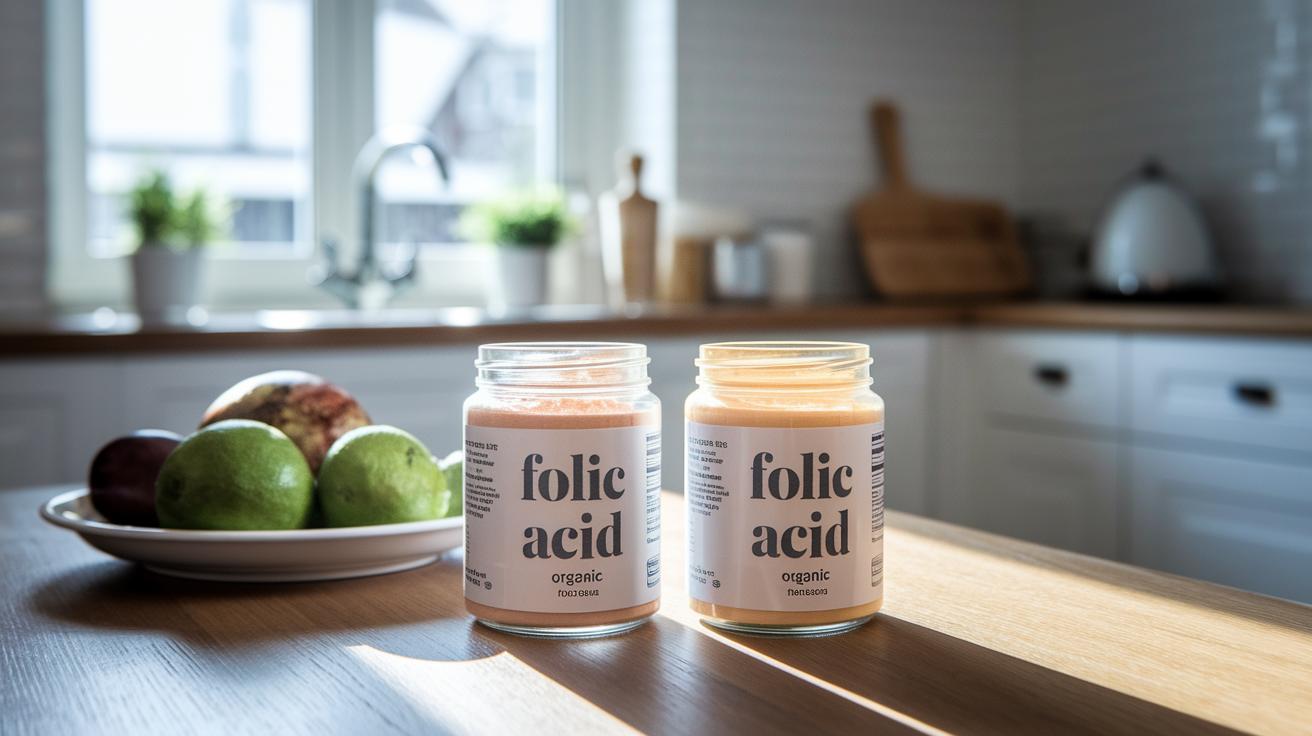
Moms, what you eat during pregnancy really shapes your baby's developing organs. Take folate, for example, adding just 400 µg every day can lower the chance of neural tube defects by about 70%. It’s like a tiny act of care that brings a big reward.

Iron is another must-have nutrient. When a mom doesn’t have enough iron, she might develop anemia, which means the baby’s brain might not get all the oxygen it needs, and even birth weight can be affected. And then there's vitamin D. A daily dose of about 600 IU helps build strong bones and supports the immune system.

When you mix in balanced protein (around 1.1 g/kg/day) and healthy fats like DHA and EPA from omega-3s, it’s like giving your baby a solid foundation for strong muscles, organs, and a bright brain. Taking a good prenatal vitamin that covers folate, iron, and vitamin D means you’re setting the stage for your baby’s healthy start. Even tiny gaps in these nutrients can change how well their organs and brain grow over time.

Maternal Dietary Patterns and Neonatal Outcomes in Fetal Programming

img-5.jpg

When you go about your day, every bite you take can help shape your baby’s early health. The foods you choose support your little one’s growth and development. Studies have found that meals high in fat and sugar during pregnancy might change how your baby’s liver works and how their body handles fats. For example, a study from October 18, 2021, discovered that these eating habits could alter fat metabolism, so your baby’s body might deal with fats differently later on.

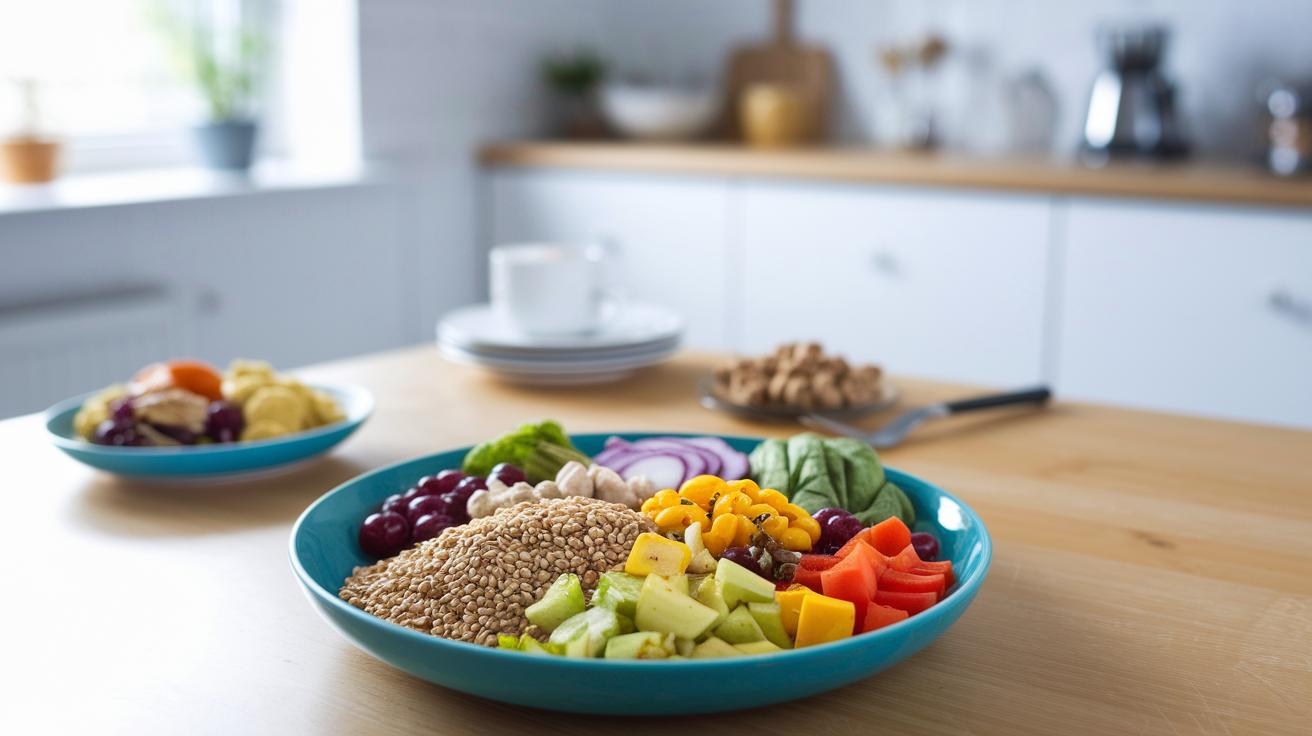
If your diet doesn’t give you enough energy or nutrients, your baby may be born smaller. Babies born with low weight sometimes face a higher risk of issues like blood sugar or blood pressure problems as they grow up. On the flip side, enjoying a Mediterranean-style diet, with plenty of fresh fruits, vegetables, whole grains, and healthy fats, can support a healthy birth weight and boost their future metabolic health.

Taking the time to plan your meals creates a warm, nurturing environment for your baby’s early growth. Focusing on good food during pregnancy helps the baby’s body make the most of the nutrients, setting the stage for a healthier life right from the start.

Long-Term Health Implications of Gestational Nutritional Programming

img-6.jpg

Barker’s idea tells us that if a baby doesn’t get enough good food while in the womb, it can affect them well into adulthood. A low supply of nutrients during these important times can set up challenges with the heart, like a higher chance of getting heart disease or type 2 diabetes later. Think of it as laying out a blueprint that might lead to health hurdles down the road.

When a mom has extra weight, things can get even trickier. Extra weight can change the way nutrients balance in her body, and that shift might influence the little one in unexpected ways. Research shows that kids born to moms with extra weight may be more likely to face issues like metabolic syndrome, insulin resistance, and high blood pressure. These problems aren’t just separate things; they often hint at a broader change in how the body handles energy.

Even more, when nutrition isn’t quite on track during pregnancy, it can reach all the way down to a baby’s genes. The signals from a diet that isn’t balanced might cause small but important changes in gene expression, what experts often call epigenetic modifications. These tiny adjustments can slowly add up, leading to long-term health challenges. It’s a bit like making a small change in the plans of a home that later leads to big differences in how everything works.

Evidence-Based Prenatal Nutrition Guidelines and Interventions

img-7.jpg

When you're expecting, everyday nutrition really matters. Experts suggest aiming for about 2,200 to 2,900 calories a day. That means enjoying a balanced mix of carbs, proteins, and fats that shifts a bit as your pregnancy goes on. It’s like fueling your body, and your baby's, with the right kind of energy for each part of your journey.

During pregnancy, a few key supplements can make a big difference. For example, taking 400 micrograms of folic acid daily helps guard against neural tube defects. Adding about 27 milligrams of iron supports the oxygen flow to your growing baby. Around 600 IU of vitamin D keeps bones and immunity in good shape, while 250 mg of DHA supports brain and eye growth. Think of these as quality ingredients in your favorite recipe, they help build a strong foundation for a healthy future.

Studies show that having regular chats about nutrition during pregnancy can actually reduce risks like gestational diabetes and low birth weight. These counseling sessions are like personalized meal planning with a friend who understands your needs. You'll talk about choosing the best nutrient-rich foods and even tackle any unique dietary challenges you might face.

For more in-depth advice, you can explore maternal diet and wellness guidelines. By following these simple tips and getting the right nutritional help, you're creating a nurturing environment that supports both your baby’s development and a future full of health and happiness.

Final Words

In the action, we explored how maternal nutrition influences fetal health through detailed insights on epigenetic changes, placental nutrient transfer, and micronutrient impacts on organ development. We also reviewed how different dietary patterns can shape neonatal outcomes and long-term health. This article offered a clear look at evidence-based prenatal nutrition guidelines for a balanced diet during pregnancy. The science behind maternal nutrition and fetal programming shows that thoughtful care today builds a healthier tomorrow. Keep embracing small changes that brighten each day.

FAQ

How does maternal nutrition affect fetal development?

Maternal nutrition affects fetal development by shaping organ growth, metabolism, and gene regulation. A balanced diet supports proper nutrient supply, ensuring healthy placental function and long-term wellness for the baby.

What is fetal programming in animals and cattle?

Fetal programming in animals and cattle refers to how early nutritional and environmental exposures during pregnancy set critical health pathways that influence lifelong development and disease risk.

What factors affect maternal nutrition during pregnancy?

Maternal nutrition is influenced by diet quality, stress, overall health, and proper supplementation. These factors help provide the nutrients needed for optimal growth and development of the fetus.

Can you give examples of fetal programming effects?

Examples of fetal programming effects include altered metabolism, variations in organ development, and shifts in gene expression. These outcomes can impact the risk of developing chronic conditions later in life.

What is the fetal programming hypothesis?

The fetal programming hypothesis suggests that nutritional and environmental conditions during critical pregnancy periods shape fetal development, setting the stage for health outcomes and potential adult disease risk.

Why is maternal health crucial to fetal development?

Maternal health is crucial because it directly affects nutrient delivery, placental function, and fetal gene regulation. Good maternal health supports a nurturing environment necessary for healthy fetal growth.

How do fetuses receive nutrition from their mother?

Fetuses receive nutrition through the placenta, which transfers essential nutrients such as glucose, amino acids, and fatty acids while also moderating hormonal exposures to support development.

What are the primary epigenetic processes influenced by maternal factors?

Maternal factors impact key epigenetic processes including DNA methylation alterations, histone acetylation/deacetylation shifts, miRNA expression changes, long non-coding RNA regulation, and chromatin remodeling events.

Where can I find information on nutrition during pregnancy in PDF format?

Information on nutrition during pregnancy, including guidelines on folic acid, iron, and vitamin D, can be found in reputable maternal nutrition PDFs provided by trusted health organizations.

Tips For Overcoming Postpartum Anxiety: Embrace Calm

0

Have you ever felt like worries just overwhelm you after having your baby? You’re not alone. Many moms experience racing thoughts that make everyday life feel extra tough. In this chat, I’d like to share some real tips to help ease that anxiety and bring a sense of calm back to your day.

We’re talking about simple changes, like creating a small routine or carving out just a few mindful moments for yourself. It might seem like a little thing, but these gentle shifts can help you feel more in control. Let’s explore these ideas together, just like chatting with a close friend.

Tips for Overcoming Postpartum Anxiety: Embrace Calm

img-1.jpg

Postpartum anxiety can feel like a heavy wave of worry and racing thoughts that makes even simple tasks seem overwhelming. Unlike the baby blues that usually fade in a couple of weeks, this anxiety might stick around for months. One cozy trick is to set up a daily routine. For instance, start your day by getting dressed, even if you're staying home, to gently remind your mind that it's time to get going.

Taking care of yourself every day is a wonderful way to ease this anxiety. Try fitting in a short nap when you’re feeling tired, enjoy meals that have proteins, whole grains, and healthy fats, and remember to drink plenty of water. Sometimes even a quick five-minute break with a little snack or a glass of water can help you feel a bit better.

It also helps to add some gentle movement to your routine. A short walk, a little yoga, or even some light stretching can do wonders. Stepping outside for a moment and soaking up some natural light might lift your mood and help your sleep cycle settle. Imagine taking seven minutes for a brisk walk, feeling the cool breeze and the warm sunlight on your skin, a simple act that can brighten your day.

And don’t forget about a few minutes of mindfulness. Whether it is deep breathing, a bit of meditation, or jotting down your thoughts, these moments can make a real difference when intrusive worries creep in. If things ever feel too much to handle, talking to a healthcare professional can be a really helpful next step to bring back your calm.

Recognizing Postpartum Anxiety Symptoms and Triggers

img-2.jpg

Postpartum anxiety can creep in, affecting both your feelings and your body. Many new moms share that they feel a constant, uneasy worry about their baby's safety, almost like a cloud of fear that never lifts. You may catch yourself fretting over little details, even while the baby sleeps peacefully. Imagine your heart racing every time your baby stirs, like a car engine unexpectedly revving up.

Sometimes, you might notice physical signs like shortness of breath or muscles that feel tight and tense all day long. Unlike the baby blues that usually dissolve after a couple of weeks, postpartum anxiety can hang around for months, or even into your toddler years. It's important to see if worry is taking over, rather than just feeling sad. Deep sadness and feelings of worthlessness are more reflective of postpartum depression.

Triggers can be simple yet very overwhelming. For example, sleep deprivation, challenges with feeding, and the ups and downs of hormonal changes often light the fuse. Noticing these signs is the first step toward feeling better. If you recognize them, consider reaching out for support. It might mean the start of finding practical ways to bring comfort to both you and your baby.

Self-Care Techniques for Postpartum Anxiety Relief

img-3.jpg

  • Try setting up a room that feels calm and cool, with dim lights and quiet sounds. A quick 20-minute nap can be like hitting a mini reset button on a busy day!

  • Fuel your body with balanced meals that include protein, whole grains, and healthy fats. Don’t forget to drink plenty of water. A light, nourishing snack might be just what you need to keep your energy steady and boost your mood.

  • Enjoy skin-to-skin moments or gentle cuddle sessions with your baby. These warm embraces release a natural feel-good hormone that calms your nerves and brings you closer together.

  • Give your eyes a break from screens. Taking a brief moment to close your eyes and focus on your breath can feel like a tiny mental vacation amid your busy day.

  • Make sure to carve out some time for activities you love, whether it’s reading, listening to calming music, or indulging in a favorite hobby. Even a minute with your favorite book can offer a peaceful escape.

For more helpful self-care tips, check out Maternal Self Care Routines for Busy Moms (https://womensconference.org?p=10988).

Mindfulness and Relaxation Exercises for Postpartum Anxiety

img-4.jpg

Deep Breathing Exercises

Try the 4-7-8 breathing method to soothe a racing heart and clear your mind. Breathe in deeply through your nose for four seconds, hold it for seven seconds, and then exhale slowly through your mouth for eight seconds. It feels a bit like pressing a reset button when intrusive thoughts bother you. This simple method can help slow everything down.

Progressive Muscle Relaxation

Start by gently tensing a group of muscles for about five seconds, then let them go for ten seconds. Begin with your hands, move on to your shoulders, and finish with your legs. This little exercise eases tight muscles and brings a sense of calm to your body and mind. It’s like finally letting go after a long day of worries.

Guided Visualization

Close your eyes and picture a quiet, soothing place like a peaceful beach or a gentle garden. Imagine the sound of soft waves or feel a cool breeze rustling through trees. Let your mind wander here; it’s your own special place to retreat whenever you feel overwhelmed. This mental escape can be just the comfort you need.

Gentle Postpartum Yoga

Try some simple yoga poses that combine slow, careful movements with deep breathing. These poses help ease body tension and lift your mood, much like a gentle stretch that reminds you to feel grounded. It’s a way to connect with your body and find a bit of calm in your day.

Daily Routine Habits to Support Postpartum Anxiety Management

img-5.jpg

A regular routine can really help ease your postpartum anxiety. When your day has a steady flow, you don’t have to make tough decisions all the time, this simplicity gives you comfort, especially when balancing your own care and caring for your newborn. Experts agree that sticking to a routine can calm those anxious feelings and boost your overall sense of well-being.

Imagine your day filled with small, comforting moments: a light morning walk, a quiet nap, and shared family meals that bring everyone together. Here’s one way to set up your day:

Time of Day Activity
Morning Enjoy a 30-minute walk plus a healthy breakfast
Afternoon Take a nap and attend to baby care in a calm, structured way
Evening Sit down for a family dinner and a soothing wind-down routine

This kind of schedule works like little anchors during your day, each one helping to lift your mood and bring clarity when things feel hectic. It’s a simple way to build stability and manage anxiety, giving you the room to feel both supported and at ease.

Professional Support and Treatment Options for Postpartum Anxiety

img-6.jpg

Many new moms find that Cognitive Behavioral Therapy (CBT) is a great way to manage postpartum anxiety. It helps you notice anxious thoughts as they come and gently shift your focus. This approach is often the first choice because it offers simple, practical tools to ease anxiety day by day.

Sometimes, if things feel really overwhelming, medications might be needed too. For example, SSRIs can help slow down racing thoughts and lift your mood. And on rare occasions, doctors might use benzodiazepines for a short time to calm sudden, intense anxiety while waiting for SSRIs to work. If you're breastfeeding, your doctor will carefully decide what’s best for both you and your baby.

There are also many options that don’t involve medication. Many moms share that online support groups or chatting with a peer mentor can ease feelings of isolation. Plus, postpartum classes, offered in both English and Spanish, can be a welcoming place to learn, ask questions, and share your experiences in a caring environment.

If ever your thoughts feel too heavy, please reach out for help right away. In an emergency, call local services or the National Emergency Hotline. And remember, professional counseling services like Waypoint Counseling & Maternal Wellness PLLC really understand what you're going through and can offer expert, compassionate support tailored just for postpartum anxiety.

Maintaining Postpartum Mental Wellness for Long-Term Anxiety Prevention

img-7.jpg

Keep track of your mood each day by noting how you feel and any changes in your sleep or exercise. For example, you might jot down: "After a short walk today, I felt a bit lighter." It’s a simple step that can help you notice little shifts over time.

Take a little time each week to look over your notes or mood tracker. This helps you see patterns and know when you might need a little extra care. One mom even used a checklist to record her mood, activities, and what helped her feel calm.

Every month, try comparing your recent weeks. Some moms find it helpful to use a table like the one below to see how they are doing. You may start to notice small improvements that keep you motivated.

Date Mood Rating Note
April 1 7/10 Good sleep and enjoyed a nature walk
April 8 5/10 Felt tired; skipped morning exercise

Using these records for a monthly check-in makes it easier to set clear mental health goals and see how you're progressing. One mom shared, "After reviewing my notes each month, I noticed better sleep and improved mood scores once I started adding a little meditation to my routine."

Final Words

In the action, we covered practical methods to ease postpartum anxiety. We talked about recognizing symptoms, embracing self-care, and tapping into mindfulness techniques. We even looked at how establishing a steady routine can help manage stress. Each section provided clear, evidence-based strategies, including tips for overcoming postpartum anxiety, to guide you through moments of worry. It’s all about creating a supportive daily rhythm that nurtures both you and your baby. Keep moving forward with small, positive steps.

FAQ

How do you treat postpartum anxiety?

Treating postpartum anxiety involves a mix of self-care routines, mindful breathing, gentle exercise, and sometimes professional therapy. These strategies work together to quiet intrusive thoughts and help you feel more at peace.

How long does postpartum anxiety last?

Postpartum anxiety may last for several months, which is much longer than baby blues that generally fade within two weeks. Each experience is unique, so reaching out for help can make a big difference.

What is the 3-3-3 rule for anxiety?

The 3-3-3 rule guides you to name three things you see, three sounds you hear, and three objects you can touch. This simple exercise shifts your focus and helps break the cycle of anxious thoughts.

Prenatal Vitamins Zinc: Safe & Effective During Pregnancy

0

Ever wondered if a tiny mineral could really help you and your baby? Zinc in prenatal (care during pregnancy) vitamins is a little helper that supports your immune system, keeps your skin clear, and builds strong tissues. Many moms-to-be trust zinc along with other vitamins to create a safe and caring environment for both themselves and their little ones. In this post, we'll chat about how zinc helps your cells grow and supports your overall well-being during pregnancy. It's a simple, effective way to meet your extra nutritional needs.

How Prenatal Vitamins Zinc Support Maternal and Fetal Health

img-1.jpg

If you’re expecting, zinc is a real lifesaver. It helps both you and your baby’s cells grow quickly and healthily. Many prenatal vitamins include zinc to boost your immune system and support your body during this special time. Research shows many adults in the U.S. take supplements, so adding zinc can be a simple way to care for yourself and your little one. Zinc isn’t just about everyday functions, it teams up with other key nutrients to help build strong tissues and organs.

  • Supports a healthy immune system
  • Helps enzymes work properly
  • Promotes clear skin
  • Encourages healthy hair growth
  • Aids cell division
  • Provides antioxidant protection

Plus, zinc works beautifully with folate and vitamin C. When zinc partners with folate, it helps your baby’s brain and tissues develop well. Vitamin C, meanwhile, boosts zinc absorption and gives your immune system an extra lift. This nutrient pair creates a nurturing environment for both mom and baby. Taking a prenatal vitamin that includes zinc is an easy, effective way to meet your higher nutritional needs and support a smooth, healthy journey.

Prenatal Vitamins Zinc Dosage Guidelines for Expectant Mothers

img-2.jpg

Hey there, moms and moms-to-be! Getting the right amount of zinc is really important when you're expecting. Experts say that while most adults need about 8 mg of zinc a day, you should aim for about 10–11 mg during pregnancy. In the United States, they usually recommend around 11 mg a day for expecting moms. Remember, your zinc comes not only from your food, think meats, fish, and dairy, but also from any prenatal vitamins you take.

Too much zinc isn’t good for you either. The safe upper limit is 40 mg each day to keep things from getting out of hand. Going over this amount might cause nausea, a sore tummy, or other unwelcome side effects. So it’s really important to stay within the recommended range to enjoy all the good benefits zinc offers.

Here’s a simple four-step guide to check your zinc intake:

  1. Look at what you eat each day and note the amount of zinc from your meals.
  2. Check your prenatal vitamin label to see how much zinc it has.
  3. Add these two numbers together, that’s your total zinc intake.
  4. Make sure this total stays below 40 mg each day.

Prenatal Vitamins Zinc Safety and Potential Side Effects

img-3.jpg

Staying under the 40 mg daily limit is really important. Zinc is good for both you and your baby, but taking too much can throw your body off balance. You might notice a metallic taste or a few tummy troubles if you have a bit too much. Keeping an eye on zinc from your food and any supplements can help you avoid these unwanted side effects.

  • Feeling nauseous or uncomfortable in your stomach
  • Belly cramps and diarrhea
  • Occasional headaches or light-headed feelings
  • A strange, metallic taste in your mouth
  • Lower copper absorption, which can affect other nutrients

If you start to notice any of these signs or if you’re worried about how much zinc you’re getting, it’s a good idea to chat with your healthcare provider. They might suggest small changes in your diet or supplement routine to help keep everything balanced during pregnancy.

Prenatal Vitamins Zinc: Food-Based Sources vs Supplement Forms

img-4.jpg

Zinc is a vital mineral that you get from everyday foods and supplements. Foods such as meat, fish, chicken, cereals, and dairy naturally provide zinc. When you eat these foods, your body soaks up the zinc, about 20 to 40% from animal products and around 10 to 20% from plant sources.

Prenatal vitamins often include zinc supplements to fill in any gaps in your diet. This means that on busy days, even if your meals aren’t perfectly balanced, you still get the zinc you need to support both your health and your baby’s development.

  1. Try to pair zinc-rich foods with fruits high in vitamin C to help your body use the zinc better.
  2. Choose less processed grains and cereals to lower your intake of phytates.
  3. Keep a gap of 2 to 3 hours between meals high in iron and taking zinc supplements so they don’t compete during absorption.

It’s important to balance iron and zinc because they can interfere with each other when absorbed. By planning your meals carefully and keeping iron and zinc separate, you help your body absorb more of both. For more friendly tips on creating a balanced diet during pregnancy, check out the maternal diet and wellness guidelines.

Selecting Prenatal Vitamins Zinc: Comparing Supplement Forms

img-5.jpg

When you're choosing a prenatal vitamin with zinc, think about a few simple things. Check how much zinc you get in each serving and see if there are extra nutrients like DHA (a type of healthy fat) or other minerals. Sometimes one form offers more zinc, while another might taste better or let you adjust the dose easily. Your everyday routine matters too, maybe a tablet with a long shelf life fits best, or you might prefer fun gummies or a liquid you can tweak to your needs.

Form Zinc per Serving (mg) Pros Cons
Tablet 8–15 Extra zinc, long lasting Needs swallowing
Gummy 5–8 Tasty, fun to take Less zinc, includes sugars
Liquid Variable You set the dose, fast absorption Shorter shelf life, may taste odd

The best choice is the one that fits right into your life. Think about your eating habits and daily schedule. If you enjoy a fun, chewable vitamin, gummies could be perfect. If you need that extra precision with dosing, a liquid might be the way to go. And if you're comfortable swallowing pills and want a steady high zinc dose, then tablets work well. By considering what extra nutrients might benefit you and how the form fits your daily routine, you can fine-tune your prenatal care to keep you balanced and thriving during pregnancy.

Final Words

In the action, this article shows how prenatal vitamins zinc support both maternal and fetal health. It explains zinc’s role in immune support, enzyme function, skin, hair, cell creation, and antioxidant protection. We explored dosage guidelines, safety measures, and suggested food-based sources compared to supplements. It also highlights how to choose the right form of zinc to suit your needs. Using prenatal vitamins zinc provides a clear path to balanced nutrition and lasting well-being. Embrace these insights with confidence and care, it’s all about making motherhood a bit smoother.

FAQ

What are the best prenatal vitamins?

The best prenatal vitamins provide essential nutrients for both mother and baby, including zinc, folate, and DHA. Leading brands like Nature Made and Ritual have strong reviews, but your doctor can help decide what suits you best.

What types of Nature Made Prenatal products are available?

Nature Made offers prenatal options such as multi + DHA and folic acid + DHA formulas. These products aim to support maternal nutrition and fetal development with balanced, quality ingredients.

How do Ritual prenatal vitamins compare?

Ritual prenatal vitamins are known for clear labeling and quality ingredients. Many users appreciate the modern formulation, which focuses on supporting both the mother’s health and the baby’s development.

What are the Nature Made prenatal side effects?

Reports indicate that Nature Made prenatal vitamins may cause mild digestive discomfort or allergies in rare cases. Most people tolerate them well, but a chat with your healthcare provider is best if you have concerns.

What can you share about One A Day Prenatal vitamins?

One A Day Prenatal vitamins offer a convenient option with essential nutrients for expectant mothers. They are designed to support overall pregnancy health, though choices should be tailored to your individual nutrition requirements.

Do prenatal vitamins have zinc?

Prenatal vitamins often include zinc, which supports cell growth and immune function for both the mother and baby. This nutrient is a key ingredient in many quality prenatal formulas.

Should you take zinc during pregnancy?

Taking zinc during pregnancy can help support fetal development and boost immune function. It is an important part of prenatal nutrition and should be taken as part of a balanced supplement plan discussed with your provider.

Can I take folic acid and zinc together?

Yes, folic acid and zinc work together to promote healthy neural development and tissue formation in the fetus. Combining them in a prenatal vitamin can be an effective way to support both maternal and fetal health.

What is the #1 prenatal vitamin?

The #1 prenatal vitamin depends on individual needs. Many experts favor formulas that combine vital nutrients such as zinc, folate, and DHA to support both maternal health and fetal growth.

Critical Infant Milestones: Spark Healthy Growth

0

Have you ever noticed how quickly your baby grows? Every little milestone feels like a new chapter in a heartwarming story. From those first smiles to soft coos and tiny rolls, every moment fills your day with joy. Today, we’re talking about how these early steps brighten your world and lay a strong foundation for the future. Let’s dive in and celebrate each precious moment together!

Consolidated Timeline of Critical Infant Milestones

img-1.jpg

The first year of your baby's life is full of exciting changes. In those early months, around 1 to 3 months, your little one goes through some small, reflexive movements. Their arms and legs might move in jerky motions, and you might notice their fists clench and relax. And even with these early reflexes, many babies start sharing a sweet social smile by 2 months. You might even see them turned toward soft, sweet smells as early as 1 month.

By the time your baby reaches 4 to 6 months, their movements become more intentional. They learn to lift their head and chest when lying on their tummy and start to roll. For example, many infants roll from front to back by 4 months and then back to front by 5 or 6 months. Their vision gets better too, so you’ll see more hand-to-mouth play, along with early babbling and even bursts of that first joyful laughter.

Then, between 7 and 9 months, many babies start sitting up on their own and may begin crawling or moving around while holding on to furniture. Their eyes now see colors clearly, and sometimes you might notice a bit of stranger anxiety. These are also the months when your baby starts imitating simple actions they see in people around them.

By 10 to 12 months, your little explorer might begin pulling up to stand and even take a few independent steps. It’s also common for them to say their first words and point at things they recognize, showing a wonderful mix of curiosity and confidence as they explore the world around them.

Age Range Motor Sensory Social/Communication Cognitive
1–3 months Jerky movements, fists, little neck control Eyes crossing, love for sweet smells Delightful social smiles Simple responses to what they feel
4–6 months Heads and chests lifting, rolling over Better vision, hand-to-mouth exploring Babbling and early laughter Starting to explore their world
7–9 months Sitting on their own, crawling, cruising along furniture Seeing full color Shows stranger anxiety, simple imitation Early problem solving, like figuring out how to grab a toy
10–12 months Pulls up to stand and might even walk alone Smooth, focused visual tracking Says first words and points to things Confidently exploring their surroundings

Motor Milestones and Coordination Expansion in Early Infancy

img-2.jpg

Babies learn so much more than just basic movements. Their tiny muscles work together with their senses to help them explore the world around them. When your baby reaches for a toy, for instance, they mix what they see with how they move their hands. This simple act is the first step toward learning how to feed themselves and enjoy playful moments.

This growing coordination plays a big role in all parts of development. It even helps with thinking and interacting with others. Have you ever noticed how a little boost in balance can encourage safe exploration? That sense of control now hints at brighter skills in solving problems and connecting with others later on.

Motor Coordination Aspect Developmental Impact
Sensory Integration Boosts reaction and focus
Muscle Control Helps with self-feeding and play
Balance and Stability Encourages safe exploration

Sensory Perception Milestones and Early Speech Emergence

img-3.jpg

At around two months, your little one starts focusing on objects that are about 8 to 12 inches away. It’s like watching the soft light of morning gently fill the room. By 3 to 4 months, any little squinting eases off as their vision sharpens, almost like a subtle, natural adjustment.

Between 4 and 6 months, babies begin to recognize their name and the voices they know. Imagine those early coos as a quiet promise that they’re just starting to speak in their own way. Before you know it, by 10 to 12 months, those tender babbles grow into early words.

If you’d like more details on language milestones, please check out our language development milestones chart here (https://womensconference.org?p=10998).

Social and Emotional Milestones: Bonding Signals in Infancy

img-4.jpg

At about 2 months old, you might notice your baby giving you a warm, familiar smile when you talk to them. Imagine that tiny face lighting up, it's a sweet sign that they’re starting to feel safe and connected with you. It’s as if they’re saying, “I recognize you, and I feel happy!”

By 4 months, playtime becomes even more fun. When you engage in a little game or offer a gentle tickle, you might hear a burst of giggles. Those tender laughs remind you that bonding can brighten even the simplest moments of your day.

Between 6 and 9 months, your baby begins to really notice familiar faces, and you might see hints of stranger anxiety. They often copy a smile or a curious look, mirroring your expressions. It’s a charming way to see their growing awareness and social connection, like they're learning the art of conversation.

From 10 to 12 months, your little one starts to seek comfort on their own. They make eye contact, reach out for you, and use soft sounds to express affection. Each of these moments gives you a heartwarming peek into their growing emotional world, as they learn how to trust and connect with you.

Cognitive Milestones and Early Learning in the First Year

img-5.jpg

When your baby is between 4 and 6 months old, she starts to explore by shaking, banging, and even dropping her toys. These playful activities help her build key sensorimotor skills and learn about cause and effect. Imagine her little hands grabbing a toy and giving it a gentle shake to see what sound it makes, it's like her very own mini experiment.

Between 6 and 8 months, you might notice your baby beginning to understand that things still exist even when she can’t see them. Maybe she'll look for a toy that you’ve partially hidden under a blanket. That moment of discovery is really special and can spark even more curiosity about her world.

From 9 to 12 months, her thinking skills really start to blossom. She begins copying simple actions, like clapping after you do or using her toys to explore how things work. It’s fun to watch her mimic household routines and little gestures, it feels like a sweet, playful reenactment of your everyday moments.

Red Flags in Infant Milestones and Professional Consultation

img-6.jpg

Sometimes small details can gently show that your baby might need a little extra care. For example, if your baby hasn’t started lifting their head by around 4 months, or if they haven’t begun to roll over by 6 months, it might be a good idea to check in with your pediatrician.

Here are some common signs to keep in mind:

  • No head lift by 4 months
  • No rolling over by 6 months
  • Inability to sit unsupported by 9 months
  • Not babbling around 9 months
  • No first word or pointing by 12 months

These little signals can be like noticing that your favorite plant isn’t sprouting as expected, despite your loving care. It helps you know when to look a bit closer, ensuring that your baby gets all the support they need.

Regular check-ups can really ease your mind. Scheduling visits with your pediatrician, maybe around 2–4 weeks after birth, and again at 8–12 months, is a great way to keep track of your baby’s growth. Using tools like milestone checklists, such as the Ages & Stages Questionnaires, can provide extra guidance and reassurance on their journey.

Final Words

In the action of understanding infant growth, this post offered a clear look at how little ones develop through motor, sensory, social, and cognitive stages. We explored typical behaviors from early jerky movements to early words and independent steps. We also touched on key red flag indicators that call for professional attention. Keeping track of these critical infant milestones helps guide practical parenting strategies while embracing each baby’s happy progress. May every new milestone spark joy and confidence.

FAQ

What are the major milestones for infants?

The major milestones for infants are shown across age groups—from early reflex movements and social smiles to crawling, babbling, and first words—highlighting physical, sensory, social, and cognitive progress.

What do baby milestones charts and month-by-month guides show?

Baby milestones charts and month-by-month guides display key developmental markers like motor skills, early speech, and social engagement, helping caregivers track progress from newborn phases to the first year.

When should I worry about baby milestones?

You should worry if your baby misses important progress markers such as head control by 4 months, rolling by 6 months, or babbling by 9 months, which may point to developmental delays needing professional advice.

What are developmental red flags in infancy?

Developmental red flags in infancy include delayed head lifting, missing rolling or sitting milestones, lack of babbling, absence of first words, or if your baby isn’t pointing at objects, warranting timely pediatric consultation.

What is the most critical factor in a baby’s development?

A baby’s development relies on balanced growth in physical, sensory, social, and cognitive areas, which work together to build a strong base for learning and emotional bonding.

Where can I find resources like milestones PDFs, checklists, and charts?

Detailed resources such as milestones PDFs, checklists, and charts are available online through credible sources including the CDC and trusted parenting sites, offering visual and practical guidance on infant development.

Preconception Maternal Nutrition Planning: Optimal Health

0

Ever thought about how what you eat before pregnancy might shape your family's future? Research tells us that a balanced mix of fruits, vegetables, whole grains, lean meats, and dairy can help both you and your partner get set for a healthier start. With a bit of planning, just three months ahead, you can boost fertility and build a strong foundation for a life of wellness. This guide breaks everything down into simple steps to help you create a balanced meal plan on your journey to starting a family.

Preconception Maternal Nutrition Planning: Core Principles for Fertility Success

img-1.jpg

When you’re planning to start a family, it helps to know that a balanced diet, with plenty of fruits, veggies, whole grains, lean meats, and dairy, can boost fertility for both you and your partner. Research shows that eating nutrient-rich foods before conception can lead to better reproductive outcomes. Taking time to look at your family’s health history and even considering supplements can help you create a nutrition plan that fits your needs.

It’s best to start this journey 3 to 12 months before trying to conceive. During this time, establishing healthy eating habits lays a strong foundation for fertility. For example, studies suggest that getting about 15 mg of zinc daily might improve ovulation. Foods like oysters, pumpkin seeds, and lean meats are great sources of zinc and can easily become a part of your daily meals.

A simple way to plan your nutrition is to create a routine that includes a variety of wholesome dishes. Here are a few steps to consider:

Step Action
1 Review your current diet and note areas for improvement
2 Incorporate a mix of whole foods to cover your vitamin and mineral needs
3 Gradually swap out less nutritious options for nutrient-dense choices

Taking these small steps can benefit both mothers and fathers. It’s all about making daily decisions that support long-term health and fertility. Remember, this planning isn’t about strict rules, it's a caring, guided process based on research and expert insight to create a supportive foundation for your future family.

Macronutrient Balance in Preconception Maternal Nutrition Planning

img-2.jpg

Balanced macronutrients help set the stage for a healthier start on your pregnancy journey. Did you know that after many years of research, scientists discovered that moms who choose high-quality protein sources enjoy a better hormonal balance when trying to conceive? Choosing proteins like pasture-raised, grass-fed meats, legumes, and organic dairy not only helps repair muscles and tissues, but also gives your body the important amino acids it needs for creating balanced hormones.

Complex carbs from whole grains, fruits, and veggies keep your blood sugar steady and help maintain hormone stability. They act like natural fuel for your body, especially during those stressful moments. And let’s not forget about healthy fats! Fatty fish and flaxseed offer anti-inflammatory benefits that can help calm your body, while a bit of fat also supports overall hormone health, crucial for reproductive success.

Adding gut-friendly foods like yogurt or kefir can boost digestion and help your body absorb all the good nutrients. A handy tip: filtering your water to remove chemicals like chlorine, fluoride, and BPA makes sure these nutrients remain intact. When all these components work together, planning meals before pregnancy becomes a hopeful, proactive way to support your wellness.

Every meal is like a building block for your fertility. Simple changes, such as swapping out refined foods for whole, nutrient-rich options, can really help support a healthy conception process.

Micronutrient Supplementation in Preconception Maternal Nutrition Planning

img-3.jpg

Getting your body the right vitamins and minerals can really change the game when you’re thinking about a future pregnancy. For example, Vicki Kobliner shares that checking your folate level is super important because low folate can lead to development issues in your child. It might be a good idea to chat with your doctor about folate and add some folate-rich foods into your day.

Zinc is another little champion in supporting fertility. Just about 15 mg a day can help keep your ovulation on track. Imagine simply adding a bit of lean meat or some pumpkin seeds to your meals, that small tweak can have a lasting impact.

Iron also plays its own important part. Studies suggest aiming for around 18 mg daily to set the stage for a healthy conception. Think about including iron-rich foods, like lean red meats or leafy greens, into your diet to give your body a boost.

Vitamin D is key for balancing hormones. Experts often recommend getting 600 IU each day, and a mix of a little sunlight along with fortified dairy products can help you reach that goal.

Don’t forget about calcium and omega-3 DHA. With roughly 1,000 mg of calcium a day, you’re helping your body keep strong bones as you plan ahead for pregnancy. And about 200–300 mg of omega-3 DHA daily can support a balanced, healthy inflammatory response. Picture enjoying a serving of oily fish like salmon once a week, it’s a tasty way to get in those nutrients.

For extra support, you might want to explore prenatal care vitamins, which can be a welcoming addition to your overall plan for health.

Lifestyle and Environmental Modifications in Preconception Maternal Nutrition Planning

img-4.jpg

Reducing inflammation for moms is really important because it can be linked to conditions like autism, asthma, and obesity. Even small changes in your routine can help lower these risks. For instance, try swapping sugary snacks and processed foods for whole, nourishing options. Remember, little adjustments can add up.

Try using glass or steel containers instead of plastic ones to keep harmful chemicals away from your food. You might also consider installing a water filter to remove chlorine, fluoride, and BPA, making your water safer to drink. And adding lacto-fermented foods like yogurt or kefir can boost the good bacteria in your gut, which supports your overall reproductive health.

It’s just as important to manage stress as it is to make healthy food choices. Eating balanced meals and staying well-hydrated can help ease daily stress and support your overall wellness as you prepare for pregnancy. Consider making these changes gradually, you might be surprised at how much of a difference they can make. Every small, mindful step helps build a stronger, healthier future.

• Pick whole foods instead of processed ones
• Use glass or steel for storing and carrying your food
• Filter your tap water to remove chlorine, fluoride, and BPA
• Enjoy a daily serving of lacto-fermented foods
• Manage stress by eating balanced meals and staying well-hydrated

Structured Meal Planning and Timing in Preconception Maternal Nutrition Planning

img-5.jpg

Starting your nutritional prep a few months before you plan to conceive, typically between 3 and 12 months ahead, can really set the stage for a healthier future. Eating regular, balanced meals helps your body keep its insulin and hormones on track. Think of each meal as a little celebration for your body. For instance, a warm bowl of oatmeal mixed with fresh berries can boost your energy right from the start.

Setting up a steady meal schedule can also go a long way in helping you reach a healthy weight before pregnancy and keep your BMI where you want it. When you plan your meals and snacks at the same times each day, you help your body manage blood sugar levels better, which supports your overall reproductive health. This kind of planning makes it simpler to include foods that are packed with nutrients in your daily routine.

Day Breakfast Lunch Dinner
Monday Oatmeal with berries Grilled chicken salad Vegetable stir-fry with tofu
Tuesday Greek yogurt and fruit Quinoa and bean bowl Baked fish with steamed broccoli
Wednesday Smoothie with spinach Turkey wrap with veggies Lentil soup with whole grain bread
Thursday Scrambled eggs with avocado Vegetable and chickpea salad Beef and vegetable stew
Friday Whole grain toast with almond butter Salmon salad Stir-fried tempeh with mixed vegetables

Final Words

In the action of getting ready for a healthy start, this article walked you through balanced meals, nutrient tips, and simple lifestyle tweaks that boost well-being. You saw how meal planning, nutrient timing, and little daily adjustments work hand in hand. Preconception maternal nutrition planning supports not only fertility but also builds confidence for the future. Each small change brightens your path forward, leaving you empowered and hopeful for the days ahead.

FAQ

What is pre-conception nutrition and why is it important for fertility?

Pre-conception nutrition means planning a balanced diet rich in fruits, vegetables, lean proteins, and whole grains. It supports fertility by providing essential vitamins and energy to prepare the body for pregnancy.

What are the key nutritional requirements for preconception and early pregnancy planning?

Preconception planning focuses on key micronutrients like folate, zinc, iron, vitamin D, calcium, and omega-3s alongside balanced macronutrients. These nutrients promote healthy ovulation and support early fetal development.

Where can I find resources like preconception nutrition PDFs, guidelines, or presentations?

Resources such as PDFs, guidelines, and presentations offer structured advice on balanced diets, nutrient timing, and supplement recommendations. They serve as ready-to-use tools for anyone preparing for pregnancy.

How can a 28-day diet plan support fertility and what should a pre-pregnancy diet include for men or for weight loss?

A 28-day diet plan typically features nutrient-dense meals that balance proteins, healthy fats, and carbs. Men can use similar balanced diets to support fertility, and weight-loss plans focus on whole foods to promote overall reproductive health.

What does the term “preconception period” mean in pregnancy planning?

The preconception period refers to the months before pregnancy when adopting balanced nutrition, lifestyle changes, and medical assessments can help prepare the body for a healthy pregnancy.

Guidance For Postpartum Mood Swings: Welcome Serenity

0

Have you ever noticed that after your baby is born, one minute you're on top of the world and the next you're feeling suddenly down? It's like you're riding a roller coaster of emotions. Many moms experience a mix of happiness and moments of sadness or even frustration.

This is completely normal. With hormones doing their thing, not enough sleep, and all the challenges of caring for your little one, these mood swings can happen to nearly half of new moms.

We're here to help you understand these feelings and offer simple tips to manage them. Imagine having a trusted friend by your side, sharing advice and gentle support. You’re not alone in this journey. Let's explore ways to find a calm, confident part of you during this important time.

Postpartum Mood Swings: Immediate Expert Guidance

img-1.jpg

Many new moms go through mood swings after having their baby. You might have heard them called the baby blues. This means feeling sad, worried, irritable, or even a bit angry right after childbirth. These changes usually start about 2 or 3 days after your baby is born and can last for a couple of weeks. It can feel all over the place, one minute you’re joyful and the next, you might feel overwhelmed or a little disconnected.

Around half to most new moms experience these ups and downs in those first few days. It’s common to have moments of tearfulness or worry and even a burst of anger. These feelings are often tied to quick hormone changes, lack of sleep, and the huge adjustments that come with caring for a newborn. It’s a normal part of the journey, even if it sometimes feels really intense.

But if you notice these feelings sticking around for more than three weeks, or they start interfering with daily activities or bonding with your baby, it might be something more serious. This is when it could be a postpartum mood and anxiety disorder (PMAD, which means a condition involving mood and anxiety issues after childbirth). Have you ever wondered if your extra-long mood swings mean you might need more help? It’s important to know the difference so you can look for the support you need.

Understanding Postpartum Mood Swings: Causes and Symptoms

img-2.jpg

When your baby finally arrives, it's natural for a mix of emotions to arise. Sometimes, a bit of sadness, often called baby blues, shows up a few days later and usually fades within two or three weeks. But if these feelings stick around or feel really heavy, they might be signs of PMADs (that means perinatal/postpartum mood and anxiety disorders). This isn’t just something moms deal with; even partners can experience it, affecting how everyone bonds with the new baby.

You might notice signs like sudden mood changes, crying easily, constant worry, bursts of anger, trouble sleeping beyond those typical newborn naps, or shifts in appetite and energy.

Often, these moods come from big changes in hormones, sleep loss, and the whole whirlwind of caring for a newborn. If it feels overwhelming, like you’re too exhausted to smile or really connect with your baby, it might be a good idea to check in with someone. Sometimes, a partner might even say, "I noticed I was getting upset over small things more than usual." It’s okay to pause and really listen to these feelings because you’re not in this alone.

guidance for postpartum mood swings: Welcome Serenity

img-3.jpg

When baby blues sneak up on you, trying a few self-help techniques can really bring comfort. Sometimes, when your mood shifts in those early days, a little pause for yourself goes a long way to help calm your heart. Imagine taking a few quiet moments just to jot down your thoughts and feelings, it’s a kind reminder that you have the power to soothe your own emotions.

Here are five simple ways to ease your mood after childbirth. First, try writing in a journal. That way, you can spot what might be triggering your emotions, like writing, "I felt low after that long nap." Deep breathing can also be a lifesaver; it helps slow your heart rate when you start to feel anxious. And then, take a few mindfulness breaks. These little pauses let you focus on the now, much like watching the gentle rise and fall of your chest. You might also use guided imagery; close your eyes and picture a peaceful, safe place. Lastly, stretch a bit. Gentle stretching can calm your mind and help your body adjust to your new routine.

Keep in mind that while these tips can help manage those early mood shifts, they aren’t a replacement for professional care. If you find that your mood continues to change or gets worse, it might be a good idea to chat with a trusted healthcare provider.

Self-Care and Lifestyle Techniques to Balance Postpartum Mood Swings

img-4.jpg

When life feels a bit topsy-turvy with a new baby around, it might help to stick to some simple self-care habits. Even little things, like eating balanced meals, drinking plenty of water, a gentle walk, or a few minutes of quiet time, can help steady both your body and your mood.

Self-Care Technique Benefit
Nutrition Omega-3 and balanced meals help support brain chemicals
Hydration & Rest Makes your thoughts clearer and helps balance your mood
Gentle Exercise Boosts endorphins and lowers stress
Mindfulness Practices Helps reduce cortisol and brings calm

Building these practices into your day can really make a difference. For example, planning tasty meals with foods like salmon or chia (packed with omega-3) supports brain function and can lift your spirits. A short walk or some gentle postnatal yoga moves might feel great and help ease stress. Even taking a few moments for breathing exercises or mindfulness can lower stress levels and invite a little peace into your day. Simple things like staying well-hydrated or giving yourself mini breaks to rest can boost your energy and clear your mind. Each of these steps works together to help you feel more balanced, both physically and emotionally, as you navigate your postpartum journey.

Professional Support Resources for Postpartum Mood Swings

img-5.jpg

After your baby arrives, if you notice that your mood isn’t quite right for a long time, remember that only experts can tell if you might have something like PMADs (postpartum mood and anxiety disorders). When feelings of deep sadness, anxiety, or irritability stick around and start affecting your day or the special bond with your baby, talking with a professional is a crucial first step. Reaching out early to your OB-GYN or a trusted therapist can help you get the right screening and care, guiding you back to a steadier, happier balance.

When to Consult an OB-GYN

During your routine postpartum checkups, your mood will likely be a topic of discussion. If you find that your mood swings last more than a few weeks or you’re having a hard time connecting with your little one, it’s a good idea to mention these feelings to your doctor. Your OB-GYN can use easy screening tools to help figure out what’s going on and suggest next steps for care.

Therapy and Counseling Options

If you’re feeling overwhelmed by changing emotions, know that a variety of counseling options are available to help. You might try individual sessions, join group counseling, or even connect with a therapist online. Each of these choices offers a safe space to share your feelings and build strategies to manage them, all in a way that fits into your busy life.

Community and Virtual Support

Sometimes, sharing your experiences with other parents can make a big difference. Support groups, podcasts, and online forums for new moms and dads provide friendly advice and practical tips. These connections remind you that you’re never alone on this journey, and they can make the path to feeling better seem much less daunting.

Building a Family and Community Support Network for Postpartum Mood Swings

img-6.jpg

Your partner and family can really help keep an eye on how you're feeling after your baby arrives. Research even shows that more than 10% of partners notice mood changes around this time. When you share baby tasks and have little daily check-ins, you create a built-in safety net that helps everyone feel less alone during these early, sometimes tough, days. Imagine your partner saying, "I noticed you're feeling off today, do you need a break?" That small act can really brighten your day.

Support groups, whether online or in person, provide a warm space where you can open up about your feelings without any judgment. You meet other young parents who get the ups and downs of caring for a newborn. By joining one of these groups, you pick up practical tips and feel assured that there’s always someone ready to lend an ear. For example, a simple chat like, "I really found comfort in our weekly catch-up, it helped me understand my own mood changes," might just be what another mom needs to hear.

At home, creating a space for honest conversation is key. Try setting aside a few minutes each day for a family check-in where everyone shares how they feel and what they might need. Sharing responsibilities, like handling bedtime routines or taking a short walk outside, can lighten the load and build a caring network for your whole family.

Long-Term Mood Stability After Postpartum Mood Swings

img-7.jpg

After giving birth, every mom’s recovery journey feels unique. Some notice improvements fast, while others might deal with mood swings that last for weeks or even months. Remember, healing is not a race. Be kind to yourself and enjoy the small steps forward.

It can help to follow a simple five-step plan: schedule time for self-care, do little resilience exercises, check in with a therapist from time to time, connect with your community, and set easy goals for your mental balance. For example, you might choose a quiet moment for a short walk or a soothing cup of tea each day. Simple mindfulness or light stretching can lift your spirit, and talking with someone you trust can remind you of your inner strength.

Try keeping a mood journal to track your feelings every day. Writing down your ups and downs can help you notice what affects you and see patterns over time. And when you look back, celebrate even the small wins, like a day filled with extra laughter or a peaceful break during busy moments.

Final Words

In the action of tackling postpartum mood swings, we explored expert advice alongside simple, practical self-care tips. We broke down the signs, symptoms, and soothing strategies that help manage those baby blues early on.

We also shared the value of professional help and community support. Remember, finding the right guidance for postpartum mood swings can brighten your days and boost your confidence. Stay gentle with yourself and keep moving forward with strength.

FAQ

What is the 5 5 5 rule postpartum?

The 5 5 5 rule postpartum is a simple guideline that encourages you to take a brief pause when feeling overwhelmed—by taking 5 deep breaths, focusing on 5 positive thoughts, and giving yourself 5 minutes to recenter.

How to regulate postpartum emotions?

Regulating postpartum emotions involves using self-help strategies like deep breathing, journaling, and mindfulness breaks, all of which can help manage mood swings and bring calm during stressful moments.

How long do mood swings last after having a baby?

Mood swings after having a baby typically last about 2 to 3 weeks, though more persistent symptoms might indicate a need for further support or professional evaluation.

How to deal with postpartum irritability?

Dealing with postpartum irritability can include gentle self-care practices such as brief mindfulness exercises, journaling to process feelings, and engaging in light stretching to help ease tension.

Are Prenatal Vitamins Necessary: Embrace Wellness

0

Have you ever wondered if those tiny pills truly make a difference? When you’re expecting, your body needs a little extra help, almost like a caring hand filling in what a regular diet might miss. Think of prenatal vitamins as a steady friend that gives you a boost for strong bones, healthy blood, and a well-growing baby brain. Let’s take a moment to chat about how these vitamins can support you on those hectic days while keeping you well. In truth, prenatal vitamins might be the little lift you need to enjoy a healthy, happy pregnancy.

Prenatal Vitamins: Assessing Their Necessity for Expecting Mothers

img-1.jpg

When you're expecting, your body needs a little extra help. Prenatal vitamins provide that boost of nutrients and minerals, working hand in hand with a healthy diet filled with fruits, veggies, whole grains, and lean proteins. They’re here to bridge any gaps, offering support when life gets busy. Sometimes, an over-the-counter option is just fine, while other times you might need a prescription choice if your doctor suggests it. Think of these vitamins as a supportive friend, they add extra help and don’t replace your balanced meals.

These vitamins play a big role in your baby’s development. They help build strong bones, create red blood cells, and even support brain growth. Experts agree that while eating well is really important, prenatal vitamins help ensure that you’re covering all the bases, especially on hectic days. Ever notice how a little extra boost can make a whole difference? That’s why doctors recommend them, to keep everything on track, especially when it comes to your baby’s neural growth.

Every mom-to-be is unique, so your vitamin needs might be different from someone else’s. It’s always a good idea to talk with your healthcare provider to see if an over-the-counter option suits you or if personalized support is needed. In truth, taking prenatal vitamins as part of your healthy routine can help you meet the extra nutritional demands that come with pregnancy.

Essential Nutrients in Prenatal Vitamins

img-2.jpg

Prenatal vitamins are like a helpful friend during pregnancy, giving you a boost with the vitamins and minerals that both you and your baby really need. They come in many forms such as tablets, capsules, powders, and gummies, but what’s important is that they meet the recommended nutritional levels. Even if you eat a varied diet, they help fill in any missing pieces so you both have the nutrients for a healthy growth journey.

  • Folate: This vitamin helps prevent neural tube defects and supports early cell formation.
  • Iron: It helps build healthy red blood cells and gets oxygen moving through your body.
  • Calcium: It builds strong bones and teeth for your baby and keeps your own bones healthy.
  • Omega-3s: These support the development of your baby’s brain and eyes, boosting cognitive skills.
  • Iodine: It is vital for thyroid function, which is important for overall growth and balanced energy.

Each nutrient is like a little building block for wellness during pregnancy. Choosing a prenatal vitamin that provides the right amounts means giving your body the extra care it needs during this special time. This mix of nutrients not only supports a growing baby but also helps you stay well and strong every day.

Scientific Evidence Supporting Prenatal Vitamin Benefits

img-3.jpg

Many studies show that prenatal vitamins help lower the risk of neural tube defects and support healthy baby growth. These vitamins are full of important nutrients that set up a strong start for your baby's developing nervous system. It’s a bit like giving your little one a head start in life!

Other research finds that these vitamins benefit both moms and babies. Data from multiple studies point to higher birth weights and better early milestones when vitamins are added to a balanced diet. One study even mentioned that a small boost in nutrition can help strengthen a newborn's immune system, imagine that little spark making such a difference!

OB/GYN experts firmly believe that taking prenatal vitamins is a key part of caring for pregnancy. They note that when vitamins fill nutritional gaps in a daily diet, both mom and baby usually show stronger health markers. Their advice comes from decades of careful research and real-life experiences.

Planning ahead makes a big difference too. Many experts recommend starting prenatal vitamins before conception, so your body is well-prepared with essential nutrients from the very beginning. This thoughtful step can help ensure a smoother start to your pregnancy and support your well-being over the long run.

Potential Side Effects and Safety Considerations of Prenatal Vitamins

img-4.jpg

When you first start taking prenatal vitamins, you might notice a few minor stomach issues like a little constipation or some discomfort. It’s just your body adjusting to the extra goodness, kind of like when you try a new food and it takes a moment to settle in.

Keep in mind that not every vitamin works the same for every mom-to-be. There isn’t a one-size-fits-all solution because each person’s needs are unique. The vitamin that feels perfect for one might not be the best for another, so it’s really about finding the right match for you.

It can help a lot to read the active ingredient labels and talk about any worries with your healthcare provider. Maybe try jotting down how you feel after taking your vitamin, it’s a simple way to keep track and make sure you’re getting the benefits without any unwanted side effects.

Choosing and Using Prenatal Vitamins: Guidelines for Expecting Mothers

img-5.jpg

Choosing the right prenatal vitamin is a big step for both you and your little one. These vitamins come in lots of forms, like tablets, capsules, gels, and even gummies, and sometimes the way they’re made can change how well your body uses them. Some moms find that store-bought options work just fine, while others might need a special prescription to get exactly what they need. It might even help to snap a quick photo of the vitamin’s ingredient label and chat about it with your healthcare provider. That way, you can be sure the product gives you the right amounts of the nutrients you need.

Next, it’s really important to combine your vitamin routine with a healthy diet. Sure, supplements fill in those little gaps, but nothing beats the benefits from whole foods like fresh fruits, crunchy veggies, lean proteins, and DHA-rich fish. Think of your vitamins as extra support on days when your meals might not hit every mark. Together, they build a strong, nurturing foundation for both you and your baby.

And don’t forget to keep in touch with your healthcare provider as your pregnancy progresses. As your needs change, they can help adjust your vitamin plan and offer friendly advice, like keeping an eye on fish with higher mercury levels (about four ounces per week is usually a safe limit). This way, you’re always getting the best guidance for keeping both you and your baby healthy.

Timing of Prenatal Vitamins and When to Consult Healthcare Providers

img-6.jpg

Starting prenatal vitamins before pregnancy can really set the scene for a healthy beginning. Experts say it’s a good idea to start at least one month before you try to conceive, so your body has the extra nourishment it needs. Think of it like gathering all your favorite ingredients before you cook your best meal, this early step builds up your nutrient reserves long before you even get a positive test.

Continuing your vitamins through the first trimester is equally important. That stage is a lot like laying a sturdy foundation for your baby's early growth, especially for the development of the neural tube (an early part of the baby's nervous system). By keeping up with your vitamins, you help cover all the extra nutritional needs that food alone might not meet. It’s like giving your baby the strongest start possible in those crucial first weeks.

And don’t forget, chatting with your healthcare provider about your vitamin routine can make all the difference. Bringing a photo of your vitamin label and sharing details about your overall health can help them fine-tune your plan just for you. This way, both you and your baby get the best care every day.

Final Words

In the action, we explored how prenatal vitamins help fill nutritional gaps during pregnancy, looked at the key nutrients they offer, and reviewed research findings on their benefits. We shared tips for choosing the right supplement and discussed safety and side effects along with timing advice.

This article shows that small, thoughtful steps can make a big difference. It leaves us to wonder: are prenatal vitamins necessary for every expecting mom? Embrace the insights and move forward with confidence and care.

FAQ

What are the best prenatal vitamins?

The best prenatal vitamins are those that meet the recommended nutrient amounts, including folate, iron, and calcium. They are available over the counter, but checking with your doctor can help you choose the right one for you.

Do you have to take prenatal vitamins the whole 9 months?

Taking prenatal vitamins throughout pregnancy supports the changing nutrient needs for both mom and baby. Experts usually suggest using them from before conception through the pregnancy, though your doctor may adjust this based on your health.

What are the benefits of prenatal vitamins if you’re not pregnant?

Using prenatal vitamins when not pregnant can help cover any nutrient gaps and support overall well-being. They are often taken by those planning pregnancy to build up essential nutrient reserves ahead of conception.


When is it too late to start taking prenatal vitamins?

Starting prenatal vitamins early, ideally before or in early pregnancy, is best for fetal development. Beginning later might not provide the full benefits, so it’s wise to consult with your doctor if you’re just getting started.

Are prenatal vitamins necessary before pregnancy?

Taking prenatal vitamins before getting pregnant helps build up the needed nutrient stores that support early fetal development. Health experts recommend starting them at least one month before conception for added benefits.

What are the most important vitamins for pregnancy?

The most important vitamins include folate for preventing neural tube issues, iron for healthy blood formation, calcium for bones, omega-3s for baby’s brain growth, and iodine for hormone support.

What prenatal vitamins do OB/GYNs typically recommend?

OB/GYNs usually recommend prenatal vitamins that offer balanced levels of folate, iron, and calcium. They often suggest trusted brands, whether over-the-counter or prescribed, to meet each expectant mother’s individual needs.

What are the side effects of taking prenatal vitamins when not pregnant?

Taking prenatal vitamins when not pregnant can sometimes lead to minor digestive symptoms, like mild upset or constipation. If these occur, it’s a good idea to discuss any concerns with your healthcare provider.

What happens if you don’t take prenatal vitamins during pregnancy or if you take them while not pregnant?

Not taking prenatal vitamins during pregnancy may increase the risk of nutritional shortages that can affect fetal development, while taking them when not pregnant could lead to slight digestive discomfort. It’s always best to talk with your doctor about your supplement needs.

How To Support Infant Milestone Development: Joyful Growth

0

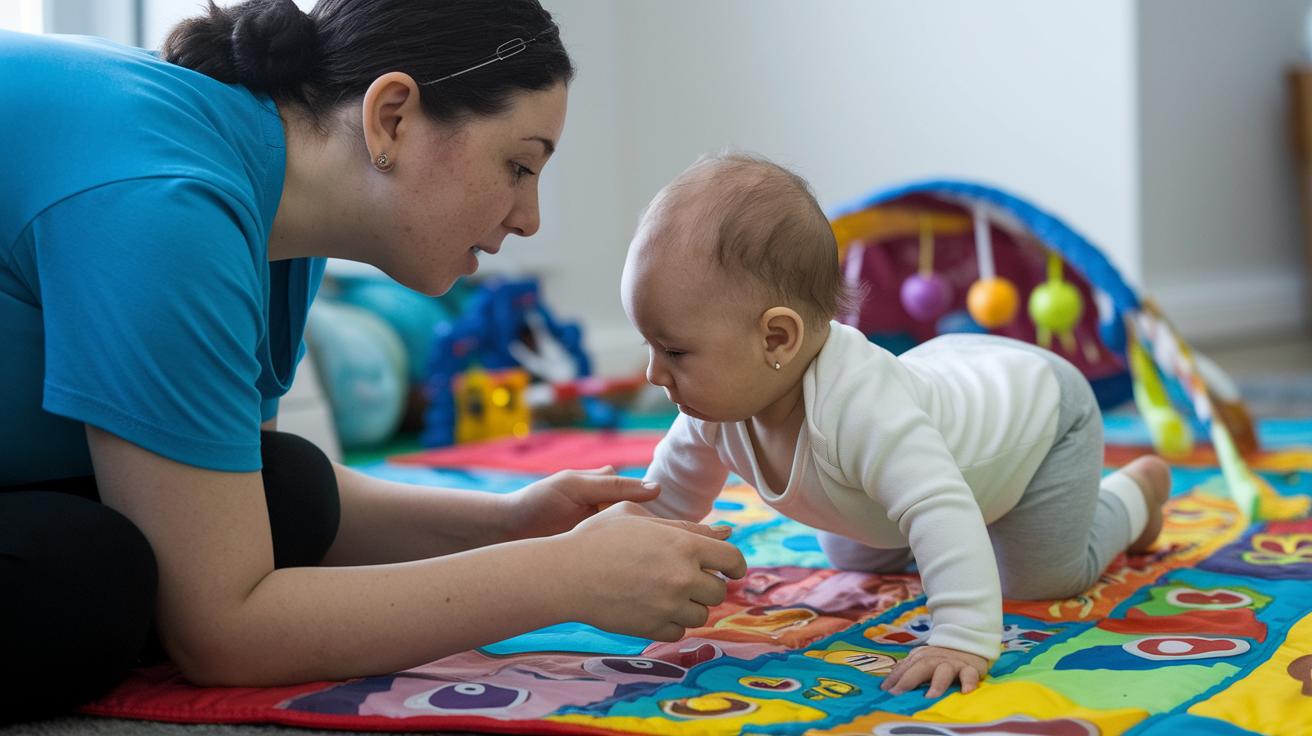
Have you ever noticed how your baby's little movements can mean more than just a cute moment? Every smile, roll, and tiny gesture shows that your little one is learning and growing. I’m excited to share some simple ideas to help support your baby's progress during these precious early times. Think of it like taking care of a small plant, a little love every day helps it thrive. So, let’s explore how everyday activities can build a joyful foundation for your baby's milestones.

How to Support Infant Milestone Development: Joyful Growth

img-1.jpg

Infant milestones show us how your little one is growing in their own unique way. Every baby develops at its own pace because of their genes, the environment, and their special personality. Early signs, like that very first smile or a gentle startle, tell you your baby is learning and adapting from the very beginning.

Think about the delightful moment when your newborn turns their head during skin-to-skin time. It's a sweet reminder that growth comes in small, meaningful steps.

Age Range Key Milestone Recommended Support Activity
0–3 months Rooting, startle reflex Skin-to-skin contact, gentle touch
4–6 months Rolling Daily tummy time, guided rollovers
7–9 months Sitting unassisted Supported sitting with pillows
10–12 months Standing/cruising Couch-edge practice, push toys

Going to regular well-child exams is really important to see how your baby is doing. Visits at two weeks, and then at two, four, six, nine, and twelve months give caring professionals a chance to check that your baby is hitting these markers. These check-ups help catch any delays early, and they also offer friendly guidance on fun activities to support your baby’s first year of growth. Each little achievement is a heartwarming win for both you and your baby.

Physical Progress Strategies for Infant Milestone Development

img-2.jpg

Daily tummy time is a simple way to help your baby build strong neck and shoulder muscles. When you place your little one on a soft, safe floor, they naturally start to reach, grab, and kick, which builds important motor skills. Imagine gently guiding your baby on a warm blanket during tummy time, watching their eyes sparkle as they discover new ways to move. These little moments not only boost their physical growth but also offer a sweet chance to bond.

Another fun idea is to enjoy joint parent-baby movement sessions that feel like playful workouts. Even simple stretches, gentle bouncing, or a short dance together make moving feel joyful. Playing outside on grass or sand gives your baby the chance to feel different textures under their hands and feet, sparking their curiosity and sense of balance. Think about it like a quick backyard dance that is full of both fun and new discoveries.

Keep things light and playful, and enjoy every moment of these special activities together.

Sensory Stimulation Techniques to Support Infant Milestone Development

img-3.jpg

Playing with food is a fun, safe way to boost your baby's growth. When you offer small spoons or plastic bowls, your little one gets a chance to explore different textures and tastes. Picture your baby gently touching and tasting some soft, mashed fruit. Each little experience builds their sense of touch and helps their brain grow in a relaxed, playful way.

Everyday activities are filled with sensory surprises. Have you ever noticed how the smell of fresh herbs while cooking fills your home with warmth? That same aroma helps your baby build its sense of smell. And when you step outside, the soft chirping of birds or the sound of a flowing stream gently trains their ears. Many babies start recognizing smells early, turning your kitchen and garden into a delightful sensory playground.

Even simple kitchen items can be amazing tools for learning. Imagine your baby tapping a spoon on a bowl and reacting to the sound and movement. Using mixing bowls, measuring spoons, or even a safe water container gives your baby a fun way to learn about cause and effect and to recognize shapes. These everyday moments create exciting opportunities for nurturing both brain and sensory development.

Language Acquisition Support in Infant Milestone Development

img-4.jpg

When you playfully echo your baby’s sounds and add in a few extra words, you help build their vocabulary in a fun way. Imagine your little one saying "ma-ma" and you reply with, "Wow, you're saying 'ma-ma', is it cuddle time?" Such simple interactions make language learning feel natural and warm.

Everyday moments, like diaper changes or mealtimes, are perfect chances to talk about what’s happening. You might even sing a little tune or recite a rhyme, helping your baby pick up the rhythm and pattern of sounds.

Shared reading is another delightful way to boost language skills. As you explore a picture book together, you can take turns turning pages and ask gentle questions, like "What color is the ball?" This kind of back-and-forth chat helps your little one learn new words. For more tips on language milestones, you can check out this page: https://womensconference.org?p=10998. It offers extra guidance on nurturing those early steps in language development.

Nurturing Social Skills and Emotional Bonding in Infant Milestone Development

img-5.jpg

When you share a smile with your baby or play a fun game of peek-a-boo, you're doing more than just having fun, you’re building trust. A simple, happy exchange, like your baby smiling and you laughing, shows them that their expressions matter. These moments help your little one feel safe and teach them how to understand their feelings.

Playing face-to-face with your baby is a gentle way to help them see that relationships are built on shared joy. It’s amazing how a quick game or a playful sound can nurture social awareness and soothe emotions. Have you ever noticed how a tiny giggle can brighten a whole day?

Even everyday activities, like a peek-a-boo game during a diaper change, become special when you add a bit of play. It’s a clear way for your child to learn cause and effect while feeling loved at the same time.

Building a calm routine can be as simple as a soft massage or cuddling during nap time. These loving actions help soothe your baby and create a comforting pattern in their day. Quiet rocking or gentle cuddles make them feel secure, so they’re brave enough to explore and express themselves.

Every interaction, no matter how small, adds up. These caring moments not only bring immediate comfort but also set the stage for a joyful journey of growing up.

Tracking and Progress Monitoring for Infant Milestone Development

img-6.jpg

Your baby's check-ups at 2 weeks, 2, 4, 6, 9, and 12 months let you see how well they’re growing. But keeping daily notes at home can make that picture even clearer. Imagine writing down when your little one shows their very first smile in a photo diary. That kind of personal memory often goes beyond what you hear at the doctor’s office.

Here are some ways to track these precious moments:

  • Well-child exam calendar
  • Milestone-tracking mobile apps
  • Customized paper checklists
  • Photo/video skill diary

By using both professional check-ups and your own daily tracking, you get a fuller look at your baby’s progress. Recording everyday activities like tummy time, play, and sleep helps you chat with your pediatrician and notice small changes early on.

Nutritional Support Contributions to Infant Milestone Development

img-7.jpg

Breast milk and iron-fortified formula fill your baby with vital nutrients like DHA, iron, and protein. They help build strong muscles and support brain growth, serving as the first step in your little one’s journey of development.

Around six months, introducing pureed foods is more than just a chance to try new flavors, it helps your baby practice using mouth muscles. When your little one dips a spoon into their bowl, they build fine motor skills and start feeling independent. Responsive feeding turns mealtime into a playful learning experience, where every bite helps reinforce those important skills. With balanced meals guided by trusted infant nutrition advice, you make sure your baby gets enough iron and fluids, helping prevent issues like anemia or dehydration. Each spoonful becomes a delightful lesson in taste and movement.

Simple, balanced meals boost overall growth while creating joyful learning moments. Every feeding lays a foundation for better motor skills and cognitive growth and transforms mealtime into a warm, interactive experience your little one will love exploring. Each feed is a special opportunity to nurture your baby’s development and celebrate each small win. Enjoy every moment at the table with wonder.

Final Words

In the action of nurturing early growth, the blog post shared practical tips on physical strategies, sensory activities, language support, social bonding, progress monitoring, and nutritional care. Each section offered simple, clear steps to help build a supportive routine for infants. We explored practical ideas that show how to support infant milestone development through everyday play and care practices. This dynamic guide reminds us that every small moment can build a strong foundation for a happy, healthy baby. Keep enjoying each new milestone as a bright step forward!

FAQ

How to support developmental milestones in infants?

The support for infant developmental milestones starts with regular tummy time and interactive play. Caregivers can use gentle exercises and simple games to boost motor skills, language, and social bonding.

What are important milestones for infants?

The key milestones include early reflexes in the first few months, rolling over by about four months, sitting unassisted around seven months, and standing or cruising by twelve months, marking steady progress.

How to achieve baby milestones?

The way to achieve baby milestones is by offering nurturing activities like skin-to-skin contact, daily tummy time, and guided movement. Regular well-child visits also help track developmental achievements.

Where can I find resources like PDFs or charts for infant milestone development?

The search for reliable resources is supported by downloadable PDFs and month-by-month charts that offer clear visuals and guidance to track and support your baby’s developmental progress.

Balancing Indulgence With Nutrition During Pregnancy: Bliss

0

Have you ever thought you could enjoy a little treat while keeping healthy during pregnancy? Picture savoring a slice of cake alongside a refreshing smoothie made with fresh berries and greens. It might seem tricky to balance cravings with healthy choices, but really, it comes down to being mindful with every meal.

This chat is all about how small swaps and easy meal planning can help you look after both your cravings and your baby’s growth. Have you ever noticed how a little change in your meal can make you feel so much more content?

Keep reading to discover how a balanced approach can make your pregnancy meals feel incredibly satisfying.

Comprehensive Balance: Indulgence and Nutrition in Pregnancy

img-1.jpg

Pregnancy nutrition matters at every stage, and you can still enjoy little treats while keeping you and your baby healthy. Think of it as savoring each bite with care, mixing indulgence with real, nutritious foods.

Instead of reaching for a processed snack, why not try making a fresh smoothie? Imagine a creamy mix of blueberries, avocado, and a splash of almond milk giving you a burst of energy and flavor. It’s a simple swap that feels both delicious and nourishing.

Many moms find that having five or six small meals throughout the day helps keep energy levels steady and can even ease the occasional nausea. Picture planning meals around whole grains, lean proteins like salmon, and a colorful mix of vegetables. This way, you get key nutrients like folate, iron, calcium, protein, fiber, and omega-3 fats that are important for both you and your baby.

It’s also completely okay to include a small treat now and then. A bit of dark chocolate or a spoonful of homemade fruit chutney can satisfy your sweet tooth while still fitting into your overall plan. This little indulgence shows that a balanced approach can support both your health and your little one’s development.

Every bite is a moment to care for yourself and your baby, making each meal a gentle celebration of nourishment and well-being.

Cravings Management and Mindful Eating for Maternal Health

img-2.jpg

Before grabbing that extra treat, take a moment to pause. Enjoying your food means noticing every bite, whether you're munching on a fresh apple or savoring a square of dark chocolate. Imagine sitting down with a bowl of crisp carrot sticks dipped in a smooth, creamy hummus, a snack that's both delightful and good for you.

Eating five or six smaller meals during the day can help keep your blood sugar balanced and might even ease morning sickness. One mom shared how planning her snacks ahead of time made a difference: she kept mini portions of mixed nuts and a few pear slices ready for when cravings struck.

Why not try a new snack idea to change things up? Blend some mashed avocado with a little cocoa and a touch of natural sweetener to whip up a rich, dark chocolate mousse. This simple recipe turns a craving into a treat packed with nutrients.

Choosing the right food pairs can also boost the benefits you get. For instance, adding a squeeze of lemon to an iron-packed spinach salad helps your body absorb iron better, which supports both you and your baby.

  • Pause and think before you indulge
  • Enjoy each bite fully
  • Swap high-sugar snacks for options that offer vitamins and minerals

Using these mindful snacking tips can bring a fresh approach to balancing a treat with the care your body needs during pregnancy.

Structuring Expectant Mothers’ Healthy Eating Plan

img-3.jpg

Plan your meals so you have three hearty meals and two healthy snacks each day. Imagine starting your morning with a breakfast of whole grains, protein, and fresh fruit that feels like a gentle hug. For lunch, think of a plate filled with about half veggies and fruit, a quarter lean protein, and a quarter whole grains. If you need a picture guide, check out MyPlate for Pregnancy. At dinner, mix in foods like salmon (great for DHA), legumes (packed with iron), and a side of avocado for a boost of healthy fats.

Think of your plate like a little roadmap: half colorful fruits and greens, one-quarter lean protein, and one-quarter whole grains. This simple idea helps your baby grow strong while keeping your energy steady. And don’t forget a dairy option or a good alternative to get that important calcium, especially as your body adapts to your baby's growing needs.

Keep water handy all day and try to sip about 2.5 to 3 liters. Adjust your extra calories as you move through your trimesters, no extra calories in the first, about 340 more in the second, and roughly 450 in the third. And when you need a quick bite, a small handful of nuts or a piece of fruit does the trick to fuel both your body and mind.

Smart Gestational Treat Choices and Healthy Indulgence Alternatives

img-4.jpg

Sometimes you crave something sweet without sacrificing the nutrients you need. Instead of reaching for a candy bar, try a dark chocolate square made with at least 70% cacao. It gives you that indulgent feel along with a little boost of antioxidants. You can also blend up a quick homemade smoothie with spinach, berries, and banana, it's a refreshing way to grab a serving of vitamins when you need a moment to recharge.

Another option to consider is a Greek yogurt parfait drizzled with a bit of honey and sprinkled with nuts. Every spoonful offers a mix of protein and healthy fats that can warm you up inside. And imagine starting your morning with a slice of whole-grain banana bread that's not only hearty and flavorful but also packed with fiber. For a comforting snack that still keeps you on track, baked sweet potato fries offer vitamin A and a natural sweetness without piling on extra calories.

It helps to keep your portions in check by enjoying just 1 or 2 small servings of sweets each week. This way, every treat becomes a little moment of delight that supports both you and your baby's well-being.

  • Choose dark chocolate squares over candy bars
  • Enjoy a Greek yogurt parfait with honey and nuts
  • Whip up a homemade smoothie or savor whole-grain banana bread
  • Go for baked sweet potato fries

Each of these choices lets you balance your sweet cravings with smart, nourishing benefits.

Nutrient-Dense Comfort Foods and Snack Guidelines for Gestation

img-5.jpg

Imagine picking a snack that feels like a warm hug while giving you the energy you need. A cozy bowl of oatmeal with fruit and nuts offers a lovely mix of protein, fiber, and healthy fats, all in under 200 calories. It’s perfect for those moments when a little comfort and nourishment are exactly what you need.

Here are some ideas you might enjoy:

  • Avocado toast with just a pinch of salt, offering a creamy, rich taste.
  • A small bowl of lentil soup that feels light yet fills you up.
  • A scoop of Greek yogurt dip paired with whole-grain crackers for steady energy.
  • A homemade trail mix with dried fruit and seeds that delivers a satisfying crunch.
  • A refreshing smoothie blending protein and fiber with ingredients like spinach and berries, all kept under 200 calories.

These choices not only offer comfort, but they also pack essential nutrients for you and your baby. It’s amazing how a little, well-balanced snack can gently satisfy your cravings while keeping your meals on track.

Calorie Control and Portion Guidelines for Expecting Mothers

img-6.jpg

When you're expecting, keeping an eye on your calories can be a smart way to balance the occasional treat with healthy meals. In the first few months, about 1800 to 2000 calories a day is enough, no extra calories needed yet. As you move into the second trimester, think about boosting your daily intake to around 2200 to 2400 calories, which is roughly an extra 340 calories each day. Then in the third trimester, you’ll want to aim for 2400 to 2600 calories, adding about 450 more calories daily.

A friendly trick to help with portion sizes is using your hand as a guide. For example, imagine the size of your palm, that’s a good measure for a portion of protein like chicken or tofu. When it comes to vegetables and fruits, try splitting your plate in half for these nutritious picks, while saving the other half for grains and proteins.

It can also be really helpful to track what you eat with an app. This way, you stay aware of your calorie goals and know that you’re taking care of both you and your baby. And if you have a craving for something extra, limiting high-calorie treats to one or two small servings a week means you can enjoy a little indulgence without losing balance.

Remember, every bite counts. Visualize your portions and adjust them as your pregnancy progresses, knowing each measured serving supports your health and your baby's growth.

Expert Guidance: Maternal Diet, Wellness, and Nutrient Optimization

img-7.jpg

Talk with a prenatal dietitian to tailor your meals to suit your own needs. They can help debunk ideas like “eat for two” and provide advice if you’re dealing with issues like gestational diabetes or anemia. With regular checks on weight, blood tests, and your baby's growth, these experts guide you to make food choices that feel right for you and your little one.

Stay connected with healthcare professionals who care about your diet and well-being. They might recommend adding prenatal vitamins to your routine when needed. For more friendly advice and useful tips, check out the Maternal diet and wellness guidelines. Trusting this expert support can help you mix healthy meals with the occasional treat so you stay nourished and comfortable as you care for yourself and your baby.

Final Words

In the action, we explored how to manage cravings and craft a healthy eating plan while letting a few indulgences brighten your day. We looked at smart treat choices, portion control methods, and nutrient-packed snacks that also support fetal development. All these ideas help with balancing indulgence with nutrition during pregnancy, making every bite count. Enjoy this balanced approach with a smile, knowing you're making nurturing choices for both you and your baby.

FAQ

How can I balance indulgence with nutrition during pregnancy?

Balancing indulgence with nutrition means enjoying small treats while making sure you include nutrient-rich foods like lean protein, fruits, vegetables, and whole grains to support your and your baby’s health.

What should my meal plan look like during early pregnancy?

A meal plan in early pregnancy often suggests several small meals daily, including fruits, lean proteins, whole grains, and healthy fats, which help manage energy and ease occasional morning discomfort.

What foods support having a healthy baby during pregnancy?

Choosing foods such as salmon for omega-3s, leafy greens for iron, dairy or alternatives for calcium, and a mix of fruits and vegetables can support your baby’s growth and development while still allowing for small indulgences.

Is it okay to enjoy treats while pregnant?

Yes, having occasional treats is fine if you keep portions small and balance them with nutrient-dense meals, ensuring both satisfaction and the essential nutrients needed during pregnancy.

What happens if I don’t follow a healthy diet during pregnancy?

Skipping key nutrients may lead to lower energy levels and can affect fetal growth. A balanced diet with protein, vitamins, and minerals helps support both maternal health and your baby’s development.

How can I manage cravings and control portions during pregnancy?

Managing cravings involves mindful eating—pausing to savor flavors and choosing healthy swaps like Greek yogurt with berries—while using portion control helps keep your diet balanced.

Where can I find reliable nutrition guidelines for pregnancy?

Trusted resources, such as official Pregnancy Nutrition Guidelines or advice from prenatal dietitians, offer detailed meal plans and practical tips to support a balanced diet at every stage of pregnancy.

Passenger Car Airbag ICs Market was valued at 1160 million in 2024

0

Passenger Car Airbag ICs Market was valued at 1160 million in 2024 and is projected to reach US$ 1400 million by 2032, at a CAGR of 2.8% during the forecast period.

The global Passenger Car Airbag ICs Market was valued at 1160 million in 2024 and is projected to reach US$ 1400 million by 2032, at a CAGR of 2.8% during the forecast period.

Passenger Car Airbag ICs (Integrated Circuits) are specialized semiconductor devices designed for automotive safety systems. These components process collision signals and trigger airbag deployment within milliseconds during accidents, playing a critical role in vehicle occupant protection systems. The technology includes both integrated system-on-chip solutions and discrete IC architectures, with features like crash detection algorithms and fail-safe mechanisms.

The market growth is primarily driven by stringent vehicle safety regulations worldwide and increasing consumer demand for advanced safety features. While Asia dominates production with 56% of global automotive output, Europe and North America remain key innovation hubs for safety technologies. Recent advancements include multi-axis accelerometer integration and AI-enhanced crash prediction systems, with major suppliers like Bosch and Continental investing heavily in next-generation solutions. The gradual recovery of automotive production volumes post-pandemic (reaching 81.6 million units in 2022) further supports market expansion, though supply chain challenges remain a concern for manufacturers.

Download Free Sample Report: https://semiconductorinsight.com/download-sample-report/?product_id=103375

MARKET DRIVERS

Stringent Vehicle Safety Regulations Accelerating Airbag IC Demand

Global automotive safety standards are becoming increasingly rigorous, mandating advanced passive safety systems in passenger vehicles. Over 40 countries have now adopted UN Regulation 137 for frontal impact protection, requiring sophisticated airbag deployment systems. This regulatory push is directly increasing demand for reliable airbag integrated circuits that can meet certification requirements while providing millisecond-level response times critical for occupant protection. The European Union’s updated General Safety Regulations, effective July 2024, further expand mandatory airbag coverage to include rear-seat occupants in all new vehicle models.

Recent Industry Developments

Rise of Predictive & AI-Enabled Airbag Systems

Traditionally, airbags reacted after a crash. But 2024 has marked a clear shift toward predictive deployment, where airbag ICs analyze:

  • Vehicle speed
  • Pre-impact angles
  • Occupant positioning
  • Braking patterns

ICs now leverage sensor fusion, integrating data from LIDAR, radar, cameras, and seat-pressure sensors. The goal? To anticipate collisions and optimize deployment force, speed, and direction.

Companies like STMicroelectronics and Infineon Technologies are leading the charge with intelligent SoCs that merge real-time data analytics with deployment logic.

List of Key Passenger Car Airbag IC Manufacturers

  • Robert Bosch GmbH (Germany)
  • Continental AG (Germany)
  • STMicroelectronics (Switzerland)
  • Analog Devices, Inc. (U.S.)
  • NXP Semiconductors (Netherlands)
  • Infineon Technologies AG (Germany)
  • Denso Corporation (Japan)
  • Texas Instruments Incorporated (U.S.)
  • Renesas Electronics Corporation (Japan)

Segment Analysis:

By Type

Integrated System Chip Segment Leads Due to High Demand for Compact and Efficient Airbag Control Solutions

The market is segmented based on type into:

  • Integrated System Chip
    • Features: Combines multiple functions in a single chip, reducing component count
  • Independent Chip
    • Features: Dedicated ICs for specific airbag system functions

By Application

OEM Segment Dominates as Airbag ICs Are Primarily Installed During Vehicle Manufacturing

The market is segmented based on application into:

  • OEM (Original Equipment Manufacturer)
  • Aftermarket

By Vehicle Type

Sedan Segment Holds Significant Share Due to Higher Production Volumes

The market is segmented based on vehicle type into:

  • Sedan
  • SUV
  • Hatchback
  • Others

By Airbag Type

Frontal Airbag ICs Maintain Market Leadership Due to Regulatory Mandates

The market is segmented based on airbag type into:

  • Frontal Airbag ICs
  • Side Airbag ICs
  • Curtain Airbag ICs
  • Knee Airbag ICs
  • Others

Download Free Sample Report: https://semiconductorinsight.com/download-sample-report/?product_id=103375

About Us:

Semiconductorinsight has been a leading aggregator and consulting provider of semiconductor industry market research reports since 2016, offering high-quality, reliable, and timely reports and consulting services to our clients. 

Services Offered

  1. Market Reports:
    • Comprehensive and data-driven reports offering deep dives into specific segments of the semiconductor industry.
    • Forecasts and trends analysis backed by robust methodologies and historical data.
  2. Custom Research:
    • Tailored research solutions addressing unique business challenges and opportunities.
    • Market entry strategies, competitive benchmarking, and M&A advisory.

CONTACT US:
City vista, 203A, Fountain Road, Ashoka Nagar, Kharadi, Pune, Maharashtra 411014
[+91 8087992013]
help@semiconductorinsight.com