Saturday, June 27, 2026
Home Blog Page 77

Maternal Nutrition And Digestive Health: Boosting Wellness

0

Ever thought your meals might bring a little extra happiness to your belly? Studies suggest that about 30 to 40 percent of your gut bacteria can change depending on what you eat. It’s like giving your body a fresh set of tools to work better. And when you pick the right foods during pregnancy, you're not just helping your digestion, you’re also setting a strong foundation for your baby's future health. This post shows how a balanced diet can boost your well-being by feeding the friendly bugs that keep your system running smoothly.

How Maternal Nutrition Shapes Digestive Health During Pregnancy

img-1.jpg

Have you ever noticed how what you eat helps shape your body’s tiny helpers? It turns out that about 30–40% of the bacteria in your gut can change just by switching up your diet. It’s kind of like adjusting a recipe, a little tweak can really change the whole flavor. When you choose the right foods, you create a good home for the friendly bugs that keep your digestion happy.

Think of it this way: a good meal plan boils down to three ideas, getting enough food, having a mix of it, and keeping it balanced. Getting enough means your body grabs the energy and nutrients it needs, while mixing things up brings in different vitamins and minerals. And keeping things balanced is all about matching the right amounts of carbohydrates, proteins, fats, and fibers. This simple way of eating not only supports your digestive health but also helps your body work better during pregnancy.

There’s another important part, too. What you eat now can shape your baby’s future health. For example, a gluten-free diet might help foster helpful bacteria like Akkermansia and Proteobacteria in your baby, which can be linked to a lower risk of diabetes and less inflammation. On the flip side, not eating a balanced diet might upset your baby’s gut health and affect how their body handles sugars and fats later on.

In the end, choosing your meals with care builds a healthier start for both you and your little one. Isn’t it amazing how every bite you take can be a step toward a brighter, healthier future?

Essential Nutrients for Maternal Digestive Wellness

img-2.jpg

Protein should make up about 10–35% of your daily intake. Think of it as the building block that helps your baby grow and aids in making the digestive enzymes that break down your food. Enjoy lean meats, beans, and eggs, they not only taste good but also keep your system running smoothly during pregnancy.

Fiber is your friend when it comes to keeping things moving. Aim for about 25–30 grams a day by enjoying whole grains, fruits, and veggies. This simple step can help you avoid constipation and keep you feeling light and comfortable.

Iron plays a key role by helping your blood carry oxygen. Foods like lean red meats, spinach, and legumes work well, especially when paired with vitamin C sources like bell peppers or citrus fruits, which boost absorption.

Omega-3 fatty acids, especially DHA/EPA, are important too. You can find them in salmon or walnuts, and they help reduce inflammation and support your overall digestive health.

Folate is essential for your baby’s development, too. Try to get 600 micrograms daily from leafy greens, beans, and fortified cereals. And if you need a little extra help, your prenatal vitamins can fill in the gaps.

Calcium is crucial for strong bones and healthy muscles. Aiming for 1,000 mg a day is a good goal, and you can reach it by enjoying dairy products, fortified drinks, or leafy greens.

And don’t forget about water! Staying well-hydrated is key because water helps break down food and moves it along your digestive tract. Together with these nutrients, drinking enough water can keep your digestive system happy and healthy during pregnancy.

Prebiotics, Probiotics, and the Maternal Microbiome

img-3.jpg

Your gut is like a busy neighborhood filled with tiny helpers that break down your food and keep you feeling good. These little organisms, such as Bifidobacteria and Lactobacilli, work hard to help you digest and also give your immune system a boost. What you choose to eat can shape this community, meaning your food choices during pregnancy really matter for both you and your baby.

Prebiotics are the foods that feed these friendly microbes. Think of your body as a garden, where prebiotics act like natural fertilizer to help the good plants grow. Everyday foods like garlic, onions, asparagus, leeks, and bran can give your gut the right fuel to thrive. Adding these foods to your meals supports a balanced digestive system, which is so important during pregnancy's sensitive times.

Probiotics, on the other hand, bring live, beneficial bacteria straight to your gut. Foods like yogurt, miso, kefir, and kimchi are full of these helpful bacteria. By including them in your diet, you boost your levels of good microbes. These live bacteria team up with prebiotics to support both your digestion and immune system. This strong gut health can even influence your baby’s growing microbiome, giving your little one a healthy start and a resilient immune system for the future.

Managing Pregnancy Digestive Discomfort Through Diet

img-4.jpg

It’s common to feel tummy troubles during pregnancy. In the early months, you might experience a bit of nausea or light bloating, and later on, heartburn or that full feeling after eating can appear. Our bodies change a lot, and gentle tweaks to your meals can go a long way in keeping your digestion comfortable.

Try eating small, frequent meals. Instead of filling up on one big meal, having several light snacks can help calm acid reflux. Think of it like nibbling on a few tasty bites rather than one huge meal.

Also, notice which foods might be causing discomfort. Many moms find that spicy or fatty foods can set off symptoms, so it might help to steer clear of these if they bother you.

A warm cup of ginger tea can be a real lifesaver too. Just about 1 gram of ginger tea a day can ease nausea and bloating, offering a natural, soothing touch for your tummy.

Herbal teas, like peppermint or chamomile, are another gentle option. Their calming warmth can help settle your stomach after eating, making your meals feel a bit more peaceful.

Fiber-rich snacks can work wonders, too. Snacks like whole grains, fruits, or vegetables can help keep things moving along nicely, especially when paired with plenty of water (around 8 to 10 cups daily).

And don’t forget to take your time with your food. Eating slowly and chewing thoroughly can help reduce tummy discomfort and make digestion smoother.

By changing the pace of your meals and spacing them out evenly, you not only ease your digestion but also give yourself a chance to enjoy the little moments, making your pregnancy a bit more comfortable.

Gut-Friendly Meal Planning for Expectant Mothers

img-5.jpg

Planning your meals while you're expecting is a sweet chance to nourish both you and your little one. It helps you enjoy foods that support a smooth, happy tummy and overall well-being. When you mix fresh, seasonal fruits and veggies with nutrient-rich ingredients, you get the vitamins and fiber you need, all while keeping your digestion in check.

Cooking at home lets you take care of food safety in a simple way. Just wash your veggies well and cook proteins thoroughly, and you'll have tasty meals that feel good and do good.

Below is a sample meal plan that brings a gentle mix of fiber and nutrients for your gut:

Meal Ingredients Digestive Benefits
Breakfast Oatmeal with berries and flax seeds Loads of fiber and natural antioxidants
Lunch Quinoa bowl with roasted veggies and Greek yogurt A fine mix of protein, fiber, and friendly probiotics
Dinner Baked salmon, brown rice, and steamed spinach Lean protein, omega-3s, and iron to boost energy
Snacks Trail mix and apple slices with almond butter Healthy fats with steady energy

Choosing seasonal produce makes your meals tastier and more nutritious. And trying out new recipes at home can be a fun way to keep your tummy and overall health in check.

Long-Term Implications of Maternal Digestive Health on Child Outcomes

img-6.jpg

Eating well while you’re pregnant can help create a special mix of good bacteria in your baby. This tiny community plays a big part in lowering risks like diabetes and inflammation later on. It’s like following a secret recipe, a balanced, nutrient-rich diet gives your child the best start to a strong immune system.

After your baby arrives, your diet continues to play a key role. Adding more nutrient-dense foods can boost your milk supply, help you feel more energetic, and speed up your recovery. Imagine adding extra leafy greens and lean proteins to your meals to gently support both your body and your budding little one.

Studies show that keeping a healthy eating plan during pregnancy and continuing smart, postpartum meal choices can offer benefits that last a lifetime. A consistent focus on nourishing foods not only helps manage your weight after birth but also builds your child’s immune system over time. For more ideas and detailed meal plans, check out the maternal diet and wellness guidelines at WomensConference.org?p=11209.

Final Words

In the action of this discussion, we saw how maternal dietary choices can influence gut microbiota and digestive comfort. Mothers can benefit from balanced meals that deliver key nutrients while easing common digestive discomforts.

We also explored how incorporating prebiotics, probiotics, and mindful meal planning shapes both immediate and long-term health outcomes.

Keeping Maternal nutrition and digestive health at the heart of meal choices brings optimism for both mothers and their babies.

FAQ

Does mother’s gut health affect baby?

The effect of a mother’s gut health on the baby is clear. A healthy maternal gut helps shape the baby’s microbiome, supporting immune development and long-term well-being.

What is the impact of nutrition on maternal health?

The impact of proper nutrition on maternal health is wide-ranging. A balanced diet rich in proteins, fibers, and essential vitamins supports digestion, energy levels, and overall wellness during pregnancy.

What are the symptoms of poor maternal nutrition?

The symptoms of poor maternal nutrition include fatigue, digestive discomfort, and irregular bowel movements. These signs may point to nutritional gaps that could affect both mother and baby.

How does a pregnant mother’s nutrition impact her baby?

The way a pregnant mother eats directly influences her baby’s future health. A nutritious, balanced diet helps shape the baby’s gut microbiome, reduces health risks, and lays the groundwork for a stronger immune system.

Postpartum Self-compassion Practices Nurture Inner Calm

0

Have you ever noticed that being kind to yourself might be the secret to finding calm after your baby arrives? Sometimes, we moms feel swamped with worries and pressure when our lives change so fast.

It can really help to treat yourself like a dear friend. Maybe try saying little affirming words to yourself or taking slow, deep breaths, think of it as a gentle reset for your day. I once wondered if a simple pause could ease those big feelings, and it really can.

Studies show that many new moms feel anxious after delivery, so you’re not alone. When you practice self-compassion, you help lift the heavy feelings and make room for peace, both for you and your baby.

Key Postpartum Self-Compassion Practices for Emotional Well-Being

img-1.jpg

After having a baby, giving yourself a little extra care can help bring a sense of calm and aid your emotional recovery. Studies show that many new moms, a range of 13 to 40 percent, struggle with anxiety after delivery, and generalized anxiety is often the most common. When you practice self-compassion, you treat yourself like a dear friend, offering kindness, understanding that everyone faces tough times, and gently focusing on the here and now.

If you ever feel overwhelmed, try saying small, comforting phrases like “I deserve care just as much as anyone else” or “It’s okay to feel this way.” These affirmations can remind you that you’re not alone and that your feelings are valid. Even spending a few mindful minutes breathing deeply or meditating quietly can help ease anxiety and bring your emotions back into balance.

Taking these simple steps can help you let go of harsh self-criticism and build your confidence as a mom. When you take care of your own well-being, you not only feel stronger yourself but also create a nurturing and peaceful space for your baby.

Understanding Self-Compassion in Postnatal Mental Restoration

img-2.jpg

Dr. Kristin Neff explains that self-compassion has three parts: being kind to yourself instead of harsh, remembering that all moms face tough times rather than feeling alone, and staying mindful instead of getting overwhelmed by your emotions. Think about it like this: when you’re feeling stressed, talk to yourself like you would comfort a close friend. That gentle reminder, “I am worthy of kindness even on difficult days,” can be a real game-changer.

This warm approach helps you accept the changes in your body that come with giving birth. It’s all about understanding that emotional bumps are part of the journey, and showing yourself the same care you’d offer someone you love. When you do this, you’re laying down the building blocks for real emotional strength, making it easier to handle the many surprises of new motherhood.

Taking time for self-compassion also means knowing that feeling vulnerable is totally normal. Instead of beating yourself up when things get hard, try gently acknowledging those moments and celebrating even the smallest wins. Over time, nurturing your spirit and taking care of yourself becomes a comforting ritual that helps you navigate the everyday ups and downs of early motherhood.

In truth, this kind and mindful way of living not only creates inner calm but also helps you adjust to your new role as a mom. It’s like having a steady friend by your side, guiding you through personal changes and the beautiful, unpredictable journey of motherhood.

Maternal Mindfulness Exercises to Ease Postbirth Stress

img-3.jpg

Every day, a few moments of quiet breathing can help ease the stress of caring for your little one after birth. Taking time to breathe slowly and deeply may lower stress hormones and help you feel more balanced. Imagine sitting peacefully as you breathe in warm air, much like receiving a gentle, loving hug.

A simple exercise like the 5 Senses Exercise can bring you into the present moment. Close your eyes and listen to the familiar sounds around you that remind you that you are not alone. Even a short mindfulness break can help lift your mood and calm any worries, making you feel more connected to yourself.

For more guided meditation ideas, you can visit https://womensconference.org?p=10865. There, you will discover gentle sessions created especially for moms. These routines give you a pause in your busy day and support a kind, gradual recovery.

Try adding these easy mindfulness exercises to your day:

  • 5 Senses grounding
  • Box breathing (4-4-4-4 count)
  • A five-minute body scan
  • Guided imagery for calm
  • Walking meditation

Each of these practices offers a little nurturing moment. Over time, this simple care makes postbirth recovery a bit more relaxed and balanced.

Guided Self-Soothing Techniques and Compassionate Self-Talk

img-4.jpg

Self-Soothing through Breath and Touch

Have you ever tried a simple routine that calms you down? Close your eyes, take a deep breath, and gently place your hand over your heart or belly. Picture yourself breathing in a wave of peace and letting go of all that stress as you breathe out. Say quietly to yourself, "I breathe in calm, I breathe out stress" and feel the steady beat of your heart under your hand. This gentle system of touch and slow breaths helps you feel more grounded and eases those harsh self-criticisms.

Nurturing Self-Talk Phrases

When the world feels a little too heavy, remember to speak kindly to yourself. Tell yourself things like "I’m doing my best," "I deserve kindness from myself," or "I have the strength to get through this." Feel free to create your own comforting phrases that hit close to home. You might say, "Today, I choose to take care of myself like I care for a dear friend." These warm words remind you of your inner worth and help you build a little extra courage during tough times.

Reflective Journaling Practices for Postbirth Emotional Healing

img-5.jpg

A simple journaling habit can be a warm, friendly space to reflect on your day and notice even the tiniest signs of progress. It helps you see the gentle shifts in your emotions and reminds you to be kind to yourself. Using a set journal can steer your thoughts away from overthinking by nudging you to focus on small, uplifting moments and gentle ways you've handled challenges. For example, when you’re unsure about a change in your routine, jotting down a note like, "I felt a surge of pride when I soothed my baby during a tough moment," can feel incredibly reassuring.

Try these journaling prompts to guide your reflections and bring a sense of calm:

  • Describe one moment you felt proud today – like when you managed to calm your baby with your soothing words.
  • List three little acts of self-kindness you offered yourself.
  • Note one part of your body you appreciate after birth.
  • Record a challenge and write a kind way you responded.
  • Celebrate a small caregiving success.
  • Set one gentle intention for a bit of self-care tomorrow.

Crafting a Holistic Self-Care Plan to Nurture New Mom Wellness

img-6.jpg

Start by setting aside small chunks of time for yourself every day. Even if it feels tricky, try to schedule a few minutes for quality sleep, a healthy snack, or even a brief walk. One mom, for instance, set a daily reminder so she could enjoy a warm, relaxing shower, a little moment that felt like a win while caring for her baby.

Mix in gentle movement with moments to catch up with friends or family. A short stretch or a walk outdoors can clear your mind and ease the overwhelm of new duties. Think of your self-care plan as a weekly schedule that includes breaks for good food, simple exercises, and some quiet time to recharge.

And remember, it’s completely fine to change your routine as you figure out what feels best for you. If you need more ideas, check out tips on maternal self-care routines for busy moms, they offer quick, handy ways to support your recovery and inner well-being.

Final Words

In the action of exploring daily self-care tips and mindful routines, this article walked through simple ways to boost emotional balance. We touched on mindful breathing, guided self-soothing, and gentle reflective journaling, all aimed at building confidence. Small yet impactful practices, like these postpartum self-compassion practices, can make a big difference. Each step brings new light and support during the early days of motherhood. Remember, every caring moment counts. Keep nurturing yourself and embrace every small win with hope and joy.

FAQ

Where can I find resources like PDFs for postpartum self-compassion practices?

Finding postpartum self-compassion resources in formats such as PDFs or ATI materials from recent years offers practical tips and step-by-step guidance on mindfulness techniques to ease postpartum stress.

What is the 5 5 5 rule postpartum?

The 5-5-5 rule postpartum means taking 5 deep breaths, pausing for 5 mindful moments, and reciting 5 affirmations. This quick practice helps manage stress and bring immediate calm after birth.

What does self-compassion mean for new mothers?

In a self-compassion approach, new mothers treat themselves with kindness and understanding, much like comforting a close friend, which helps lower anxiety and strengthen their overall well-being.

How can I support a mom postpartum?

Supporting a mom postpartum involves offering an empathetic ear, practical help with everyday tasks, and gentle encouragement to embrace self-care routines that uplift her emotional well-being.

How can a new mother give herself grace postpartum?

Giving herself grace postpartum means accepting imperfections, using kind self-talk, and remembering to celebrate small wins, all of which nurture emotional healing and boost confidence during recovery.

Essential Prenatal Vitamins: Boosting Pregnancy Health

0

Have you ever wondered if your everyday meals really cover all your extra needs during pregnancy? Sometimes, our regular diet might miss a few key nutrients. That’s where special supplements can step in to help fill those gaps.

Think of your supplements like a nifty little lunch box, packed with all the right bits to support both you and your baby during this important time. Each prenatal vitamin is made to give you nutrients such as folic acid (a type of vitamin that helps your baby grow) and iron, which together keep you both healthy and energized.

In this article, we’ll chat about how these nutrients work together to keep you strong and help your little one thrive.

Understanding Essential Prenatal Vitamins: Defining Key Nutrients for Pregnancy

img-1.jpg

Prenatal vitamins are special supplements made to give you extra nutrients that your body needs during pregnancy, nutrients that sometimes are hard to get from your regular meals. When you're expecting, your body asks for more folic acid, iron, calcium, vitamin D, and other important vitamins to help your little one grow, especially in those first few weeks when the baby’s organs are just starting to form.

Today’s supplements are much improved compared to the old days. They pack a full range of nutrients along with some extras made just for pregnancy. This helps cover any gaps that might not be filled by fruits, vegetables, whole grains, and proteins. Many experts suggest that you begin taking these vitamins before you even get pregnant, or right when you find out. And if you’re ever unsure, it’s always a good idea to chat with your healthcare provider or check out reliable sources like the prenatal care vitamins page on WomensConference.org.

Eating a balanced diet is still key to staying healthy during pregnancy, and prenatal vitamins work hand-in-hand with nutrient-rich meals to meet your body’s higher needs. They’re a simple and trusted way to support both you and your baby, reflecting the latest in nutritional science. Adding the right supplements can really help manage those extra demands, so you can feel your best during this special time.

Core Prenatal Vitamins and Essential Minerals in Pregnancy Formulas

img-2.jpg

Prenatal vitamins help cover the nutrition that sometimes a regular diet might miss during pregnancy, offering extra support for both you and your baby as you grow together. They provide important vitamins and minerals that can help with getting pregnant and keeping you well. With just the right amounts, these supplements help your baby’s organs form properly while boosting your own health week by week. Here’s an easy look at the main ingredients that you might find in many prenatal formulas.

Folic Acid

Folic acid is super important for your baby’s growing brain and spine (the neural tube). Doctors usually suggest taking about 400 micrograms a day before you get pregnant and during the early weeks, and if there’s a history of neural tube issues, the amount might go up to 4,000 micrograms. It really gets your baby’s brain and spinal cord off to a strong start.

Iron

Iron helps build the extra blood your body needs to get oxygen to your baby. Over the whole pregnancy, about 1,000 milligrams of iron is needed, and most supplements offer around 30 mg each day. Even if you eat iron-rich foods, a little extra can help keep things steady for both you and your little one.

Calcium

Calcium is important for your baby’s growing bones, especially later in pregnancy when their skeleton needs plenty of support. Experts suggest aiming for about 1,000 mg a day. Besides supplements, enjoying foods like dairy products and leafy greens can help you reach that goal.

Vitamin D

Vitamin D helps your body use calcium to build strong bones and teeth, and it also supports healthy muscles. About 15 micrograms each day is usually recommended. This vitamin not only boosts bone health but might also help lower some pregnancy risks.

Vitamin A

Vitamin A helps your baby develop eyes, ears, arms, legs, and even a healthy heart. Keeping to a balanced amount of around 750–770 micrograms a day is best, as too much can be unsafe.

Vitamins C & E

Vitamin C, which is usually taken at about 85 mg a day, helps with making collagen for healthy skin and tissues. Meanwhile, about 15 mg of Vitamin E daily supports your immune system and overall well-being during this special time.

Dosage and Timing Guidelines for Taking Essential Prenatal Vitamins

img-3.jpg

Starting your vitamins early, before you even plan for a baby or right after a positive pregnancy test, can make a big difference for both you and your little one. By around week 6, when your baby’s organs start to form, every bit of nutrition counts. Taking your vitamins with a meal not only helps your body absorb the nutrients better, but it can also ease any tummy troubles. Imagine starting your day with a light breakfast and your vitamins, just like one mom did, and feeling smoother and more energized as a result.

It’s also really important not to take more than you need. Stick with the daily dose your provider recommends. A protein-rich snack later at night might even help keep your blood sugar steady and ease any nausea you might feel. Chat with your doctor to fine-tune your timing so both you and your baby can thrive naturally.

Safety and Side Effects of Essential Prenatal Vitamins: What to Watch For

img-4.jpg

Prenatal vitamins can sometimes lead to a few side effects that you might notice. For example, the iron in your vitamins can sometimes make you feel a bit nauseous or even cause a little constipation. If that happens, you might try switching to a different kind of iron or splitting your dose up throughout the day. And if you see your urine turning a bright yellow because of high B vitamin levels, don't worry, it's unusual but harmless.

Still, it's important to stick to the recommended amounts. Taking too much, especially with Vitamin A (over 770 mcg daily), can be risky and cause problems. It’s always a smart idea to talk with your healthcare provider about what you're taking, so you feel safe and supported throughout your pregnancy.

Choosing Quality Essential Prenatal Vitamin Brands and Formulas

img-5.jpg

When you're choosing your prenatal vitamins, look for those backed by solid research and made with honest, clear ingredients. Vitamins today have really come a long way since the 1970s, they're designed to give you nutrients that are easy for your body to absorb while keeping extra additives to a minimum.

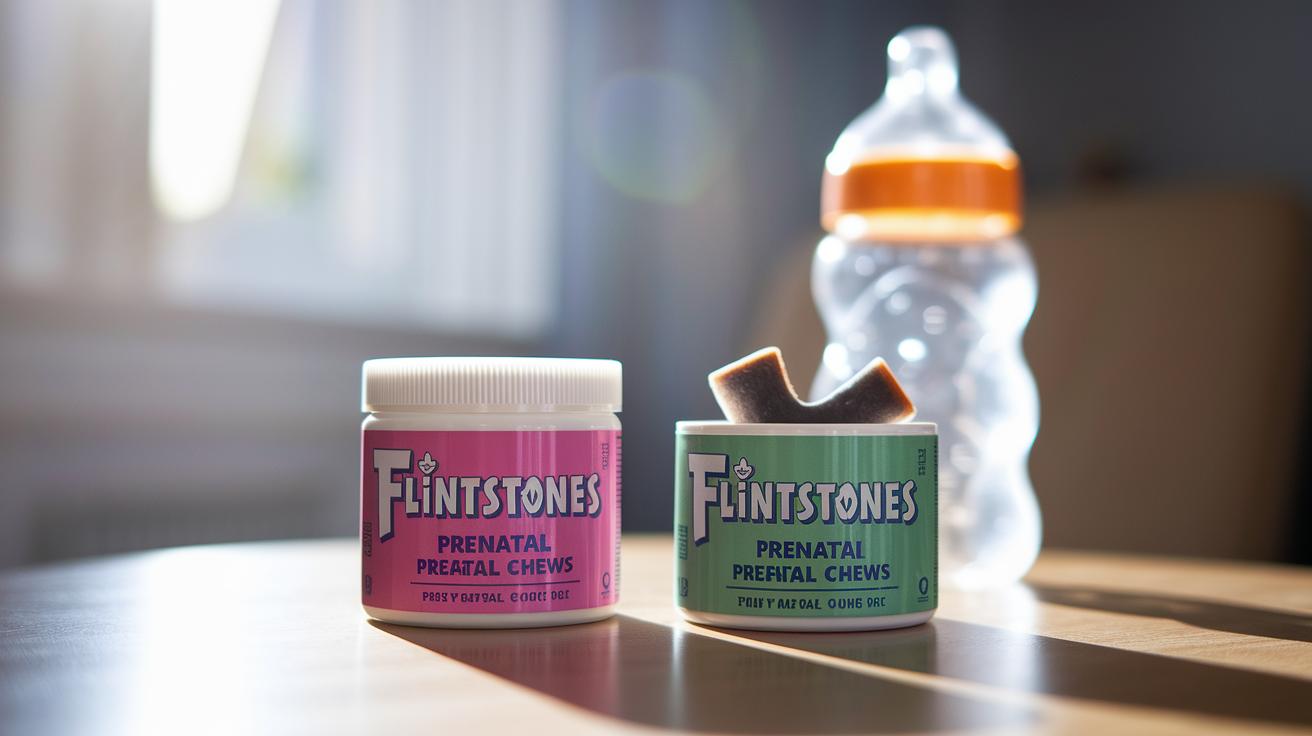
Trusted names like Sakara The Foundation, Ritual Prenatal Multivitamin, Needed Prenatal Multi Powder, One A Day Prenatal, and Nature Made Prenatal have earned their reputation by being upfront about what they include and by meeting important certification standards. They don’t just offer the basic vitamins and minerals needed during pregnancy; they also add extra nutrients to support both your health and your baby’s growth.

When picking a vitamin, take a moment to consider its key nutrient focus and any quality checks like USP or NSF certifications. It’s always a good idea to compare products side by side, especially when some offer features like powder form for better absorption or modern packaging that mirrors current research. Positive reviews from other moms and advice from healthcare experts can also guide you to the best choice for your lifestyle.

Brand Key Nutrient Focus Unique Feature
Sakara The Foundation Comprehensive nutrient spectrum Modern packaging with research-backed formula
Ritual Prenatal Multivitamin Bioavailable vitamins Science-driven ingredients and minimal additives
Needed Prenatal Multi Powder Optimal mineral blend Powder form for enhanced absorption
One A Day Prenatal Essential vitamins Trusted brand with clear ingredient sourcing
Nature Made Prenatal Transparent nutrient ratio Third-party tested for potency and purity

Integrating Essential Prenatal Vitamins with a Balanced Maternal Diet

img-6.jpg

Taking your prenatal vitamins along with a balanced diet is a simple way to care for yourself and your baby. When you mix trusted supplements with a variety of nourishing foods, you give your body a strong boost. Whole foods like fruits, vegetables, whole grains, and lean proteins come packed with antioxidants, fiber, and other good things that work in harmony with your vitamins.

Eating this way helps keep your blood sugar steady and might even ease morning nausea, especially if you include a protein-rich snack before bed. In other words, by combining your daily vitamins with a diverse, healthy diet, you're setting up your body to meet the extra needs of pregnancy.

For more clear ideas on meal planning and nutrient-rich foods, check out the maternal diet and wellness guidelines here: maternal diet and wellness guidelines.

Food Nutrient Benefit
Leafy greens Folate
Lean red meat Iron
Dairy or fortified alternatives Calcium and vitamin D
Citrus fruits Vitamin C
Nuts and seeds Vitamin E
Whole grains Fiber and antioxidants

Final Words

In the action, we explored how essential prenatal vitamins support changing nutrient needs during pregnancy, from boosting folic acid levels to balancing iron and calcium intake. The post broke down safe dosage timing and strategies for easing side effects while suggesting quality brands backed by expert research. We also showed how to pair these vitamins with a nourishing, balanced diet to fill nutritional gaps. Combining thoughtful supplement routines with wholesome meals can help you feel confident and cared for every step of the way.

FAQ

Which prenatal vitamin brands are well-regarded?

The preferred prenatal vitamin brands include Ritual, Nature Made, and Thorne. These brands are known for quality formulations that address key nutrient needs, and reviews help guide which option may suit you best.

What are the essential vitamins included in prenatal supplements?

The essential prenatal vitamins include folic acid for neural support, iron for blood growth, calcium for bones, vitamin D for mineral balance, vitamin A for organ development, and vitamins C and E for collagen and immune health.

Do I really need prenatal vitamins?

Prenatal vitamins are important because they help meet increased nutrient demands during pregnancy and early development, supplementing a balanced diet. It’s best to consult a provider to tailor your supplement needs.

How might prenatal vitamins benefit someone who isn’t pregnant?

While prenatal vitamins are designed for pregnancy and preconception support, they can help balance nutrient intake. If not pregnant, discussing their use with a healthcare professional is the best approach.

What side effects might occur from taking prenatal vitamins or gummies?

Common side effects include nausea, constipation from iron, and bright yellow urine from B vitamins. Adjusting the dosage or formulation may help reduce these symptoms; consult your provider for personalized advice.

Infant Hand-eye Coordination Milestones Spark Growth

0

Have you ever watched your baby reach for a toy and thought, "Wow, that's something special"? Every little swipe and clumsy grab isn’t just cute, it’s a step toward learning how to see and touch. Each tiny movement builds a base for better control and skill. And when those early actions turn into clear, purposeful gestures, you're really seeing growth happen. It's like getting a heartwarming peek into their world, where even the smallest steps lead to amazing new skills.

Understanding Infant Hand-Eye Coordination Milestones

img-1.jpg

Hand-eye coordination means your baby sees something and then uses their hands to reach for it. It's not something babies are born doing, they learn by playing and exploring. Think about a baby trying to swipe at a bright, colorful toy hanging nearby; that little act is one of their first lessons connecting what they see with how they move.

During the first six months, babies use rough, imprecise movements and watch closely to learn about their surroundings. Even something simple, like stretching for a rattle, helps them figure out how far away things are. Then, between six and twelve months, you might notice they get much better at grabbing things. They move from a clumsy whole-hand grab to a tiny, precise pincer grip. Soon, you may see them gently tapping toys on a table or even holding their own bottle. Every baby grows at their own pace, and that's perfectly normal. Imagine a toddler carefully picking up a small block, it shows they're gaining control and confidence with every little move.

infant hand-eye coordination milestones Spark Growth

img-2.jpg

Watching your baby explore is like seeing little wonders unfold every day. At the start, your baby uses their eyes to track bright, high-contrast objects and might even swipe at things around them. Soon, you'll notice these swipes turning into purposeful reaches as they start moving from big, clumsy grabs to careful, gentle touches.

Take a look at the table below. It shows how your baby moves through different stages, like switching from a hasty swipe to passing a toy from one hand to the other. Each change is a sign that they're building stronger control and a keen sense of exploration.

Age Range Key Milestone Typical Behavior
0–3 Months Visual Tracking Follows high-contrast mobile; swipes at objects
3–6 Months Coordinated Reach Transfers toy between hands; grabs a rattle
6–9 Months Refined Grasp Bangs objects; starts using a raking grasp
9–12 Months Pincer Grasp Picks up small pieces; holds a bottle independently

Remember, every baby grows in their own time. Watching these steps, from whole-hand actions to more skilled, delicate moves, is a lovely look at how your little one gains confidence and control every day.

Interactive Activities to Develop Infant Hand-Eye Coordination

img-3.jpg

0 to 2 Months

Try offering your little one a pair of playful, high-contrast mittens or a mobile placed close by. These simple items invite gentle swiping while helping your baby focus on bold, clear patterns. Imagine your baby's eyes lighting up as they track a striking black-and-white shape. It’s a sweet first step in connecting what they see with how they move.

3 to 6 Months

Daily tummy time can be a real treat during these months. Spread out a favorite rattle or toy so your baby feels encouraged to lift their head, reach out, and move the object between their hands. Think of it as a warm, little game where every grasp sparks more curiosity and builds strength. It’s a gentle way to help them practice control through fun, repeated play.

6 to 12 Months

Now that your baby is growing, try rolling a soft ball back and forth. This fun exercise helps them work on timing and following moving objects. You might also offer some stacking rings or let them tap lightly on a tray. Picture your baby carefully stacking rings one by one, just like building a little tower. It’s a playful way to boost their grasp and release skills while supporting overall motor coordination.

Monitoring Infant Hand-Eye Coordination and Identifying Delays

img-4.jpg

Normal Progress Patterns
Every baby develops at their own pace. Some little ones quickly move from big, sweeping hand motions to more careful, focused actions, while others might take a bit more time to sync what they see with what they do. It all happens naturally as your child learns through play and daily interactions.

Red Flags
Keep an eye on things if your baby often has trouble moving an object from one hand to the other or still tends to keep their hand open well past their first birthday. Struggling with stacking toys or feeding themselves might also be a sign to watch for. And if your child shows a strong favoring of one hand before around 18 to 24 months, it could be a clue that an extra check might be helpful.

Next Steps
If you notice these signs, consider talking with your pediatrician or scheduling an evaluation with an occupational therapist. A friendly chat with a specialist can help ensure your baby’s motor skills continue to grow in a safe and confident way.

Tracking and Charting Infant Hand-Eye Coordination Milestones

img-5.jpg

Keeping a little diary can be such a comforting way to record your baby’s first moves. Just jot down the day along with a sweet note on what your baby did, for example, when they first reached for a toy or moved something from one hand to the other. It’s a gentle reminder of how much they’re growing and gives you some lovely details to share with your doctor later. Imagine writing, "On May 2, baby grabbed a rattle with a neat pincer grip," and then watching similar skills appear in the weeks that follow.

If you’re feeling adventurous, try adding charts or even a few photos and short videos to your records. Simple milestone charts, inspired by common developmental steps, can make the whole process fun and easy to follow. A monthly snapshot or quick video clip captures even the tiniest improvements, making it clear how your baby is evolving. You might even use a downloadable template to keep everything neatly organized for your next chat with your pediatrician.

Final Words

In the action, the article explained how infant hand-eye coordination milestones grow through playful exploration, showing the timeline from early swiping to refined pincer grasp. It discussed sensory input guiding movements, charting age-based milestones, and how interactive activities can boost these skills.

We wrapped up with tips on monitoring progress and recording milestones for important pediatric visits. Every bit of progress is a win, and every small change brightens your little one’s development.

FAQ

What developmental milestones should a 5-month-old baby reach?

A 5-month-old baby begins to show improved visual tracking and hand-eye coordination, with imprecise reaching and swiping movements that help them explore objects and start transferring them between hands.

How do gross motor skills develop in infants from 0 to 12 months?

Gross motor skills evolve from simple head lifting and swiping in early months to more coordinated reaching, improved balance, and self-feeding behaviors as infants approach their first birthday, all of which support key developmental progress.

What milestones might a 12-month-old baby achieve?

At 12 months, a baby typically uses a pincer grasp, picks up small objects, may stand or walk with support, and shows improved coordination during play and self-feeding activities.

What are some milestones commonly seen in an 11-month-old baby?

An 11-month-old baby often exhibits refined hand movements, beginning attempts at a pincer grasp, improved object transfers between hands, and increased mobility, which all indicate growing sensorimotor skills.

What red flags could appear in a 10-month-old’s development?

A 10-month-old might show red flags if they consistently struggle with transferring objects or have not begun to develop a raking or pincer grasp, suggesting a need for further discussion with a pediatric professional.

At what age do babies typically begin to develop hand-eye coordination?

Babies start developing hand-eye coordination from birth with basic visual tracking and imprecise swiping, usually refining these skills between six and twelve months as they progress toward precise object manipulation.

How does hand-eye coordination present in autistic babies?

Hand-eye coordination in autistic babies largely varies; some may reach milestones on a typical schedule while others experience differences, so individual progress should be observed and discussed with healthcare providers.

How coordinated should a 4-month-old be?

A 4-month-old generally begins to track objects visually and makes imprecise swiping movements, showing early attempts at reaching, which are natural parts of developing hand-eye coordination.

What fine motor skills are expected in a 6-month-old baby?

By 6 months, a baby usually shows fine motor skills like reaching for objects, transferring items between hands, and starting to use a raking grasp, all of which indicate growing control and coordination.

Importance Of Meal Timing In Maternal Nutrition: Thriving

0

Have you ever noticed that when you eat might shape your whole day? If you’re expecting, planning your meals is more than just quieting your hunger, it’s about giving both you and your baby the right fuel. Think of each meal as a little stop on a long road trip, where every bite fills you up and supports your baby’s growth.

Skipping your first meal can leave you feeling drained and may even mess with your sleep. That’s why keeping a regular meal schedule might be just the secret to helping both you and your little one stay happy and energized.

How Meal Timing Influences Maternal and Fetal Health

img-1.jpg

Meal timing is just about deciding when you eat throughout the day. It’s like planning your breakfast, lunch, dinner, and snacks so your body gets the right fuel when it needs it. For moms-to-be, it’s not only about satisfying hunger. It can affect your energy and even how your body handles blood sugar. Imagine waking up and waiting too long to eat. It’s a bit like leaving your car running on low fuel, you eventually notice the difference with a lag in energy and even sleep.

Skipping your first meal might even leave your sleep all out of whack. Research shows that moms who delay breakfast might end up eating more calories later. This can make mornings hectic, with earlier wake-ups on workdays and later nights when you get a chance to rest. When your body misses that early dose of nutrients, it can struggle to keep a steady flow of energy and balance hormones.

Eating regular, balanced meals also keeps your blood sugar steady. A smooth flow of nutrients helps prevent issues like iron deficiency anemia and many other tired days. Plus, having a consistent eating routine supports your baby’s growth. Your little one gets a steady dose of vitamins and energy, which is really important for development during pregnancy. In truth, sticking to a predictable meal schedule means you’re setting up both your own health and your baby’s well-being for the best chance at success.

Key Strategies for Optimal Meal Timing During Gestation

img-2.jpg

When you're pregnant, sticking to a regular meal schedule can really help keep your energy steady and ensure you're getting all the nutrients you need. Think of your meal times like stops on a road trip, each one gives you a burst of energy to keep you moving along.

It’s also interesting how different cultures handle meal timing. In some places, sharing meals with loved ones not only fills the stomach but also warms the heart. Maybe you enjoy a little mid-morning tea or a fruit break that feels like a comforting ritual, helping you keep your blood sugar balanced as you go through the day.

A few practical tips to keep in mind: try to fill your plate with lots of fruits, veggies, whole grains, lean proteins, and healthy fats. For example, a small bowl of yogurt with berries can work perfectly as a mid-afternoon snack, keeping you satisfied without any sudden sugar spikes.

And remember, cutting back on sugar and processed foods at these meal times can help smooth out your energy levels and make it easier for both you and your baby to absorb all the good nutrients.

Study Findings on First-Meal Timing, Caloric Intake, and Sleep Disruption in Pregnancy

img-3.jpg

There’s some new research that's really eye-opening. It turns out that if you wait a bit longer for that first meal after waking up while you’re pregnant, you might end up consuming more calories during the day and even notice a change in your sleep. Have you ever felt like a small tweak in your routine can shift your whole day?

The study looked at how the final meal before bed links with the amount of sleep you get. Researchers used numbers called regression coefficients to show this connection. For example, in the first trimester, a slight delay in meal timing was linked with a drop in sleep, reflected by a coefficient of -0.391. In one observation, just a brief delay tied in with fewer minutes of sleep, showing how our daily habits are closely connected.

Trimester Regression Coefficient (Last-Meal-to-Bedtime vs Sleep Duration)
First -0.391
Second -0.293
Third -0.288

These clear numbers support the idea that meal timing plays an important role, not just in the calories you take in, but also in how well you rest during pregnancy. It's a gentle reminder of how interconnected our everyday choices can be.

Timing Micronutrients and Supplements for Enhanced Absorption

img-4.jpg

Finding the right time to take your vitamins can really help your body soak them up. For example, taking your iron between meals can prevent calcium (found in dairy) from getting in the way. And if you add a little vitamin C from foods like kiwi or bell peppers, your body can use the iron even better. Imagine mixing your supplement with a bit of citrus juice a couple of hours after breakfast, it’s like giving your body a gentle extra boost.

This simple timing trick not only meets your needs but also supports your baby's growth. By spacing out your supplements from your meals, you help your body focus on absorbing all the good nutrients without any battle between iron and calcium. It’s as simple as that.

Keeping a daily routine that fits your natural rhythm can make a big difference. For more friendly advice on vitamin timing, check out Prenatal care vitamins.

A few mindful tweaks like these can help keep your energy steady and support your overall well-being during pregnancy.

Barriers to Consistent Meal Timing in Maternal Nutrition

img-5.jpg

Busy days often throw off your planned meal times. Many moms-to-be are juggling work, family, and a host of daily tasks, which makes sticking to a set eating schedule really hard. And when things get hectic, it’s easy to miss a meal, leaving your energy all over the place and making it tougher to get the right nutrients for you and your baby.

Another big challenge is food security. Sometimes, families can struggle to find enough healthy, nutrient-rich foods because they’re too expensive or simply hard to come by. This can upset your careful plans for regular, balanced meals, which may affect both your well-being and your baby’s growth.

Cultural habits and everyday work routines also play a part in when and what you eat. In many communities, long-held traditions or specific job schedules mean meal times aren’t always consistent. This irregularity can make it harder to keep your blood sugar steady and ensure you’re getting balanced nutrients.

All of these real-life challenges remind us that despite our best planning, life often gets in the way of regular meals, a key part of staying healthy during pregnancy.

Practical Meal Timing Tips for Expectant Mothers

img-6.jpg

Creating a steady eating routine is a gentle way to keep your energy balanced while caring for both you and your baby. Try setting up your day with three main meals and two or three healthy snacks at regular times. For example, a bowl of yogurt with berries in the mid-morning is like a warm reminder that your body is lovingly taken care of.

You might find it helpful to use a timer or set an alert on your phone as a little nudge when it’s time to eat. These cues work like friendly whispers, much like your morning alarm gets you ready to start the day.

When you sit down to enjoy your food, take a moment to really notice its taste and texture. Choose a quiet spot away from distractions like screens, and savor each bite. It’s a simple way to transform mealtime into a peaceful moment just for you.

If you’re dealing with things like morning sickness or heartburn, don’t hesitate to adjust your meal times. Sometimes, smaller and more frequent meals can help ease discomfort while still giving you the nourishment you need.

It also helps to plan and prepare balanced, simple meals ahead of time. That way, even on busy days, you won’t go too long without refueling your body.

With these tips, your eating routine can be a manageable, nurturing way to support both your well-being and your baby’s growth.

Final Words

In the action, meal timing plays a big role in maternal health. We explored how eating at set times helps keep energy steady and supports nutrient needs for both mom and baby. You learned about the effects on sleep, nutrient absorption, and even small barriers that can be overcome with practical tips.

Remember the Importance of meal timing in maternal nutrition. Small changes in scheduling can lead to smoother days and a brighter outlook for both you and your little one.

FAQ

Q: What is the importance of nutrition during pregnancy and lactation?

A: Nutrition during pregnancy and lactation supports the mother’s health, boosts energy, and promotes proper fetal development, while ensuring the body has the nutrients it needs for a safe birth and quality milk production.

Q: What are the effects and symptoms of poor nutrition during pregnancy?

A: Poor nutrition during pregnancy can lead to fatigue, nutrient deficiencies, and anemia, which may result in reduced energy and potential complications for both mother and baby.

Q: What are the key nutritional requirements for pregnancy?

A: Key nutritional requirements during pregnancy include a balanced mix of vitamins, minerals, lean proteins, and whole foods. This helps support energy levels, blood sugar stability, and healthy fetal growth.

Q: Why is meal timing important during pregnancy?

A: Meal timing is important during pregnancy because regularly scheduled meals help keep blood sugar levels steady, support nutrient absorption, and promote better sleep patterns for both the mother and her baby.

Q: Is there a link between meal timing and glycemic control during pregnancy?

A: There is a link between meal timing and glycemic control during pregnancy, as structured meal intervals help stabilize blood sugar levels, which is crucial for maintaining overall maternal and fetal well-being.

Q: How can expectant mothers create effective meal timing routines?

A: Expectant mothers can create effective routines by having set times for three main meals and healthy snacks, using reminders to avoid long gaps, and adjusting schedules to manage symptoms like morning sickness.

Balancing Hormones In Postpartum Period: Embrace New Energy

0

Have you ever felt like your body is on a bumpy ride after having your baby? Sometimes your hormones dance around, leaving you feeling off balance and really tired. In the weeks after delivery, changes in hormones like estrogen (a hormone that helps with balance), progesterone (a hormone that helps with calm), and even thyroid hormones can affect how you feel, both in your body and your heart. It can be a lot to handle at first, but noticing these changes is the first step in understanding what’s happening and finding your new strength. Let’s explore these shifts together so you can feel more calm and balanced as you adjust to this new chapter.

Balancing Hormones in Postpartum Period: Embrace New Energy

img-1.jpg

After giving birth, your body goes through many quick changes. Hormones like estrogen and progesterone drop a lot, which can make you feel tired and mood swing a bit. At the same time, your body rises in prolactin and oxytocin. Prolactin helps with milk production, and oxytocin helps your uterus contract so it can return to its normal size. Your thyroid hormones (T3, T4, TSH) might also be a bit off, and about 10% of new moms experience signs of postpartum thyroid issues. On top of that, stress and sleep loss can boost cortisol levels, impacting your overall energy. Insulin sensitivity can change too, so keeping your blood sugar steady is really helpful while you're breastfeeding.

All these hormone changes can shape how you feel during those first weeks of recovery. Some days you might feel calmer, and other days it can be a bit more challenging. Recognizing these shifts can be the first step to finding balance and embracing the new energy around you.

  • estrogen: After delivery, estrogen drops sharply, which might leave you feeling low on energy or a bit off in mood.
  • progesterone: This hormone also falls quickly, which can lead to changes in how you feel emotionally.
  • thyroid hormones: Changes in these hormones can make you feel more tired or change your metabolism; sometimes this can develop into postpartum thyroid issues.
  • prolactin: This hormone goes up to support milk production and can help you feel more relaxed as you bond with your baby.
  • oxytocin: It increases to help your uterus contract and supports the recovery process.
  • cortisol/insulin: Higher stress levels raise cortisol, and changes in insulin sensitivity can affect your energy and blood sugar steadiness.

Taking note of these changes can help you understand why you might feel extra tired, have mood swings, or experience irregular cycles. It’s important to keep an eye on how you’re feeling and talk with your healthcare provider to get the support you need.

Nutritional Strategies for Balancing Hormones in the Postpartum Period

img-2.jpg

After having your baby, choosing the right foods can really help your body adjust and feel better. Focusing on nutrient-rich foods makes it easier for your hormones to settle into balance. A well-planned diet not only boosts your energy and supports recovery, it can also help increase milk production, steady your blood sugar, and lift your mood. For some extra guidance, you might want to check out some helpful postpartum recovery tips.

Here are some foods that can make a difference:

Food How It Helps
Fatty fish (omega-3s) Supplies essential fats for your baby’s brain and may ease feelings of postpartum sadness
Leafy greens (iron) Replenishes the iron lost during childbirth and helps prevent tiredness
Fortified dairy (vitamin D) Boosts vitamin D3 levels to help with calcium absorption and hormonal balance
Whole grains (glycemic control) Offers steady energy by keeping blood sugar levels consistent
Seeds and nuts (micronutrients) Provides a mix of vitamins and minerals to help maintain energy and support balance

Planning your meals with the right portions and combinations can really make a big difference during your recovery. When you blend these nutritious foods into your day, you may find that you have more energy, support your healing process, and feel ready to meet the challenges of new motherhood. And, of course, chatting with a health professional can help you create a diet that’s just right for you.

Exercise and Lifestyle Adjustments to Support Hormonal Balance Post-Birth

img-3.jpg

Starting gentle exercise around 6 to 8 weeks after giving birth can be really helpful. But before you begin, it’s important to check with your doctor. Once you feel your body has had a little time to heal, you might try a brief walk around the block, just short and steady, to see how you feel.

Taking part in activities like walking, gentle yoga, or pelvic-floor exercises can brighten your mood and help keep your hormones in check. Imagine starting your morning with a calm 15-minute yoga session; each stretch can feel like a little moment of peace that sets a gentle pace for your day.

Also, listen to your body and try not to overdo it. When sleep is hard to come by, pushing yourself too hard might actually raise stress levels. If you start to feel unusually tired or stressed after a workout, it might be a hint to slow down and give yourself some extra rest. Balance is key, moving in a way that gently supports your healing can make all the difference.

Stress Reduction and Sleep Techniques for Postpartum Hormone Regulation

img-4.jpg

It’s no secret that not getting enough sleep and handling stress day in and day out can really throw your mood out of whack and slow down your recovery. When you miss out on rest, your body cranks up its stress hormone, cortisol, and suddenly you’re feeling jittery, drained, and overwhelmed. It’s almost like having a noisy, constant background that makes it hard to unwind. Keeping a regular sleep schedule and creating a soothing space can work wonders. Sometimes even a few mindful deep breaths can feel like a mini-vacation, pause, take a slow inhale and exhale, and let your mind settle before you continue with your day.

Here are a few ideas to try:

  1. Stick to a regular sleep routine by waking up and going to bed around the same time.
  2. Use your baby’s nap time for a quick power nap.
  3. Practice mindful breathing or follow a short guided relaxation.
  4. Set up your sleep space with a comfortable temperature and a dark room.

Every small change you make is a way to help your mind and body feel more balanced and calm. Adjusting your routine, like setting a consistent sleep schedule and ensuring your room feels cozy, gives your body a break from those cortisol spikes. And if you’re looking for more ways to feel relaxed and recharge, check out some natural tips for reducing stress on the womensconference.org site. Remember, each little step brings you closer to a calmer, more energized day, one filled with all the tender moments of motherhood.

Natural Supplements and Herbal Remedies for Postpartum Hormonal Support

img-5.jpg

When you're recovering after childbirth, some evidence-based supplements can really help you feel more balanced. For instance, fish oil, about 1–2 grams of EPA/DHA, is known for its calming anti-inflammatory power, and vitamin D3, at 2,000–4,000 IU, supports strong bones and a healthy immune system. Iron, too, can be important, especially when lab results show you need a little boost after delivery-related blood loss. All these work best when paired with a nutritious, well-rounded diet.

Herbal remedies can also play a part during this time. Many moms find that adaptogenic herbs like ashwagandha (around 300 mg a day) and maca root help support energy and ease stress. Traditional choices like chasteberry and red raspberry leaf tea are loved for their help with keeping hormones steady. Enjoying a warm cup of tea can feel like a little self-care ritual, reminding you that sometimes nature really does lend a hand.

As you think about including these natural supplements and herbal options in your postpartum care plan, remember that quality matters a lot. Make sure you choose products that have been third-party tested and check the ingredient list to ensure purity. And if you’re breastfeeding or have any specific health concerns, it’s always a smart move to chat with your healthcare provider about the right dosages and safe use. This careful, thoughtful approach helps ensure your recovery plan really fits your unique needs.

Professional and Integrative Approaches for Balancing Postnatal Hormones

img-6.jpg

It’s important to keep an eye on the changes in your body so you can feel your best. Tracking things like your period, mood, energy, sleep, and even your skin gives you clues about your hormone health. Many experts suggest checking thyroid levels (tests like TSH and free T4) between 6 and 12 weeks after birth, especially if you notice something isn’t quite right. A simple journal to note these changes can really help you and your doctor understand your needs.

Your emotional well-being matters a lot too. Sometimes, talking with a counselor, either one-on-one or in a small group, can make a real difference. Sharing your story or discussing the stress that comes with new motherhood helps ease those mood swings and uncertain moments. It often feels like having a caring friend who really gets it.

And if you’re still having trouble after six months, there might be other options, like bioidentical hormone therapy. Working together with your healthcare provider to look over lab results and discuss a plan can lead to a treatment that’s just right for you. This teamwork makes sure you get care that supports both your hormone balance and your overall well-being.

Final Words

In the action, we explored how hormone shifts after birth affect energy and mood. We looked at changes in estrogen, progesterone, thyroid, and stress hormones, and shared ways to support your body through simple nutritional choices and moderate exercise.

Each strategy, from mindful sleep habits to safe natural supplements, plays a part in balancing hormones in postpartum period. Small, caring steps can bring a calmer, healthier experience for you and your little one. Enjoy each day with hope and gentle self-care.

FAQ

What are the signs of hormone imbalance after pregnancy?

The signs of hormone imbalance after pregnancy include mood swings, fatigue, irregular cycles, and changes in energy levels, which may point to shifts in estrogen, progesterone, thyroid, and cortisol levels.

What supplements help balance hormones after pregnancy?

The supplements to balance hormones post-pregnancy include fish oil for omega-3 fats, vitamin D3, and iron, which support recovery, boost mood, and promote overall hormone stability.

How do I balance hormones postpartum for weight loss while breastfeeding?

Balancing hormones postpartum for weight loss while breastfeeding involves a blend of wholesome nutrition, moderate exercise, stress reduction, and proper sleep to support metabolism and overall endocrine health.

How long does it take for hormones to normalize postpartum and what is the timeline?

Normalization of postpartum hormones can take several months, with many changes stabilizing by six to twelve months after childbirth as the body adapts and recovers.

What natural methods help balance hormones after pregnancy?

Natural ways to balance hormones after pregnancy include following a nutrient-rich diet, engaging in gentle exercise, managing stress through mindful techniques, and practicing good sleep habits to support endocrine balance.

Infant Play Milestones Spark Joyful Growth

0

Have you ever noticed how your baby's very first coo can brighten your whole day? Those little sounds are more than cute, they're the first steps in a wonderful journey of learning and growing.

When your little one kicks, reaches out, or babbles away, it's like watching the start of a sweet dance that leads to movement, thinking, and connecting with the world.

In this chat, we’re going to explore how these everyday moments help build the strong foundation for the skills your baby needs as they grow.

infant play milestones Spark Joyful Growth

img-1.jpg

Infant play milestones are the little steps that show how babies grow. They cover moving, thinking, talking, and even connecting with others. For example, in moving skills, a baby learning to hold up their head or roll over is like the first gentle dance of growth. In thinking skills, watching a baby drop a toy or bang it to see what happens is their way of learning cause and effect. Early sounds, like cooing and babbling, mark the beginning of sharing thoughts, while a bright smile and a steady, loving look help form those first close bonds.

Before engaging in more complex play, even a simple smile can light up a room and spark deeper emotional connections.

Babies develop at their own pace. Generally, you might see reflexive responses and loving face-to-face moments between 0 and 3 months. Then, from 4 to 6 months, they start reaching, grasping toys, and tracking moving objects. Soon after, between 7 and 9 months, they might sit up without help, move objects from one hand to the other, or enjoy a fun game of peek-a-boo. By 10 to 12 months, crawling, using a small grip (like a pinch), and playing with purpose become favorites in their playtime.

Every baby is unique, and that’s why keeping an eye on these milestones can really help caregivers support their little ones. Sometimes, a baby might show skills a bit early or take a little longer. And for preemies, these milestones are often looked at based on their adjusted age rather than when they were born. This gentle awareness reminds us that every tiny step is key to a baby’s way of learning and connecting with the world around them.

Infant play milestones by age: a first-year timeline

img-2.jpg

In baby's first year, you’ll notice lots of exciting changes in how they play. These new activities help boost movement, hand skills, thinking, and social fun. Below is a table that shows important play steps during four parts of your baby’s first year. For more details on these stages, check out the stages of childhood development.

Age Range Big Movements Hand Skills Thinking Play Social Fun
0–3 months Lifts head during tummy time Grasps things automatically Follows familiar faces with eyes Enjoys face-to-face time
4–6 months Rolls from front to back Reaches for toys and moves them around Babbles and responds to sounds Smiles when you smile
7–9 months Sits up without help Moves toys from one hand to the other Plays peek-a-boo Loves simple games with family
10–12 months Crawls or walks by holding on Uses a pincer grasp to pick up small items Plays with objects in a purposeful way Starts playful interactions on their own

Remember, every baby grows a little differently, so these steps might show up a bit sooner or later.

Play activities to boost infant play milestones

img-3.jpg

Little play moments can lead to big smiles and growing skills. For your baby’s first few months (0–3 mo), try some tummy time with a mirror. This simple game helps steady head control, and you can find more on early childhood physical development by following the link. When your little one reaches 1–4 months, hanging a bright, high-contrast mobile above their play area is a fun way to help them learn to follow objects with their eyes.

As your baby grows further (4–6 months), introduce a rattle or grasp toy to encourage reaching out. Then from 6–9 months, stacking cups and pull toys that show cause and effect create moments of playful discovery. When your baby turns 9–12 months, push-along wagons and soft finger foods help build their pincer grasp and support early movement. Imagine your baby’s delight when a simple toy makes a funny sound or light, with each moment, they’re celebrating a big win!

It’s just as important to create a safe place for play as it is to pick the right toys. Lay out a soft floor mat in a clear space free from hazards, and always have a caring adult nearby to guide your little one. Setting up a dedicated play space not only supports their physical milestones but also gives them the freedom to explore. These gentle, guided moments build confidence and nurture a deep love for active play.

Recognizing red flags in infant play milestones

img-4.jpg

Keep an eye on how your little one plays. Sometimes, small delays in their play can be hints that they might need a bit of extra help. For example, if your baby still struggles to hold their head up by four months, hasn’t started reaching out by six months, or isn’t sitting on their own by nine months, these could be gentle signals to pay attention. Also, if they aren’t passing toys from one hand to the other by eight months or haven’t started babbling by nine months, it might mean they’re having a bit of trouble with movements or sounds. Just remember, for premature babies, we measure these milestones using their adjusted age (based on their due date).

If you notice these delays, it could be a good idea to chat with a pediatrician or therapist. Trust your gut as you watch your baby during playtime. Early advice from a professional can help set up a care plan that supports your baby’s growth. Jotting down these milestones not only helps you feel more confident about your child’s progress but also guides you in making choices that best support their unique journey. Stay aware and trust your instincts.

Choosing toys for successful infant play milestones

img-5.jpg

When you're picking out toys for your baby, safety always comes first. Look for items that are BPA-free and meant for little ones aged 0–12 months. I love choosing toys with big, chunky shapes that tiny hands can hold easily. It’s best to keep designs simple, fewer small parts means a safer playtime, and smooth materials free of harsh chemicals can give you extra peace of mind. Rotating the toys now and then also helps keep the play environment fresh without overwhelming your little explorer.

Toys that spark the senses make playtime both fun and a great learning experience. Think about choosing items with different textures that invite touching and feeling. Bright, high-contrast colors catch your baby’s eye and help train those little eyes to follow moving objects. And sometimes, a toy with gentle sounds or soft musical touches can add an extra layer of joy to their play. Mixing these features creates a warm, inviting space that not only entertains but also supports your child’s growing skills in a natural, playful way.

Parent-led tracking of infant play milestones

img-6.jpg

Watching your little one play is a really special way to see how they are growing and connecting with you. When you catch that new smile during feeding, see a curious look at their favorite bath toy, or notice a playful gesture on the floor, it isn’t just a milestone, it’s a precious moment shared between the two of you. These moments not only build a stronger bond but also let you see hints of early independent play. Jotting them down fills your heart and gives you handy insights to share with your baby’s care team if you ever need to chat about their progress.

Start with something simple. You might choose a notebook or snap photos and videos during everyday moments like mealtime, bathtime, or playtime. Or you could use a checklist app to quickly mark off each new skill as it appears. These little tips help you keep track of your baby’s journey in a way that feels fun and natural every day.

Final Words

In the action of nurturing development, caregivers see infant play milestones shaping growth in motor skills, language, and social interactions. The article walked through each stage of the first year, offered playful activity ideas, and explained how to spot early challenges.

Simple tracking methods help celebrate each tiny win while guiding care. Through hands-on play, every smile and grab builds a foundation for future discovery. Embrace these moments with hope as they set the tone for lifelong progress with infant play milestones.

FAQ

How do baby milestones progress month by month?

The baby milestones month by month detail emerging skills in motor, cognitive, language, and social-emotional areas—from early head control and smiling to later skills like rolling, reaching, and intentional play.

What does a developmental milestones chart for infants show?

A developmental milestones chart for infants outlines age-linked skills such as lifting the head, rolling, babbling, and crawling. It provides a quick view of progress in motor, cognitive, and social play areas.

What do play developmental milestones in occupational therapy refer to?

Play developmental milestones in occupational therapy refer to key age-related skills observed during play. They help professionals assess progress in motor, cognitive, and social areas to guide early interventions.

What are the 5 stages of play in child development?

The 5 stages of play in child development begin with simple, undifferentiated play, then move through functional play, constructive play, dramatic play, and finally interactive games with rules, reflecting growing social and cognitive skills.

What are the 5 developmental milestones for infants?

The 5 developmental milestones for infants cover progress in motor skills, cognitive abilities, language, social-emotional responses, and play. They include improvements like head control, rolling, babbling, smiling, and purposeful object use.

What are three red flags to watch for around 12 months?

Three red flags at 12 months include not crawling or cruising, a lack of babbling or intentional communication, and minimal interactive play. These indicators suggest the need for a professional evaluation.

What does a baby milestone chart for 12-18 months cover?

A baby milestone chart for 12-18 months covers advanced skills such as beginning to walk, using a pincer grasp, improved coordination, and more interactive social play, highlighting important growth during this period.

How are play milestones categorized by age?

Play milestones categorized by age group start with basic reflexes and gradually move to interactive games like peek-a-boo, reflecting a child’s progress in motor, language, and social engagement through different stages.

What does play milestones ASHA refer to?

Play milestones ASHA refer to guidelines from the American Speech-Language-Hearing Association that specify expected play skills and communication behaviors, which help track developmental progress during early childhood.

Maternal Nutrition For Sustaining Energy Levels: Feel Bright

0

Ever notice how your tired afternoons might be linked to what you eat? Many moms need an extra boost, whether they're expecting a baby or busy caring for their little ones. Think of your body like a car that runs best with great fuel. When you mix in a variety of balanced foods, it helps keep you energized throughout the day. In this chat, we’ll look at how adjusting your food choices can keep you feeling cheerful, balanced, and ready to tackle even the busiest days.

Maternal Nutrition and Energy Requirements During Pregnancy and Postpartum

img-1.jpg

Hey there, moms, let’s chat about your body's extra energy needs during pregnancy and after your little one arrives. In your second trimester, you might find that you need about 340 extra calories a day. As you move into the third trimester, that number can go up to roughly 450 extra calories each day. And if you're breastfeeding, your body may ask for an extra 500 calories a day to keep up with both your energy and your baby’s growth. It’s all about giving your body what it needs to feel strong and supported.

Eating a balanced diet really makes a difference, too. Your unique weight gain targets depend on where you started before pregnancy, for example, you might aim for 28–40 pounds if you were underweight, about 25–35 pounds if you were at a normal weight, 15–25 pounds if you were overweight, and 11–20 pounds if you were obese. Simple guides like the USDA MyPlate can turn those extra calories into clear, everyday meal ideas that work for you.

Mixing in consistent meal planning with these energy tips is a real game changer. It helps you feel energized each day while caring for your growing baby and then taking care of yourself during postpartum recovery. Remember, every little change counts, and together these steps can help you feel nourished and vibrant on this journey.

Essential Nutrients in Maternal Diet to Sustain Energy

img-2.jpg

To keep your energy steady, it's important to enjoy a mix of big nutrients (like proteins, carbs, and fats) along with essential vitamins and minerals. Try to have protein make up about 10–35% of your daily calories. Foods such as whole grains and fiber-rich fruits and vegetables help even out your blood sugar. Plus, adding healthy fats from avocados or nuts supports your baby's brain development and keeps you feeling well. If you're curious about more details, check out our friendly maternal diet and wellness guide.

Macronutrients for Energy

Your body runs best on a mix of protein, carbohydrates, and healthy fats. Lean options like chicken, beans, and eggs work to repair and build your tissues, while whole grains, fruits, and vegetables provide long-lasting energy. Healthy fats from nuts and seeds not only help you feel satisfied but also boost your brain health. This balance is key whether you're expecting or adjusting after baby arrives.

Micronutrients for Energy

Little nutrients pack a big punch too! Iron and folic acid (or other key vitamins and minerals) help keep your blood healthy and fight tiredness. Calcium and vitamin D are great for building strong bones, and omega-3 fatty acids from fish or seeds support your baby's growth. Mix these nutrients with some gentle daily movement and proper rest, and you'll feel more energized throughout the day.

Nutrient Source
Protein Chicken, beans, and eggs
Complex Carbs Whole grains and quinoa
Healthy Fats Avocados, nuts, and seeds
Iron Spinach and lean red meat
Calcium Dairy products and fortified plant-based milks
Folic Acid Leafy greens and legumes

Maternal nutrition for sustaining energy levels: Feel bright

img-3.jpg

Eating foods full of nutrients helps keep your energy steady while nurturing your body during pregnancy (prenatal care) and after your baby is born. Imagine starting your morning with a warm bowl of oatmeal topped with fresh berries, it feels like a gentle, energizing hug that fills you with fiber and antioxidants. Then picture a lunch like a tasty quinoa salad with chickpeas and veggies that gives you a boost of complete protein and complex carbs to keep you going. A snack such as a Greek yogurt parfait with a few crunchy nuts is a fun way to enjoy protein and healthy fats, while a dinner like lentil soup with a handful of spinach brings in a good mix of iron and fiber. Even a quick treat like whole-grain toast with nut butter can be just what you need to feel refreshed and energized.

Recipe Main Nutrient Focus Prep Time
Oatmeal with Berries Fiber, Antioxidants 10 min
Quinoa Salad with Chickpeas & Veggies Complete Protein, Complex Carbs 15 min
Greek Yogurt Parfait with Nuts Protein, Healthy Fats 5 min
Lentil Soup with Spinach Iron, Fiber 30 min
Whole-Grain Toast with Nut Butter Sustained Energy 5 min

Customizing your meals can be both simple and fun! You can adjust the serving sizes or swap ingredients to meet your calorie and nutrient needs. For instance, if you feel you need a little extra boost, try adding another spoonful of nut butter to your toast or toss in an extra handful of spinach in your soup. You can also mix up the fruits and veggies based on what’s fresh and available, making sure your meal always has a good balance of lean protein, whole grains, and healthy fats. It’s a bit like curating your favorite family recipe, experiment with herbs and spices until the flavors feel just right. Have you ever noticed how a small change can make your meal feel extra bright and satisfying?

Maternal nutrition for sustaining energy levels: Feel bright

img-4.jpg

Start your morning with a simple routine to help keep your blood sugar steady. The USDA recommends three meals and two snacks, with protein and complex carbs every three to four hours. Imagine a warm bowl of oatmeal topped with chopped nuts and berries to jumpstart your day – a little meal that brings energy and balance.

When planning your meals, picture your plate split into parts. Fill half with a rainbow of vegetables, one-quarter with lean protein like grilled chicken or tofu, and the last quarter with whole grains such as quinoa. How about a fresh idea for the afternoon? A snack of Greek yogurt with a touch of honey and a sprinkle of granola is a light and tasty pick-me-up.

Check in with yourself at home or during your prenatal visits to see how you’re doing. You might decide to adjust your meals or portions based on how strong you feel. Sometimes a small switch, like trying a new snack or mixing up your veggies, can be just what you need to keep feeling bright and energized.

Hydration and Natural Energy Boosters in Maternal Nutrition

img-5.jpg

Staying well-hydrated might seem simple, but it's a real game-changer for boosting your energy naturally. Try to drink about 8 to 10 cups (64-80 oz) of water every day to help keep tiredness and headaches away. Think of it as giving your body a refreshing refill during a busy day.

You can also mix things up with drinks rich in electrolytes, like coconut water, or enjoy fruits and veggies that are full of water, imagine crisp watermelon or a cool cucumber on a hot day. And if you need a little extra push, safe herbal teas are a great pick. For instance, ginger tea can gently ease nausea, while peppermint tea offers a subtle lift. Picture yourself with a warm cup of ginger tea on a quiet morning; it feels like a soft hug, inviting you into the day.

Adding a bit of movement along with regular water breaks can really help, too. Even a quick walk or a gentle stretch lets your body use all that nourishing fluid more efficiently. A short pause with a hydrating snack or a few sips of your favorite drink can make all the difference, leaving you feeling balanced and refreshed. These simple, natural tips not only support your metabolism during pregnancy but also set the stage for feeling bright and vibrant every day.

Managing Maternal Fatigue: Sustaining Energy Naturally During Pregnancy

img-6.jpg

Pregnancy is full of changes, and each trimester brings its own kind of tiredness. In the early months, you might feel as if you barely slept at all because of all the hormonal ups and downs and nausea. By the second trimester, many moms find a little extra pep in their step, even though fatigue might still pop up now and then. And in the third trimester, when discomfort and sleep disruptions kick in, even simple tasks can feel extra challenging. It’s all part of your body’s natural rhythm during this special time.

One way to keep those energy dips at bay is to eat small, regular meals. Imagine having a light snack, like a few whole-grain crackers with cheese, every three to four hours. Pairing these snacks with your prenatal (care during pregnancy) vitamins can really help boost your energy. And sometimes, taking a short walk or even a quick power nap can feel like a mini-refresh for your day.

Studies show that a balanced diet not only feeds your body but also brightens your mood. Adjusting your routine to fit in regular little meals and short breaks can truly make a difference. Even a small change can help you feel a bit more energized and supported every day.

Postpartum Nourishment and Supplementation Guidelines in Maternal Nutrition

img-7.jpg

After your baby is born, your body needs extra care to heal and support breastfeeding. Your energy needs change, and eating a mix of nutrient-packed foods helps a lot. A balanced postnatal diet means enjoying healthy meals along with iron and folic acid (or a blend of many vitamins), keeping an eye on your weight, taking steps like deworming if needed, staying active, and getting enough rest. If you’re a younger mom, you might also find energy-protein supplements helpful to boost your recovery and keep tiredness away.

Micronutrient Supplementation Guidelines

Taking the right vitamins right after birth is very important. Adding iron with folic acid or a multi-micronutrient mix helps replace key nutrients, keeps your blood healthy, and repairs your body as it heals. These supplements can give you a steady energy boost during those busy first days so you can better take care of your little one.

Postpartum Nutrition Support Strategies

Talking with a nutrition counselor can be a warm help in planning your meals. They can guide you to include lean proteins, healthy fats, plenty of vegetables, and whole grains in your diet. They might even suggest energy-protein supplements when you need them. These tips are all about making sure your eating habits support your recovery and daily energy needs.

Overall, good nourishment means mixing smart, healthy eating with advice from experts. This comprehensive approach, including ideas from holistic maternal wellness, helps every mom feel vibrant, strong, and ready to enjoy the journey of motherhood.

Final Words

In the action, we explored how balanced meals and smart snacking can boost your day-to-day energy. We looked at practical meal plans, nutrient timing, hydration, and even simple recipes to meet both prenatal and postpartum needs. The article shows that a well-planned maternal diet and energy strategies can make a real, positive impact. Remember, feeding your body right is the key to maternal nutrition for sustaining energy levels and nurturing your well-being every day.

FAQ

Why is maternal nutrition important for health?

Maternal nutrition is important for health as it supports fetal growth, meets extra energy needs throughout pregnancy, and aids in healthy postpartum recovery, ensuring both mom and baby receive the necessary nutrients.

How do energy requirements change during pregnancy and lactation?

Energy requirements in pregnancy and lactation increase as the body supports rapid fetal growth and milk production; the second trimester needs roughly 340 extra kcal per day, the third around 450 kcal, and breastfeeding may need up to 500 extra kcal daily.

How much energy does a pregnant woman use per day?

A pregnant woman uses extra energy daily, which varies by trimester; for example, she may need an additional 340 to 450 kcal per day, with further increases during lactation to support continuing nutritional demands.

What are the effects of poor nutrition during pregnancy?

Poor nutrition during pregnancy can lead to issues like suboptimal fetal development, inadequate weight gain for the mother, and an increased risk of complications, making proper nutrient intake essential for both mom and child.

What is the essential maternal nutrition during pregnancy?

Essential maternal nutrition during pregnancy involves a balanced diet with lean proteins, whole grains, healthy fats, and key micronutrients such as iron, calcium, folic acid, and vitamin D to support overall wellbeing.

How do maternal energy requirements in the first trimester compare to pre-pregnancy needs?

In the first trimester, energy needs are similar to pre-pregnancy levels since early fetal growth is gradual, but later trimesters demand more energy to support faster developmental changes.

Postpartum Nutrition Meal Plans For Recovery Spark Vitality

0

Have you ever thought that what you eat could help your body heal? After giving birth, your body really needs the right foods to rebuild and get stronger. A healthy meal plan is like that warm bowl of oatmeal on a cool morning, it gives you comfort and extra energy to bounce back. In this guide, we’ll show you how adding proteins, whole grains, and healthy fats to your diet can help you feel more vibrant and supported every day.

Tailored Postpartum Nutrition Meal Plans for Recovery

img-1.jpg

Postpartum nutrition in what many call the "fourth trimester" is really important for healing after childbirth. A thoughtful meal plan can help rebuild your strength and support your body's natural repair. After having your baby, your body needs extra fuel for fixing tissues, regaining energy, and overall recovery. If you're breastfeeding, a plan that adds more calories, protein, and key nutrients can help keep your milk flowing well. It’s much like starting the day with a warm bowl of oatmeal that fills you up and comforts every part of you.

A clear meal plan can make your daily routine easier by making sure you get the right nutrients in the right amounts. With a focus on breastfeeding support, you can spend more time healing while enjoying meals that give you quick energy and keep you strong all day. Some main goals of these meal plans are:

  • Tissue repair
  • Energy restoration
  • Milk supply support
  • Nutrient replenishment

For more ideas and expert tips on recovery nutrition, check out the postpartum recovery tips link. This step-by-step approach not only helps your body heal, but also lets you take little, satisfying steps toward regaining your energy and confidence each day.

Postpartum Balanced Diet Guidelines: Key Nutrients for Healing

img-2.jpg

After childbirth, protein-rich foods help your body heal and give you steady energy. Think of eggs, milk, cheese, meat, and beans as the building blocks you need for a fast recovery. A simple omelet with mixed vegetables, for instance, can boost your strength. And when you combine these with whole grains, you can keep your energy levels steady all day.

Healthy fats are just as important. They support hormone balance and help maintain a good milk supply. Avocado, nuts, seeds, and yogurt add a nice, smooth texture to your meals and help your body soak up important vitamins. You might enjoy a small bowl of yogurt with some seeds, it’s a cozy snack that feels as good as it tastes.

Fiber-rich foods, like fruits, vegetables, and whole grains, keep your digestion on track. Leafy greens and whole grains also give you calcium for strong bones. And if you mix iron-rich foods like red meat or leafy vegetables with a little citrus juice, you boost your iron absorption. Picture a crisp spinach salad with orange segments, a refreshing way to nourish your body.

Omega-3 fatty acids and choline help support brain health and keep your mood steady. Foods like salmon and eggs are great sources of these nutrients. Even a side of lightly steamed broccoli can add to your choline intake. A meal that includes these elements not only helps you recover but also supports your overall well-being.

Efficient Meal Prep and Meal Timing Strategies After Pregnancy

img-3.jpg

Planning ahead can really save you time and energy, especially when you're busy with your little one. One-pan meals like sheet-pan dinners or freezer-friendly soups can be total lifesavers. Imagine this: while your baby is napping, you could roast some veggies and lean protein on a tray. It’s simple, practical, and oh-so-satisfying. Using handy ingredients like precut vegetables, rotisserie chicken, canned beans, and frozen veggies means you spend less time chopping and more time enjoying a nourishing meal, even on the busiest days!

Finding little pockets of time amid newborn care is key. Try setting up a schedule that includes 3-4 small meals and 2 snacks throughout the day to keep your energy up. Think of your meals as quick refuel stops during your baby’s nap or a quiet moment for you. Even a 15-minute break can be enough time to batch-cook a soup or whip up a quick one-pan stir-fry. And remember, asking for help with meal prep or using partially prepared ingredients can really lighten the load.

One way to keep things running smoothly is by prepping some items in advance. For example, making overnight oats for breakfast or cooking a big dinner that doubles as leftovers can be a great lifesaver later on. Keep some snacks like energy balls and egg muffins ready-to-go. This plan not only makes sure you get the nutrients you need for postpartum recovery but also helps make your meal timing feel more manageable while you care for your newborn.

Sample 5-Day Postpartum Nutrition Meal Plan for Recovery

img-4.jpg

This five-day plan is here to help you boost your energy and gently guide your body's healing after childbirth. We’ve put together simple recipes that combine protein, good fats, and fiber-rich carbohydrates to support tissue repair and keep your milk flowing. You'll find favorite meals like warm apple cinnamon steel cut oats from the slow cooker, creamy chia seed pudding with coconut milk, a cozy carrot cake baked oatmeal, a refreshing mango smoothie bowl, and hearty whole grain protein pancakes topped with almond butter and blueberries. And the best part? Leftovers can easily turn into a tasty lunch or a quick side dish, which is great when you're juggling busy postpartum days.

Day Breakfast Lunch Dinner Snack
Day 1 Slow cooker apple cinnamon steel cut oats Leftover oat bowl with a sprinkle of chopped nuts Quinoa salad with black beans and mixed greens Fresh apple slices with a dollop of yogurt
Day 2 Chia seed pudding with coconut milk, chia seeds, raspberries, cacao nibs Whole grain wrap with turkey and avocado Lentil and vegetable soup Banana with a handful of almonds
Day 3 Carrot cake baked oatmeal (oats, milk, raisins, shredded carrots, pecans) Mixed greens salad with leftover oatmeal topping Grilled tofu with steamed broccoli and brown rice Cottage cheese with pineapple chunks
Day 4 Mango smoothie bowl topped with nuts, granola, and fruit Whole grain sandwich with lean chicken and spinach Stir-fried vegetables with quinoa Energy ball bites
Day 5 Whole grain protein pancakes with almond butter and blueberries Spinach, strawberry, and walnut salad Baked salmon with sweet potato mash Greek yogurt parfait with granola

Quick Healthy Postpartum Snack Ideas for New Mothers

img-5.jpg

Hey there, new mom, you know how busy life can be now. When you’re juggling everything, it helps to have one-handed, nutrient-rich snacks ready to go. Imagine grabbing a few energy balls made with oats, your favorite nut butter, and a sprinkle of chia or flax seeds. Egg muffins that you prepped earlier or even quick breakfast burritos can be lifesavers on those days when you only have a minute to eat. A delicious Greek yogurt parfait with fruit and granola or even a small bowl of nut-and-seed trail mix can offer the perfect balance of protein, healthy fats, and fiber to keep you fueled through all those unpredictable moments.

Try to carve out a few moments in your day for a little snack break. Maybe it’s some sliced veggies paired with a tasty hummus dip that gives you a crisp, refreshing bite, or perhaps a protein bar that fits right into your on-the-go routine. Even a brief pause to enjoy a small, balanced snack can give your body the boost it needs to support postpartum recovery and help you feel a bit more energized. Isn’t it amazing how a little treat can make a big difference?

Hydration and Recovery Drink Recipes Postpartum

img-6.jpg

Keeping yourself well-hydrated is a gentle yet powerful way to help your body heal and support milk production. Drinking enough water helps your body repair its tissues and eases tiredness, which can be a big help as you care for your newborn. Imagine starting your morning with a big glass of water that feels as refreshing as a cool spring breeze, it’s a small step that truly makes a difference.

You might consider whipping up a simple homemade electrolyte drink to boost your energy. For example, mix water with a pinch of salt and a splash of citrus juice. This refreshing drink not only quenches your thirst but also replaces important minerals lost during childbirth. You could also try a warm, soothing bowl of bone broth rich in protein and collagen or brew a cup of lactation-supportive tea like fennel or fenugreek. Imagine holding a warm cup where every sip offers a gentle hug and a surge of comfort.

As you enjoy these drinks, keep safety in mind. If you’re breastfeeding, it’s best to limit caffeine to about 200 mg a day. These drink choices can really help with your recovery, but if you have any worries about hydration or nutrition, it’s a good idea to chat with a health professional.

Sustaining Energy: Protein-Packed Meals and Anti-Inflammatory Foods

img-7.jpg

Think about a meal that gently helps heal your body after childbirth. You might enjoy lean chicken in a flavorful turmeric stir-fry alongside sweet potatoes and a rainbow of veggies. This dish is spiced with turmeric and ginger, which can help reduce swelling and support healing. Imagine the warm smell of spices with fresh greens – a meal that fills you up and soothes you with every bite.

Another heartwarming choice is a salmon-quinoa bowl. Here, tender salmon rich in omega-3s is paired with quinoa and plenty of leafy greens. A drizzle of olive oil and slices of avocado not only boost the healthy fats but also help your body absorb more of those precious vitamins while keeping inflammation low. Picture a bright bowl filled with pink salmon, crisp spinach, and fluffy quinoa – a mix that lifts your mood and fuels your recovery.

It can be a smart idea to match up your nutrients just right. When you combine proteins with fiber-rich veggies, good fats, and whole grains, you’re setting yourself up with steady energy. For instance, tossing some berries into your spinach salad can add a sweet burst of flavor and antioxidants that fight inflammation. This balanced mix of lean protein, superfoods, and thoughtful pairings supports relaxing, long-lasting energy as you heal.

Final Words

In the action, this article showed how special meal plans guide healing, boost energy, and support milk production. It broke down key steps like crafting balanced meals, smart meal prep, and keeping hydrated with recovery drinks. Each section explained easy ways to get the nutrients needed for tissue repair and steady energy. With postpartum nutrition meal plans for recovery as a guide, every small step helps build a healthier and happier path forward. Enjoy crafting a routine that makes you feel supported every day.

FAQ

What to eat for postpartum recovery?

Choosing nutrient-dense, real foods like lean proteins, whole grains, fruits, and vegetables helps support healing, energy, and milk production during postpartum recovery.

What is the 5 5 5 rule for postpartum recovery?

The 5 5 5 rule organizes eating into balanced portions throughout the day to support steady energy, tissue repair, and overall healing, although the details may vary.

What are real food postpartum recovery meals?

Real food postpartum recovery meals are built on whole, minimally processed ingredients such as lean proteins, whole grains, fresh fruits, and vegetables to aid recovery and support lactation.

What is the postpartum diet plan?

The postpartum diet plan is a balanced eating strategy that includes lean proteins, healthy fats, whole grains, and plenty of fruits and vegetables to promote tissue repair, maintain energy, and support milk supply.

Types Of Folic Acid Boost Health And Vitality

0

Have you ever noticed how a tiny thing like vitamin B9 can brighten your day? Some folks might not realize that it comes in two forms, one naturally found in leafy greens and another in supplements (we call this folic acid). Both of these help your cells grow, give you energy, and keep your body running smoothly.

Let's take a closer look at how these forms differ and how each one helps you feel healthy and active. Sometimes, the little choices make a big difference in our daily well-being.

Types of Folic Acid Boost Health and Vitality

img-1.jpg

Vitamin B9 is a little helper that keeps our bodies working well every day. It supports new cell growth, helps make red blood cells, and gives our immune system a boost. When you get enough vitamin B9, it lays the foundation for feeling good and staying active, even a small amount can quietly support your daily well-being.

Vitamin B9 is especially important if you’re planning for a baby or are already expecting. Having enough of this vitamin can help your baby grow healthily and may lower the risk of some birth challenges (like neural tube problems). That’s why many families combine natural foods with supplements. For example, many choose prenatal care vitamins so they can feel sure they’re doing all they can for a healthy start.

  • Natural food folates: Found in foods like a cup of cooked spinach (about 160 mcg), legumes, and fortified grains. These are the forms your body loves to use straight from nature.
  • Synthetic folic acid: Often seen in supplements and fortified products. This type is added to foods to help you meet your daily vitamin B9 goal.
  • Methylated folate variants: These are bioactive forms that skip the body’s extra conversion step, making them ready to use, which is really useful if your body has a tougher time processing vitamin B9.

Knowing the differences between these types is key for everyday health and especially during pregnancy. Adults are generally recommended to have about 400 mcg DFE of vitamin B9 each day, and this goes up to about 600 mcg DFE when expecting. Remember, natural food folates might only offer about half the benefit, while synthetic and methylated options work a bit differently in your body.

Synthetic Folic Acid Variations and Bioavailability

img-2.jpg

Traditional synthetic folic acid is a form of vitamin B9 that you usually find in supplements and fortified foods. Your body needs a special enzyme called MTHFR to change it into a form you can use, kind of like having a locked toolbox that needs the right key. If your MTHFR activity is low, that key might be hard to find, and some folic acid might not work as it should.

MTHFR helps switch folic acid into a bioactive form that supports red blood cell creation and even DNA building. When this enzyme is less active because of common genetic variations, the process can slow down a bit. I’ve heard that a lot of people feel more energetic when they switch to a methylated version that’s already active, it's like getting a head start from the moment you take it!

Methylated folate forms, like L-methylfolate (L-5-MTHF), skip that waiting game by not needing the enzyme conversion. Some products, such as Quatrefolic®, add a glucosamine salt to help your body absorb the vitamin better. This way, you get the active form of vitamin B9 right away, offering immediate support for your cells and overall health. For anyone with lower MTHFR function, this reliable absorption can make a big difference.

Dietary Sources of Natural Folate: Food Folate Profiles

img-3.jpg

Dark leafy greens, legumes, and citrus fruits are some of the best natural sources of vitamin B9 (folate). For instance, a cooked cup of spinach has about 160 mcg of folate, and beans along with fresh oranges pack a nice nutritional punch too. Picture enjoying a meal with a crisp spinach salad, a warm bowl of lentil soup, and sweet, juicy orange slices – every bite not only tastes good but also adds a boost of this essential nutrient.

Just keep in mind that our bodies only absorb about half of the folate we eat. And when you cook your veggies, especially by boiling spinach, you could lose anywhere from 50% to 90% of its folate. So, even if you’re serving up a wholesome plate, the actual nutrient punch might be a bit lower than you expect.

Many daily diets, especially those without fortified foods, might not hit the recommended 400 mcg DFE mark. This means relying only on natural food sources might not supply all the vitamin B9 you need. For more details on planning a nutrient-rich diet, check out the maternal diet and wellness guidelines available on our website.

Dosage and Safety Guidelines for Folic Acid Intake

img-4.jpg

Folate is really important for growing new cells and making red blood cells. Adults need about 400 mcg DFE each day, and if you’re expecting, you’ll want around 600 mcg DFE daily. It’s best to keep synthetic folic acid below 1,000 mcg each day so it doesn’t mess with your vitamin B12 balance.

Many folate supplements come in doses from 800 to 1,200 mcg per serving. And when you add fortified foods into the mix, it’s easy to get close to or even pass this limit. Too much synthetic folic acid might stick around in your blood without being used properly. This extra folic acid could hide a lack of vitamin B12, which isn’t something you’d want.

It’s a smart idea to keep track of how much folate you get from both your food and any supplements. Check your labels and consider chatting with your healthcare provider if you’re unsure about the right amount for you. Staying on top of this can help you keep a good balance and feel your best.

Prenatal and Special Population Folic Acid Recommendations

img-5.jpg

If you’re planning a little one or already expecting, taking care of your folic acid needs can be a gentle yet powerful boost for both you and your baby. Research shows that taking about 400 mcg of folic acid every day around the time you plan to conceive can help lower the risk of conditions like spina bifida and anencephaly. It’s best to start at least a month before trying and continue through the first trimester to give your baby a strong start.

Sometimes, if you or your family have a history of neural tube issues or other risk factors, a higher dose, up to 4,000 mcg daily, might be needed. Always chat with your healthcare provider before making any changes so they can tailor advice to your unique situation. It really helps to discuss these details at your first prenatal visit.

Some moms also find that methylated folate, often called L-methylfolate, works best for them, especially if you have a variation in the MTHFR gene. This form skips a conversion step that some bodies struggle with, making it available right away. Many moms say switching to a methylated version feels like giving their bodies an extra boost to support both their health and their growing baby.

Ultimately, the right folic acid supplement for you depends on your health history, what you eat, and even your genes. A quick conversation with a trusted healthcare provider can help you decide whether a traditional supplement or a methylated option is best for you, ensuring a smooth and healthy start for both you and your little one.

Selecting the Right Folic Acid Supplement

img-6.jpg

When you’re on the hunt for a folic acid supplement, start by checking for third-party verification seals. These marks show that the product has been tested for quality and purity, giving you that extra bit of reassurance.

Next, take a close look at how the active folate form is labeled on the package. You might notice names like L-5-MTHF or simply folic acid. This helps you decide if the supplement is ready for your body or if it needs extra work to convert. A good choice often includes helpful nutrients like vitamin B12 and B6, which work with vitamin B9 to support your overall cell health.

There are plenty of options available. You can choose from basic folic acid tablets to more advanced types like liposomal, peptide-complex, or time-release formulas. For example, a time-release supplement steadily delivers vitamin B9 throughout the day, offering you consistent support.

It also helps to read product reviews and compare prices. Hearing from other moms can guide you in your decision. Some products, such as Quatrefolic®, are well-known for improved absorption thanks to innovative glucosamine salt technology. Ultimately, the best choice comes down to what fits your needs and budget.

  • Look for third-party seals
  • Check for clear active form labels
  • Consider helpful cofactors like vitamin B12 and B6
  • Evaluate advanced delivery options like liposomal or time-release formulas

Keeping these points in mind can help you feel confident about choosing the right folic acid supplement for you.

Vitamin B9 Absorption Highlights

img-7.jpg

Getting enough Vitamin B9 is really important for your family's health. Natural food folate is only absorbed about half the time, and cooking can cut its benefits by as much as 90%! That means you might not get as much from your meals as you think.

Synthetic folic acid, on the other hand, can be absorbed up to 85% when you take it on an empty stomach. So if you're supplementing, try to take it before eating. And then there's L-5-MTHF, which is nearly 100% bioavailable, giving you almost an instant boost of benefits.

For a quick look, check out the table below:

Source Type Approximate Bioavailability Key Points
Natural Food Folate ~50% Cooking can cut folate levels by up to 90%
Synthetic Folic Acid Up to 85% Best taken on an empty stomach
L-Methylfolate (L-5-MTHF) Near 100% Almost immediate benefits
Time-Release Folic Acid Varies Sustained benefits over time

Final Words

In the action, we reviewed the different types of folic acid, from natural folate found in foods to synthetic supplements, including methylated variations that bypass the usual activation steps. We touched on why these distinctions matter for overall and prenatal health and shared guidance on proper dosage and supplement selection.

We hope this clear recap helps you confidently prioritize maternal wellness while enjoying the supportive care community you deserve. Stay positive and keep embracing the small steps toward better health with folic acid as part of your balanced care.

FAQ

Q: Folate vs folic acid

A: The difference between folate and folic acid is that folate is the naturally occurring form of vitamin B9 found in foods, while folic acid is a synthetic form used in supplements and fortified products, both aiding body functions.

Q: Is folate or folic acid better for pregnancy?

A: While both forms support healthy development, folic acid supplements are often recommended during pregnancy to reduce the risk of neural tube defects.

Q: What types of folic acid are used during pregnancy?

A: The types include synthetic folic acid found in supplements, L-methylfolate (a bioactive form), and natural food folates, each playing a role in maternal and fetal health.

Q: Is folic acid bad for you?

A: Folic acid is safe when taken at recommended doses; however, excessive intake may mask a vitamin B12 deficiency, so moderation is key.

Q: Are there foods to avoid when taking folic acid?

A: There are no specific foods known to conflict with folic acid, but maintaining a balanced diet is important for proper nutrient absorption.

Q: Can I take folate and folic acid together?

A: It is generally safe to take both together, but you should follow the advice of your healthcare provider regarding supplementation.

Q: How do folate and folic acid compare for anemia?

A: Both assist in red blood cell formation; however, a healthcare provider can best determine which option is most suitable for your specific health needs.

Q: What are the benefits of folic acid for women?

A: Folic acid supports DNA synthesis, aids red blood cell formation, and lowers the risk of neural tube defects during pregnancy, all of which are vital for overall health.

Q: What is the best form of folic acid?

A: While standard folic acid works well for most people, L-methylfolate may be preferable for individuals with certain genetic variations that affect folate metabolism.

Q: What are the different kinds of folic acid?

A: The different types include synthetic folic acid, bioactive L-methylfolate, and natural food folates, with each offering distinct benefits in absorption and bodily support.

Q: Who should not take vitamin B9?

A: Individuals with specific conditions, such as an untreated vitamin B12 deficiency or certain allergies, should consult a healthcare provider before taking vitamin B9 supplements.