
Ever wondered if skipping some foods might help boost your health and even support your baby's growth? Studies show that adding different foods to your meals can give you more vitamins and minerals, even if you have to avoid a few items.
In this post, I share simple tips for swapping ingredients without missing out on nutrition. Let's explore easy ways to enjoy a bright, balanced diet that keeps you and your family feeling happy and healthy.
Adapting Maternal Nutrition for Dietary Restrictions
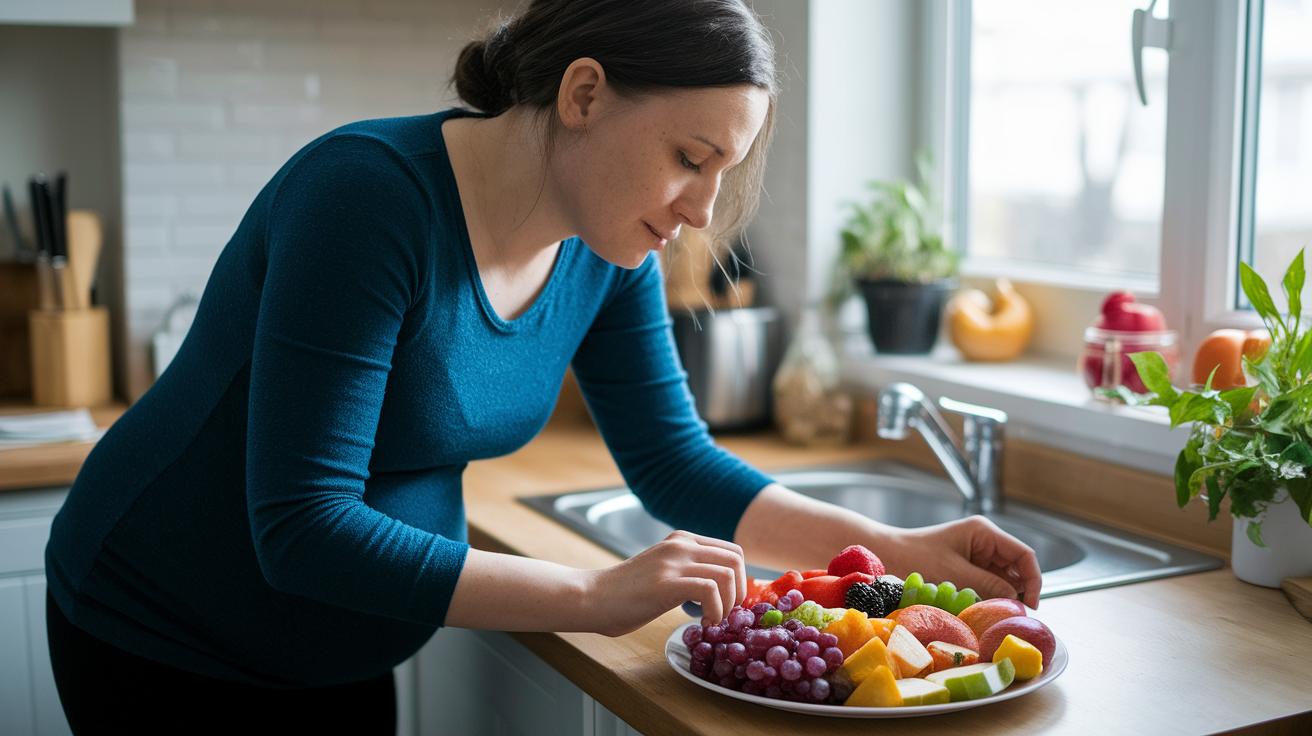
There’s a growing belief that enjoying a wide variety of foods matters a lot during pregnancy. Studies show that avoiding common allergens like peanuts, dairy, or eggs when you aren’t allergic doesn’t really lower the chance of your child having allergies. Experts from groups like the British Society for Allergy and Clinical Immunology actually suggest eating many different, nutrient-packed foods to help both you and your baby.
Mixing up what you eat is key to getting all the important nutrients. It might help to think about adding lean proteins, bright veggies, fruits, and whole grains to your meals. Imagine your plate as a palette of colors, each one offers different vitamins and minerals that support you and your baby. This idea keeps your eating plan safe and full of goodness during pregnancy.
Just remember, you should only avoid certain foods if a doctor has diagnosed a real allergy or intolerance. When you need to change your diet, chatting with your healthcare provider is really important so you don’t miss out on something essential. Instead of cutting out an entire food group, you can try safe swaps. For example, if dairy isn’t an option, go for calcium-fortified plant-based alternatives like some nut-free milks and yogurts to make sure you get enough calcium and vitamin D.
Using a balanced diet helps keep your blood sugar steady and your energy up throughout the day, while also supporting your baby’s growth. Whether you’re replacing an allergenic ingredient or adding a nutrient-rich alternative, small tweaks can meet both your needs and your baby’s.
- Enjoy a balanced mix of vegetables, fruits, whole grains, and lean proteins
- Swap out items with safe, fortified alternatives when needed
- Only adjust your diet for actual health reasons
Managing Food Allergies in Maternal Nutrition

Before you decide to cut out common foods like peanuts, tree nuts, dairy, eggs, fish, or shellfish, it’s best to get an allergy test from your healthcare provider. For instance, if you suspect a dairy allergy, a simple skin prick test can show how your body reacts and lead to advice on safe choices.
Food Allergy Testing and Alternative Options
A proper allergen test helps tell the difference between a true allergy (where your body reacts) and a food intolerance (which isn’t connected to the immune system). Here’s an easy way to start:
- Chat with your doctor for a detailed check-up.
- Get an allergen test, like a skin prick or blood test.
- Work with a nutrition expert to tweak your meals while keeping all the good nutrients.
If the test shows you’re allergic, consider these friendly swaps:
- Dairy: Try fortified non-dairy drinks or lactose-free yogurts.
- Eggs: Use egg replacers or blend chia seeds to get a similar texture.
- Peanuts/Tree nuts: Legumes or seeds can be a great pick to boost protein.
| Allergen | Alternative Option |
|---|---|
| Dairy | Fortified non-dairy beverages, lactose-free yogurts |
| Eggs | Egg replacers, chia seed mixes |
| Peanuts/Tree Nuts | Legumes, seeds |
Using these simple steps, you can manage food allergies as part of your overall maternal nutrition plan. This way, you’re sure to get caring, safe advice that keeps your health on track.
Gluten-Free and Lactose-Intolerant Diet Strategies for Pregnancy
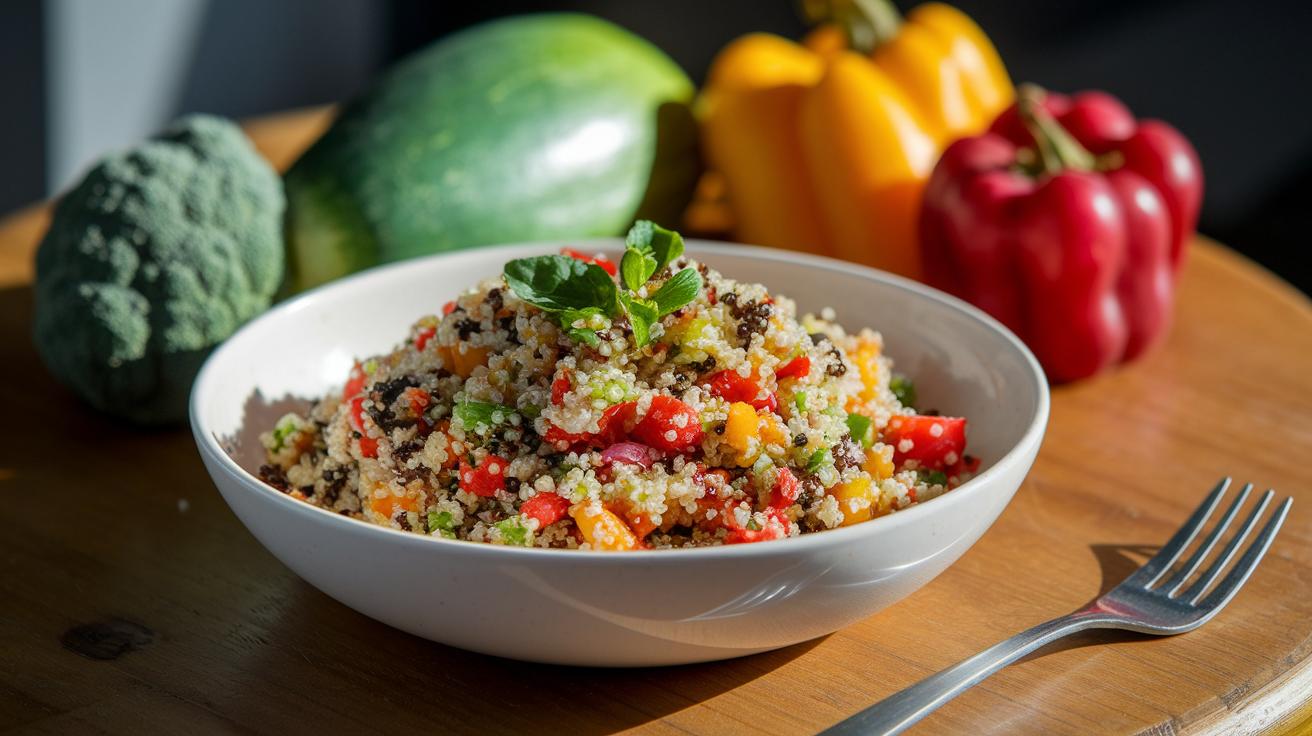
For pregnant women with celiac disease or gluten sensitivity, swapping out wheat for grains like quinoa, buckwheat, and brown rice is a practical and tasty choice. These grains not only pack B-vitamins (nutrients that support energy and growth) and fiber but also add a delightful, nutty flavor to your meals. Imagine trading a slice of wheat bread for a hearty quinoa salad, it’s a refreshing way to mix up your daily routine!
If you’re dealing with lactose intolerance, there are plenty of comforting alternatives. Calcium-fortified plant milks, lactose-free yogurts, and aged cheeses can keep discomfort at bay while giving you the calcium you need. Think about pouring some rich almond milk over your morning cereal; it gives you that extra boost of calcium and vitamin D. And aged cheeses, which generally have less lactose, offer you protein and vitamin B12 without upsetting your tummy.
Keep in mind that when dairy is off your menu, it’s important to watch your intake of micronutrients like calcium, vitamin D, and B12. Fortified products are a helpful way to ensure you and your baby get balanced nutrition for a healthy, thriving pregnancy. Have you ever noticed how a small shift in your diet can brighten your day? Stick with exploring new grains and dairy-free options, you might find that healthy eating becomes as enjoyable as it is nurturing.
Plant-Based Maternal Nutrition: Vegetarian and Vegan Prenatal Guidance
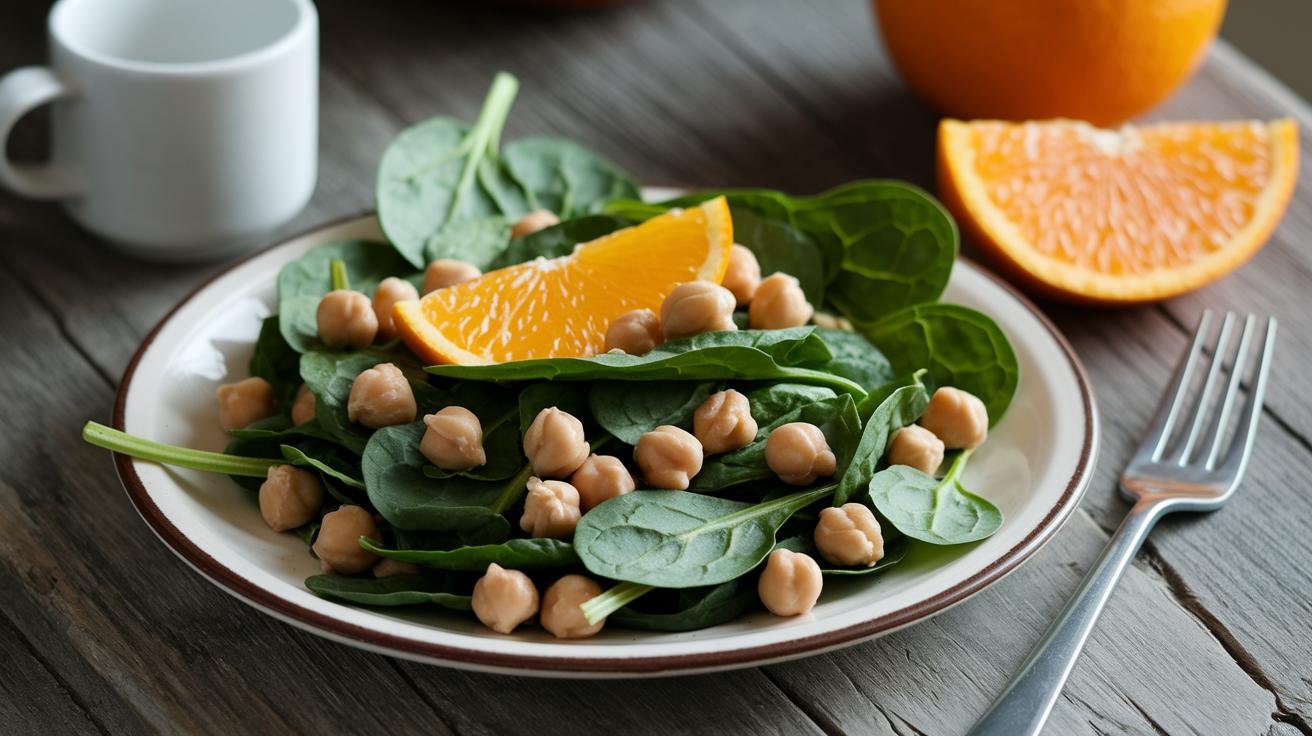
Plant-based moms can create a balanced diet during pregnancy by focusing on complete proteins and adding a variety of nutrient-rich foods. Foods like legumes, tofu, and tempeh offer great protein, and pairing iron-packed foods such as lentils or spinach with a bit of citrus really helps your body absorb more iron. Picture a warm spinach salad with chickpeas and bright orange slices, a simple switch that livens up your meal while boosting nourishment.
Next, round out your plate with whole grains, fruits, veggies, and nuts. Imagine a bowl of quinoa mixed with crunchy vegetables or a snack full of fruits and nuts. These foods give you the fiber, vitamins, and minerals that support both your well-being and your baby’s growth. It’s a bit like assembling a colorful mosaic where every piece makes your diet more balanced.
Don’t forget about Omega-3 fats, which are super important. Flaxseed, chia seeds, and algae-based DHA are great choices to meet these needs. Think of sprinkling a spoonful of chia over your morning oatmeal to add heart-healthy benefits. And remember, for those following a vegan diet, taking vitamin B12 is essential for good nerve function and overall health.
Here are a few friendly tips:
| Tip | Example |
|---|---|
| Protein at every meal | Black beans in a veggie wrap or tofu in a stir-fry |
| Combine Iron with Vitamin C | Lentils with red bell pepper or spinach with tomatoes |
| Regular Omega-3 foods | Sprinkle chia seeds on oatmeal |
| Vitamin B12 sources | Fortified cereals or supplements |
This caring approach not only fills common nutrient gaps but also keeps your meals varied and enjoyable. Small changes in how you mix your foods can make a big difference, helping you nurture both yourself and your baby with a sustainable, loving eating plan.
Essential Prenatal Supplements and Safe Food Alternatives
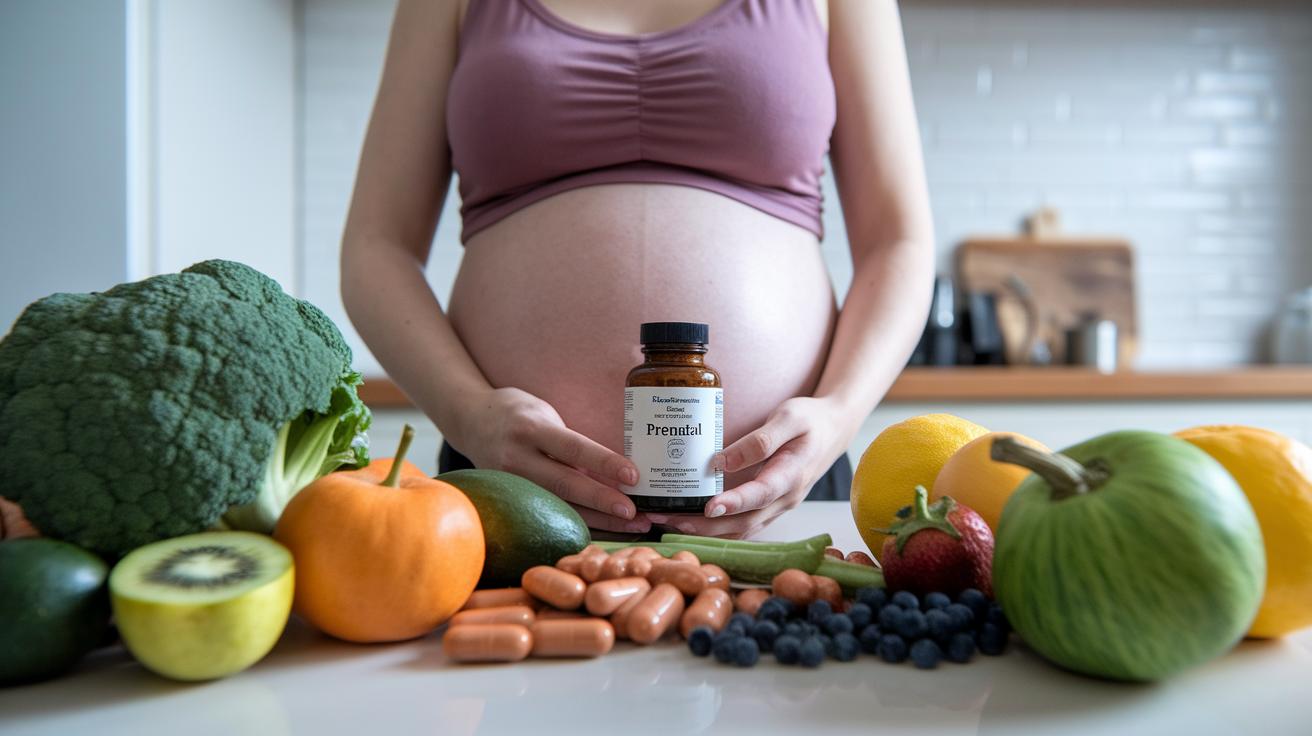
When you’re expecting, making sure you get all the needed nutrients is really important, especially when your food choices leave some gaps. Doctors suggest that moms consider taking specific supplements to help meet daily amounts: folic acid (400–800 mcg), iron (27 mg), calcium (1,000 mg), vitamin D (600 IU), and DHA (200–300 mg). These supplements can be a gentle boost if your diet isn’t giving you everything you and your baby need.
Food always comes first, of course, but sometimes allergies, intolerances, or personal diet choices can make it tricky to reach all your nutrient goals. For instance, if you skip dairy because of lactose issues, you might fall short on calcium and vitamin D. That’s when supplements can act as a helpful backup, though it’s best to take them after chatting with your healthcare provider about what’s right for you.
There are also whole-food alternatives that can help fill those nutritional gaps while respecting your dietary needs. Think about swapping dairy for plant milks that have been enriched with calcium or adding leafy greens and nuts to your meals to boost your mineral intake. It’s all about finding a balance that works for your body and your lifestyle.
Here are a few friendly tips to keep in mind:
- Check with your healthcare provider before starting any new supplements.
- Use supplements as an add-on to a well-rounded, nutrient-packed diet.
- Look into whole-food swaps that offer the vitamins and minerals you need.
For more ideas and support, take a look at prenatal care vitamins at this resource.
Customized Prenatal Meal Planning Tools for Maternal Nutrition Restrictions

A clear meal plan makes a world of difference when you have special dietary needs. Eating three balanced meals plus two small snacks can help keep your blood sugar steady and give you the energy you need all day long. With a regular routine, your body easily uses food for your everyday activities and to support your growing baby.
Digital food diaries or mobile apps can really help you keep track of what you eat. Have you ever tried jotting down meals on your phone? It’s like keeping a simple diary of your day. By recording each bite, you can see if you’re reaching your nutrition goals and notice small patterns that might need a tweak. It turns meal planning into an engaging routine rather than a chore.
Working with a registered dietitian or a certified nutritionist is another caring option. These experts understand how to create meal plans that work with your personal restrictions, whether it’s gestational diabetes (high blood sugar during pregnancy) or food intolerances. They look at your health history, daily eating habits, and changing nutrient needs as you go through your trimesters, tailoring guidance just for you.
Collaborating with Nutrition Professionals
Talking with a nutrition expert can be as simple as asking your healthcare provider for a referral. Share your usual eating habits, any food allergies or intolerances, and your meal planning goals. With this info, they can craft a plan that respects your restrictions while keeping you well fueled and healthy.
Tracking Nutritional Progress with Food Logs
Keeping a food diary, whether on an app or in a handwritten journal, helps you see what you eat throughout the day. Write down each meal with a note on the amount and timing. Over time, these logs reveal trends in your nutrition, making it easier to adjust your plan during check-ins with your dietitian.
Final Words
In the action, this article shed light on adapting maternal nutrition and safe eating practices while accommodating dietary restrictions. We explored evidence-based tips on allergen management, gluten-free and lactose-intolerant strategies, and plant-based options that help you keep both mom and baby nourished. Practical advice on prenatal supplements and personalized meal plans was also discussed. Remember, navigating dietary restrictions in maternal nutrition can feel manageable when supported by expert advice and real-life practices. Keep moving forward with confidence and care.
FAQ
What are the nutritional requirements for lactating mothers?
The nutritional requirements for lactating mothers include extra calories, proteins, and key vitamins and minerals like vitamin D and calcium. This supports energy needs and healthy milk production during breastfeeding.
What does a breastfeeding mother diet chart look like for boosting milk production?
A breastfeeding mother diet chart emphasizes balanced meals with lean proteins, whole grains, fruits, and vegetables, along with extra healthy calories and fluids, which help support quality milk production and overall well-being.
What foods should be avoided while breastfeeding?
Foods to avoid while breastfeeding may include items that could trigger reactions in some infants. Guidance can vary, so it’s best for mothers to review their diet choices with a trusted healthcare provider.
What extra calorie requirements are needed during lactation?
Extra calorie needs during lactation typically add about 450 to 500 calories daily. These additional calories help support the body’s demand for nourishing milk while maintaining the mother’s own energy.
What are the dietary guidelines and restrictions for pregnant mothers?
The dietary guidelines for pregnant mothers encourage a balanced diet rich in fruits, vegetables, lean proteins, and whole grains while limiting certain high-risk foods like unpasteurized cheeses or undercooked meats to support both maternal and fetal health.