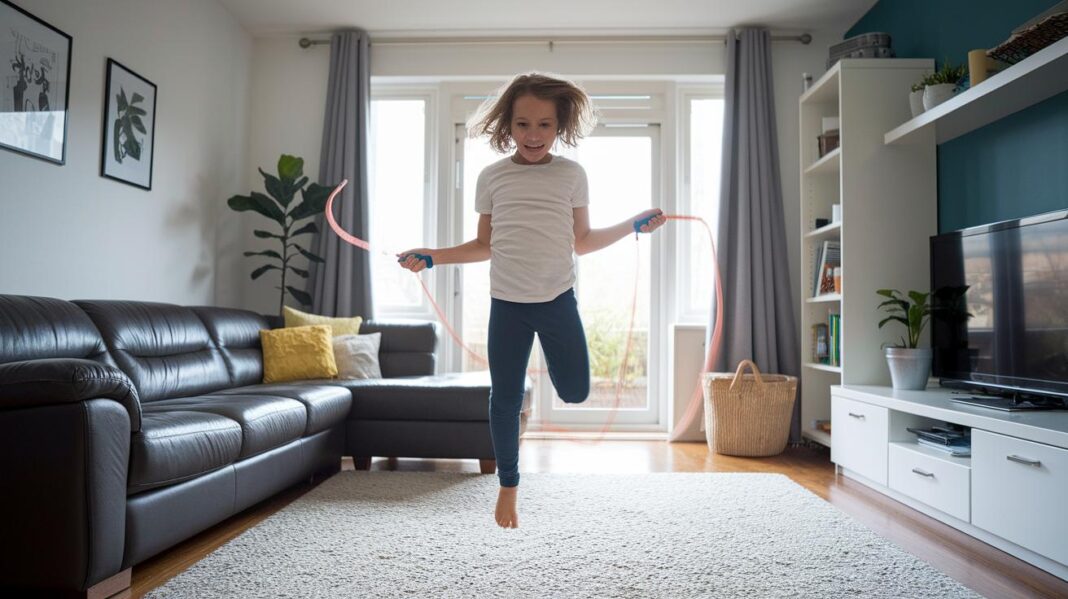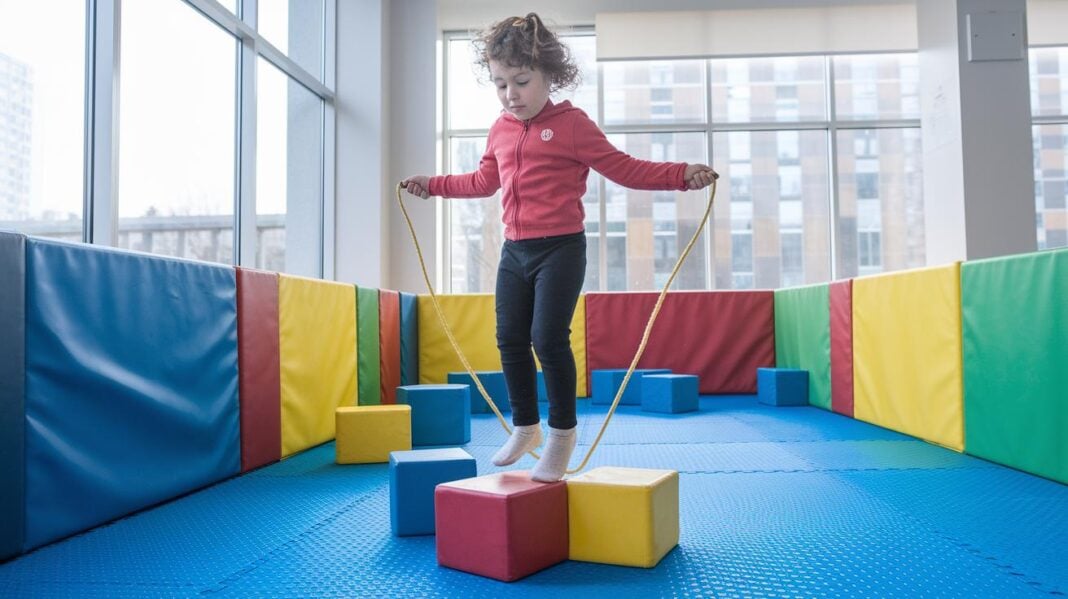
Have you ever noticed that playtime might be a fun workout in disguise for your little one? When kids run, jump, and explore through fun games, they're not just laughing, they're also building strong muscles and growing more confident with every move.
Every game feels a bit like a mini celebration, a time when little ones learn to control their bodies while having a blast. Today, we’re going to chat about how these active moments help boost joy and develop the everyday skills kids need. Isn't it amazing how a little play can spark big growth?
Core Play-Based Motor Development Activities for Children

Playtime isn’t just about fun, it’s a gentle, natural way for little ones to learn about their bodies and the world around them. When kids jump into playful activities, they’re not only strengthening big and small muscles, but they’re also building a quiet boost of self-confidence as they explore new movements and control their bodies. Each playful step gives them a little cheer of “you got this,” making them eager to try again.
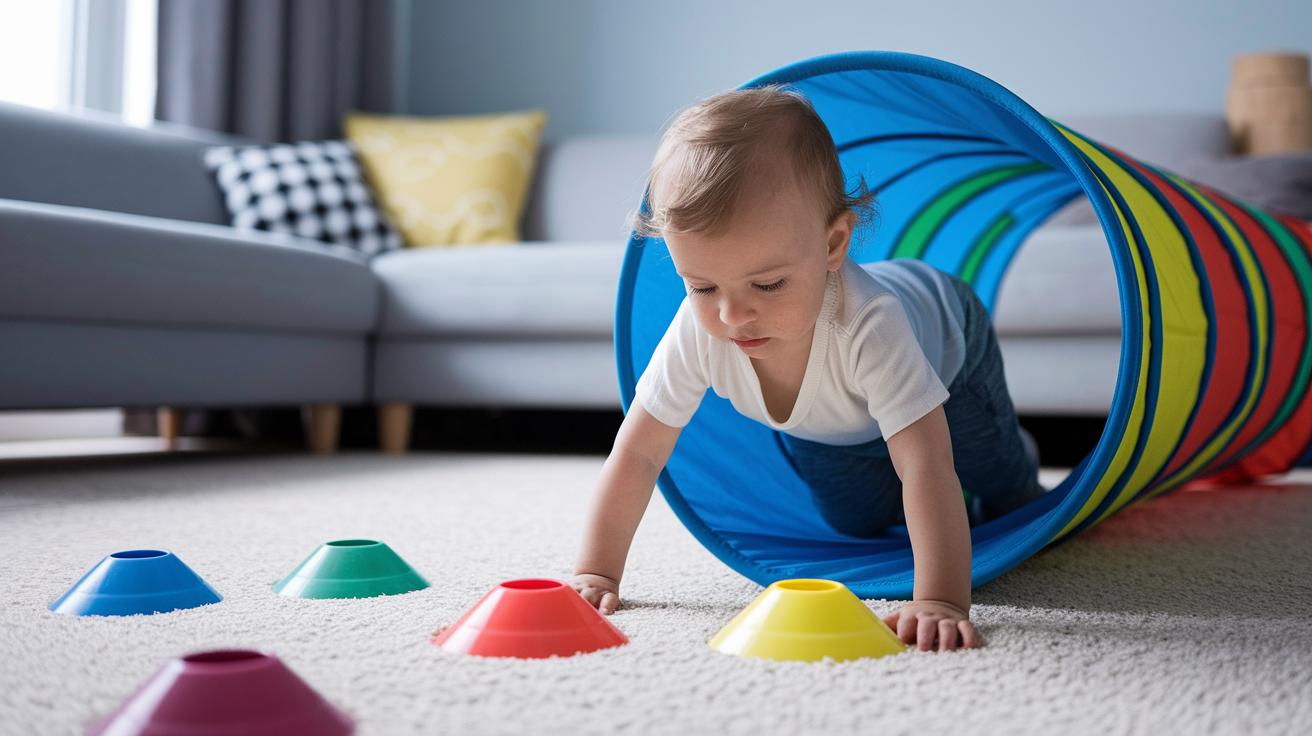
Interactive play feels like a light, friendly workout instead of a chore. When a child giggles while crawling through a tunnel or lines up colorful blocks, they're picking up important skills they’ll use later for things like writing or taking care of themselves. Think about balancing on a beam or tossing a beanbag, with every playful task, they learn better muscle control and celebrate small victories along the way. It really shows that learning can be as joyful as playing with a favorite toy.
Here are some simple activities that can make playtime both fun and developmental:
- Tunnel crawls: Wiggle through a small tunnel to strengthen tummy muscles.
- Stacking blocks: Build precision and focus by carefully balancing blocks.
- Balance beam: Walk along a low beam to boost balance and teach measured steps.
- Beanbag toss: Toss and catch beanbags to sharpen hand-eye coordination.
- Playdough modeling: Squish and shape playdough to enhance finger dexterity and spark creativity.
- Obstacle path: Navigate a simple course that improves overall coordination and decision-making.
- Finger puppets: Use little puppets during imaginative play to develop fine motor skills.
- Visual tracking games: Follow moving objects to help eyes learn to track better.
Setting Up Safe Play Spaces for Motor Skill Development
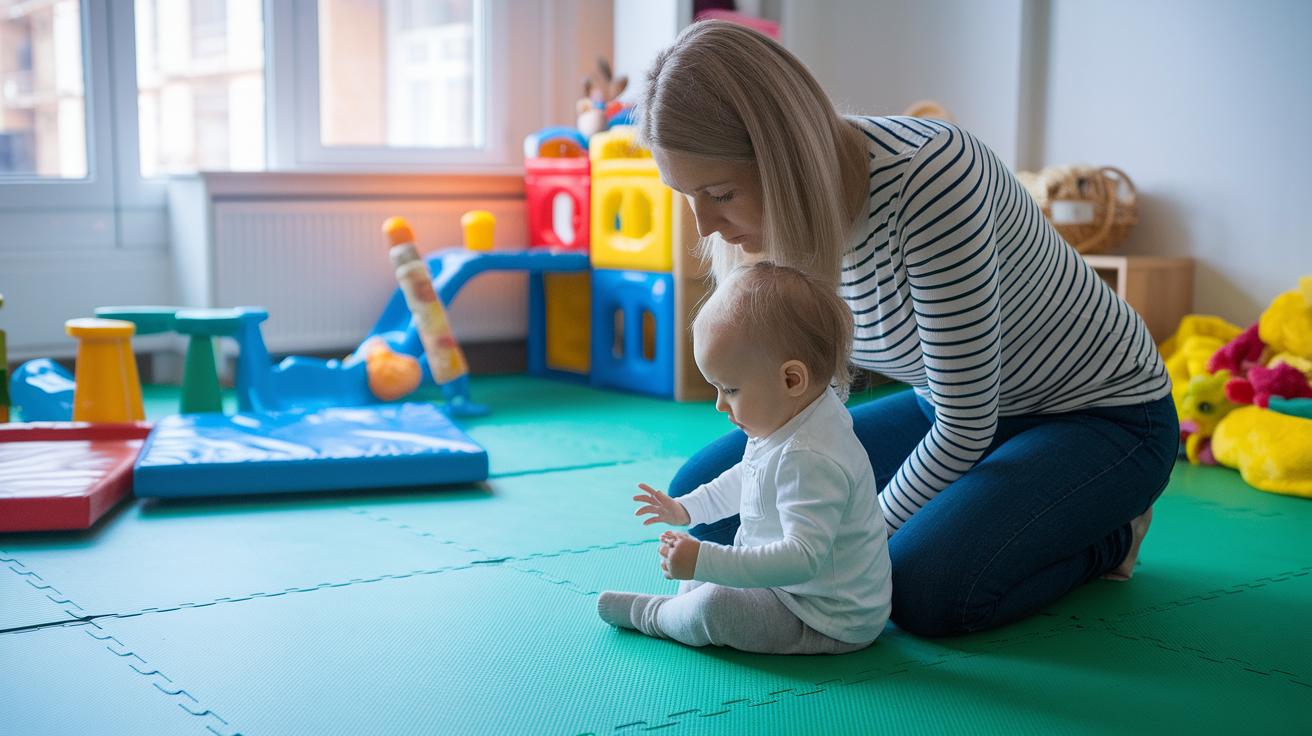
Before your little ones start exploring, take a few minutes to check the play area for any possible dangers. Walk around and look out for things like loose rugs, sharp corners, or surfaces where spills could happen. Make sure the floors are padded just right and that any furniture is steady. This simple check helps create a safe space where your child can enjoy moving around freely and confidently.
Then, pick out fun, affordable materials that help support their active play. Use non-slip mats and child-sized equipment that lets them run, jump, and crawl without worry. Picture a bright and soft play zone that not only sparks their curiosity but also gently keeps them safe during all their adventures.
Lastly, set up easy routines for keeping an eye on things and tidying up after playtime ends. Make it a habit to do quick checks while they’re playing and teach them to put things back where they belong. This small routine not only reduces accidents but also helps them learn how to care for their surroundings while they have fun.
Age-Appropriate Milestones and Play-Based Activities
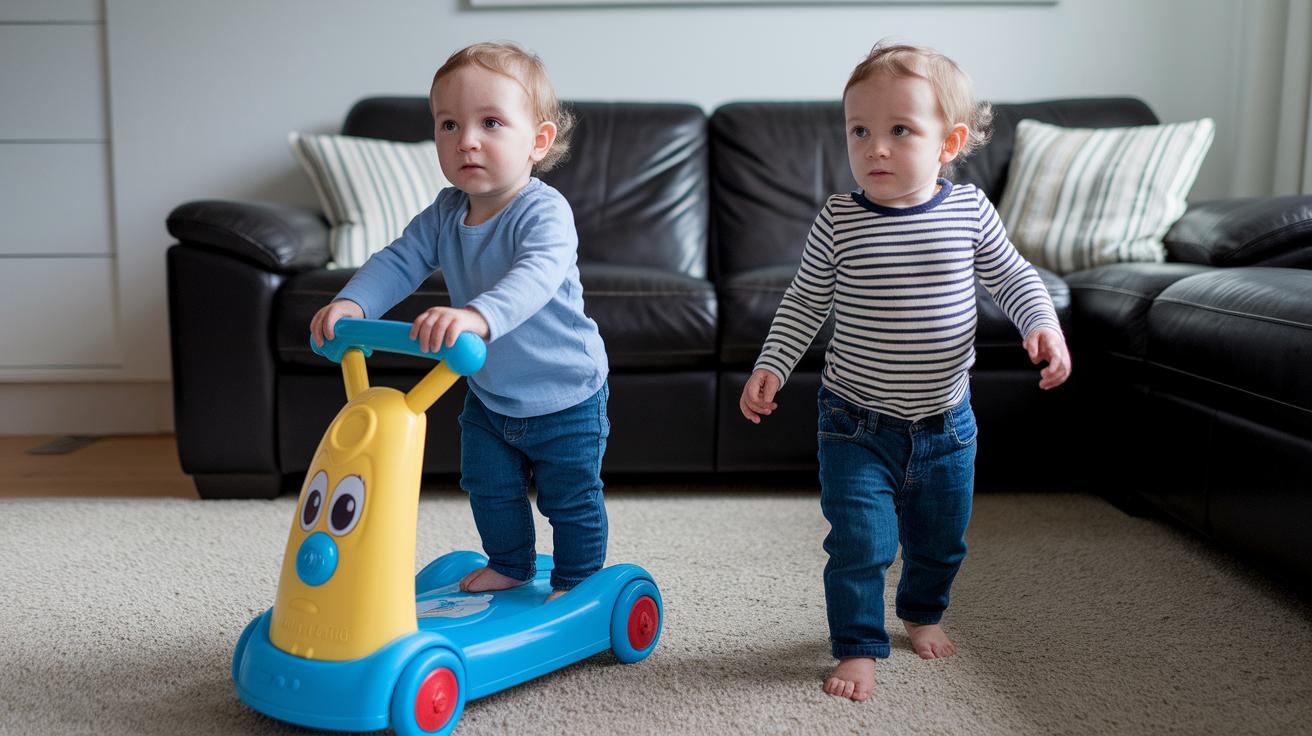
Watching our little ones grow tells us so much about where they are and what they might need next. Every crawl, walk, or joyful jump shows us a bit more about a child’s progress. This playful journey lets us tailor simple activities that match their own pace, giving every toddler the chance to build important skills at the perfect moment.
| Age | Motor Milestone | Play Activity |
|---|---|---|
| Age 1 | Cruising | Push-toy walks |
| Age 2 | Independent walking | Beanbag balance walks |
| Age 3 | Jumping | Hop-scotch squares |
| Age 4 | Hopping | One-foot beanbag transfers |
| Age 5 | Running and directional changes | Mini obstacle relay |
Noticing these milestones helps us understand when a child is doing well or when they might enjoy a new, fun challenge. Simple activities like push-toy walks and hop-scotch squares let kids explore movement safely while gently building balance, coordination, and muscle control. Adding playful moments into a daily routine turns regular playtime into a joyful learning experience, where laughter and learning go hand in hand. It’s a sweet way to celebrate every little win and adjust our play routine as our children explore new ways to move and grow.
play-based motor development activities: Spark Joy in Motion
Planning the Course
Start by picking out fun items like tunnels, cones, and low beams that invite your little one to move around freely. Choose things that fit your child's abilities and work well in a cozy space like your living room or backyard. Picture it as a mini obstacle course where every piece is chosen to build balance, coordination, and strength. For example, a tunnel that is firm yet soft enough to cushion little bumps makes everything safe and comfy.
Setting Up Challenges
Next, set up different stations to encourage various kinds of movement. Create a spot for crawling, another for stepping, one for jumping, and a final zone for tossing. This gentle sequence lets your child move smoothly from one fun challenge to the next, engaging core muscles and fine-tuning their motor skills.
Monitoring and Adapting
Watch closely as your child explores each station, and be ready to make small changes if needed. If the jump zone seems too easy, try raising the beam just a bit for an extra push. Keeping a close eye helps you balance safety with a fun amount of challenge, ensuring every moment is joyful and active.
Daily Fine Motor Play-Based Exercises and Visual-Motor Integration
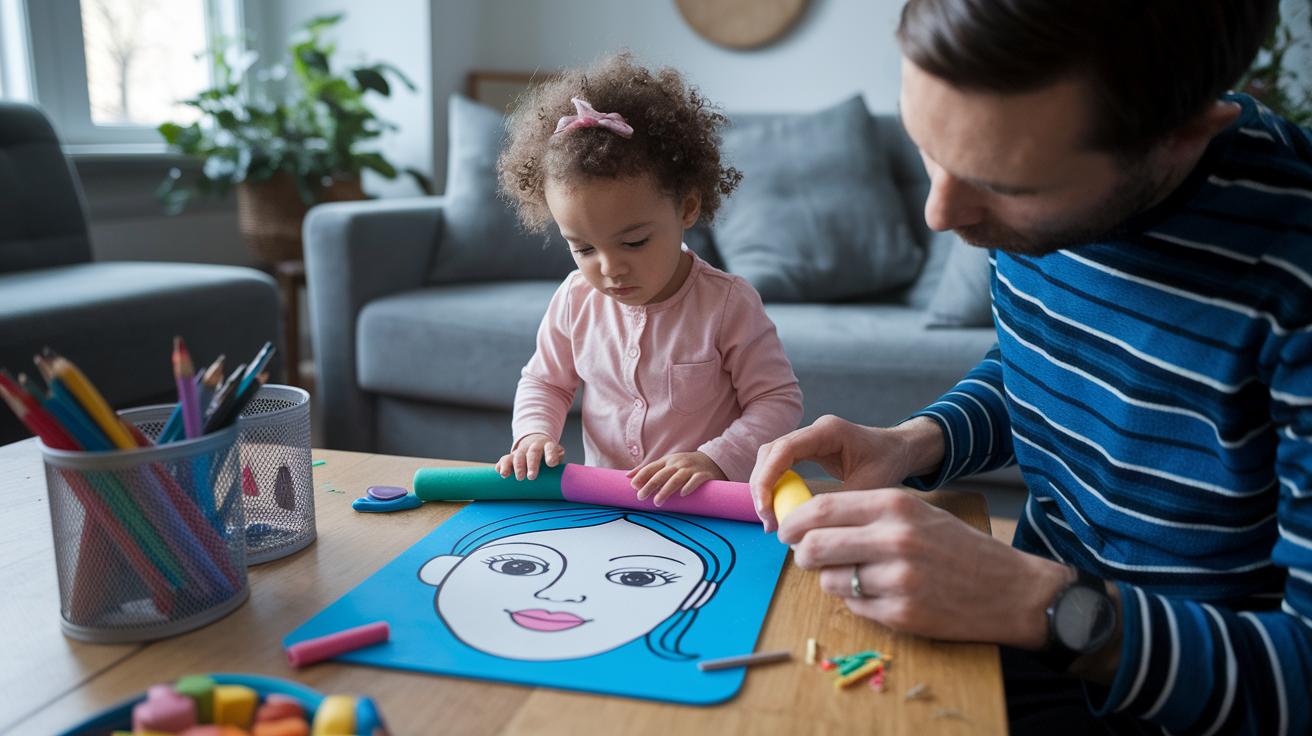
Try fun, hands-on activities with your little one that help build the muscles used in writing. For example, let them roll and flatten playdough on a face mat while you draw simple features for them to copy. Do it slowly so they can see each step and feel comfortable trying it on their own.
Next, use scissor strips by guiding your child along the dotted lines. Show them how to make small, careful snips and stay close by to remind them to move slowly and safely as they practice. This gentle approach helps them build control over time.
For improving hand-eye coordination, try sticker name practice and tracing templates. Start by lightly drawing the outline of their name on paper and asking them to stick a sticker along the line. First, do it together so they can see how it’s done. Then, introduce tracing templates with simple shapes or letters, and guide them step-by-step. As they get more confident, you can gradually increase the challenge while always cheering them on.
Assessing Progress in Play-Based Motor Development Activities

Watching a child play and move is like seeing little victories unfold every day. When a kid tries a new game or activity, you can see their confidence growing along with their balance and coordination. It’s amazing how small changes, like a smoother step or a steadier reach, show us that play is building strong motor skills.
Keeping a simple log can really help capture these everyday wins. Try jotting down little notes about what activities your child enjoyed and how their movements changed over time. You might even use a milestone chart to mark improvements, like tossing beanbags more accurately or taking better steps around a small obstacle course. Sometimes snapping a quick picture or video helps you see just how far they’ve come.
Regular play isn’t just fun, it helps build real physical skills like balance, muscle control, and spatial awareness. As kids become more comfortable with tasks like stacking blocks or crawling through tunnels, their body awareness grows and movements become smoother. It all adds up to more than just physical development; it also brings a warm sense of achievement and joyful exploration.
Final Words
In the action, we explored simple, research-backed play-based motor development activities that spark growth and joy. We covered setting up safe play spaces, matching activities with age milestones, designing fun obstacle courses, and practicing daily fine motor skills.
This guide shared clear, hands-on ideas to help boost muscle control, balance, and coordination. Using these practical tips, you can easily build confidence and positive progress while enjoying every playful moment with your little one.
FAQ
Play based motor development activities for 5 year olds
The play based motor development activities for 5 year olds combine running, hopping, and obstacle relays to boost balance, coordination, and confidence, making exercise both fun and engaging.
Play based motor development activities for preschoolers
The play based motor development activities for preschoolers use balance games and creative movement activities to help build both fine and gross motor skills in a playful, encouraging way.
Play based motor development activities for toddlers
The play based motor development activities for toddlers include interactive movements like crawling through tunnels and simple motion copies that gently enhance coordination and early motor skills.
Play based motor development activities for 2 year olds
The play based motor development activities for 2-year olds focus on basic, engaging tasks like push-toy walks and beanbag balance games to encourage stability and early gross motor development.
Fine motor skills activities for 3-4 year olds
Fine motor skills activities for 3-4 year olds involve playdough modeling, sorting small objects, and sticker placement to enhance finger dexterity and build coordination during play.
Play based motor development activities for adults
The play based motor development activities for adults can include balance exercises, gentle stretching, and interactive games that promote hand-eye coordination and overall well-being in a relaxed setting.
Fine motor skills activities for 7 year olds
Fine motor skills activities for 7-year olds might feature crafting projects, detailed drawing tasks, and puzzles that require precision and concentration, refining coordinated hand movements.
Play based motor development activities for 4 year olds
The play based motor development activities for 4-year olds mix creative movement with fun challenges like mini obstacle courses and beanbag tosses to build muscle control and balance.
What are some examples of play-based learning activities?
Play-based learning activities include hands-on tasks such as building with blocks, interactive storytelling, and group games that combine fun with natural learning experiences.
What are fine motor skills activities in play based learning?
Fine motor skills activities in play based learning involve hands-on tasks like playdough molding, bead stringing, and cutting paper, which naturally improve hand and finger control during play.
What is an example of a motor activity?
An example of a motor activity is a simple obstacle course where children crawl, jump, and balance along a set path, effectively building coordination and strength through playful movement.
What are some examples of play activities?
Play activities include interactive games, creative construction, and active tasks such as hopping, balancing, and throwing that support social interaction and motor skill development simultaneously.