
Ever wonder if a few tweaks in your eating habits might help ease your nausea? Managing morning sickness doesn’t have to feel like a never-ending fight.
By making simple choices about what and when you eat, you might calm that upset stomach and even lift your mood. Sometimes, just changing the timing, texture, or warmth of your meals can make a big difference.
This guide is here to share easy, down-to-earth tips that support what your body needs during pregnancy. It’s all about making those tough moments a little easier to handle.
Core Nutrition Strategies for Managing Nausea in Pregnancy
Early in pregnancy, hormonal shifts often lead to what we call morning sickness. Nausea (with some occasional vomiting) is most common between weeks 6 and 12, and many expectant parents notice these signs as their bodies adjust to rising hormone levels. A little nausea can even mean that the placenta is growing well, which can be a comforting thought. But even so, the discomfort can feel overwhelming, so it's important to use safe, proven strategies to help you feel better.
Sometimes, nausea can become more severe and turn into a condition called hyperemesis gravidarum (HG), which happens in about 0.3–3% of pregnancies. This tougher form of morning sickness might cause dehydration or noticeable weight loss. Health providers look to trusted guidelines, like those from ACOG, to decide when extra care is needed. Catching these signs early can help you know if some changes in your diet might be enough or if it's time to reach out for more medical help.
Changing your diet is a safe, non-invasive way to ease nausea. By planning balanced, light meals that are easy on the tummy, you can help reduce queasiness while staying healthy. Research shows that small changes, like adjusting the texture, temperature, and timing of meals, can make a big difference. With these practical nutrition tips, you can nurture both your body and your spirit during this delicate time.
Essential Nutrients and Anti-Nausea Food Selections
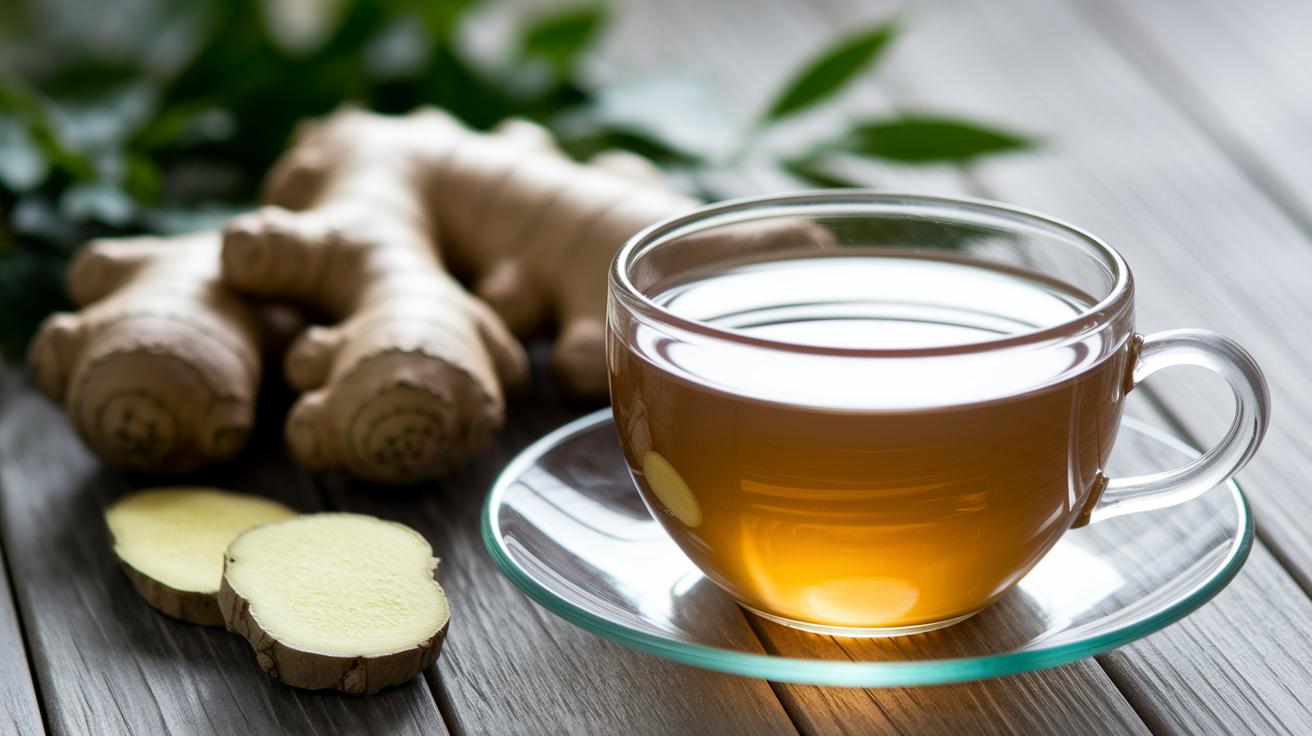
When nausea hits, some foods can really help soothe your tummy. Ginger, for example, works wonders whether you take it as a capsule, powder, or syrup (around 750 to 2,500 mg a day). It’s like a warm hug on a chilly morning, a little bit of comfort when you need it most. Vitamin B6, which you can find in chickpeas, beef, tuna, chicken, salmon, and even fortified cereals, also helps settle an upset stomach.
Adding lean proteins and whole grains can make your meals extra nourishing while keeping your digestion calm. Many moms find that eating foods rich in protein, like eggs, dairy, or simple chicken, along with plenty of water helps reduce those tough nausea moments. Pairing these with light, bland meals, such as a plain bagel or a salad with crunchy, fresh veggies, can offer a soothing balance. And don’t forget electrolyte drinks; they deliver key minerals like sodium, potassium, and calcium to help keep your body hydrated when you're not at your best.
| Food/Nutrient | Benefit & Source |
|---|---|
| Ginger | Helps ease nausea; found in capsules, powder, or syrup |
| Vitamin B6 Foods | Calms the stomach; available in chickpeas, beef, tuna, chicken, salmon, and fortified cereals |
| Protein-rich Items | Supports healthy digestion and nutrition; includes eggs, dairy, and unprocessed poultry |
| Electrolyte Drinks | Helps maintain fluid balance; provides sodium, potassium, and calcium |
| Bland Carbohydrates | Easy on your tummy; think plain bagels or crackers |
| Healthy Fats | Offers a gentle feeling of fullness; sourced from lean meats and omega-three foods |
When planning your meals, try keeping the plate gentle by steering clear of strong flavors like spicy foods, citrus juices, milk, coffee, and tea. This simple step can help your tummy feel more at ease.
Meal Timing and Portion Techniques to Ease Queasiness
When you plan your meals, you help keep your blood sugar steady and ease that queasy feeling. Eating small, balanced meals throughout the day means you’re not overwhelming your stomach, and that helps keep things calm and comfortable. You might also try cold meals like a light sandwich, a crisp salad, or some raw veggies, since they tend to be kinder on your digestion.
• Have 5 to 6 small, balanced meals spaced out during the day
• Choose cold, mild dishes such as sandwiches, salads, or raw veggies
• Keep a lemon wedge nearby to sniff or nibble if you need a little refresh
• Have plain crackers or a bagel close at hand for a quick, simple bite
• Sip on water or an electrolyte drink between meals
Following these tips can really help make your meals easier to handle and lessen nausea. Small, frequent meals can keep your energy even and digestion smooth. When you set up little snack moments throughout your day, it creates chances to feel better and more in control. Isn’t it amazing how small changes can make such a big difference?
Supplements and Natural Remedies for Nausea Control
Coenzyme Q10
Coenzyme Q10 is like a little helper in your body. It acts as an antioxidant, which means it works quietly to help your cells produce energy and manage stress (the little bumps that can throw you off). Some early studies suggest that this nutrient might ease nausea by keeping things balanced. You can find it in meats, fish, and whole grains, and many moms choose to add a small supplement, usually around 100–200 mg daily, as part of a simple self-care routine. Think of it as a friendly boost working in the background to help keep you feeling steady.
PregEase
PregEase is a natural blend made up of vitamins, minerals, and herbal ingredients, crafted to soothe morning sickness and ease heartburn. Many moms have noticed a gentle relief when they use it consistently during the early weeks. The blend helps calm your digestion much like a familiar recipe that wraps you in care when you need it most. Of course, always follow the label instructions or check with your healthcare provider before adding something new to your routine.
Hydration Improvements and Fluid Strategies Against Queasiness
Drinking water throughout the day helps your digestion work well and can ease nausea. New studies suggest that for most people, spreading out about 8 to 10 cups of water works best. And for moms dealing with extra nausea, experts often recommend 10 to 12 cups. For example, set an alarm every 20 minutes in the morning to remind yourself to take small sips instead of large gulps.
Plain water is important, but a little extra support from an electrolyte drink can be useful too. These drinks mix in important minerals like sodium, potassium, and calcium, which might help when nausea makes eating a bit tricky. Imagine having a cool electrolyte drink between small bites to keep your body balanced without upsetting your stomach.
The key is to drink slowly all day. Sipping about 150 ml at a time helps your body absorb the liquid gently, without putting too much strain on a sensitive stomach. So when nausea hits in the late afternoon, try taking slow, calm sips while you relax, instead of trying to drink a large amount all at once.
Safe Food Practices and Meal Preparation Tips During Pregnancy
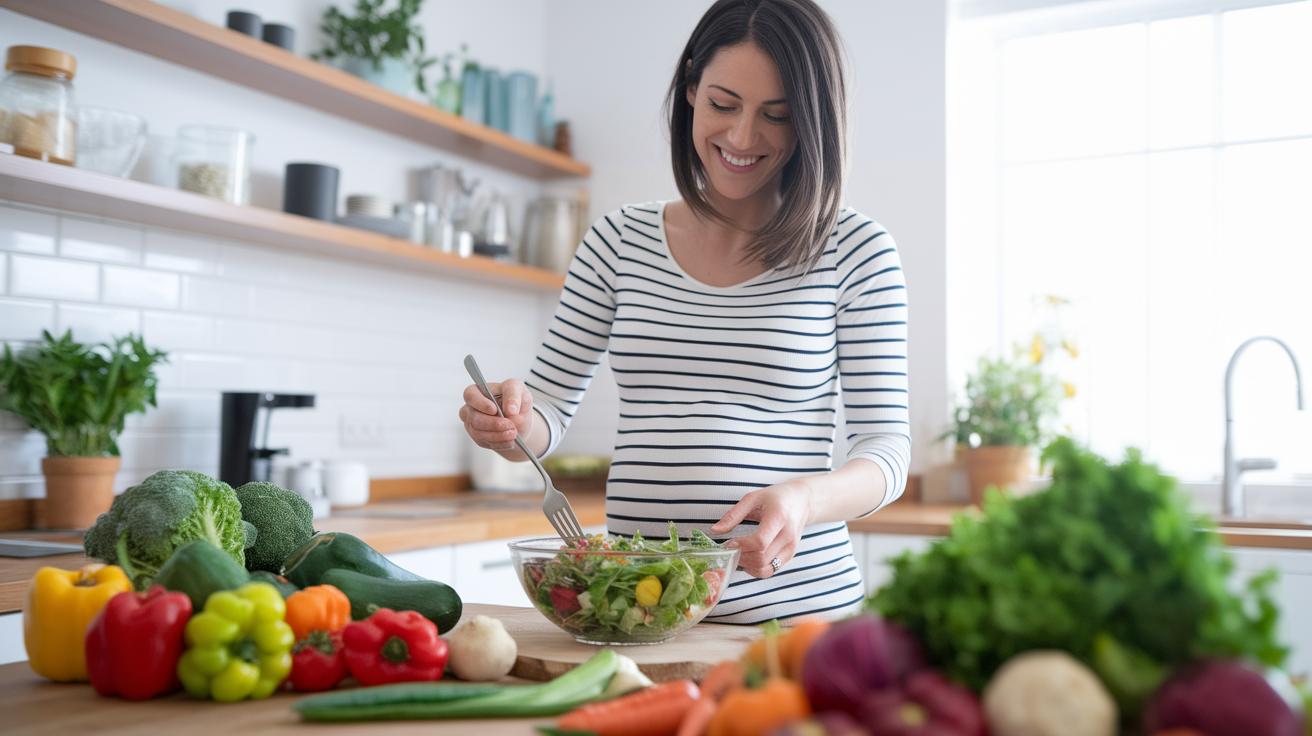
When you're pregnant, taking care in the kitchen is really important, especially if you're dealing with nausea. Try enjoying cold meals like salads or sandwiches that are prepared safely. They lower the chance of foodborne illness, helping keep both you and your baby safe. When you cook, think about using methods like steaming or poaching. These techniques reduce bacteria without using high heat and keep strong smells from overwhelming you. Foods with bold flavors, such as spicy dishes, citrus juice, coffee, or tea, might make nausea worse, so it's wise to choose gentler options.
Another helpful tip is to use cooking methods that don’t raise extra stomach acid. Steaming and poaching let you prepare food without stirring up additional acid, which can lessen reflux and keep your meals light and easy to digest. It’s a smart approach that lets you enjoy both the taste and nutritional benefits of your food.
Mindful eating can also make a big difference. Serving your meals at a cooler temperature might help because warm foods can sometimes heighten smells that trigger queasiness. Take your time when eating and focus on foods that feel kind on your tummy. This caring routine in how you prepare and enjoy your meals can really help keep nausea in check.
Final Words
In the action of embracing good food choices, we explored core prenatal adjustments like nutrient-rich foods and small meals that ease queasiness. The blog showed how selecting a gentle remedy, staying well hydrated, and practicing safe food habits can lessen discomfort. Managing nausea with maternal nutrition strategies is a caring first step to feeling better. Each tip shared is meant to help build daily routines that support both well-being and confidence in living your most nurturing life. Keep moving forward with calm and thoughtful steps.
FAQ
Q: What helps morning sickness in the first trimester?
A: Morning sickness is eased by using small, frequent meals, bland options like crackers, and natural remedies such as ginger tea that help settle the stomach.
Q: Which breakfast foods fight nausea during pregnancy?
A: Breakfast choices that fight nausea include plain bagels, whole-grain cereals, and other simple foods rich in vitamin B6 that help calm an upset stomach.
Q: What drinks help manage nausea during pregnancy?
A: Drinks that help reduce nausea include chilled electrolyte beverages, ginger tea, and fresh, nutrient-packed juices that support hydration and soothe the stomach.
Q: What is considered safe medication for vomiting in pregnancy?
A: Safe remedies for vomiting often begin with nutrition and hydration adjustments, with providers prescribing medicines only when symptoms persist after these measures.
Q: What home remedies can alleviate nausea in early pregnancy?
A: Home remedies such as ginger supplements, gently snacking on plain crackers, or nibbling on lemon wedges offer natural relief from early pregnancy nausea.
Q: How do you manage nutrition to mitigate pregnancy nausea?
A: Managing nutrition means eating balanced small meals with anti-nausea foods, staying hydrated, and avoiding triggers like strong-smelling spices or citrus juices that can worsen nausea.