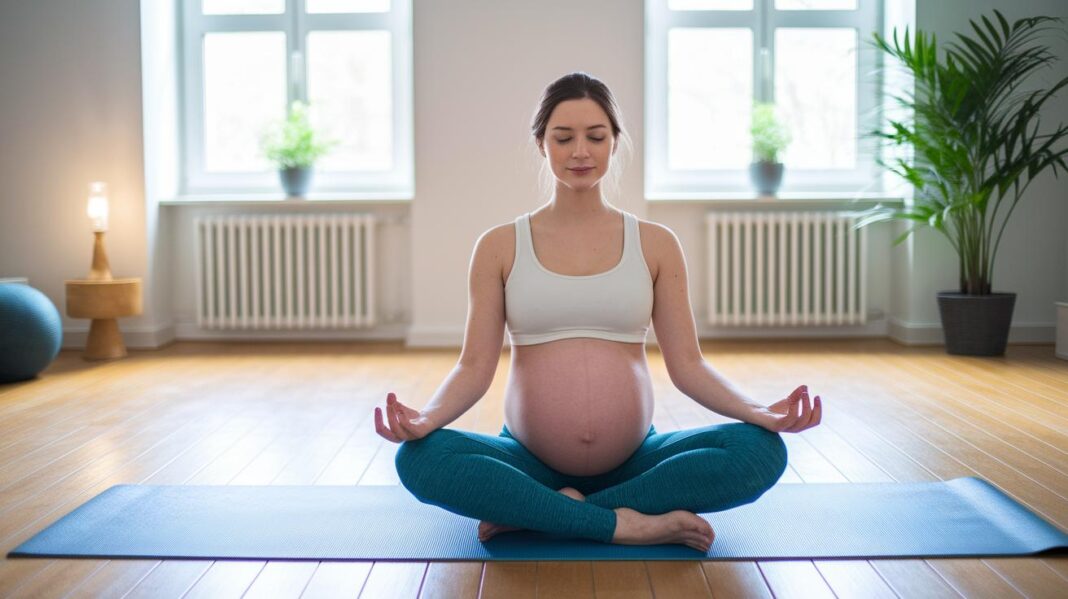
Have you ever noticed how your body changes after having a baby? After a vaginal birth, you might feel some mild cramps or see your mood shifting. It isn’t an overnight fix, it takes time, sometimes weeks or even months, to heal.
Think of your recovery like tending to a little garden. With gentle care and plenty of patience, each day, you’ll feel a bit more like yourself.
In this article, we chat about what you might experience and share some comforting support as you heal after birth.
What to Expect in Postpartum Healing After Vaginal Birth
Postpartum healing after a vaginal birth starts right after delivery and can continue for up to one year. In those first few days, you might notice some vaginal soreness, gentle contractions (kind of like mild cramps), and a discharge called lochia that lasts about 4 to 6 weeks. These changes are all part of your body working to return to its pre-pregnancy self. I remember feeling those sharp, cramp-like sensations and marveling at my body’s strength.
The first six weeks are especially busy as your body starts to heal. During this time, your uterus gradually shrinks back to its usual size, though you might still feel some discomfort if you had stitches. Many moms also find that breast engorgement peaks around day 3 or 4, which can lead to sore or even cracked nipples. It’s common to experience overall muscle soreness, fatigue, and even some hormone-driven night sweats. Most new moms, around 80%, might have a few mood swings or baby blues, and about 20% could deal with postpartum depression.
In the following months, physical signs like varicose veins may take up to 12 weeks to get better, and finding your emotional balance will be a gradual process. It can help to think of your recovery like watering a delicate plant, small daily acts of self-care and a little patience can make a big difference as you gently nurture yourself back to full strength.
Timeline of Recovery After Vaginal Delivery for Postpartum Healing
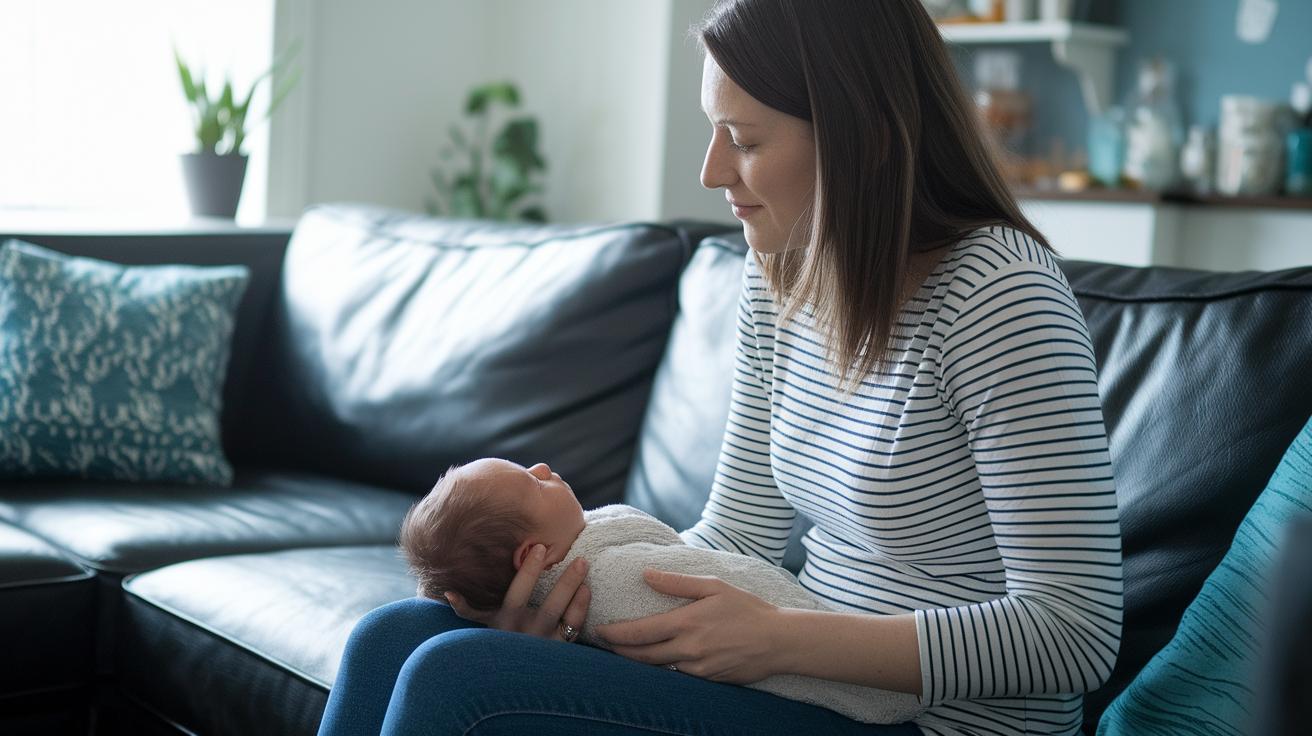
Right after your baby is born, your body begins a gentle healing journey. In those first few days, you might feel a lot of soreness in your lower area and have some cramping. The bleeding, called lochia, starts off heavy and slowly tapers off, and even a short, easy walk can feel like a big effort.
By the time you reach the second week, you could still be noticing some bleeding along with your breasts feeling very full. Hormone shifts might leave you with a few mood swings here and there, which is perfectly normal.
Then, around week three, many moms start feeling a bit better. The soreness tends to lessen, and while you might still experience occasional leaks, your energy is gradually returning.
At around six weeks, it’s time for a checkup with your healthcare provider. They’ll look over any incisions to be sure they’re healing nicely. This visit can be a great sign that you’re ready to slowly get back to more of your usual activities.
Your recovery continues even after these early weeks. By about six months, issues like varicose veins, hair loss, and skin changes often begin to fade, and you’ll likely feel noticeably stronger. Around one year, most moms feel almost as they did before pregnancy, both physically and emotionally.
Remember, every mom heals at her own pace. Celebrate the small victories, a little walk here, a friendly chat about your progress there, as they all add up to a gentle, step-by-step recovery.
| Phase | Timeframe | Key Healing Milestones |
|---|---|---|
| Initial | Days 1–7 | Pain, bleeding, afterpains; gentle walking only |
| Adjustment | Week 2 | Ongoing bleeding, breast fullness, mood swings |
| Recovery | Week 3 | Less soreness, occasional incontinence |
| Check-In | Week 6 | Provider visit, healing incisions, activity clearance |
| Mid-Point | 6 Months | More strength, early issues decrease |
| Completion | 1 Year | Return to near pre-pregnancy state both physically and emotionally |
Perineal Care Tips for Postpartum Healing After Vaginal Birth
When your perineum is healing from an episiotomy (a small surgical cut) or a natural tear, a little extra care at home can really help ease your pain and speed up recovery. Simple home remedies can soothe the discomfort and help your body mend naturally.
Episiotomy vs Natural Tear
An episiotomy means the doctor made a small cut during birth, while natural tears happen on their own. The cut from an episiotomy might take a bit longer to heal because it’s usually larger and may need extra care with stitches. Even though natural tears might mend quicker, they can still be uncomfortable when you sit or move. Have a close look for signs like extra redness, a bad odor, swelling, or even a fever, and don’t hesitate to get it checked out. I once heard a mom say, "Taking a few extra minutes to check in on my healing really made a difference," which is a sweet reminder to always listen to your body.
Self-Care Routines for Tears and Stitches
A gentle routine that can really help is taking warm sitz baths with a bit of Epsom salt to ease the pain and calm the swelling. A clean gauze soaked in witch hazel can also be a comforting touch for reducing soreness. Change your pads about every four hours or whenever you need to, and always pat the area dry after washing to keep it clean and soothing. Paying extra attention to your perineum, especially during those first six weeks of healing, can make a big difference in feeling better every day.
Managing Pain During Postpartum Healing After Vaginal Birth
After a vaginal birth, most moms feel some discomfort. Cramping and soreness in the lower body are common, and it can feel overwhelming when you’re already busy caring for your little one. Sometimes, a simple pain reliever like ibuprofen or acetaminophen can make a real difference, helping you manage those everyday aches.
Sometimes, a quick trick like using an ice pack on your perineal area for 10 to 15 minutes after any activity that stirs up pain can help reduce swelling. And once the swelling eases up, try a warm compress. It not only soothes your cramps but also encourages better blood flow, almost like giving your body a gentle reset.
For those days when discomfort seems to pop up in other ways, topical treatments for hemorrhoids can offer fast relief, and stool softeners might ease any bowel discomfort you feel. And if you’re experiencing hormone-related night sweats for a couple of weeks, keeping yourself well hydrated and using light bedding can add a bit of comfort during the night. These little steps can help you relax a bit, making the healing process feel a bit more manageable.
Pelvic Floor Rehabilitation for Postpartum Healing After Vaginal Birth
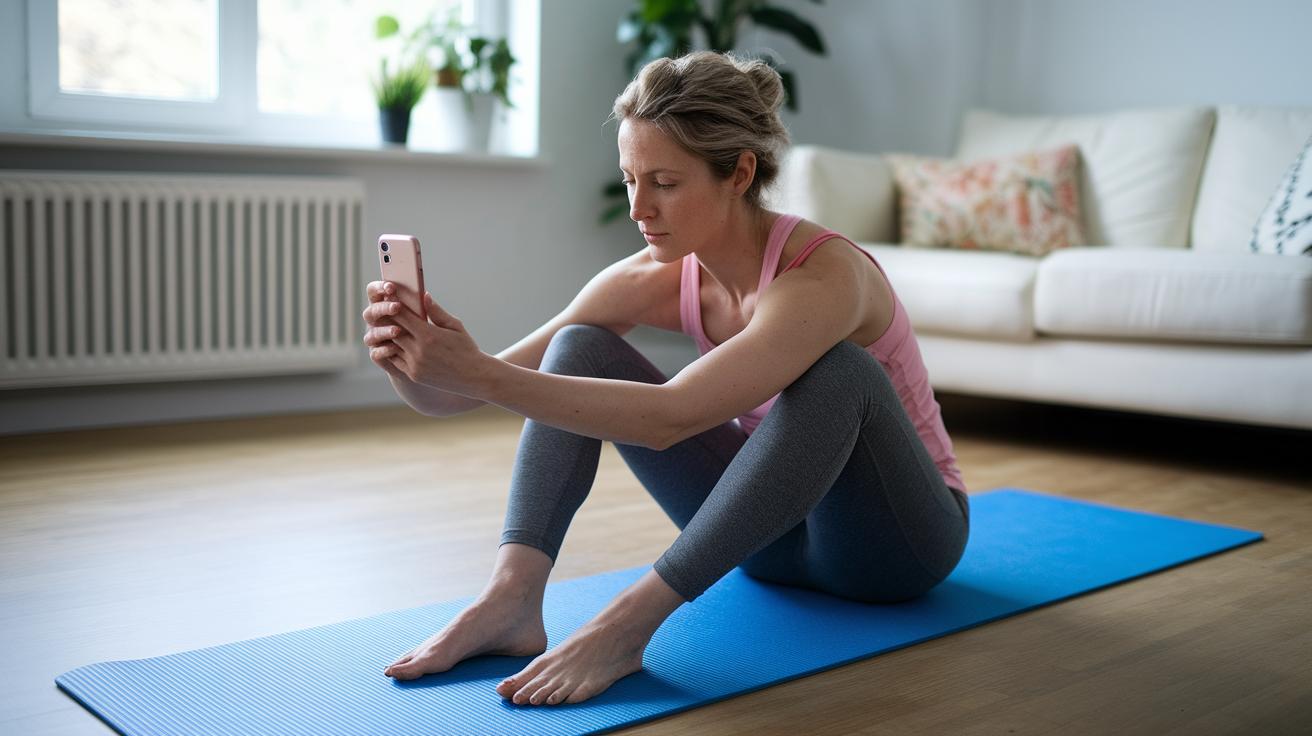
After having a vaginal birth, many moms notice that their pelvic floor muscles might feel a bit weak and you could even experience some temporary leakage. This is perfectly normal because your body has stretched these muscles during labor. Starting gentle pelvic floor exercises soon after giving birth can help rebuild strength, ease any soreness, and bring back your confidence in your body.
Most experts suggest beginning Kegel exercises about two to three weeks after delivery. For instance, you might try holding a soft contraction for five seconds, then relaxing, doing that five times in a row, and repeating the routine three times a day. As you get stronger, you can slowly add more challenging moves along with your regular core exercises. There are plenty of postpartum core strengthening tips out there if you need a little extra guidance to combine pelvic floor work and overall core recovery.
You might also find that mixing in other gentle activities helps a lot. Consider adding these exercises into your daily routine:
- Diaphragmatic breathing with a pelvic floor lift
- Basic Kegel holds (5-second hold, 5 reps)
- Bridge lifts with pelvic floor engagement
- Seated pelvic tilts
- Supine pelvic drops
Each of these moves gives your body the chance to gradually heal and strengthen itself. It’s a good idea to avoid heavy lifting or high-impact moves for at least the first six weeks after giving birth. This careful approach lets your body mend at its own pace while you steadily regain strength. And if you ever feel unsure about your progress, talking with a pelvic physical therapist can be a great way to get personalized advice and adjust your routine just right.
Nutrition and Hydration in Postpartum Healing After Vaginal Birth
After you welcome your baby, taking care of your body becomes a top priority. Your body needs special nourishment to help it heal and regain strength. During pregnancy, you might have gained 25 to 35 lbs, and it's common for about 13 lbs to be lost right after birth. Always chat with your provider before making any big changes to your diet.
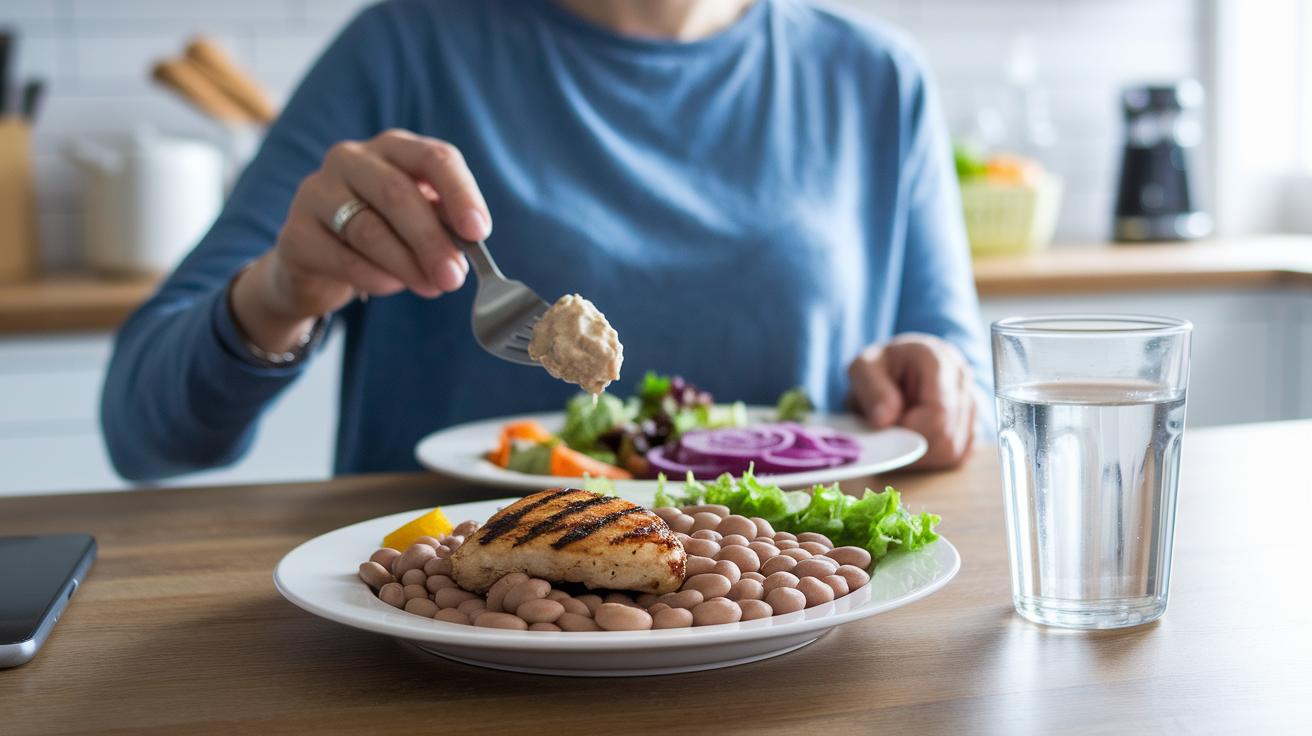
Eating protein-rich foods like lean meats, beans, or eggs is key. These foods help your body repair itself and even support milk production if you choose to breastfeed. Picture a simple meal of grilled chicken with black beans and a fresh salad, it’s a comforting way to refuel. Adding iron-rich foods, such as spinach or lean red meat, along with some vitamin C from fruits like oranges, can help prevent anemia, a common concern after childbirth.
Don’t forget to include fiber-rich ingredients like whole grains, prunes, and legumes in your meals. These, along with plenty of water (aim for 8 to 10 cups daily, or more if you’re breastfeeding), can help keep your digestion on track and ease constipation.
Mixing in these nutritional elements into your daily routine makes a real difference. Little choices, like grabbing a nutrient-packed snack or taking a moment to sip water, can help you feel stronger and more supported as you heal.
Professional Guidance and Support Strategies for Postpartum Healing After Vaginal Birth
As you begin your recovery, it’s a good idea to schedule a checkup around six weeks after birth. This visit helps you keep an eye on your bleeding, pain, changes in mood, and overall energy. It’s also a safe space to discuss any worries, like feeling more emotional or uncomfortable. Your healthcare provider can check for signs of postpartum depression, which can affect about one in five new moms, and can guide you to helpful counseling if needed. Sharing your feelings openly helps you feel cared for during this delicate time.
Warning Signs to Share with Your Provider
- Heavy bleeding
- Severe pain
- Fever
- Dramatic mood swings
Talking openly with your care team means any new or upsetting symptoms can be looked into right away, helping keep your healing on track.
Community and Family Support Resources
Sometimes a little help from mom groups, lactation experts, or in-home care services can make a big difference. Joining a mom-baby group or asking a trusted friend or relative for a hand with daily chores can ease your stress and boost your resilience. Even a heartfelt talk with your partner can strengthen your bond as you both settle into new roles. Taking these steps can make this period of change feel a bit more manageable.
Final Words
In the action of postpartum healing after vaginal birth, the post has guided you through each phase, from managing pain and perineal care to pelvic floor exercises and nutrition. Small steps matter, and every new movement contributes to a smoother recovery.
Recapping the key recovery periods and supportive measures, every bit of care you invest helps restore strength and balance. Remember that gentle self-care and community support go a long way in making postpartum healing after vaginal birth a positive experience.
FAQ
Q: What should I avoid doing after giving birth?
A: Avoid overexertion, heavy lifting, and skipping rest after giving birth. Keeping activities gentle and following your doctor’s guidance helps prevent complications and supports the natural healing process.
Q: How can I care for my vagina after giving birth?
A: Caring for your vagina after birth means keeping the area clean, using soft sanitary pads, taking gentle sitz baths, and avoiding harsh soaps while monitoring for any signs of infection.
Q: How long does it take for my body and vagina to return to normal after birth?
A: Typically, noticeable improvements occur by six weeks, and many mothers feel largely recovered within a year, but full healing time varies based on individual health and the specifics of each delivery.
Q: What does a normal postpartum vaginal appearance look like?
A: A normal postpartum vagina can appear swollen, red, or looser temporarily. These changes generally improve as healing continues, and if you have concerns about your recovery, checking with your provider is a smart step.
Q: How long do stitches take to heal after childbirth?
A: Stitches usually heal within about six weeks after childbirth. Keeping the area clean and following your doctor’s care instructions is key to a smooth and comfortable recovery.
Q: Is it true that pregnancy recovery takes up to two years?
A: Although some changes can linger longer, most mothers see significant healing within one year. Recovery varies for each person, and ongoing self-care is essential for overall well-being.
Q: What does after-delivery care for mothers involve?
A: After delivery, care involves rest, gentle activity, proper hygiene, and following up with your provider. Focusing on balanced nutrition and emotional support also plays an important role in a smooth recovery.
Q: What can help speed up recovery after giving birth?
A: A balanced routine that includes plenty of rest, light exercise, nutritious meals, and proper self-care measures can help speed up your recovery process after giving birth.