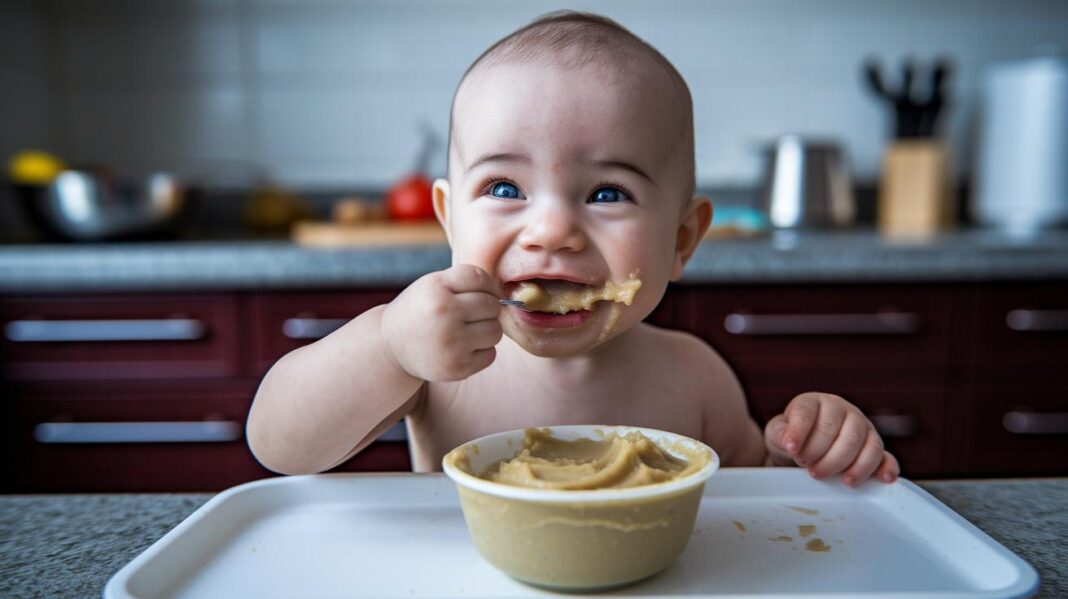
Have you ever wondered if your child’s plate might be the secret to a happier mealtime? When your little one turns 12 months, every bite is a chance to help them grow and try new flavors.
In this post, we’ll talk about soft, safe foods that fill small tummies and make mealtime a fun, joyful experience. We’ll share easy meal ideas and simple tips to help you pick healthy options that keep your kiddo excited and energized about food.
Ready to make every bite count? Let’s get started with happy eating!
Key Nutritional Needs and Food Choices for a 12-Month-Old Toddler
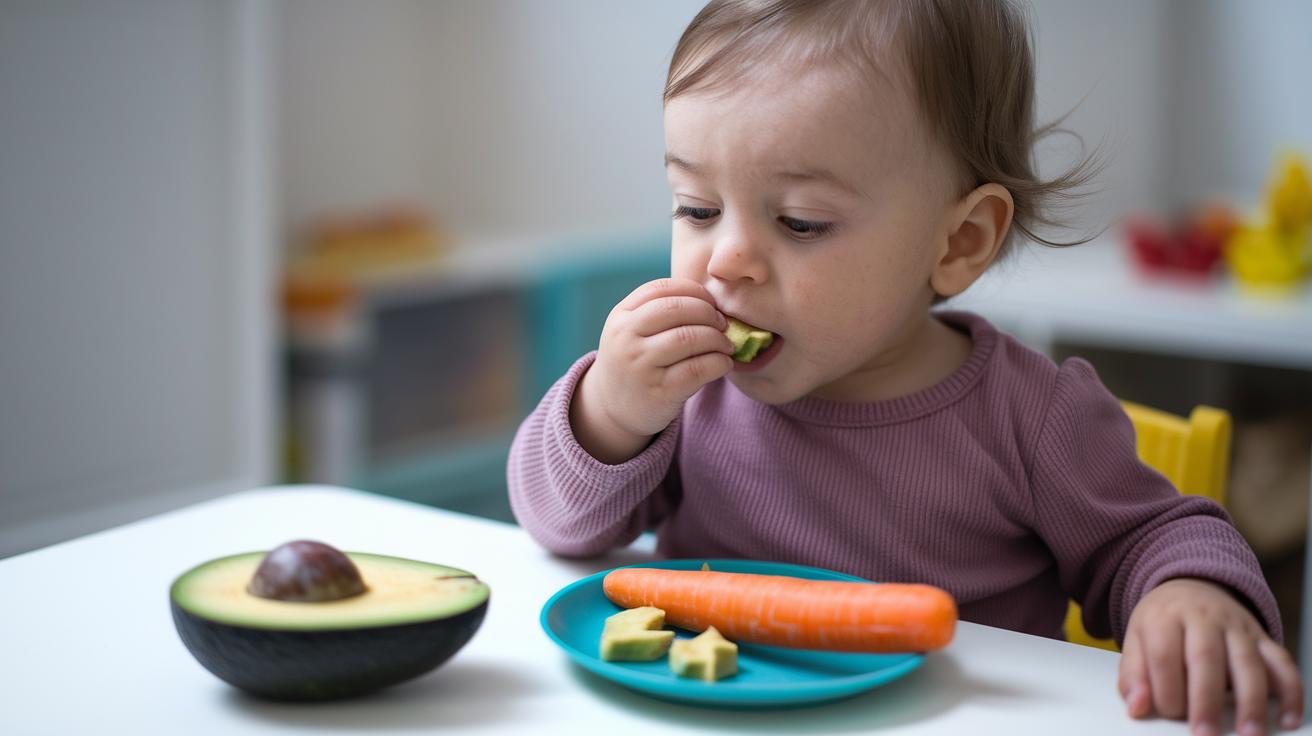
One-year-olds have really small tummies, so every bite matters. Nutritious foods like iron-packed proteins, soft-cooked dark green vegetables (like spinach) and orange veggies (like carrots) give them the energy they need. At this stage, most of their calories come from solid foods rather than formula or breast milk. If your little one takes formula, you can usually switch to whole milk or unsweetened soy milk at 12 months, offering around 14–20 fluid ounces a day. And if you’re breastfeeding, you can continue nursing if that feels best.
Meals should shine a light on soft-cooked proteins such as shredded chicken or flaked fish, along with healthy fats from avocado or full-fat yogurt. Start with small servings, about 1 tablespoon for each food, and let your toddler decide if they need a little more. This way, they learn when they’re hungry and can enjoy each flavor at their own pace. Imagine setting out a small plate filled with bite-sized pieces so your child can safely practice feeding themselves!
Also, adding whole grains like brown rice or energy-boosting foods such as sweet potatoes gives a nice boost of complex carbohydrates. Family meals become a joyful, relaxed time when your toddler gets to share the same foods as everyone else. Serving foods in safe, bite-size portions not only makes it easier on their digestion but also helps keep mealtime safe, fun, and full of nutrients.
Sample One-Year Meal Plan and Food Schedule
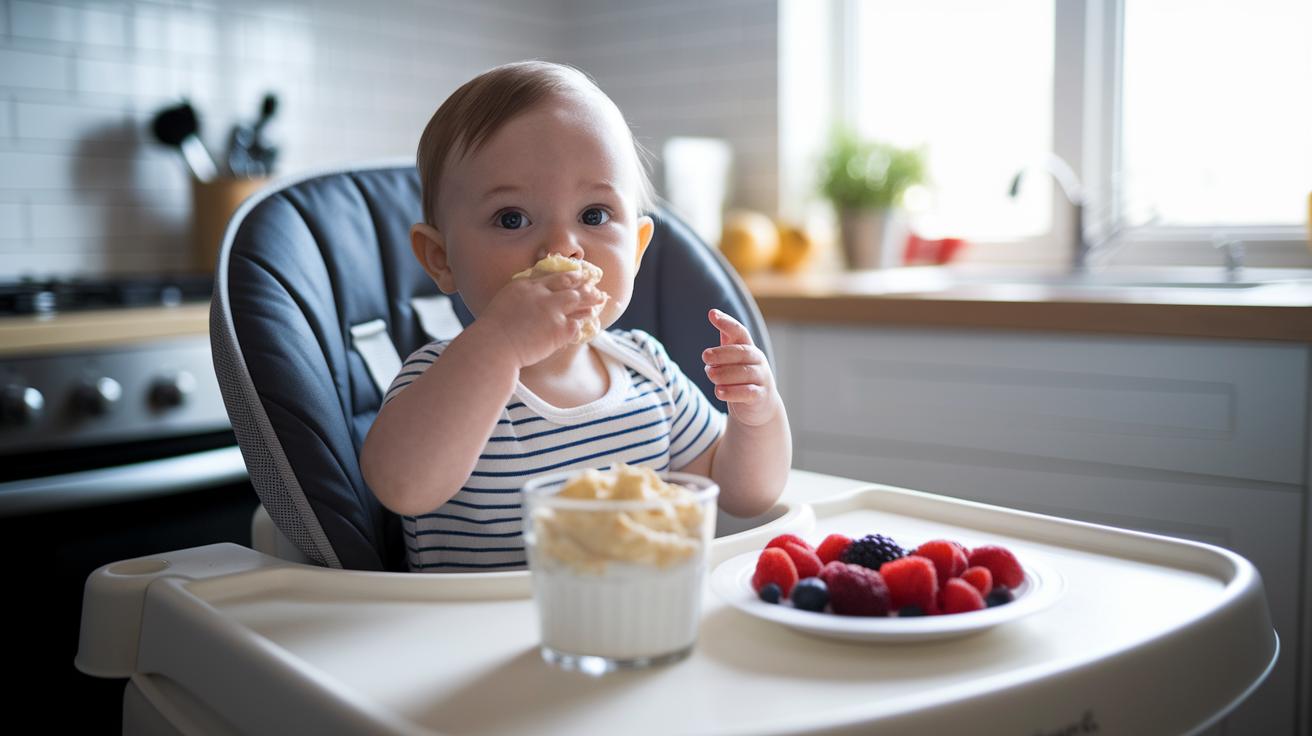
The table below is a gentle guide for planning your little one's meals. It mixes three solid meals with two snacks, all while giving space for on-demand nursing. Think of it as a friendly nudge to help your child explore different tastes and textures as they learn to feed themselves.
| Time of Day | Meal | Example Items |
|---|---|---|
| Wake-up snack | Light Snack | 1 Tbsp mashed banana with a few sips of milk |
| Breakfast | Solid Meal | Unsweetened yogurt with sliced berries and granola |
| Morning snack | Snack | Hummus with steamed or soft-cooked veggie sticks |
| Lunch | Solid Meal | Whole-wheat quesadilla with cheddar and cubed avocado |
| Afternoon snack | Snack | Small pieces of soft fruit like melon or pear |
| Dinner | Solid Meal | Baked fish fingers with roasted carrots and quinoa |
Starting with just about one tablespoon of each food helps your child learn to listen to their own hunger cues. Each bite is carefully portioned and has the right textures for a 12-month-old who is still figuring out self-feeding.
For breakfast, a bowl of unsweetened yogurt with berries brings in a bit of protein and natural sweetness. The whole-wheat quesadilla at lunch offers a mix of whole grains, good fats (from the avocado), and protein from the cheddar. Dinner, featuring fish fingers with roasted carrots and quinoa, delivers essential vitamins, iron, and energy to support an active little body. Snacks, like a light wake-up treat or soft fruit in the afternoon, keep energy levels steady without overloading that small tummy.
Remember, at this stage, your child might still need some milk, breast milk or whole milk should be around none to 14–20 fl oz per day. Use this meal plan as a friendly guide and adjust things as you watch your child’s cues. It’s all about creating a safe, nurturing space where they can explore foods while building confidence in self-feeding.
Texture Transition and Safe Serving for 12-Month-Olds
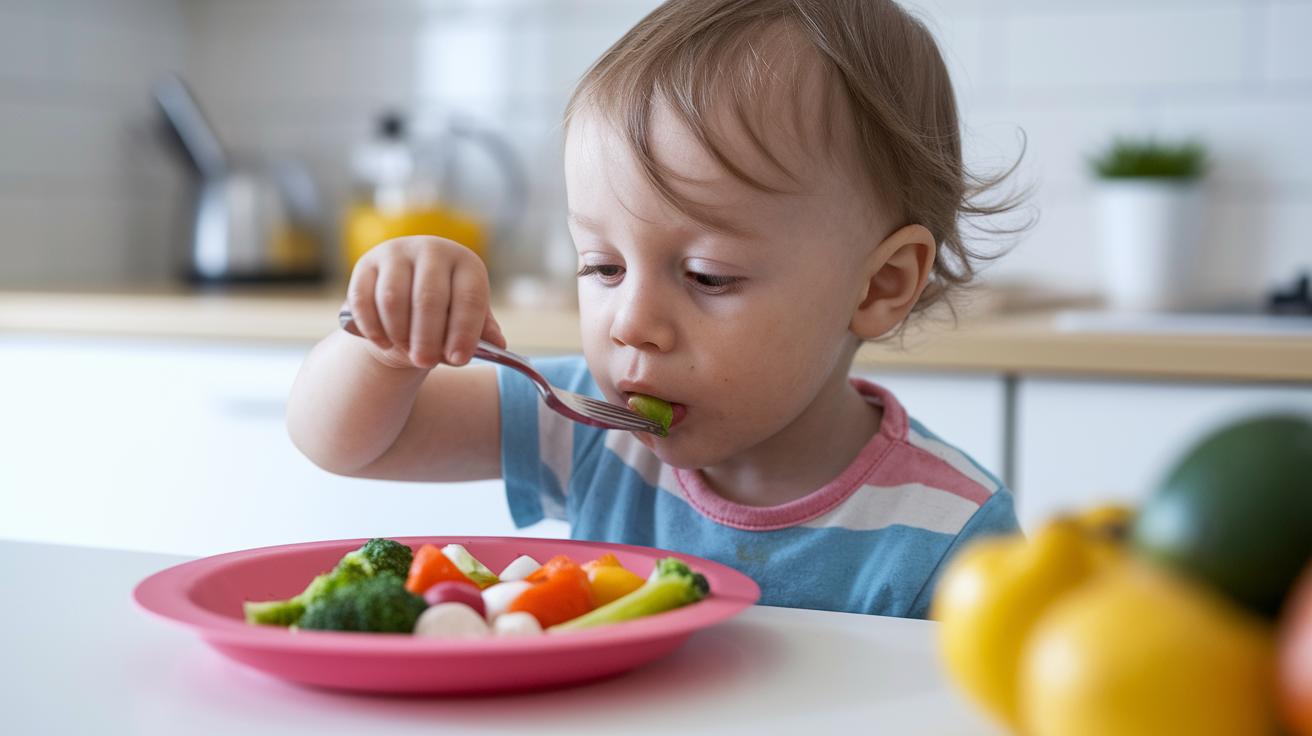
At 12 months, little ones are starting to feed themselves, making it a perfect time to move from smooth purees to foods with more texture. Begin by lightly steaming or boiling vegetables until they're soft enough to mash easily. Then, chop them into small, pea-sized pieces that your child can pick up and chew. For meats, cook them until tender and either dice or shred them into tiny bits. It's like providing new, fun building blocks of flavor for your toddler to explore.
A simple way to introduce new textures is to add one at a time. For example, stir a spoonful of soft, diced carrots into a puree your child already loves. Have you ever heard that Julia Child started by gently introducing diced veggies to make meals both fun and safe for little ones? This gentle approach can help turn mealtime into an enjoyable learning experience.
When you’re cooking grains like quinoa or brown rice, make sure they’re really soft. And always keep an eye on your child during meals, checking that each bite is a safe size. With careful preparation and a bit of attention, mealtime can be both delightful and secure.
Food Categories for Balanced Toddler Meals
Protein Sources
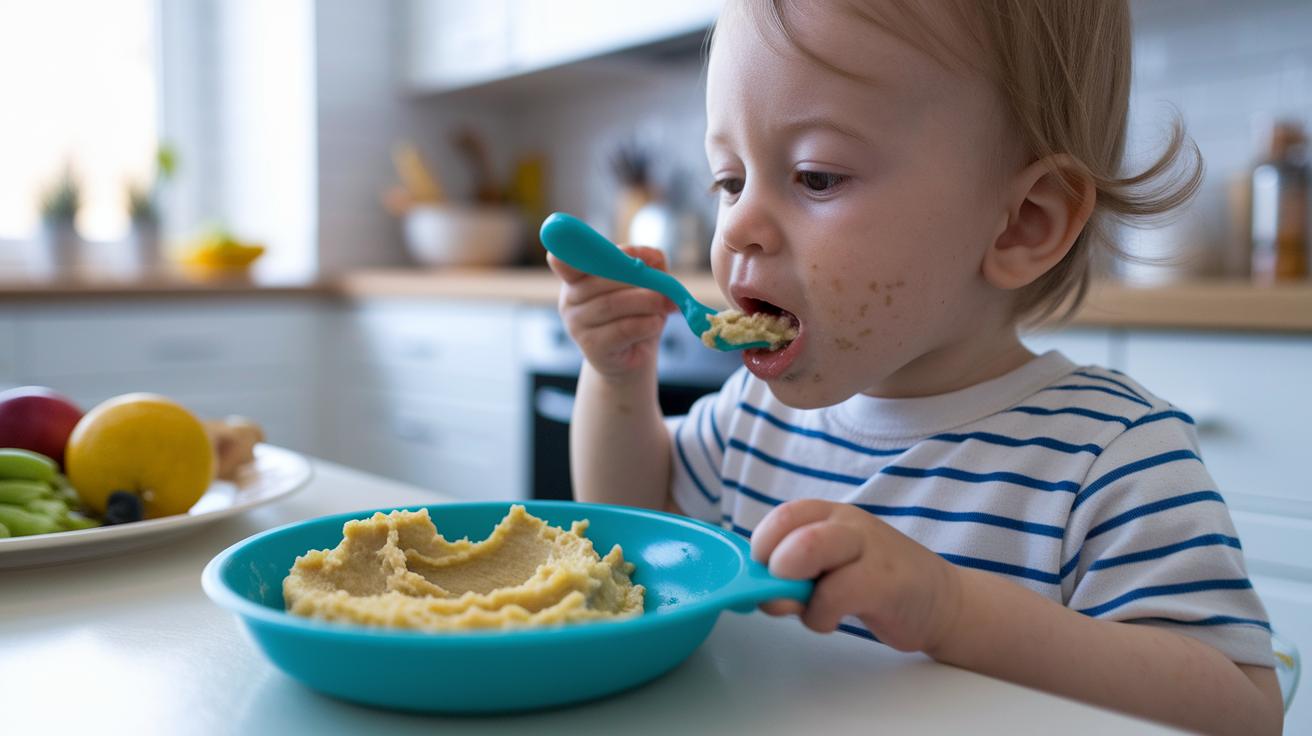
When it comes to helping your little one grow, soft, easy-to-chew proteins are a must. Think about shredded chicken, gently flaked fish, tender lentils (well-cooked until soft), or soft tofu. These choices make mealtime less of a fuss for both you and your toddler.
Here are a few ideas for preparing these proteins:
- For chicken, steam it until it’s really tender, then pull it into tiny pieces. You can mix the soft chicken with mashed veggies for a smooth, comforting bite.
- Cook lentils until they’re so soft they can be mashed up easily, making them perfect for little hands.
Healthy Fat Providers
Healthy fats are not just tasty, they’re also key for brain development and help your toddler absorb essential vitamins. Foods like avocado, full-fat yogurt, and thinly spread nut butters are great options that bring creaminess and flavor to a meal.
Try these simple tips:
- Mash an avocado until it gets creamy and smooth; this makes it easy to scoop up with a spoon or even mix into fruit for a velvety snack.
- Give full-fat yogurt a good stir so it reaches a uniformly smooth texture that's perfect for little spoonfuls.
Fruits and Vegetables
A splash of color on your toddler’s plate means a mix of different nutrients. Adding bright fruits and veggies like orange carrots, dark green spinach, bananas, and soft berries makes every bite both fun and healthy.
A few friendly ways to prepare them:
- Dice carrots or give spinach a light steam until they’re soft enough for your little one’s chewing.
- Combine diced bananas with soft, squishy berries to create a blend of textures that's both appealing and easy to eat.
Grains and Energy-Rich Foods
Whole grains and starchy veggies, such as brown rice, quinoa, and sweet potatoes, provide a wholesome source of energy that keeps your toddler active and happy.
Here are some tips to make them toddler-friendly:
- Cook brown rice until it’s soft and fluffy; you want it tender enough for tiny fingers to pick up easily.
- Mash sweet potatoes until they’re smooth and creamy, creating a comforting consistency that’s simple to enjoy.
Remember, the goal is to make each meal a little adventure of flavors and textures that your toddler can enjoy safely and comfortably. Enjoy this nurturing journey!
Finger-Friendly Snacks and Mini Bite Meal Ideas
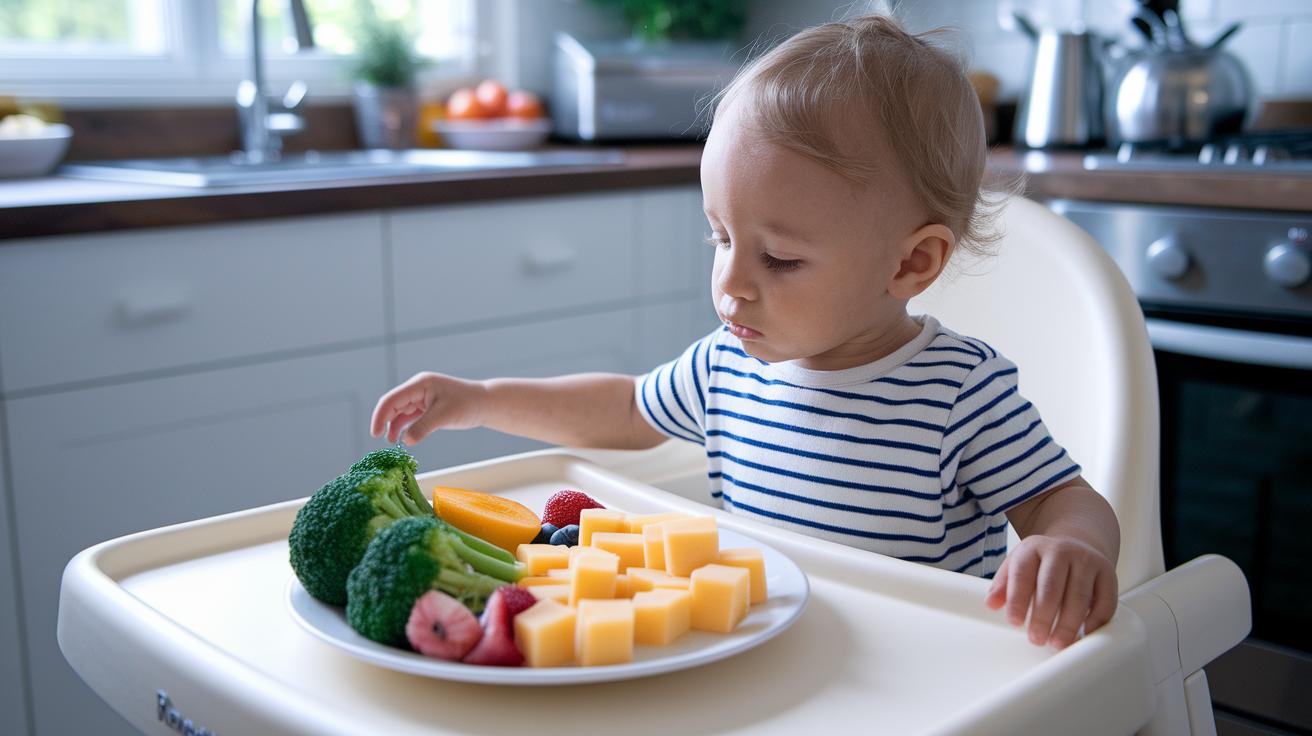
When your little one starts to feed themselves, it's a great time to offer snacks that are just the right size. At around 12 months, toddlers can handle foods that are easy to grasp and chew, which helps them learn and grow their taste preferences.
Try out a mix of these simple ideas to keep snack time fun:
- Steamed broccoli florets – Soft but still give a little crunch.
- Mini whole-wheat pancakes – Sized perfectly for tiny fingers.
- Cubed cheese – A small bite packed with calcium.
- Soft fruit slices (like banana or kiwi) – Naturally sweet and full of vitamins.
- Hummus with veggie sticks – A smooth dip that goes well with tender veggie sticks.
- Turkey meatballs, cut into quarters – Tasty, protein-rich bites that encourage chewing.
Each little bite is a step toward building your toddler’s confidence while exploring different tastes and textures. Enjoy these moments of mealtime fun and discovery!
Portion Control and Serving Size Guidelines for 12-Month-Olds
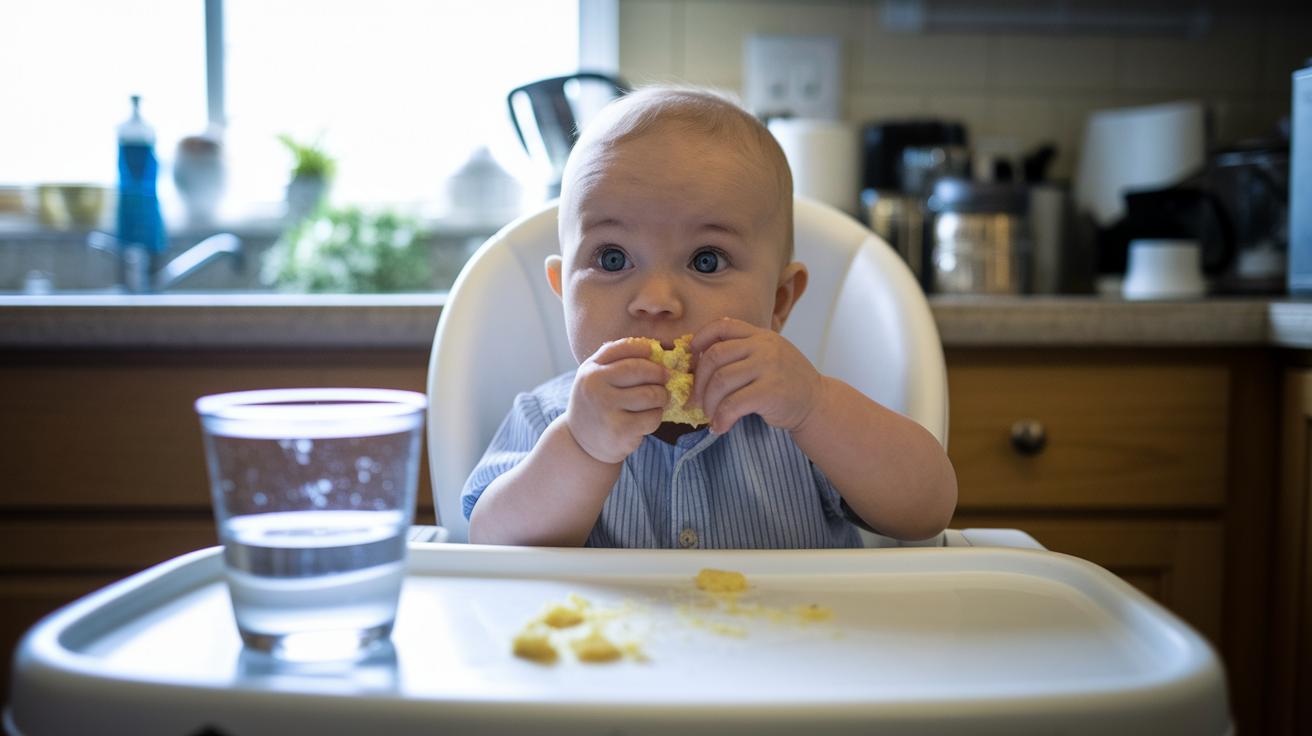
When your little one turns 12 months, a simple meal plan can really help guide you. Start with about one tablespoon of each food group per meal, and keep an eye out for signs that your baby is hungry or satisfied.
Milk should be around 14 to 20 fluid ounces each day. At mealtimes, pour 4 to 8 fluid ounces of water in a cup to help your baby practice drinking on their own and ease the move away from milk.
Keep track of diaper changes and your baby’s weight as friendly signals to make sure they’re getting just the right nutrition.
Final Words
In the action, we explored toddler nutrition guidelines with care, from choosing balanced meals that support growth to transitioning textures for safe, enjoyable eating. We shared a sample meal plan with bite-sized snacks and smart portion ideas, all designed to help simplify feeding routines. This guide aims to make meal planning a little easier for busy days. Keep experimenting and observing your little one’s cues, and remember, even small adjustments can make meal times fun and nurturing. Enjoy creating great food for 12 month old that supports healthy growth!