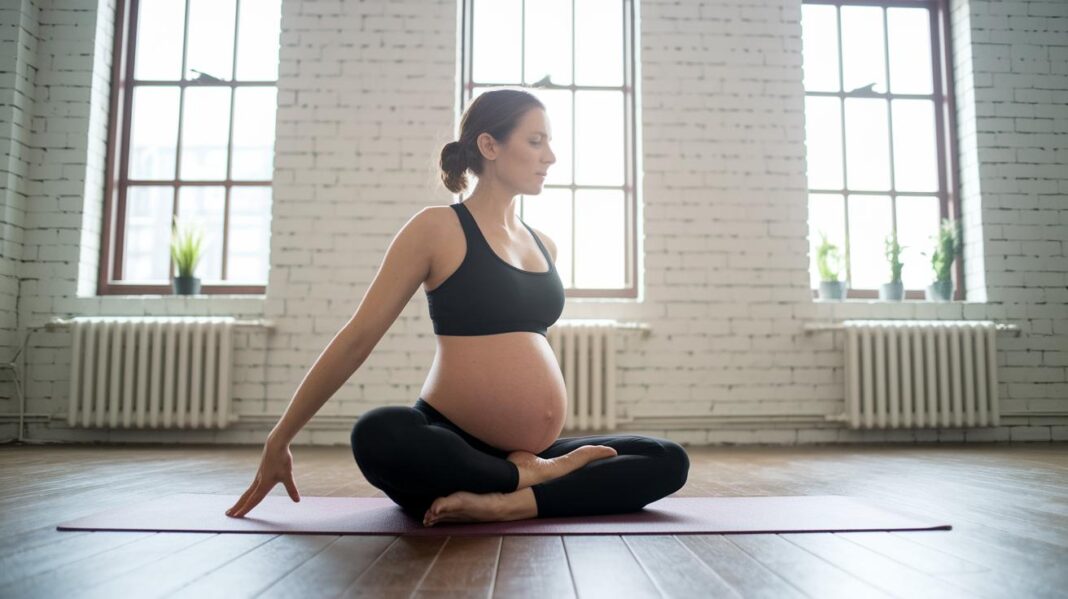
Have you ever felt swamped by the changes after having your baby? It’s completely normal to experience both body shifts and soft, tender feelings during those first quiet weeks.
Imagine this time as a gentle warm-up before you dive into your new life. With small acts of care like taking care of your intimate area (perineal care), getting enough rest, and enjoying easy walks, every little step helps you feel more like yourself.
In this post, we explore a few simple ideas to support your healing and remind you to trust the natural recovery your body craves.
Foundational Postpartum Healing for First-Time Mothers
After you give birth, the first six weeks become a quiet time of healing and gentle adjustment for your body. This period is special because every little bit of self-care helps you bounce back faster, whether you had a vaginal birth or a C-section.
During these early weeks, you might notice both physical and emotional changes. Your body is busy healing with rest, plenty of water, and some light movement, while your mood might shift, too. It’s completely normal to feel a bit sad or irritable sometimes – many new moms experience what’s often called the baby blues.
Here are some simple ways to care for yourself during this time:
- Perineal care: On your first day, using an ice pack for about 2 hours at a time can help ease swelling and relieve discomfort.
- Rest: Try to rest as much as you can, even if sleep is broken up by feedings. Each little nap counts!
- Scar care: If you had a C-section, gently wash the scar with mild soap and water once a day to keep the area clean and help prevent infection.
- Gentle movement: Taking short, slow walks can help boost blood flow and gradually strengthen your body.
- Emotional check-ins: Take some quiet moments to see how you’re feeling. It might feel like a simple pause, but it really supports your mental well-being.
Be patient with yourself – think of this time as warming up before a long run. Every little step, every moment of rest, and every small walk helps you gather strength bit by bit. Treat yourself with kindness and remember, you're doing great as you adjust to this new chapter in your life.
Gentle Postpartum Exercise and Pelvic Floor Strengthening

Even gentle movement helps your body wake up slowly. A short daily walk can boost your blood flow, lift your mood, and build strength bit by bit. Start with just a few minutes of walking, then try adding specific exercises to help tighten muscles and support bladder control. Soon enough, simple moves like Kegels can become a natural part of your recovery.
| Exercise | Area Worked | How Often |
|---|---|---|
| Walking | Whole body | Every day for 5–10 minutes |
| Kegels | Pelvic floor | 3 sets of 10 reps, twice a day |
| Pelvic Tilts | Lower back and abs | 10 reps, once or twice a day |
| Core Activations | Deep abdominal muscles | 5 reps each day |
Once your doctor gives you the green light, you might add pelvic tilts and core activations to help bring back strength in your tummy muscles. These gentle exercises allow for a smooth buildup in strength. If you’re looking for more ideas, check out these postpartum core strengthening tips. And remember, try to avoid high-impact or heavy workouts for the first six weeks to keep your healing body safe.
Listen to your body and adjust as needed. If you find a move too challenging or it causes discomfort, it’s okay to slow down and rest a bit longer. Every day, you’re slowly rebuilding your strength, so trust your pace and pay attention to your body's little messages as you recover.
Nutritional Healing Essentials for New Moms
Your body works hard after childbirth, healing and rebuilding itself. Eating the right foods can really help boost your energy and speed up recovery. When you snack on five small meals throughout the day, including whole grains, lean protein, and fiber-rich fruits and veggies, you can keep your energy from dipping and help prevent constipation. And don’t forget to keep drinking water or herbal tea to stay hydrated and support both healing and, if you’re breastfeeding, milk production.
Here are seven easy, healing foods you can try:
- Oats
- Berries
- Legumes
- Lean meat
- Nuts
- Leafy greens
- Yogurt
Imagine starting your day with a warm bowl of oats mixed with fresh berries. For lunch, you might enjoy a handful of nuts along with some lean meat, and later, a colorful salad of leafy greens paired with yogurt could be a refreshing snack. These choices give your body steady fuel, help balance your blood sugar, and can even ease that tired feeling.
It might be a good idea to plan your meals and snacks around when you feed your baby and catch some rest. Maybe try eating every three or four hours. That way, you’re fueling up steadily without ever feeling too stuffed. And as a little act of self-care, use the breaks between meals to drink some water or sip on a warm cup of herbal tea. It’s those small moments that can make your busy day feel a bit more manageable.
Pain Management and Physical Discomfort Care Postpartum

After your baby is born, it's completely normal to have some aches and soreness. You might notice tenderness in your perineum, some cramping after a C-section, or discomfort from stitches as your body heals. Remember, these feelings are part of your natural recovery process. Taking gentle care of yourself and trying out a few simple techniques can help ease the pain during this time.
Here are some ideas you might find helpful:
- OTC meds: Using acetaminophen or ibuprofen as your doctor suggests can help take the edge off the pain.
- Ice packs: Try placing an ice pack on your perineum for a bit every few hours in the first 24 hours to calm the swelling.
- Sitz baths: Enjoy a gentle sitz bath a few times a day to soothe any discomfort down there.
- Warm compresses: A warm compress can work wonders in relaxing muscles, especially if you're dealing with C-section cramping.
- Perineal spray: A perineal spray can help cool and calm irritated tissues.
- Supportive undergarments: Wearing comfortable, well-fitted clothing can also take some pressure off those sensitive, healing areas.
Every recovery is unique, so listen to your body. It might take a little experimenting to see which methods work best for you, sometimes a small tweak, like adjusting the timing of an ice pack, can really brighten your day. Always follow the advice of your healthcare provider, and remember, taking good care of yourself is one of the kindest things you can do during this journey.
Emotional Recovery and Mental Well-Being After Childbirth
Many new moms go through what we call baby blues. It’s a normal mix of emotions that might last for about two weeks after your baby’s birth. You might feel a bit sad or irritable sometimes because of changes in your body or lack of sleep. But if these feelings stick around for more than two weeks, especially if you feel deep sadness, strong anxiety, or begin to pull away from loved ones, it could be a sign you might need extra help.
It’s really important to tell the difference between the normal baby blues and feelings that might be more serious. Baby blues usually go away with a bit of gentle self-care, maybe a warm bath or a few calm minutes with your favorite book. But if you’re still feeling down or overwhelmed, it might be time to chat with a healthcare provider. This can help you understand that these ups and downs are part of a real, sometimes complicated, recovery process.
Here are a few easy steps to help you along the way:
| Tip | Description |
|---|---|
| Mindfulness | Try simple mindfulness exercises (look up the guide to mental wellbeing after childbirth for some ideas) to help anchor your thoughts. |
| Journaling | Write down your thoughts and feelings, it can be like having a little chat with yourself. |
| Therapy | If you need more support, ask for a referral to connect with a caring professional. |
| Daily Structure | Plan your day to include quiet moments and restful breaks. |
Remember, it’s perfectly okay to feel a range of emotions after childbirth. Give yourself the space to feel what you need without any judgment. Chatting openly with your partner, family, or friends can help ease the loneliness you might feel. And even small steps like trying a mindfulness exercise or reaching out when you’re struggling can spread a bit of brightness into your day.
Daily Self-Care Rituals in Your Postnatal Wellness Roadmap

Starting your day with a few gentle self-care moments can really help you feel supported as you navigate new motherhood. When you add small breaks and a bit of easy movement to your everyday routine, it gives your body and mind a chance to rest and recharge. A steady routine not only helps your body heal, but it also lifts your spirits and brings a comforting sense of familiarity to your day.
Here are some simple rituals you might consider:
- Short naps: Even a minute or two of rest can help you catch your breath between feedings.
- Water breaks: Taking time to sip water keeps you refreshed and supports your recovery.
- Gentle stretching: Light movements ease muscle tension and help you feel more relaxed.
- Meal planning tips: Organizing meals ahead of time or setting up a meal train can ease the stress of daily cooking.
- Cozy nesting: Arranging your space with extra pillows and soft touches creates a nurturing spot for nursing and rest.
- Mindful pauses: Take a moment to stop, breathe, and enjoy calming music or soft lighting.
Feel free to adjust these ideas to fit your day-to-day life. Making your routine your own can turn everyday moments into meaningful pockets of comfort. Have you ever noticed how a small change can make a big difference in your day? These gentle steps can help build a supportive routine during your early days of motherhood.
Recognizing Warning Signs and When to Seek Postpartum Support
After you have your baby, it’s really important to keep in touch with your doctor. Try to book your post-baby checkup within six weeks so you can be sure your body is healing well. And don’t forget, your little one should see a doctor for their first visit within 3–5 days after birth. These visits help spot any early signs that something might be off, whether it’s with your body or your feelings, so that you get the right care when you need it.
| Warning Sign | Possible Cause | Action Required |
|---|---|---|
| Excessive Bleeding | Heavy blood loss that can make you feel very weak | Call your doctor right away |
| Fever over 100.4 °F | This might be a sign of an infection | Get medical advice as soon as possible |
| Scar Infection | Your incision area looks red, swollen, or has discharge | Reach out to your healthcare provider to get it checked |
| Severe Mood Changes | Feeling very sad, anxious, or having troubling thoughts | Talk to a mental health expert as soon as you can |
If you spot any of these signs, it can really help to chat with local support groups, helplines, or counseling services. Sometimes speaking with a friend, joining a new mom support group, or calling a mental health expert gives you that caring advice you need. When everything feels like too much or you’re not sure what to do next, remember that asking for help shows strength. You and your baby deserve care and comfort during this important time, and your community and healthcare team are always ready to help you on your journey.
Final Words
In the action, we explored a wide range of practical tips for postpartum healing for first-time mothers. We covered foundational care, gentle exercise with pelvic floor strengthening, and balanced nutrition that keeps your body fueled.
We also shared strategies for managing pain, nurturing emotional recovery, and incorporating daily self-care rituals. Recognizing warning signs and knowing when to reach out further deepens this supportive approach.
Keep embracing self-kindness and remember, each step helps pave the way toward feeling whole and strong.
FAQ
What immediate postpartum care should a mother receive?
The immediate postpartum care involves gentle self-care like applying ice packs on the perineum, resting as much as possible, and using mild soap and water for any surgical scars, which all help in a smoother recovery.
How do postpartum guidelines address what not to do after giving birth and caring for your vaginal area?
Postpartum guidelines advise avoiding heavy lifting and strenuous activities while keeping the vaginal area clean with warm water and gentle care to promote healing and reduce irritation.
What are some postpartum essentials for moms?
Postpartum essentials include items such as comfortable, absorbent pads, supportive undergarments, perineal sprays or witch hazel pads, and accessible pain relievers to help ease discomfort and support recovery.
How long does it usually take for the body to return to its normal state after birth?
The body commonly shows major recovery within six weeks, though full emotional and physical healing can vary by person, with some changes taking up to two years to settle completely.
What does the 5 5 5 rule for postpartum recovery mean?
The 5 5 5 rule means taking 5 minutes to check in with your body every 5 hours and adding 5 minutes of gentle movement, which can help support gradual recovery in a nurturing way.
What should new moms expect during the first week postpartum?
In the first week postpartum, moms may experience physical soreness, hormonal shifts, and baby blues, making gentle self-care and extra rest essential during this early recovery stage.
Which week postpartum tends to be the most challenging for new mothers?
Many new mothers find that the first week is the most challenging as they adjust to physical discomfort, emotional fluctuations, and the demands of nurturing their newborn.
How long is it recommended for a mother to rest after giving birth?
Rest is crucial after birth; focusing on gentle recovery, especially during the first six weeks, helps the body adjust, though each mom should listen closely to her own needs.