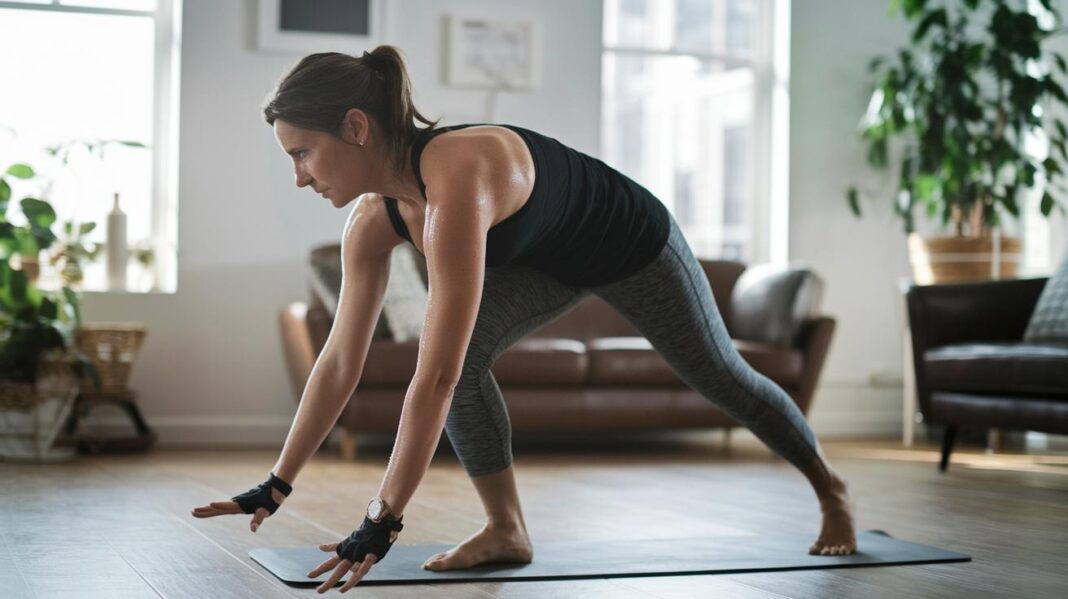
Ever wondered if a quick burst of exercise could help you bounce back after having a baby? I know many new moms worry that hard moves might be too much right away. This guide shows you how gentle HIIT workouts (think high-intensity interval training) can help rebuild your strength, support your healing core (the muscles around your belly), and bring back that active feeling. With a few easy, low-impact moves and timing approved by your doctor, you can slowly ease back into exercise and feel more like yourself. Ready to try a routine that helps you recover fast and care for your body?
Postpartum HIIT workout Sparks Fast Recovery
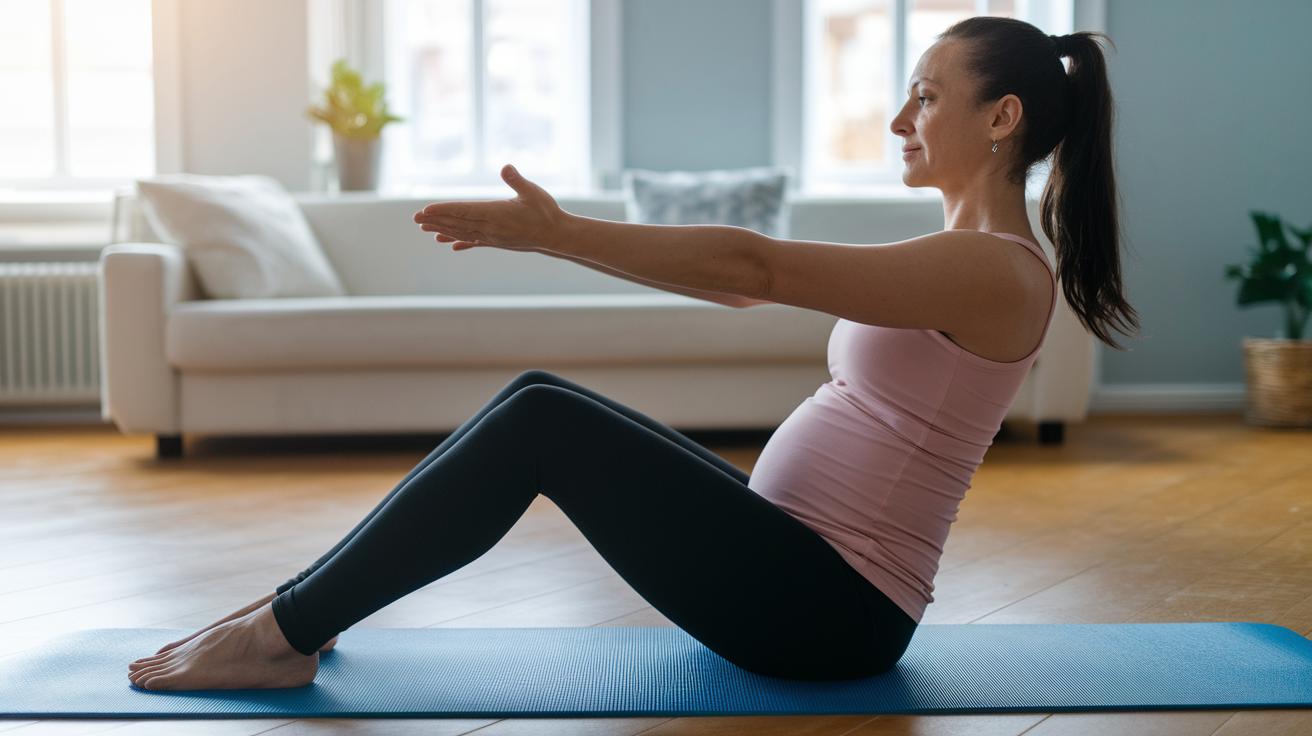
After having a baby, you might notice your body feels a bit different. Your tummy muscles might seem stretched, your pelvic floor not as strong, and your joints a bit more loose from those hormones. A gentle high-intensity interval workout after birth is a special routine designed to help you build strength again in a safe way. Just remember to get the okay from your doctor before starting, usually about six weeks after a vaginal delivery or eight to twelve weeks after a C-section.
Pregnancy can change the way your core and pelvic muscles work, so it’s important to start with slow, mindful movements that help bring back your strength. Imagine this routine as a way to slowly warm up, like easing into a cozy bath. This helpful routine also takes into account the chance of diastasis recti (a separation in the tummy muscles), especially if you’re breastfeeding since that might loosen your ligaments even more.
When you start your postpartum HIIT workouts, begin with low-impact moves that focus on building a strong base. It’s a bit like dipping your toes in the water before taking a deeper swim. Listen to your body as you work on strengthening your core and glutes, and always stop if something doesn’t feel right.
Here are a few simple steps to guide you:
- Get medical clearance
- Wait the recommended time
- Build up your basic strength
- Check for diastasis recti
- Stop if you feel any pain
Taking these steps can help you return to fitness safely and comfortably. By honoring the unique way your body heals, you lessen the chances of injury and set up a solid base for future workouts. This gentle, step-by-step approach not only helps you burn fat and regain strength but also supports your overall well-being as you ease back into an active life.
Postpartum Body Changes and Timing for HIIT Workouts

After you have a baby, the time you need for recovery can depend on your birth type. For moms who have a vaginal birth, a six-week checkup is usually recommended. If you had a C-section, you might need anywhere from eight to twelve weeks before thinking about getting back to workouts.
Hormone changes can keep your ligaments soft for up to a year. Think of it like slowly trying out a new recipe to see if all the flavors blend just right.
Before you start any quick circuit workouts after having your baby, make sure you really feel ready. Check that your pelvic area isn’t bothering you, you’re getting around six hours of sleep, and your stress levels are low. It’s like easing back into a routine and listening carefully to your body.
Here are some signs to watch for that mean you might need a little more time:
- Sharp pelvic pain
- Increased bleeding
- Persistent back pain
- Noticeable signs of diastasis recti (when your abdominal muscles separate)
Every mom’s recovery is unique. Trust your body’s signals and adjust your routine to what feels right for you.
Modifications and Low-Impact HIIT Moves for New Moms
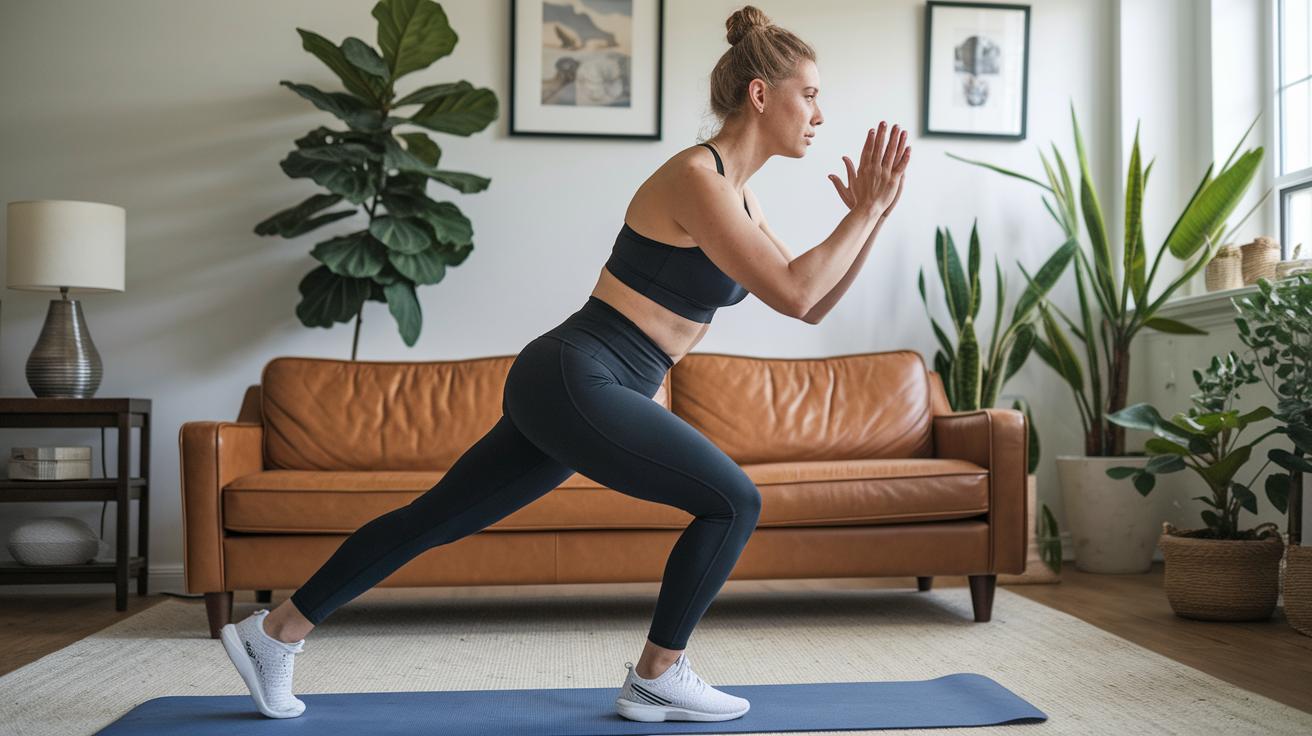
After having a baby, it's important to listen to your body and go easy with your HIIT routine. Modifying your workout lets you build strength slowly while keeping your tired muscles and sensitive pelvic floor safe. Instead of pushing hard with every jump, low-impact moves help you stay active while giving your body the time it needs to heal. Sometimes, a gentle change can feel like settling into a warm, familiar routine rather than making a sudden, jarring shift.
Low-Impact Cardio Intervals
Try simple step-touches, marching in place, or even gentle side-step taps. These moves get your heart pumping without that harsh impact of jumps, like gliding through a slow dance at a family get-together. They’re fun and safe, and they keep you moving with a light, rhythmic beat.
Core-Safe Strength Moves
For rebuilding your core and glutes, try exercises like glute bridges, pelvic tilts, and a modified version of planks. These gentle moves help you grow stronger bit by bit without putting too much strain on your center. It’s all about feeling steady and confident as you regain your strength.
Equipment Options
If you want to add a little extra challenge, light dumbbells or resistance bands can be just right. Think of it like tweaking your favorite recipe to fit just the way you like it, adding a bit of extra flavor without overwhelming the dish. They keep your movements controlled while giving you that gentle push forward.
Mixing these modifications into one easy circuit creates a balanced workout that pairs calming cardio with safe strength exercises. By switching things up, you can take your time, work at a pace that feels right for your recovery, and enjoy a soothing, practical way to get back in shape.
Sample Postnatal HIIT Workout Routines
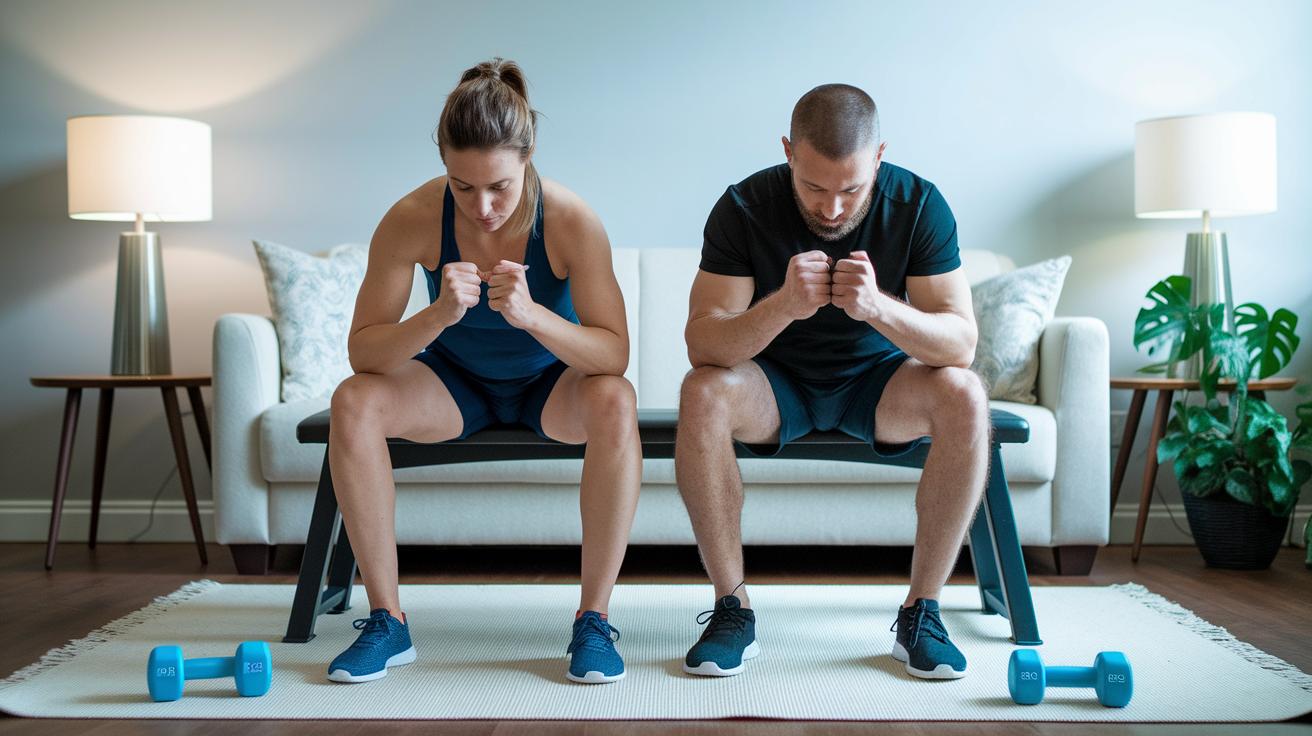
Hey there, new parents. These HIIT routines are a friendly boost to your recovery, blending strength, cardio, and a little support for your mood – all in a short, manageable session. The idea is to work hard for about 30 to 45 seconds and then take a brief, active break for 15 to 30 seconds. This design lets you finish a full workout in just 20 to 25 minutes.
Each session uses light or medium weights, and sometimes you might add a bench or box for extra support. It's a gentle, steady way to help rebuild your strength while fitting neatly into your busy day. This routine is perfect if you're ready to shed a few extra pounds and feel more energized.
| Workout | Exercises | Equipment | Duration |
|---|---|---|---|
| Workout #1 | Squat to press, step-up taps, bent-over rows | Light & medium weights, bench | 20 min |
| Workout #2 | Reverse lunges, push-up holds, deadlifts | Light & medium weights, box | 22 min |
| Workout #3 | Goblet squats, renegade rows, Russian twists | Light & medium weights | 18 min |
Feel free to adjust these routines based on how you feel. If you're up for a bit more challenge, try extending the work periods or shortening the breaks a little. And on days when you're feeling low on energy, it's completely okay to slow down and take longer breaks. Always listen to your body, if something feels off, it’s a sign to ease up.
Over time, as you build strength and endurance, you can gradually tweak the intensity to suit your progress. Remember, this journey is all about not only burning fat but also boosting your overall energy and well-being. You've got this!
Gradual Progression and Scheduling Your Postnatal HIIT Plan
Each week, try adding ten extra seconds to your work intervals. It’s like sprinkling a little more seasoning into your favorite recipe. In week one, you might complete just one circuit. As your body gets stronger, aim for up to four or five circuits by week six. This slow build-up not only boosts your strength but also gives your body a gentle chance to adjust after childbirth. Small steps like these can really lift your energy and boost your confidence.
Plan your week by including two or three HIIT sessions along with days for a walk or yoga. This mix helps your muscles recover while keeping you on track with your fitness goals. Also, keep an eye on your sleep and stress levels because they play a big role in your recovery and progress. By staying flexible and listening to your body, you can create a workout plan that grows with your needs and fits nicely into your busy life as a new mom.
Warning Signs and When to Adjust or Stop Postpartum HIIT
When you're doing your postpartum HIIT, sometimes your body gives you signals that things might not be okay. For example, if you suddenly feel a sharp pain in your lower belly or back, notice more bleeding, or experience sudden urine leaks, these are signs you should pause. You might also feel your midsection harden (what some call core doming), experience chest pain, or feel extremely out of breath. And if you're dizzy, unusually tired, or still sore more than 48 hours after working out, it's time to stop and take a closer look at how you're feeling.
When any of these signs pop up, it's best to stop your session right away. Take a moment to note how long these symptoms last and if there's any extra discomfort. It might be a good idea to chat with your healthcare provider about what you're feeling. Adjusting your routine or giving yourself extra time to heal can really help prevent additional stress on your body and support a smoother recovery.
Remember, getting back to postpartum HIIT is all about listening to your body. Go at your own pace and ease back into higher-intensity moves only when you feel strong and ready. Keeping a gentle check on how you feel and maybe working with a professional can make your comeback safe and steady.
Professional Support and Additional Postpartum HIIT Resources
Teaming up with a pelvic-floor expert or fitness coach can help so much when you’re getting back into HIIT after having your baby. They’ll gently check on how you’re healing and adjust your workouts so they feel just right for your body. They’re there to guide you with care, offering little tweaks to keep your routine safe and effective. This kind of support creates a special plan that helps your body recover while also lifting your spirits during this unique time.
Using digital tools like downloadable guides and mobile apps can really simplify your journey. They offer clear workout plans, video demos, and even keep track of your progress, giving you steady support with every step. Many online programs even customize interval workouts so you always feel guided, complementing the advice from your professional team. Think of these resources as modern helpers that work hand in hand with expert care to boost your healing, rest, and overall self-compassion.
Final Words
In the action, we outlined safe practices for a postpartum HIIT workout. We shared key safety tips like getting medical clearance, respecting wait times after birth, and restoring your strength before high-intensity moves.
This post covered everything from low-impact modifications and sample routines to gradually increasing your session lengths. Enjoy the process, listen to your body, and feel confident that each step brings you closer to reclaiming balance and joy in your daily routine.
FAQ
Q: What does a postpartum HIIT workout with weights entail?
A: A postpartum HIIT workout with weights involves light dumbbells or similar equipment combined with high-intensity intervals. It builds strength gradually while keeping safety in mind during recovery.
Q: What is a postpartum HIIT workout with no equipment?
A: A postpartum HIIT workout with no equipment relies on bodyweight exercises like squats and lunges. It helps boost cardiovascular health and muscle tone without needing any additional gear.
Q: What is the best postpartum HIIT workout?
A: The best postpartum HIIT workout focuses on gentle yet effective intervals that combine safe strength moves with low-impact cardio. It adapts to your recovery stage and builds core stability gradually.
Q: How can I do a postpartum HIIT workout at home?
A: A postpartum HIIT workout at home can include simple exercises such as modified planks, step-touches, and squats. It’s designed to fit a busy schedule while offering a safe path to regain strength.
Q: Is HIIT good for postpartum recovery?
A: HIIT is good for postpartum recovery when done carefully. It boosts cardiovascular fitness and burns fat, provided you’ve rebuilt basic core strength and have your health provider’s clearance.
Q: What workouts should I avoid postpartum?
A: Workouts that strain the pelvic floor or cause abdominal coning should be skipped postpartum. It’s best to avoid high-impact moves until you have rebuilt your core and received medical approval.
Q: Can I do HIIT with diastasis recti?
A: When dealing with diastasis recti, you can do HIIT by focusing on core-safe modifications. It’s important to avoid moves that increase abdominal pressure and check with a professional for guidance.
Q: Can I do HIIT workouts while breastfeeding?
A: You can do HIIT workouts while breastfeeding by using controlled movements and moderate weights. Adjusting intensity helps protect your body as you recover, keeping in line with your overall postpartum health.