
Have you ever felt that heart-pounding moment when every second really does count? In those scary seconds, knowing what to do can truly help save your baby’s life.
This guide is here to help you with simple, clear steps to follow if your little one shows signs of choking. Picture yourself holding your baby close, calmly checking their breathing, and taking gentle, measured actions to keep them safe.
We explain everything, from giving soft back blows to carefully doing chest thrusts, in easy, step-by-step instructions. It’s like having a caring friend walk you through what to do if a feeding accident turns dangerous.
So, take a deep breath and read on. A few careful moves could make all the difference for you and your baby.
Emergency Response Steps for Infant Choking

If you think a baby might be choking, it's important to act fast. Hold the baby gently by supporting the head, neck and jaw so they stay safe while you check what’s happening.
If the baby is awake but having trouble breathing, keep calm and follow these steps carefully. You can repeat the steps until professional help arrives.
- Hold the baby securely by gently supporting the head, neck and jaw while keeping them upright.
- With the heel of your hand, give up to five firm back blows between the shoulder blades.
- Look to see if the airway has cleared. If it hasn't, get ready to give chest thrusts.
- Give up to five chest thrusts by placing your finger about one finger-width below the nipple line, using a depth of about 1.5 inches.
- If the baby stays awake but still can’t breathe well, alternate between back blows and chest thrusts.
- If the baby becomes unresponsive, place them on a firm surface, open the airway, carefully remove any visible blockage, and start CPR with 30 chest compressions followed by 2 rescue breaths.
Every second counts. Practice these steps on a training manikin under professional guidance so you feel ready when it matters most.
Recognizing the Signs of Infant Choking

When you see that your baby is struggling during feeding or play, it might be a sign of a serious problem. Even a quiet, soft cough can be a hint that something's not right with their airway.
Look for signs such as:
- A cough that's very quiet or seems to do little.
- When your baby isn’t able to cry or make any sounds.
- A high, squeaky noise when breathing in.
- Breathing that feels fast or hard.
- A bluish tint around the lips or on the skin.
- A look of panic or worry on their face.
- Suddenly grabbing their neck or going very silent during feeding.
If you notice any of these signs, act quickly. Trust your instincts and don’t hesitate to get help. Remember, your gentle watchfulness can make all the difference in keeping your baby safe.
Common Causes and Hazards of Infant Choking

Choking can be really frightening, and it happens when something gets stuck in a baby's airway. If an object is too large, over 1¼ inches wide or 2¼ inches long, it can block their breathing space. Think of it like trying to swallow a toy that's just too big. It’s not just food that causes this; even little items like coins or button batteries can be very dangerous.
When it comes to food, there are a few usual suspects. Whole grapes, nuts, raw pieces of vegetables, and hard candies often cause choking. Even foods like meat or cheese can be risky if not cut into tiny, safe pieces. It's super important to always keep an eye on little ones when they eat. Have you ever noticed how quickly a moment of distraction can lead to trouble?
Also, extra caution is needed when babies explore on their own. Unsafe feeding techniques and leaving them unsupervised can increase the risks. Offering foods that aren't made for their age or not preparing them safely can lead to choking. So, keeping small toys out of reach and cutting food into small bits is a great way to help protect our little ones.
Infant choking: Immediate Steps Save Lives

Every meal and snack is a chance to help keep your baby safe. Watching your little one closely during feedings and playtime can really help you avoid surprises. Always stick around when your baby is eating or playing. Even small steps, like cutting solids into tiny pieces (about ½ inch or less) and serving foods that match your child’s stage, go a long way in reducing choking risks. It’s all about making sure every bite is safe and easy to swallow.
When you're feeding your baby, try holding them upright or semi-upright so the food can go down safely. This means giving gentle support and making sure their body is well-supported while they eat. Taking a little break to burp your baby isn’t just soothing, it also helps get rid of trapped air that might push food the wrong way. Eating at a calm and steady pace helps create a routine that makes safe swallowing easier.
And don’t forget, safety isn’t just for meals, everyday items like toys need a look-over too. Be sure that any toy within your baby’s reach complies with infant safety standards. Choosing age-appropriate toys is another way to guard against accidental choking during play. Also, try not to feed when your baby is very active, like when they're bouncing around or laughing, because it increases the risk of choking.
One more trick? Use slow-flow bottle nipples during feedings. They let your baby manage how fast they drink, so there's less chance of gulping too much too quickly. When you mix these steps into your daily routine, you're creating a safer space for your baby, making everyday meals less worrisome.
When to Seek Professional Help for Infant Choking

If your little one stops moving, isn’t breathing, or seems completely unresponsive after around 10 seconds of trying to help, call 911 right away. It’s really important not to wait. If you notice that their breathing isn’t coming back, if there’s a block in their airway that just won’t clear, or if you see a blue tint around their lips or skin, these are serious signs. Stay calm, follow the dispatcher’s instructions, and be ready to keep helping until professional help gets there.
Even if your baby is just coughing, gagging, or seems to have a tiny blockage that clears up quickly, don’t hesitate to get a pediatric check-up. Sometimes, issues like silent aspiration can occur, where part of the airway is still blocked without obvious signs. A doctor’s opinion can give you peace of mind and ensure that nothing is still affecting your baby’s breathing.
Training and Resources for Infant Choking Preparedness
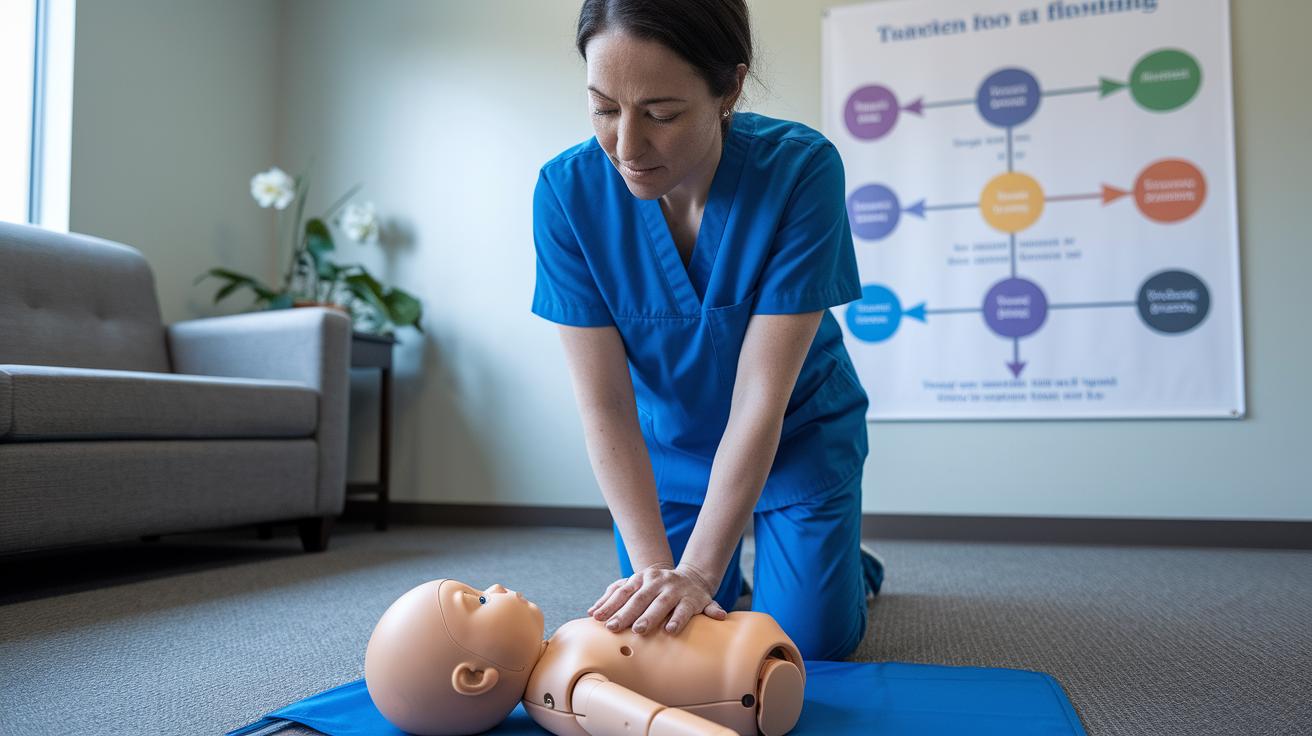
Emergencies can feel really scary, but learning how to rescue a newborn and perform baby resuscitation gives you a calm sense of readiness. It’s a wise idea to sign up for certified infant CPR and choking first aid classes, like those from the American Heart Association or Red Cross. In these classes, you'll see clear demos and get hands-on practice with training manikins while a caring professional guides you. Watching a simple CPR video and checking out an updated rescue flowchart can also help make these important ideas part of your everyday life. It’s all about feeling strong and empowered when your little one really counts on you.
Think about joining local newborn rescue workshops or signing up for regular baby resuscitation classes so you always have those skills fresh in your mind. Keeping a printed rescue flowchart and checklist near your baby’s care area might just be what you need in a stressful moment. By practicing these steps over and over and keeping your certification current, you can be ready if a choking incident ever happens. And don’t forget to watch those updated video demos each year, it’s a kind reminder that even our trusted skills sometimes need a little refresh.
Final Words
We've covered quick rescue steps, knowing the signs, and ways to keep little ones safe while feeding and playing. We looked at how to act swiftly with back blows, chest thrusts, and proper CPR techniques when needed. We also talked about knowing when to call for help and learning more through expert training and community resources.
These caring steps can make a real difference during infant choking emergencies. Stay safe and keep your family well protected.
FAQ
What does an infant choking sound mean?
The infant choking sound means there is an airway problem. It may be marked by high-pitched, ineffective coughing or squeaking that signals a blockage, prompting caregivers to act quickly.
What should you do when a newborn chokes on milk or food?
When a newborn chokes on milk or food, the response begins with up to five back blows followed by five chest thrusts. These steps help clear the airway, and emergency help should be called if the infant remains unresponsive.
What are the steps to take if an infant is choking?
The steps for a choking infant start with delivering up to five back blows and then five chest thrusts just below the nipple line. If the baby becomes unresponsive, begin CPR with chest compressions and rescue breaths right away.
How do you help an unresponsive infant who is choking?
Helping an unresponsive infant involves laying them gently on a firm surface, opening their airway carefully, and checking for a visible blockage. Following this, CPR with chest compressions and rescue breaths should be started immediately.
What should you do if a baby is choking on saliva?
If a baby is choking on saliva, it means the airway is partially blocked. Calmly administer back blows and chest thrusts, and if there’s no quick improvement, call emergency services for immediate help.
What is the number one choking hazard for babies?
The number one choking hazard for babies is small, hard objects or foods such as whole grapes, nuts, or small toys. Keeping these items out of reach during feeding and play is essential for safety.
What are the after-choking symptoms in babies?
After choking, a baby might show signs like labored breathing, a blue tint around the lips, or persistent coughing. These symptoms signal that a pediatric check-up is needed to confirm the baby’s airway is clear.