

Have you ever wondered if your body is getting the care it truly needs after childbirth? The first few weeks with your new baby can feel overwhelming with so many changes happening all at once. This easy-to-follow checklist offers simple, step-by-step ideas to help you care for yourself. It covers everything from finding comfort and keeping clean to eating well and keeping up with follow-up care. Stick with us as we share easy ways to boost your wellness during this special time.
Postpartum recovery checklist: Boosting Mom Wellness
The time after having a baby, often called the fourth trimester, is a busy 12 weeks filled with big changes in your body and emotions. This checklist breaks down the essentials into six simple areas so you can see everything needed to take care of yourself. It covers rest and pain relief, keeping wounds clean, caring for your feelings, good food and drink, and important follow-up appointments. Each part is here to help you heal step by step.
-
Hygiene & healing: Use soft pads or disposable underwear to manage your lochia for a few weeks. A gentle peri bottle with witch hazel or a sitz bath kit can keep those sensitive areas feeling clean and calm.
-
Physical comfort: Choose comfy, loose clothes like robes and tops that make breastfeeding easy. Reusable hot and cold gel packs and snug postpartum shorts can ease muscle tension and help reduce swelling.
-
Nutrition & hydration: Eat balanced meals with lean proteins, whole grains, and iron-rich foods to give your body energy to rebuild. Drinking lots of water and other healthy drinks helps your tissues heal well.
-
Gentle exercise: When you’re ready, try taking short walks or doing easy pelvic floor exercises. These little movements can help you build strength without putting too much pressure on your body.
-
Emotional health: Take a bit of time for yourself each day, a few minutes of quiet, a short mindfulness break, or even a kind chat with a friend can lift your mood. Connecting with someone who understands can be a real comfort.
-
Follow-up care: Be sure to book your postpartum check-up 4 to 6 weeks after childbirth. Keep an eye on any unusual pain, heavy bleeding, or signs of infection, and don’t hesitate to ask for help if something feels off.
Imagine winding down after a long day, maybe using your peri bottle feels like a little moment of relief after caring for your baby.
Physical Recovery Checklist by Timeline

After childbirth, your body deserves a little extra tender care as you start to heal. In the first 0–2 days, the focus is on resting and using gentle methods to ease any soreness. Try using a soft ice pack or light compression on sore spots, and be especially kind to your perineal area or any incision sites. Sometimes, taking a slow, deep breath helps relax those tight muscles, like giving yourself a little reset.
From day 3 to day 7, you can add a few soft practices to help you feel better. A daily sitz bath can soothe discomfort, and using a peri rinse bottle with a splash of witch hazel offers a gentle cleanse. A simple stool softener may ease constipation, and a bit of over-the-counter or prescribed pain medicine can help manage any mild aches during these fragile moments.
Between weeks 2 and 6, you might start feeling ready for a bit more movement. Gentle pelvic floor exercises and light walks can help rebuild strength and boost your confidence. Many moms find comfort in a supportive abdominal binder, which gives an extra sense of security as they ease back into daily life.
From weeks 6 to 12, slowly increase your activity level. Gradually return to moderate exercise while keeping an eye on any ongoing discomfort. It’s also a good idea to have a chat with your provider about how well you’re healing, so you can adjust your care plan if needed.
| Stage | Timeline | Recommended Actions |
|---|---|---|
| Immediate | 0–2 days | Rest, ice/compression, perineal care |
| Early | 3–7 days | Sitz baths, stool softeners, pain management |
| Mid | 2–6 weeks | Pelvic floor exercises, light walking |
| Late | 6–12 weeks | Increase activity, assess healing progress |
Essential Self-Care Items for Postpartum Comfort
Reusable hot and cold gel packs, ice packs, and heating pads: When you feel swollen or sore, try wrapping a cold pack in a soft towel and placing it on the area for 10-15 minutes. After the first day, switch to a heating pad to ease muscle tension. It’s like feeling a cool splash on a hot day, followed by a warm hug.
Epsom salt: For soothing tired muscles, add one to two cups of Epsom salt to a sitz bath filled with warm water, and soak for 15-20 minutes. Imagine dissolving one cup in warm water and letting the calming bath melt away your tension.
Bidet attachments: A low-pressure bidet gives you a gentle, refreshing clean after using the restroom. Adjust the nozzle until it feels just right, picture a soft mist that leaves you feeling both clean and calm.
Hemorrhoid cream: A small, pea-sized dab on clean, dry skin can help ease discomfort. It works much like a cooling compress, offering relief in a simple, tender way.
Numbing spray: When you have sensitive or tender spots, a light spray, used just as the package directs, can bring temporary relief. A quick spritz is all it takes to ease the pain for a bit.
Nutritional and Hydration Strategies for Healing

Staying hydrated with water or an electrolyte drink is so important, especially after labor when your body has lost fluids. It helps your tissues repair and keeps your energy steady.
Balanced meals with lean proteins like chicken, fish, or beans, along with iron-rich foods such as spinach or red meat and whole grains, work together to help you feel stronger each day and make digestion easier.
You can also add healthy fats from foods like avocado, nuts, or omega-3 sources. Imagine enjoying a warm slice of whole-grain toast spread with your favorite nut butter, just a little treat to give you a quick boost. Taking your prenatal vitamins (extra iron, vitamin D, and folic acid) helps support your healing too. And when it comes to planning meals, freezer-friendly recipes, joining a meal train, or grabbing small snacks like Greek yogurt with berries are all practical ways to keep your body well-nourished without extra stress.
Mental Health and Emotional Support Checklist
After having a baby, it's completely normal to feel a bit overwhelmed or extra sensitive sometimes. Checking in with yourself each day can help you notice if feelings such as sadness or worry stick around for more than two weeks. Taking a few quiet minutes for yourself or talking with a trusted friend, partner, or family member might help you feel a little lighter. It’s a simple, caring way to look after your emotional well-being.
Recognizing Emotional Milestones
It’s expected to have moments of tears or mood swings while you're adjusting to life with a new baby. These little ups and downs usually pass quickly. But if you find that your sadness is growing or you no longer feel connected with your baby, it could be a sign of something more, like postpartum depression. Keeping a daily check on your mood can help you catch changes early, so you can reach out for a comforting chat or professional advice.
Stress Relief Techniques
On those challenging days, a few quick practices can really help. Try spending just five minutes taking deep, slow breaths or use a meditation app to find a moment of calm. A short walk with your partner or scribbling down your thoughts in a journal can also clear your mind. Sometimes, even a tiny pause in your busy day can bring back a sense of inner calm.
Follow-Up Care and When to Seek Professional Help
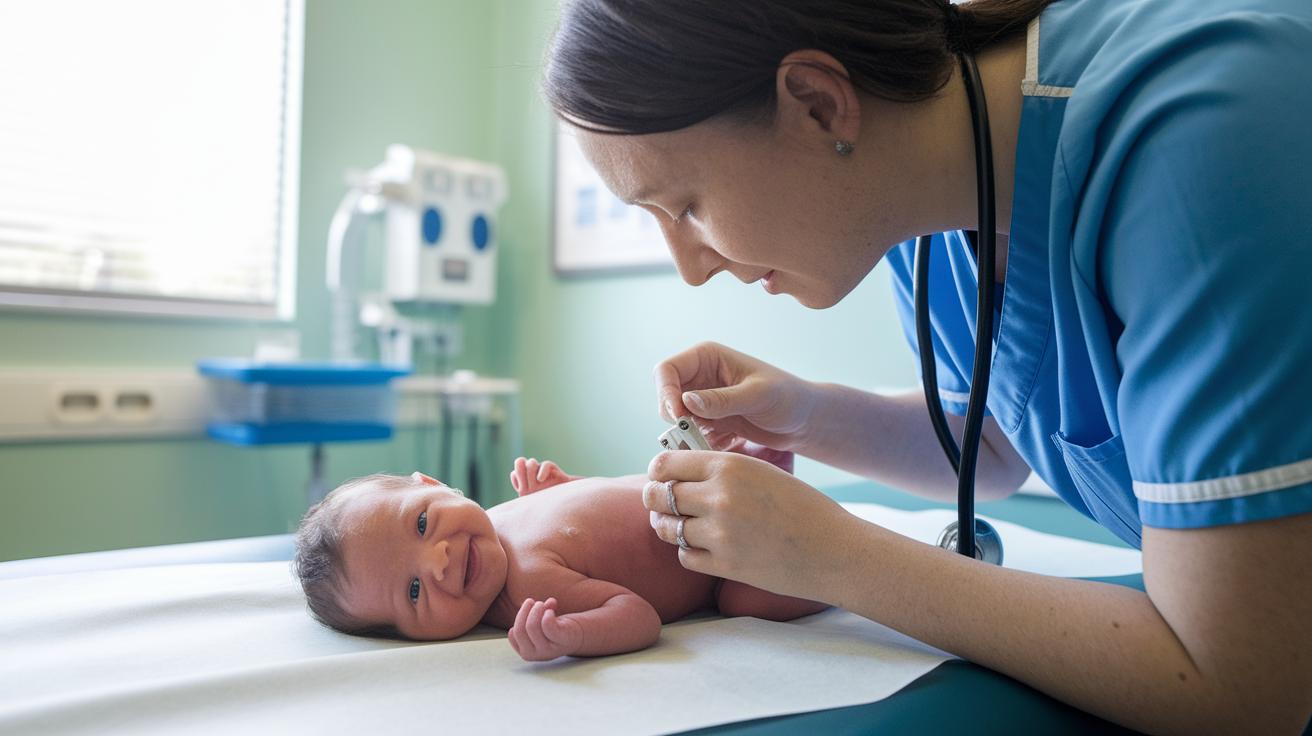
Your baby’s first visit happens within 3 to 5 days after coming home. This checkup is all about making sure your little one is gaining weight and doesn’t have jaundice (yellowing of the skin). Your own exam usually takes place between 4 to 6 weeks after childbirth. During this visit, your healthcare team checks your healing, talks about any pain that might still be there, and looks at your overall well-being, including how you’re managing bleeding and breastfeeding or chestfeeding. Sticking to this schedule helps catch any issues early, so you always know how things are going.
Be sure to watch out for any warning signs that might need immediate care. If you ever notice very heavy bleeding (like a pad soaking every hour), a fever over 100.4°F, unmanageable pain, or signs of infection around your incision or perineal area, please get help right away. And if you have any scary thoughts about hurting yourself or your baby, that needs urgent attention, too.
Taking care of these follow-up appointments and acting quickly if something seems off will help support a smooth recovery. This way, you can feel strong and ready to take on the joys and challenges of caring for your baby.
Final Words
In the action, this guide breaks down a helpful postpartum recovery checklist into clear steps. We covered physical healing stages, must-have self-care items, nourishing food and drink tips, as well as ways to nurture your emotional well-being. Each section offers simple actions and gentle guidance as you care for yourself. Hold onto these practical suggestions as you embrace recovery with strength and positivity. Every step you take is a reminder that you deserve support and care during this special time.
FAQ
What is the ACOG postpartum recovery checklist?
The ACOG postpartum recovery checklist outlines care tasks for new moms, including healing, rest, nutrition, and emotional support to help guide recovery after childbirth.
What does a week-by-week postpartum recovery checklist include?
The week-by-week checklist covers daily care tips from immediate post-birth to six weeks, such as rest, gentle exercise, hygiene routines, and pain management, to support a smooth recovery.
Is there a postpartum recovery checklist PDF available?
The postpartum recovery checklist PDF provides a handy, downloadable guide that organizes essential care tips by recovery stage, making it easier for moms to follow their progress.
What should a first-time mom include in her postpartum recovery checklist?
The postpartum recovery checklist for first-time moms features items covering physical healing, comfort measures, nutritious food, and emotional support, ensuring a nurturing start in the fourth trimester.
What are the essential postpartum items for moms?
The postpartum essentials list includes items like pads, peri bottles, sitz bath kits, supportive undergarments, and pain relievers that manage bleeding, soothe discomfort, and aid healing.
What should a postpartum recovery kit for a C-section include?
A kit for C-section recovery features wound care supplies, comfortable clothing, pain relief items, and moisture-control products that are specially selected to support incision healing.
What is the 5-5-5 rule for postpartum recovery?
The 5-5-5 rule for postpartum recovery recommends checking physical, mental, and practical self-care needs every five days, helping moms regularly assess pain, mood, and overall support.
When is the hardest day during postpartum recovery?
Many moms find day three or four to be the hardest as physical pain and emotional ups and downs can peak, making early recovery particularly challenging.
What do you really need for postpartum recovery?
A practical postpartum recovery checklist covers hygiene, pain relief, comfort items, nutritious foods, and follow-up care, providing a balanced approach to support healing during recovery.
What are the 5 S’s of postpartum recovery?
The 5 S’s of postpartum recovery focus on supporting physical healing, soothing emotional changes, self-care practices, symptom tracking, and scheduling essential follow-up appointments.


