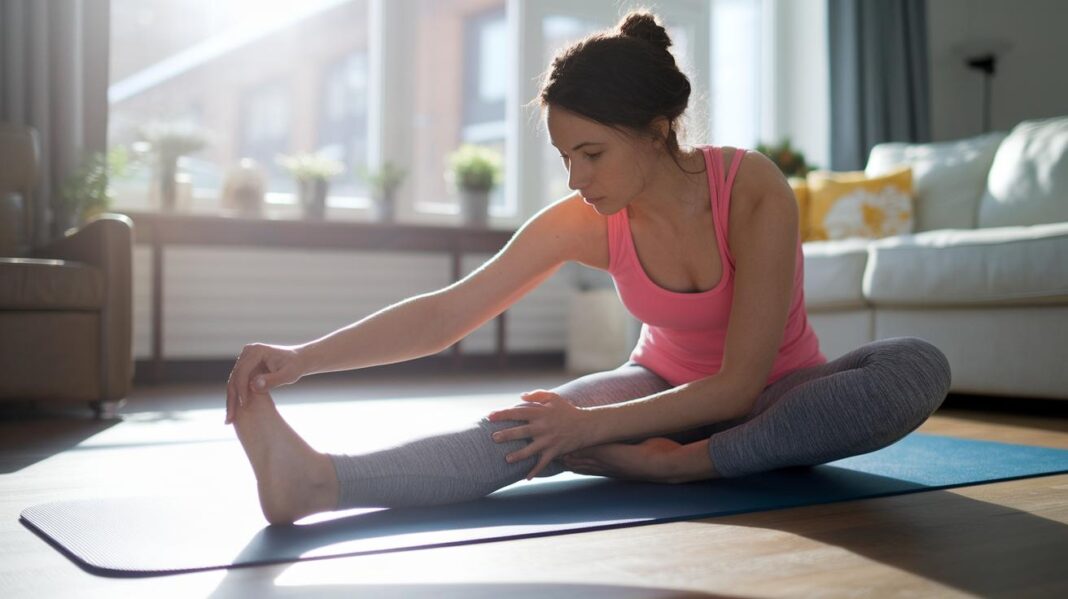
Have you ever stopped to wonder if a few gentle stretches could help ease your aches after having your baby? It’s amazing how simple moves can relax tight muscles, lift your mood, and even make everyday tasks feel a bit easier while you care for your little one.
Imagine beginning your day with easy stretches that seem to listen to your body, almost like a soft, reassuring hug. These gentle exercises are here to support you on your path to feeling better. They let you rebuild strength and comfort at your own pace, step by step.
Safe Postpartum Stretching Routines to Kickstart Your Recovery
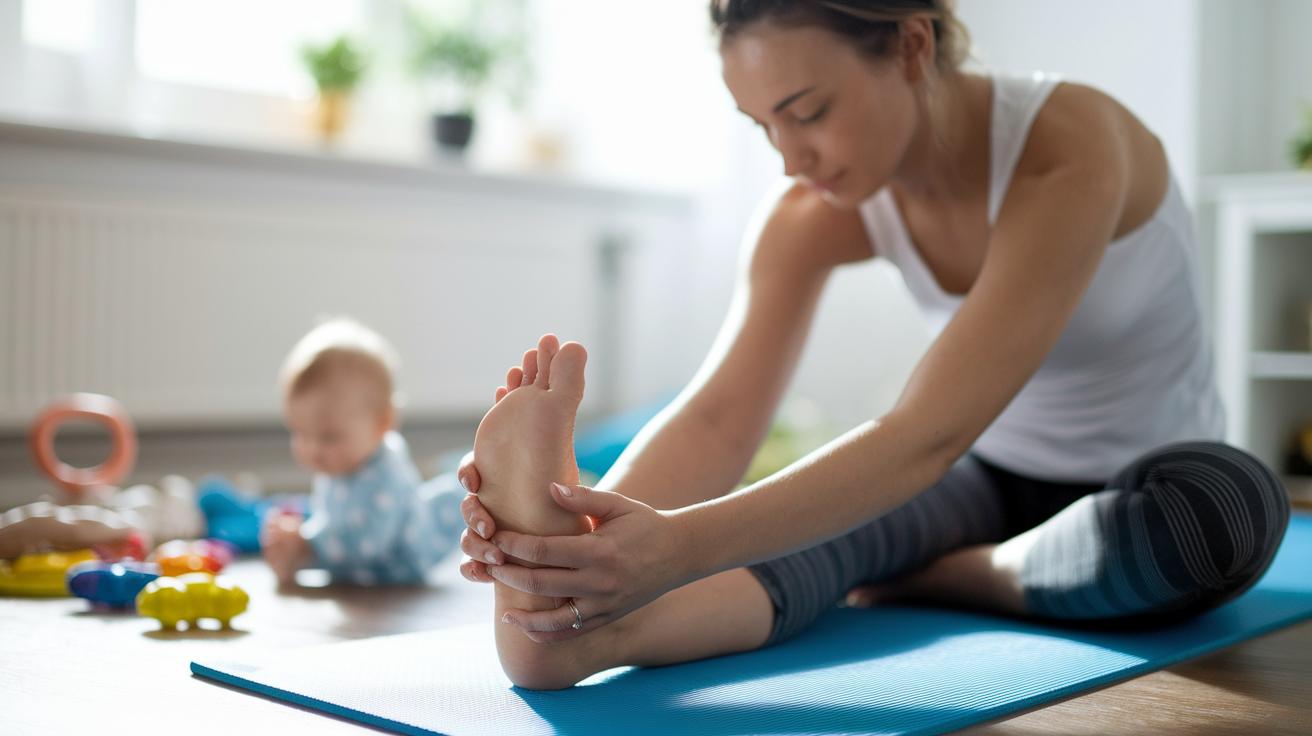
After you welcome your little one, you might feel ready to start moving at a gentle pace. When you’re calm and comfortable with your body’s signals, trying some simple stretches can really help ease you back into movement.
These easy stretches can:
- Soothe lingering discomfort after childbirth.
- Help you move more easily during everyday tasks and when caring for your baby.
- Lift your mood and boost your energy with gentle movement.
- Ease stress and relax tight muscles.
- Strengthen your core to keep your back safe and support your posture.
Every mom’s recovery is different. For some, it might be a few weeks; for others, a couple of months. Start slowly with simple moves and listen to your body. If a stretch ever feels uncomfortable, it’s totally okay to adjust it or take a break. Warming up properly and breathing steadily can make these stretches feel even more helpful. Trust your instincts and, if you need a bit more guidance, don’t hesitate to check in with a health professional who can help craft a routine that feels just right for you.
Targeted Stretch Moves for Postpartum Back, Neck, and Shoulders
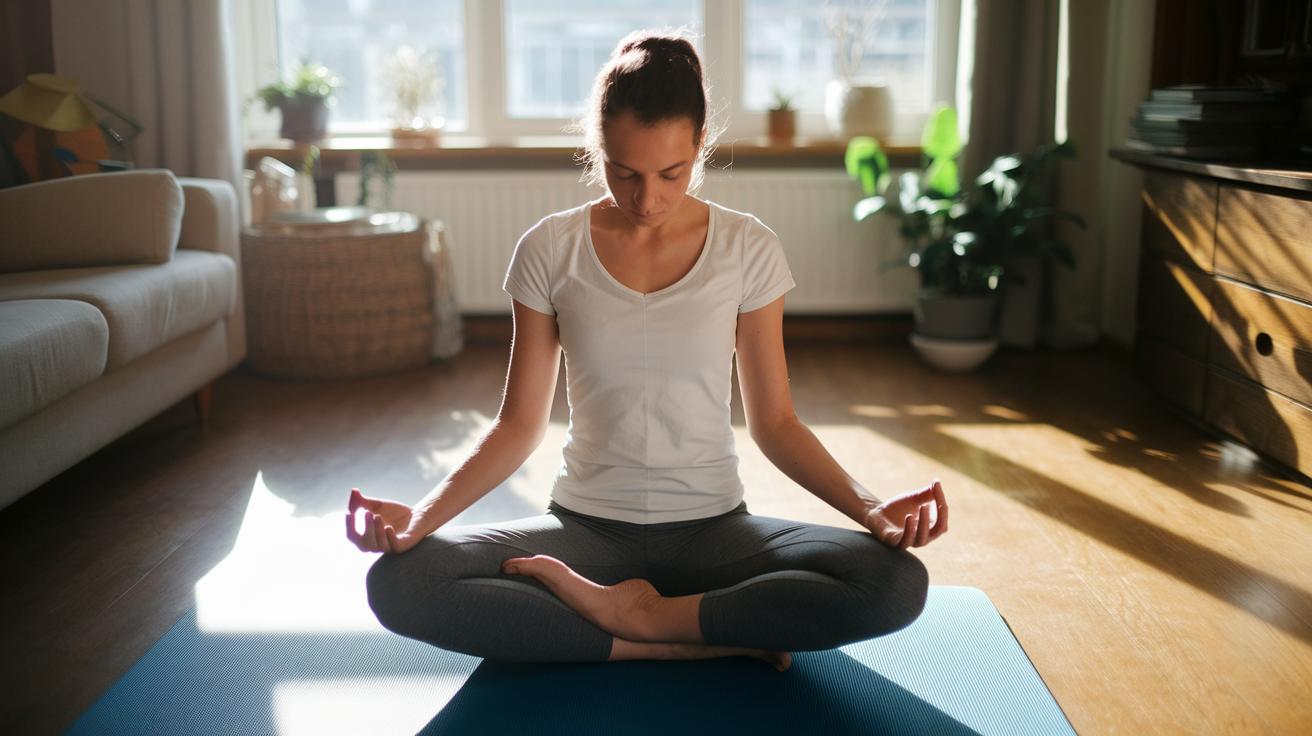
After having your little one, everyday movements might start to feel a bit different. Many moms notice that their back, neck, and shoulders become stiff or tense, whether that's from Carrying the baby or long hours spent nursing. Here are six gentle stretches that can help ease the tension and bring some relief.
- Cat-Cow Pose – Slowly arch and round your back to help ease stiffness in both your upper and lower back.
- Child's Pose – Sink into this restful position, letting your back relax after a busy day of caring for your baby.
- Thoracic Rotation/Twist – Gently twist your torso to ease tightness in your mid-back and chest while keeping your breathing calm.
- Shoulder Rolls – Roll your shoulders forward and backward at your own pace to let go of built-up tension from carrying or feeding.
- Simple Neck Stretches – Carefully tilt and turn your head to help relieve tight muscles in your neck.
- Chest Opener – Stand with your arms extended against a wall and lean in slowly to open up your chest, easing tight shoulders.
Remember, take it slow between each stretch and focus on deep, even breaths. Moving gently helps your muscles unwind and can make each stretch feel more relaxing. Enjoy this time as a little self-care moment just for you!
Postnatal Pelvic Floor and Core Activation Moves
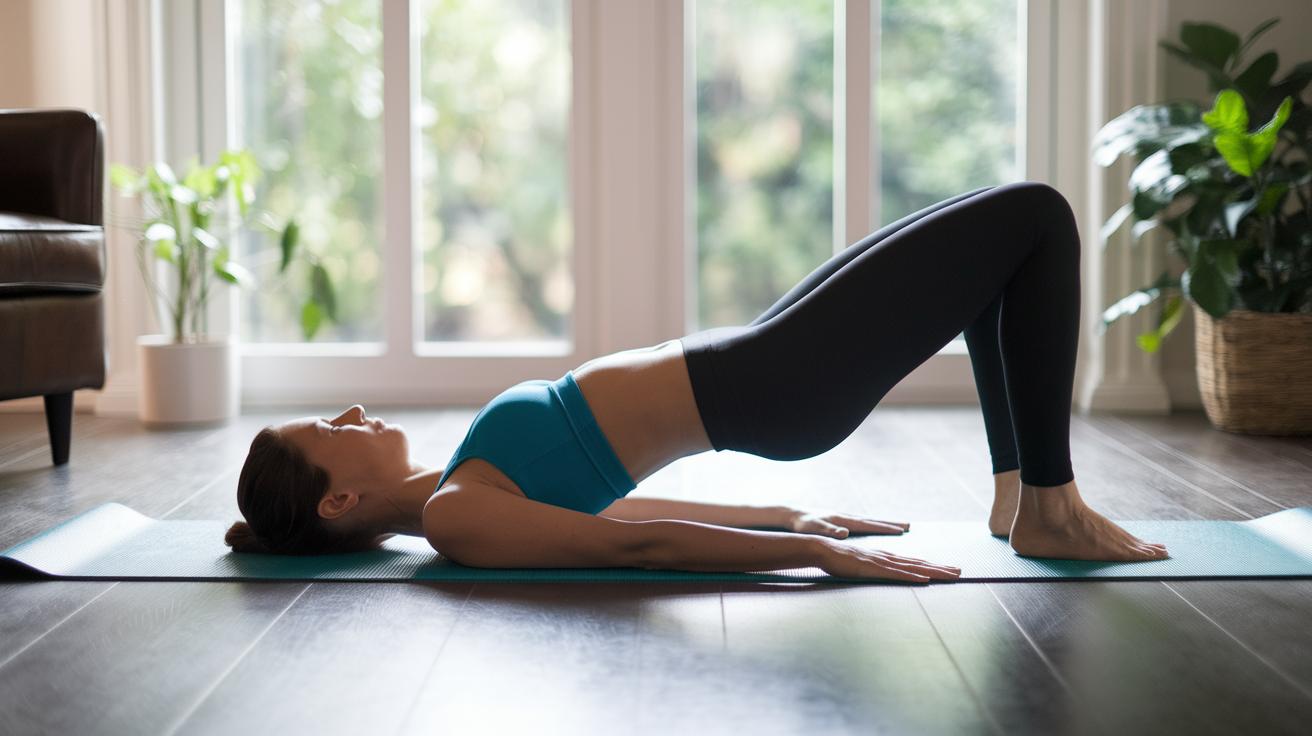
Starting core activation after birth can help you feel stronger and more secure. These simple moves let you rebuild strength gradually, ease any back pain, and nurture your pelvic floor in a gentle way.
First up, Kegels. Try gentle squeezes with comfortable holds, aim to do a few sets throughout the day. It’s a nice, simple way to keep your muscles active.
Next is diaphragmatic breathing. Breathe deeply from your belly, inhale slowly through your nose and exhale completely through your mouth. This simple practice can help relax you and boost your core stability.
Then try the Bird-Dog hold on a Swiss ball. Do about 10 to 15 slow, controlled reps. Focus on engaging your core so that your head, shoulders, and hips stay in line. It’s a gentle way to build balance and strength.
For the Glute Bridge, lift your hips slowly while you keep your breathing steady. Hold each bridge for 10 to 15 seconds, and repeat for several rounds. This move works well for supporting your lower back.
Finally, start a plank progression. Begin with a modified plank on your knees. As you gradually regain strength over 6 to 8 weeks after birth, you can softly move on to side planks and then to standard planks.
If you’re dealing with diastasis recti or have any concerns, it might be a good idea to chat with a physiotherapist. They can tailor a safe and effective exercise plan just for you. For more details, visit https://womensconference.org?p=10883.
Gentle Postpartum Hip and Abdominal Stretches for C-Section Recovery
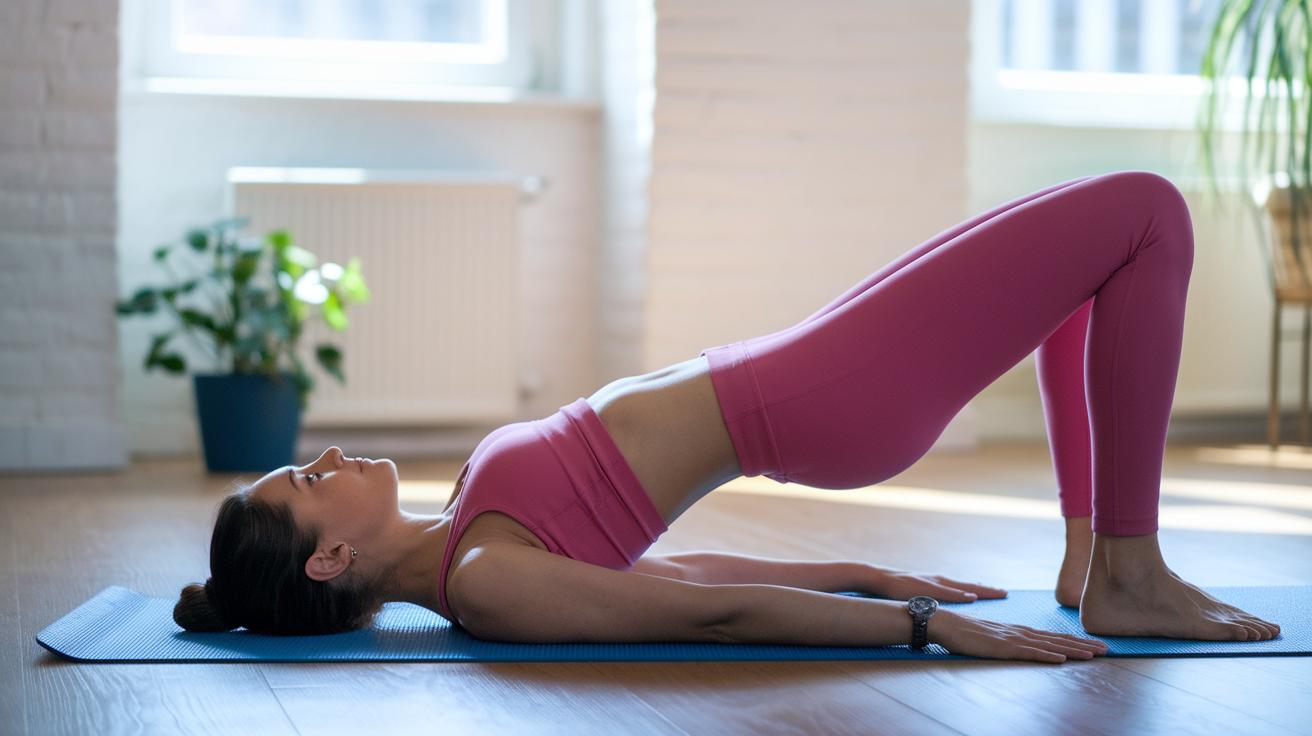
Before you begin these stretches, be sure your incision is fully healed and your doctor has given you the go-ahead to move around. Listen to your body and take everything slowly, because gentle stretching can help ease tension without getting in the way of your healing.
• Pelvic Tilts – Try doing 10 to 15 soft pelvic tilts while keeping your hips level. This simple move helps ease belly tension and supports bladder control.
• Glute Bridge Pose – Lie on your back with your feet flat on the floor. Slowly lift your hips while keeping your knees lined up with your ankles. Aim for 10 to 12 controlled lifts so you gently work those lower abs without putting pressure on your incision.
• Kneeling Hip Flexor Stretch – With a soft cushion under your knee, hold a gentle stretch on each side for 20 to 30 seconds. This move helps your hips line up better and eases the tightness around your hip area.
When you start working on scar mobility, only use gentle massage techniques after your doctor says it’s safe. Move slowly, breathe deeply, and always check in with a health professional to make sure your postpartum recovery plan is just right for you.
How to Build a Daily Post-Delivery Stretch Schedule
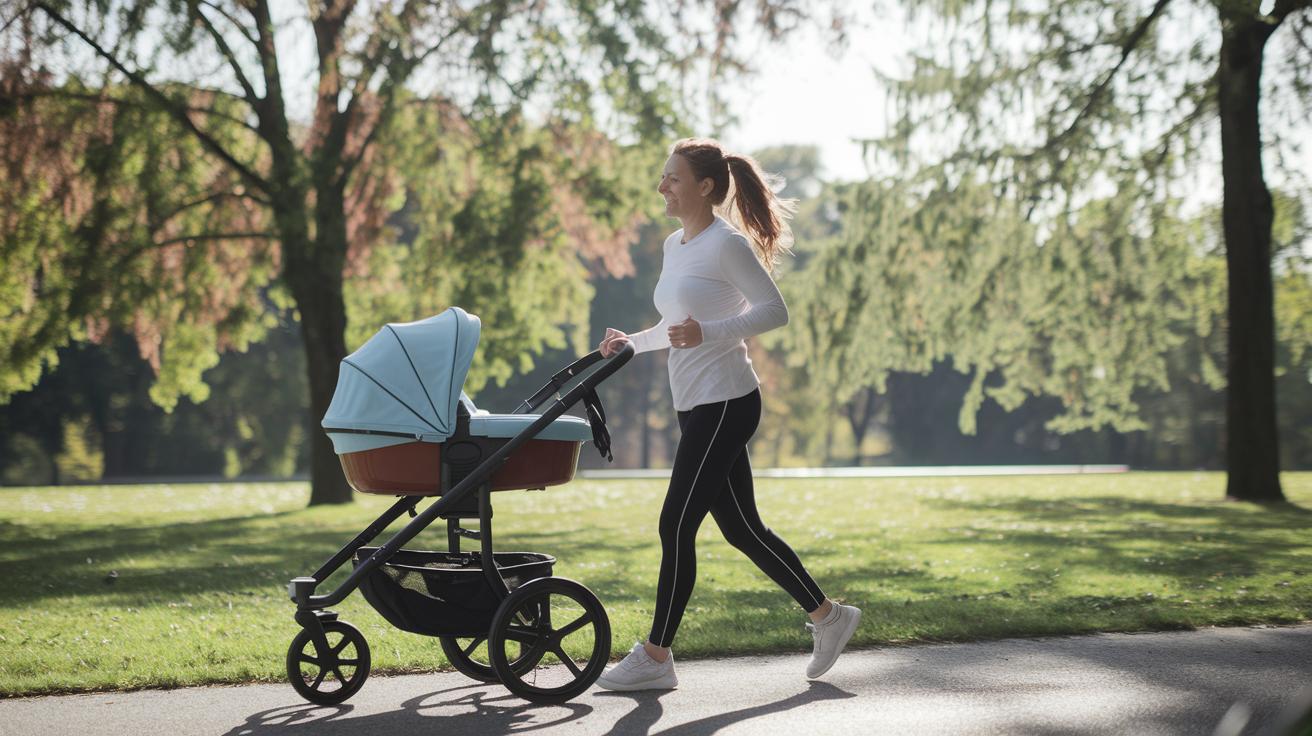
New moms, having a simple daily routine can be a game changer, helping you ease back into gentle movement while taking care of yourself. Even if it’s just a few minutes of diaphragmatic breathing and Kegels, a little daily ritual can really support your recovery and give you a sense of progress. Here’s a friendly weekly plan to help you add movement that honors what your body tells you.
| Day | Recommended Stretch/Activity | Duration & Notes |
|---|---|---|
| Monday | 30-minute stroller walk plus five core activation moves | 30 minutes; take it easy with steady, deep breaths |
| Tuesday | Light functional training, maybe with some baby resistance or light weights | 20-30 minutes; do rounds with a brief 30-second rest between each set |
| Wednesday | Another 30-minute stroller walk with five core moves | 30 minutes; blend in your daily diaphragmatic breathing and Kegels |
| Thursday | Light functional training, using baby or light weights | 20-30 minutes; keep it slow to help your body heal |
| Friday | 30-minute stroller walk and five core moves | 30 minutes; focus on gentle transitions with a calm, steady rhythm |
| Sat/Sun | Restorative stretching and mindful mobility exercises | 20-30 minutes; take extra time for deep breathing and pure relaxation |
Remember, it’s all about listening to your body. Some days you might feel upbeat and ready to push a bit harder, and other days you’ll need it to be super gentle. Every mindful stretch is a step toward recovery, so take your time and honor what your body needs.
Final Words
In the action, we covered safe postpartum stretching routines, gentle moves for back, neck, and shoulders, and core activation steps that help soothe your body after delivery. We also looked at careful techniques for C-section recovery, along with a daily schedule that gives you flexibility and balance. This guide reminds you to listen to your body and progress slowly. Adding these postpartum stretching exercises can build confidence in your recovery and bring a touch of calm to your busy days.
FAQ
Frequently Asked Questions
What postpartum stretches should be avoided?
Postpartum stretches to avoid are those that strain healing areas, such as moves that put too much pressure on incisions or engage too heavily the pelvic floor. Always consult your provider first.
Where can I find postpartum stretching exercises on YouTube?
YouTube hosts numerous expert-guided postpartum stretching videos that focus on gentle recovery routines. Look for trusted channels and reviews to find the right fit for your needs.
What stretches are safe 1 week postpartum?
At 1 week postpartum, safe stretches include very gentle moves like light pelvic tilts. Start slowly and listen to your body’s signals before progressing to more active routines.
What postpartum stretches help with back pain?
Postpartum stretches for back pain, such as gentle versions of Cat-Cow and Child’s Pose, help ease tension by relieving stiffness and supporting mobility after delivery.
Which postpartum stretches are safe for C-section recovery?
For C-section recovery, safe stretches include gentle pelvic tilts and modified glute bridges that avoid straining the incision while promoting gentle abdominal and hip movement.
Where can I find a postpartum core exercises PDF?
You can often find postpartum core exercises PDFs on reputable health websites. These guides offer clear, step-by-step instructions to help you rebuild core strength safely.
What postpartum exercises help tone the tummy?
Postpartum tummy exercises focus on gentle core activation moves, like modified planks, that help build strength and tone muscles without putting undue stress on healing tissues.
When can I start stretching after delivery?
You can begin stretching after delivery when you feel ready—often around one week postpartum if your provider gives the okay. Always pay attention to your body’s cues.
What does the 5 5 5 rule postpartum mean?
The 5 5 5 rule postpartum means doing five-minute sessions of gentle stretches, five times a day. This structure helps you ease back into movement slowly and safely.
Is stretching beneficial postpartum?
Postpartum stretching can ease discomfort, enhance mobility, and reduce stress. Gentle stretching supports recovery by easing muscle tightness and boosting overall well-being.
Why might I feel tightness postpartum?
Postpartum tightness is common due to hormonal shifts and muscle adjustments after pregnancy. Gentle stretches, deep breathing, and gradual movement can help relieve this tension.