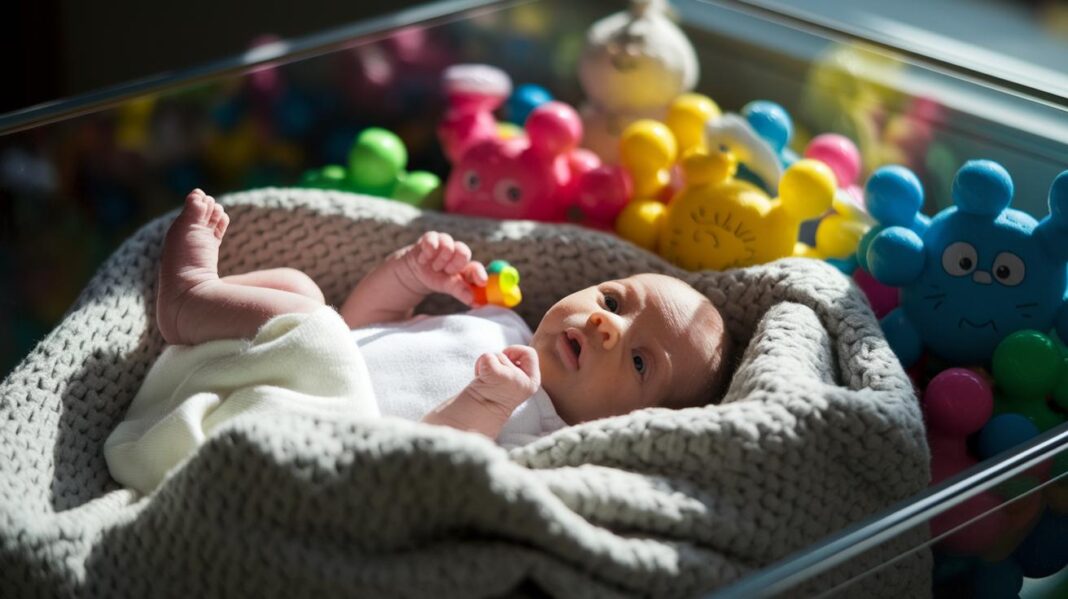
Have you ever wondered if an early birth means missing out on big baby steps? Preemies may grow in their own way, but every tiny milestone is a win. When we use corrected age (adjusting for those extra weeks), we see that early beginnings can still lead to amazing growth. Each smile, sound, or sleep pattern shows your baby’s special pace. It’s a gentle way to celebrate every little victory on this wonderful journey.
Premature Infant Milestones: Bright Growth Ahead
Premature babies are born before 37 weeks of pregnancy, while a full-term pregnancy lasts about 40 weeks. This means they start their journey a little earlier than many expect. To help track their growth, we use what’s called the corrected age. This simply means adjusting the baby’s age based on how early they arrived.
For example, imagine your baby is 16 weeks old but was born 8 weeks early. That means their corrected age is 8 weeks. So if you think, “My baby is 4 months old, but since they arrived two months early, I should expect milestones for a 2-month-old,” you’re on the right track. This gentle approach sets clear, realistic expectations for progress in key areas like sleep, feeding, and responding to sounds.
By following corrected age, you’re comparing your little one’s growth to the right milestones. It helps gauge their development in breathing, digestion, and even how they notice colors or sounds. In truth, you’re using this method to understand their unique pace, and it becomes a helpful guide for you and your care team.
Remember, every step your baby takes is special. Adjusting for early birth just means celebrating the wonderful progress they make each day, making every milestone a little brighter and every moment more reassuring.
Week-by-Week Premature Infant Milestones Chart

Here’s a friendly chart that shows key milestones for preemies based on their corrected gestational age. This guide helps you keep track of important changes in things like body functions, hearing, sight, sleep, and behavior.
| Corrected Gestational Age | Key Milestones |
|---|---|
| 20–24 weeks | Focusing on body balance: steadying breathing, heart rate, and overall circulation |
| 22–34 weeks | Starting to see better: gradual improvements in noticing light and distinguishing contrasts |
| 25–28 weeks | Listening a little more: beginning to respond to gentle sounds as hearing pathways develop |
| Term-adjusted (40 weeks) | Digesting and growing: clearer sleep and wake patterns plus more mature body functions |
Each phase brings its own little triumphs, even if your baby’s progress feels slower than that of full-term infants. At 20–24 weeks, for instance, the focus is on getting the body functions steady. Imagine watching your little one find a calm rhythm in breathing and heart rate, it’s like hearing a soft lullaby start to play.
Then, at 22–34 weeks, their eyes begin to really tune in. Picture those early moments when light catches their eyes, like a photographer capturing a perfect glimpse of magic. Around 25–28 weeks, you might see your baby turning towards quiet, soothing sounds, a gentle sign that their hearing is coming to life.
By the time they reach about 40 weeks, you can notice more settled digestion, changes in their skin color, and a predictable sleep-and-awake routine. It’s a bit like watching a garden slowly bloom, where every tiny milestone is a victory and a sign that your preemie is growing stronger every day.
Keep track of these week-by-week milestones, and take a moment to celebrate every step forward on your baby’s unique journey.
Physical and Motor Development in Preemies
Premature babies often start out with bones, muscles, and a nervous system that aren’t fully ready yet. This means that learning new physical skills can take a bit longer compared to babies born full-term. For example, a baby born at 32 weeks might need a little extra time to keep its head steady during tummy time, and that’s completely normal.
Early signs include the grasp reflex, one of the first things to show up, and then the fun milestone of rolling over. Soon after, you'll see improvements in head control, a big step before they can sit up without help. Simple milestones like sitting up or crawling might take a few extra weeks compared to full-term babies.
Many caregivers notice that these steps happen slowly, but a little physical therapy and supportive exercises can really help. If you’re looking for some gentle ideas on building head strength and encouraging crawling, check out this guide on gross motor skill development. Imagine spending a few extra minutes each day on gentle tummy time or helping your baby sit with support, these small actions can boost muscle growth and coordination.
Even though it may seem like progress is slow at first, most preemies catch up by the age of two when they get the right care. Every little win, a firm grasp, a steady roll, is a sign of growing strength and ability, a true step forward in their motor development journey.
Sensory and Cognitive Growth Milestones for Preterm Babies
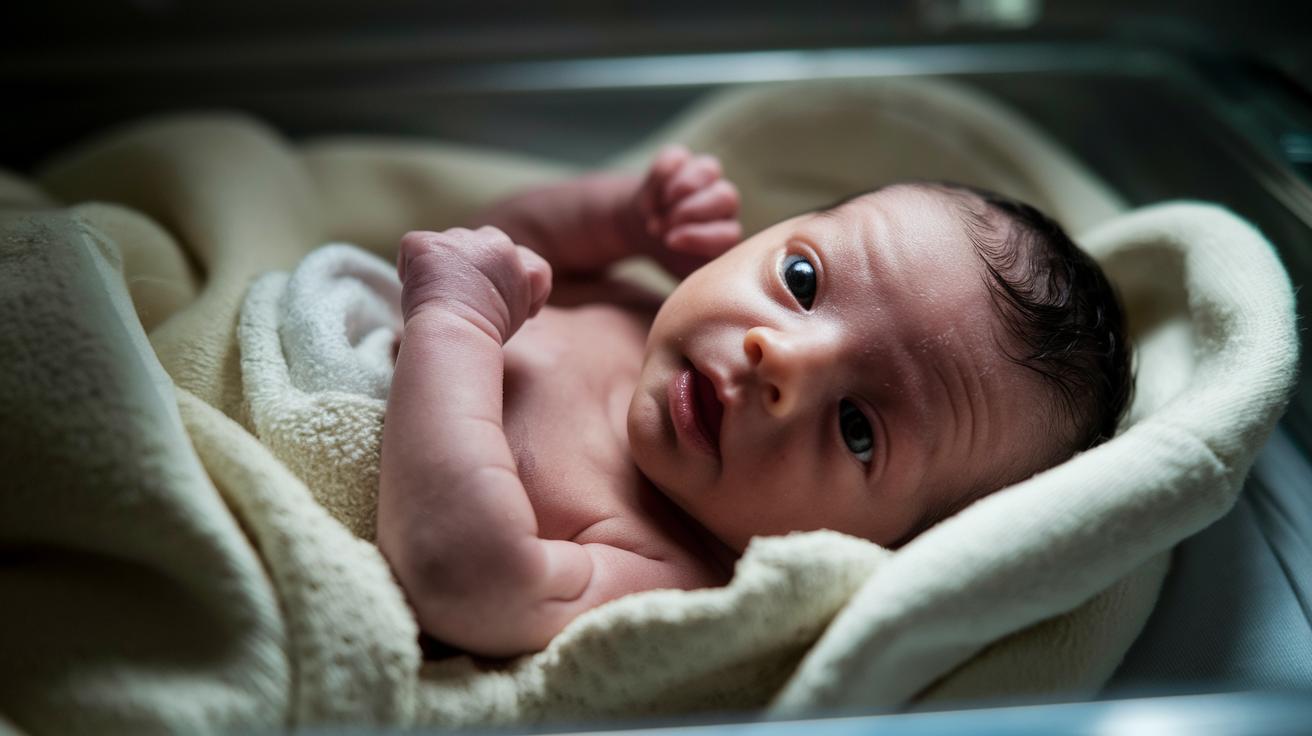
Preterm babies start their sensory journey early, even while their brains are still growing. Their hearing is pretty developed by about 20 weeks in the womb, and many little ones begin to respond to soft sounds between 25 and 28 weeks. Imagine hearing a gentle coo and watching your baby’s eyes brighten up, it’s a sweet sign that sound is becoming part of their world.
Their vision also begins to improve between 22 and 34 weeks. While their eyes take a bit longer to fully mature compared to their ears, preemies gradually start to tell light from shadow. Picture it like a blurry photo slowly coming into clear focus over time. These early steps in sensory development help caregivers see how a baby’s brain is wiring up.
Sleep and wake times also play a big role in how a baby responds to the world around them. A baby in deep sleep will react far less to light or sound than when they’re in a lighter, drowsy state. Watching these moments gives a little peek into how alert and ready their brain is to learn, even if things sometimes move a bit more slowly. Sometimes, gentle play and simple activities can give their brain the extra nudge it needs.
Every little moment, whether it’s a quick head turn toward a sound or a widening gaze at a light, builds on their sensory and cognitive growth. These tiny milestones provide important clues, guiding caregivers as they support the baby’s early brain development step by step.
Feeding Readiness and Physiological Progress in Early-Born Infants
When your little preemie is born early, they start working hard on building the skills needed to feed. Their breathing, heart rate, and tummy functions slowly get stronger as they grow, much like a little musician learning a new tune. Around 32–34 weeks gestational age, their ability to suck, swallow, and breathe together begins to form, beat by beat.
At this stage, you might notice your baby showing signs that their tummy is still a work in progress. Sometimes, there may be a bit of feeding trouble or mild reflux, which means their digestion is still finding its rhythm. Watching their weight gain can be very reassuring, it’s a gentle sign that they’re absorbing nutrients and growing stronger.
While feeding, keep an eye out for small changes in their breathing or skin color. These little signals are like tiny clues that help you know how well your baby is adjusting. Over time, each small step, a steadier swallow or a more relaxed breathing pattern, helps build a smoother feeding journey and supports their overall growth.
Recognizing Red Flags: When Preemie Milestones Are Delayed
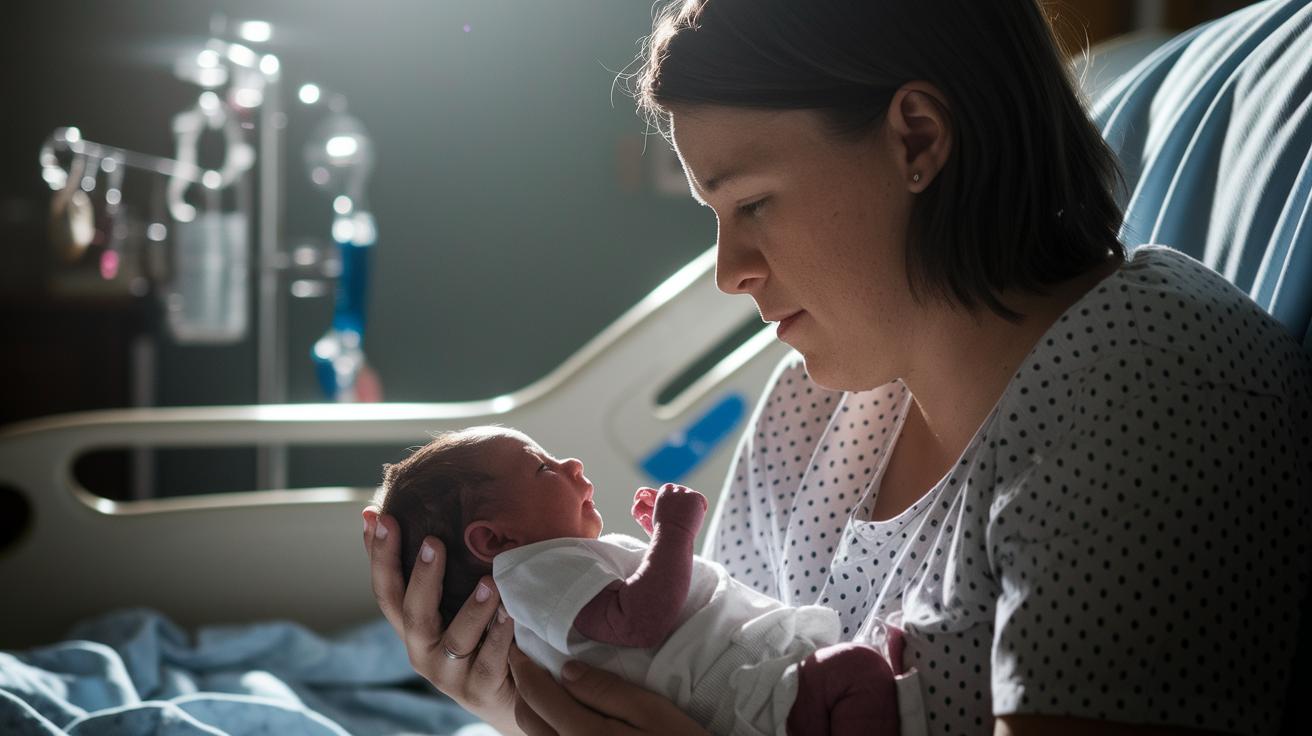
It can be really worrying when you notice your preemie isn't hitting milestones as expected. Sometimes, you might see signs like breathing that still seems labored or skin sometimes looking a bit off, even after many weeks. And if your baby doesn't react much to soft sounds or gentle light, it might mean their hearing or vision needs a closer look.
It’s also important to watch for feeding troubles or if your little one isn’t gaining weight steadily. Imagine your baby struggling during feedings or not growing as expected, it could be that their tummy is still learning how to work properly. And if you see that your baby isn’t turning to your smiling face or responding during play, that could be another sign to note.
| What to Watch For | What It Might Mean |
|---|---|
| Persistent breathing troubles | Possible issues with the lungs or development |
| Low response to soft sounds and light | May signal hearing or vision concerns |
| Feeding challenges and slow weight gain | The digestive system might be maturing slowly |
| Limited reaction to interactive moments | Could hint at underlying issues with brain or vision development |
If these early signs go on for a while, your little one may face challenges with language or learning later on. Routine check-ups in the NICU help keep an eye on these milestones, and starting gentle therapy in the early years can make a big difference. Trust your instincts, if something feels off, it might be a good idea to talk to your healthcare provider for a thorough check-up.
Comparing Preemie Milestone Timelines with Full-Term Benchmarks
When you think about baby milestones, it's nice to know that full-term babies usually hit them around the same time, sitting up around six months, crawling by nine months, and saying their first words at about 12 months. Preemies, however, often take a little extra time because we adjust for their early arrival.
For example, a baby born before 37 weeks might need around six extra weeks before they start sitting up, and crawling could be delayed by eight to 10 weeks. Even the first words may appear on a slightly different schedule. And that's completely okay!
Here’s a simple table to see the differences side by side:
| Milestone | Full-Term | Preemie (Corrected Age) |
|---|---|---|
| Sitting Up | About 6 months | 6+ weeks delay |
| Crawling | About 9 months | 8–10 weeks delay |
| First Words | About 12 months | Adjusted timeline |
It’s really encouraging to learn that many preemies catch up to their peers by age two. With the help of NICU therapies and early intervention services, every little win builds towards a bright future. Every milestone, even if it takes a bit longer, is a wonderful step along the way.
Professional Support: NICU Care and Early Intervention for Preemies
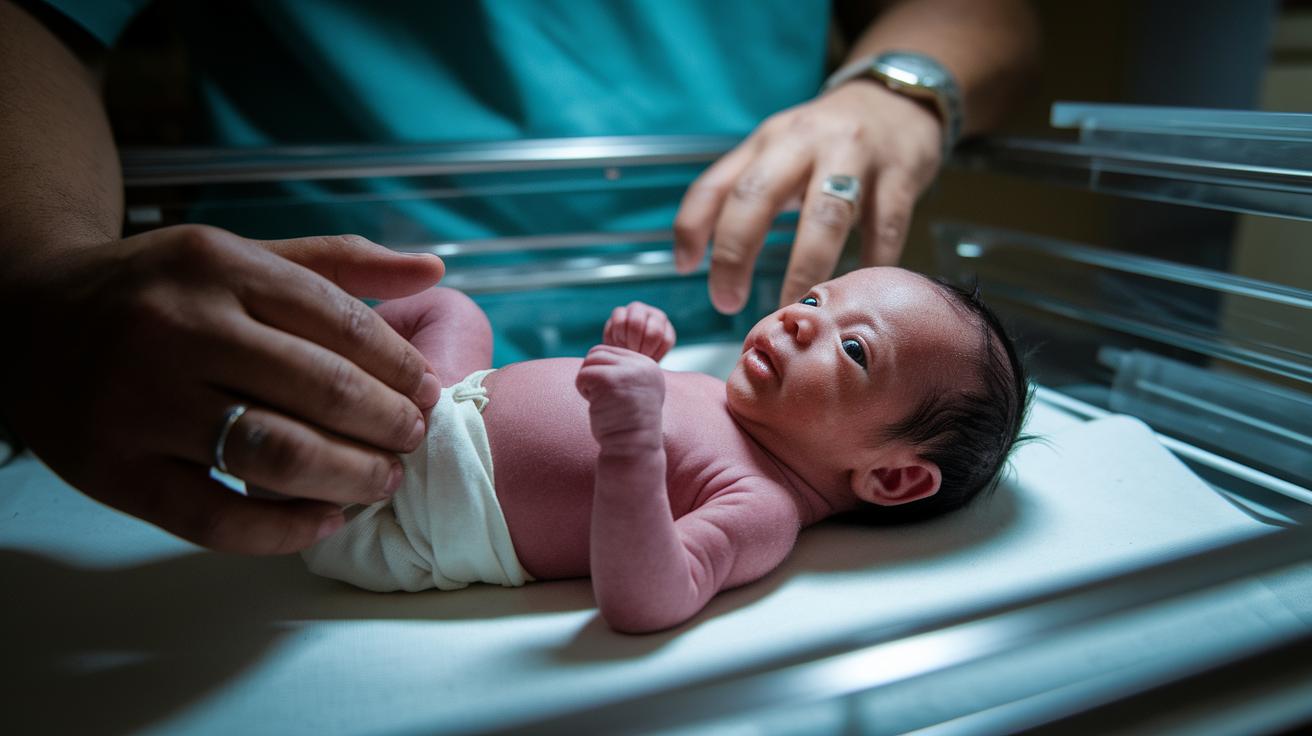
When a baby arrives a bit early, before 35 weeks or weighing less than 2,000 grams, the NICU is there with a team of caring experts watching every beat and breath. It’s like having a group of close friends who are always ready to help your little one thrive.
Right from the start, the NICU begins early intervention. As soon as your baby is ready, gentle physical, occupational, and speech therapies kick in. Think of it as a warm hand guiding your baby through those first, delicate steps of growth.
Projects such as the Baby Brain Initiative show us that careful, regular care can help your baby build strength and reach important milestones. Medical teams watch each tiny change closely and adjust the care as needed, meeting both the immediate needs and paving the way for a bright future.
Every step in the NICU and beyond is a gentle reminder of how expert care, given with heartfelt support, makes all the difference for your little miracle.
Final Words
In the action, this post shared how corrected age is key in tracking premature infant milestones. It broke down week-by-week charts, explored physical, sensory, and cognitive growth, and looked at feeding readiness and red flags. It also lined up preemie progress with full-term benchmarks and highlighted the value of NICU care and early therapy support. Each section offers clear, practical insights to help gauge preemie development. Embrace this information as a stepping stone toward celebrating small wins and watching growth unfold over time.
FAQ
What is a premature baby milestones chart?
The premature baby milestones chart defines developmental markers using corrected age, helping you track your baby’s progress in motor skills, sensory responses, and feeding needs from NICU care to home life.
How does premature baby development progress week by week?
The week-by-week development guide explains how preemies achieve early stabilization, sensory milestones, and improved feeding skills, with corrected age comparisons showing gradual improvements over time.
What milestones should I expect at 7 months and 8 months for premature babies?
The 7- and 8-month milestones for preemies include improved head control, increased muscle strength, and better sensory responses, all tracked by using corrected age to gauge physical and feeding advancements.
What are typical preemie milestones in the NICU?
In the NICU, preemie milestones focus on stabilizing vital signs such as breathing and heart rate, along with early auditory and visual responses that set the foundation for later development.
How can I use a premature corrected age calculator?
A premature corrected age calculator lets you adjust your baby’s age by subtracting the weeks they were born early, ensuring you compare their developmental progress with full-term benchmarks accurately.
Are baby milestones different for preemies or does being premature delay milestones?
Baby milestones for preemies differ because corrected age is used, meaning developmental markers may appear later than in full-term infants, though many catch up with supportive care.
What are the stages of preemie babies’ development?
The stages of preemie development include early stabilization, progressive motor and sensory improvements, and emerging feeding skills, all tracked by corrected age to align with typical development paths.
Do premature babies have problems later in life?
Premature babies may encounter challenges like minor learning or vision delays, yet with early intervention and regular evaluations, many go on to thrive alongside their full-term peers.