Ever notice how small activities can brighten a child's day? Simple play helps little ones understand and name their feelings while forming strong connections with others. Today, we'll share how everyday items like emotion charts and pipe cleaners can turn regular playtime into fun moments for learning. You'll see that a bit of creativity makes learning social skills feel easy and joyful.
Core Categories of Preschool Social-Emotional Development Activities
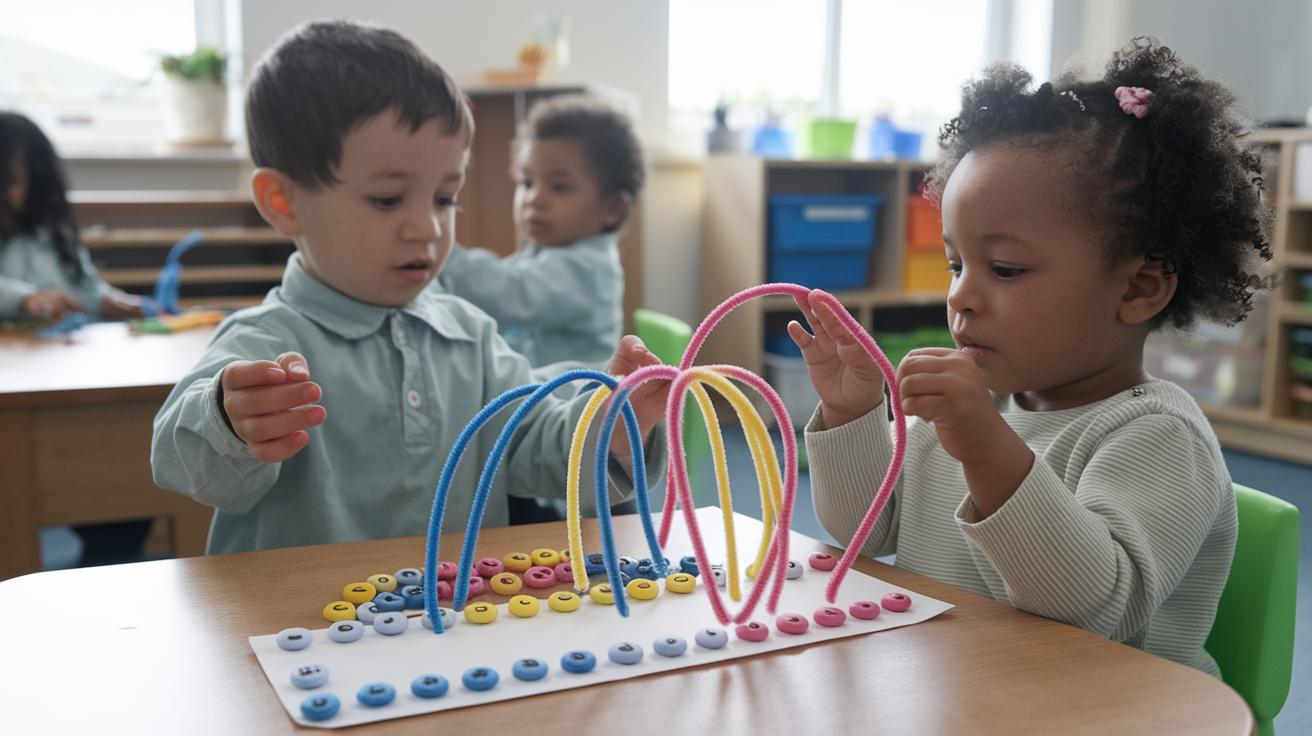
When we talk about preschoolers and their social-emotional growth, we focus on five main areas: self-awareness, self-management, social awareness, relationship skills, and responsible decision-making. These activities use everyday items like emotion charts, colored beads, and pipe cleaners to spark meaningful moments with little ones.
This handy table gives you clear, practical ideas for mixing fun and learning during daily preschool routines. Each activity lets children explore their feelings, build friendships, and practice making smart choices in a playful, hands-on way.
| Activity | SEL Category | Materials | Duration |
|---|---|---|---|
| Feelings Charades | Self-Awareness | Illustrated emotion cards | 10 min |
| Calm-Down Jars | Self-Management | Water, oil, glitter, food coloring | 15 min |
| Role-Play Scenarios | Social Awareness | Puppets, story prompts | 20 min |
| Friendship Bracelets | Relationship Skills | Colored beads, yarn | 25 min |
| Decision-Making Games | Responsible Decision-Making | Game cards, dice | 15 min |
Each idea is a warm invitation for children to learn about their emotions and relationships while having fun. Isn’t it amazing how little activities can help them practice making thoughtful decisions every day?
Emotion Recognition Learning Experiences for Preschoolers
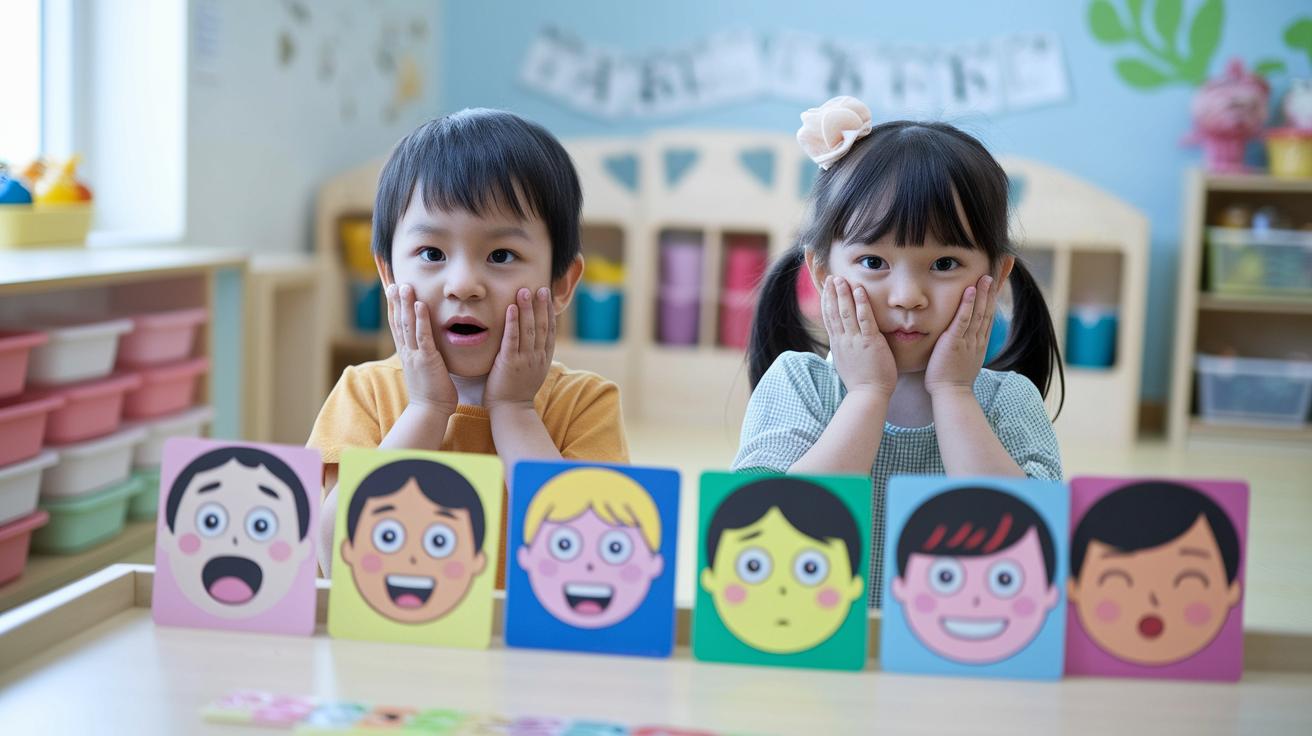
In preschools, fun activities help little ones notice and name their feelings. These hands-on experiences let children see how their faces and bodies show different emotions, which makes talking about their inner world easier with friends and caregivers.
- Feelings Charades: Kids pick a card with a picture of an emotion and act it out for their classmates to guess. It’s a great idea to ask them why they chose that feeling. Materials: Illustrated emotion cards.
- Emotion Cards: In this game, children match up with a friend by comparing facial expressions on cards. Rotating the cards keeps the game fun and keeps everyone on their toes. Materials: Laminated emotion cards.
- Emotion Masks: Children create masks that show feelings like happy, sad, angry, or surprised. After making and wearing the mask, ask them to share a time when they felt that way. Materials: Blank masks, markers, and craft supplies.
- Emotion Spinner Games: A spinner with different emotion slices gives kids a chance to name and share a feeling each time it lands on a slice. Use it to spark conversation about how different colors might match different moods. Materials: Spinner board with pre-divided emotion sections.
Integrated Self-Regulation and Mindfulness Techniques for Preschoolers
Here are some easy, playful ideas that mix fun activities with calming moments. These activities help little ones learn to focus, handle their feelings, and enjoy quiet time. Ready to try something new with your child? Let’s take a look at six friendly techniques that make self-regulation both simple and fun.
-
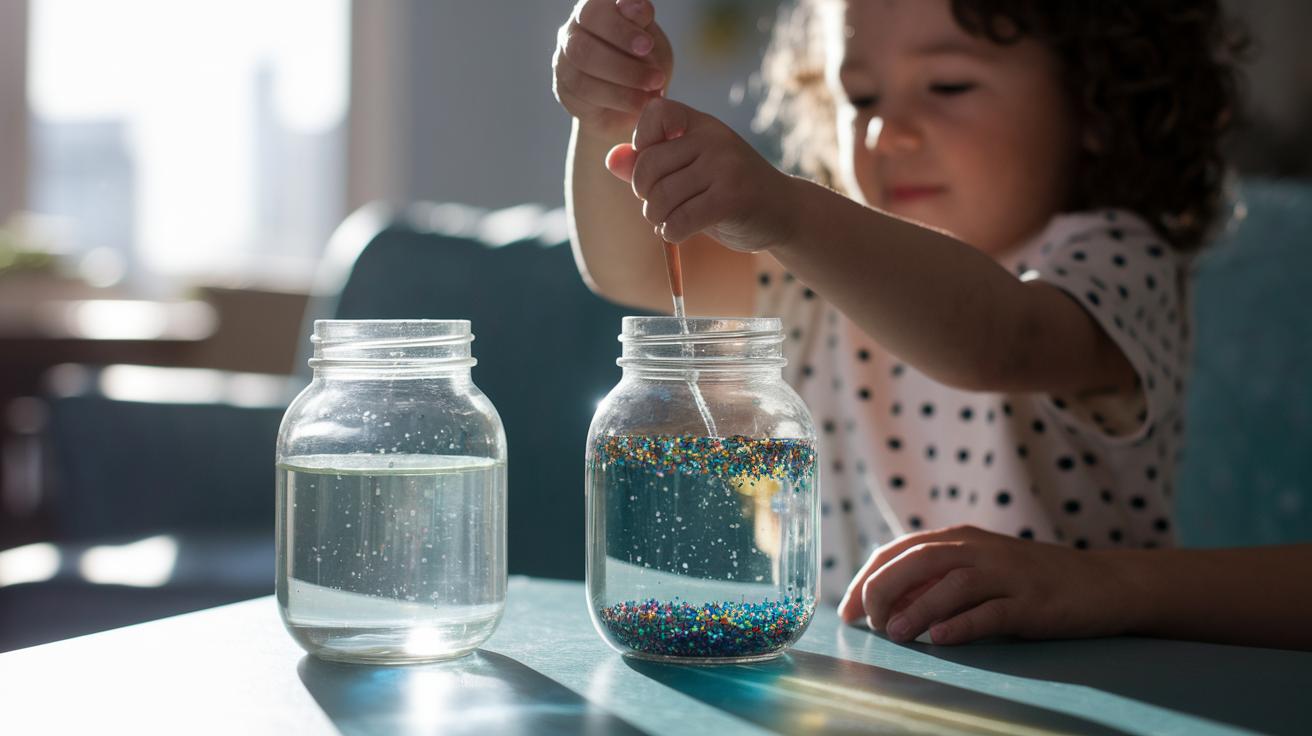
Calm-Down Jars
Start by filling a clear jar with water, a bit of oil, a few drops of food coloring, and a pinch of glitter. Let your child shake the jar with enthusiasm and then sit back to watch the glitter slowly settle. You can ask, "What do you see? How does it feel?" It’s a lovely way to capture their attention and bring a peaceful pause into their day.
Materials: clear jar, water, oil, food coloring, glitter.
Recommended Duration: 15 minutes. -
Bunny Breathing & Box Breathing
Here's a fun breathing adventure. Begin with Bunny Breathing, where your little one takes quick, soft breaths, almost like a bunny nibbling on a carrot. Then introduce Box Breathing by having them breathe in for a count of four, hold for four, breathe out for four, and hold again. You might draw a simple box on paper and let them trace it with their fingers. This makes deep breathing both clear and playful.
Materials: paper with box or bunny outlines, markers.
Recommended Duration: 10 minutes. -
Preschool Yoga Sequence
Try a gentle yoga routine made just for kids. Start with the Butterfly pose, have them sit with their feet together and let their knees gently flap like wings. Next, encourage them to become a Starfish by spreading their arms and legs wide. Finish with the Tree pose, where they stand on one leg and rest the other foot on the inner thigh. Keep your language simple and remind them to breathe slowly throughout the session.
Materials: open space, optional yoga mat.
Recommended Duration: 5 minutes. -
Calm-Down Corner Setup
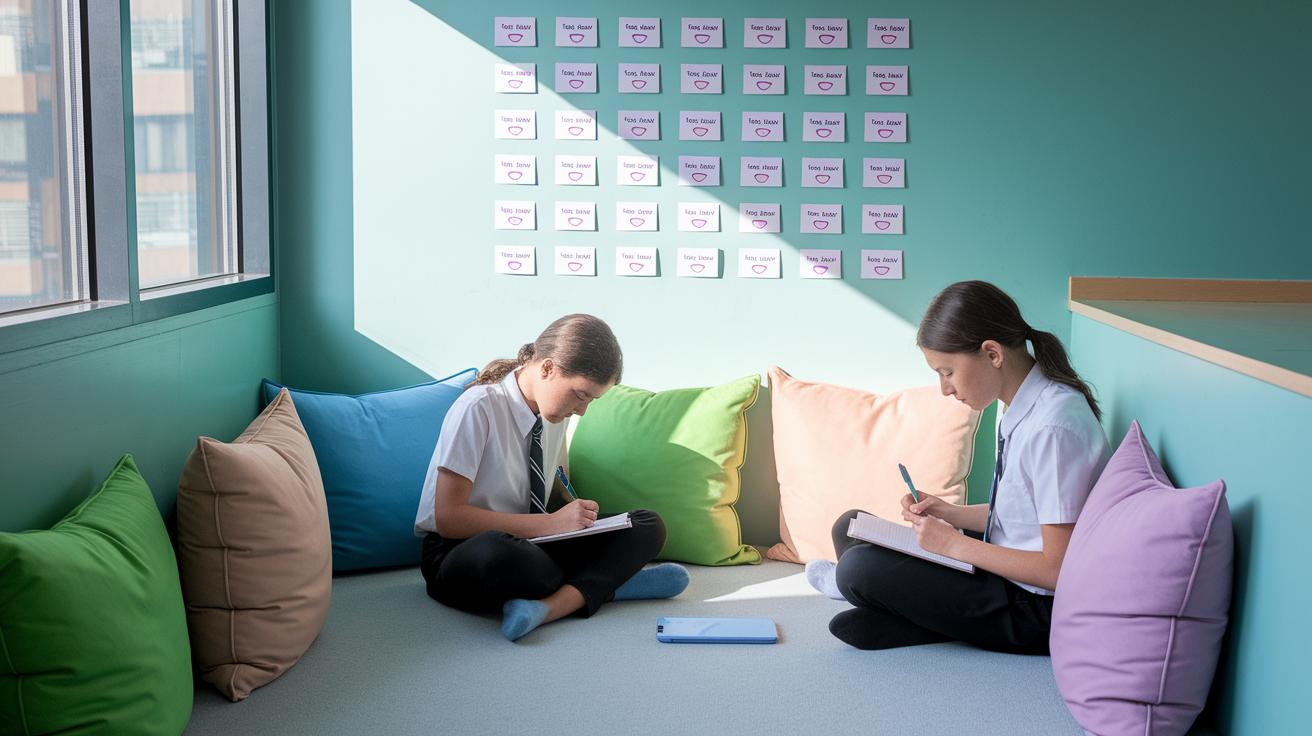
Create a little cozy corner either in the classroom or at home. Arrange beanbags, soft rugs, and a few fidget toys, and hang up a feelings wheel to spark conversation about different emotions. This special spot invites children to step away when they need a break and to practice deep, calming breaths.
Materials: beanbags, rugs, fidget toys, feelings wheel.
Recommended Duration: 10 minutes per break. -
Nature Walk with Sensory Prompts
Step outside for a short walk that invites the senses. Ask your child to listen for birds, feel different textures like leaves or bark, and look closely at various colors found in nature. Encourage deep breaths as they pause to share something interesting they notice. This simple walk helps blend movement with mindfulness in a natural setting.
Materials: safe outdoor space.
Recommended Duration: 20 minutes. -
Sensory Bottle Shake
Give each child a sensory bottle filled with water, beads, and glitter. Invite them to shake the bottle and watch the beads swirl and glitter dance around. This activity is a fun way to quiet the mind while focusing on a simple, engaging task.
Materials: sensory bottles with water, beads, and glitter.
Recommended Duration: 10 minutes.
| Technique | Materials | Duration |
|---|---|---|
| Calm-Down Jars | Jar, water, oil, food coloring, glitter | 15 min |
| Bunny & Box Breathing | Paper with drawings, markers | 10 min |
| Preschool Yoga Sequence | Open space, yoga mat | 5 min |
| Calm-Down Corner Setup | Beanbags, rugs, fidget toys, feelings wheel | 10 min |
Nature Walk with
Empathy Workshop Exercises for Early Childhood
Empathy helps our little ones build a cozy view of themselves and others. These fun activities give toddlers a chance to share, imagine, and feel together while learning to name and show their emotions. Each simple exercise uses everyday materials and gentle conversation to help young children see others' feelings and act with kindness.
Preschool social-emotional development activities: Spark Joy
When preschoolers dive into playful, hands-on activities, they learn more than just fun, they build warm friendships and trust. These playful moments help little ones share ideas, work as a team, and try different roles that boost their confidence and strengthen their bonds. Circle times and cooperative games create a classroom where every child feels noticed and cherished.
Craft Projects for Emotional Expression and Connection
Little artists can have a blast exploring their feelings and connecting with friends through fun art projects. These activities invite preschoolers to use art to show what's happening inside and share little stories with each other.
Setting Up Social-Emotional Learning Spaces and Routines
If you’re wondering how to create a warm, safe spot for social-emotional learning, you’ll find all the details in our Integrated Self-Regulation and Mindfulness Techniques section. There, we share easy steps like daily mood check-ins, handy tools for expressing emotions, and planned times for catching up on your feelings. Check out that section to get the full guide and start shaping a nurturing space for everyone. Final WordsIn the action, we saw how different activities help build core skills in self-awareness, self-regulation, empathy, and cooperative play. The post offered clear, practical steps, from emotion games to mindfulness and craft projects, to support growth. These preschool social-emotional development activities are meant to warm hearts and build strong, caring beginnings. Every tip shared is here to help create engaging, joyful moments in early childhood. FAQQ: Are there free printable preschool social emotional development activities available in PDF form?A: Free printable preschool social emotional development activities are available in PDF format. These ready-to-use resources help caregivers support early learning and nurture essential social emotional skills. Q: What social and emotional development activities are suitable for 1–2 and 2–3 year olds?A: Social emotional activities for 1–2 year olds focus on basic emotion recognition and sharing, while those for 2–3 year olds include interactive play and simple role-play to build empathy and social skills. Q: How do you teach preschoolers social emotional skills?A: Teaching preschoolers social emotional skills involves playful, hands-on activities like emotion games, cooperative tasks, and brief mindfulness practices that help children understand and express their feelings. Q: What types of activities support preschool social emotional development?A: Support for preschool social emotional development comes from activities like emotion charades, sensory play, mindfulness exercises, and empathy workshops that encourage interaction and self-expression. Q: What are the 5 C’s of social emotional learning?A: The 5 C’s are self-awareness, self-management, social awareness, relationship skills, and responsible decision-making, forming a structure to guide effective social emotional development activities. Q: What is an example of a preschool social emotional developmental milestone?A: An example milestone is when a preschooler begins to identify and name basic emotions like happy, sad, or angry, showing early self-awareness and growing social understanding. Previous article  Next article   Popular Articles |